
Tamarind gravy on the pass
- Michelin Plate · 2026
- Opinionated About Dining Top Restaurants in Asia Ranked #246 · 2024
- Opinionated About Dining Top Restaurants in Asia Highly Recommended · 2023
Tamarind reduced for the pass
On a hot plate, the sinigang reaches the table at Locavore in Manila with its tamarind pulled into gravy rather than broth. In Pasay, the discipline is legible in the plates: Philippine comfort food taken seriously enough to be cut, reduced, fried, dressed and plated with intent. Locavore runs as a casual dining group with branches across Metro Manila, and the common thread is Filipino cooking reimagined with modern twists, often using French technique to lift home-style dishes and street food into contemporary plates.
The house runs a modern Filipino program that trusts familiar names, sinigang, sisig, kinilaw, lechon, adobo, then asks the bench to alter texture and temperature without losing the memory of the dish. The work begins with recognizable food, not novelty for its own sake.
The Sunday letter
Find new places through the people who run them.
Our Sunday email brings you the chefs, winemakers and hoteliers behind our newest stories. See a sample before you subscribe.
See a sample of the Sunday emailOne email a week. Unsubscribe from any issue.
French technique, Filipino appetite
Locavore’s method sits in the small changes that alter a dish’s behavior. Sizzling Sinigang turns beef short ribs and tamarind into a sauce that clings. Boneless Lechon Belly keeps the pork in the register of celebration, but makes it easier to share across the table. Octadobo moves adobo toward octopus and paella, bringing the vinegar-soy memory into a different grain and protein structure. The Street Food Platter keeps the pleasure of fish balls and fried pieces, then sharpens the pass with sweet, spicy, and vinegar sauces.
The format supports that work: à la carte plates, many of them built for the middle of the table, with rice never treated as an afterthought. Gising gising and ginataang kalabasa pull coconut milk, vegetables, heat, and pork into the same comfort register. Pho lalo folds bulalo into a noodle-broth idea, with beef shank and bone marrow carrying the weight. The craft is not quiet because the room is quiet. It is quiet because the kitchen lets a sour gravy, a creamy sisig, or a jar of oysters do the explaining.
A lively room by the bay
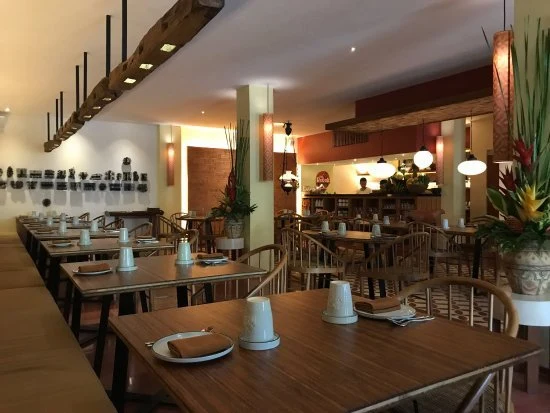
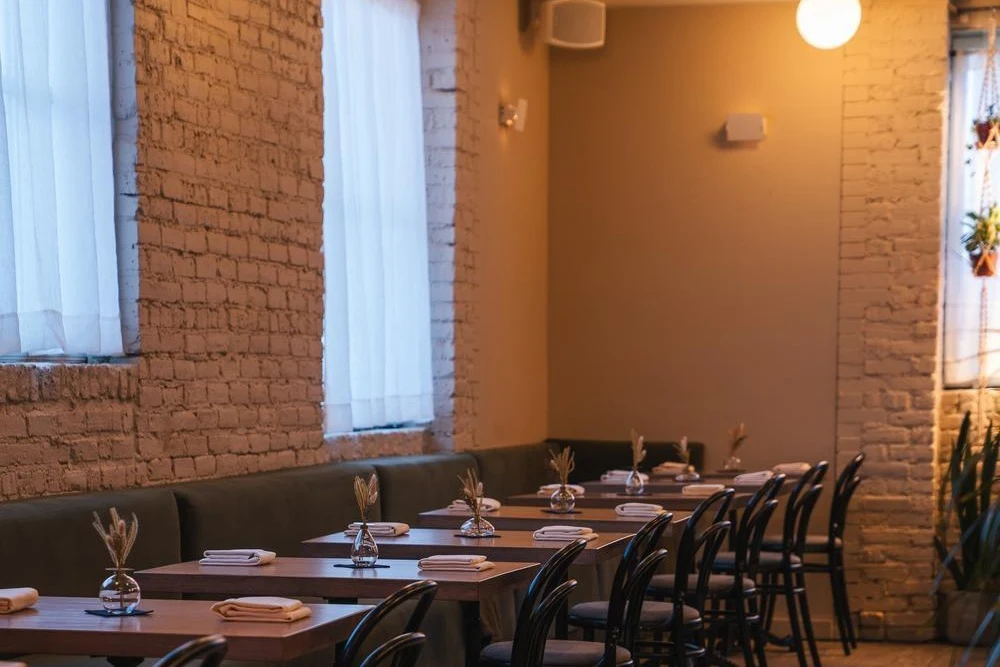
The Pasay branch sits within the S’Maison orbit of Conrad Hotel, where the room can take on the energy of the bay walk and the crowd at once. Locavore is not a hushed dining room; it works better as a counterpoint to that. Plates arrive colored, shareable, and often still audibly hot. The pass has to serve groups, drinks, family tables, and returning Filipinos who know exactly what these dishes are supposed to recall.
That pressure matters. Modern Filipino cooking can become too polite when it files down sourness, fat, smoke, or crunch. Locavore keeps the social shape of the meal intact: several plates, several hands, rice moving around the table, sauces being argued over. The room carries music, conversation, and the scrape of serving spoons. The bench has to keep pace with that noise.
The dish that holds the argument
Locavore’s place in Metro Manila rests on a narrow line: change the dish enough to make the method visible, not so much that the guest loses the thread. Its awards belong to the restaurant, and the evidence is on the plate, where a sour soup becomes a sizzling sauce and still reads as sinigang. The meal ends there, with beef short ribs, tamarind gravy and the iron heat of Sizzling Sinigang.
Questions
Frequently asked
What kind of food does Locavore serve?
Locavore serves modern Filipino food in a casual dining setting. The menu takes familiar dishes such as sinigang, sisig, kinilaw, lechon, and adobo, then reshapes them with modern twists and French technique.
What is Locavore known for?
It is known for plates that keep the memory of Filipino comfort food while changing the texture or format. Sizzling Sinigang, Boneless Lechon Belly, Octadobo, and the Street Food Platter are among the signature dishes.
What should a table order first?
The menu includes shareable à la carte plates built for the middle of the table, with rice treated as part of the meal rather than an afterthought. Sizzling Sinigang, Boneless Lechon Belly, and the Street Food Platter are central to that format.
What is the atmosphere like at the Pasay branch?
The Pasay restaurant sits at Ground Level, S'Maison on Seaside Boulevard, and the room is described as lively rather than hushed. It works as a place for groups, family tables, and conversation, with plates arriving hot and meant to be shared.
Do reservations matter, and what should I expect on price and dress code?
Reservations are recommended. The dress code is casual, and the approximate spend is about $25 per person.
The field
How it compares
| Place | Cuisine | Notes | Awards |
|---|---|---|---|
| Locavore | Modern Filipino | Pasay, $$$ | · |
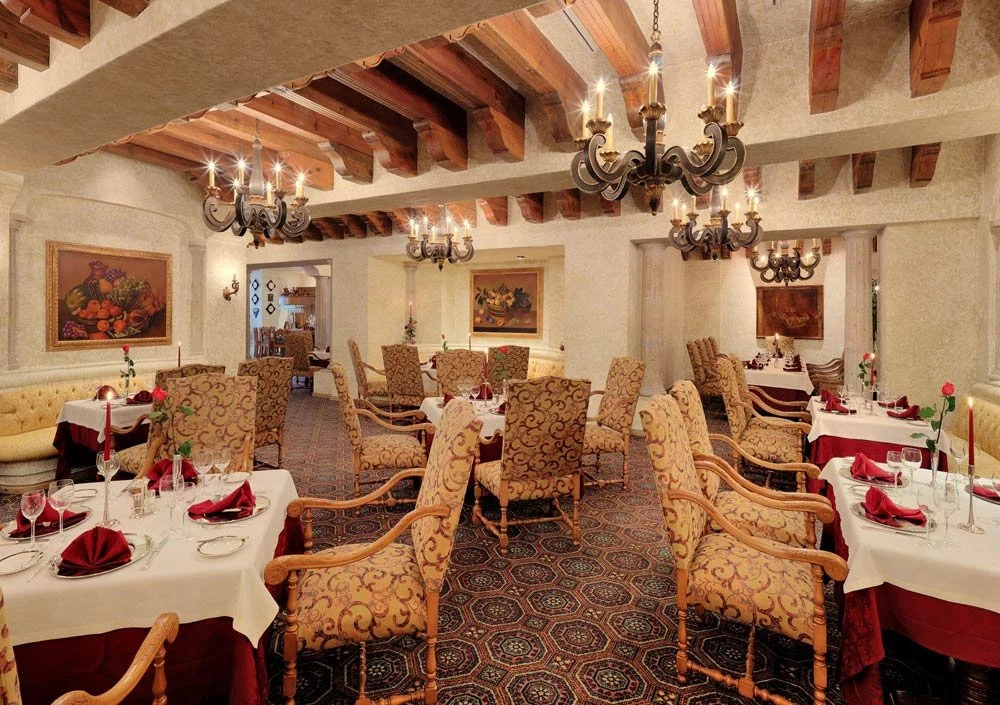
| Antonio's | Fine Dining Filipino-European Fusion | Manila | · |
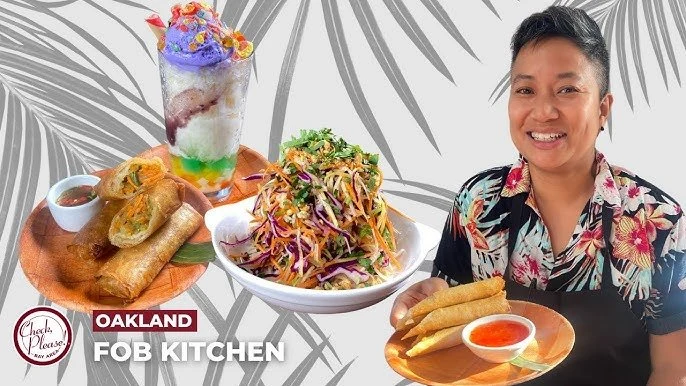
| FOB Kitchen | Modern Filipino | Oakland | · |
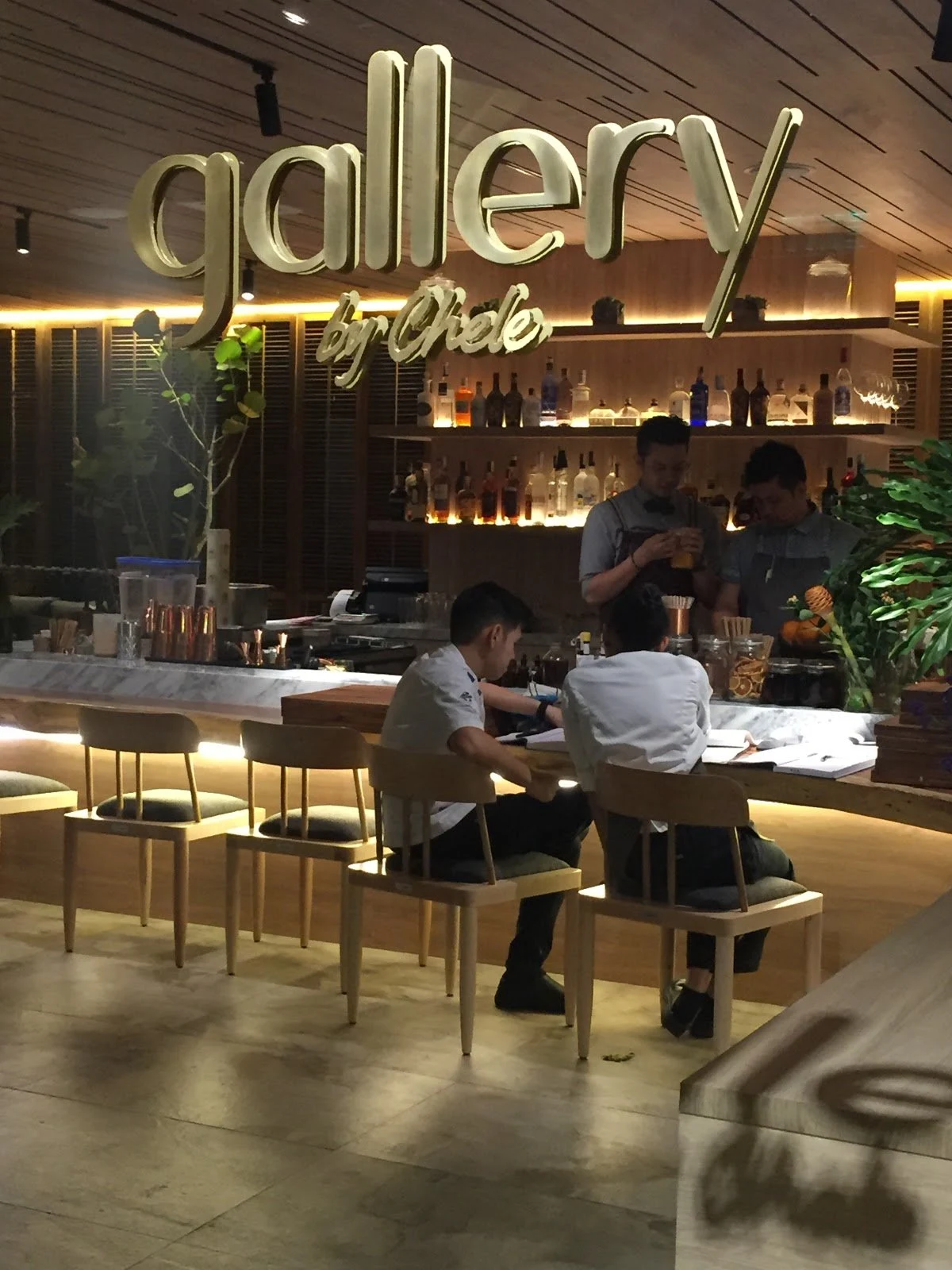
| Gallery By Chele | Modern Filipino Fine Dining | Manila | Michelin 1 Star, World's 50 Best |
| Kasama | Modern Filipino | Chicago | Michelin 2 Stars, World's 50 Best |
| M Dining + Bar | Modern European with Asian Influences | Manila | · |
| Toyo Eatery | Modern Filipino Fine Dining | Manila | Michelin 1 Star, World's 50 Best |
In residence
Similar places
Fine Dining Filipino-European Fusion
Antonio's
Manila, Philippines
Modern Filipino
FOB Kitchen
Oakland, United States
Modern Filipino Fine Dining
Gallery By Chele
Manila, Philippines
★ · 50 Best
Modern Filipino
Kasama
Chicago, United States
★★ · 50 Best
Modern European with Asian Influences
M Dining + Bar
Manila, Philippines
Modern Filipino Fine Dining
Toyo Eatery
Manila, Philippines
★ · 50 Best
The Sunday letter
Get the next Made By story in your inbox.
We send one email every Sunday morning with the places and people we covered that week.
See a sample of the Sunday emailOne email a week. Unsubscribe from any issue.