Made ByRestaurant
Lombardi’s
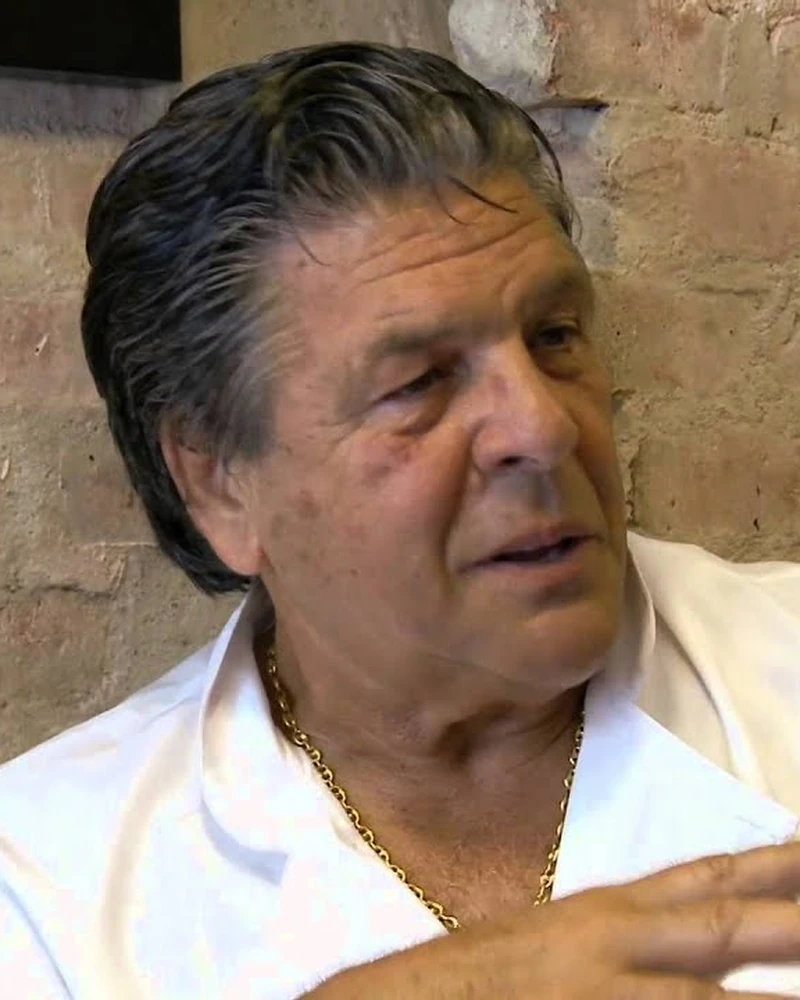
Chef in Residence
John Brescio
Chef
- 01CuisineClassic New York Coal-Fired Pizza
- 02CityNew York City, United States
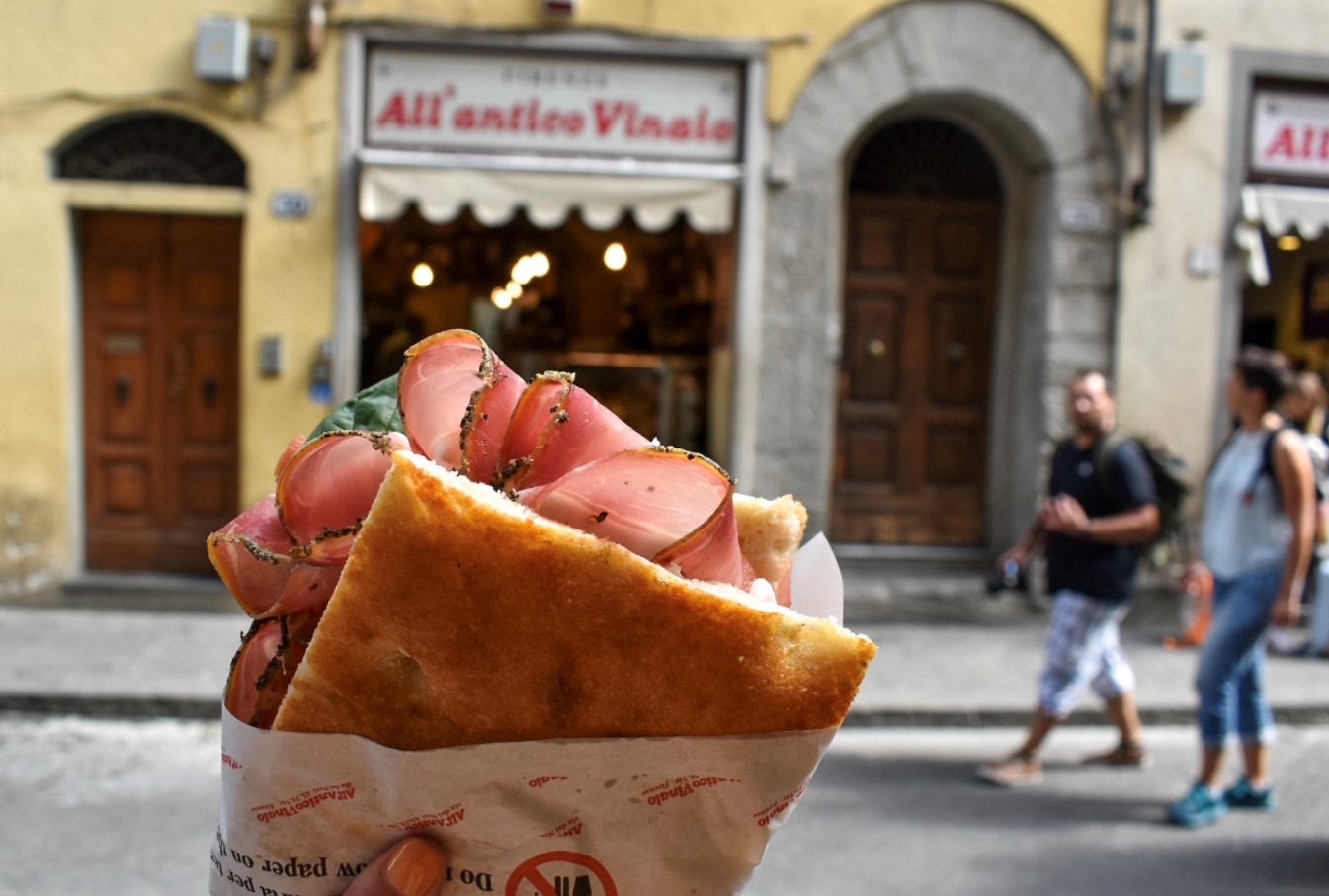
America's first pizzeria, open on Spring Street in NoLita since 1905, Lombardi's operates a coal-fired oven that predates every modern pizza debate by decades. Ranked #141 on Opinionated About Dining's Cheap Eats in North America list in 2023 and recommended by Pearl in 2025, it remains a reference point for New York's coal-oven tradition. Open daily from noon, no reservations accepted.
At a glance
- Cuisine
- Classic New York Coal-Fired Pizza
- Price
- $$
- Per person
- $30
- Hours
- Mon: 12–10 PM; Tue: 12–10 PM; Wed: 12–10 PM; Thu: 12–10 PM; Fri: 12–11:45 PM; Sat: 12–11:45 PM; Sun: 12–10 PM
- Neighborhood
- Nolita
- Rating
- 4.2 (8,892)
<h2>Where the American Pizzeria Began</h2><p>Lombardi’s is a classic New York coal-fired pizza restaurant in New York City, at 32 Spring St, and its legacy dates to 1905. Lombardi's is not merely an old restaurant, it is the institution against which every subsequent coal-fired pie in this country is measured, whether the operators of those pizzerias admit it or not. When food historians trace the lineage of New York-style pizza, they arrive here. That context matters because it shapes how the room should be read, how the pizza should be evaluated, and what the place is actually doing when it turns out a charred, uneven, coal-blistered pie in 2025.</p><p>The surrounding neighbourhood has changed considerably since Gennaro Lombardi first operated a grocery on the site before expanding into full pizza service. What was a predominantly Italian immigrant block has become one of Lower Manhattan's more desirable dining corridors, with the restaurant sitting a short walk from the density of restaurants along Mulberry and Elizabeth Streets. The coal oven itself, however, has not fundamentally changed. Coal burns hotter and more unevenly than gas, reaching temperatures that wood-fired ovens approach but rarely sustain as consistently, and the crust character that results is a direct product of that heat signature. It is not a style that can be replicated with modern equipment without losing something specific. That specificity is the case for why Lombardi's still draws attention from serious pizza lists more than a century after opening.</p><h2>Coal-Fired Tradition in the Context of New York Pizza</h2><p>New York's pizza scene in 2025 splits roughly into three operating philosophies: the classic coal-oven houses, the Neapolitan-influenced wood-fired newcomers, and the New York street-slice format that runs on gas deck ovens. Each produces a recognisably different result. The coal-oven tradition, represented in Manhattan by Lombardi's and, a few blocks north, by Angelo's Coal Oven Pizza, produces a crust with a particular density and char that the other formats do not replicate. The sourcing of coal itself has become more complicated over the decades as environmental regulations tightened, which is worth addressing directly in any honest account of how these restaurants operate today.</p><p>Coal as a fuel source carries real environmental costs. Anthracite coal, which is what the old New York pizza houses use, burns cleaner than bituminous coal but is still a fossil fuel with associated carbon output. The city's air quality regulations have put pressure on coal-oven operators over the years, and there has been documented legislative debate in New York about requiring carbon filtration systems for wood- and coal-burning restaurant equipment. Lombardi's, along with other legacy coal-oven operators, exists within that tension: the tradition they represent and the environmental implications of sustaining it are not separable from each other. This is not a reason to dismiss the tradition, but it is context that any honest reader of the pizza scene should carry into the room. The coal oven is both the source of the product's character and the source of its sustainability complexity.</p><p>For diners thinking about how their choices connect to broader environmental questions, it is worth knowing that the per-pie efficiency of a coal oven, firing large batches at sustained high heat rather than cycling on and off, is different from the energy profile of a gas oven running at lower temperatures. The argument made by coal-oven operators is that peak-temperature, high-volume firing is more efficient per unit of food produced than the alternative. That argument has some validity, though it does not resolve the fossil fuel question. The point is that the environmental picture is more layered than a simple coal-equals-bad read.</p><p>For a sense of how other American pizza traditions handle sourcing and format questions differently, Ken's Artisan Pizza in Portland and <a href="https://www.enprimeurclub.com/restaurants/11th-street-pizza-miami-restaurant">11th Street Pizza in Miami</a> represent regional approaches that have grown up in different regulatory and sourcing environments. Within New York itself, <a href="https://www.enprimeurclub.com/restaurants/best-pizza-new-york-city-restaurant">Leading Pizza</a> in Williamsburg and Artichoke Basille's operate from a different equipment and ingredient philosophy, while <a href="https://www.enprimeurclub.com/restaurants/don-antonio-new-york-city-restaurant">Don Antonio</a> sits closer to the Neapolitan end of the spectrum. Denino's Pizzeria and Tavern out on Staten Island represents a coal-oven house with a comparable legacy and a different neighbourhood relationship.</p><h2>Recognition and Where It Sits in the Cheap Eats Tier</h2><p>Opinionated About Dining placed Lombardi’s at #141 on its Cheap Eats list in 2023 and #255 in 2024. Pearl issued a recommended designation in 2025. These are not fine-dining credentials. They are cheap-eats and accessible-restaurant credentials, which is exactly what Lombardi’s is: a casual, walk-in-friendly pizzeria that competes on product quality and historical standing.</p><p>For comparison, the upper tier of New York dining, Le Bernardin, Masa, Per Se, Eleven Madison Park, Atomix, operates at a price and format distance that makes any direct comparison irrelevant. The more useful comparison set is within the coal-oven and legacy pizza category, where ingredient sourcing decisions, crust character, and historical continuity are the relevant variables. At that level, Lombardi's continued presence on the OAD list across multiple years carries weight.</p><p>Chef John Brescio runs the kitchen. That credential sits within the broader context of what a coal-oven pizzeria kitchen actually demands: temperature discipline, dough consistency, and an understanding of how the oven behaves across a service. These are specific skills, and the consistency that sustained ranking implies suggests they are present.</p><h2>Planning a Visit</h2><p>Lombardi's operates at 32 Spring Street in NoLita, reachable via the 6 train at Spring Street or the B, D, F, M lines at Broadway-Lafayette. Hours run Monday through Thursday and Sunday from noon to 10 pm, with extended service on Friday and Saturday to 11:45 pm. The restaurant is walk-in friendly, so arriving early on weekday afternoons or accepting a wait on weekend evenings is the primary logistical variable. The address puts it within walking range of a dense section of the NoLita and Little Italy dining corridor, making it a natural starting point or anchor in a longer evening. For a broader view of where Lombardi's sits in New York's full dining picture, the EP Club New York City restaurants guide covers the full range of the city's scene. Those building a longer trip can also consult the New York City hotels guide, the bars guide, and the experiences guide. For those interested in wine in the broader region, the New York City wineries guide covers that separately. Among other American restaurants operating at the intersection of historical significance and sustained critical recognition, Emeril's in New Orleans, <a href="https://www.enprimeurclub.com/restaurants/lazy-bear">Lazy Bear in San Francisco</a>, <a href="https://www.enprimeurclub.com/restaurants/alinea">Alinea in Chicago</a>, <a href="https://www.enprimeurclub.com/restaurants/the-french-laundry">The French Laundry in Napa</a>, <a href="https://www.enprimeurclub.com/restaurants/single-thread">Single Thread Farm in Healdsburg</a>, and <a href="https://www.enprimeurclub.com/restaurants/providence">Providence in Los Angeles</a> each represent a different dimension of what American restaurants do at the level of sustained attention and culinary seriousness.</p>
Know before you go
- Dress code
- casual
- Reservations
- walk_in_friendly
- Parking
- street
- Payment
- cash
- Outdoor seating
- Yes
- Groups
- Welcomed
- Children
- Welcomed
Frequently asked
When can I go to Lombardi’s?
Hours at Lombardi’s: Hours: Monday 12–10 pm Tuesday 12–10 pm Wednesday 12–10 pm Thursday 12–10 pm Friday 12–11:45 pm Saturday 12–11:45 pm Sunday 12–10 pm.
Who is the chef or culinary lead at Lombardi’s?
The chef associated with Lombardi’s is John Brescio.
What part of town is Lombardi’s in?
Lombardi’s is located at 32 Spring St, New York, NY 10012, New York City.
Has Lombardi’s won any awards?
Lombardi’s has received recognition including: Pearl Recommended Restaurant (2025); Opinionated About Dining Cheap Eats in North America Ranked #255 (2024); Opinionated About Dining Cheap Eats in North America in Ranked #141 (2023).
Address
32 Spring St, New York, NY 10012
Nolita
How it compares
Lombardi’s
- Price
- $$
- Awards
- 3 recognitions
- Notes
- SoHo-Little Italy-Hudson Square, Classic New York Coal-Fired Pizza
- Price
- $$
- Awards
- 3 recognitions
- Notes
- Midtown South-Flatiron-Union Square, Roman-Style Pizza
- Price
- $$
- Awards
- 3 recognitions
- Notes
- Midtown-Times Square, Italian Aperitivo Caffé
- Price
- $$
- Awards
- 4 recognitions
- Notes
- Upper West Side-Lincoln Square, Classic Italian-American Sandwiches & Pasta
- Price
- $$
- Awards
- 3 recognitions
- Notes
- Chinatown-Two Bridges, New York-Style Pizza
- Price
- $$
- Awards
- 5 recognitions
- Notes
- Williamsburg, Modern Italian Pizza Slices
In residence
Similar places
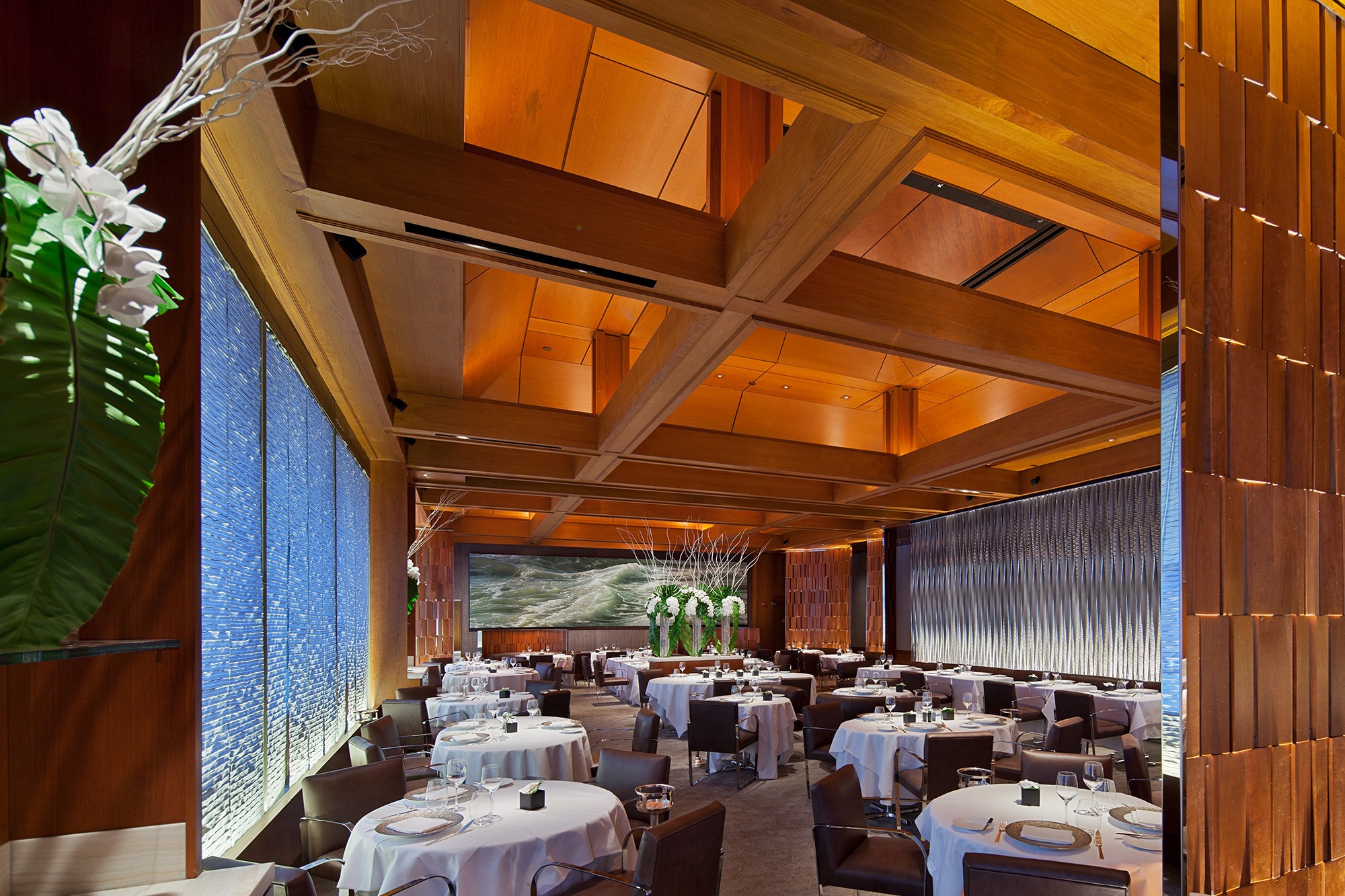
French Seafood Fine Dining
Le Bernardin
New York City, United States
★★★ · 50 Best
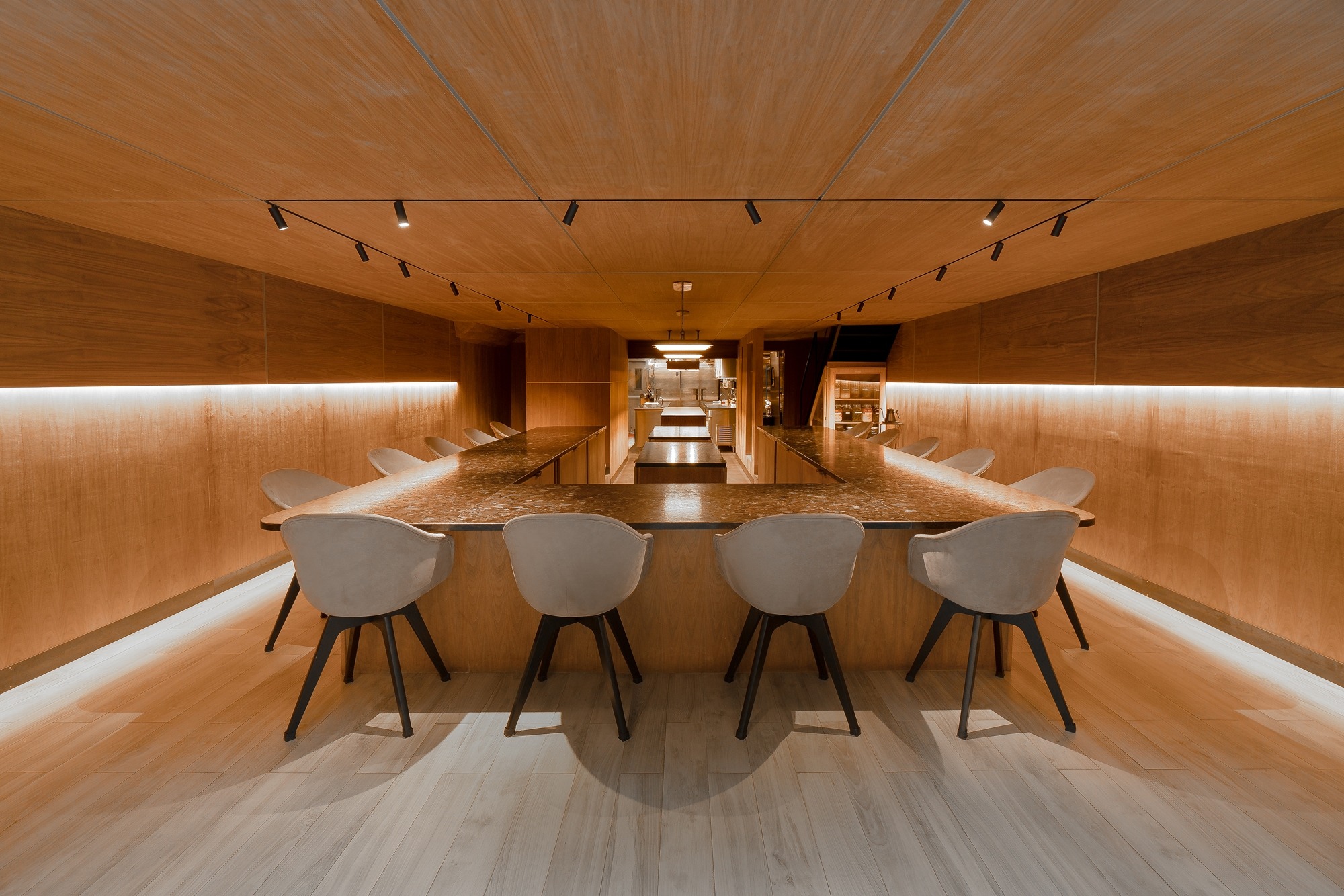
Modern Korean Tasting Menu
Atomix
New York City, United States
★★ · 50 Best
Contemporary Plant-Based Fine Dining
Eleven Madison Park
New York City, United States
★★★ · 50 Best
Modern Caribbean Prix Fixe
Kabawa
New York City, United States
50 Best
Modern Korean Fine Dining
Jungsik New York
New York City, United States
★★★ · 50 Best
Modern French Fine Dining
Daniel
New York City, United States
★ · 50 Best