Made ByRestaurant
MáLà Project
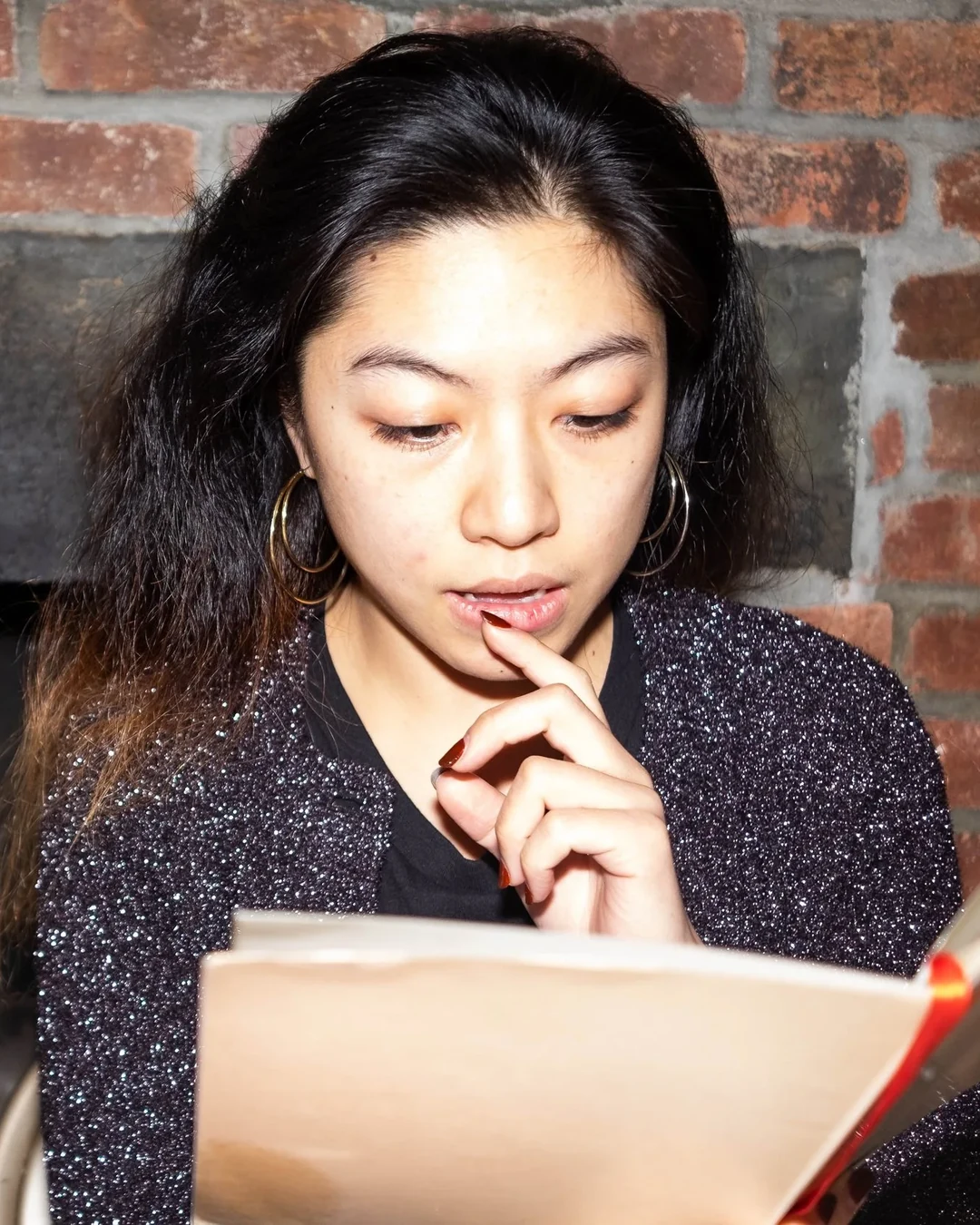
Chef in Residence
Amelie Kang
Chef
- 01CuisineSichuan Dry Pot
- 02CityNew York City, United States
The East Village original that launched a multi-location Sichuan operation, MáLà Project earned a Michelin Bib Gourmand in 2024 for cooking that balances customizable dry pots with composed classics like cold husband and wife beef and dan dan noodles. Chef Amelie Kang's menu holds its heat in check, letting aromatics and technique carry the weight. A 4.4 Google rating across more than 1,300 reviews confirms its durability on the New York Chinese dining circuit.
- Michelin Bib Gourmand
At a glance
- Cuisine
- Sichuan Dry Pot
- Price
- $$
- Per person
- $35
- Hours
- Mon: 12–9:15 PM; Tue: 12–9:15 PM; Wed: 12–9:15 PM; Thu: 12–9:15 PM; Fri: 12–10 PM; Sat: 11 AM–10 PM; Sun: 11 AM–9:15 PM
- Neighborhood
- East Village
- Rating
- 4.4 (1,411)
<h2>Where East Village Brick Walls Meet the Sichuan Pantry</h2><p>New York's Chinese restaurant scene has long operated on two distinct registers: the utilitarian dining rooms of Flushing and Chinatown, where provenance and price efficiency drive foot traffic, and a newer cohort of chef-driven rooms translating regional Chinese cuisines for a broader, more mixed audience. MáLà Project, which opened its original location at 122 1st Ave in the East Village, belongs firmly to the second register. The East Village original retains the character that established the concept: exposed brick, low ceilings, a communal table, and a menu centered on the Sichuan canon interpreted through a format that bridges accessibility and specificity.</p><p>The setting matters as context. East Village dining has historically rewarded operators who can hold a room's identity across years of neighborhood turnover. The cavernous, winding layout here is less a design statement than a working environment for a format that invites extended meals and group decision-making. The communal table anchors that intention: this is a room that functions better with a crowd than without one.</p><h2>The Dry Pot as Culinary Architecture</h2><p>The tension in contemporary Sichuan cooking exported to Western cities is between fidelity and legibility. Authentic preparation in Chongqing or Chengdu leans into numbing spice, fermented depth, and animal fats in quantities that unaccustomed diners find confrontational. The American adaptation often softens these edges so far that the dish becomes unrecognizable. MáLà Project's dry pot format addresses this without fully resolving it, and that partial resolution is arguably the more honest position.</p><p>Diners build their own dry pot by selecting proteins (meat, seafood, or both), vegetables, and a spice level. The Sichuan dry pot tradition, distinct from the broth-based hot pot more familiar to general audiences, cooks ingredients in a wok with chili oil, doubanjiang, and dried aromatics before serving in a vessel that holds heat without additional liquid. The technique originated as a streetside format in Sichuan and Chongqing and arrived in New York carrying most of its structural logic intact. What the customization model at MáLà Project adds is a degree of control over intensity that shifts the experience from confrontational to navigable, without stripping the dish of its defining heat-and-numbing duality.</p><p>The possibilities are, as the kitchen acknowledges, nearly infinite in combination. That breadth is both the draw and the challenge: first-time visitors often benefit from guidance, and the Sichuan classics section of the menu functions as a reliable anchor for those less inclined to compose their own bowl.</p><h2>The Classics as a Separate Argument</h2><p>Sichuan cuisine's global reputation has been built largely on a handful of preparations whose flavor profiles are specific enough to be immediately recognizable: the lip-numbing, oiled heat of mapo tofu; the cold-dressed, chili-sheened proteins of bang bang presentations; the sesame-tahini depth of dan dan noodles. These dishes encode a technical tradition that imported chili oil and ground Sichuan peppercorn cannot fully replicate without the right sourcing and preparation discipline.</p><p>At MáLà Project, the classics menu represents a distinct argument from the dry pot. The cold husband and wife appetizer (braised beef and tripe) demonstrates the cold-dressed Sichuan style: the braising produces a specific texture in both proteins, the dressing balances chili oil with aromatics, and the dish arrives without heat of any kind, relying entirely on the quality of preparation rather than temperature contrast. The white fish with pickled vegetables situates itself in a different Sichuan register, the sour-and-aromatic cooking tradition of Southwest China that uses preserved vegetables to build acidity and depth simultaneously. Dan dan noodles here arrive warm, a small but meaningful departure from some presentations that serve them at room temperature; the sesame-chili sauce coats fresh noodles with enough residual heat to maintain emulsification.</p><p>None of these dishes are designed to maximize spice intensity. The kitchen's apparent position is that Sichuan cooking's complexity is better expressed through layered flavor than through heat escalation, a technically sound argument that happens to also serve the East Village audience well.</p><h2>The Bib Gourmand Signal and Its Peer Context</h2><p>New York's Michelin Bib Gourmand list functions as a specific kind of endorsement: it signals cooking that meets a technical and consistency standard without the full-service architecture required for star consideration. The 2024 Bib Gourmand for MáLà Project places it in a cohort of city Chinese restaurants recognized for value-to-quality ratio, a category that also includes accessible operations across the city's Chinese dining spectrum. At the $$ price point, MáLà Project competes against both Chinatown standbys and the newer wave of regional Chinese specialists. The Google rating of 4.4 across 1,411 reviews suggests the recognition has translated into consistent repeat performance rather than a single editorial moment.</p><p>For comparison within New York's broader Chinese dining category, the East Village positioning and format distinguish MáLà Project from the Flushing specialists (who serve a more local Chinese-American audience) and from the handful of Chinese fine dining operations that have emerged in Manhattan. Globally, the conversation around Chinese regional cuisine interpreted through imported technique connects to what <a href="https://www.enprimeurclub.com/restaurants/restaurant-tim-raue-berlin-restaurant">Restaurant Tim Raue in Berlin</a> and Mister Jiu's in San Francisco have each done in their respective cities: taken a Chinese cooking tradition and framed it through a context that brings new audiences without discarding the source material's integrity.</p><p>Chef Amelie Kang's role in shaping the menu and the multi-location expansion places MáLà Project in the company of other chef-driven Chinese operations in the city, including <a href="https://www.enprimeurclub.com/restaurants/chongqing-lao-zao-new-york-city-restaurant">Chongqing Lao Zao</a>, which approaches Chongqing-specific cooking from a different angle, and <a href="https://www.enprimeurclub.com/restaurants/alley-41-new-york-city-restaurant">Alley 41</a>, which covers similar Sichuan-adjacent territory in Midtown. The East Village, with its concentration of independently operated restaurants and higher tolerance for communal, format-driven dining, remains a strong fit for the concept's DNA.</p><p>The New York Chinese dining scene extends well beyond Sichuan. <a href="https://www.enprimeurclub.com/restaurants/asian-jewel-seafood-restaurant-new-york-city-restaurant">Asian Jewel Seafood Restaurant</a> and <a href="https://www.enprimeurclub.com/restaurants/big-wong-new-york-city-restaurant">Big Wong</a> in Chinatown represent the Cantonese tradition that dominated the city's Chinese dining for decades, while <a href="https://www.enprimeurclub.com/restaurants/blue-willow-new-york-city-restaurant">Blue Willow</a> approaches the category through a different format entirely. The breadth of the scene is one reason New York remains the strongest North American market for regional Chinese cuisine outside of cities with large Chinese-American populations on the West Coast.</p><h2>Planning Your Visit</h2><p>MáLà Project's East Village original at 122 1st Ave operates as a walk-in and reservation restaurant, with demand running high enough on weekend evenings that booking ahead is advisable. The $$ price range positions a full meal with dry pot and starters at a cost significantly below the city's higher-end Chinese operations, and well below the $$$$ tier occupied by comparison venues like <a href="https://www.enprimeurclub.com/restaurants/alinea">Alinea in Chicago</a> or <a href="https://www.enprimeurclub.com/restaurants/the-french-laundry">The French Laundry in Napa</a>. Groups of three or more get the most from the dry pot format, where the range of protein and vegetable selections scales meaningfully with table size. Solo diners or pairs often find the classics section a more coherent approach, allowing the kitchen's composed work to carry the meal rather than the customization model.</p><p></p>
Know before you go
- Dress code
- casual
- Reservations
- recommended
- Parking
- street
- Payment
- credit_card
- Groups
- Welcomed
Frequently asked
Which chef is MáLà Project associated with?
The chef associated with MáLà Project is Amelie Kang.
What's the must-try dish at MáLà Project?
The cold husband and wife appetizer (braised beef and tripe) is the clearest entry point into the kitchen's range — it demonstrates the cold preparation technique that defines a core segment of Sichuan cooking. The warm dan dan noodles and white fish with pickled vegetables have also drawn consistent editorial attention. If you prefer an interactive format, the dry pot allows you to select your own proteins, vegetables, and spice level, which suits first-time visitors and regulars alike. MáLà Project holds a 2024 Michelin Bib Gourmand, meaning the cooking here meets a documented technical standard at a mid-range price point.
Is MáLà Project more mid-range or high-end?
Pricing at MáLà Project is listed as $$.
What part of town is MáLà Project in?
MáLà Project is located at 122 1st Ave, New York, NY 10009, New York City.
Address
122 1st Ave, New York, NY 10009
East Village
How it compares
MáLà Project
- Cuisine
- Sichuan Dry Pot
- Price
- $$
- Awards
- Michelin Bib Gourmand
- Notes
- East Village
- Cuisine
- Authentic Sichuan
- Price
- $$
- Awards
- Michelin Bib Gourmand
- Notes
- Sunset Park (Central)
- Cuisine
- Authentic Shanghainese
- Price
- $$
- Awards
- Michelin Bib Gourmand
- Notes
- Murray Hill-Kips Bay
- Cuisine
- Modern Chinese Small Plates
- Price
- $$
- Awards
- Michelin Bib Gourmand
- Notes
- Chinatown-Two Bridges
- Cuisine
- Cantonese-American
- Price
- $$
- Awards
- Michelin Bib Gourmand
- Notes
- Lower East Side
- Cuisine
- Traditional Cambodian
- Price
- $$
- Awards
- Michelin Bib Gourmand
- Notes
- Upper East Side-Lenox Hill-Roosevelt Island
In residence
Similar places
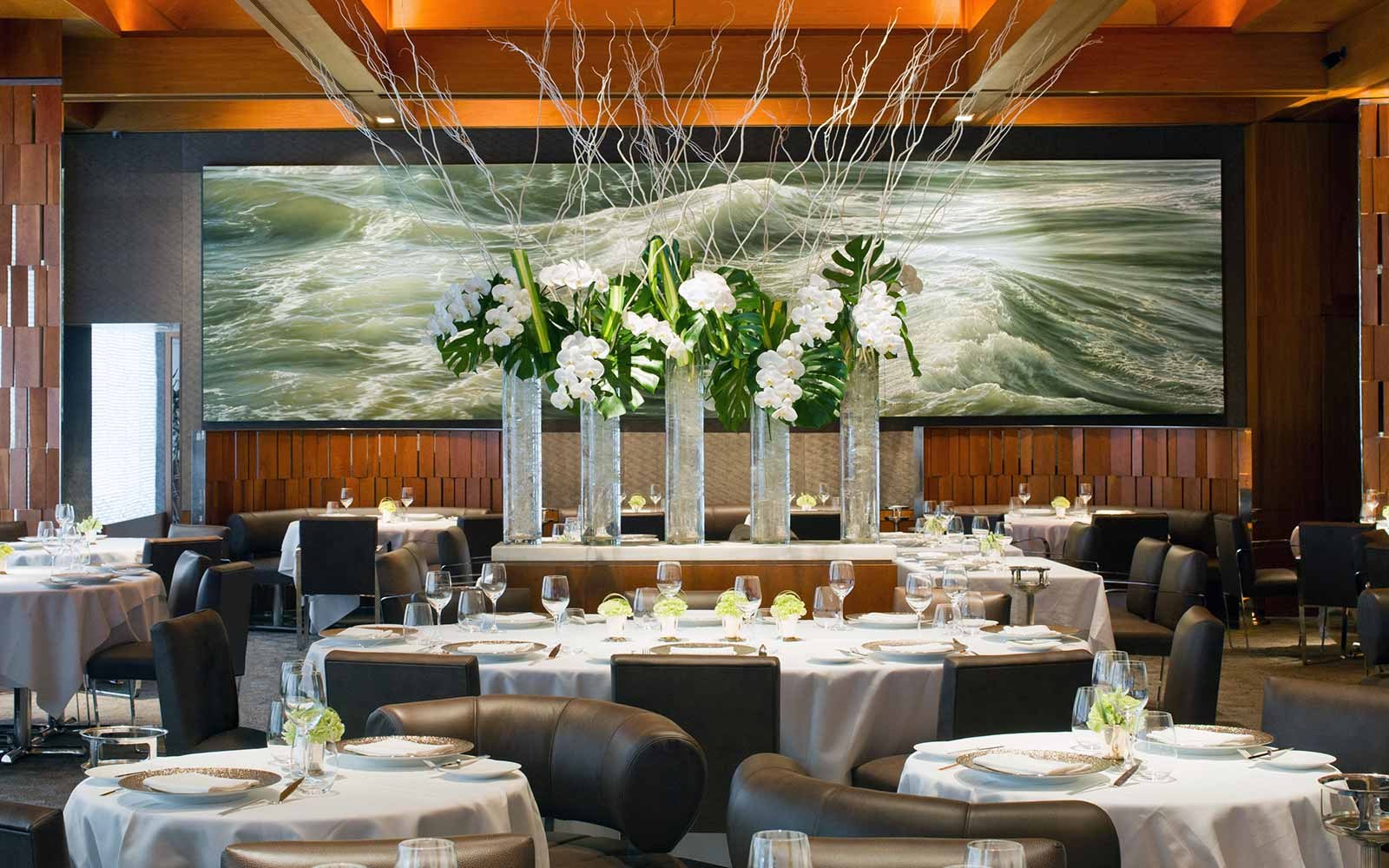
French Seafood Fine Dining
Le Bernardin
New York City, United States
★★★ · 50 Best
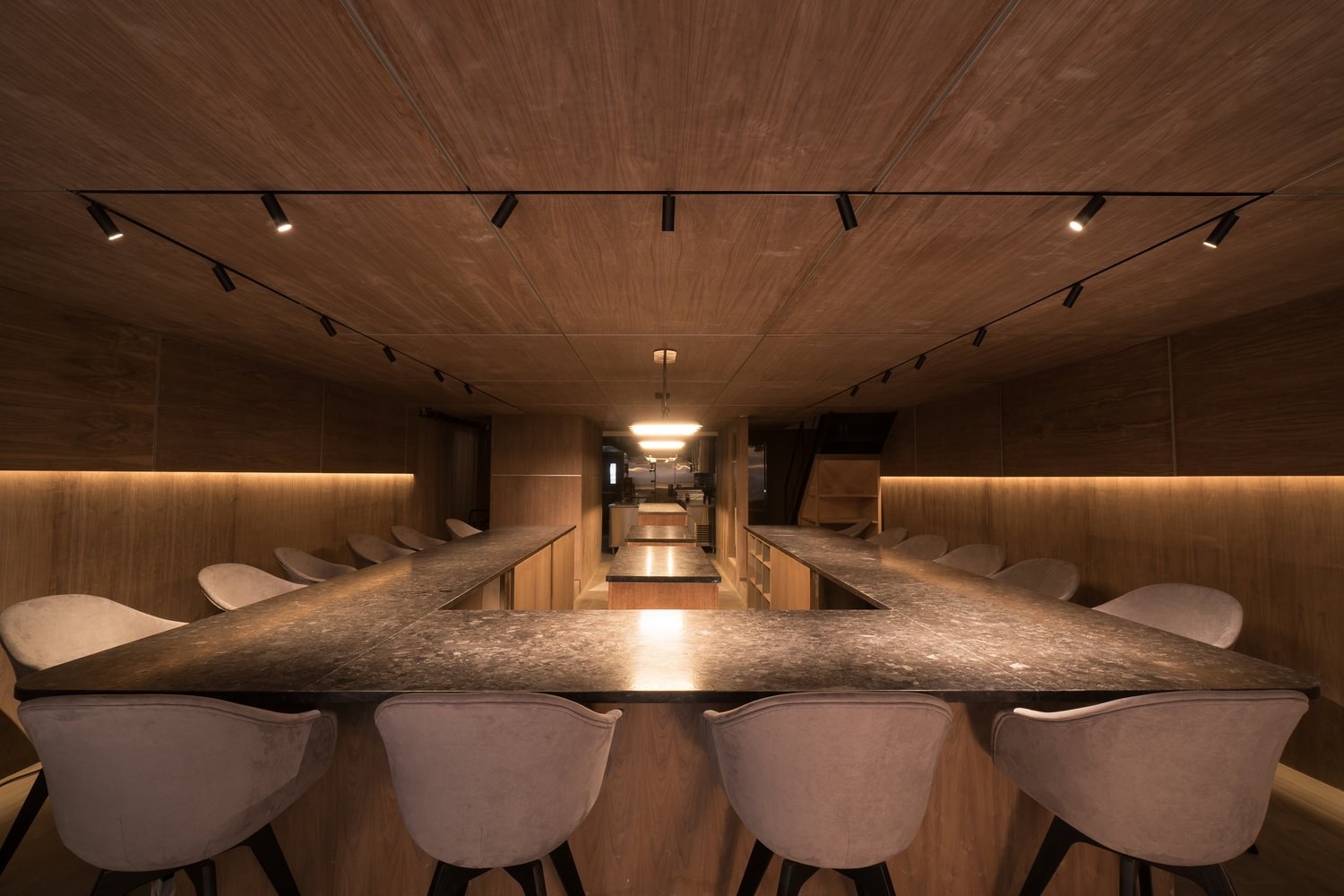
Modern Korean Tasting Menu
Atomix
New York City, United States
★★ · 50 Best
Contemporary Plant-Based Fine Dining
Eleven Madison Park
New York City, United States
★★★ · 50 Best
Modern Caribbean Prix Fixe
Kabawa
New York City, United States
50 Best
Modern Korean Fine Dining
Jungsik New York
New York City, United States
★★★ · 50 Best
Modern French Fine Dining
Daniel
New York City, United States
★ · 50 Best