- Pearl 2 Star Prestige · 2025
Downtown Santa Barbara's Wine Corridor, and Where Margerum Fits In
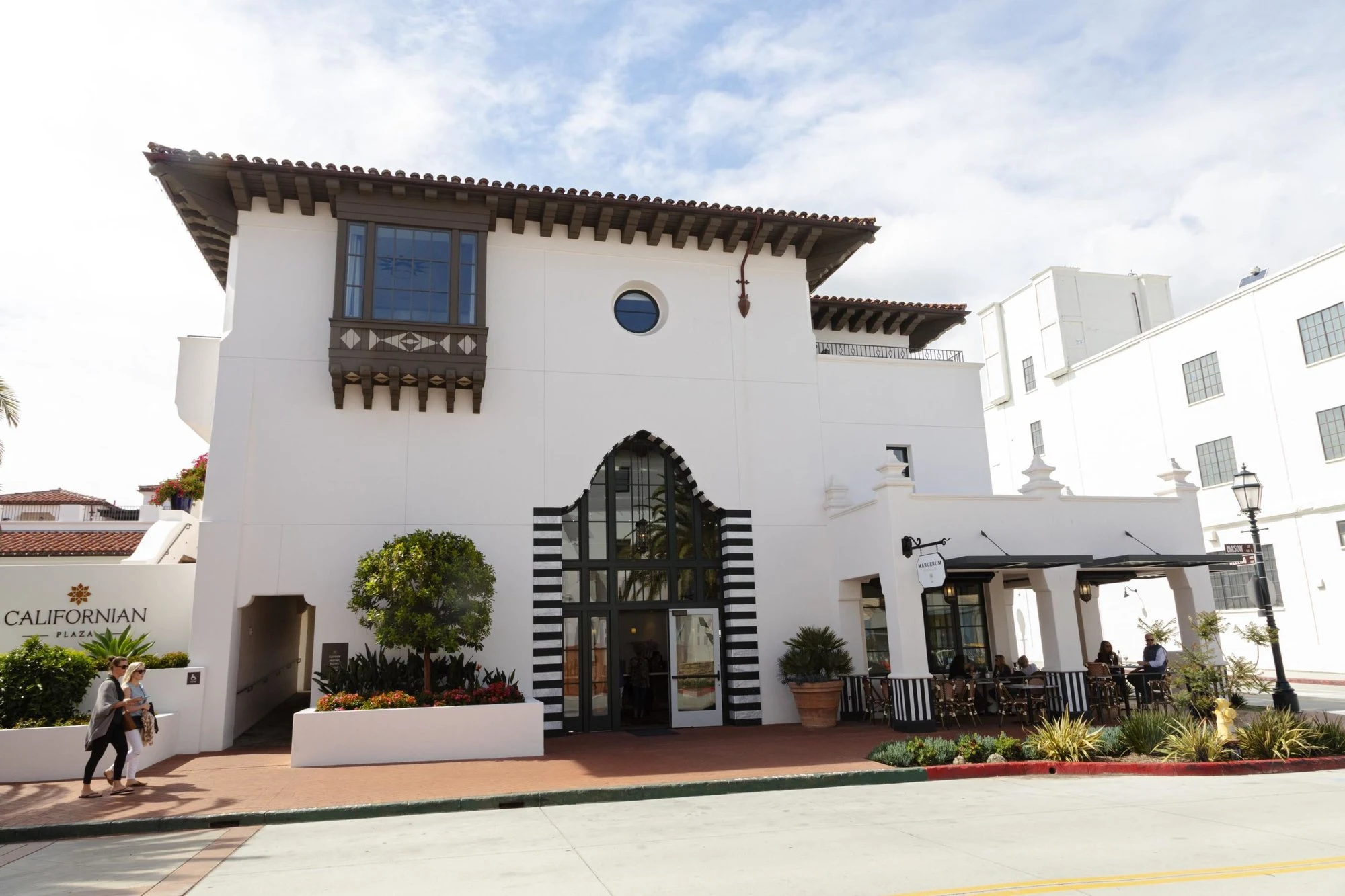
Mason Street sits one block from State Street's retail strip, close enough to the tourist current that you'd expect a pour-and-move-on tasting room. Margerum Wine Company operates in that zip code but belongs to a different category: producers for whom the tasting room is a front door to a program built on blending decisions and barrel work rather than a showcase for a single high-profile vineyard. That distinction matters in Santa Barbara, where the wine scene has fractured cleanly between estate-anchored houses and those that treat the region's diverse appellations as a sourcing palette.
Santa Barbara's wine geography rewards that second approach. The east-west orientation of the Santa Ynez Valley and the Santa Rita Hills funnels cold Pacific air inland, creating a temperature range across a short distance that few California counties can match. Producers who understand how to move between those microclimates, blending across appellations or choosing barrel programs that suit the cooler-climate acidity of the fruit, tend to make bottles with more structural interest than single-site producers playing a narrower hand. Margerum is read by the wider Santa Barbara wine community as a house that prioritizes that kind of post-harvest intelligence.
The Logic of Aging and Blending in Santa Barbara's Climate
The editorial angle that explains Margerum's position in Santa Barbara is what happens after harvest. California's Central Coast has spent the past two decades recalibrating toward freshness, lower alcohols, and wines with enough acidity to age. That shift has made barrel selection and aging duration consequential decisions rather than afterthoughts. For producers working with Rhône varieties, which represent a significant thread in Santa Barbara's identity alongside Pinot Noir and Chardonnay, the question of when to blend across vineyard blocks, how much new oak to accept, and how long to hold wine before release shapes the final character more visibly than it might in warmer appellations where ripeness almost always resolves the frame.
Santa Barbara's Syrah, for instance, arrives at harvest with a peppery, Northern Rhône-adjacent quality in cooler years that is easily destroyed by aggressive oak or premature release. Grenache from warmer inland blocks needs the opposite handling: enough time in barrel to integrate without losing the brightness that separates it from over-extracted California Grenache made further south or inland. The blending decisions required to make a Rhône-style blend from Santa Barbara fruit are therefore site-specific and vintage-specific in a way that demands consistent winemaking judgment across years. This is the frame through which Margerum's recognition carries weight: it reflects consistency of output, not a single-vintage achievement.
comparable set: How Margerum Sits Among Santa Barbara Producers
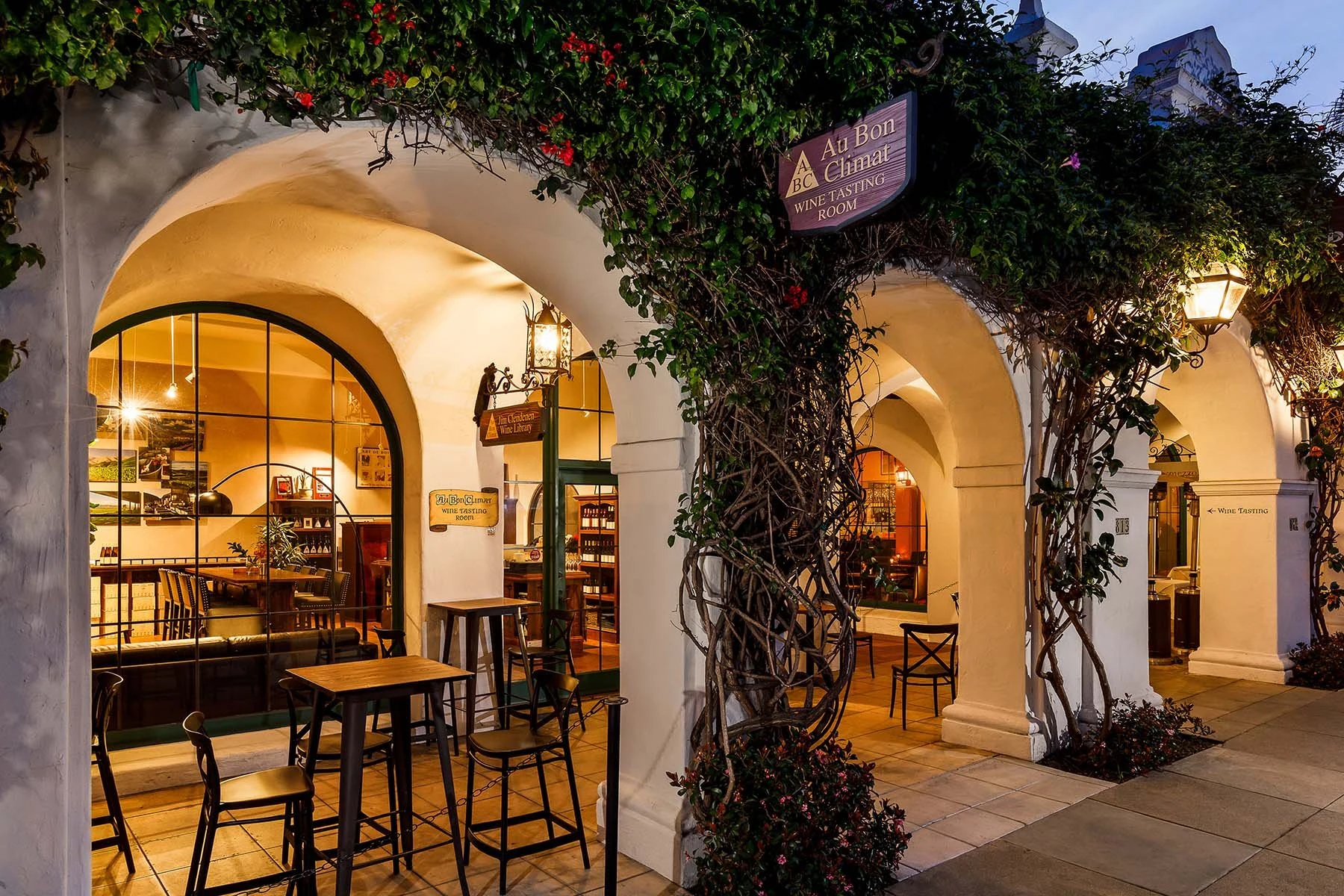
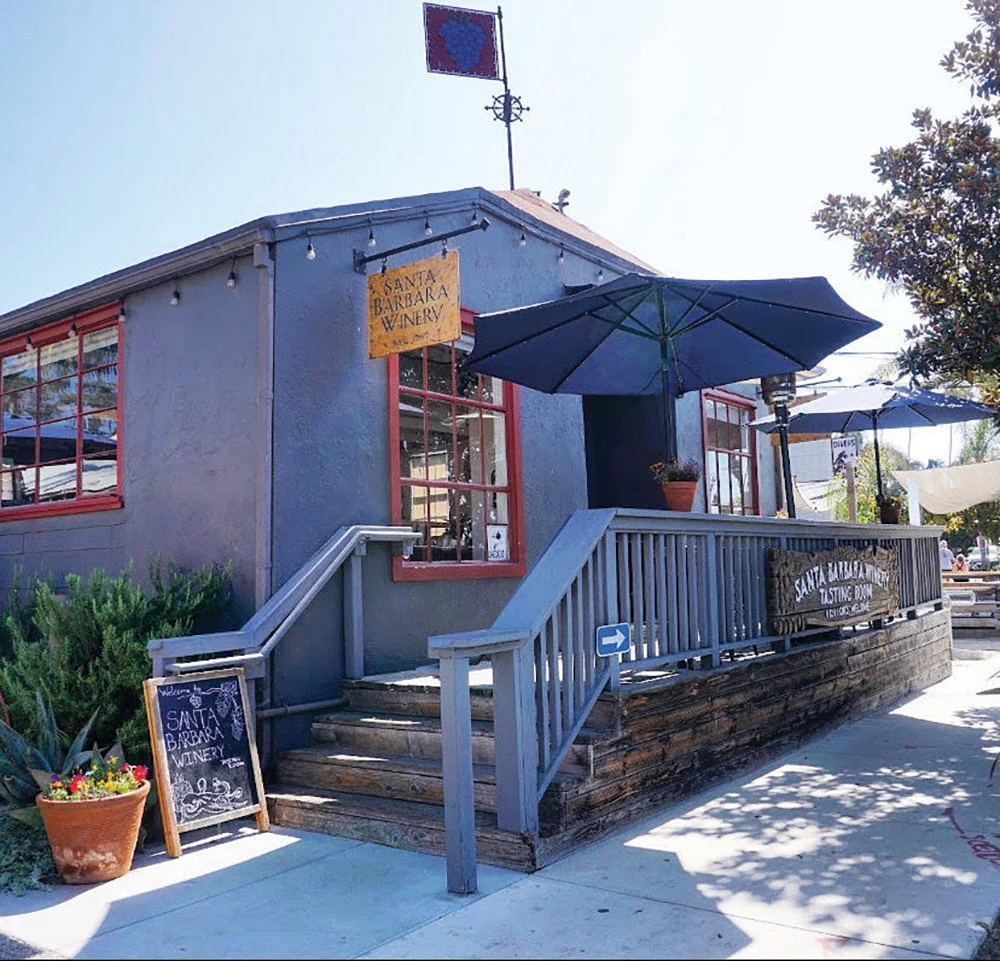
Santa Barbara's tasting room and winery scene is dense enough that positioning matters for the visitor making allocation decisions. On the estate side, Melville Vineyards and Winery anchors the Sta. Rita Hills with estate-grown Pinot and Chardonnay from their Lompoc property, a different model entirely. Au Bon Climat has operated from the same Santa Maria Valley facility for decades and built a Burgundian reference point for the region. On the smaller-production, more experimental end, Sanguis Winery works in micro-quantities and pushes stylistic limits. The more accessible urban tasting rooms, including Santa Barbara Winery and Carr Vineyards and Winery, occupy the downtown corridor and offer broader portfolios to walk-in traffic.
Margerum sits in its own sub-category within that ecosystem: a downtown address with the sourcing reach and blending ambition of a producer that treats the whole Santa Barbara appellation system as raw material. That position requires the tasting room to do explanatory work, connecting visitors to the logic of why a blend from disparate Santa Barbara blocks tastes the way it does and why the barrel program was designed to support rather than mask the underlying fruit.
Planning a Visit: Timing, Access, and Context
The 19 E Mason St address puts Margerum within the cluster of downtown Santa Barbara tasting rooms that has made the city a viable wine destination without a car. For visitors traveling specifically for wine, the Santa Barbara urban wine trail allows a morning of walking tastings before driving north to the Sta. Rita Hills or Santa Ynez Valley in the afternoon. That structure suits Margerum well: the downtown tasting room functions as an orientation point for the broader regional program, with the blended wines acting as a readable map of Santa Barbara's appellation diversity.
Seasonal timing affects what's poured. Spring and early summer typically see the most recent vintage releases from the prior year's harvest, while late summer into harvest season (August through October in Santa Barbara) brings the possibility of library pours or pre-release access at some producers. The period between Thanksgiving and New Year also concentrates wine traffic in the area, which affects wait times at walk-in tasting rooms across the downtown corridor.
For visitors building a broader California wine itinerary, Margerum's approach to blending and aging connects to a wider conversation happening at producers from Accendo Cellars in St. Helena to Adelaida Vineyards in Paso Robles and Alban Vineyards in Arroyo Grande. The question of how California producers handle post-harvest decisions to build age-worthy wines from warm-climate fruit is a thread that runs through the state's premium tier. Andrew Murray Vineyards in Los Olivos makes a useful comparison point specifically for Santa Barbara Rhône work, sitting in the same appellation system and drawing from some of the same valley heat that distinguishes inland Santa Barbara fruit from the cooler hills.
Those building a longer California wine route might also look at Alexander Valley Vineyards in Geyserville and Alpha Omega Winery in Rutherford for a sense of how blending philosophy plays out in warmer Napa and Sonoma climates, where the structural challenges differ markedly from Santa Barbara's cooler baseline. For international comparison, the barrel and blending traditions at Adelsheim Vineyard in Newberg or further afield at operations like Aberlour in Aberlour and Achaia Clauss in Patras demonstrate how differently post-harvest decisions are made across wine and spirits traditions.
Questions
Frequently asked
Who works at Margerum Wine Company?
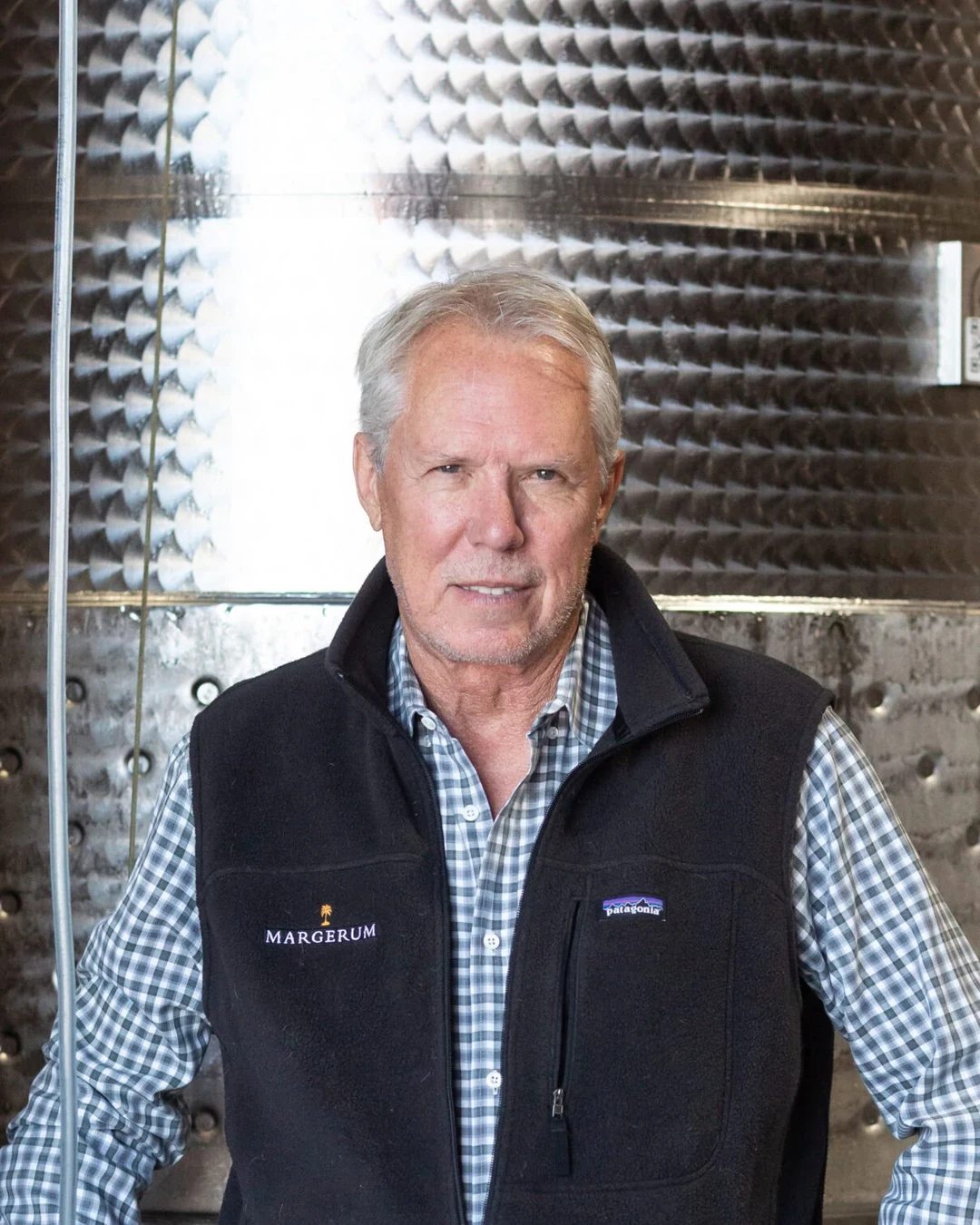
Made By profiles Doug Margerum (Winemaker) at Margerum Wine Company.
How expensive is Margerum Wine Company?
Margerum Wine Company is listed at a price level of $$.
The field
How it compares
| Place | Notes |
|---|---|
| Margerum Wine Company | Santa Barbara waterfront, $$ |
| Au Bon Climat | Santa Barbara |
| Jamie Slone Wines | Santa Barbara |
| Melville Vineyards and Winery | Santa Barbara |
| Sanguis Winery | Santa Barbara |
| Santa Barbara Winery | Santa Barbara |
| Whitcraft Winery | Santa Barbara |