Made ByRestaurant
Mari
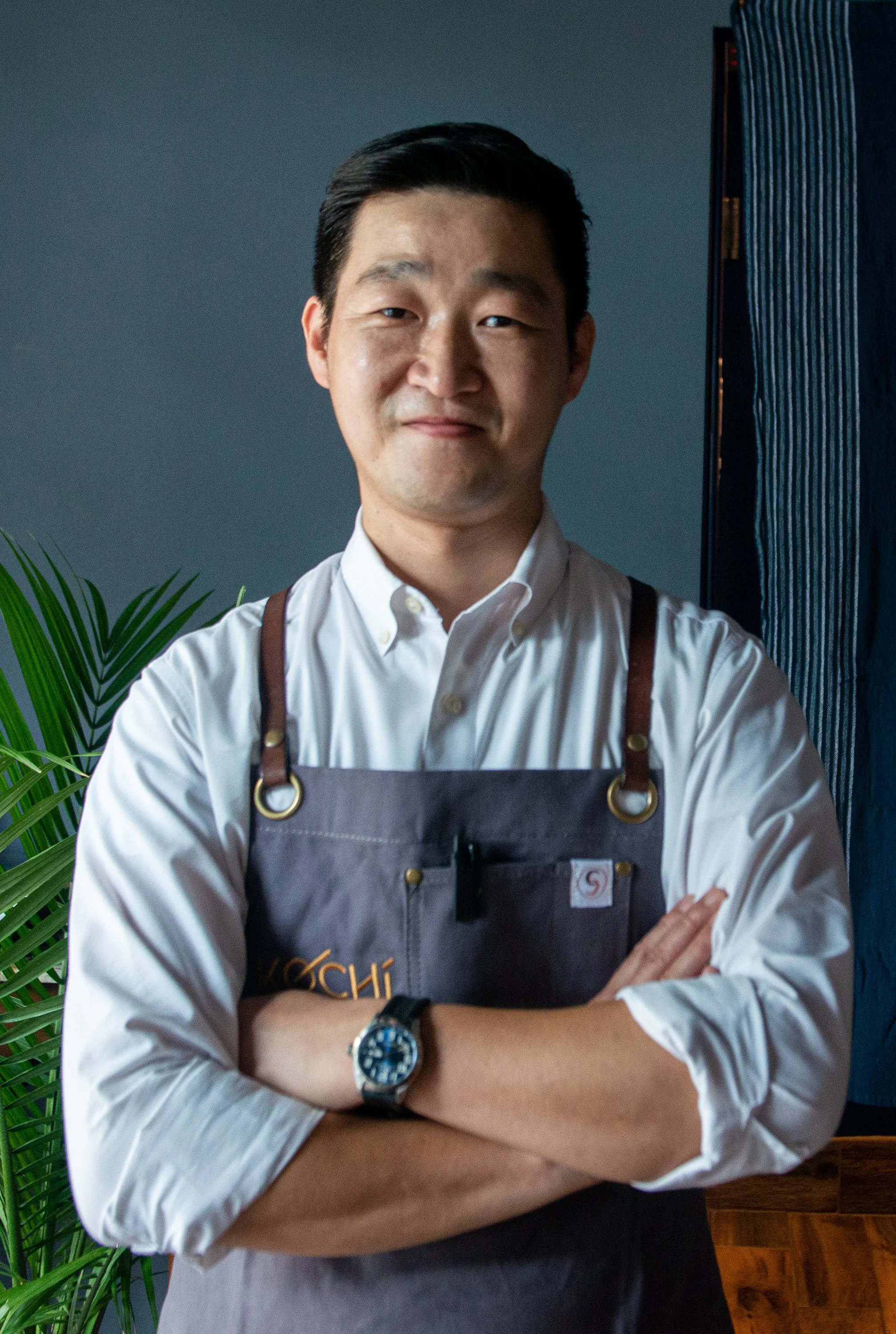
Chef in Residence
Sungchul Shim
Chef
- 01CuisineModern Korean Hand Rolls
- 02CityNew York City, United States
- 03RecognitionOne Michelin Star
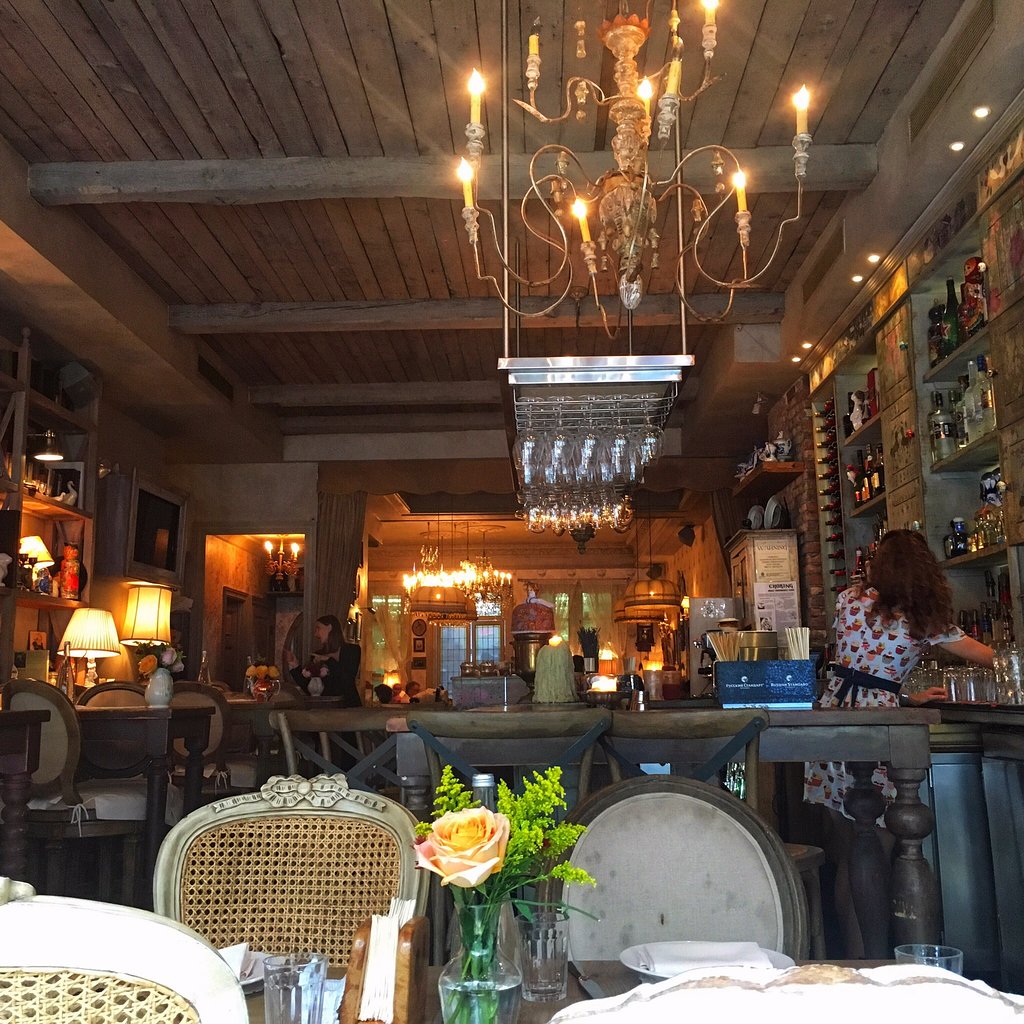
Mari, Chef Sungchul Shim's Michelin-starred follow-up to Kochi in Hell's Kitchen, reframes the casual handroll counter as a formal tasting menu built on Korean flavors and premium ingredients. Ranked #177 in Opinionated About Dining's 2025 North America list, the 9th Avenue counter operates nightly from 5 PM and sits at the $$$$ tier, dinner here is a deliberate, structured event rather than a drop-in meal.
- 1 Michelin Star
At a glance
- Cuisine
- Modern Korean Hand Rolls
- Price
- $$$$
- Per person
- $145
- Hours
- Mon: 5–9:30 PM; Tue: 5–9:30 PM; Wed: 5–9:30 PM; Thu: 5–9:30 PM; Fri: 5–10 PM; Sat: 5–10 PM; Sun: 5–9:30 PM
- Neighborhood
- Hell's Kitchen
- Rating
- 4.5 (469)
<h2>Reinventing the Handroll Counter in Hell's Kitchen</h2><p>The handroll counter format arrived in New York largely through a Japanese lens: casual, quick, lightly theatrical. The rolls come out one at a time, you eat them immediately before the seaweed softens, and the whole thing reads as accessible luxury, a step above a conveyor belt, a step below omakase. What Chef Sungchul Shim did at Mari, which opened on 9th Avenue in Hell's Kitchen, was to take that format and apply tasting-menu logic to it. The result sits in a small peer group of American restaurants that have transplanted a casual international format into a structured, premium counter experience. At Mari, the argument is that the handroll deserves the same disciplined attention as sashimi.</p><p>Mari means "roll" in Korean, which makes the name a thesis statement. The counter surrounds the kitchen on all sides, a configuration that removes any backstage, chefs work in full view, moving from one preparation to the next with the pace of an omakase service rather than a fast-casual one. Scottish salmon, cured mackerel, and layered mushroom combinations arrive on beds of rice held in seaweed, each piece timed and sequenced in the manner of a tasting menu rather than à la carte selection. A banchan course and a seafood close anchor the meal's structure.</p><h2>Where Mari Sits in New York's Korean Fine Dining Moment</h2><p>New York's Korean fine dining tier has consolidated around a small number of counters and tasting-menu formats that now compete directly with French-influenced rooms for reservation attention. <a href="https://www.enprimeurclub.com/restaurants/atomix">Atomix</a>, also operating in the $$$$ tier, has held two Michelin stars and seats among the city's most discussed tasting counters. Mari earned its Michelin star in 2024 and sits at a different price and length point, a shorter, more focused format that compresses premium-ingredient thinking into a handroll sequence rather than a multi-hour progression. That compression is a deliberate editorial choice, not a concession.</p><p>Shim's earlier work at Kochi, a tasting counter a few blocks away on the same street, established his approach to Korean flavors in a counter-service format. Mari applies a version of that credential to a different genre. The geographic proximity of the two addresses is not incidental; Hell's Kitchen has accumulated a concentration of serious Korean-inflected counter dining. Most of that conversation centers on Koreatown on 32nd Street, but the Hell's Kitchen thread is now substantive enough to treat as its own cluster.</p><h2>The Handroll as Tasting Structure</h2><p>The editorial angle that distinguishes Mari from both Japanese handroll bars and Korean BBQ formats is the application of tasting-menu discipline to a form that typically resists it. Korean BBQ ritual is built around the communal grill, the selection of cuts, the wrapping technique, the shared cook at the table. The diner is an active participant rather than a recipient. Mari inverts this: the kitchen is the active party, the counter seats are the audience, and the sequencing of rolls is entirely controlled by the kitchen's pacing. Banchan appears as a course, not a condiment spread. Seafood arrives as a closing gesture, not an opening accompaniment.</p><p>This matters because it changes what you're buying. At a standard handroll counter, you're buying speed and freshness. At a Korean BBQ table, you're buying participation and volume. At Mari, you're buying the kitchen's judgment about which flavors, textures, and combinations belong in sequence. That's closer to what <a href="https://www.enprimeurclub.com/restaurants/masa-new-york-city-restaurant">Masa</a> sells at its counter, controlled sequence, premium sourcing, no substitution logic, than to what a Hell's Kitchen neighborhood spot offers. The $$$$ pricing tier reflects that positioning, and the Michelin star confirms it holds up under scrutiny.</p><p>For comparison, the formal tasting counter format at Michelin-starred price points in New York runs from Korean to French to Japanese without a dominant genre. <a href="https://www.enprimeurclub.com/restaurants/le-bernardin">Le Bernardin</a> operates in the same price tier around a seafood-focused French framework; <a href="https://www.enprimeurclub.com/restaurants/per-se-new-york-city-restaurant">Per Se</a> and <a href="https://www.enprimeurclub.com/restaurants/eleven-madison-park">Eleven Madison Park</a> represent the French tasting-menu standard that dominated the $$$$ tier for two decades before Korean and Japanese formats began occupying the same conversation. Mari's position is that a Korean handroll sequence belongs in this bracket. That claim is now backed by Michelin recognition and two consecutive years of Opinionated About Dining placement in the North America top 200.</p><h2>The OAD Rankings and What They Signal</h2><p>Opinionated About Dining ranks by aggregating votes from a self-selected population of serious diners rather than professional critics, which gives its list a different texture than Michelin. Appearing at #177 in the 2025 North America ranking and #189 in 2024 indicates consistent upward movement within a voter pool that skews toward counter dining, omakase, and tasting-menu formats. This is the audience most likely to compare Mari directly against Japanese handroll counters on quality grounds, which makes the ranking a meaningful signal of how the format is landing with its most technically demanding peers.</p><p> Three recognition sources, Michelin and OAD, point to a durable quality claim. For context, restaurants at comparable levels of multi-source recognition in other cities include <a href="https://www.enprimeurclub.com/restaurants/providence">Providence in Los Angeles</a> and <a href="https://www.enprimeurclub.com/restaurants/single-thread">Single Thread Farm in Healdsburg</a>. Internationally, the structural ambition of high-concept counter formats at this recognition level echoes what <a href="https://www.enprimeurclub.com/restaurants/8-12-otto-e-mezzo-bombana-hong-kong-restaurant">8 1/2 Otto e Mezzo Bombana</a> and <a href="https://www.enprimeurclub.com/restaurants/alain-ducasse-louis-xv-monte-carlo-restaurant">Alain Ducasse at Louis XV</a> represent in their respective cities: a format-specific argument made at premium price, validated over time by multiple independent sources.</p><h2>Planning Your Visit</h2><p>Mari operates at 679 9th Ave in Hell's Kitchen, with dinner service running from 5 PM nightly, closing at 9:30 PM Sunday through Thursday and 10 PM on Fridays and Saturdays. The $$$$ pricing tier places it in the same bracket as Atomix, Le Bernardin, and other Michelin-starred New York counter formats, which means advance booking is advisable; the counter configuration and tasting-menu format limit covers per service. Google review data sits at 4.5 across 469 reviews. For comparison against other serious American tasting-counter formats, Emeril's in New Orleans and <a href="https://www.enprimeurclub.com/restaurants/the-french-laundry">The French Laundry in Napa</a> represent reference points at the same price tier in their respective cities.</p>
Know before you go
- Dress code
- smart_casual
- Reservations
- essential
Frequently asked
Is Mari suitable for children?
Mari runs as a structured tasting menu at a counter format, with courses arriving in sequence and a focused dining room designed around that pace. It functions better as an adult dining experience than a family outing. The $$$$ price point and tasting-menu discipline make it a poor fit for young children.
How would you describe the vibe at Mari?
The counter wraps around an open kitchen on all sides, meaning the chefs are fully visible as they move through each roll course — there is no back-of-house to retreat to. The atmosphere sits closer to an omakase counter than a casual Korean restaurant: focused, intimate, and paced by the kitchen. Chef Sungchul Shim built the same counter-driven intensity at his nearby Kochi, and Mari carries that DNA.
What distinctions does Mari have?
Mari has received recognition including: Opinionated About Dining Top Restaurants in North America Ranked #177 (2025); Mari, which means “roll” in Korean, is Hell’s Kitchen’s latest destination from the talented Sungchul Shim, who made a name for himself at his tasting counter (Ko….
What's the signature dish at Mari?
The format itself is the signature: handrolls built on seasoned rice and seaweed, structured as a sequential tasting menu rather than à la carte. OAD's 2025 ranking (No. 177 in North America) and a 2024 Michelin star both cite the genre-crossing approach, where Korean banchan and seafood close out a meal that opens with rolls incorporating ingredients like Scottish salmon and cured mackerel. No single roll is listed as a fixed signature; the progression is the point.
What price level is Mari?
Pricing at Mari is listed as $$$$.
Address
679 9th Ave, New York, NY 10036
Hell's Kitchen
How it compares
- Price
- $$$$
- Awards
- Michelin 1 Star
- Notes
- Hell's Kitchen, Modern Korean Hand Rolls
- Price
- $$$$
- Awards
- Michelin 1 Star
- Notes
- Midtown South-Flatiron-Union Square, Modern Korean Tasting Menu
- Price
- $$$$
- Awards
- Michelin 1 Star
- Notes
- Hell's Kitchen, Modern Korean Tasting Menu
- Price
- $$$$
- Awards
- Michelin 1 Star
- Notes
- West Village, Modern Korean Noodle Bar
- Price
- $$$$
- Awards
- Michelin 1 Star
- Notes
- Midtown South-Flatiron-Union Square, Traditional Japanese Omakase
- Price
- $$$$
- Awards
- Michelin 1 Star
- Notes
- East Village, Sustainable American Omakase
In residence
Similar places
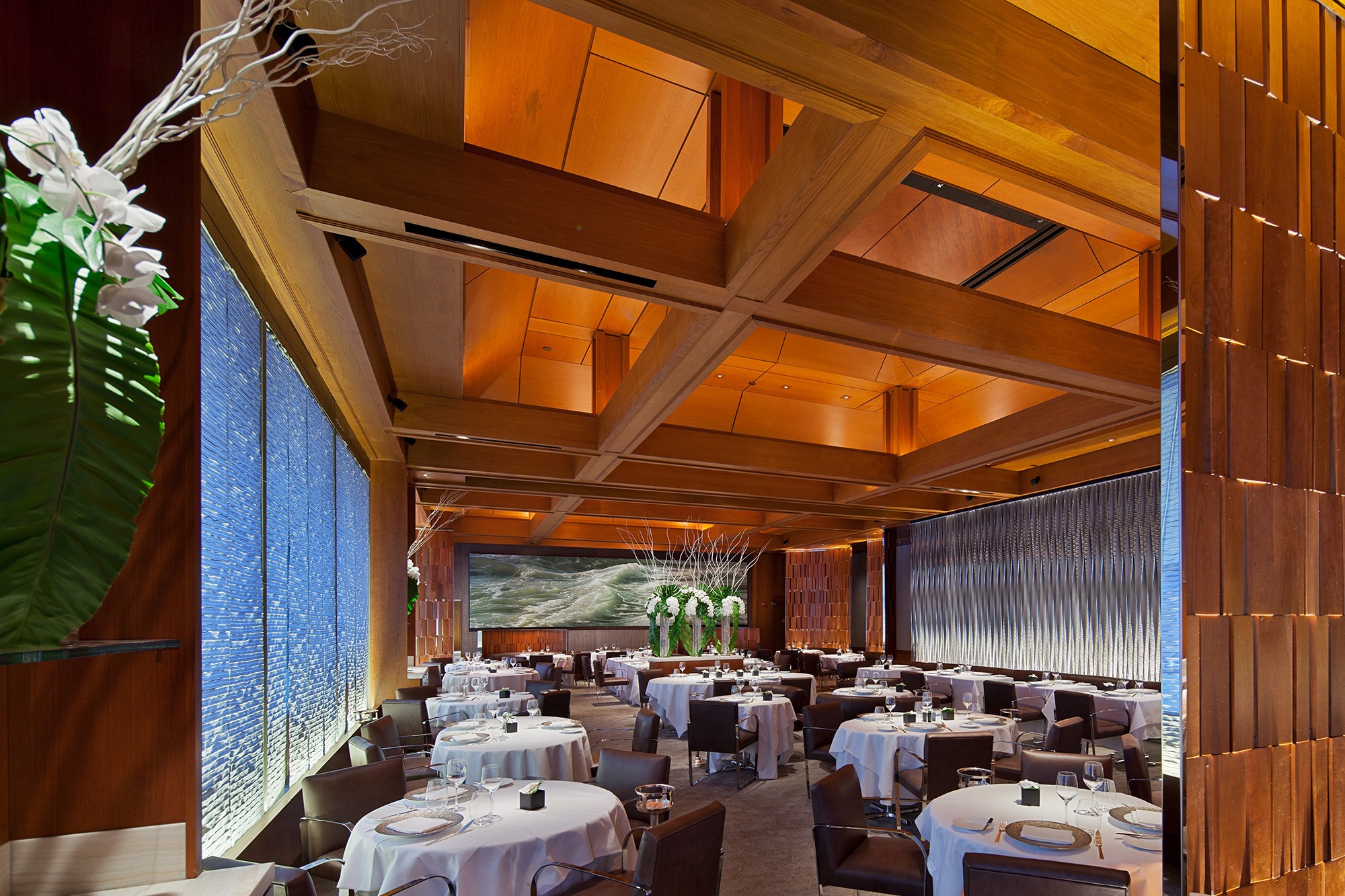
French Seafood Fine Dining
Le Bernardin
New York City, United States
★★★ · 50 Best
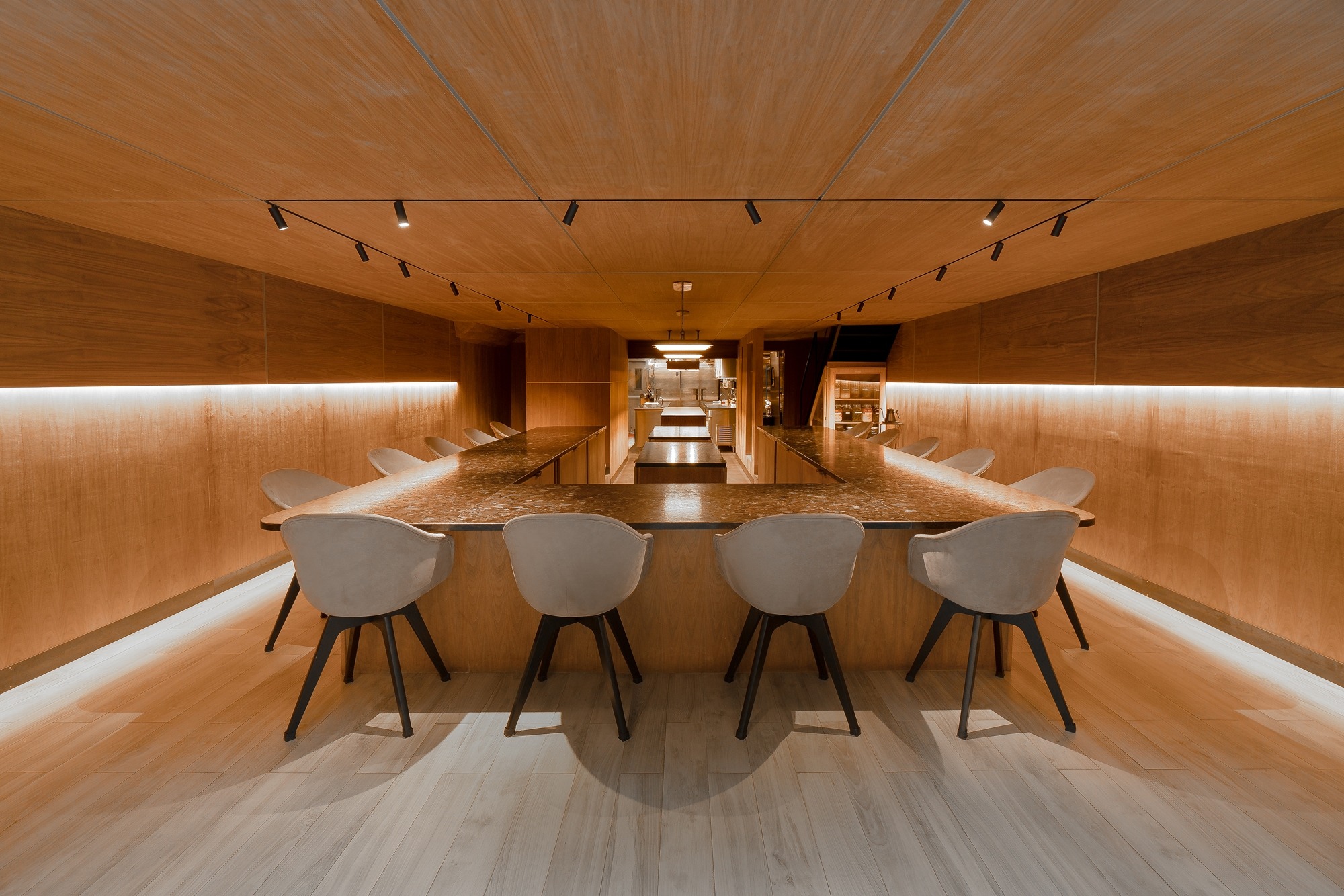
Modern Korean Tasting Menu
Atomix
New York City, United States
★★ · 50 Best
Contemporary Plant-Based Fine Dining
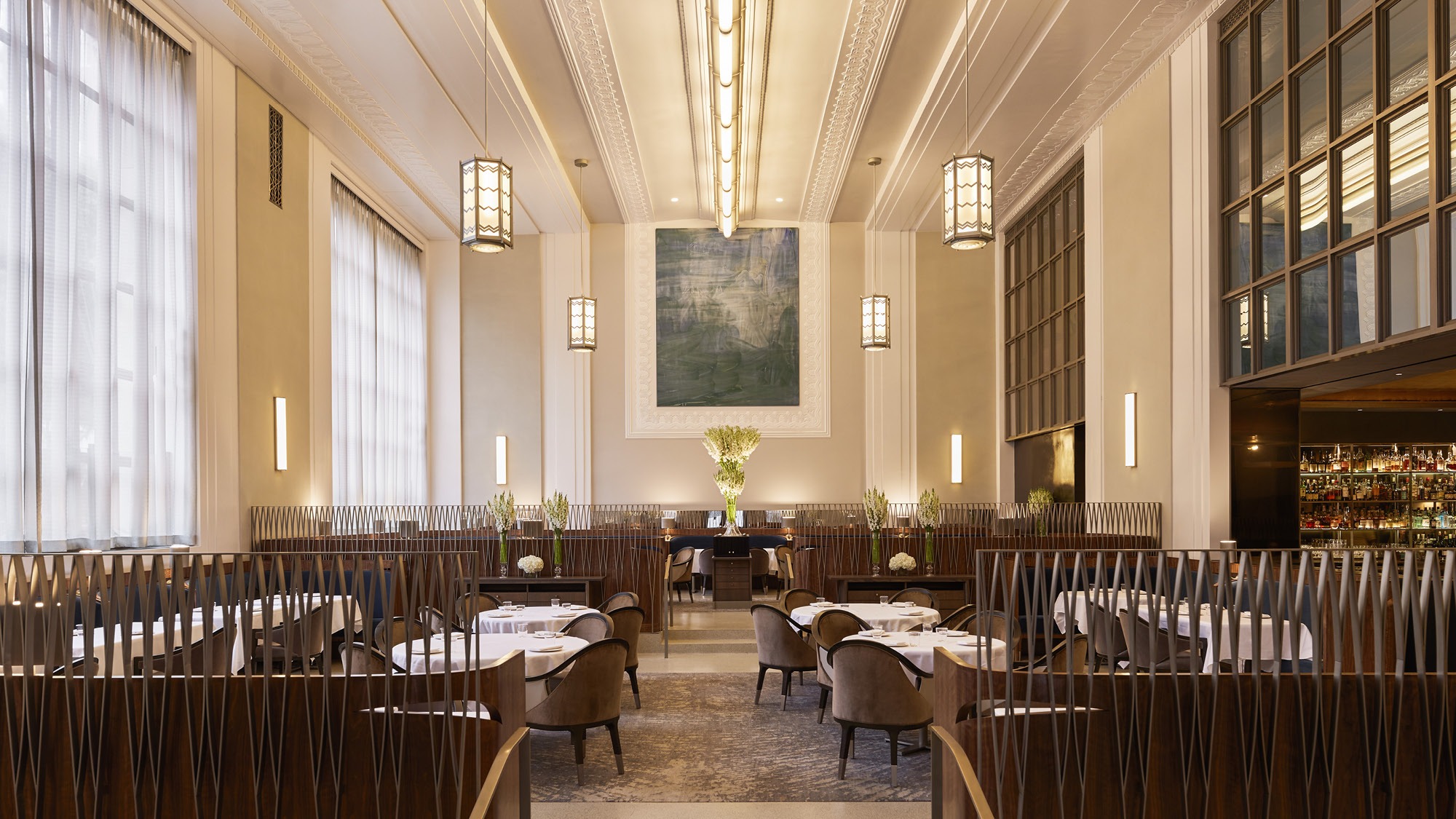
Eleven Madison Park
New York City, United States
★★★ · 50 Best
Modern Caribbean Prix Fixe
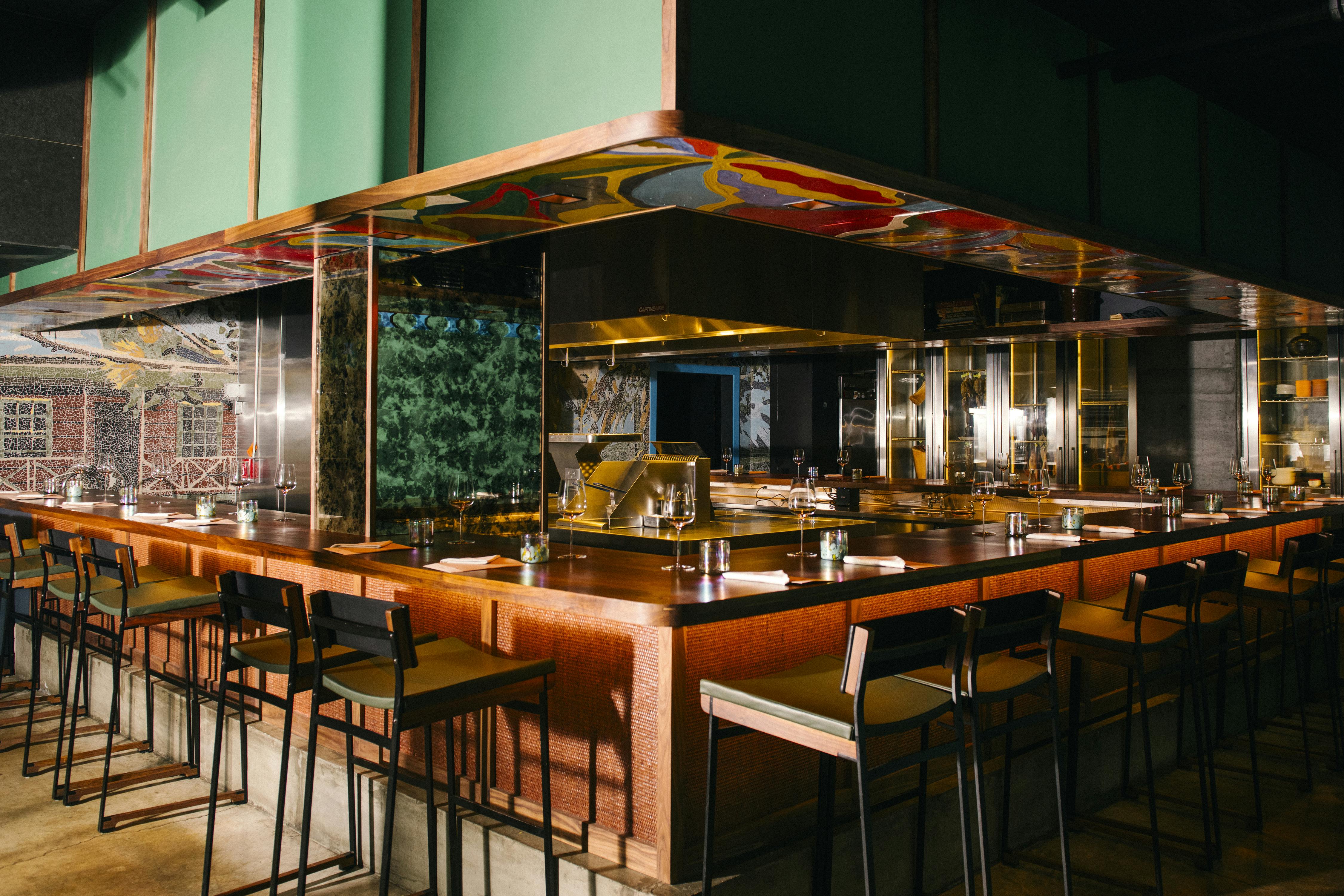
Kabawa
New York City, United States
50 Best
Modern Korean Fine Dining
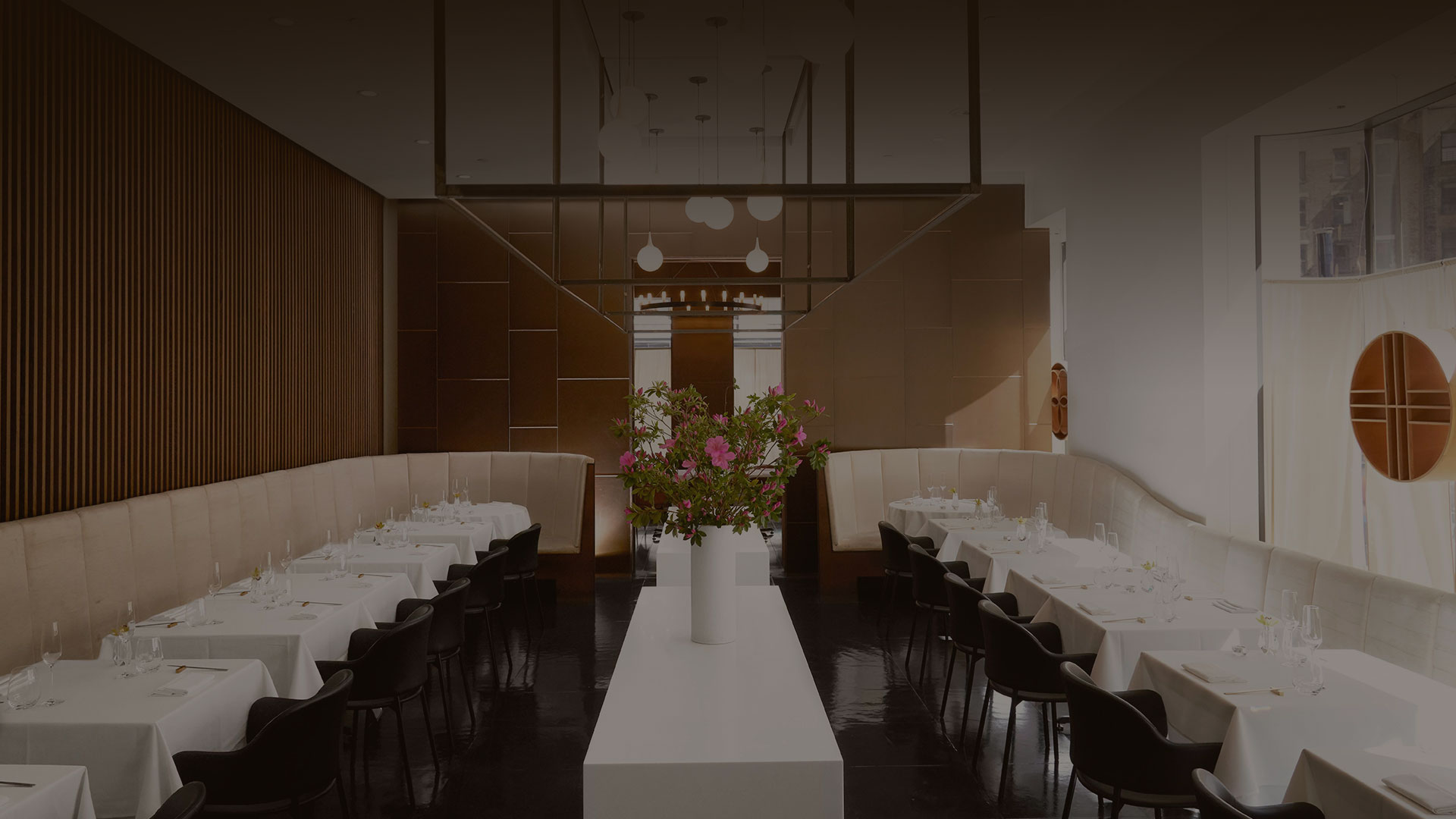
Jungsik New York
New York City, United States
★★★ · 50 Best
Modern French Fine Dining
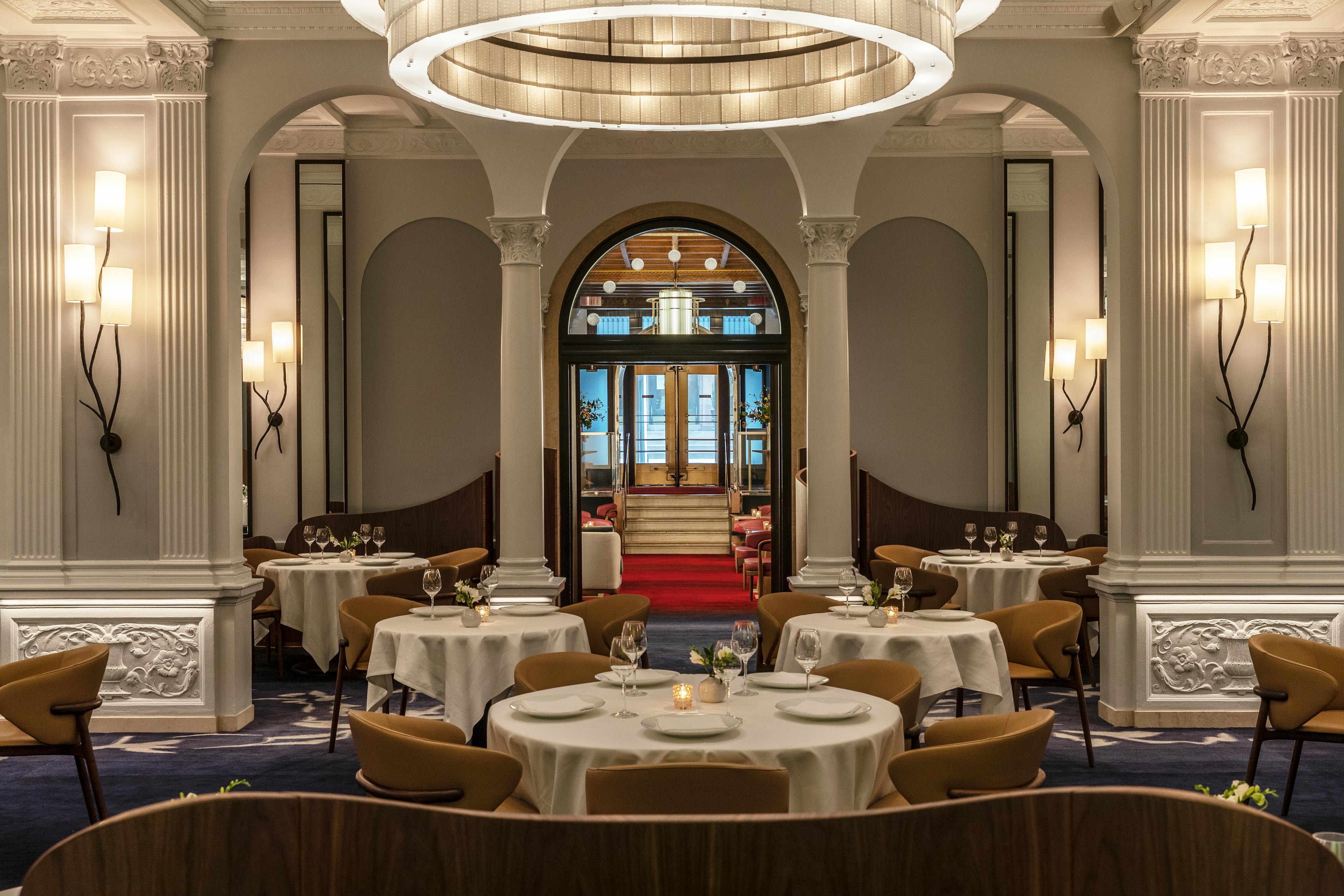
Daniel
New York City, United States
★ · 50 Best