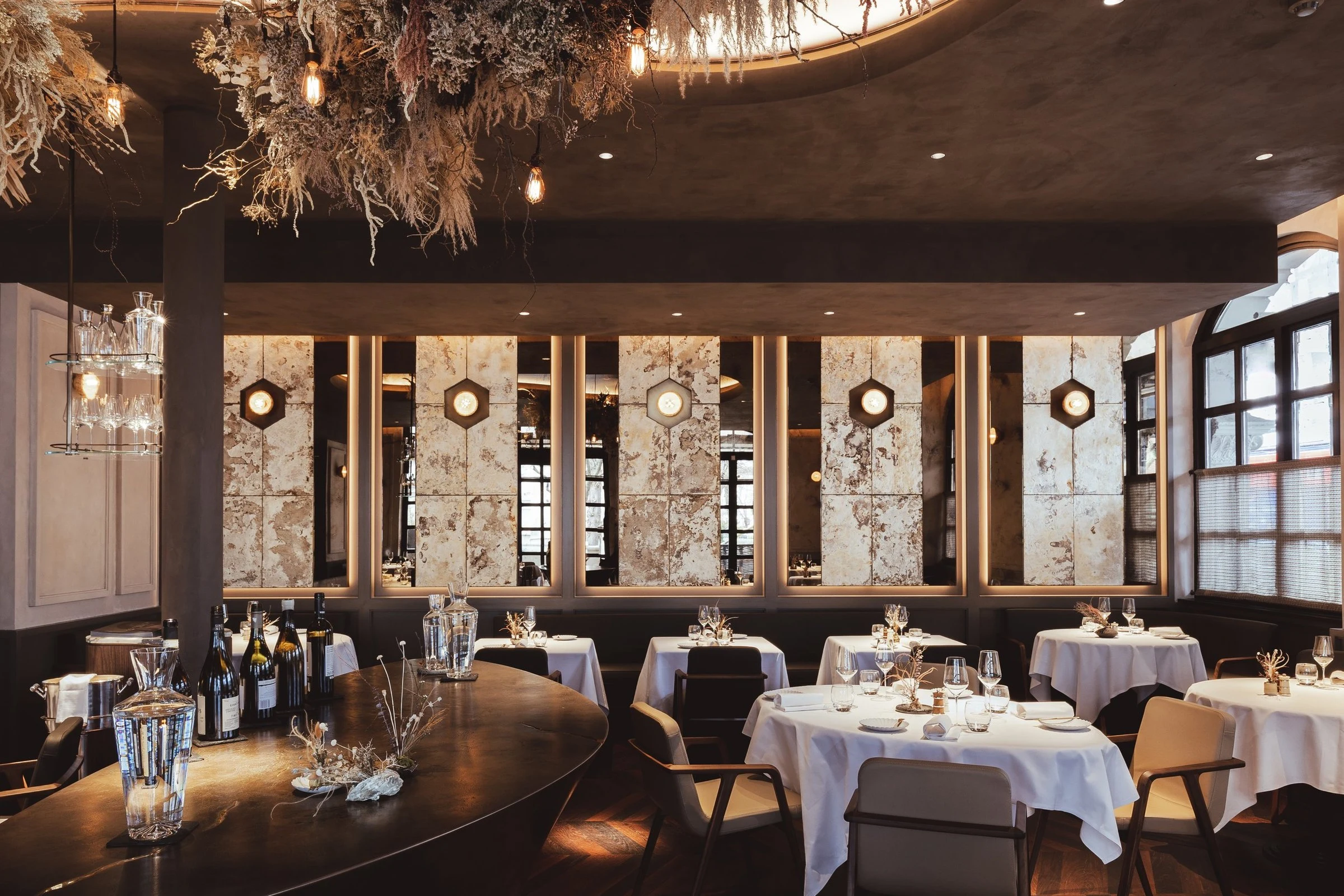
Master Wei Xi'an Cuisine
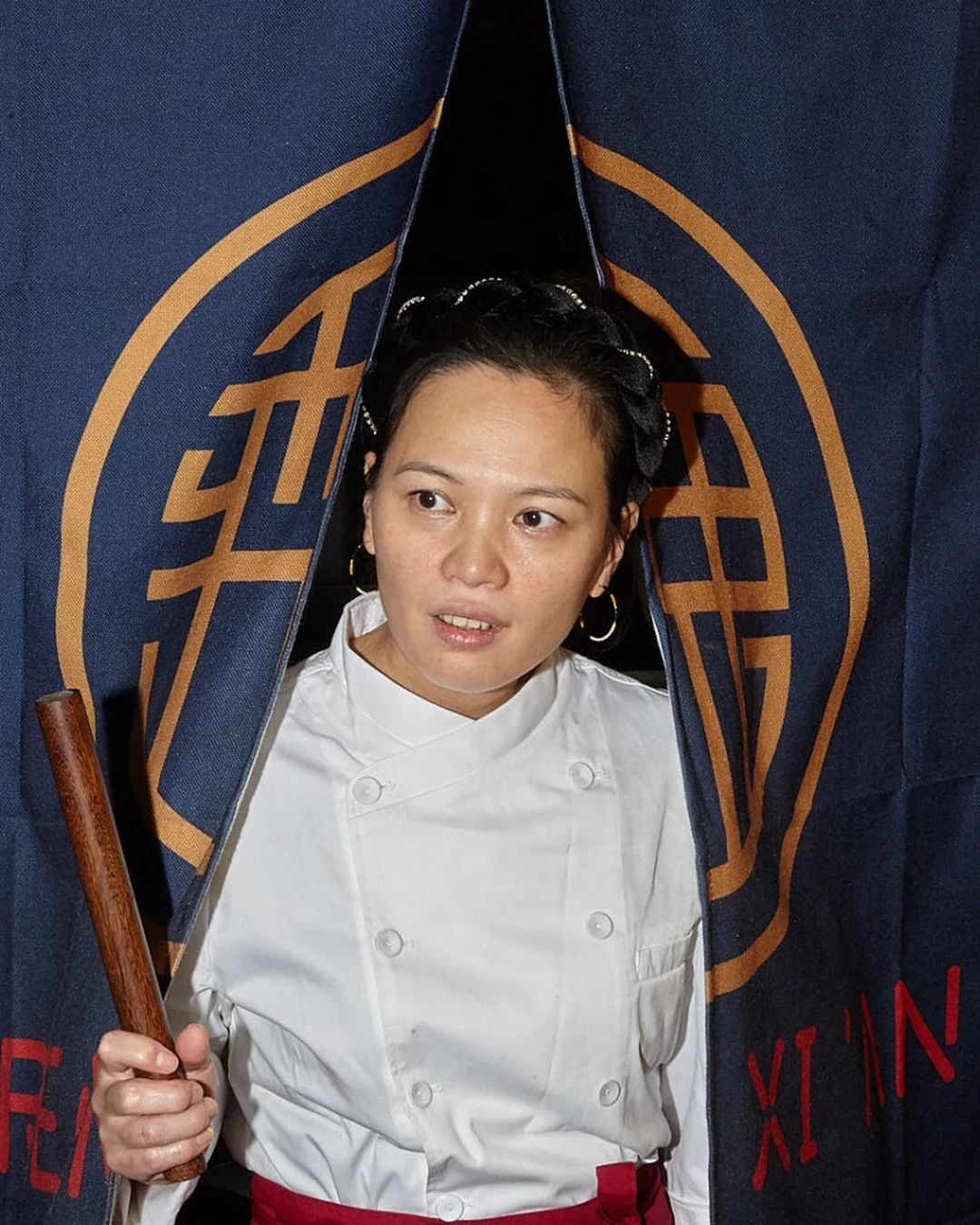
In Residence
Guirong Wei
Chef
- 01CuisineAuthentic Xi'an Noodles
- 02CityLondon, United Kingdom
- Opinionated About Dining Casual in Europe Recommended · 2026
- Opinionated About Dining Casual in Europe · 2025
Xi'an Noodles in London: A Tradition That Travels Badly, Done Well
Xi'an cuisine arrived in London's Chinese dining conversation relatively late. The city built its reputation for Chinese food on Cantonese cooking, with Soho's older establishments setting the template and a later wave of Sichuan restaurants, among them Barshu, shifting attention toward spice-forward cooking from the southwest. The cuisine of Shaanxi province, anchored in wheat-based dishes, hand-worked noodles, and the culinary legacy of the ancient Silk Road city of Xi'an, remained largely absent from serious restaurant coverage.
The restaurant earned a place on the Opinionated About Dining Casual Europe list in 2025. OAD's casual category tends to surface the kind of cooking that critics eat on their own time, and inclusion signals a level of technical seriousness that separates Master Wei from the volume of generic Chinese restaurants operating across the city.
The Hand-Pulled Noodle as a Technical Benchmark
In the broader taxonomy of Chinese noodle traditions, Xi'an's biáng biáng noodles occupy a distinct position. Wide, belt-like, and produced through a process of stretching and slapping the dough against a work surface, they represent a category of hand-worked wheat noodle that has no close equivalent in Cantonese or Sichuan cooking. The technique requires a specific dough hydration, a particular gluten development, and the kind of repetitive physical skill that does not scale easily. This is why Xi'an noodle cooking is difficult to reproduce well: the handcraft is the product, and any shortcut in the production process changes the texture.
London's premium Chinese restaurants, including Hakkasan Mayfair and Imperial Treasure, operate in formats built around Cantonese luxury and dim sum precision. Hunan and Four Seasons each command loyalty within their respective registers. None of these restaurants make a serious case for Xi'an noodle cooking, which means Master Wei operates without meaningful direct competition at the level of culinary specificity. The OAD recognition still implies the cooking cleared a bar set by a critical community that reads across Chinese regional cuisines.
Beyond the hand-pulled format, Xi'an cuisine also draws on knife-cut noodles (dao xiao mian) and cold-dressed preparations that show off the region's appetite for texture contrast and acidic-spicy seasoning combinations. The cumin-heavy lamb dishes, the roujiamo (sometimes described as a Chinese precursor to the sandwich), and the braised meat preparations all speak to a culinary culture shaped by Central Asian trade routes and a predominantly Muslim quarter within the old city. This is not the same flavour logic as Sichuan mala, which dominates the European Chinese restaurant conversation, and recognising the difference is part of what makes following the OAD casual list useful for London eating.
Bloomsbury as a Context
The Cosmo Place address places Master Wei in a part of central London that is not a defined dining destination in the way that Soho or Mayfair are. The street itself sits between Southampton Row and Queen Square, close to the British Museum and within walking distance of several major London universities. The eating public here skews toward academics, researchers, and the kind of regular neighbourhood customer who is less interested in status dining than in finding a specific dish done accurately. That context shapes what kind of restaurant succeeds here: not spectacle, but consistency and value at a specific culinary pitch.
Internationally, the conversation around Chinese regional cooking in Western cities has shifted. Master Wei sits closer to the source-faithful, technique-first end of the spectrum that OAD tends to recognise in its casual tier.
Know Before You Go
Address: 13 Cosmo Place, London WC1N 3AP
Chef: Guirong Wei
Recognition: Opinionated About Dining Casual Europe 2025
5 (1,570+ reviews)
Cuisine: Xi'an / Shaanxi Chinese
Booking: Advance booking recommended
Nearest Tube: Russell Square (Piccadilly line) or Holborn (Central and Piccadilly lines)
Seasonal note: Autumn and winter are well-suited to Xi'an's wheat-heavy, warming format; the braised and noodle-centred dishes are built for cold-weather eating
Questions
Frequently asked
Who works at Master Wei Xi'an Cuisine?
Made By profiles Guirong Wei (Chef) at Master Wei Xi'an Cuisine.
How expensive is Master Wei Xi'an Cuisine?
Master Wei Xi'an Cuisine is listed at a price level of $$.
Where is Master Wei Xi'an Cuisine and what does it serve?
Master Wei Xi'an Cuisine is in Bloomsbury, London, serving Authentic Xi'an Noodles.
The field
How it compares
| Place | Cuisine | Notes | Awards |
|---|---|---|---|
| Master Wei Xi'an Cuisine | Authentic Xi'an Noodles | Bloomsbury, $$ | · |
| CORE by Clare Smyth | Modern British Fine Dining | London | Michelin 3 Stars, World's 50 Best |
| Ikoyi | Modern West African Fine Dining | London | Michelin 2 Stars, World's 50 Best |
| Kitchen Table | Modern British Fine Dining | London | Michelin 2 Stars |
| KOL | Modern Mexican Fine Dining | London | Michelin 1 Star, World's 50 Best |
| Row on 5 | Modern British Fine Dining with Mediterranean & Asian Influences | London | Michelin 2 Stars |
| The Ledbury | Modern British Fine Dining | London | Michelin 3 Stars, World's 50 Best |
In residence
Similar places
Modern British Fine Dining
CORE by Clare Smyth
London, United Kingdom
★★★ · 50 Best
Modern West African Fine Dining
Ikoyi
London, United Kingdom
★★ · 50 Best
Modern British Fine Dining
Kitchen Table
London, United Kingdom
★★
Modern Mexican Fine Dining
KOL
London, United Kingdom
★ · 50 Best
Modern British Fine Dining with Mediterranean & Asian Influences
Row on 5
London, United Kingdom
★★
Modern British Fine Dining
The Ledbury
London, United Kingdom
★★★ · 50 Best