Made ByRestaurant
Meena
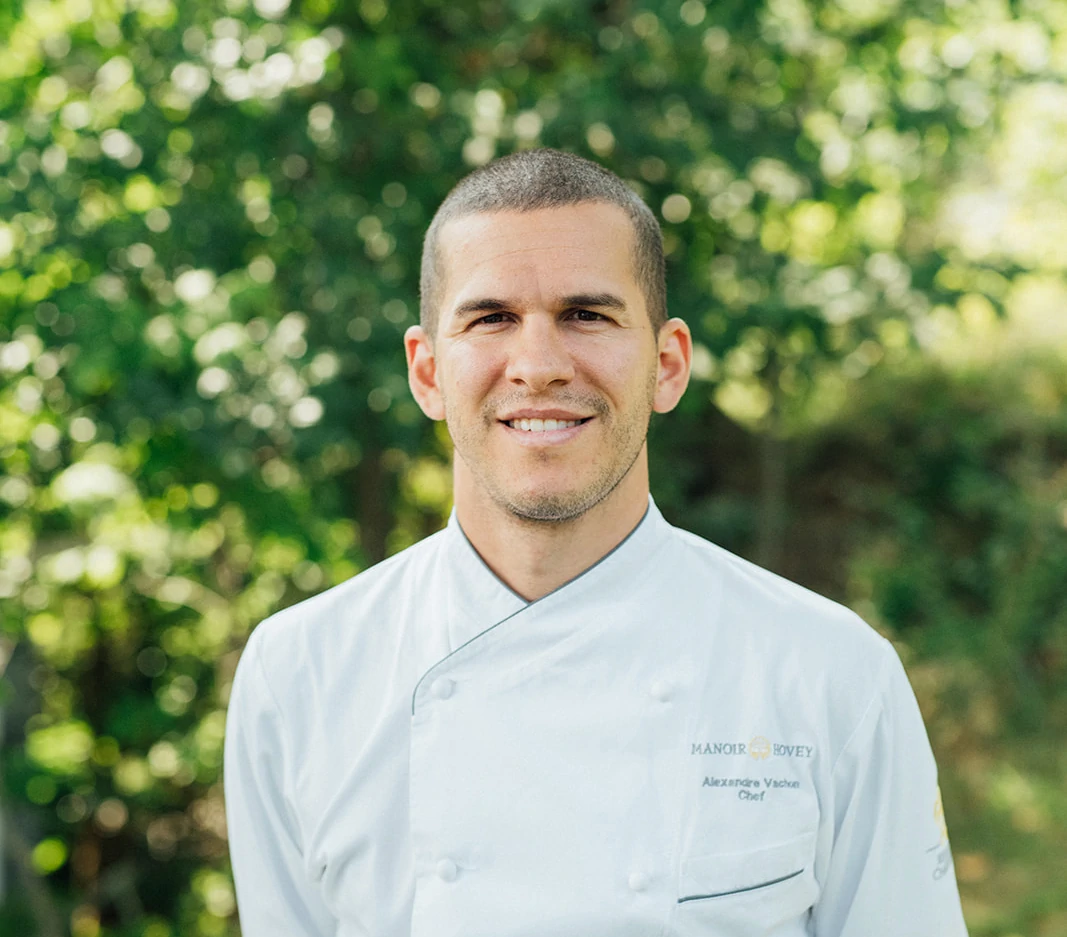
Chef in Residence
Alexandre Vachon
Chef
- 01CuisineModern Thai Rice-Based Cuisine
- 02CityChiang Mai, Thailand
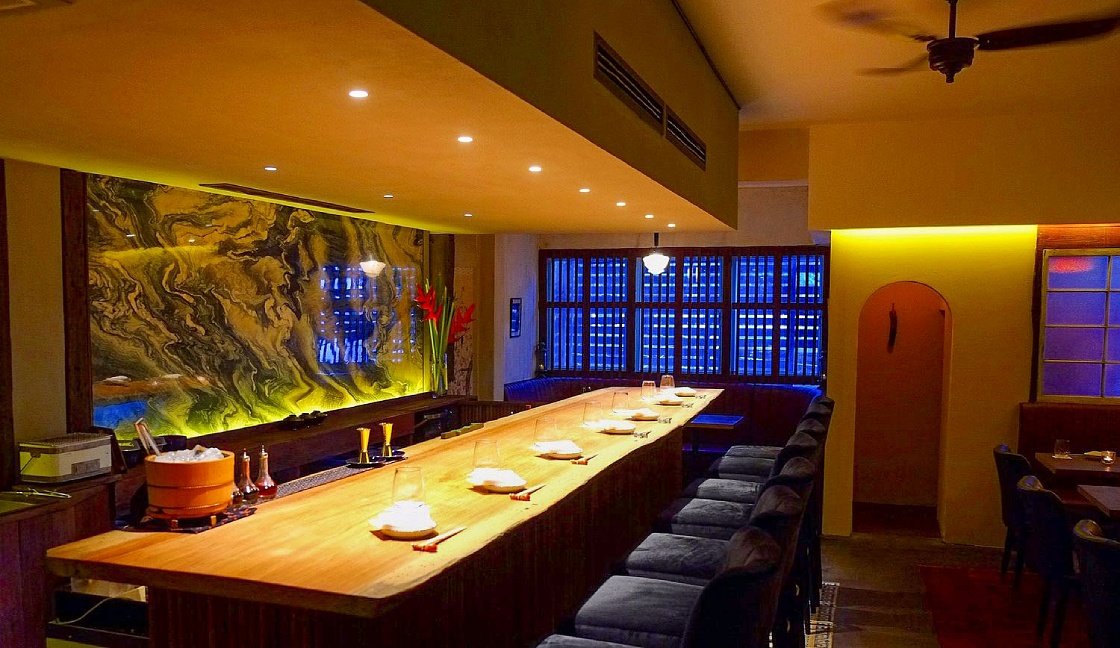
Meena holds consecutive Michelin Bib Gourmand recognition (2024 and 2025) for its home-style Northern Thai cooking at the Lhong Him Kaw creative compound in San Klang, just outside Chiang Mai. The open-air setting and mid-range pricing place it in a different register from the city's fine-dining counters, with the five-coloured rice and longan-curry pork ribs drawing the most consistent attention from both locals and visitors.
- Michelin Bib Gourmand
At a glance
- Cuisine
- Modern Thai Rice-Based Cuisine
- Price
- $$
- Per person
- $12
- Hours
- Mon: 10 AM–8:30 PM; Tue: 10 AM–8:30 PM; Wed: 10 AM–8:30 PM; Thu: 10 AM–8:30 PM; Fri: 10 AM–8:30 PM; Sat: 10 AM–8:30 PM; Sun: 10 AM–8:30 PM
- Neighborhood
- San Klang Subdistrict, San Kamphaeng District
- Rating
- 4.4 (2,051)
<h2>Where San Klang Sits in the Northern Thai Dining Picture</h2><p>Chiang Mai's most talked-about restaurants divide broadly into two camps: the refined northern-Thai tasting menus operating inside the Old City or Nimman corridors, and the looser, more agricultural tradition of countryside cooking that predates any of those urban formats. Meena is a restaurant in San Klang, Chiang Mai, serving Modern Thai Rice-Based Cuisine.</p><p>That register is worth understanding before you go. Northern Thai cooking, or <em>ahaan nuea</em>, shares a lineage with Burmese and Yunnan influences that distinguishes it sharply from the coconut-heavy central Thai dishes most international visitors encounter first. Fermented soybean pastes, dried chillies, forest herbs, and bitter vegetables appear in proportions that central Thai kitchens rarely deploy. The tradition has always valued abundance and communality over refinement, a quality Meena preserves without treating rusticity as a costume.</p><h2>The Open-Air Setting and What It Signals</h2><p>Arriving at Meena, the physical environment makes an argument before a single dish appears. The open-air structure, surrounded by cultivated greenery, places the meal inside a slow, ambient rhythm that air-conditioned urban dining rooms systematically eliminate. That choice is not accidental. Across Northern Thailand, the most coherent expressions of regional cooking have always happened at this kind of unhurried outdoor table, where the light changes across a meal and the temperature of the food is allowed to shift. Meena's setting reproduces those conditions deliberately, using the range of San Klang rather than working against it.</p><p>Comparable open-air formats exist elsewhere in the Chiang Mai orbit. <a href="https://www.enprimeurclub.com/restaurants/baan-suan-mae-rim-chiang-mai-restaurant">Baan Suan Mae Rim</a> deploys a similar garden-dining logic north of the city, and <a href="https://www.enprimeurclub.com/restaurants/baan-landai-chiang-mai-restaurant">Baan Landai</a> operates with an equivalent rurally inflected sensibility. Meena's recognition reflects consistent cooking at a modest price point. At roughly $12 per person, Meena sits in the accessible range for casual dining in Chiang Mai.</p><h2>The Five-Coloured Rice and the Longan Curry: What the Kitchen Is Actually Doing</h2><p>Two dishes account for most of the kitchen's external reputation, and both are worth examining for what they reveal about the cooking approach. The five-coloured rice, a preparation that uses natural plant pigments to produce a visually stratified bowl, represents a category of Northern Thai ceremonial and home cooking where colour carries cultural weight rather than mere decoration. This is not a garnish decision; it connects to a textile and agricultural tradition in which colour signals provenance and care. The dish's recurring appearance in Meena's coverage reflects how effectively the kitchen uses a visually arresting presentation to communicate something rooted rather than inventive.</p><p>The pork ribs with longan curry is the more technically interesting case. Longan, the small subtropical fruit cultivated extensively in Chiang Mai Province, is typically encountered as a fresh dessert ingredient or a dried export commodity. Deploying it inside a spiced, rich curry alongside pork shifts its register entirely, using the fruit's residual sweetness to modulate the heat of the curry paste in a way that synthetic sweeteners cannot replicate. This is precisely the kind of local-ingredient integration that the broader Thai fine-dining conversation, from <a href="https://www.enprimeurclub.com/restaurants/sorn-bangkok-restaurant">Sorn in Bangkok</a> to <a href="https://www.enprimeurclub.com/restaurants/pru-phuket-restaurant">PRU in Phuket</a>, has pursued at higher price points and with greater ceremony. Meena achieves a version of the same argument at a fraction of the cost and without the formal apparatus.</p><p>The home-style framing fits a wider pattern in Thai cooking. Rather than filtering regional dishes through fine-dining conventions, a number of kitchens across Thailand have chosen to present traditional preparations with minimal intervention and maximum sourcing integrity. <a href="https://www.enprimeurclub.com/restaurants/nahm-bangkok-restaurant">Nahm in Bangkok</a> and <a href="https://www.enprimeurclub.com/restaurants/samrub-samrub-thai-bangkok-restaurant">Samrub Samrub Thai</a> have pursued this argument at the top of the Bangkok market. Meena operates in a different price tier and a different city, but the underlying position is structurally related: cooking that treats the tradition as the authority, not as raw material for reinterpretation.</p><h2>Chef Alexandre Vachon and the Cross-Cultural Credential</h2><p>Meena is led by chef Alexandre Vachon. The pattern is not new in Thai cooking, the most decorated examples tend to demonstrate deep familiarity with local sourcing and paste-making traditions rather than importing technique from outside, but it remains uncommon enough at the Bib Gourmand level to be worth noting as a framing signal. Vachon's presence is a credential within the restaurant's broader story, not the story itself. What the Michelin recognition validates is the food, and by extension, the seriousness of the regional commitment.</p><h2>Planning Your Visit</h2><p>Meena is in San Klang, Amphoe San Kamphaeng, Chiang Mai. A tuk-tuk or ride-share from Nimman or the Old City is the practical approach; the journey runs through agricultural fringe roads that shift the mood well before the compound comes into view. Given the outdoor format, midday visits in the hot season (March through May) carry a comfort trade-off that early-morning or early-evening arrivals avoid. The mid-range pricing at ฿฿ makes Meena accessible without advance budget planning, though the Bib Gourmand recognition has increased its visibility among visiting food travellers, and the 1,885 Google reviews at a 4.4 average rating suggest consistent demand. Reservations are recommended.</p><p>Those building a broader Chiang Mai itinerary around the city's Northern Thai food tradition will find complementary perspectives at <a href="https://www.enprimeurclub.com/restaurants/aunt-aoy-kitchen-chiang-mai-restaurant">Aunt Aoy Kitchen</a> and <a href="https://www.enprimeurclub.com/restaurants/food-for-you-chiang-mai-restaurant">Food For You</a>, both of which occupy different positions in the same regional cooking conversation. For context beyond restaurants, <a href="https://www.enprimeurclub.com/restaurants/chiang-mai-zurich-restaurant">our full Chiang Mai hotels guide</a>, <a href="https://www.enprimeurclub.com/restaurants/chiang-mai-zurich-restaurant">bars guide</a>, <a href="https://www.enprimeurclub.com/restaurants/chiang-mai-zurich-restaurant">wineries guide</a>, and experiences guide map the city's wider offer for visitors arriving with serious intent.</p>
Know before you go
- Dress code
- casual
- Reservations
- recommended
- Parking
- on_site_lot
- Payment
- cash, credit_card
- Outdoor seating
- Yes
- Groups
- Welcomed
- Children
- Welcomed
Frequently asked
Is Meena a family-friendly restaurant?
The open-air structure in San Klang's Lhong Him Kaw creative hub, with greenery on all sides and a relaxed pace, suits families well. The home-style Thai and Northern Thai format, including dishes like five-coloured rice, translates easily across age groups. Meena's Michelin Bib Gourmand recognition (2024 and 2025) reflects accessible, quality-driven cooking rather than a formal tasting-menu setup.
What is the atmosphere like at Meena?
Meena occupies an open-air structure surrounded by cultivated greenery in the San Klang countryside outside Chiang Mai. The setting is designed for unhurried meals: no hustle of the Old City, no tasting-menu formality. Think rustic and rural, with the pace of a countryside retreat rather than a destination restaurant.
Is Meena award-winning?
Meena has received recognition including: Tucked away in the creative hub of Lhong Him Kaw in San Khlang, Meena is a rustic countryside retreat just outside Chiang Mai. The restaurant is best known for its bright five-coloured rice, served with home-style Thai and Northern Thai dis….
What do people recommend at Meena?
Two dishes anchor the kitchen's reputation. The five-coloured rice is the visual centrepiece, a signature that reflects the restaurant's Northern Thai identity. The pork ribs with longan curry, a spicy, rich preparation with a subtle sweetness from the longan fruit, is the more unusual offering and the dish most cited when Meena earns its Michelin Bib Gourmand mentions in 2024 and 2025.
Address
Thailand, Chiang Mai, Amphoe San Kamphaeng, San Klang
San Klang Subdistrict, San Kamphaeng District
How it compares
- Notes
- San Kamphaeng, Modern Thai Rice-Based Cuisine
- Price
- $$
- Notes
- Mueang Chiang Mai, Northern Thai (Lanna Cuisine)
- Price
- $$
- Notes
- Mae Rim, Traditional Central Thai Homestyle Cuisine
- Price
- $$
- Notes
- Mueang Chiang Mai, Modern Northern Thai Lanna
- Price
- $$
- Notes
- Hang Dong, Modern Northern Thai
- Price
- $$$
- Notes
- Mueang Chiang Mai, Authentic Northern Thai
- Price
- $$
In residence
Similar places
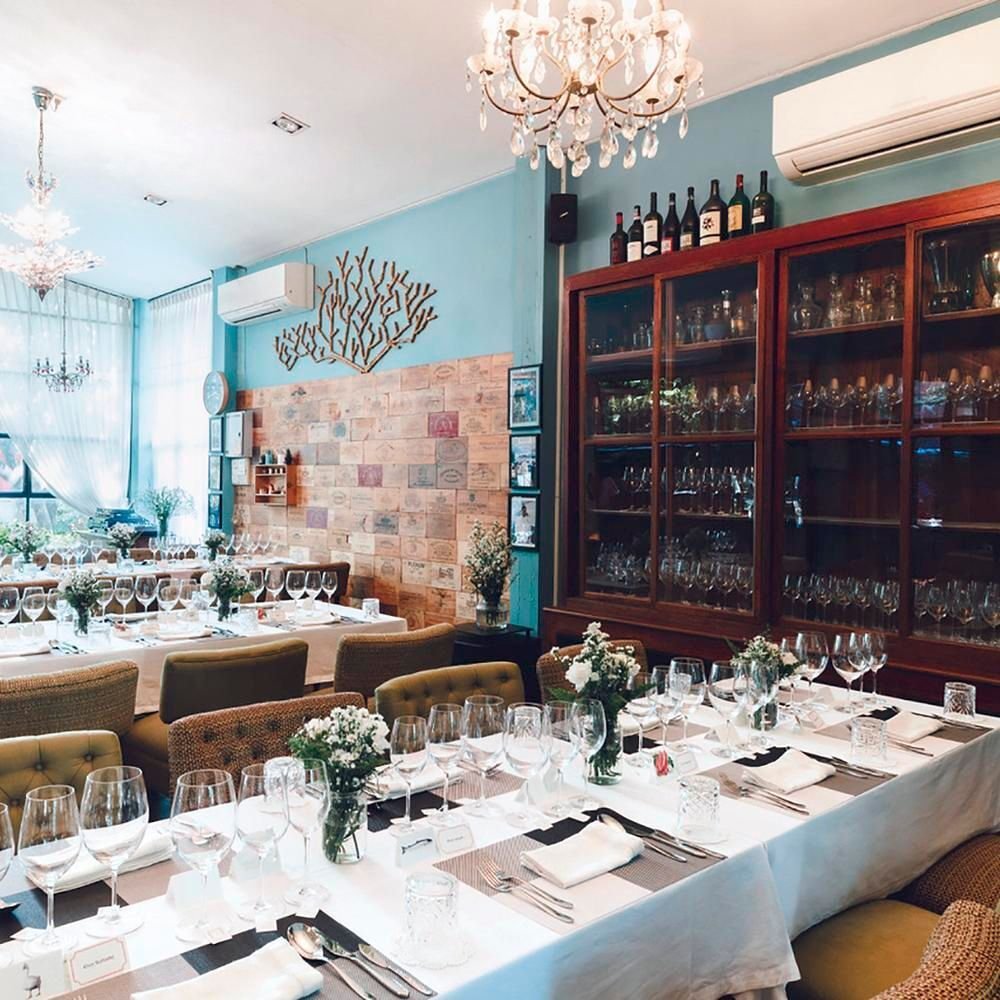
Modern Thai with Bold Flavors
Magnolia Café
Chiang Mai, Thailand
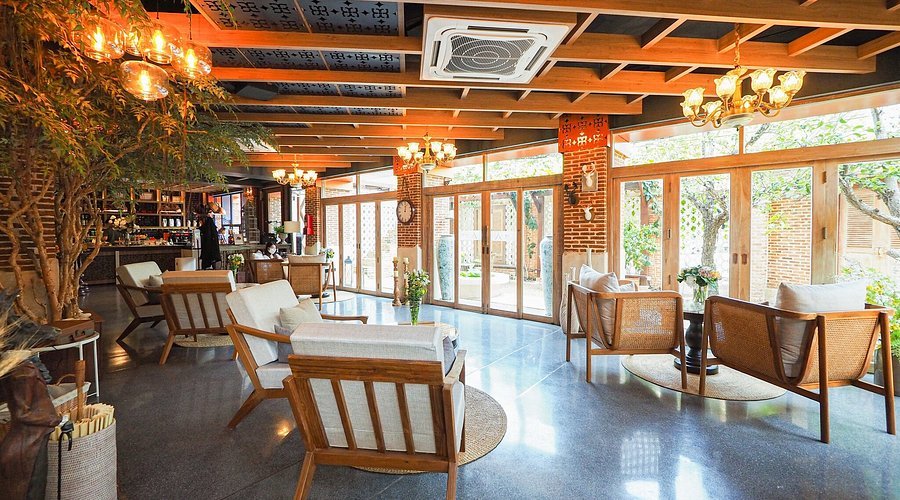
Traditional Thai Beef Cuisine
Sanae
Chiang Mai, Thailand
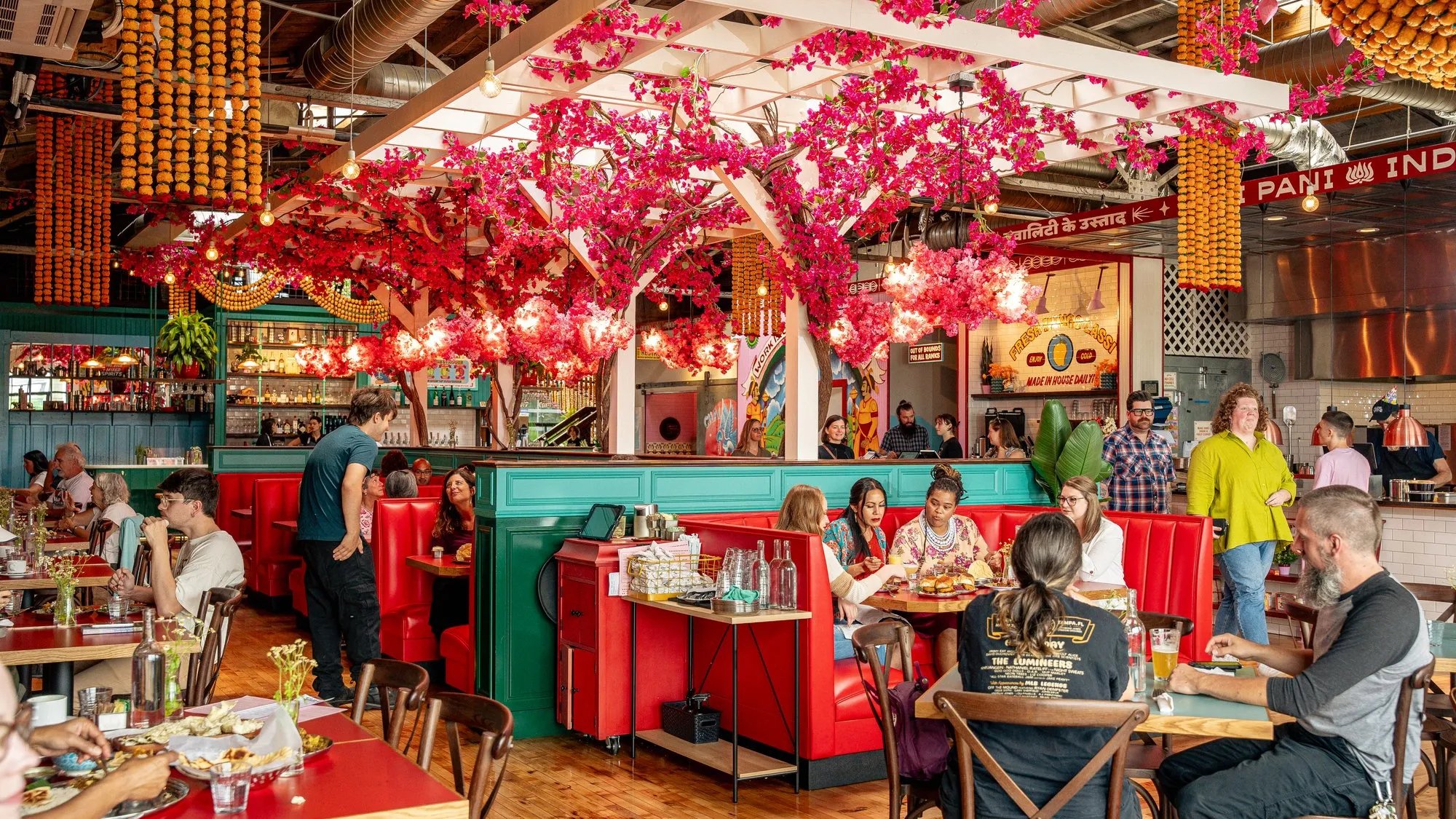
Authentic South Indian & North Indian Cuisine
Chai
Chiang Mai, Thailand
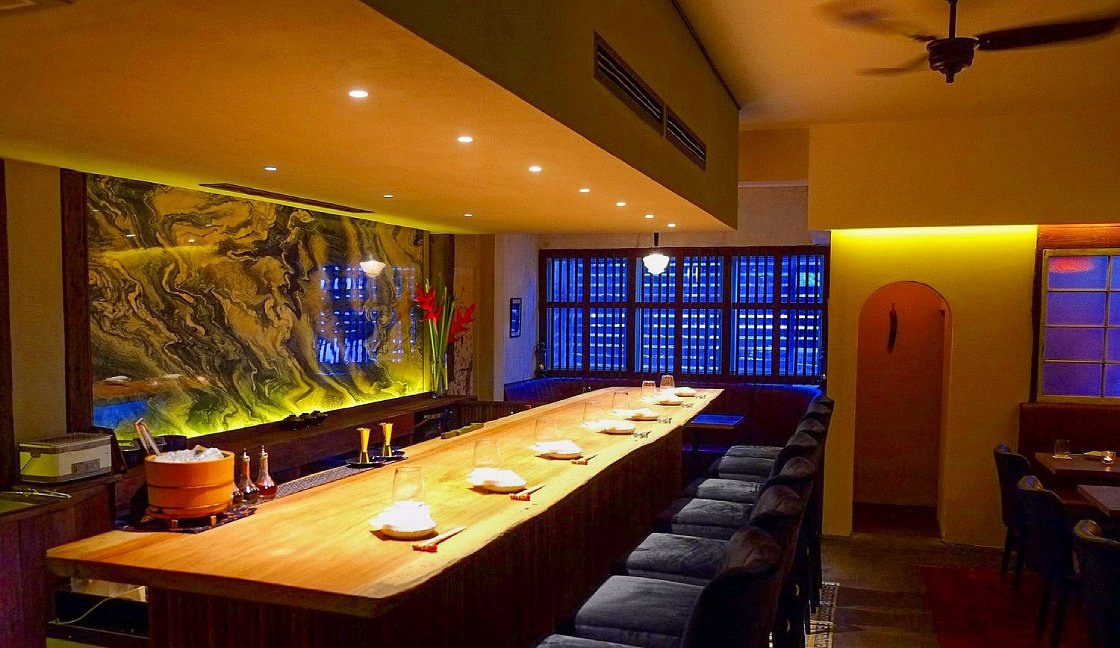
Authentic Pan-Thai Royal Cuisine
Saiyut and Doctor Sai Kitchen
Chiang Mai, Thailand
Northern Thai
Gongkham
Chiang Mai, Thailand
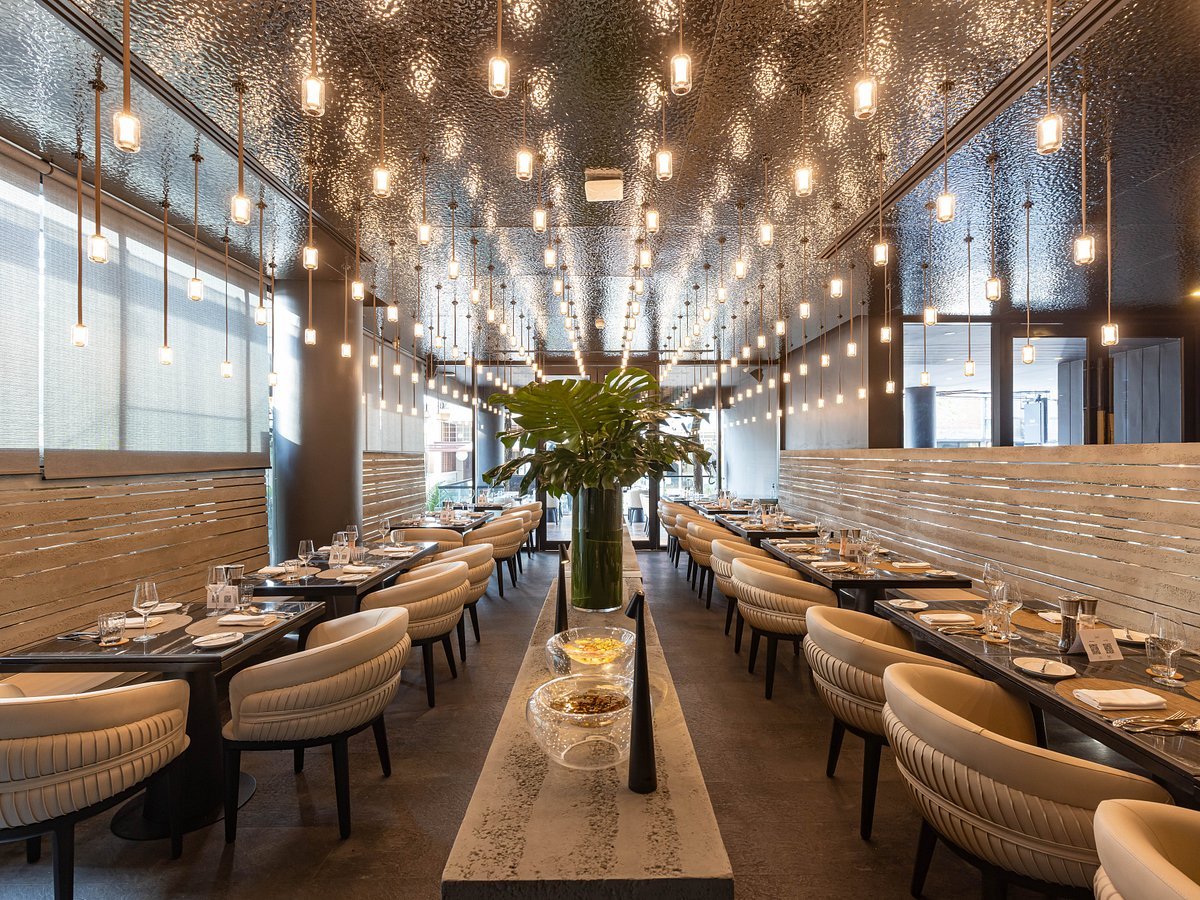
Modern Northern Thai
Rasik Local Kitchen
Chiang Mai, Thailand