Made ByRestaurant
Miro Kaimuki
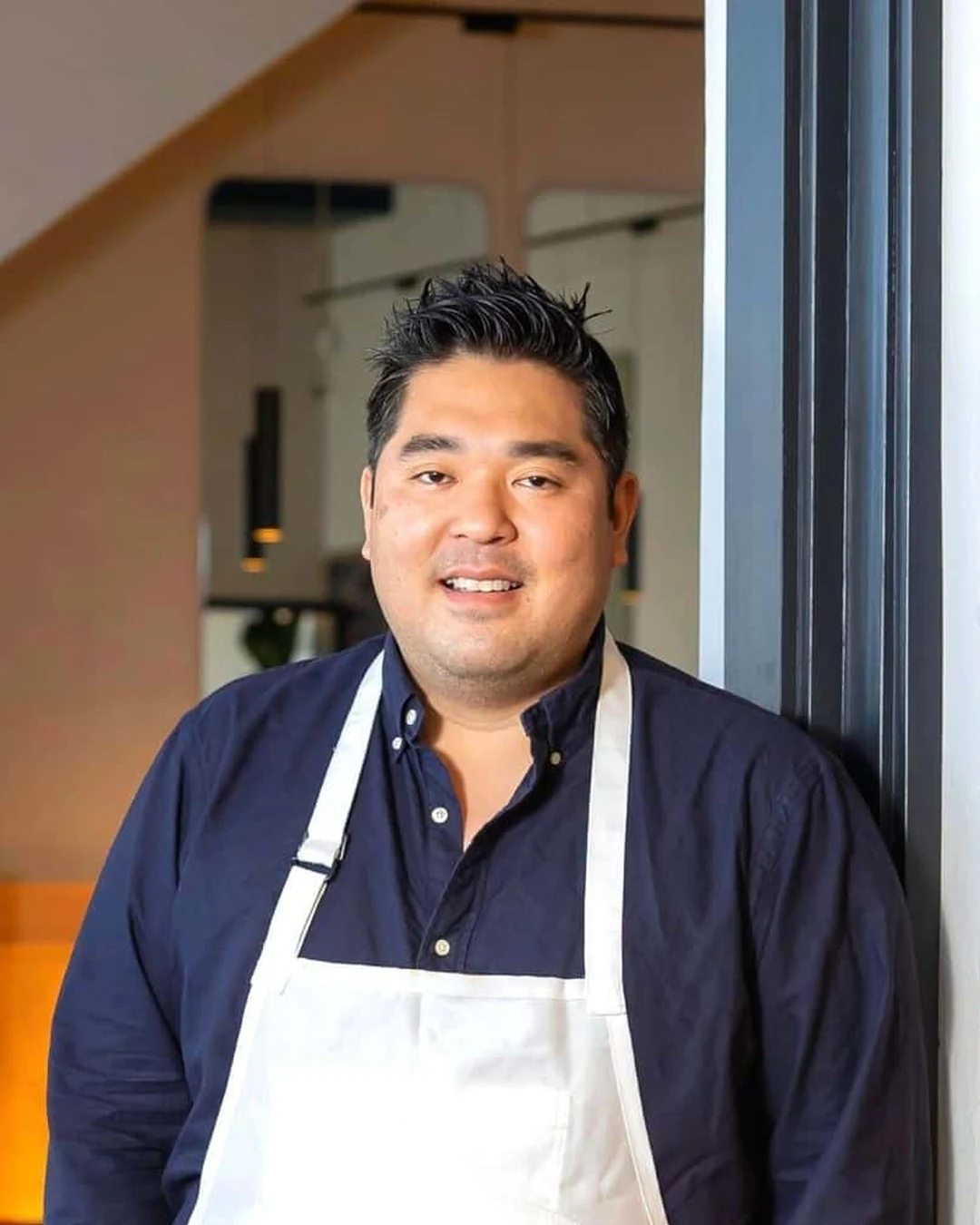
Chef in Residence
Chris Kajioka
Chef
- 01CuisineFrench - Japanese
- 02CityHonolulu, United States
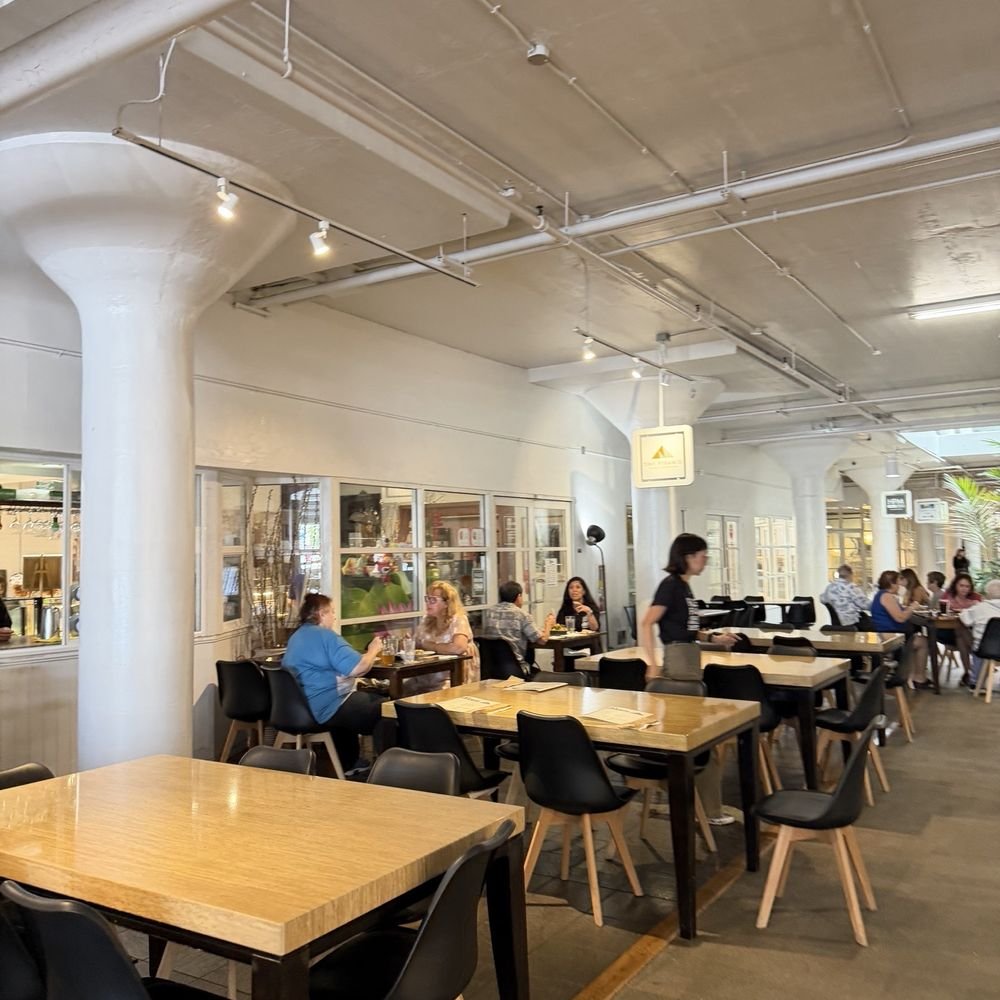
Chris Kajioka, Chef at Miro Kaimuki in Honolulu, cooks French structure with Japanese restraint at a close counter.
At a glance
- Cuisine
- French - Japanese
Comfort chosen at the pass
Comfort is the decision Chris Kajioka, Chef at Miro Kaimuki in Honolulu, has named for the chef's box, and the word matters because it comes from a cook with a severe amount of time behind him. He trained at the Culinary Institute of America, then moved through kitchens where repetition sets the standard before taste ever reaches the table: Ron Siegel’s Dining Room at the Ritz-Carlton in San Francisco, Per Se in New York, Willows Inn on Lummi Island, and Aziza in San Francisco. In Hawaii, he became executive chef at Vintage Cave in 2012, then chef and partner at Senia in Honolulu from 2015–2016. Since 2020, at Miro Kaimuki, that earlier pressure has settled into a quieter register.
Kajioka has described Kaimuki as home. That is not decoration around the restaurant; it sets the brief. The cooking is French and Japanese without treating either as costume, and the room asks for clarity rather than performance. His line about comfort gives the kitchen permission to be exact without becoming distant. At this station, polish is not a finish applied at the end. It is the discipline that lets a dish arrive plainly, with its work still legible.
French structure, Japanese restraint
The menu at Miro Kaimuki sits on contemporary French technique and Japanese sensibility, a pairing that can easily become ornamental if the kitchen lets the references crowd the plate. Kajioka keeps the method closer to the bench. The known signatures point to that discipline: tuna on brioche, a mainstay; fixed-price menus shaped around clean composition; a room where the focus stays on the kitchen more than the view. The restaurant also carries the older Kaimuki habit of a neighborhood table, not a room built only for ceremony.
The address matters here because the restaurant has changed form over time. Miro Kaimuki is now at 1108 12th Ave, while the former Waialae Avenue space operates as Café Miro. The distinction is practical, but it also says something about the program. The tasting menu work belongs to the current Miro Kaimuki counter, where courses can be paced and watched closely. The craft is not hidden, though it is not theatrical either. A brioche can hold richness, tuna, tare, avocado, and chives without needing to announce its references. The pass does the editing.
The room holds the work close
The room has been described as small, low-lit, calm, and adult, the kind of place where conversation can remain intact while the kitchen keeps its own tempo. That atmosphere suits Kajioka’s cooking. It does not ask the diner to decode a thesis at every course; it lets the hand show through proportion, temperature, seasoning, and restraint. The counter format sharpens that exchange. Plates leave the pass with less distance between the maker and the guest, and the room receives them without turning the service into spectacle.
There is a local steadiness in that choice. Kaimuki is not treated as a backdrop brought in for texture; it is the ground the restaurant stands on. Kajioka’s career moved through demanding houses, but Miro Kaimuki reads as the place where that movement slows into a method. If the next measure is simply the plate in front of the guest, let it be the tuna on brioche at Miro Kaimuki.
Address
3446 Waialae Ave, Honolulu, Hawaii, United States
In residence
Similar places
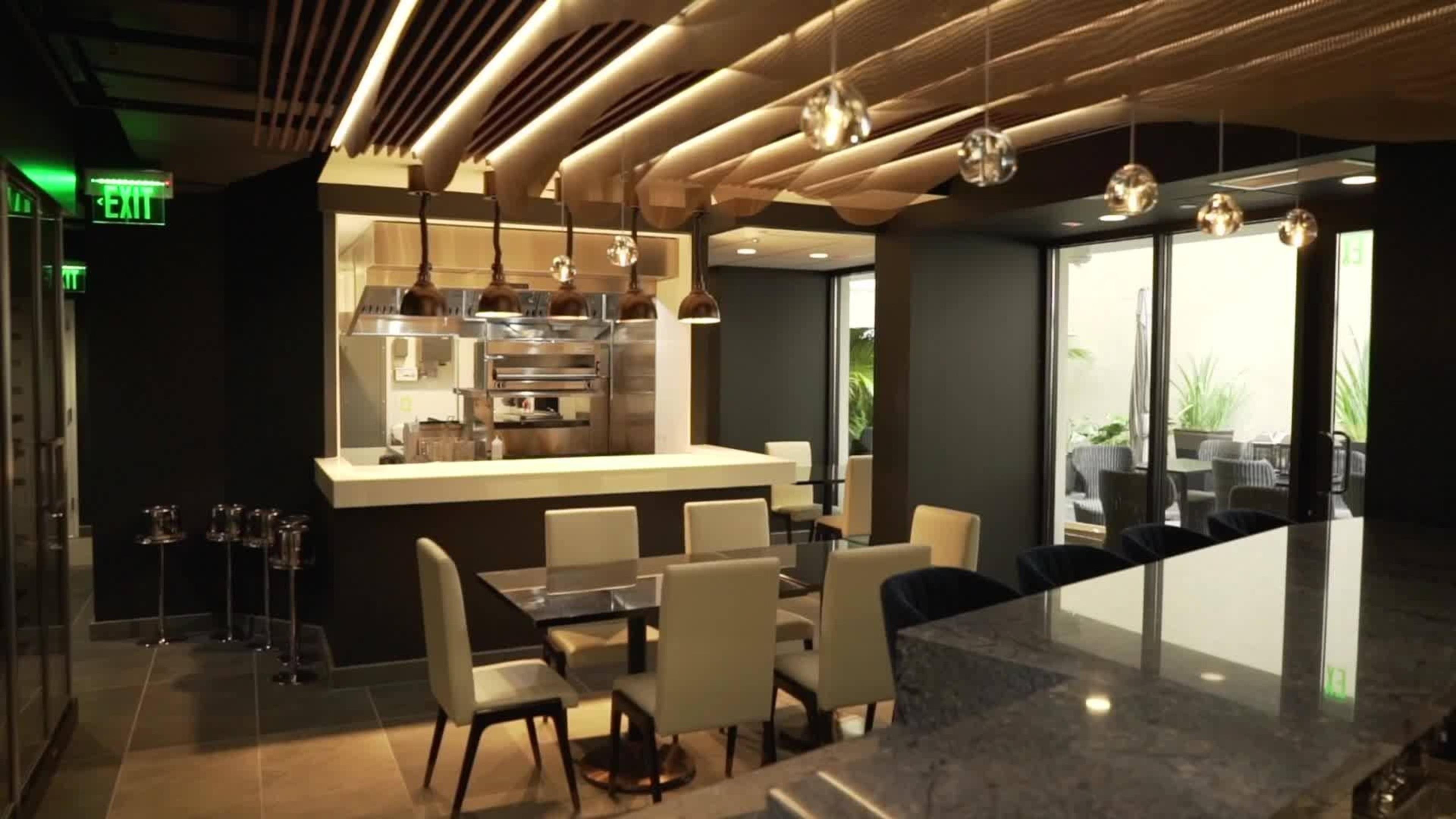
Modern Japanese-French Fusion Fine Dining
Mugen
Honolulu, United States
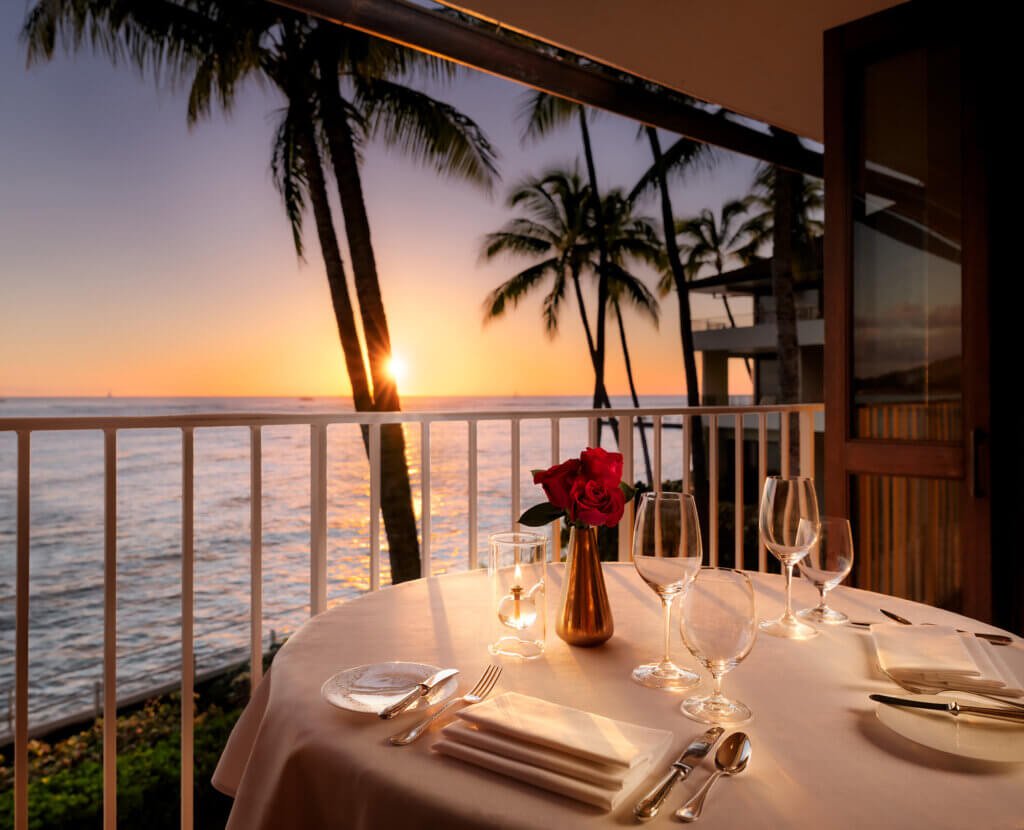
Neoclassic French Fine Dining
La Mer
Honolulu, United States
Modern Vietnamese
Pig & the Lady
Honolulu, United States
Coastal Fine Dining
Orchids
Honolulu, United States
Classic Steakhouse
Hy’s Steak House
Honolulu, United States
Japanese-influenced Californian Kaiseki
Single Thread Farm
Healdsburg, United States
★★★ · 50 Best