- Opinionated About Dining Top Restaurants in Japan Highly Recommended · 2026
- Tabelog Silver #79: 4.4pts · 2026
- Tabelog Silver · 2025
- Tabelog 100 #41: 4.4pts · 2025
- Opinionated About Dining Top Restaurants in Japan Ranked #248 · 2025
- Opinionated About Dining Top Restaurants in Japan Ranked #228 · 2024
- Opinionated About Dining Top Restaurants in Japan Highly Recommended · 2023
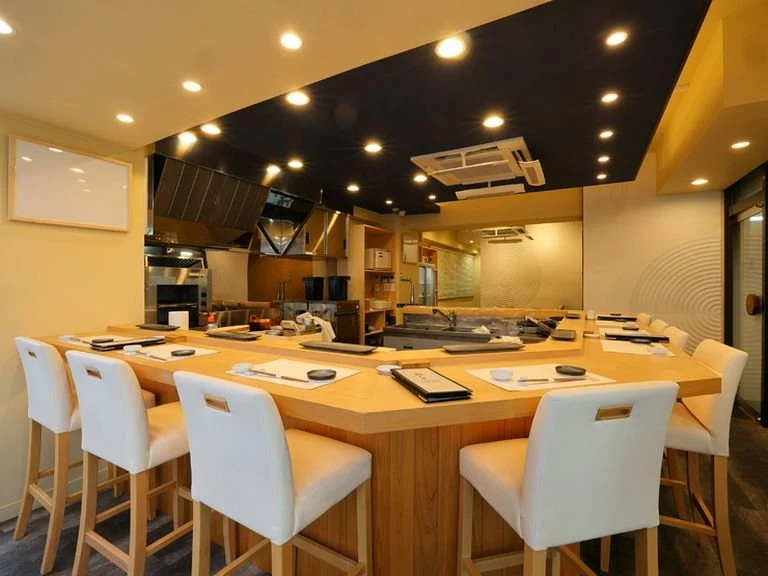
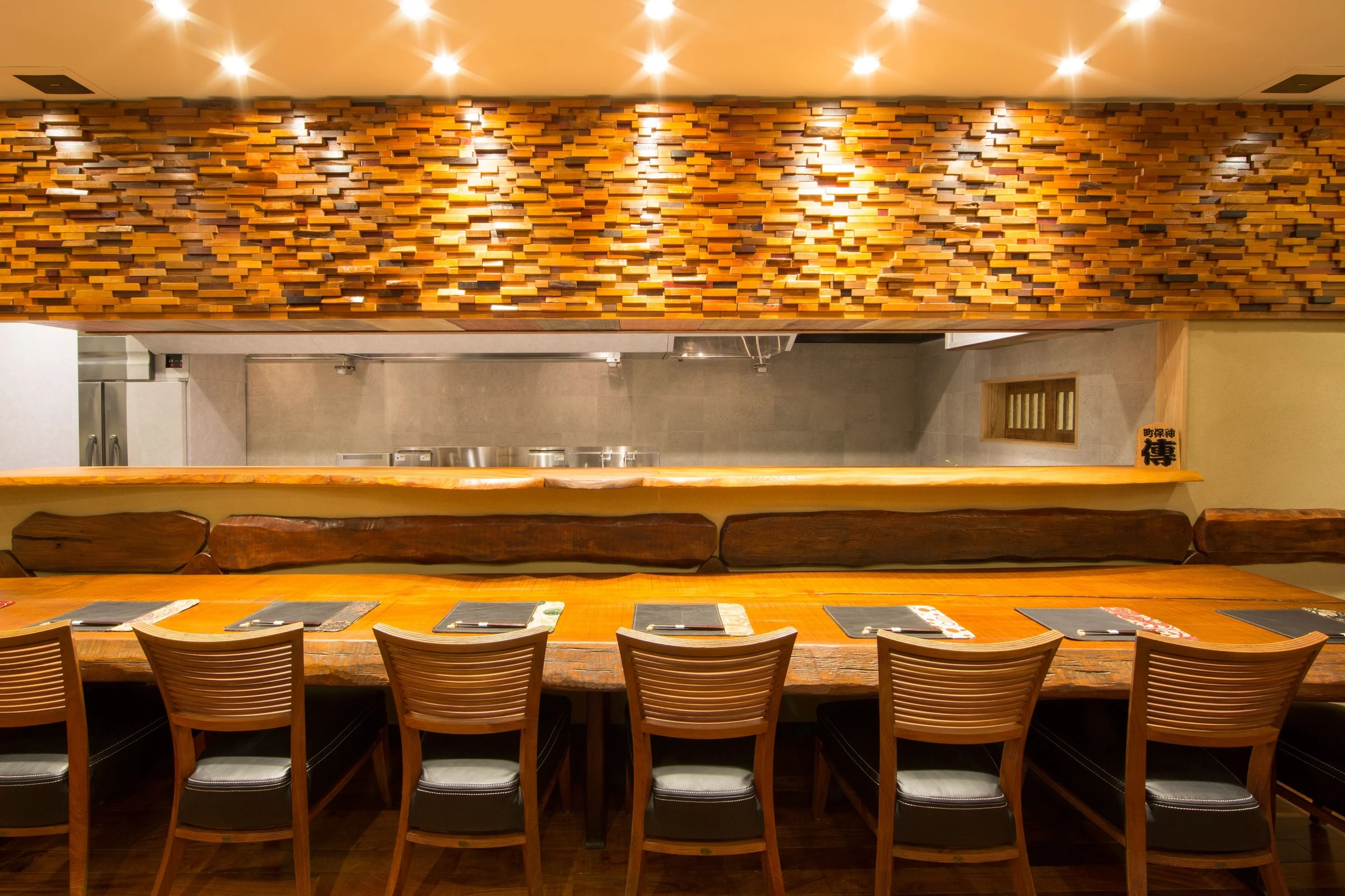
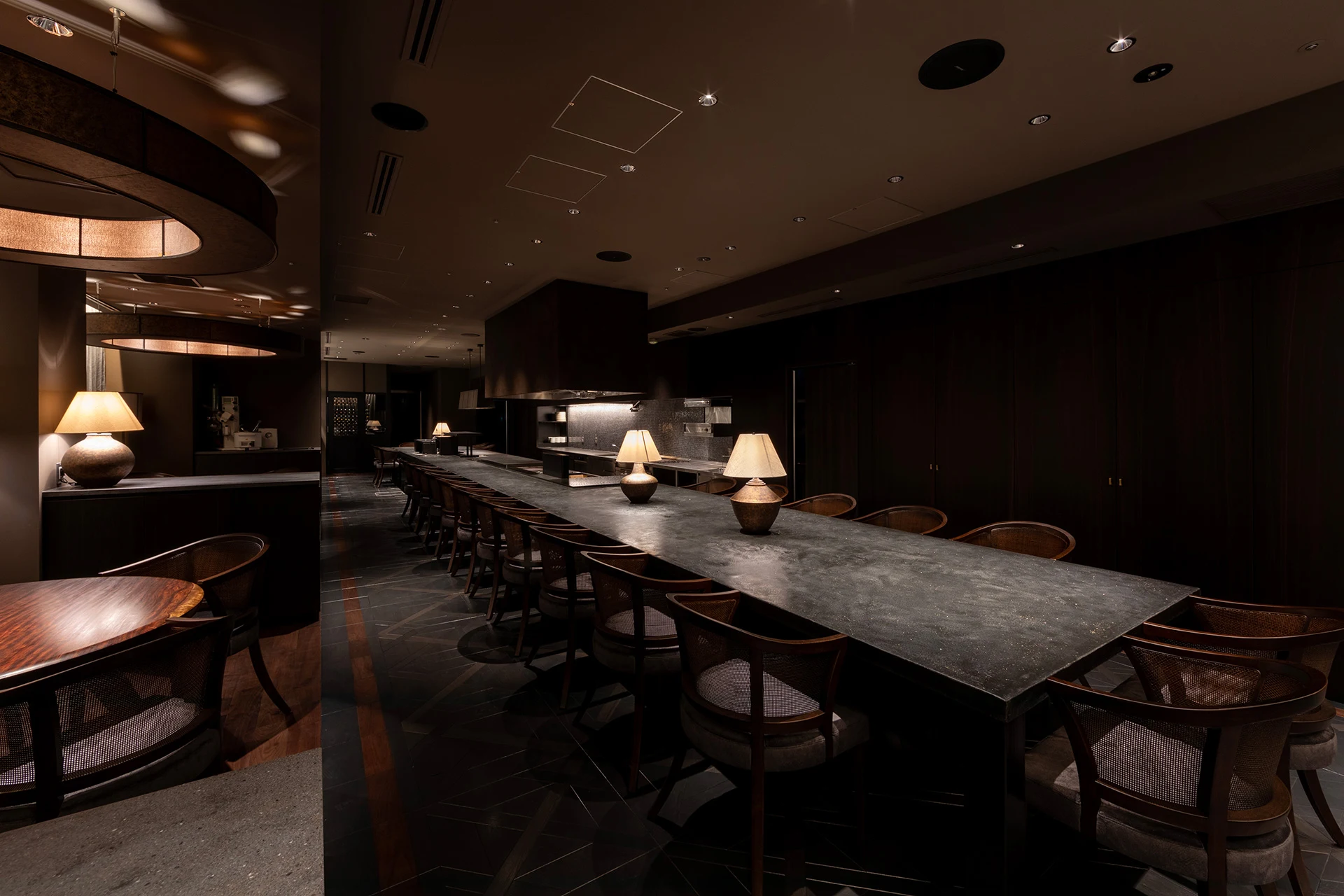
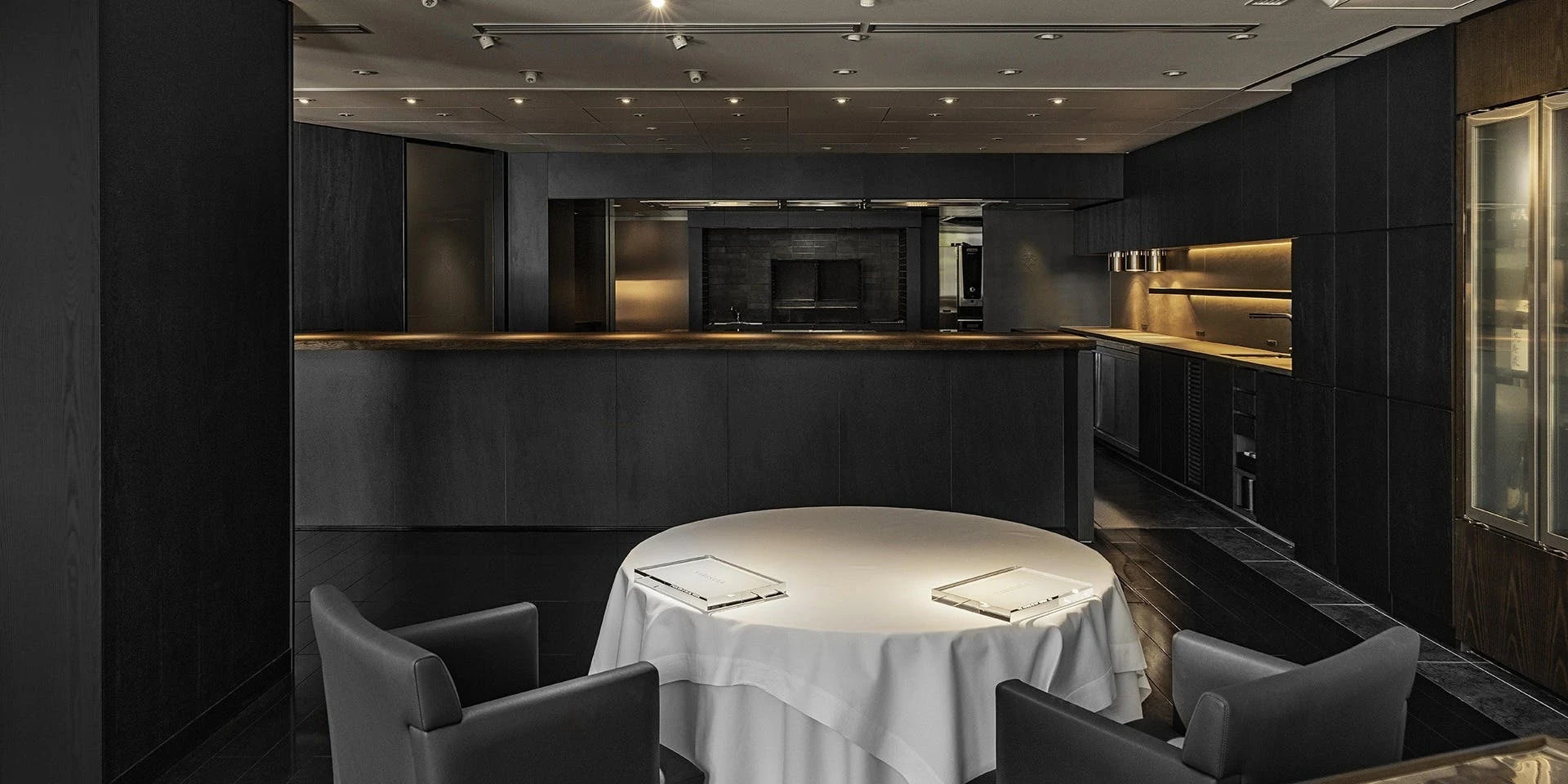
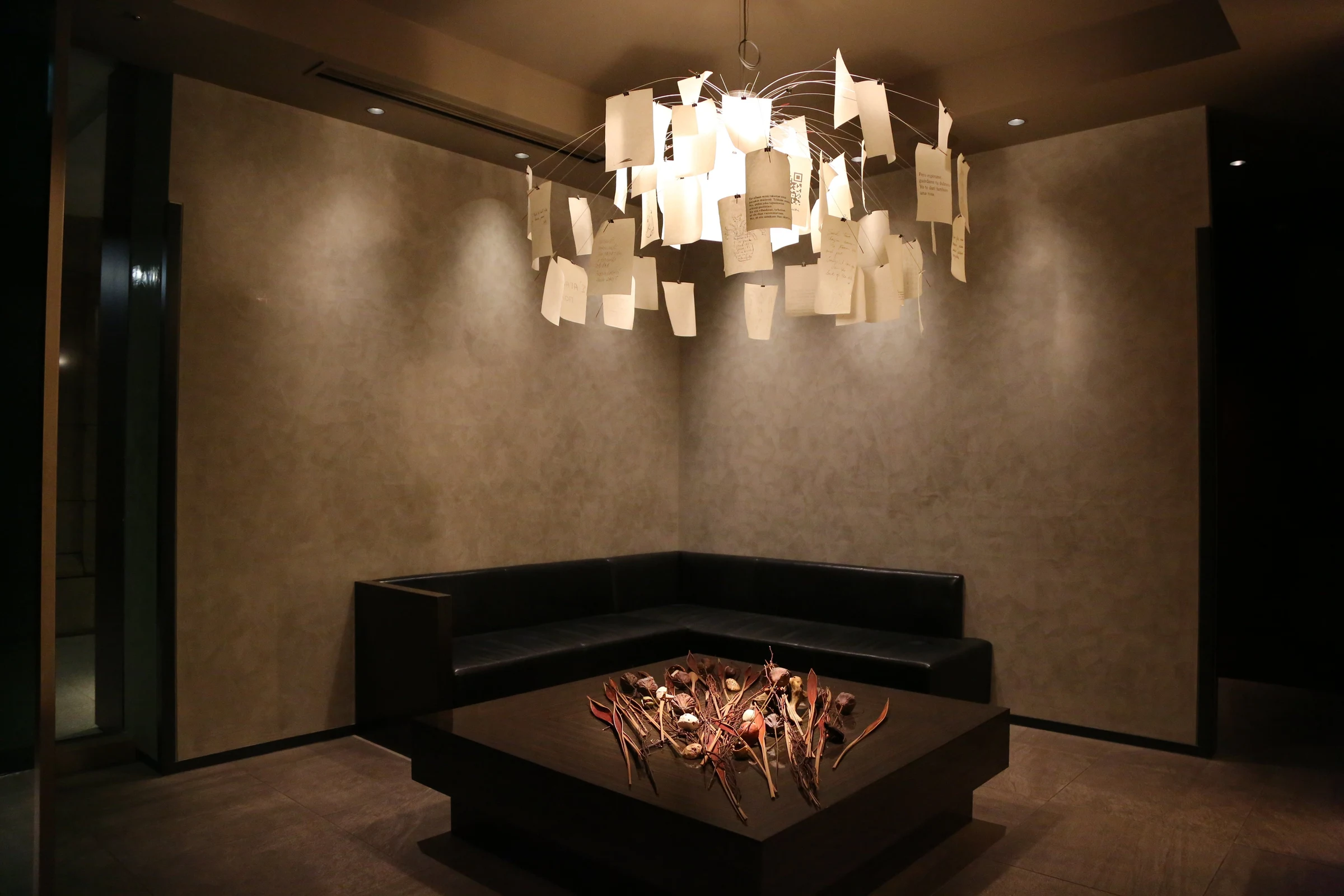
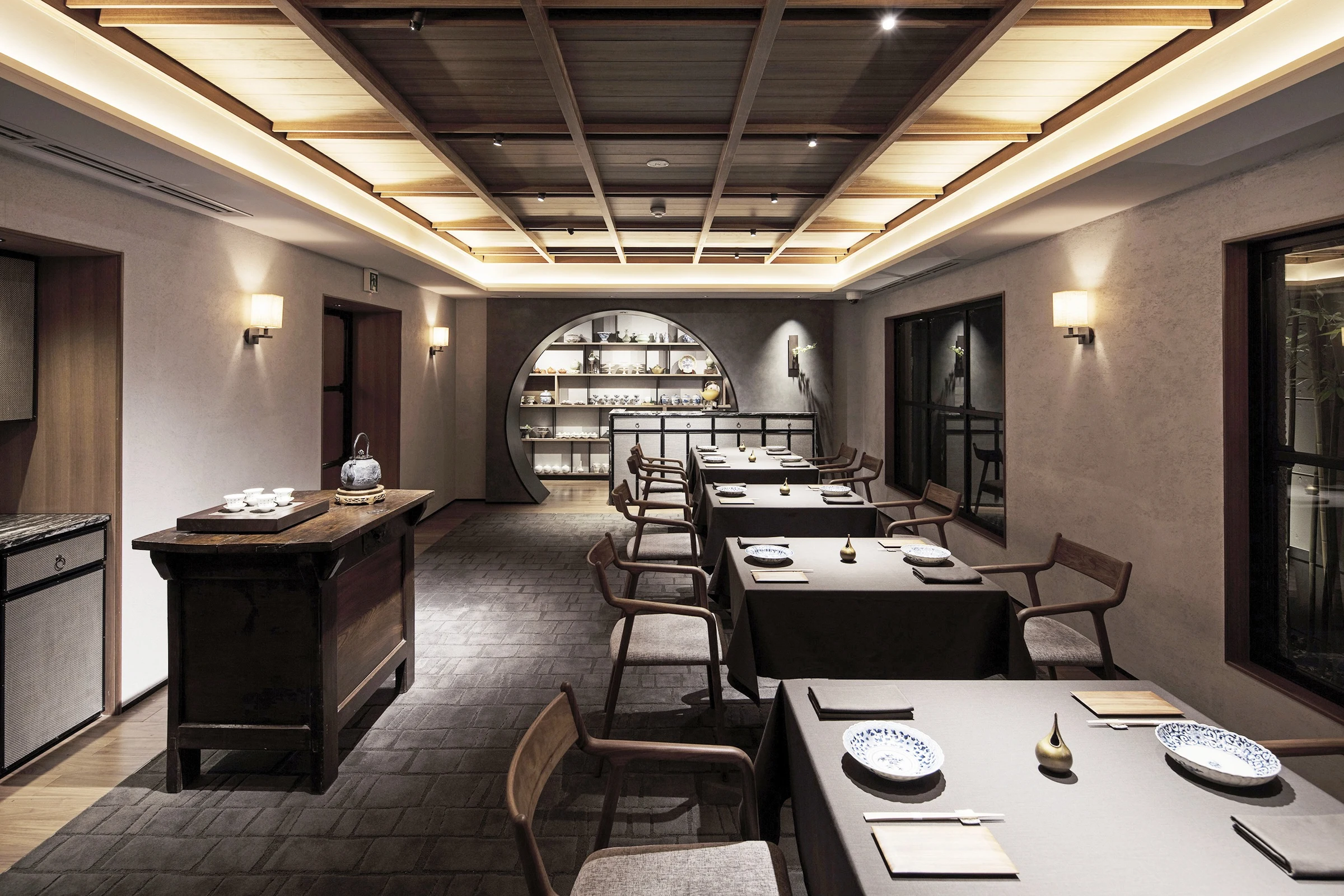
Approaching a serious Tokyo kaiseki room in Nishishinbashi differs from arriving at a Kyoto ryotei. The cues are compressed: an office district after dark, a discreet entrance, and post-work quiet around a meal built on season, sequence, and restraint. Mitaka fits that Tokyo pattern, taking a tradition associated with tatami rooms, garden views, and long-established Kyoto houses into the capital’s sharper urban rhythm.
That matters because Tokyo kaiseki has never simply copied Kansai form. Kyoto guards the meal’s grammar: dashi clarity, seasonal symbolism, lacquerware cadence, and the authority of old merchant and temple culture. Tokyo’s strongest Japanese-cuisine rooms often read faster and more concentrated. The cooking can be equally formal, but the experience suits a city where counter dining, reservation pressure, and chef-led precision shape the language.
Kaiseki discipline in a Tokyo register
Mitaka is classified as Japanese cuisine rather than narrowly as Kyoto kaiseki, a useful distinction. In Tokyo, the category often absorbs kappo intimacy, kaiseki sequencing, and ingredient-led luxury into one format. The meal is judged less by abundance than by control: temperature, broth, rice, seasonal vegetables, grilled courses, and service rhythm. Without naming dishes, the point is washoku grammar, where progression and proportion carry as much weight as any plate.
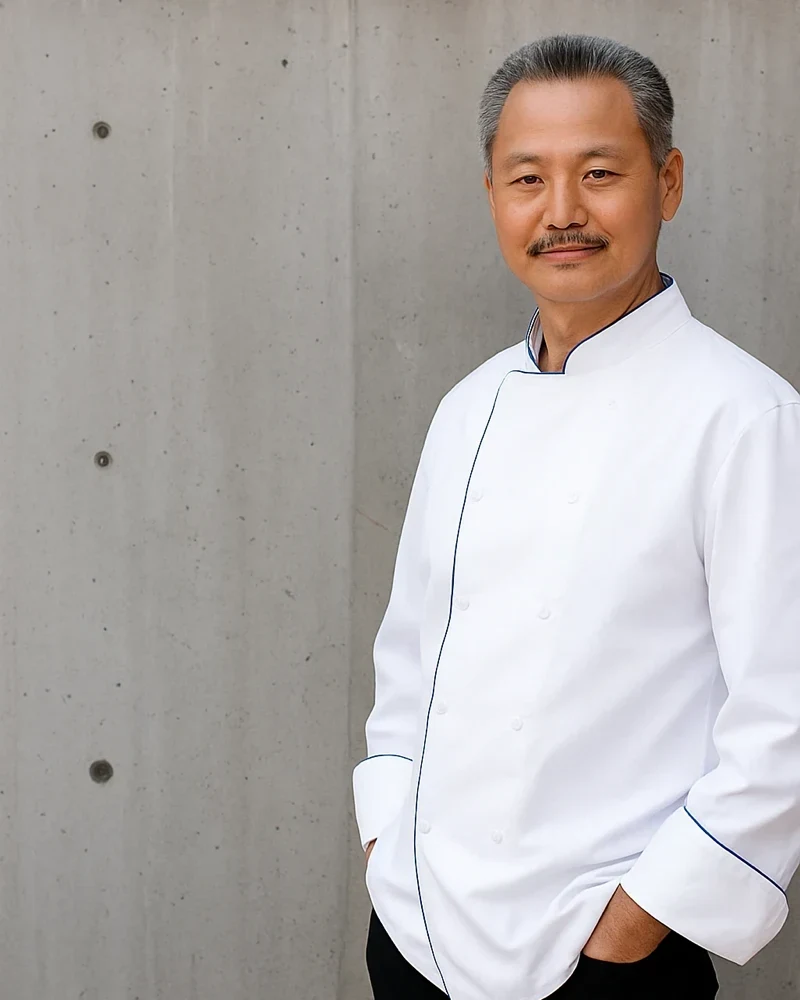
Chef Takatoshi Inoue gives the restaurant its culinary anchor, but the larger story is the citywide tier it occupies. Tokyo has a crowded field of high-commitment Japanese counters, including Hirosaku, Tomura, Kurogi, Mibu, and Iyuki. Distinctions are rarely about “formal” or “casual”; they concern regional inheritance: Kansai’s pale, mineral dashi and ritualised seasonality versus Kanto’s historically stronger seasoning, tighter urban service, and comfort with counter proximity.
The award trail places Mitaka in that conversation clearly. It received The Tabelog Award Silver in 2026 and 2025, Bronze in 2024, 2023, 2022, and 2020, and Silver in 2021. It was selected for Tabelog Japanese Cuisine Tokyo 100 in 2025, 2023, and 2021, and appears on Opinionated About Dining’s 2026 Top Restaurants in Japan Highly Recommended list. These signals matter in Japan, where Tabelog scores and awards carry weight among local diners because they reflect sustained user scrutiny in a dense, competitive, detail-obsessed high-end Japanese market.
The 2026 Tabelog score of 4.41 and dinner budget of JPY 40,000 to JPY 49,999 put Mitaka in the expensive but not maximalist end of Tokyo Japanese dining. That tier competes on sourcing and technique rather than spectacle, making the restaurant part of a mature Tokyo washoku circuit more than a novelty-led destination.
Kansai restraint, Kanto compression
A regional lens helps readers place this meal in a Japan itinerary. Kyoto kaiseki rewards diners who want space around ritual: architecture, garden context, inherited pacing, and seasonal ceremony beyond the plate. Tokyo makes the same questions immediate. Room, counter, and chef’s timing bring the mechanics closer, making Tokyo kaiseki seem less ceremonial from outside but more exacting in practice.
Mitaka’s Nishishinbashi setting reinforces that difference. This part of Minato is not postcard Tokyo of hotel towers or neon dining alleys; it sits in the working city, near government offices, business addresses, and the edge of Ginza’s restaurant gravity. The neighbourhood suits a Japanese-cuisine room for diners who already understand the category. It does not explain kaiseki through decoration; it follows Tokyo’s habit of hiding highly technical meals in ordinary urban fabric.
The useful question is not whether Tokyo or Kyoto does kaiseki better. Kyoto is the form’s historical center; Tokyo is a pressure chamber for interpretation. Read a meal here against both: the Kansai ideal of seasonal balance and the Kanto appetite for concentration, tempo, and direct kitchen contact. That is why Tokyo’s Japanese-cuisine category sits beside sushi, tempura, and kappo in the city’s luxury hierarchy.
This room also differs from broader luxury dining in Tokyo. Visitors often use sushi counters as reference points, where scarcity, seat count, and chef lineage dominate. Kaiseki requires slower reading. Value is distributed across the meal’s arc: opening seasonal signals, soup work, sashimi context, grilled and simmered preparations, rice, and closure. A diner chasing one headline plate misses the point; one interested in how Japanese cuisine organizes time will understand the repeat attention.
Where it fits in a Tokyo dining plan
Mitaka is strongest as a serious Japanese-cuisine booking for travellers beyond introductory Tokyo dining. It is not the broadest cultural primer or a casual neighbourhood choice. Its recognition profile, price band, reservation-only format, and repeated Tabelog award history point to diners comparing Tokyo’s kaiseki-adjacent washoku with Kyoto and Kaga traditions, not simply collecting a famous table.
That comparison can be made across Japan carefully. Kyoto references such as Ankyu, Kaiseki in Kyoto and [ki:] in Kyoto speak to a different regional inheritance, while Araya Totoan, Kaiseki in Kaga brings Hokuriku ryokan culture and coastal seasonality into frame. In Tokyo, the broader Japanese-cuisine map includes Ajihiro, Akasaka Asada, Akasaka Ogino, and Aoyama Jin, each showing how the capital fragments washoku into distinct rooms, price tiers, and formality levels.
Not every linked stop belongs to the same category, and that is the point. Tokyo itineraries often work by contrast: a formal Japanese dinner one night, a polished café or hotel-adjacent address such as Bulgari Cafe II another, then regional detours outside the capital. Broader Japan references such as -Grilled beef Sukiyaki- KAMAKURA TANUKIAN 鎌倉 たぬき庵 in Kamakura,.cafe in Osaka,.know in Kumamoto, (Shoku) Vietnam in Kawasaki, and [Curry Senmon Ten] Maruyama Kyoju. in Sapporo show how quickly dining logic changes by region, cuisine, and audience.
For planning beyond one dinner, use Our full Tokyo restaurants guide to place Mitaka among the city’s serious tables. Pair it with Our full Tokyo hotels guide, Our full Tokyo bars guide, Our full Tokyo wineries guide, and Our full Tokyo experiences guide for the more accurate picture: Tokyo is not one dining scene, but overlapping systems. Mitaka belongs where regional Japanese technique, local rating culture, and compact urban form meet at a high price point.
The Sunday letter
Get new places like Mitaka every Sunday.
One email a week with the restaurants, bars and hotels we have just written up, and the people who run them.
One email a week. Unsubscribe from any issue.
Questions
Frequently asked
Who works at Mitaka?
Made By profiles Takatoshi Inoue (Chef) at Mitaka.
How expensive is Mitaka?
Mitaka is listed at a price level of $.
Where is Mitaka and what does it serve?
Mitaka is in Minato, Tokyo, serving Japanese Izakaya.
The field
How it compares
| Place | Cuisine | Notes | Awards |
|---|---|---|---|
| Mitaka | Japanese Izakaya | Minato, $ | · |
| Den | Modern Japanese Kaiseki | Tokyo | Michelin 2 Stars, World's 50 Best |
| Florilège | Modern French-Japanese Plant-Based Fine Dining | Tokyo | Michelin 2 Stars, World's 50 Best |
| Narisawa | Modern Japanese Satoyama Fine Dining | Tokyo | Michelin 2 Stars, World's 50 Best |
| Quintessence | Modern French Fine Dining | Tokyo | Michelin 3 Stars |
| Sazenka | Modern Chinese Fine Dining | Tokyo | Michelin 3 Stars, World's 50 Best |
| Sézanne | Modern French Fine Dining | Tokyo | Michelin 3 Stars, World's 50 Best |
In residence
Similar places
Modern Japanese Kaiseki
Den
Tokyo, Japan
★★ · 50 Best
Modern French-Japanese Plant-Based Fine Dining
Florilège
Tokyo, Japan
★★ · 50 Best
Modern Japanese Satoyama Fine Dining
Narisawa
Tokyo, Japan
★★ · 50 Best
Modern French Fine Dining
Quintessence
Tokyo, Japan
★★★
Modern Chinese Fine Dining
Sazenka
Tokyo, Japan
★★★ · 50 Best
Modern French Fine Dining
Sézanne
Tokyo, Japan
★★★ · 50 Best
The Sunday letter
Get the next Made By story in your inbox.
We send one email every Sunday morning with the places and people we covered that week.
One email a week. Unsubscribe from any issue.