- Opinionated About Dining Top Restaurants in Europe Recommended · 2026
- Michelin Plate · 2026
- Michelin Plate · 2025
- Opinionated About Dining Top Restaurants in Europe Ranked #407 · 2025
- Michelin Plate · 2024
- Opinionated About Dining Top Restaurants in Europe Ranked #289 · 2024
Viale Piave sits within easy sight of the Castello dell'Imperatore, the only northern-European Hohenstaufen castle on Italian soil, and it is an unlikely address for a Japanese-format counter. The visual dissonance is part of the point. Prato has long operated as Tuscany's industrial second city, overshadowed by Florence thirty minutes down the motorway and rarely appearing on itineraries focused on regional cuisine. MOI Omakase occupies that overlooked civic register deliberately, presenting a rigorous omakase format in Prato.
Omakase in an Italian City That Has Never Needed It
The omakase format has spread across European capitals over the past decade, with London, Paris, and Copenhagen each developing dedicated counters that compete on Japanese sourcing, lineage, and price. In Italy, the tradition has taken hold more slowly, concentrated in Milan and Rome where international restaurant density is high enough to sustain it. Finding a nightly fixed-menu counter in a mid-sized Tuscan city, priced at the €€€€ level and operating on a single sitting from 9pm to midnight, is unusual enough to warrant attention.
The answer lies in a simple idea: restraint as method, not constraint. At Osteria Francescana in Modena and Le Calandre in Rubano, the discipline is applied to Italian ingredients and cultural memory. At MOI Omakase, it runs in the opposite direction, Japanese structure applied to Italian-sourced product, with Chef Alberto Toè controlling both what is served and in what sequence. The result sits apart from conventional Italian tasting menus.
The Format and What It Asks of the Guest
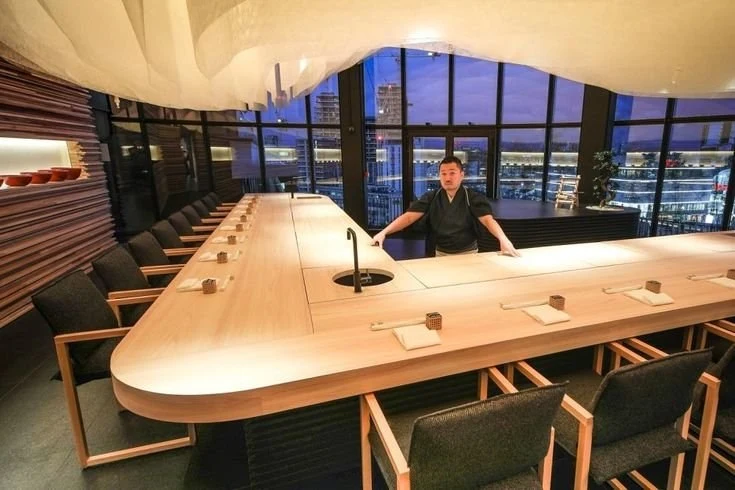
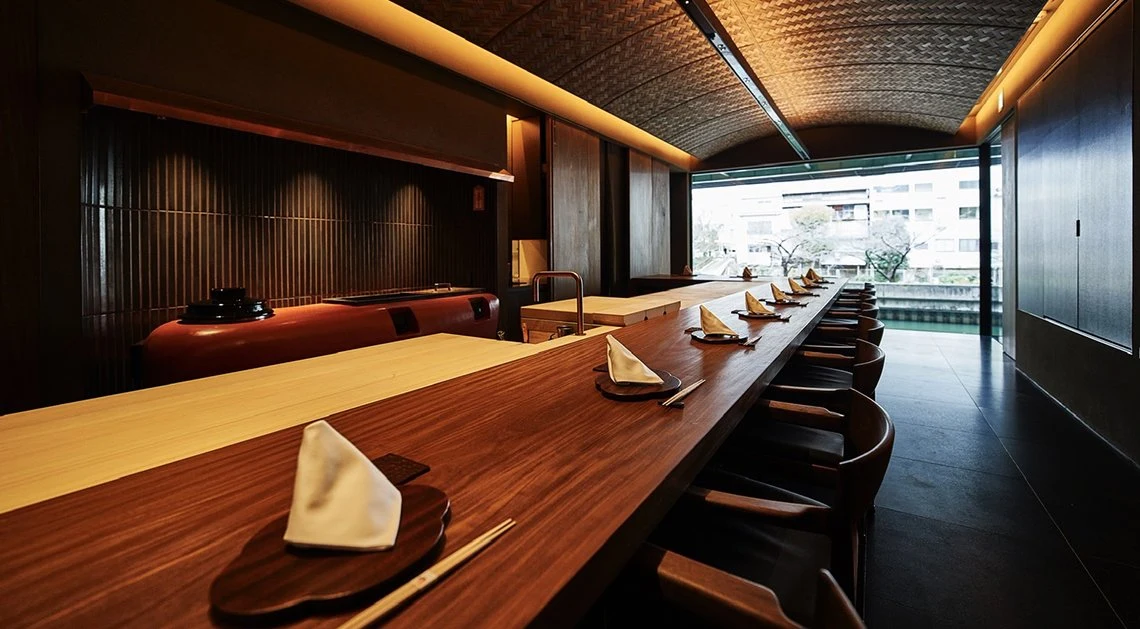
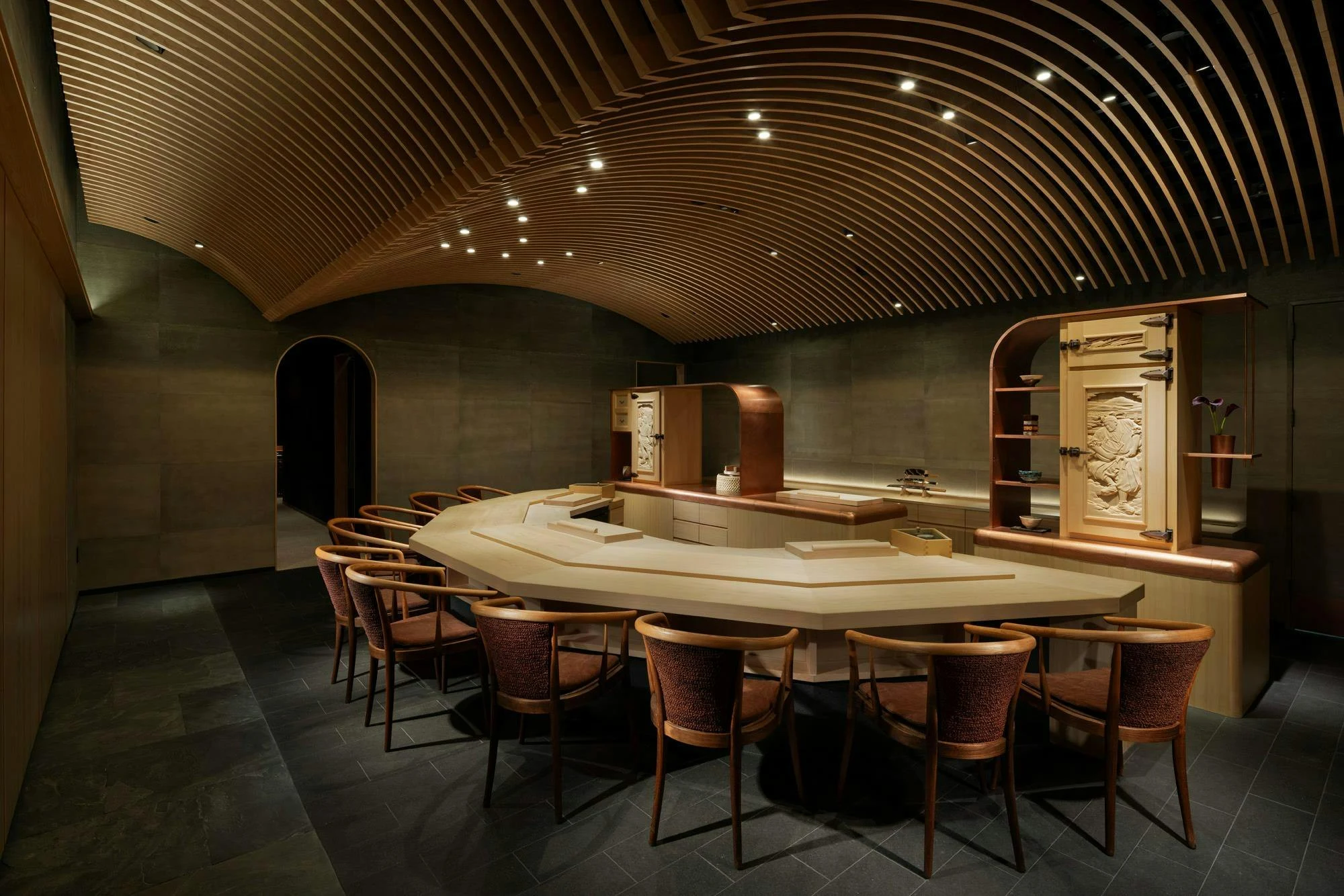
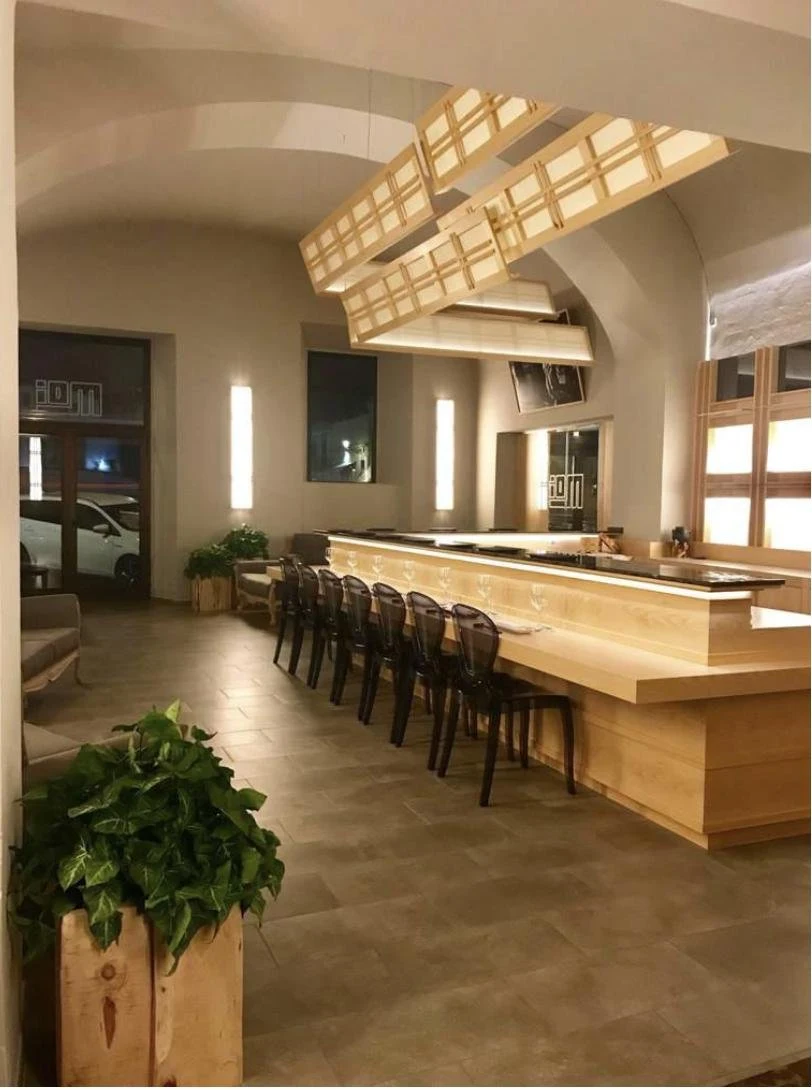
Omakase translates as "I trust you", a compact between chef and diner that removes the menu negotiation entirely. Every guest at MOI eats the same sequence, which begins at 9pm, the single nightly start time. The sushi and sashimi preparation happens in the dining room rather than behind a closed kitchen, which is the structural core of the experience: the counter format collapses the distance between craft and audience, and the technical decisions, knife angle, rice temperature, the ratio of vinegar in the shari, become part of what the evening communicates.
This is, in essence, an application of a very old Italian principle to a Japanese format. The idea that a small number of high-quality ingredients, prepared with precision and without embellishment, constitute a more serious proposition than elaborate multi-component dishes runs from cucina povera through to the current generation of Italian chefs working at Uliassi in Senigallia and Quattro Passi in Marina del Cantone. The omakase counter happens to be the Japanese form that most closely mirrors that principle: the chef selects, the guest receives, and the transaction is built on technique rather than spectacle.
The Michelin inspector's note recommends the miso and monkfish soup with kelp and green onions.
Where MOI Sits in the Italian Fine Dining Map
Italy's €€€€ restaurant tier is dominated by the major Michelin-starred addresses: Enoteca Pinchiorri in Florence, Enrico Bartolini in Milan, Dal Pescatore in Runate, and Atelier Moessmer Norbert Niederkofler in Brunico. MOI Omakase has received Michelin Plate recognition in both 2024 and 2025. More instructive is the Opinionated About Dining trajectory: ranked #407 among European restaurants in 2025 after placing #289 in 2024.
For comparative context, the OAD European list provides one of the more rigorous cross-border rankings available. A place in the top 500 for two consecutive years from a Prato address, in a format that has no Italian precedent to lean on, represents a different kind of credential than a Michelin star in a city already dense with culinary reputation. It also places MOI in a peer conversation with counters in larger cities, including crossover formats like Atomix in New York City, where Korean-French technique operates on similar principles of chef-led sequence, rather than against Prato's own restaurant scene.
Locally, the contrast is instructive. Paca represents Prato's contemporary Italian direction, and Il Piraña anchors the city's seafood tradition. MOI operates on a separate axis from both, which is part of what makes its position in the city legible: it is not competing for the same guest, and it is not trying to. The guest who books MOI has already decided they want the omakase format specifically, at a price point that reflects the counter's level, on a Tuesday evening at 9pm.
Planning the Evening
The single sitting structure means timing is fixed rather than flexible. Doors are open Monday through Saturday, 9pm to midnight; Sunday the restaurant does not operate. The late start reflects both Italian dining culture and the format's internal logic, a counter experience that runs for two to three hours works better as the evening's centrepiece than as a pre-theatre option.
Prato is a thirty-minute train journey from Florence Santa Maria Novella, making MOI accessible as part of a longer Tuscan stay rather than requiring a dedicated base in the city. The Castello dell'Imperatore is a five-minute walk from Viale Piave and worth the detour in daylight hours.
The €€€€ price tier at a single-sitting counter with no printed menu requires a specific kind of commitment. The guest who arrives having read the OAD ranking, accepted the format, and booked the table will find that MOI delivers exactly what the format promises: a chef-led sequence of Japanese-inflected preparations, executed in front of them, in a city that has given the format room to operate without the pressure of a crowded competitive set.
Questions
Frequently asked
Who works at MOI Omakase?
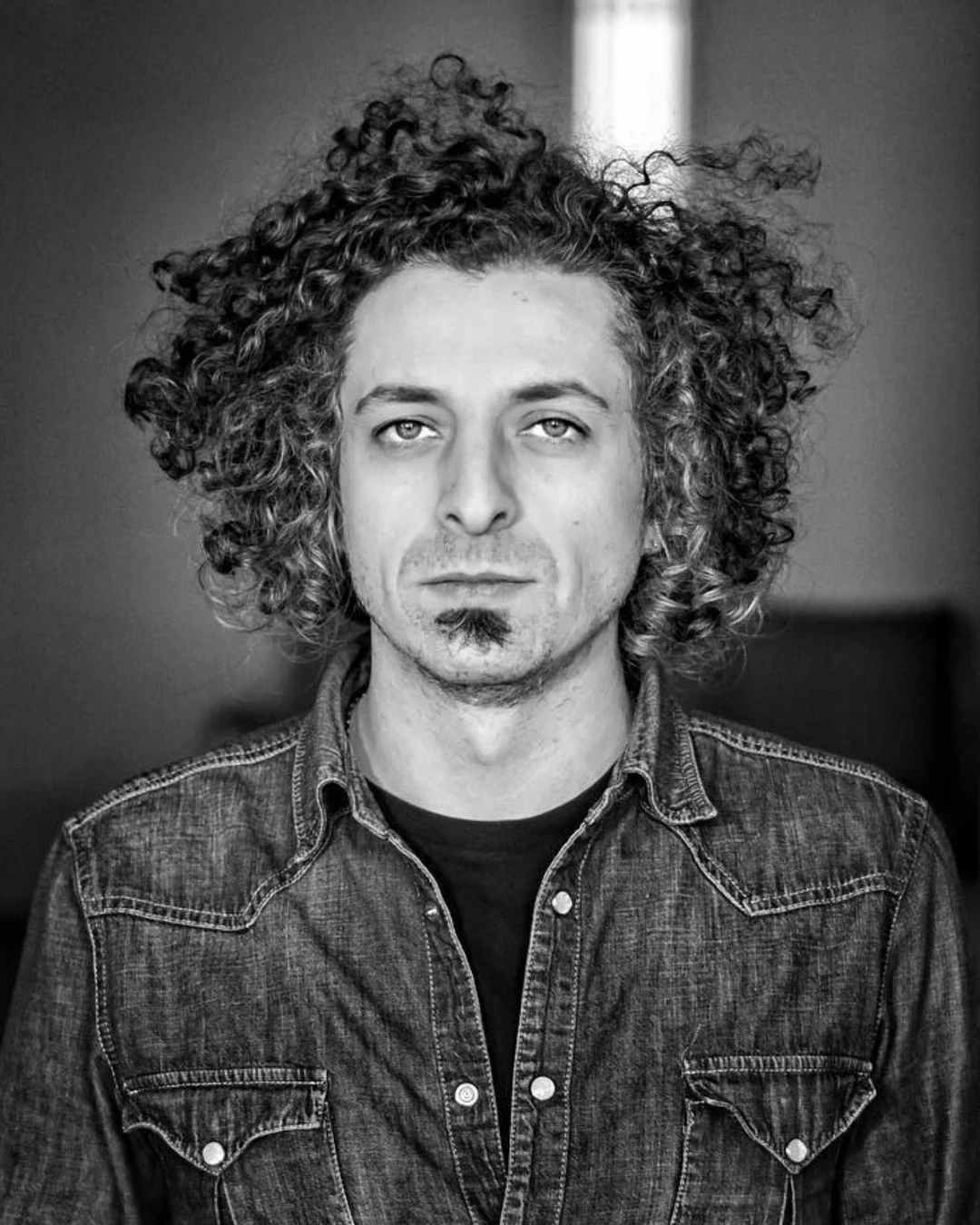
Made By profiles Francesco Preite (Chef) at MOI Omakase.
How expensive is MOI Omakase?
MOI Omakase is listed at a price level of $$$$.
Where is MOI Omakase and what does it serve?
MOI Omakase is in Centro Storico, Prato, serving Modern Japanese Omakase.
The field
How it compares
| Place | Cuisine | Notes | Awards |
|---|---|---|---|
| MOI Omakase | Modern Japanese Omakase | Centro Storico, $$$$ | · |
| Endo at The Rotunda | Modern Japanese Omakase | London | Michelin 1 Star |
| Koryu | Modern Japanese Omakase | Osaka | Michelin 2 Stars |
| L'Abysse Monte-Carlo | Modern Japanese Omakase | Monte Carlo | Michelin 2 Stars |
| Sorekara | Modern Japanese Omakase | Orlando | Michelin 2 Stars |
| Sushi Sho | Modern Japanese Omakase | New York City | Michelin 3 Stars |
| Waku Ghin | Modern Japanese Omakase | Singapore | Michelin 1 Star, World's 50 Best |
In residence
Similar places
Modern Japanese Omakase
Endo at The Rotunda
London, United Kingdom
★
Modern Japanese Omakase
Koryu
Osaka, Japan
★★
Modern Japanese Omakase
L'Abysse Monte-Carlo
Monte Carlo, Monaco
★★
Modern Japanese Omakase
Sorekara
Orlando, United States
★★
Modern Japanese Omakase
Sushi Sho
New York City, United States
★★★
Modern Japanese Omakase
Waku Ghin
Singapore, Singapore
★ · 50 Best