Nae:um
In Residence
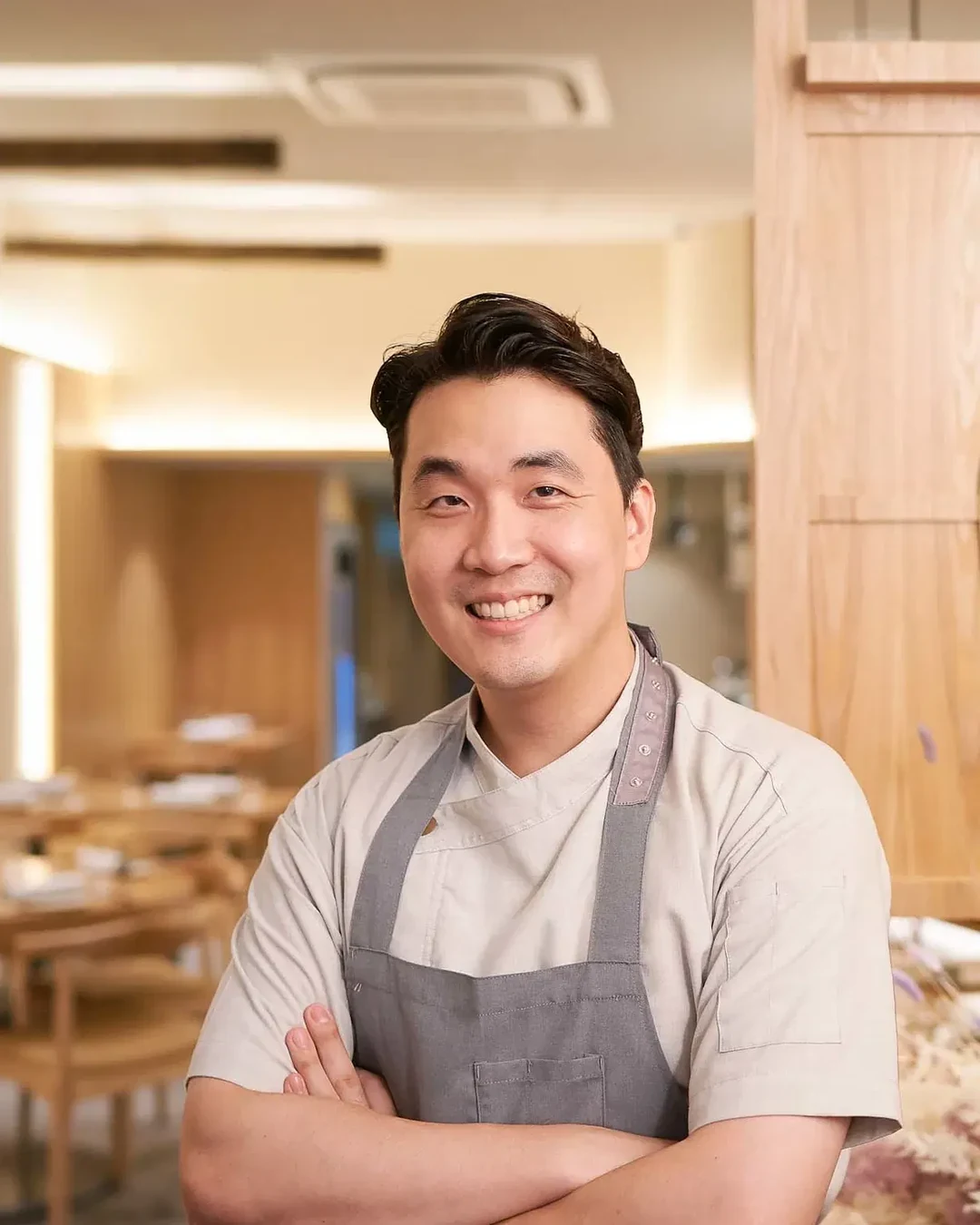
Louis Han
Chef
- 01CuisineModern Korean Fine Dining
- 02CitySingapore, Singapore
- 03RecognitionOne Michelin Star
- 1 Michelin Star · Michelin Guide
- World's 50 Best · #45 · World's 50 Best Restaurants
- World's 50 Best Asia's Best Restaurants #45 · 2026
- Opinionated About Dining Top Restaurants in Asia Recommended · 2026
- Michelin Guide 1 Star · 2026
- Michelin 1 Star · 2025
- Opinionated About Dining Top Restaurants in Asia Ranked #233 · 2025
- Michelin 1 Star · 2024
Cream, Birch, and the Architecture of Memory
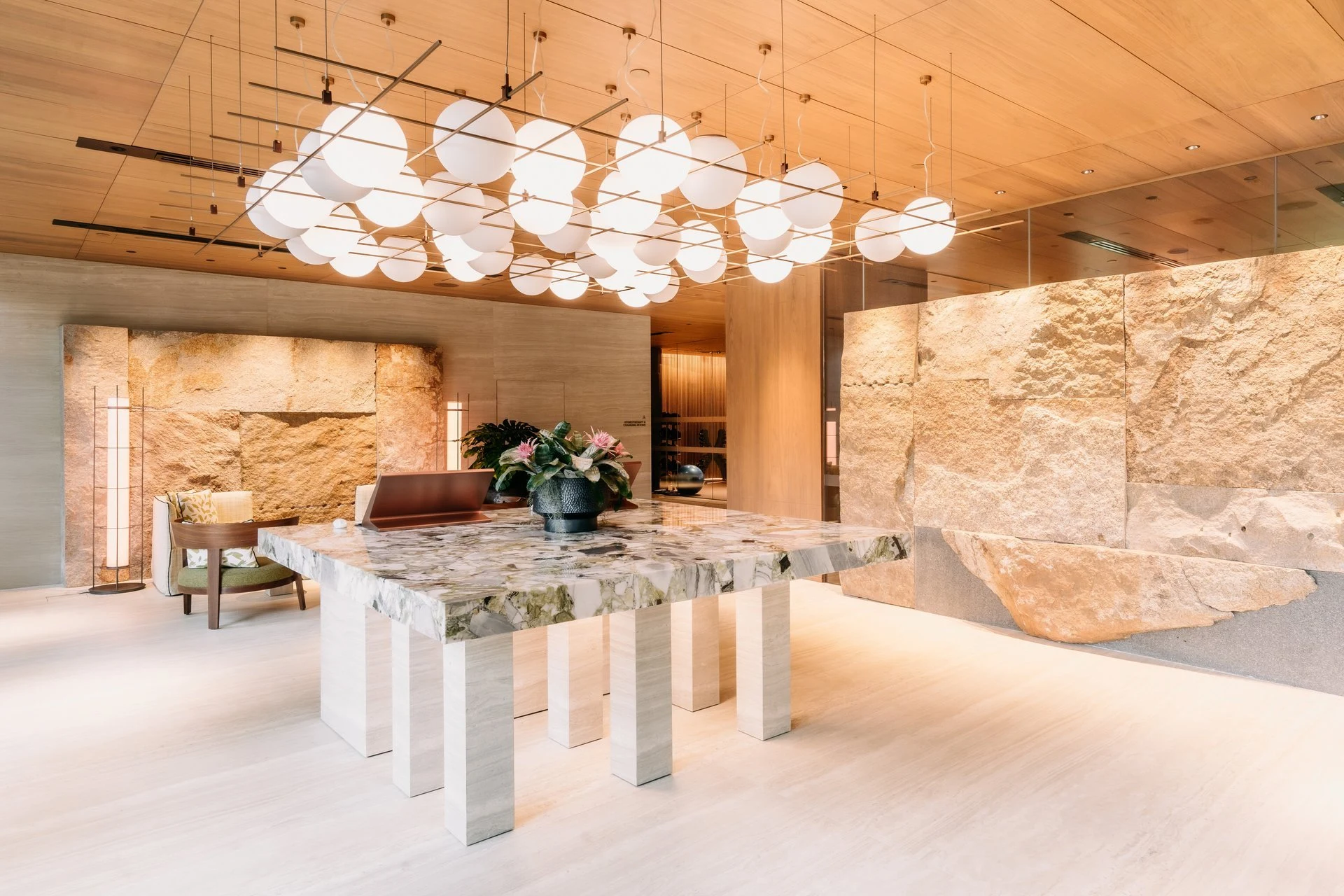
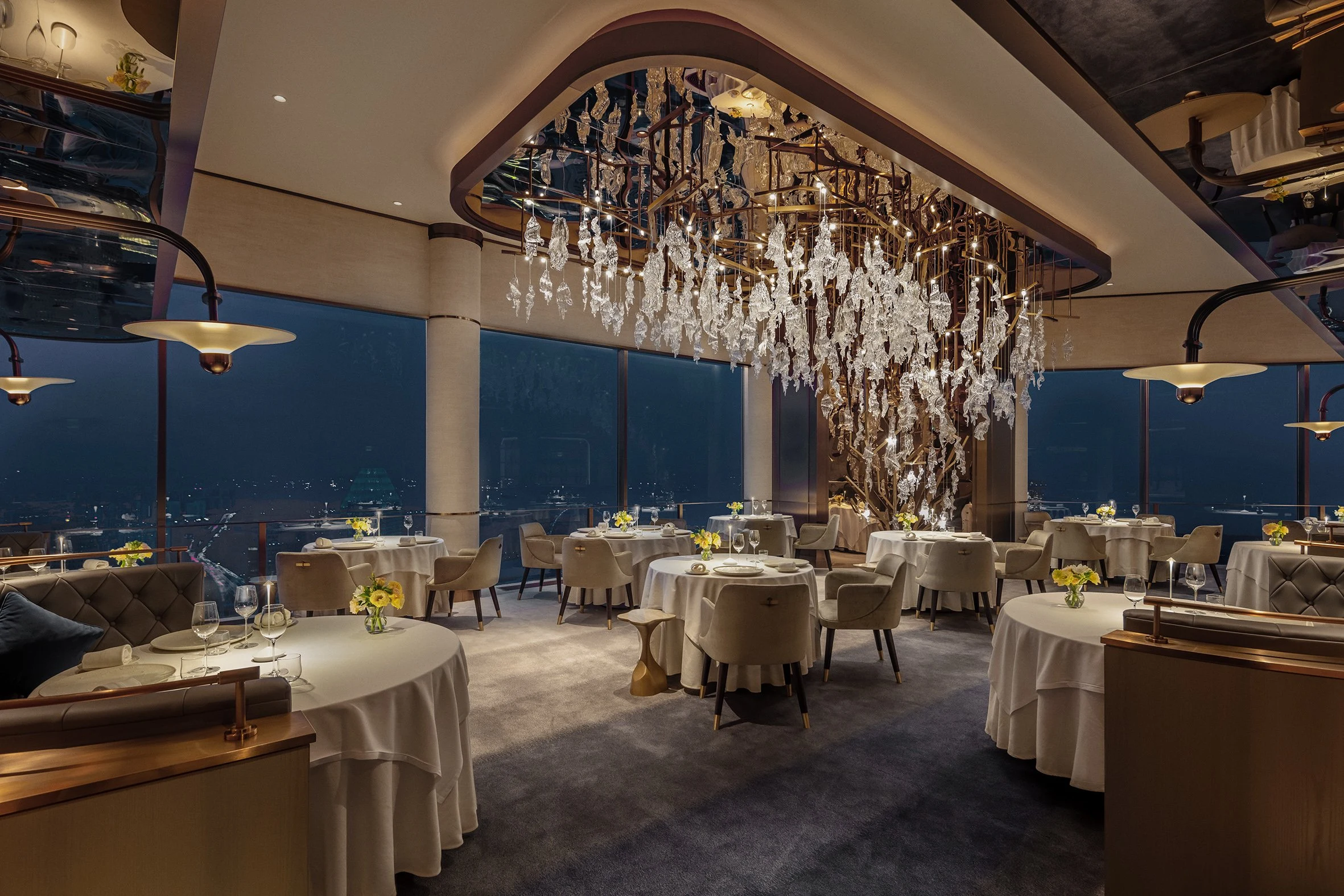
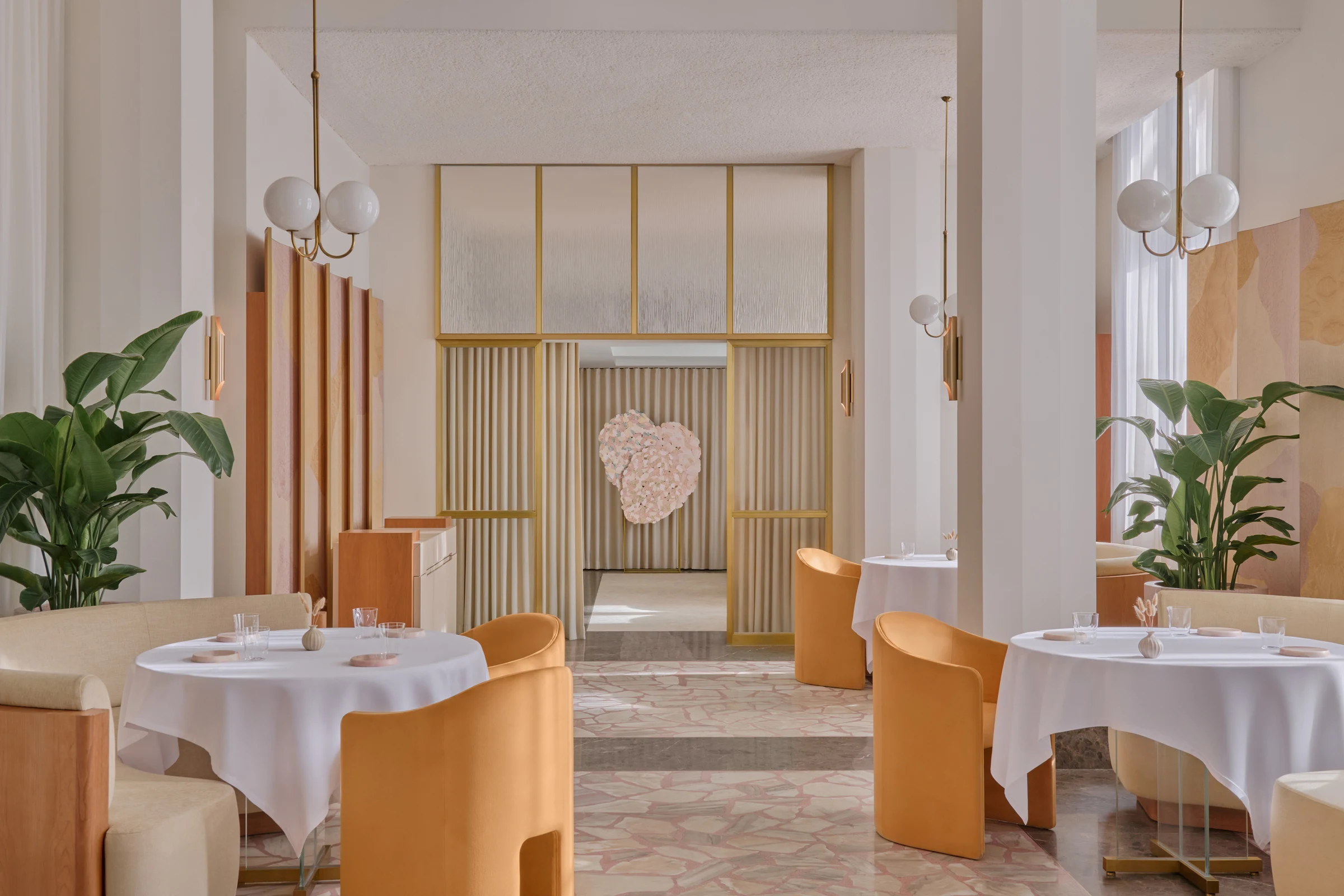
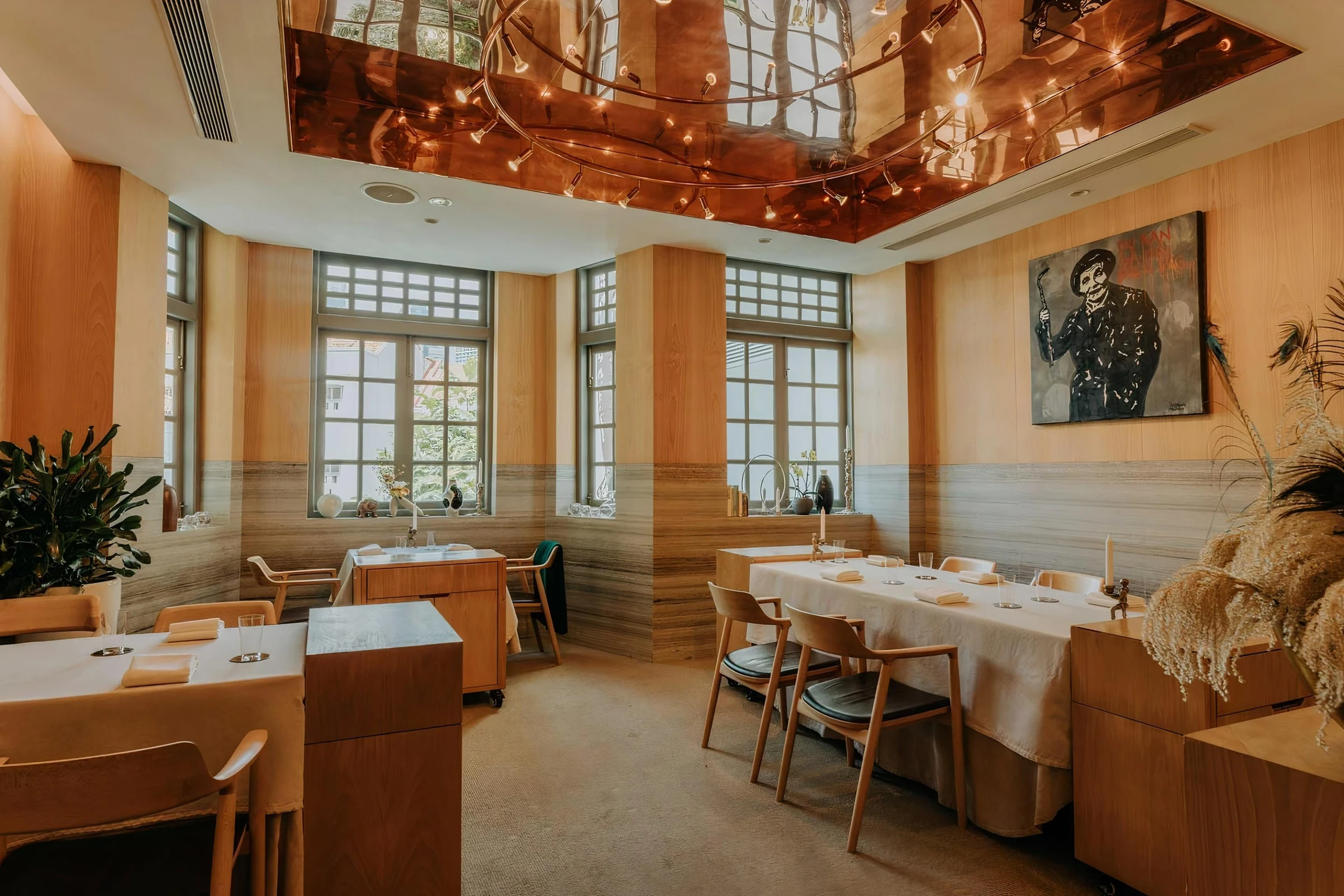
Telok Ayer Street occupies an interesting position in Singapore's dining geography: a conservation corridor that has accumulated serious restaurant credentials without the overtly tourist-facing energy of Orchard Road or the chef-showcase density of Dempsey Hill. The shophouses here were built for commerce and community, and the leading restaurants along this stretch tend to wear that heritage without performing it. Nae:um, at number 161, fits that pattern. The room is furnished in cream and birch, a palette that reads less like a design statement and more like a deliberate act of restraint, warmth without fuss, calm without coldness.
Korean contemporary cooking has expanded significantly across global fine dining over the past decade. From Restaurant Ki in Los Angeles to NaNum in Berlin and ANJU in Saint-Gilles, the format has proved transferable well beyond Seoul. What varies is the degree to which memory and cultural specificity anchor the cooking versus technique serving as the primary frame. At Nae:um, the anchor is explicit: Chef Louis Han named the restaurant after a Korean word meaning a fragrance that evokes memories, positioning recall and identity as the organising logic of the menu rather than as backstory.
The Sunday letter
Find new places through the people who run them.
Our Sunday email brings you the chefs, winemakers and hoteliers behind our newest stories. See a sample before you subscribe.
See a sample of the Sunday emailOne email a week. Unsubscribe from any issue.
The Episodic Menu: Seasonal Change as Editorial Device
Among Singapore's Michelin-starred restaurants, the seasonally changing tasting menu has become a near-universal format, from the European contemporary approach of Zén to the French-rooted precision of Odette. What differentiates practitioners is the underlying grammar: what determines how a course is constructed, sequenced, and changed. Nae:um's menu is described as episodic, a term that implies narrative sequencing rather than simple progression through proteins and sauces. Courses arrive in an order shaped by thematic or emotional logic as much as palate fatigue.
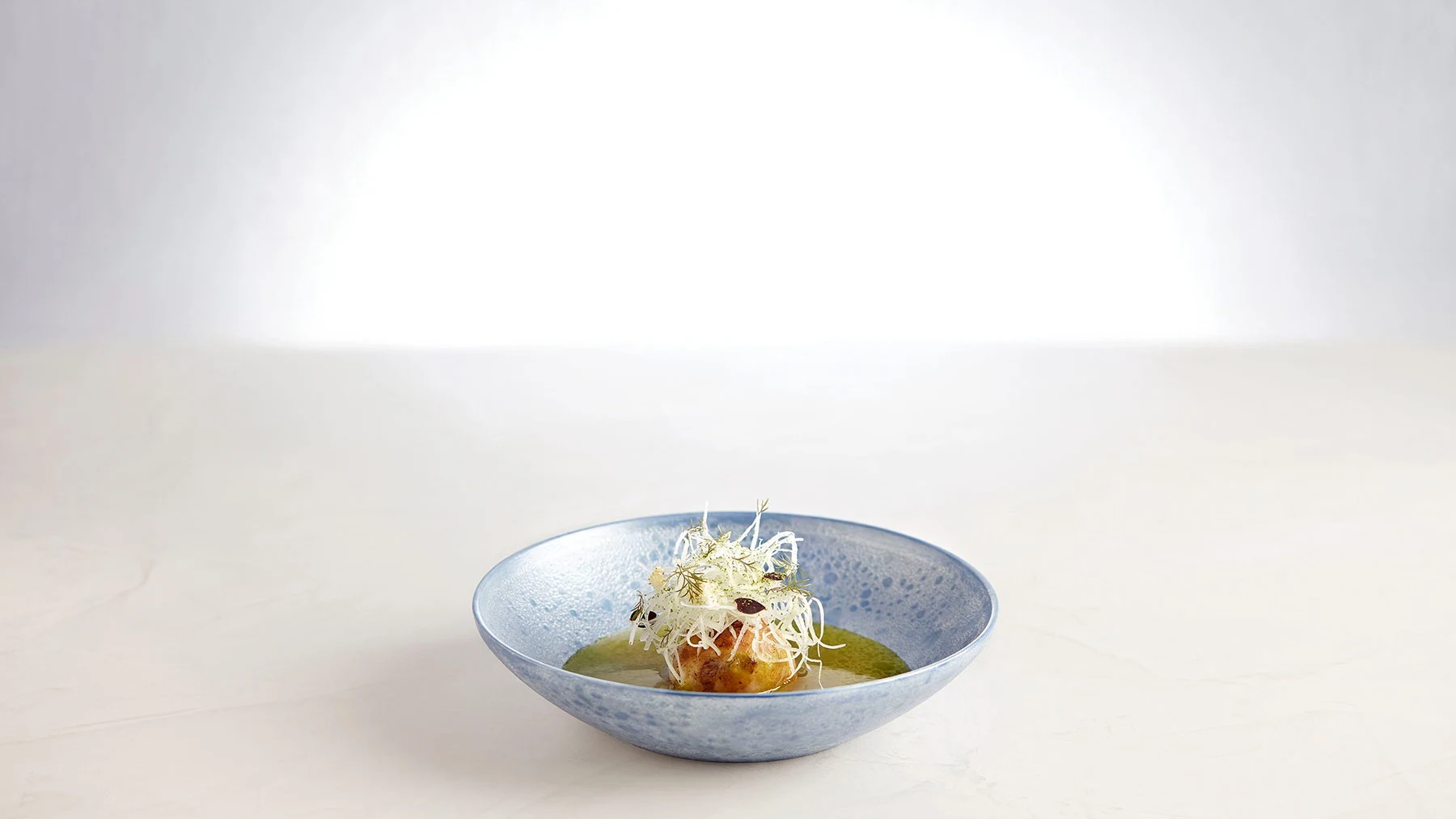
The kitchen executes with precision and presents dishes in a manner described by Opinionated About Dining as ethereal and refreshing, while maintaining what the same source characterises as inklings of Korean roots. That dual quality, lightness of presentation alongside cultural groundedness, is not common in Korean fine dining outside Korea. It places Nae:um in a small comparable set: contemporary Korean restaurants that pursue refinement without effacement of origin. GiwaKang in Seoul and Sogonggan in Busan operate within similar parameters, though each anchors to different regional and personal references.
The Ritual Element: How Korean Cooking Traditions Inform a Fine Dining Counter
Korean BBQ's central ritual, the tabletop grill, the communal cook, the wrapping of meat with fermented paste and fresh greens, does not literally appear in a menu of this format. But its underlying logic persists. Korean communal eating is built around participation, around the act of assembling a bite rather than receiving it complete. That assembly instinct, the idea that a dish arrives with components the diner completes at the table, echoes through contemporary Korean fine dining even when the grill is absent.
At the level of ingredient culture, Korean BBQ's emphasis on meat selection, char and smoke character, and condiment layering informs how Korean chefs think about texture contrast and fermented flavour even in contexts far removed from a charcoal grate. The wrapping technique that defines samgyeopsal service, ssam, the leaf parcel combining multiple flavour registers in a single bite, has an obvious structural parallel in composed fine dining courses that seek to deliver contrast and resolution within a single mouthful. Whether Nae:um's courses explicitly reference these forms is not something the available record confirms in specific dish detail, but the Korean culinary grammar from which Chef Han draws makes these structural concerns native rather than borrowed. Comparable work in this space can be seen at Baroo in Los Angeles, which similarly reworks fermentation-led Korean ingredient logic within a non-traditional dining format.
Where Nae:um Sits in Singapore's Fine Dining Tier
Singapore's upper fine dining bracket has expanded and fragmented over the past five years. The city now holds multiple restaurants at the $$$$ price point with multi-Michelin recognition, Zén and Born both operate in that register. Nae:um sits at $$$$. Among its $$$ peers, Jaan by Kirk Westaway applies British contemporary logic to a similar price tier, while Les Amis anchors the French fine dining tradition at the top of the market.
Nae:um's Opinionated About Dining ranking of 233rd in Asia (2025) places it inside a tier of restaurants that attract serious regional attention but fall below the small cluster of Singapore venues that rank in the top 50 globally on major lists. That position is accurate to its profile: a one-Michelin-star restaurant with a coherent culinary identity, drawing diners who are specifically interested in Korean contemporary cooking at this level of refinement rather than those moving through Singapore's greatest-hits circuit. The Google rating of 4.6 across 289 reviews supports a picture of consistent execution rather than polarising experimentation.
For diners exploring Korean contemporary cooking internationally, the city-hopping comparison is instructive. LAB XXIV by Kumuda in Busan and Na Oh in Singapore offer reference points within the broader category. Nae:um's position within Singapore specifically means it operates without the home-market gravity of Seoul venues, it has built its credential in a city where Korean fine dining competes directly against French, Chinese, Japanese, and European contemporary traditions for the same dining dollar and the same critical attention.
Planning Your Visit
Nae:um is located at 161 Telok Ayer Street, Singapore 068615. Booking ahead is essential.
How Nae:um Compares on Key Logistics
| Venue | Cuisine | Price | Michelin | OAD Asia Rank (2025) |
|---|---|---|---|---|
| Nae:um | Korean Contemporary | $$$ | 1 Star | #233 |
| Zén | European Contemporary | $$$$ | 3 Stars | Top tier |
| Jaan by Kirk Westaway | British Contemporary | $$$ | 1 Star | Ranked |
| Odette | French Contemporary | $$$$ | 3 Stars | Top tier |
| Na Oh | Korean | $$$ | Starred | Ranked |
For a reference point outside Asia on how Korean contemporary cooking is being interpreted at fine dining level, Le Bernardin in New York illustrates what sustained technical precision and a defined culinary identity can achieve across decades, a useful frame for understanding what restaurants like Nae:um are building toward.
Questions
Frequently asked
What recognition does Nae:um hold?
Nae:um holds 1 Michelin star and a place on the World's 50 Best list at number 45.
Who works at Nae:um?
Made By profiles Louis Han (Chef) at Nae:um.
How expensive is Nae:um?
Nae:um is listed at a price level of $$$$.
Where is Nae:um and what does it serve?
Nae:um is in CHINATOWN, Singapore, serving Modern Korean Fine Dining.
The field
How it compares
| Place | Awards | Cuisine | Notes |
|---|---|---|---|
| Nae:um | Michelin 1 Star, World's 50 Best #45 | Modern Korean Fine Dining | CHINATOWN, $$$$ |
| Born | Michelin 1 Star, World's 50 Best | Contemporary Fusion Fine Dining | Singapore |
| Burnt Ends | Michelin 1 Star, World's 50 Best | Modern Australian Barbecue | Singapore |
| Jaan by Kirk Westaway | Michelin 2 Stars, World's 50 Best | Modern British Fine Dining | Singapore |
| Les Amis | Michelin 3 Stars, World's 50 Best | Classic French Haute Cuisine | Singapore |
| Odette | Michelin 3 Stars, World's 50 Best | Modern French Fine Dining | Singapore |
| Zén | Michelin 3 Stars, World's 50 Best | Neo-Nordic with Japanese Influences | Singapore |
In residence
Similar places
Contemporary Fusion Fine Dining
Born
Singapore, Singapore
★ · 50 Best
Modern Australian Barbecue
Burnt Ends
Singapore, Singapore
★ · 50 Best
Modern British Fine Dining
Jaan by Kirk Westaway
Singapore, Singapore
★★ · 50 Best
Classic French Haute Cuisine
Les Amis
Singapore, Singapore
★★★ · 50 Best
Modern French Fine Dining
Odette
Singapore, Singapore
★★★ · 50 Best
Neo-Nordic with Japanese Influences
Zén
Singapore, Singapore
★★★ · 50 Best
The Sunday letter
Get the next Made By story in your inbox.
We send one email every Sunday morning with the places and people we covered that week.
See a sample of the Sunday emailOne email a week. Unsubscribe from any issue.