- 2 Michelin Keys · Michelin Guide
- Michelin 2 Keys: 750pts · 2026
- Virtuoso Luxury Hotel Partner · 2026
- Conde Nast Best Resorts #20 · 2025
- Leading Hotels of World Member · 2025
- Michelin 2 Keys · 2025
Where the Archipelago Meets the Plate
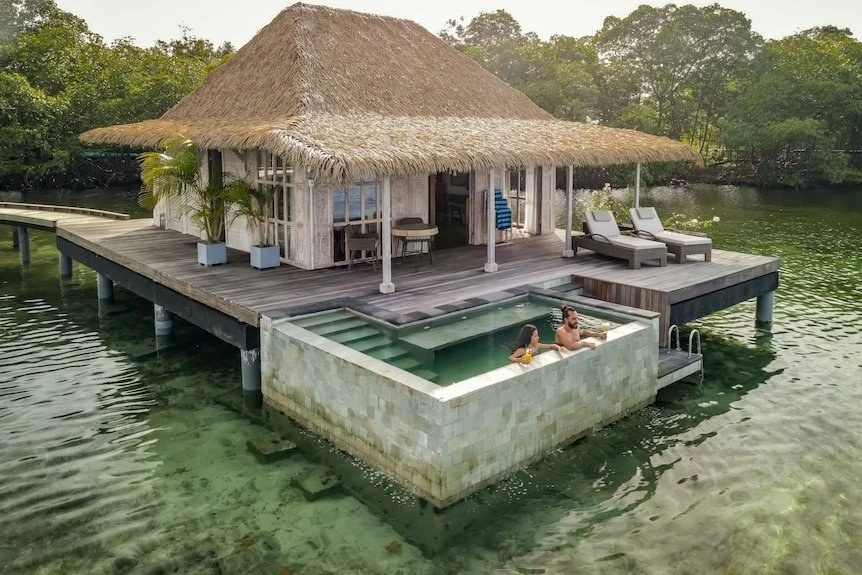
Nayara Bocas del Toro is a 5-star hotel on Isla Frangipani in Panama's Bocas del Toro archipelago, with 18 rooms and a nightly rate from US$1,026. That gap has been closing. Isla Frangipani, one of the smaller islands in the chain, is now home to Nayara Bocas del Toro, a property that earned membership in the same Leading Hotels of the World tier as properties in Boca Chica and beyond, and landed at number 20 in Condé Nast's Leading Resorts ranking for 2025. Those credentials locate it within a specific cohort of Latin American eco-luxury properties where conservation language is backed by operational decisions, not simply printed on a welcome card.
Arriving by water taxi from the town of Bocas del Toro, the transition from the mainland is immediate and deliberate. The archipelago's light changes quickly in the afternoon, and the approach to Isla Frangipani frames the property against dense canopy rather than open beach, a design orientation that signals the experience to come: immersive in the natural environment rather than positioned against it. This is the physical reality that defines the category of property Nayara occupies, alongside peers like El Otro Lado in Portobelo and Isla Palenque in San Lorenzo District, where the setting is the primary architecture.
The Kitchen as Editorial Statement
In luxury hospitality, a food programme can function as either a service amenity or a point of view. Nayara's kitchen belongs to the latter category. The stated mission is a zero-kilometre model: produce sourced from local farmers and regional suppliers, menus built around seasonal availability in the archipelago rather than imported consistency. For a property on a small island in a Caribbean chain, that commitment carries logistical weight that more accessible properties rarely have to consider.
Executive Chef Joseph Archbold is from Bocas del Toro, which matters here not as biography but as qualification. A kitchen operating on a hyper-local sourcing model requires someone who understands the regional supply chain, the seasonal rhythms of Panamanian coastal agriculture, and the producers available within a viable distance. Archbold brings that grounding together with formal classical training: Le Cordon Bleu at La Universidad Interamericana in Panama, followed by time in Paris at Le Grand Véfour under Chef Guy Martin, a two-Michelin-starred institution in the Palais Royal. That combination of local knowledge and European technique is the template for what premium eco-lodges in biodiverse regions have increasingly sought in their culinary leadership, and it's rarer to find it fully realised than the category's marketing would suggest.
The practical outcome of this approach is a menu that shifts with what is genuinely available rather than what can be reliably flown in. That distinction separates Nayara's dining proposition from the kind of polished but geographically interchangeable restaurant programmes found at large international-brand properties. For comparison, Le Méridien Panama in Panama City operates within a global brand framework where menu consistency across seasons is a feature rather than a variable. Nayara's model inverts that logic entirely.
Intimate Scale and the Bocas del Toro Context
The broader Bocas del Toro archipelago has attracted eco-tourism attention for decades, primarily through budget backpacker infrastructure and mid-range dive operations. The emergence of design-led, low-impact luxury on its islands represents a structural shift in how the region positions itself internationally. Nayara sits at the upper end of that shift, alongside the Bocas Bali Luxury Water Villas also on Isla Frangipani, which occupy a comparable niche of intimate, nature-integrated accommodation on the same island.
Properties in this category compete less on amenity square footage and more on staff quality, environmental credibility, and the coherence of their guest experience. Nayara's local workforce is part of its identity, reflecting the property's Panamanian setting and remote island context. This is a structural choice with consequences: local staff in a remote archipelago context typically means people who understand the seasonal rhythms, the wildlife patterns, and the practical realities of the environment in ways that imported hospitality professionals cannot replicate from a training manual. Comparable approaches at properties like Selva Terra Island Resort in San Lorenzo and Canopy Tower in Panama reflect the same operating logic: the people on the ground are part of the product.
Environmental Responsibility as Operating Framework
Among Leading Hotels of the World members, environmental claims range from broad aspiration to specific operational commitment. Nayara's framing positions social and environmental responsibility as integral to daily decisions rather than as a separate sustainability programme. The zero-kilometre kitchen is the most concrete expression of this, but the orientation extends to how the property defines its relationship with the archipelago more broadly. This places it in the same conversation as properties like Islas Secas in Boca Chica, where the conservation framework shapes the guest experience structurally rather than as an optional add-on.
For travellers accustomed to European eco-luxury benchmarks, say Castello di Reschio in Lisciano Niccone or mountain properties in the Alps, the Bocas del Toro version of this commitment operates in a more logistically demanding environment. Island supply chains, protected marine areas, and the biological sensitivity of Caribbean reef systems create constraints that actually discipline the kitchen and the property's footprint in ways that continental properties can more easily sidestep.
Planning the Stay
Bocas del Toro is reached via regional flights from Panama City to Bocas Town, with water transfers completing the journey to Isla Frangipani. The dry season runs broadly from December through April, with the driest and most predictable window falling in February and March, though the archipelago's microclimate means conditions can shift quickly.
Guests comparing options at the highest tier of Caribbean eco-luxury will find Nayara's comparable set extends beyond Panama. Properties like Amangiri in Canyon Point and Hotel Esencia in Tulum share the low-key-count, nature-integrated positioning, though in very different biomes. Within Panama itself, Los Brezos Boutique Hotel in Volcán offers a highland counterpoint for travellers building a multi-region itinerary through the country.
The Sunday letter
Get new places like Nayara Bocas del Toro every Sunday.
One email a week with the restaurants, bars and hotels we have just written up, and the people who run them.
One email a week. Unsubscribe from any issue.
Questions
Frequently asked
What recognition does Nayara Bocas del Toro hold?
Nayara Bocas del Toro holds 2 Michelin keys.
Who works at Nayara Bocas del Toro?
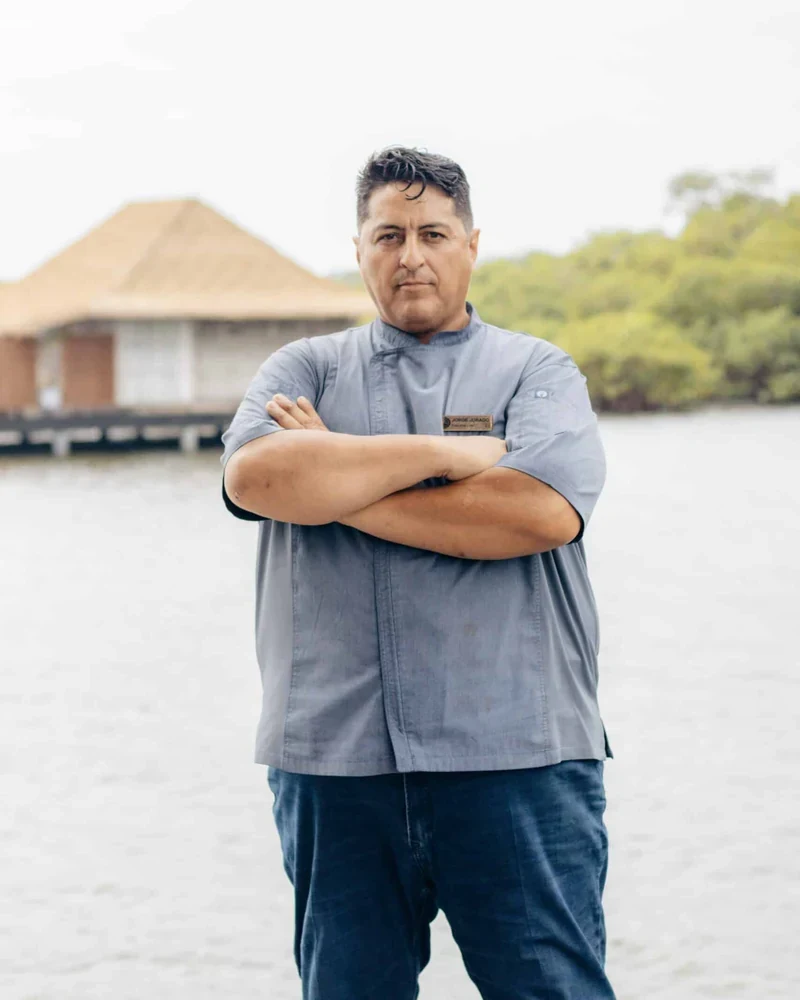
Made By profiles Jorge Jurado (Chef) at Nayara Bocas del Toro.
How expensive is Nayara Bocas del Toro?
Nayara Bocas del Toro is listed at a price level of $$$$.
The field
How it compares
| Place | Awards | Notes |
|---|---|---|
| Nayara Bocas del Toro | Michelin 2 Keys | Isla Frangipani, Bocas del Toro, $$$$ |
| Baur au Lac | Michelin 3 Keys | Zürich |
| Capella Shanghai, Jian Ye Li | Michelin 2 Keys | Shanghai |
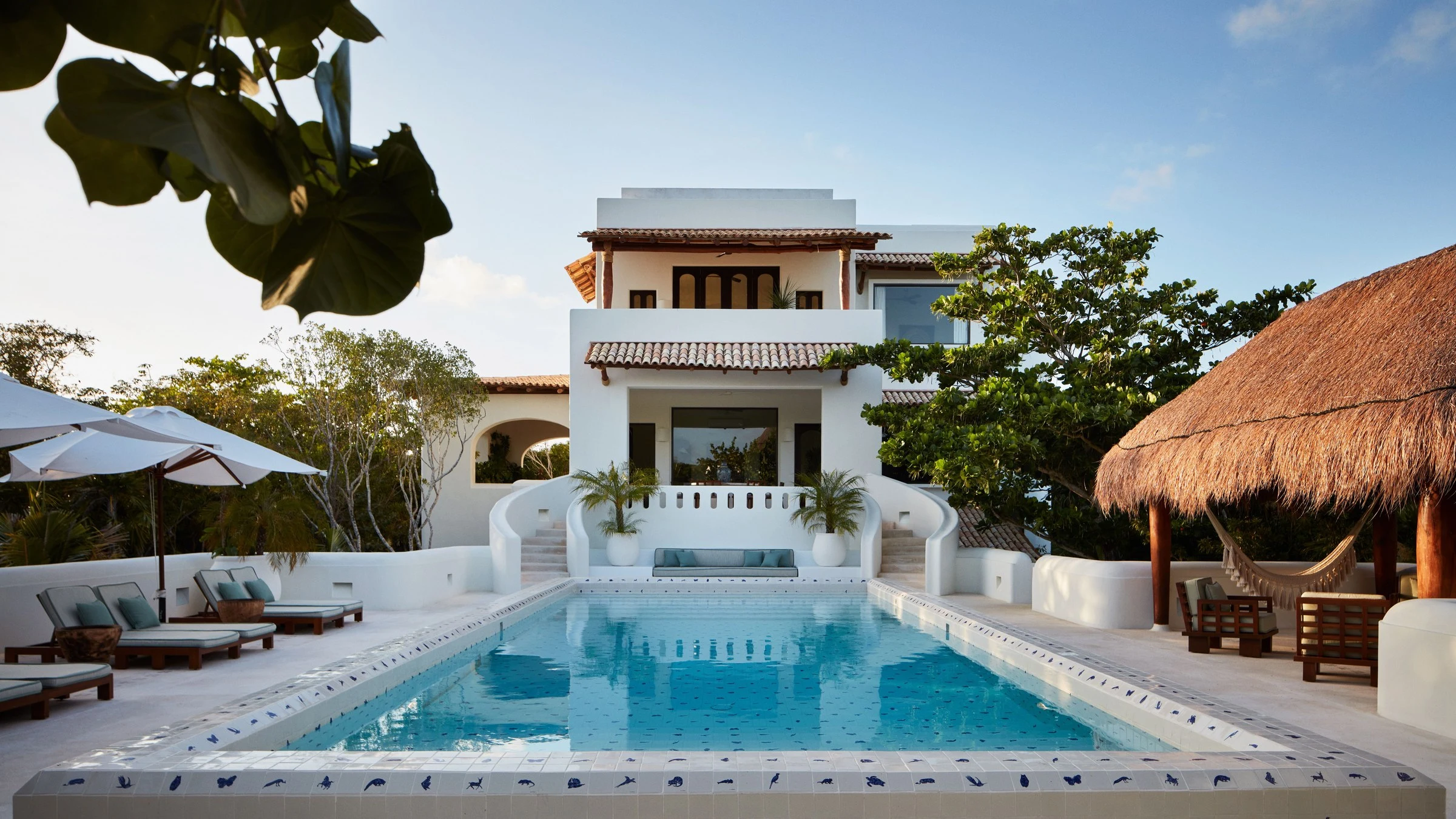
| Hotel Esencia | Michelin 3 Keys, World's 50 Best | Tulum |
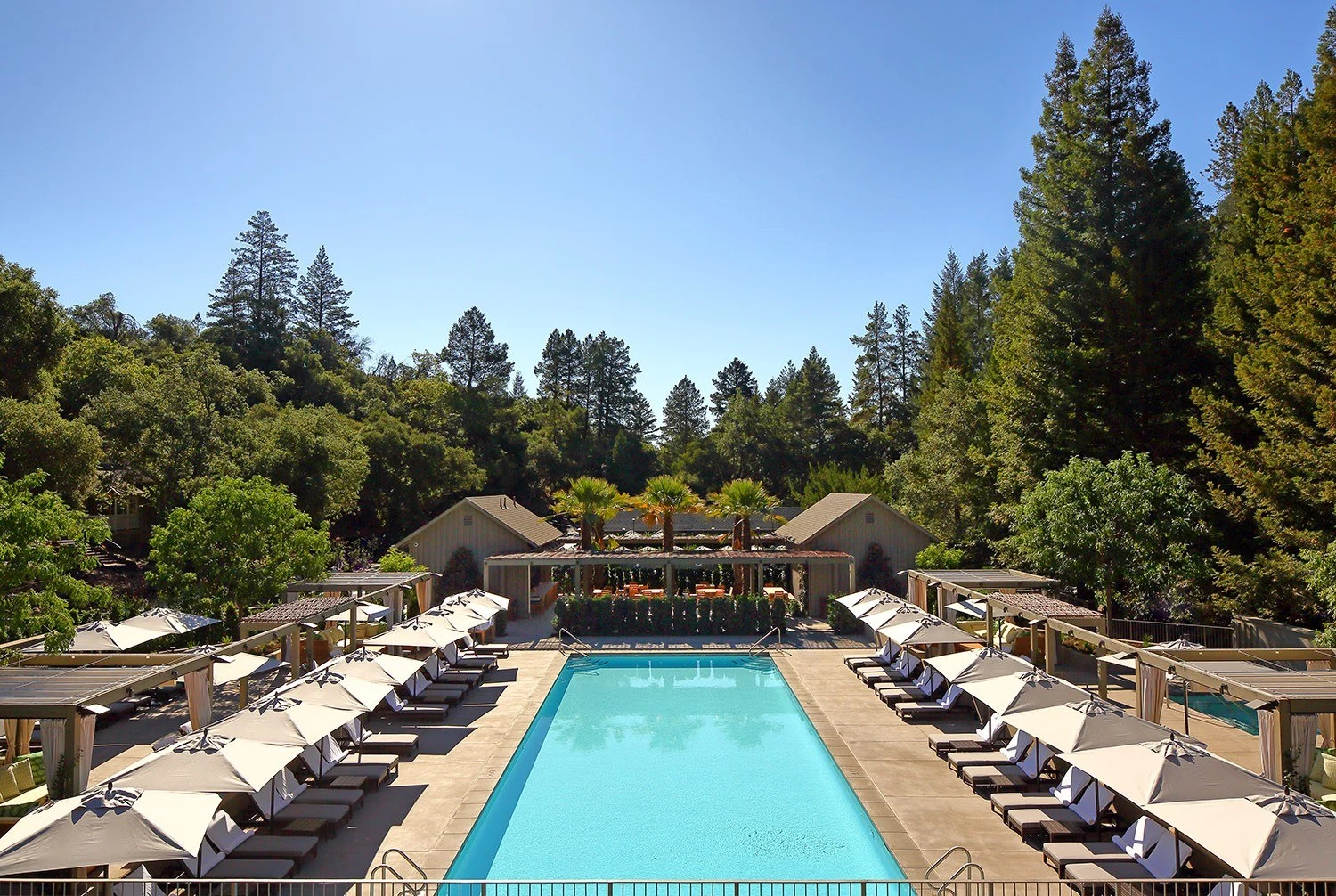
| Meadowood Napa Valley | Michelin 3 Keys | St. Helena |
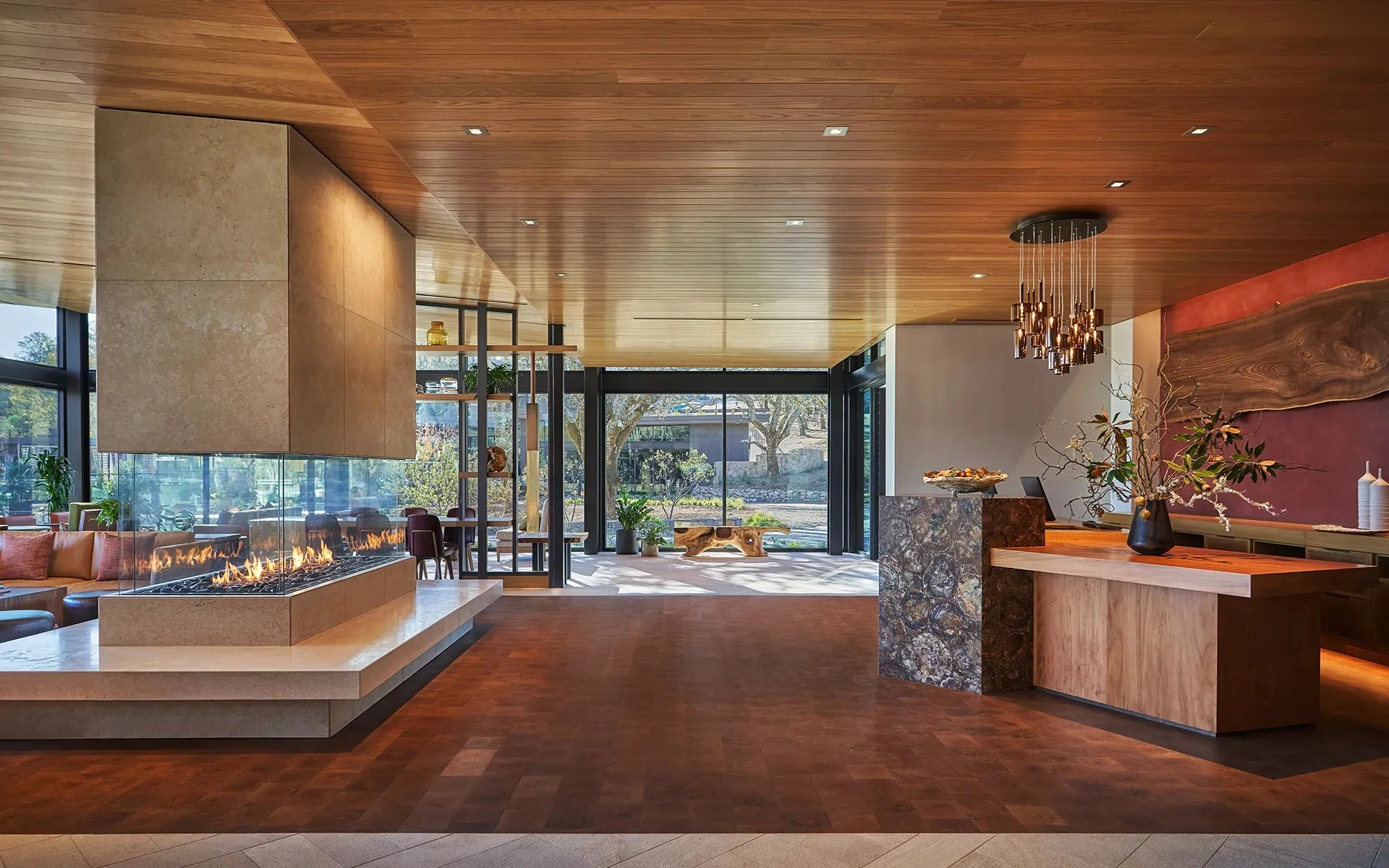
| Montage Healdsburg | Michelin 2 Keys | Sonoma |
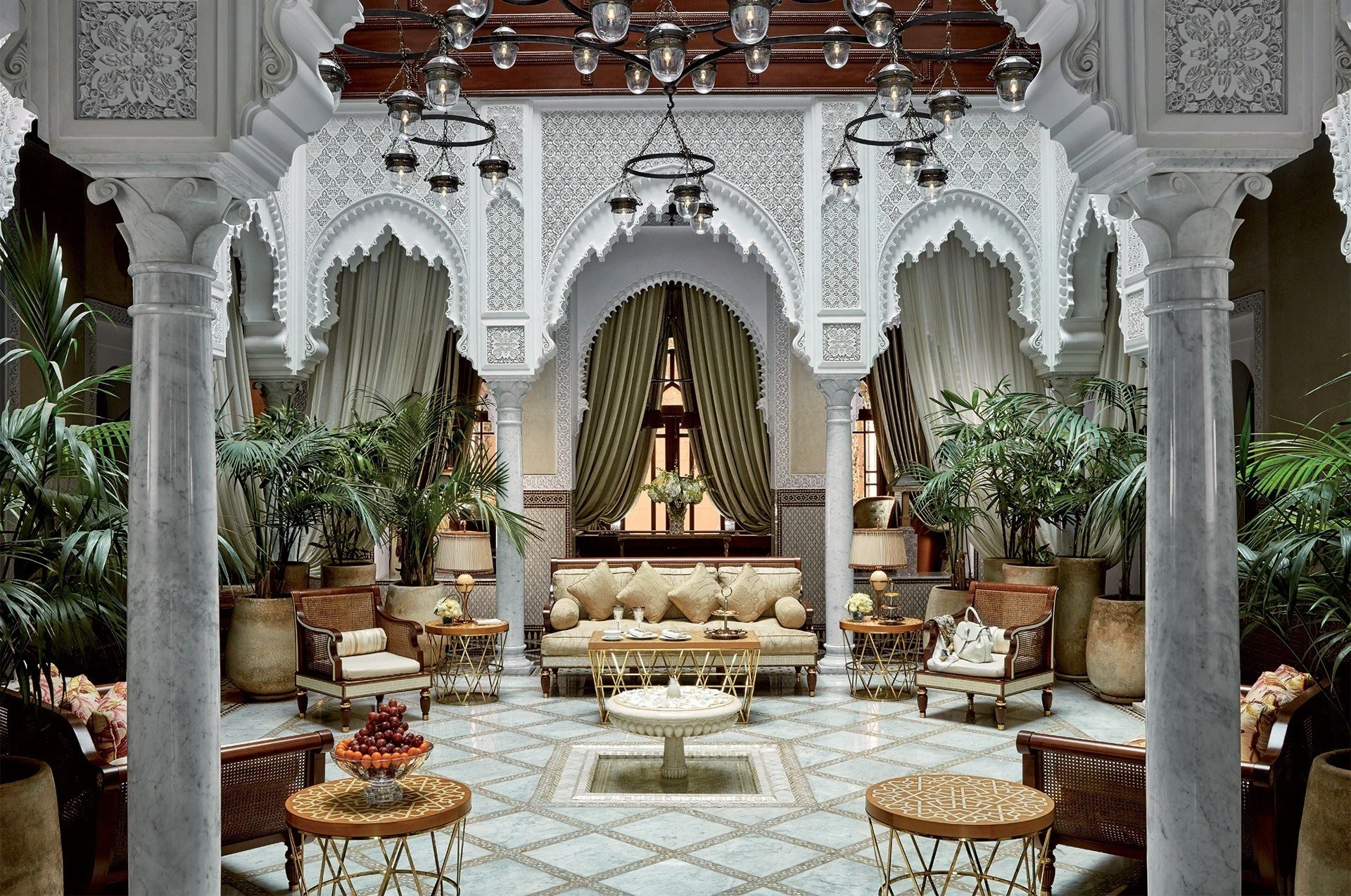
| Royal Mansour | Michelin 2 Keys, World's 50 Best | Marrakech |
In residence
Similar places
The Sunday letter
Get the next Made By story in your inbox.
We send one email every Sunday morning with the places and people we covered that week.
One email a week. Unsubscribe from any issue.