NESO

In Residence
Guillaume Sanchez
Chef
- 01CuisineModern French Fine Dining
- 02CityParis, France
- 03RecognitionOne Michelin Star
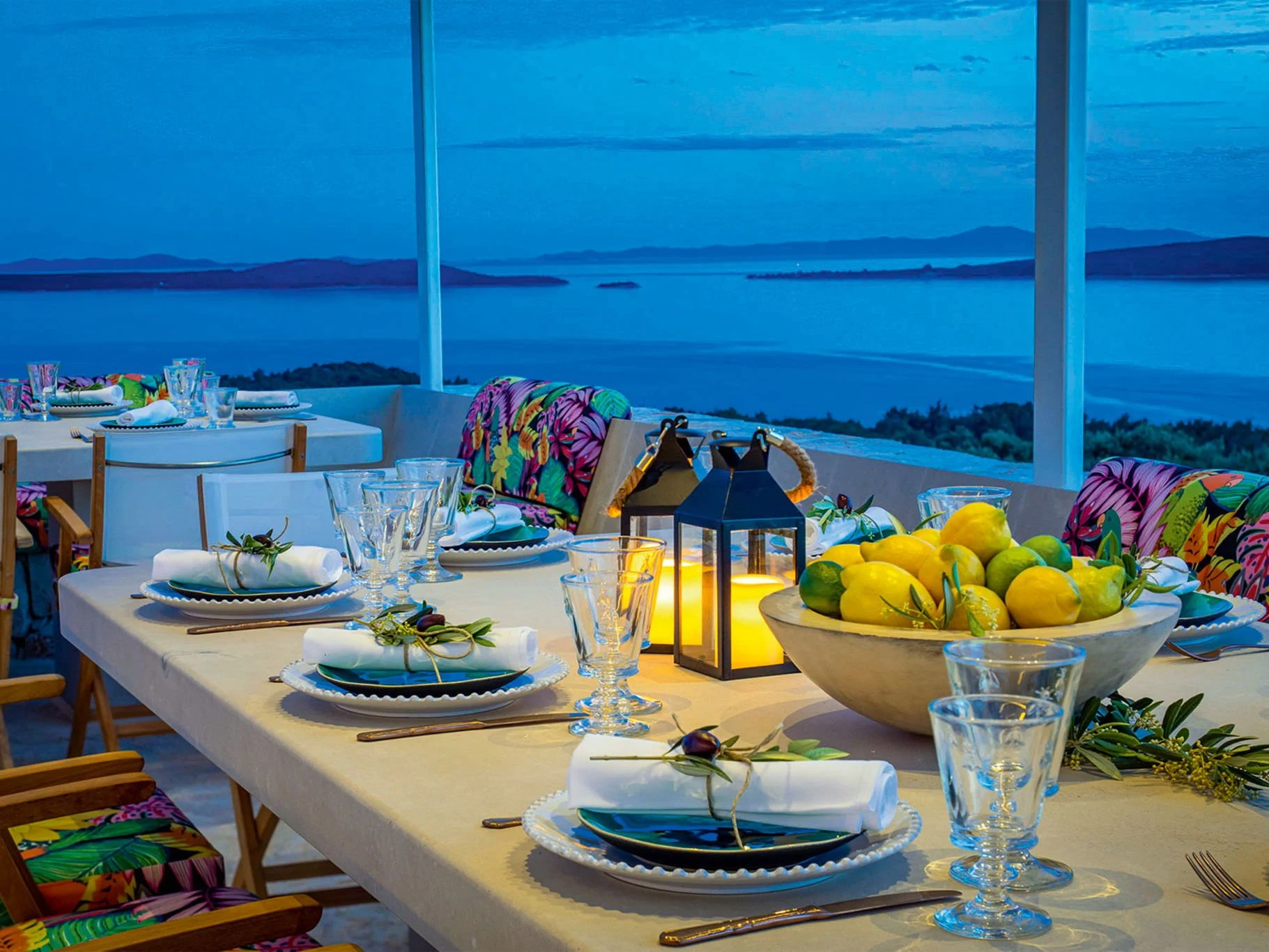
Cold steam and fermented terroir
- 1 Michelin Star · Michelin Guide
- Michelin 1 Star · 2026
- Opinionated About Dining Top Restaurants in Europe Recommended · 2026
- Michelin 1 Star · 2025
- Opinionated About Dining Top Restaurants in Europe Ranked #280 · 2025
- Michelin 1 Star · 2024
- Opinionated About Dining Top Restaurants in Europe Ranked #260 · 2024
- Opinionated About Dining Top New Restaurants in Europe Recommended · 2023
Reduction as a working discipline
Reduction guides the plate before anything reaches the room. Guillaume Sanchez, chef at NESO in Paris, treats French terroir as working material, not ornament. His station is the place where pastry-trained habits, measurement, sequence, tension, are carried into a broader author cuisine. Public attention first caught that precision during Qui sera le prochain grand pâtissier ? in 2014, where structure under constraint mattered as much as display. At NESO, the same pressure sits inside a tasting menu built to involve the diner rather than reassure them.
Sanchez is founder and chef here, and the restaurant holds one Michelin star for this house. His biography at the address is less a straight line of posts than a method: sustainable, singular, contemporary French cooking in which each element has to justify its place. The kitchen brings older culinary practices beside current tools, keeping tradition active through control rather than nostalgia. Lightness is not a decorative word in this context. It is a demand placed on sauce, texture, garnish and finish, with intensity concentrated instead of piled on.
The Sunday letter
Find new places through the people who run them.
Our Sunday email brings you the chefs, winemakers and hoteliers behind our newest stories. See a sample before you subscribe.
See a sample of the Sunday emailOne email a week. Unsubscribe from any issue.
Cold steam, fermentation, and the menu mystère
The program turns on a menu mystère, offered in 7 or 10 courses, with allergies gathered before the sequence begins and the dishes withheld until they arrive. That choice puts more weight on the kitchen’s pacing. Cold-steam extractions, fermentation, gelification and roto-evaporation appear as practical means, not theatre, used to sharpen flavor and rebuild texture around seasonal produce and local sourcing.
Several dishes show the grammar clearly. Langoustine can arrive as carpaccio with caviar, or as tartare under a gelified veil of sweet almond milk. Scallop may meet sea urchin with the sea kept close rather than softened into comfort. A seaweed tartine has been built with paper-thin potatoes, oyster foam and gelée; fermented romaine has been treated as a kim chi with watercress oil sabayon and smoked cream. Sanchez’s pastry past remains legible in the restraint of these constructions, where the plate depends on order, temperature, setting, acidity and the exact moment a texture gives way.
A silent pass in black and gold
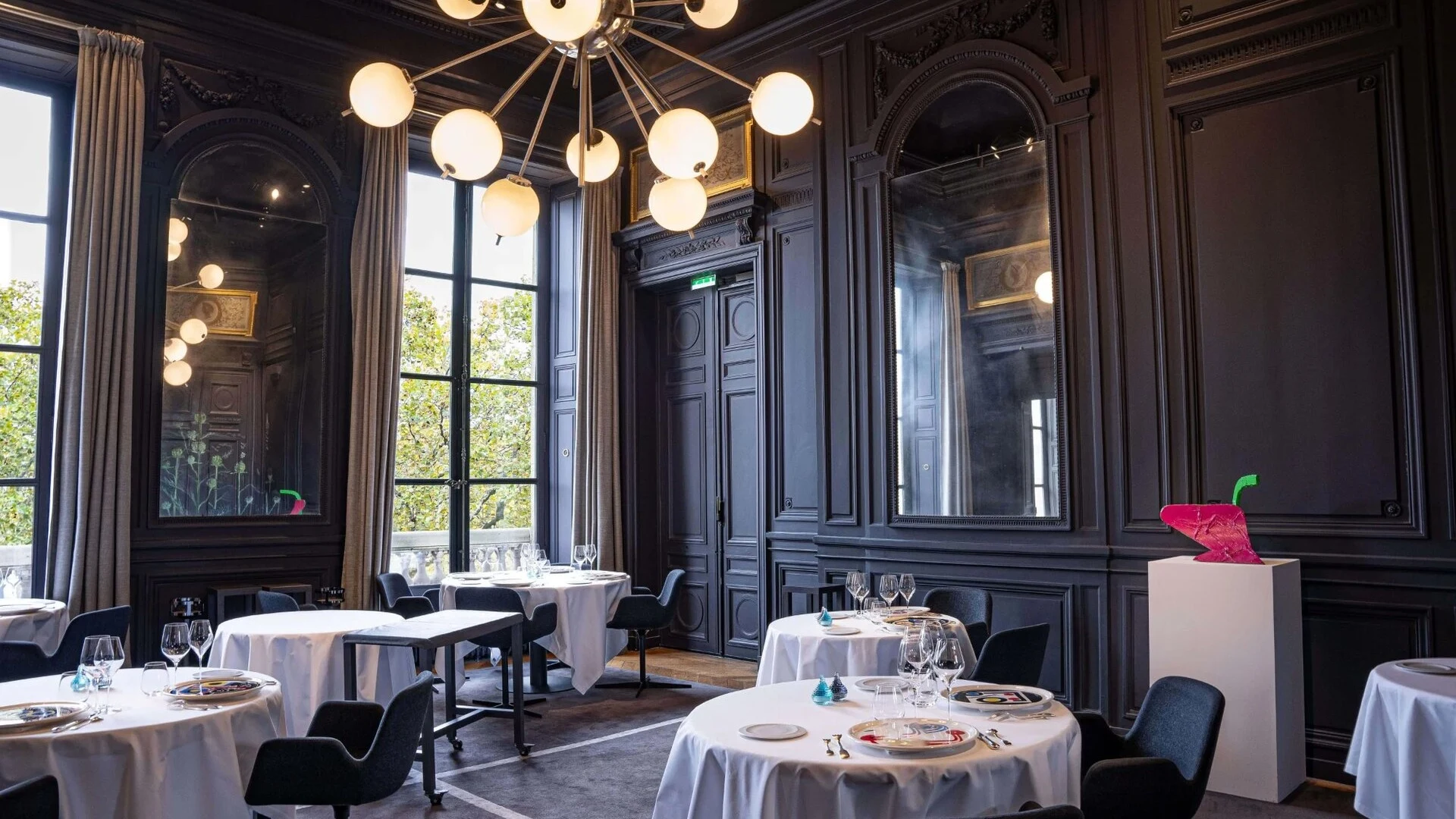
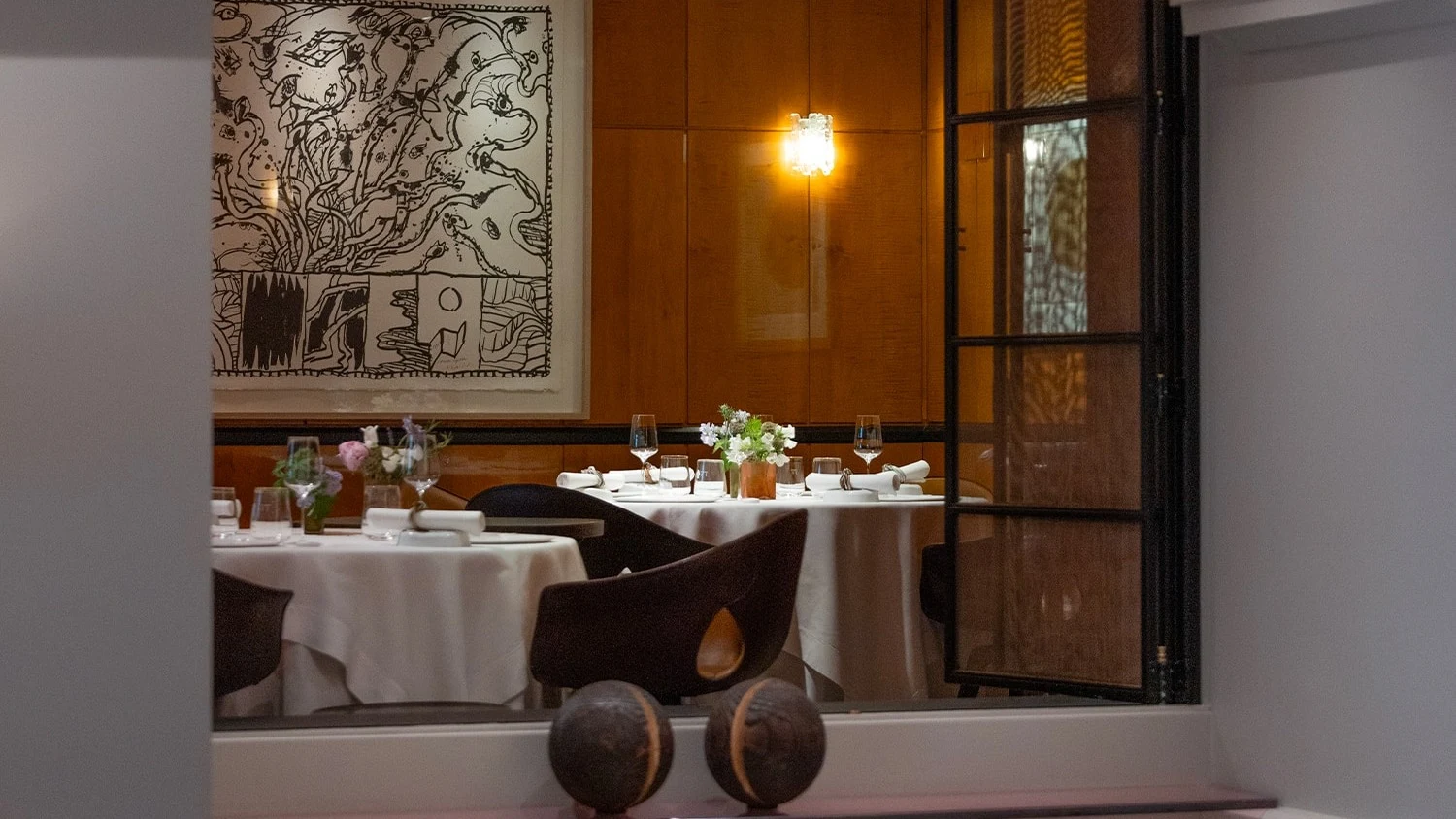
The room around the work is stylish without becoming soft: black and gold, untreated materials, honey-hued stone walls and blonde wood. Refined indie music runs against the quiet of the open kitchen, where the pass stays visible and the room remains conversational. The contrast matters. NESO does not hide the method behind ceremony; it lets the bench-side concentration remain part of the meal.
The wine program follows the same authored pressure, built for pairings that can stand up to eel with beetroot, fermented salads, turbot and herbaceous desserts. Descriptive bottles and sommelier guidance support the surprise format without loosening its structure. Sanchez’s next move at NESO is still the dish in front of the pass, and the clearest measure remains the langoustine carpaccio with caviar.
Questions
Frequently asked
Who cooks at NESO in Paris?
Guillaume Sanchez is founder and chef at NESO in Paris.
What kind of cooking does NESO serve?
The restaurant serves modern French fine dining shaped by French terroir, fermentation, cold-steam extraction and pared-back tasting menus.
What is the dining format at NESO?
NESO centres on a menu mystère offered in 7 or 10 courses, and allergies are gathered before the sequence begins.
What are some of the dishes associated with NESO?
Reported dishes include langoustine carpaccio with caviar and scallop with sea urchin.
How do bookings work at NESO?
Reservation is essential, and bookings are made direct.
The field
How it compares
| Place | Awards | Cuisine | Notes |
|---|---|---|---|
| NESO | Michelin 1 Star | Modern French Fine Dining | 9th Arr. - Opéra, $$$$ |
| Arpège | Michelin 3 Stars, World's 50 Best | Vegetable-Focused French Fine Dining | Paris |
| Epicure | Michelin 3 Stars | Contemporary French Fine Dining | Paris |
| Guy Savoy | Michelin 2 Stars, World's 50 Best | Classic French Fine Dining | Paris |
| Le Cinq | Michelin 3 Stars, World's 50 Best | Modern French Fine Dining | Paris |
| Le Taillevent | Michelin 2 Stars, World's 50 Best | Classic and Modern French Fine Dining | Paris |
| Pierre Gagnaire | Michelin 3 Stars, World's 50 Best | Avant-Garde French Fine Dining | Paris |
In residence
Similar places
Vegetable-Focused French Fine Dining
Arpège
Paris, France
★★★ · 50 Best
Contemporary French Fine Dining
Epicure
Paris, France
★★★
Classic French Fine Dining
Guy Savoy
Paris, France
★★ · 50 Best
Modern French Fine Dining
Le Cinq
Paris, France
★★★ · 50 Best
Classic and Modern French Fine Dining
Le Taillevent
Paris, France
★★ · 50 Best
Avant-Garde French Fine Dining
Pierre Gagnaire
Paris, France
★★★ · 50 Best
The Sunday letter
Get the next Made By story in your inbox.
We send one email every Sunday morning with the places and people we covered that week.
See a sample of the Sunday emailOne email a week. Unsubscribe from any issue.