Made ByRestaurant
nôl
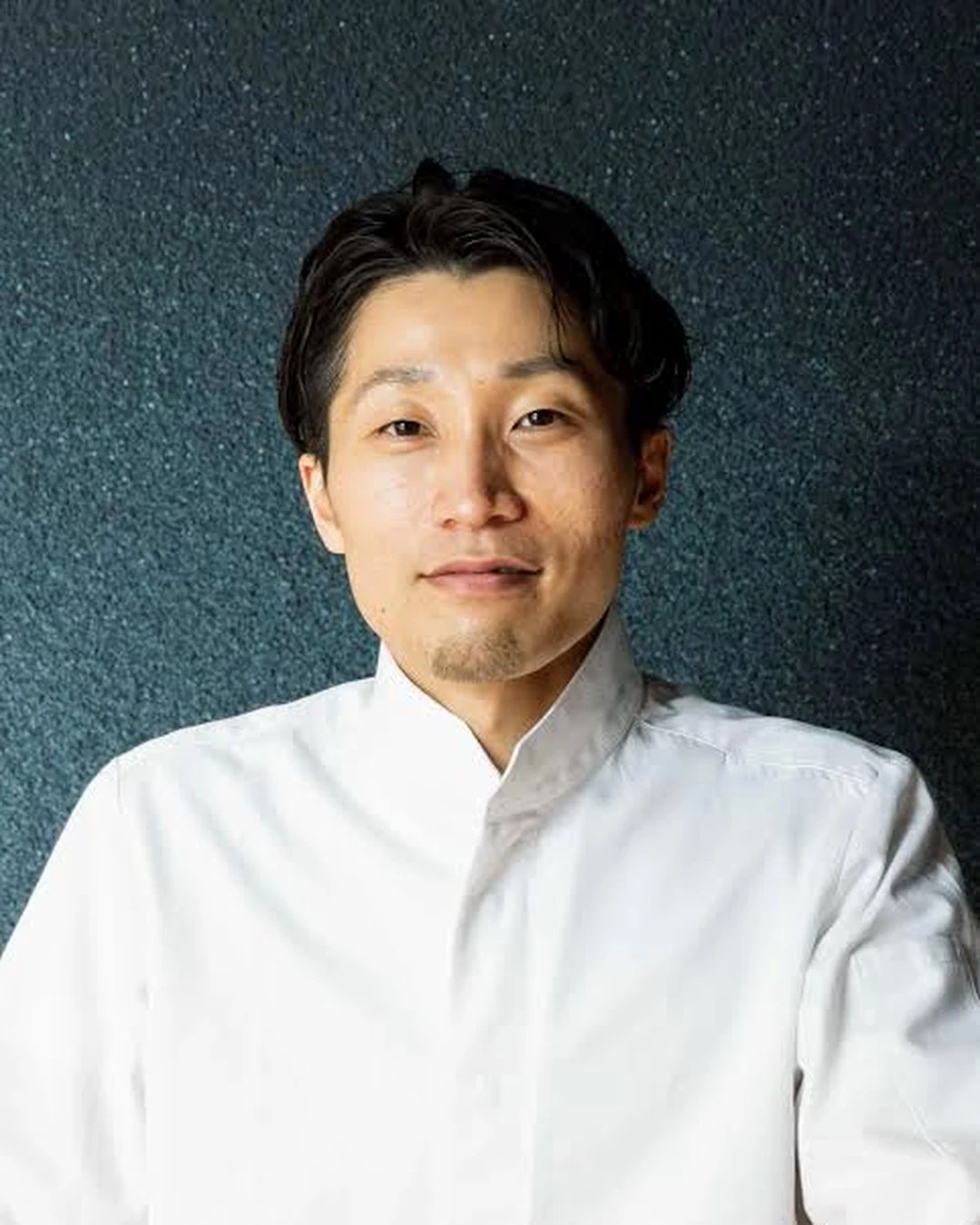
Chef in Residence
Tatsuya Noda
Chef
- 01CuisineModern French with Japanese Influences
- 02CityTokyo, Japan
- 03RecognitionOne Michelin Star
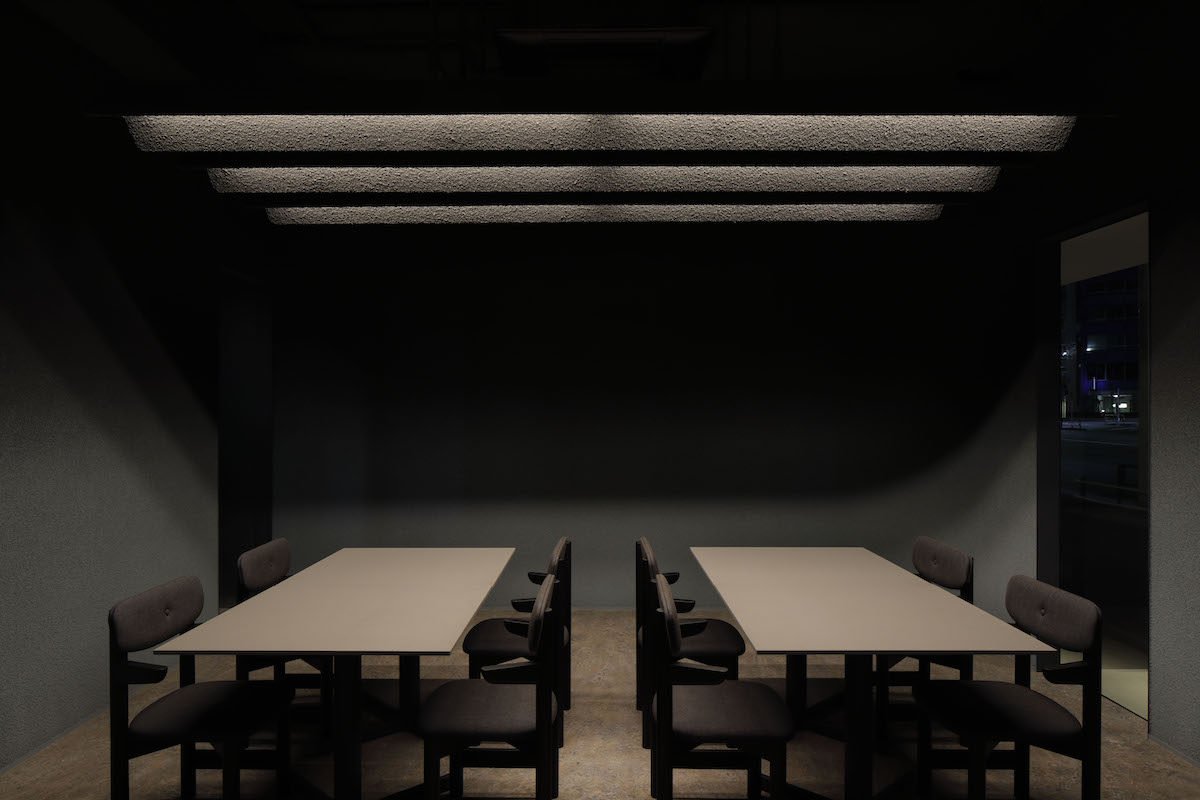
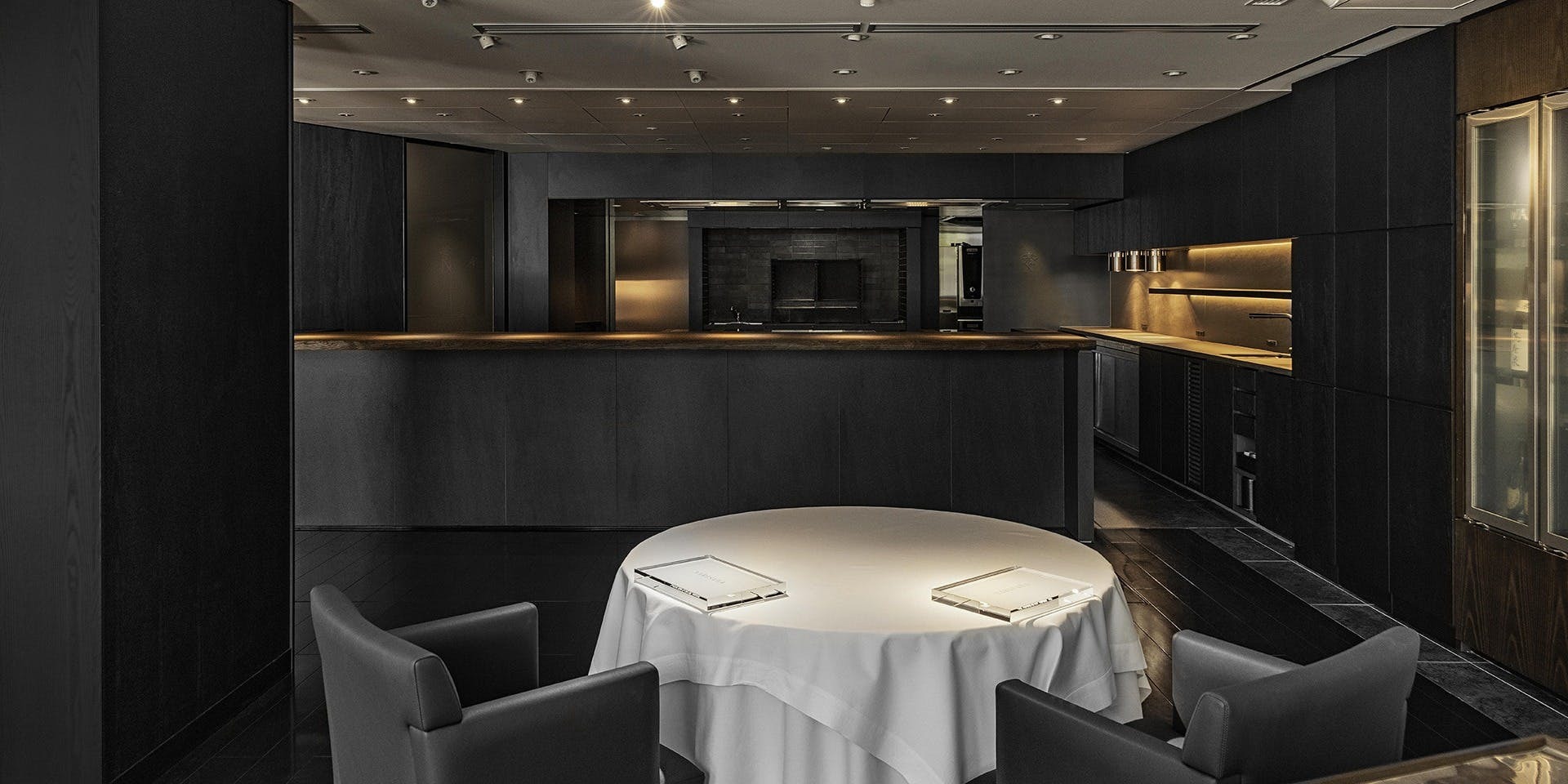
At nôl in Tokyo's Nihonbashi district, Chef Tatsuya Noda translates a closed-loop relationship with farmers into a Michelin-starred prix fixe that opens with vegetable-end soup and builds through French technique toward something deliberately spare. The grey interior reads more like a working laboratory than a dining room, and that framing is accurate: this is food as considered process, not performance.
- 1 Michelin Star
At a glance
- Cuisine
- Modern French with Japanese Influences
- Price
- $$$$
- Per person
- $200
- Hours
- Mon: Closed; Tue: Closed; Wed: 6–10 PM; Thu: 6–10 PM; Fri: 6–10 PM; Sat: 6–10 PM; Sun: 6–10 PM
- Neighborhood
- Nihonbashi Bakurocho
- Rating
- 4.7 (34)
<h2>Where the Soil Enters the Equation</h2><p></p><p>nôl is a one-star restaurant in Tokyo, serving modern French with Japanese influences from the ground floor of the DDD Hotel in Nihonbashi Bakurocho. Chef Tatsuya Noda holds a direct composting arrangement with his farming partners, returning vegetable and kitchen waste to revitalise the soil those farms depend on. That arrangement shapes what arrives on the plate at every stage of the prix fixe, including the first course.</p><h2>The Prix Fixe, Structured Around Constraint</h2><p>The meal begins with soup. That opening is not incidental: the broth is built from vegetable ends and offcuts that most kitchens discard, and the choice to place it first is a deliberate framing device. It announces the philosophy before the more technically elaborate courses follow. In a city where prix fixe openings often lead with showpiece ingredients, starting with something derived from what would otherwise be waste carries real editorial weight.</p><p>French technique governs the preparation throughout. The cooking at nôl sits within the well-established Tokyo tradition of French-trained Japanese chefs working Japanese produce through European methods, a tradition that has produced some of the city's most recognised Michelin-starred tables. What distinguishes the approach here is a stated preference for simplicity and lightness rather than accumulation. The courses that follow the soup work within those constraints rather than against them, which places nôl in a narrower subset of that French-Japanese tradition: restaurants where restraint is the governing principle, not an occasional gesture.</p><p>For comparison, the broader tier of Michelin-starred French-influenced contemporary restaurants in Tokyo, including properties like L'Effervescence and HOMMAGE, both operating at ¥¥¥¥, tend toward more elaborate presentations and ingredient density. nôl prices at ¥¥¥, positioning it below that leading bracket while earning equivalent Michelin recognition in 2024. That gap is worth noting: it suggests the kitchen is making a deliberate argument about value and format rather than simply occupying a lower price point by default.</p><h2>Nihonbashi as Context</h2><p>Nihonbashi has been Tokyo's commercial centre since the Edo period, a district that once served as the starting point for the five major highways of feudal Japan and has accumulated centuries of merchant and financial history. Today it operates as a mixed zone where financial institutions, heritage department stores, and newer hotel-anchored concepts coexist across a relatively compact grid. The DDD Hotel, where nôl operates, represents the newer layer: a design-led property that has attracted a small cluster of food and beverage concepts rather than a single hotel restaurant.</p><p>The neighbourhood places nôl in a different orbit from Tokyo's more overtly gastronomic districts. It is not Ginza's tightly curated counter culture, nor the dense independent scene of Shinjuku or Shibuya. Nihonbashi dining tends to draw working professionals and hotel guests alongside dedicated diners, which gives the room a different energy from destination-only restaurants. The grey interior, described as evoking a laboratory, amplifies that quality: the space signals seriousness rather than warmth, and the food is expected to carry the experience.</p><h2>How nôl Fits the Contemporary Tokyo Scene</h2><p>Contemporary cuisine in Tokyo has expanded significantly over the past decade, occupying the space between kaiseki's formal Japanese architecture and European fine dining's classical structure. Restaurants working in this category, including HYÈNE and <a href="https://www.enprimeurclub.com/restaurants/julia-tokyo-restaurant">JULIA</a>, have built distinct identities within that space, typically through a combination of strong sourcing credentials, defined technique, and a coherent conceptual position. nôl's position within this group is anchored by its circular sourcing model rather than a single signature ingredient or regional identity.</p><p>That sourcing model also distinguishes nôl from Tokyo restaurants where the ingredient story is primarily about prestige provenance: rare Japanese beef cuts, aged tuna from specific regions, seasonal matsutake from named mountain areas. nôl's story runs in the opposite direction, toward the unremarkable vegetable trim that most kitchens treat as a cost to be minimised. That inversion is, in the current context of fine dining discourse globally, a considered editorial choice. Whether a diner finds it compelling depends on whether they come to the meal prepared to engage with it as a proposition, not just a format.</p><p>For readers building a broader Tokyo itinerary, <a href="https://www.enprimeurclub.com/restaurants/hakunei-tokyo-restaurant">hakunei</a>, <a href="https://www.enprimeurclub.com/restaurants/fusou-tokyo-restaurant">FUSOU</a>, and <a href="https://www.enprimeurclub.com/restaurants/kibun-tokyo-restaurant">KIBUN</a> each offer distinct reference points across the city's range of serious dining formats. Across Japan more broadly, <a href="https://www.enprimeurclub.com/restaurants/hajime-osaka-restaurant">HAJIME in Osaka</a> has long pursued an ecological framing in its tasting menu, <a href="https://www.enprimeurclub.com/restaurants/gion-sasaki-kyoto-restaurant">Gion Sasaki in Kyoto</a> works within a different tradition entirely, and <a href="https://www.enprimeurclub.com/restaurants/akordu-nara-restaurant">akordu in Nara</a>, <a href="https://www.enprimeurclub.com/restaurants/goh-fukuoka-restaurant">Goh in Fukuoka</a>, <a href="https://www.enprimeurclub.com/restaurants/1000-yokohama-restaurant">1000 in Yokohama</a>, and <a href="https://www.enprimeurclub.com/restaurants/6-okinawa-restaurant">6 in Okinawa</a> round out a picture of how ingredient-led contemporary formats are developing across the country.</p><p>Internationally, the closest conceptual analogues for nôl's position are restaurants where the supply chain argument is structural, not supplementary. <a href="https://www.enprimeurclub.com/restaurants/cesar-new-york-city-restaurant">César in New York City</a> and <a href="https://www.enprimeurclub.com/restaurants/jungsik-seoul-restaurant">Jungsik in Seoul</a> operate in adjacent contemporary territory, though with different ingredient philosophies and pricing tiers.</p><h2>Credentials and Recognition</h2><p>nôl received a Michelin one-star rating in the 2024 guide, which, at ¥¥¥ pricing, positions it as one of the more accessible starred tables in its category in Tokyo. The Google review score of 4.9 from 22 reviews reflects a small sample at the time of writing, consistent with a restaurant that operates at limited capacity and has not yet accumulated the review volume of longer-established properties. The Michelin recognition carries the weight here: the 2024 guide confirms the one-star status.</p><h2>Planning Your Visit</h2><p>nôl is located at 2 Chome-2-1 Nihonbashi Bakurocho, Chuo City, Tokyo, on the first floor of the DDD Hotel. The nearest metro access is through the Nihonbashi or Bakuro-Yokoyama stations on the Asakusa and Shinjuku lines respectively, putting the address within a manageable walk of central Tokyo's eastern business districts. The prix fixe format means the meal is structured around the kitchen's schedule, and given the Michelin recognition in 2024, advance booking is advisable, particularly for weekends and the autumn harvest period when the ingredient story carries the most seasonal weight.</p><p>Price tier: ¥¥¥. Format: prix fixe. Cuisine: contemporary French-influenced. Address: DDD Hotel 1F, 2 Chome-2-1 Nihonbashi Bakurocho, Chuo City, Tokyo.</p><p></p>
Know before you go
- Dress code
- smart_casual
- Reservations
- essential
- Payment
- credit_card
Frequently asked
How do I find nôl?
nôl is located at Japan, 〒103-0002 Tokyo, Chuo City, Nihonbashibakurocho, 2 Chome−2−1 DDD Hotel, 1F, Tokyo.
Does nôl have a Michelin star or similar recognition?
nôl has received recognition including: ‘Harmony’ and ‘circulation’ are the keywords of this dining experience. Through his partnerships with farmers, the chef returns compost to revitalise the soil. The prix fixe presentation starts with a bowl of soup. Vegetable ends are used i….
What should I order at nôl?
nôl operates as a prix fixe, so the kitchen determines the progression rather than the guest. The meal opens with soup built from vegetable offcuts, a structural choice that reflects Chef Tatsuya Noda's commitment to zero-waste cooking. From there, French technique shapes dishes using produce sourced through direct farmer partnerships, with the menu shifting around seasonal availability. The format is set; what changes is what the soil and season allow.
What's the price range at nôl?
Pricing at nôl is listed as ¥¥¥.
What are nôl's hours?
Hours at nôl: Location.
Address
Japan, 〒103-0002 Tokyo, Chuo City, Nihonbashibakurocho, 2 Chome−2−1 DDD Hotel, 1F
Nihonbashi Bakurocho
How it compares
- Cuisine
- Modern French with Japanese Influences
- Price
- $$$$
- Notes
- Chūō
- Cuisine
- Wood-Fired French Fusion
- Price
- $$$$
- Notes
- Minato
- Cuisine
- Modern French-Japanese Fusion
- Price
- $$$$
- Notes
- Minato
レ セゾン - Les Saisons - Hotel Imperial
- Cuisine
- Classical French with Japanese Influences
- Price
- $$$$
- Notes
- Chiyoda
- Cuisine
- Modern French Fine Dining
- Price
- $$$$
- Notes
- Shibuya
- Cuisine
- Modern French-Japanese Fusion
- Price
- $$$$
- Notes
- Minato
In residence
Similar places
French
Sézanne
Tokyo, Japan
★★★ · 50 Best
Modern Chinese Fine Dining
Sazenka
Tokyo, Japan
★★★ · 50 Best
Modern Japanese Satoyama Fine Dining
Narisawa
Tokyo, Japan
★★ · 50 Best
Modern French-Japanese Plant-Based Fine Dining
Florilège
Tokyo, Japan
★★ · 50 Best
Modern Japanese Kaiseki
Den
Tokyo, Japan
★★ · 50 Best
Modern French Fine Dining
Quintessence
Tokyo, Japan
★★★