Hiroshi Hiraoka cooks as chef-owner at Noodle Lab Q in Sapporo, shaping clear tanrei ramen through broth, noodles, and restraint.
- Opinionated About Dining Casual in Japan Ranked #43 · 2026
Clear broth at the counter
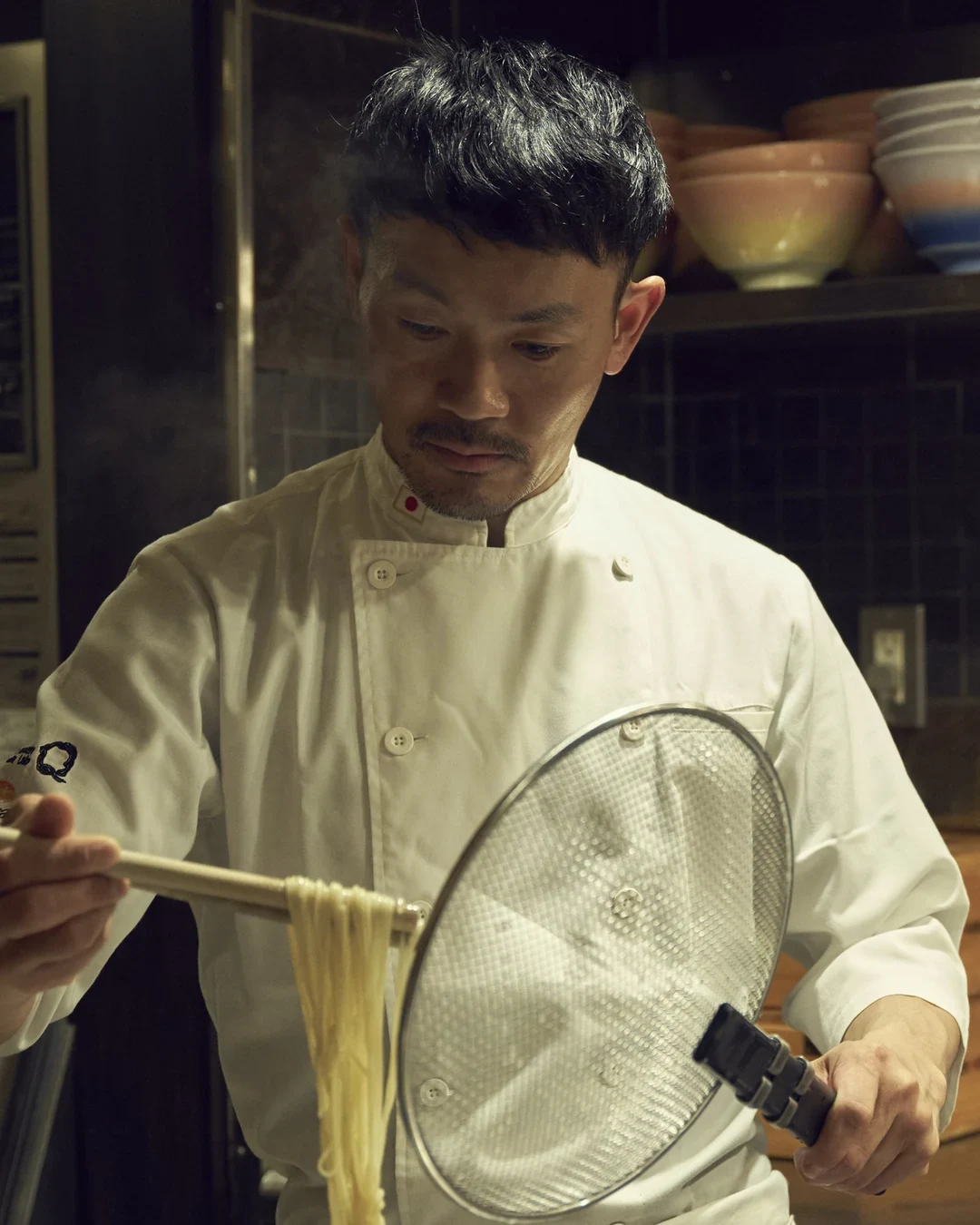
The broth is kept clear, the bowl held to a narrow register. Hiroshi Hiraoka, chef-owner at Noodle Lab Q in Sapporo, works in tanrei-style ramen, where weight is less useful than control. His station is the kitchen and the counter at once: the place where soup, noodle, tare, oil, and topping meet, and the place where the guest reads the result without distance. Hiraoka’s role here is not detached authorship. The restaurant’s identity sits in his hand, in the restraint of the broth and in the decision to let each part arrive cleanly.
Japanese Ramen Noodle Lab Q is built around that discipline. Hiraoka’s own line for the bowl, “This is Japan in a bowl,” does not ask for decoration. It frames ramen as a question of place, method, and proportion. At Noodle Lab Q, that is enough to understand the pressure of the role. Tanrei gives little cover. If the soup blurs, if the noodle softens too far, if the seasoning pushes ahead of the stock, the bowl says so.
Soy sauce, chicken, wheat
The shoyu ramen carries a blend of up to ten types of soy sauce into a chicken-centered soup made from five breeds of whole chicken from across Japan. The sourcing is not ornamental. Shintoku chicken from Hokkaido, Hinai from Akita, Cochin from Nagoya, and Tanbakuro from Hyogo are part of the grammar of the bowl, each contributing to a broth that has to read as clear rather than thin. Hiraoka’s tanrei method depends on that distinction. Clarity is not absence. It is the work of keeping depth legible.
The noodles bring their own measure. Some bowls use thin, flat noodles made from six types of Hokkaido wheat flour and one from Kagawa, a blend that keeps the chew in conversation with the soup rather than sitting apart from it. Chashu appears as pork rib and pork loin cooked with kelp; other bowls may carry wontons, chicken breast, sprout onion, or Toro Tamago from Ishikari Tobucho Farm. Shio ramen sits beside shoyu, and irregular Ura Q days can turn the kitchen toward a different register, including a niboshi-tinged version. Even then, the method remains recognizable: balance first, then detail.
The room below Kita 1 Jōnishi
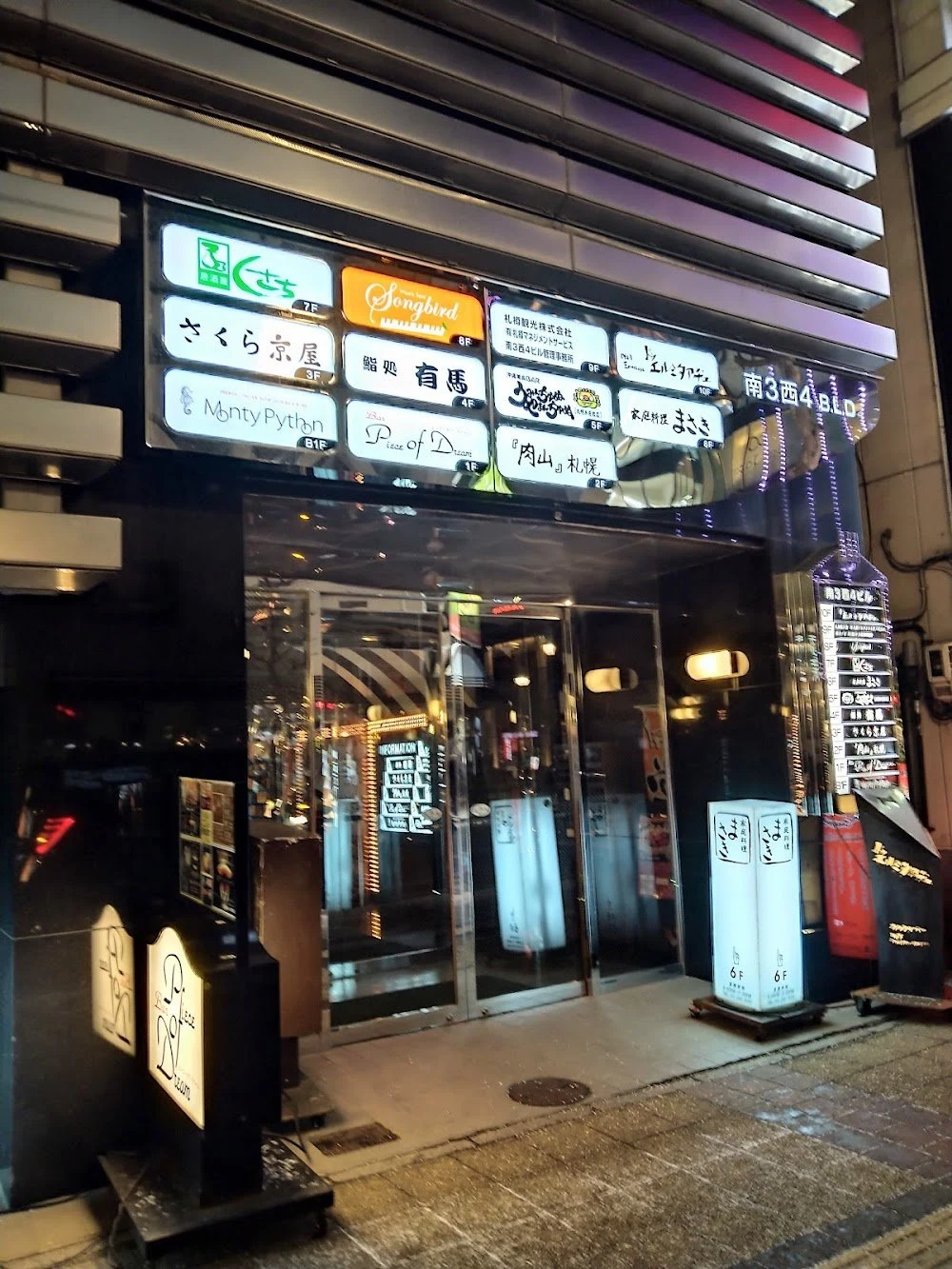
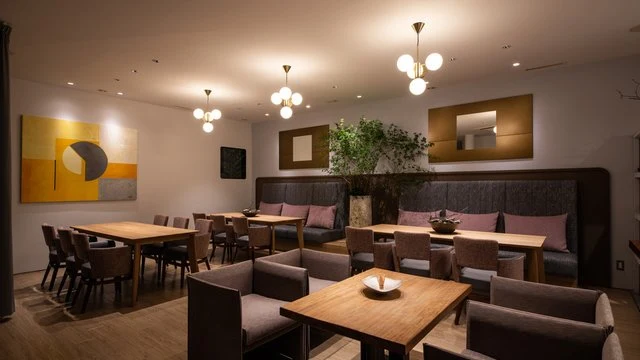
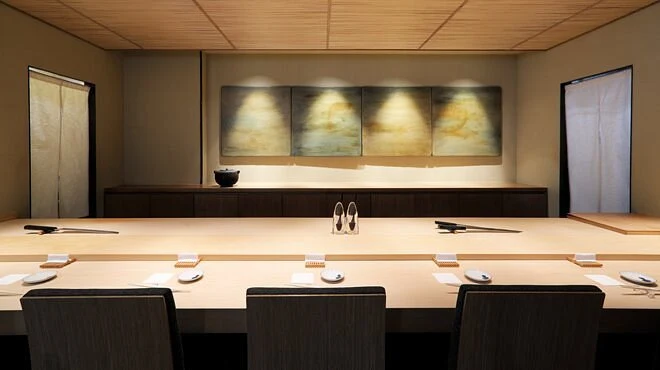
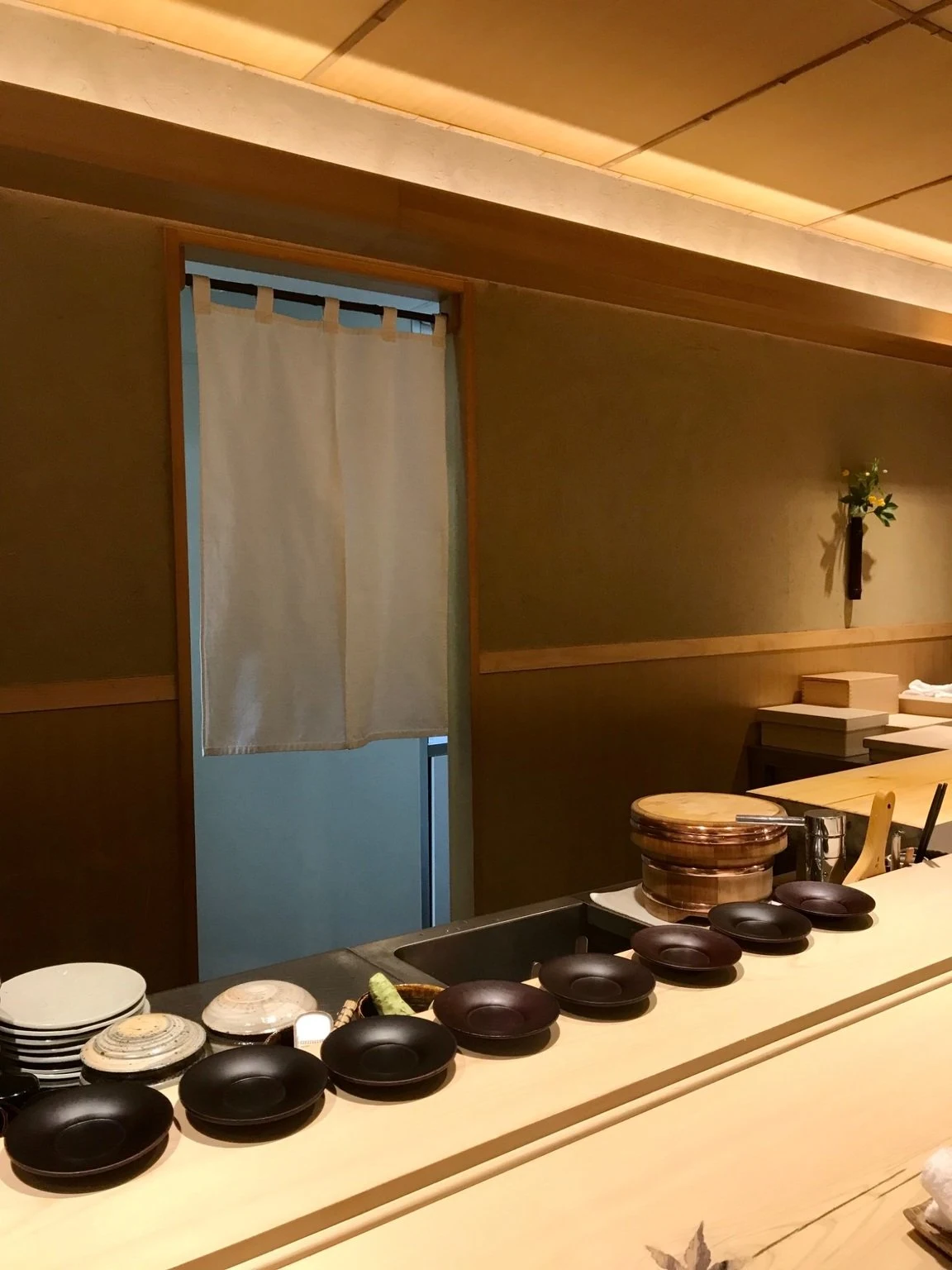
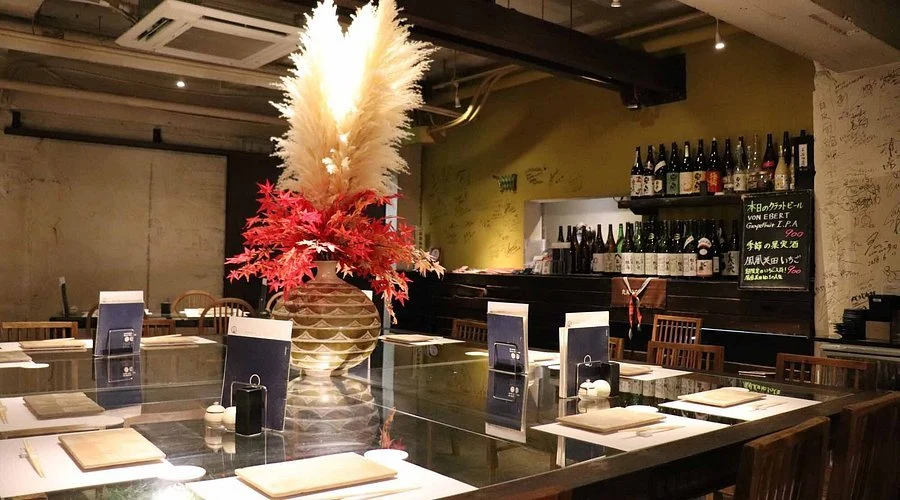
The room is modern and relaxed, with counter seating and communal tables rather than ceremony. Guests watch the work at close range: the lift of noodles, the settling of oil, the final arrangement before the bowl leaves the pass. Noodle Lab Q sits in the basement level of the Rindō Building on Kita 1 Jōnishi in Sapporo’s Chuo Ward, close to the city’s Clock Tower and Odori Station. The setting is plain in the useful way a ramen room can be plain. The attention goes to the bowl.
By evening, the same address can move into Yakitori Q, with chicken skewers, Japanese sake, and natural wine. That second life matters because it keeps the restaurant’s focus on chicken beyond the ramen bowl, not as a theme but as a material worked in another form. For Hiraoka, the daytime craft still returns to tanrei. The final impression is not volume or excess, but the line between shoyu, chicken, wheat, and the counter at Noodle Lab Q.
Questions
Frequently asked
Who cooks at Noodle Lab Q?
Hiroshi Hiraoka is the chef-owner at Noodle Lab Q in Sapporo.
What kind of ramen is served here?
The restaurant works in tanrei-style ramen, with a clear broth and a narrow, controlled register. Shoyu ramen is a main bowl, and shio ramen is served as well.
What goes into the shoyu ramen?
The shoyu ramen uses a blend of up to ten types of soy sauce in a chicken-centred soup made from five breeds of whole chicken from across Japan. The bowl can also include thin, flat noodles made from six types of Hokkaido wheat flour and one from Kagawa, plus chashu, wontons, chicken breast, sprout onion, or Toro Tamago from Ishikari Tobucho Farm.
What is the dining room like?
The room is modern and relaxed, with counter seating and communal tables. It is in the basement level of the Rindō Building in Sapporo’s Chuo Ward, close to the city’s Clock Tower and Odori Station.
Does the restaurant do anything else in the evening?
By evening, the same address can move into Yakitori Q, with chicken skewers, Japanese sake, and natural wine.
The field
How it compares
| Place | Cuisine | Notes | Awards |
|---|---|---|---|
| Noodle Lab Q | Ramen | · | · |
| Arima | Hokkaido Ezo-mae Omakase Sushi | Sapporo | · |
| Jordnær | Modern Nordic Seafood Fine Dining | Gentofte | Michelin 3 Stars, World's 50 Best |
| Le Musee IDEA | Contemporary French with Hokkaido Ingredients | Sapporo | · |
| Moor Hall | Modern British Fine Dining | Aughton | Michelin 3 Stars |
| Sushi Ikkou | · | Sapporo | · |
| Sushi Miyakawa | 3 Michelin-Star Edomae Sushi Omakase | Sapporo | · |
In residence
Similar places
Hokkaido Ezo-mae Omakase Sushi
Arima
Sapporo, Japan
Modern Nordic Seafood Fine Dining
Jordnær
Gentofte, Denmark
★★★ · 50 Best
Contemporary French with Hokkaido Ingredients
Le Musee IDEA
Sapporo, Japan
Modern British Fine Dining
Moor Hall
Aughton, United Kingdom
★★★
Sushi Ikkou
Sapporo, Japan
3 Michelin-Star Edomae Sushi Omakase
Sushi Miyakawa
Sapporo, Japan