Le Musee IDEA
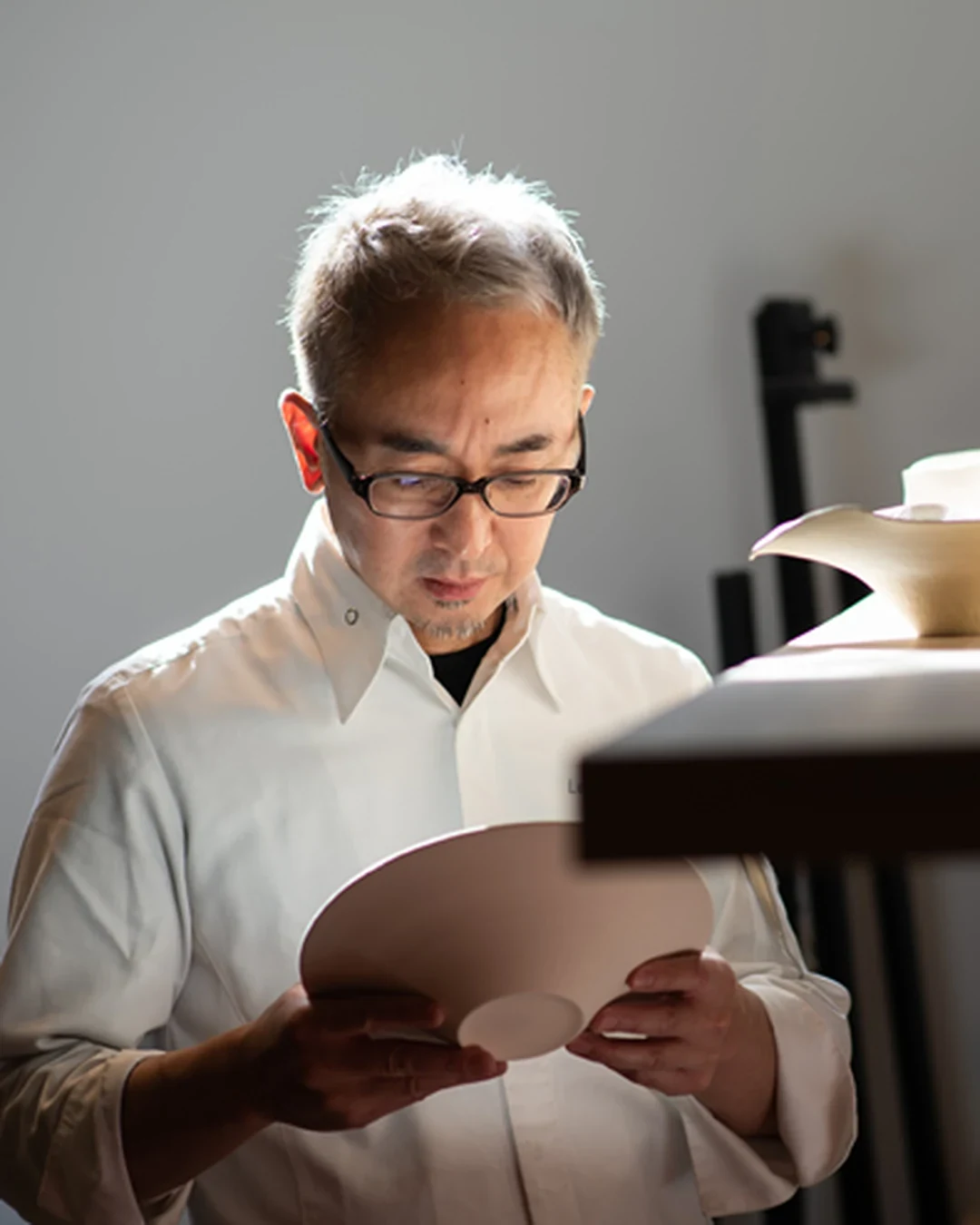
In Residence
Makoto Ishii
Chef
- 01CuisineContemporary French with Hokkaido Ingredients
- 02CitySapporo, Japan
- Opinionated About Dining Top Restaurants in Japan Recommended · 2026
- Tabelog Bronze #241: 4pts · 2026
- Opinionated About Dining Top Restaurants in Japan Ranked #225 · 2025
- We're Smart World 3 Radishes · 2025
- Tabelog 100 #58: 4pts · 2025
- Tabelog Bronze · 2025
- Opinionated About Dining Top Restaurants in Japan Ranked #281 · 2024
- Opinionated About Dining Top Restaurants in Japan Highly Recommended · 2023
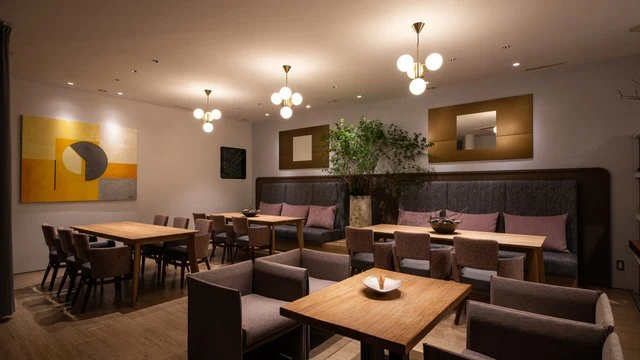
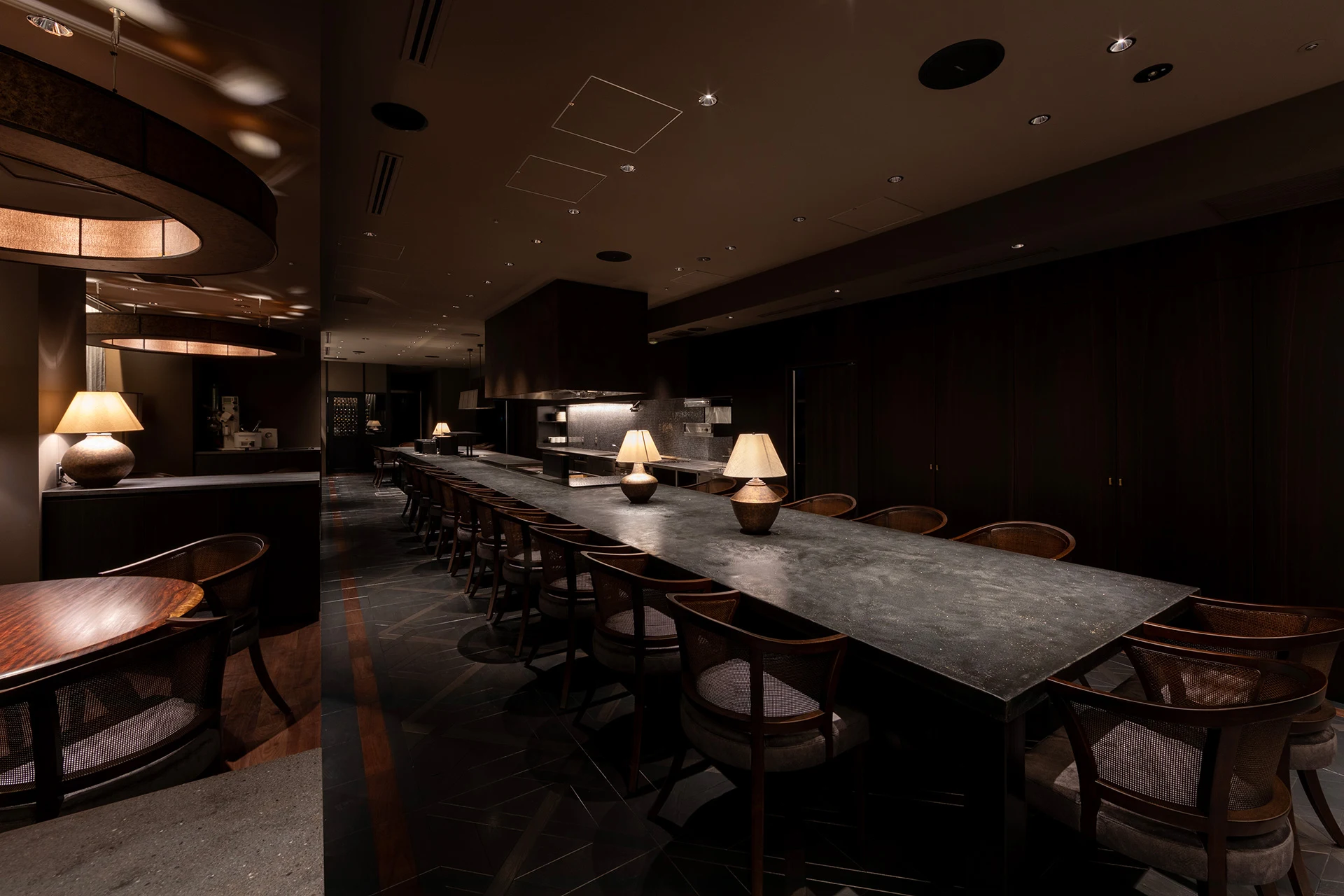
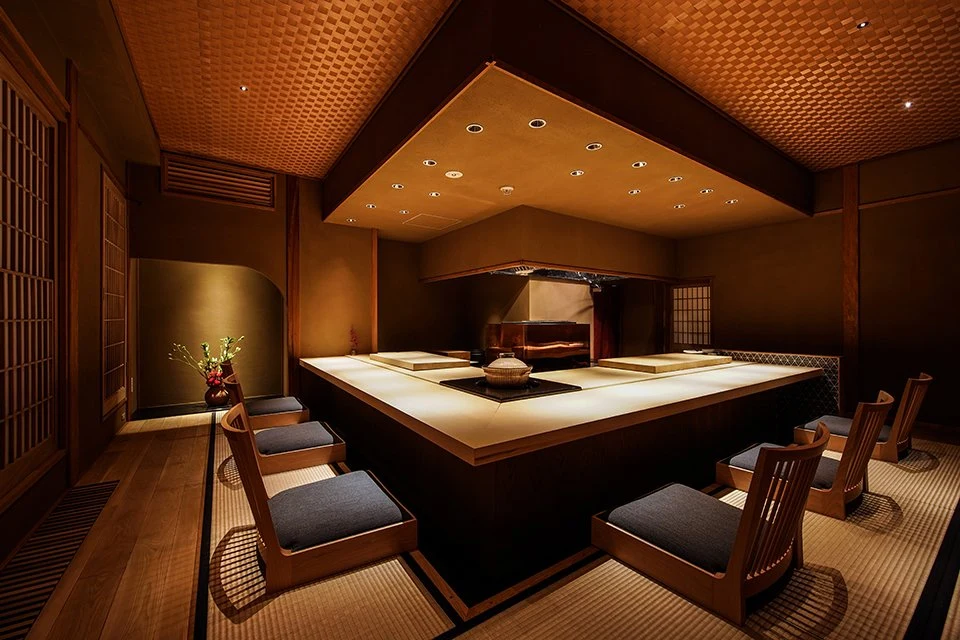
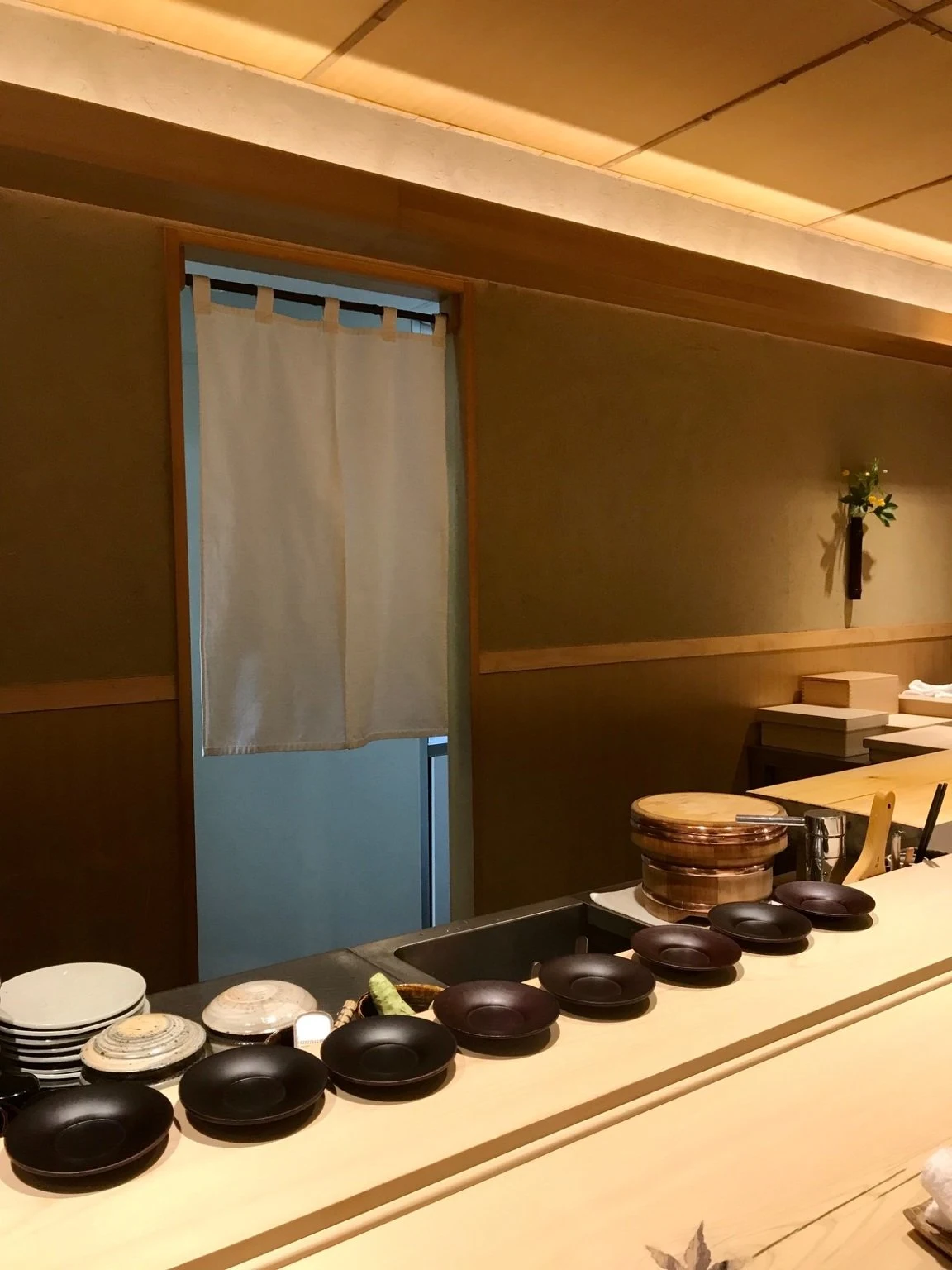
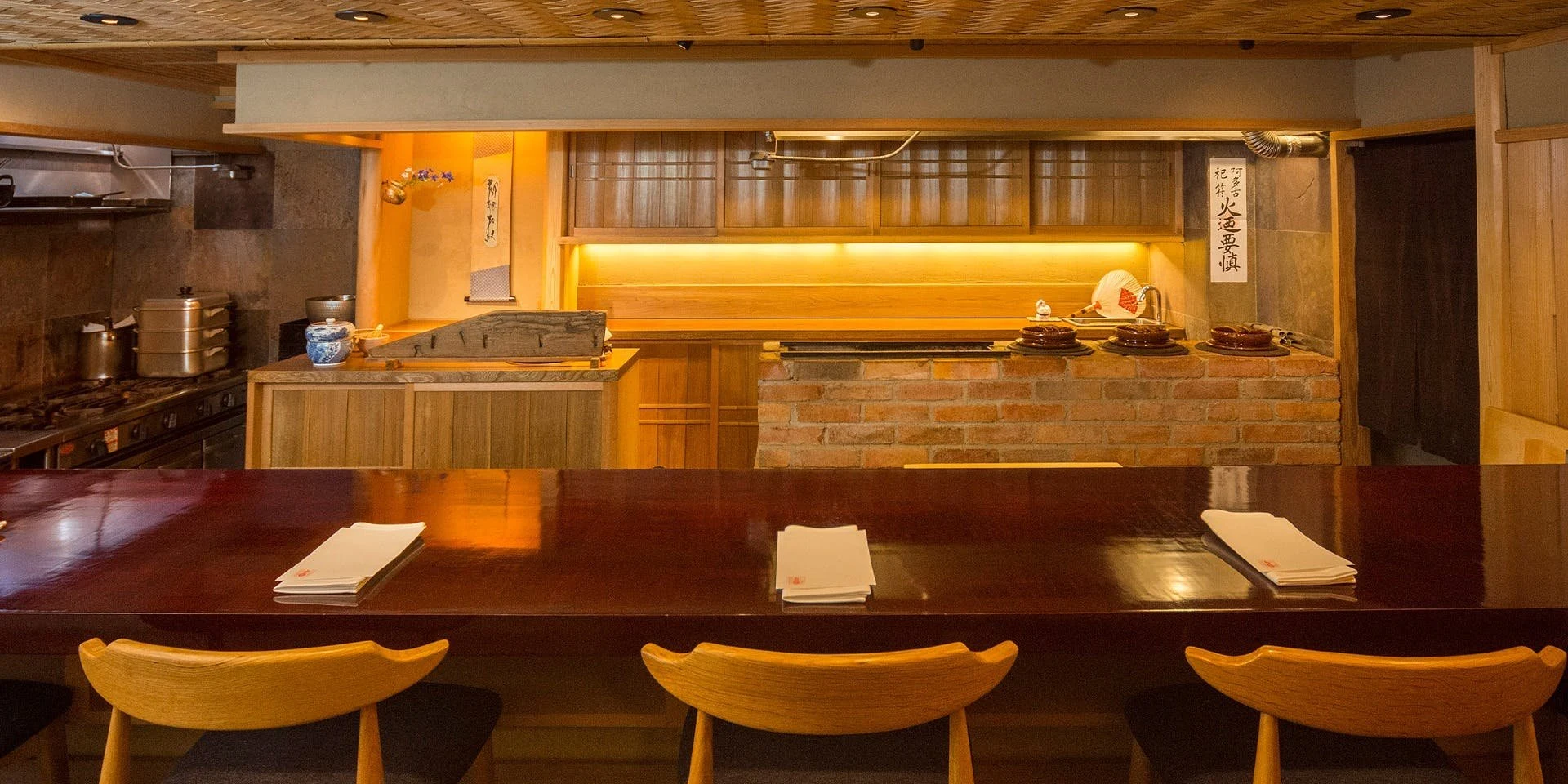
Le Musee IDEA is a restaurant in Sapporo serving contemporary French with Hokkaido ingredients. The approach to Le Musee IDEA sets the register before a single course arrives. Miyanomori is a quiet, largely residential neighbourhood in Chuo Ward, west of Sapporo's commercial centre, and the building that houses the restaurant reads more like a private house than a dining destination. The dining room sits on the second floor, separated operationally from a distinct lunch concept on the ground level. Twelve seats. No background hum of a large kitchen brigade. The framing is deliberate: this is the kind of address that rewards guests who have done their research, not those wandering in from a nearby hotel strip.
Where French Cuisine Sits in Sapporo's Fine Dining Map
Hokkaido's reputation in serious dining circles has been built primarily on its raw materials: dairy, seafood, lamb, and cold-climate produce that chefs across Japan source from the island. What has been less discussed is how a small cohort of Sapporo restaurants have used those materials as the foundation for French technique rather than Japanese forms. The city's kaiseki tradition is well represented, Hanakoji Sawada and Hidetaka operate in that register, and its sushi counters, including Sushi Kin and Arima, draw serious attention. French, by contrast, remains a narrower lane, which makes the sustained recognition that Le Musee IDEA has accumulated since opening in June 2020 more notable, not less.
The Sunday letter
Find new places through the people who run them.
Our Sunday email brings you the chefs, winemakers and hoteliers behind our newest stories. See a sample before you subscribe.
See a sample of the Sunday emailOne email a week. Unsubscribe from any issue.
The Tabelog French EAST category covers the eastern half of Japan and is competitive at the leading edge. Le Musee IDEA has been selected for the Tabelog French EAST Top 100 in both 2023 and 2025, and has received the Tabelog Bronze Award consecutively in 2024, 2025, and 2026, with a score of 4.00 on the platform's scale. Opinionated About Dining, which applies a points-based methodology across Japan's restaurant field, ranked it 281st nationally in 2024 and 225th in 2025, a trajectory that points upward rather than flat. For context, that places it in the same conversation as serious French tables in Osaka, Kyoto, and Tokyo, not merely as a regional outlier. Sézanne in Tokyo and HAJIME in Osaka operate in the same national discussion of high-commitment French cuisine in Japan, though at different price tiers and scales.
The Logic of the Structured Meal
Multi-course French dining in Japan occupies a specific cultural position. The prix fixe format, long embedded in the country's fine dining culture, carries an expectation of coherence: that each course builds on what preceded it, that the kitchen has a declared point of view, and that the guest's only real decision is whether to engage fully or not. Le Musee IDEA operates within that framework. The restaurant is reservation-only, takes no walk-ins, and cancels bookings if guests arrive more than 15 minutes late, parameters that signal a kitchen pacing meals rather than turning tables.
Dinner is priced in the JPY 40,000 to 49,999 range, with a 10% service charge added. Lunch runs JPY 30,000 to 39,999. These are not casual price points by any standard; they sit at the higher end of what Sapporo's fine dining tier supports, and they position the restaurant against peers in larger Japanese cities rather than against the city's more accessible French bistro scene. The We're Smart Green Guide, which evaluates restaurants on their use of vegetables and plant-forward cooking, has cited the kitchen's approach favourably, with a note that Chef Makoto Ishii accommodates fully vegetable-only requests.
The drink program aligns with the menu's ambition. The restaurant takes a deliberate stance on both wine and sake, listing an emphasis on both rather than defaulting to a conventional French-only cellar. In a kitchen that draws heavily on Hokkaido produce, pairing sake from Japan's northern brewing tradition alongside European wine is a considered choice rather than an afterthought. aki nagao represents another point of comparison in Sapporo's landscape where beverage programs have become genuinely part of the argument rather than a supporting note.
Format, Capacity, and What the Numbers Mean
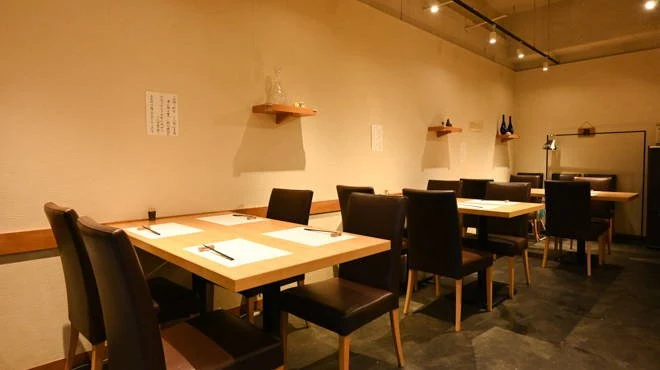
Twelve seats is a meaningful number in the context of a prix fixe restaurant. It is small enough that the kitchen can maintain precision across every cover simultaneously, but not so small that the room feels like a private event rather than a restaurant. A semi-private room accommodates up to eight guests, and the full space can be taken for private use by groups of up to 20. The sofa seating and spacious layout suggest a deliberate departure from the austerity that some small-capacity fine dining rooms lean into.
The operating pattern is strict. A note worth reading carefully: the ground-floor lunch operation, Le Musee Concept-Se, is a separate brand. Pop-ups and events associated with the building are also unrelated to IDEA. The second-floor space is the one that carries the awards.
Getting There and Planning the Visit
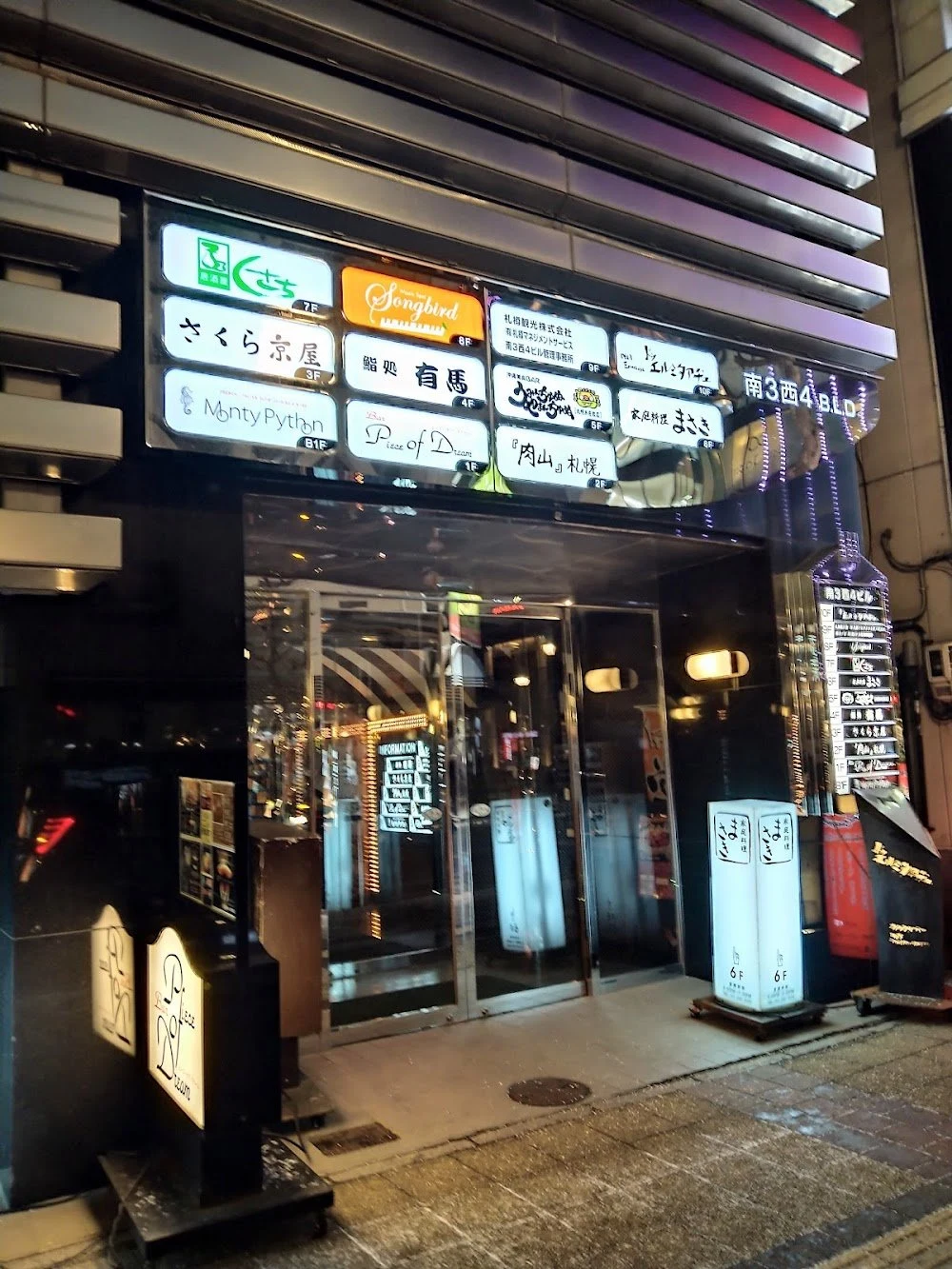
Reaching Miyanomori from central Sapporo requires either a taxi or some advance routing. From Maruyama Station on the Tozai Subway Line, the restaurant is approximately 10 minutes by taxi. From JR Sapporo Station the journey extends to around 30 minutes. The address sits roughly 1.8 kilometres from Nishi Nijuhatchome Station. Parking is available, with three spaces in front of the building, guests must indicate their preference at the time of reservation, with a maximum of one space per group. The neighbourhood's residential character means there is no cluster of comparable restaurants nearby; this is a destination in its own right rather than part of a dining precinct.
For those building a Sapporo itinerary around the city's serious dining tier, the restaurant sits naturally alongside sushi counters and kaiseki rooms rather than competing with them.
Le Musee IDEA's position, a 12-seat room in a residential Sapporo neighbourhood, holding consecutive Bronze recognition and a rising OAD trajectory, is its own argument for why the island's culinary ambition extends well beyond its famous produce.
Questions
Frequently asked
Who works at Le Musee IDEA?
Made By profiles Makoto Ishii (Chef) at Le Musee IDEA.
How expensive is Le Musee IDEA?
Le Musee IDEA is listed at a price level of $$$$.
Where is Le Musee IDEA and what does it serve?
Le Musee IDEA is in Chūō, Sapporo, serving Contemporary French with Hokkaido Ingredients.
The field
How it compares
| Place | Cuisine | Notes | Awards |
|---|---|---|---|
| Le Musee IDEA | Contemporary French with Hokkaido Ingredients | Chūō, $$$$ | · |
| Arima | Hokkaido Ezo-mae Omakase Sushi | Sapporo | · |
| Florilège | Modern French-Japanese Plant-Based Fine Dining | Tokyo | Michelin 2 Stars, World's 50 Best |
| shimoyamitenaeizuru | Innovative Hokkaido Fusion | Sapporo | · |
| Sushi Miyakawa | 3 Michelin-Star Edomae Sushi Omakase | Sapporo | · |
| Sushisai Wakichi | Traditional Hokkaido Omakase | Sapporo | · |
| Suyama | Kyoto Kaiseki | Sapporo | · |
In residence
Similar places
Hokkaido Ezo-mae Omakase Sushi
Arima
Sapporo, Japan
Modern French-Japanese Plant-Based Fine Dining
Florilège
Tokyo, Japan
★★ · 50 Best
Innovative Hokkaido Fusion
shimoyamitenaeizuru
Sapporo, Japan
3 Michelin-Star Edomae Sushi Omakase
Sushi Miyakawa
Sapporo, Japan
Traditional Hokkaido Omakase
Sushisai Wakichi
Sapporo, Japan
Kyoto Kaiseki
Suyama
Sapporo, Japan
The Sunday letter
Get the next Made By story in your inbox.
We send one email every Sunday morning with the places and people we covered that week.
See a sample of the Sunday emailOne email a week. Unsubscribe from any issue.