shimoyamitenaeizuru
In Residence
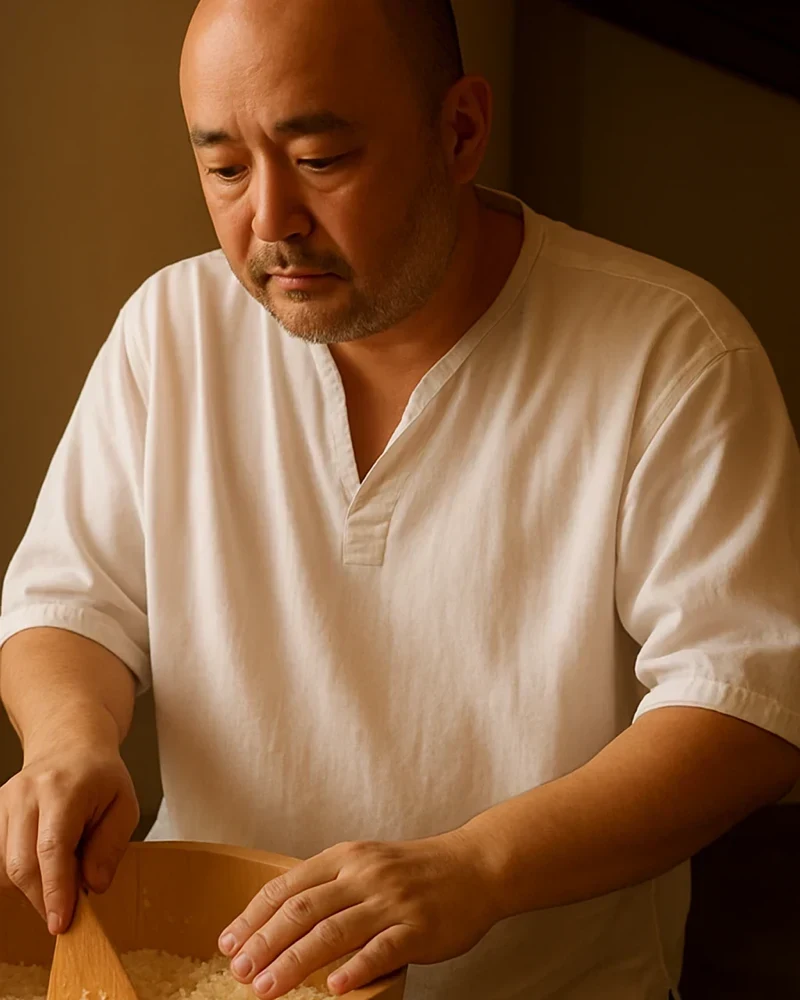
Hikaru Igarashi
Chef
- 01CuisineInnovative Hokkaido Fusion
- 02CitySapporo, Japan
- Opinionated About Dining Top Restaurants in Japan Recommended · 2026
- Tabelog Bronze #401: 4.3pts · 2026
- Tabelog 100 #54: 4.2pts · 2025
Approaching Nakajima Koen, Sapporo changes register. The city’s sharper commercial rhythm softens into a quieter grid near the park, where serious restaurants can operate without the theatre of a main-drag address. That matters here because Sapporo’s higher-end dining has never needed to copy Tokyo’s density or Kyoto’s ceremony. Its advantage is proximity: cold-water fish, dairy, vegetables, game, and sake culture all sit closer to the table than they do in many larger Japanese cities.
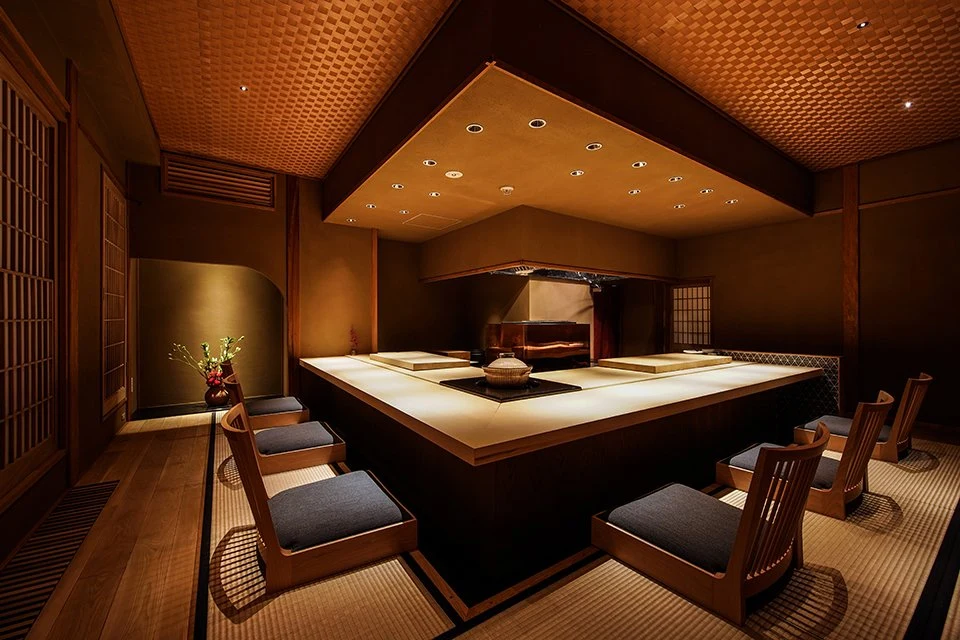
Shimoyamitenaeizuru fits that reading of Sapporo: not as a showpiece, but as a compact room built around French and innovative cooking with a strong fish orientation. The dining category is useful because it signals technique without locking the restaurant into a classic French script. In Hokkaido, that flexibility is more than style. It gives the kitchen permission to treat local seafood, wine service, and Japanese drinking habits as part of the same meal rather than separate traditions competing for attention.
The Sunday letter
Find new places through the people who run them.
Our Sunday email brings you the chefs, winemakers and hoteliers behind our newest stories. See a sample before you subscribe.
See a sample of the Sunday emailOne email a week. Unsubscribe from any issue.
Hokkaido ingredients through a French-innovative lens
Sapporo’s fine-dining identity is often misunderstood from outside Japan. The city is known internationally for ramen, beer, snow, and seafood markets, but its higher tier is more exacting than that shorthand suggests. The stronger restaurants work with the island’s ingredients as a structural advantage, not as decoration. Fish is especially important: Hokkaido’s waters give chefs a range of textures and fat levels that can support French technique, Japanese restraint, and contemporary plating without forcing a single cuisine label.
Within that context, the restaurant’s categories, Innovative and French, read as a practical description rather than a mood. The wine and sake emphasis matters as much as the food classification. Sapporo diners are comfortable moving between nihonshu and wine, and a sommelier-led program gives this kind of cooking more room to breathe. That pairing culture is where Hokkaido’s ingredient story becomes more interesting: fish can move toward mineral, saline, or richer profiles depending on the glass, while French technique supplies structure without erasing the local source material.
The Tabelog recognition gives the room a national frame. A 2026 Bronze award, previous Bronze awards from 2022 through 2025, a 2021 Silver award, and selection for Tabelog 100 Innovative / Creative Cuisine in 2025 place it among Japan’s closely watched creative restaurants. Those signals do not describe the meal by themselves, but they do tell experienced diners how to calibrate expectations. This is not casual creative cooking with a few local references; it belongs to the more expensive, reservation-led tier where consistency across years is part of the attraction.
Small-room Sapporo dining, not capital-city imitation
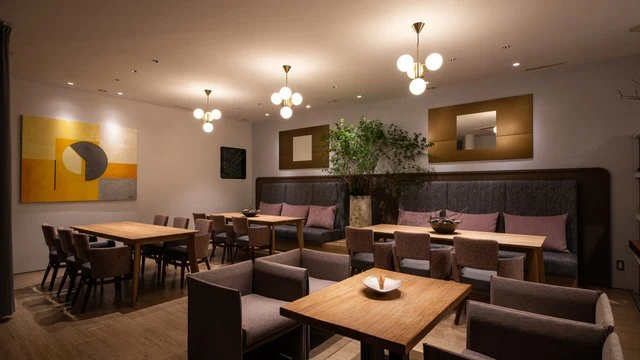
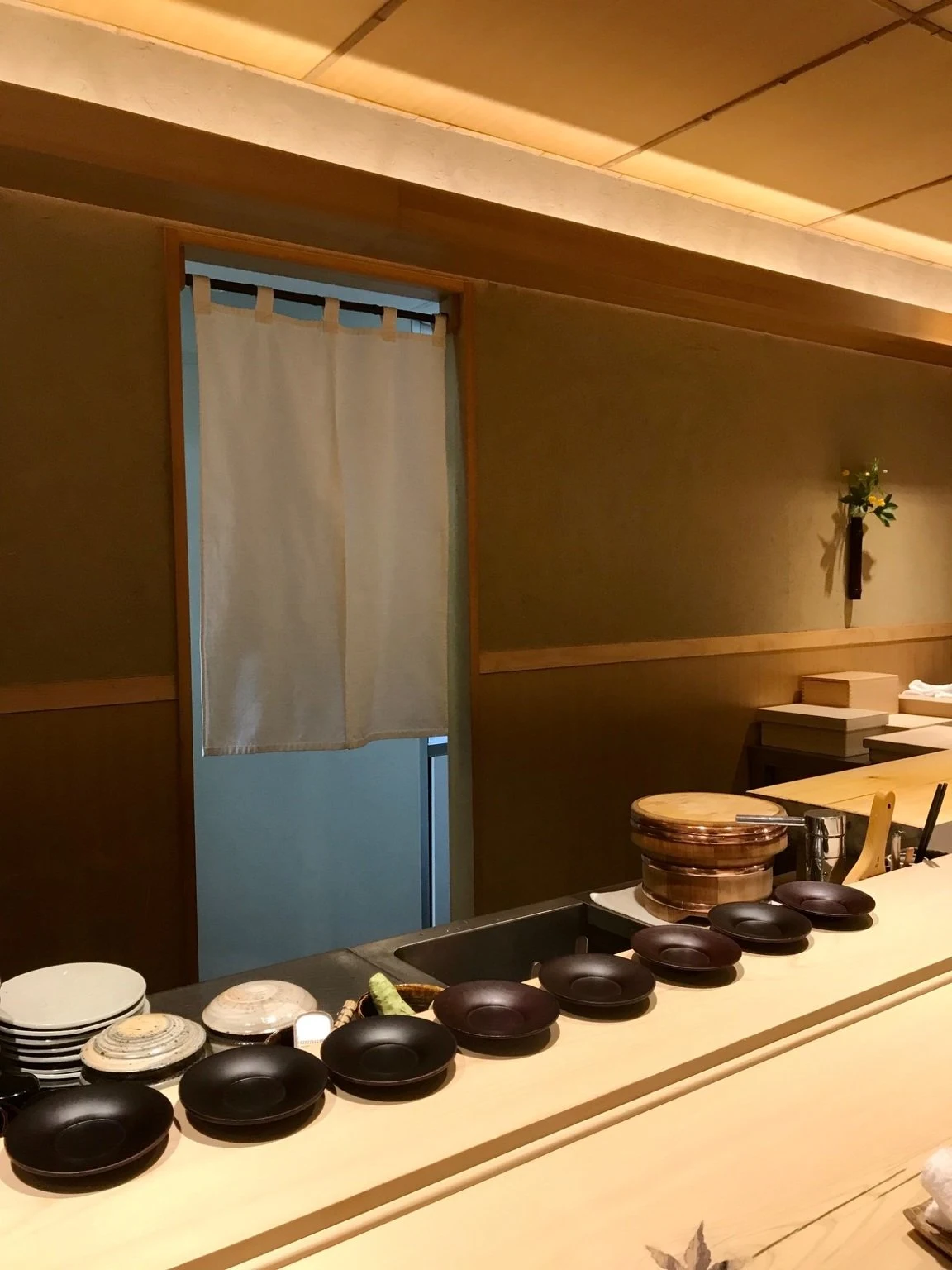
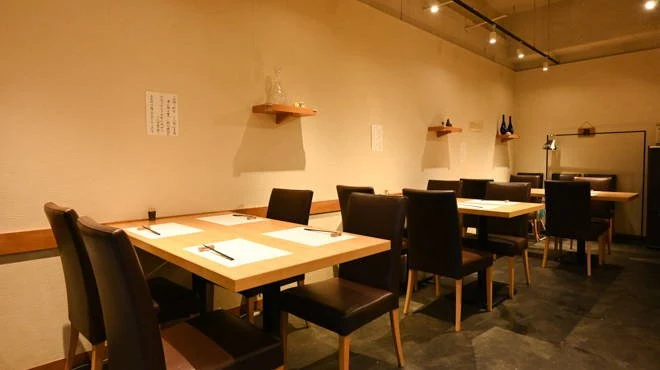
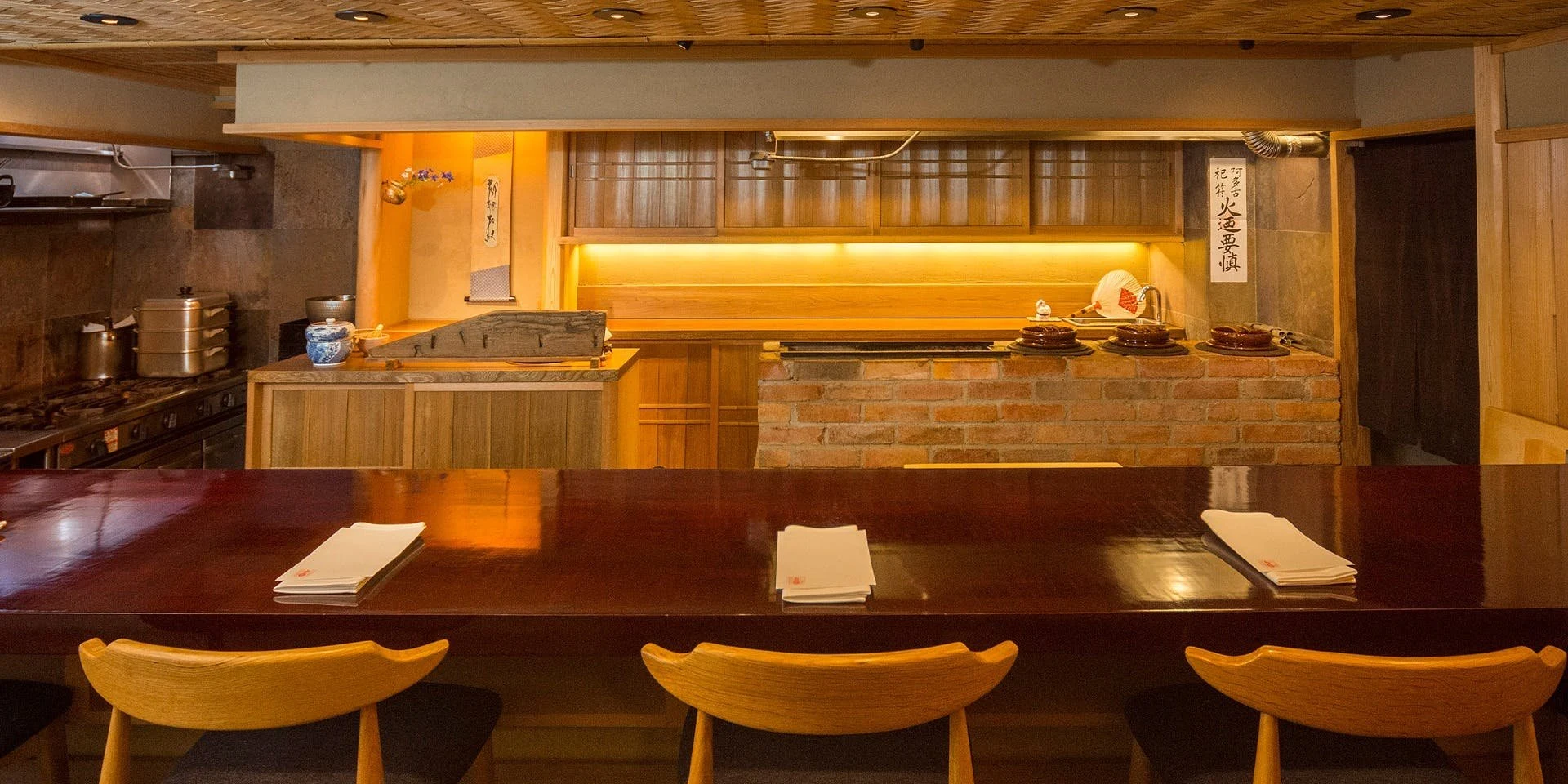
The scale is part of the argument. A six-seat setup, with private arrangements possible at a slightly larger size, creates a different kind of pressure from a broad dining room. Small formats in Japan make service pacing, drink pairing, and ingredient sequencing visible. They also suit Sapporo, where destination dining often rewards diners who plan around a single meal rather than chase several high-profile rooms in one evening.
That intimacy separates it from other Sapporo directions. Nukumi is framed around crab, which points to a more ingredient-specific luxury lane. Karamatsu and L’arbre occupy their own parts of the city’s serious dining conversation, while low-cost comfort addresses such as Okami Soup sit at the opposite end of the spending spectrum. The useful comparison is not which restaurant wins; it is how Sapporo supports several dining speeds at once, from tightly focused seafood rooms to everyday curry and noodle counters.
For travellers building a food-led Sapporo itinerary, that range is the point. A high-budget innovative meal reads differently when placed beside the city’s casual staples. The ramen intensity of 175°DENO Tantanmen Sapporo kitaguchi ten, the curry specialization at [Curry Senmon Ten] Maruyama Kyoju., and the Indian curry lineage represented by Ajanta Indo Curry Ten and Ajanta Sohonke all explain why the city is not a single-category dining destination. Add Aigues Vives and the broader picture becomes clearer: Sapporo’s appeal is built from precision at several price levels, not from one dominant format.
How to place it in a Sapporo itinerary
Shimoyamitenaeizuru is better read as a centerpiece meal than a casual add-on. Its award history, price tier, small format, and French-innovative category all point toward diners who want Hokkaido ingredients handled with technical intent. The room’s non-smoking policy, private-room options, and child-friendly listing widen the audience, but the cost and format still call for deliberate planning. This is the kind of booking that shapes the evening around the restaurant rather than the other way round.
Use the city around it intelligently. Nakajima Koen gives the meal a calmer setting than Susukino’s denser nightlife corridors, while still keeping the evening within central Sapporo. Visitors can frame the trip through Our full Sapporo restaurants guide, then pair dinner planning with Our full Sapporo hotels guide, Our full Sapporo bars guide, Our full Sapporo wineries guide, and Our full Sapporo experiences guide. For wider Japan context, compare how ingredient-led formats shift across regions at -Grilled beef Sukiyaki- KAMAKURA TANUKIAN 鎌倉 たぬき庵 in Kamakura,. 鮪と炭火焼き うお炭 秋葉原店 in Tokyo,.cafe in Osaka,.know in Kumamoto, (Shoku) Vietnam in Kawasaki, [ki:] in Kyoto, Jōdo Saké Bar in Los Angeles, and Onigiri Time in Pasadena.
The editorial case is direct: Sapporo’s serious dining is strongest when it trusts Hokkaido’s supply chain and avoids importing another city’s idea of luxury. Shimoyamitenaeizuru has the credentials, format, and category alignment to sit inside that argument. For diners who care where the meal begins before it reaches the plate, that is the reason to pay attention.
Questions
Frequently asked
Who works at shimoyamitenaeizuru?
Made By profiles Hikaru Igarashi (Chef) at shimoyamitenaeizuru.
How expensive is shimoyamitenaeizuru?
shimoyamitenaeizuru is listed at a price level of $$$$.
Where is shimoyamitenaeizuru and what does it serve?
shimoyamitenaeizuru is in Chūō, Sapporo, serving Innovative Hokkaido Fusion.
The field
How it compares
| Place | Cuisine | Notes | Awards |
|---|---|---|---|
| shimoyamitenaeizuru | Innovative Hokkaido Fusion | Chūō, $$$$ | · |
| Arima | Hokkaido Ezo-mae Omakase Sushi | Sapporo | · |
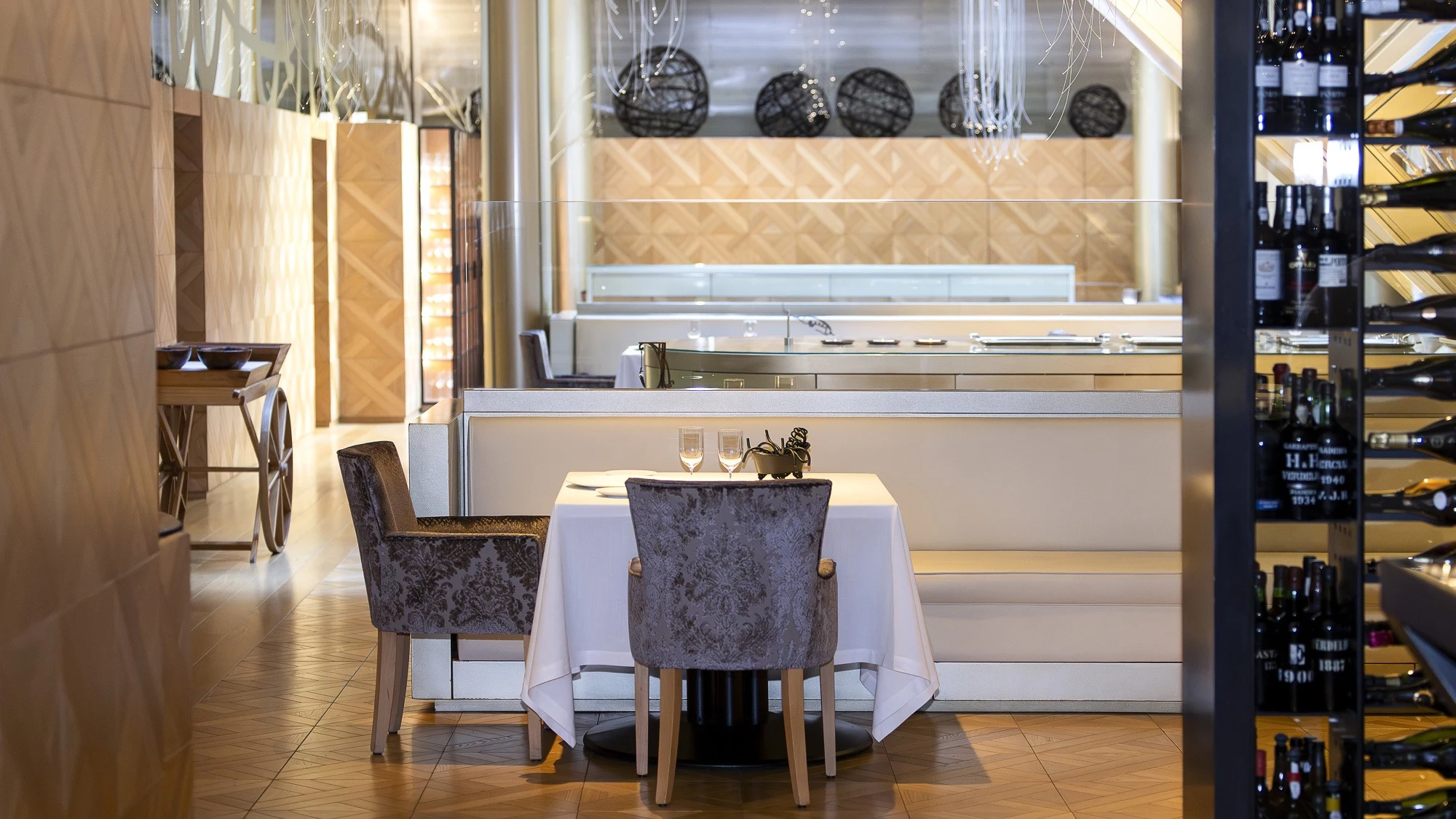
| Lasarte | Modern Basque-Mediterranean Fine Dining | Barcelona | Michelin 3 Stars |
| Le Musee IDEA | Contemporary French with Hokkaido Ingredients | Sapporo | · |
| Sushi Miyakawa | 3 Michelin-Star Edomae Sushi Omakase | Sapporo | · |
| Sushisai Wakichi | Traditional Hokkaido Omakase | Sapporo | · |
| Suyama | Kyoto Kaiseki | Sapporo | · |
In residence
Similar places
Hokkaido Ezo-mae Omakase Sushi
Arima
Sapporo, Japan
Modern Basque-Mediterranean Fine Dining
Lasarte
Barcelona, Spain
★★★
Contemporary French with Hokkaido Ingredients
Le Musee IDEA
Sapporo, Japan
3 Michelin-Star Edomae Sushi Omakase
Sushi Miyakawa
Sapporo, Japan
Traditional Hokkaido Omakase
Sushisai Wakichi
Sapporo, Japan
Kyoto Kaiseki
Suyama
Sapporo, Japan
The Sunday letter
Get the next Made By story in your inbox.
We send one email every Sunday morning with the places and people we covered that week.
See a sample of the Sunday emailOne email a week. Unsubscribe from any issue.