Oleana
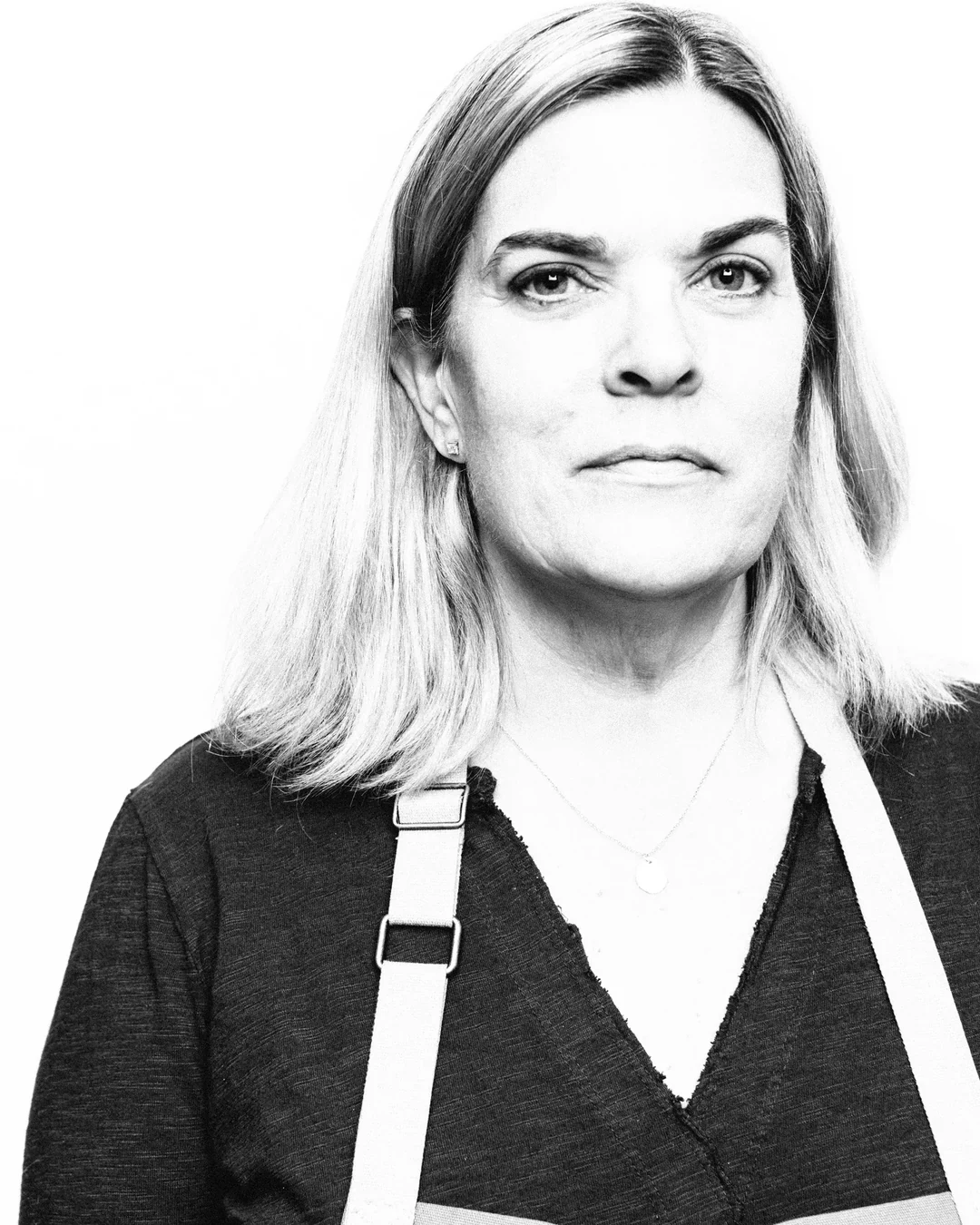
In Residence
Ana Sortun
Chef
- 01CuisineEastern Mediterranean / Turkish & Middle Eastern
- 02CityCambridge, United States
From the people index
Recommended by
One trusted voice points here.
Meze shaped by spice and produce
- Michelin Plate · 2025
- Opinionated About Dining Casual in North America Recommended · 2023
- Opinionated About Dining Gourmet Casual Dining in North America Ranked #127 · 2023
- James Beard Award Best Chefs · 2005
A broader Mediterranean at the pass
The spices do not arrive as garnish; they set the direction of the plate. Ana Sortun , chef at Oleana in Cambridge, built the restaurant around that decision, bringing Eastern Mediterranean, Turkish and Middle Eastern cooking into a local dining room with enough continuity to make the method legible. She trained at La Varenne Ecole de Cuisine de Paris, then worked through Massachusetts kitchens, including Argo Bistro, 8 Holyoke in Harvard Square and Casablanca in Harvard Square, before opening Oleana in 2001. The earlier rooms matter because they put technique into service before ownership fixed the vocabulary in place. At Oleana, Sortun has described the aim plainly: “The vision was to introduce Boston and the area to a broader sense of Mediterranean cooking.” That sentence still gives the kitchen its measure.
Meze as the working structure
Oleana’s program runs through small plates, with meze carrying much of the kitchen’s identity. The format asks the table to assemble a meal from vegetables, bread, meat and sauce, rather than wait for a fixed sequence to explain itself. Pan-fried feta, bread with date butter, short ribs, lamb shish, lemon chicken, Fatteh and vegetable meze all sit inside that grammar. The work is not simply Mediterranean by reference; it is built through named seasonings and textures. Za’atar moves across lemon chicken, dukkah works into carrot puree, and baharat appears with quail kebabs, pistachios and barberries. The restaurant’s farm-to-table discipline keeps the cooking tied to local produce, while organic and biodynamic ingredients shape both the kitchen and the wine list. The cellar follows the same line, favoring artisan-crafted bottles and indigenous varietals that can stand beside spice without flattening it. At the bench, the point is alignment: heat, acid, seed, nut, herb and fruit each carrying a particular weight.
The Sunday letter
Find new places through the people who run them.
Our Sunday email brings you the chefs, winemakers and hoteliers behind our newest stories. See a sample before you subscribe.
See a sample of the Sunday emailOne email a week. Unsubscribe from any issue.
The room around the work
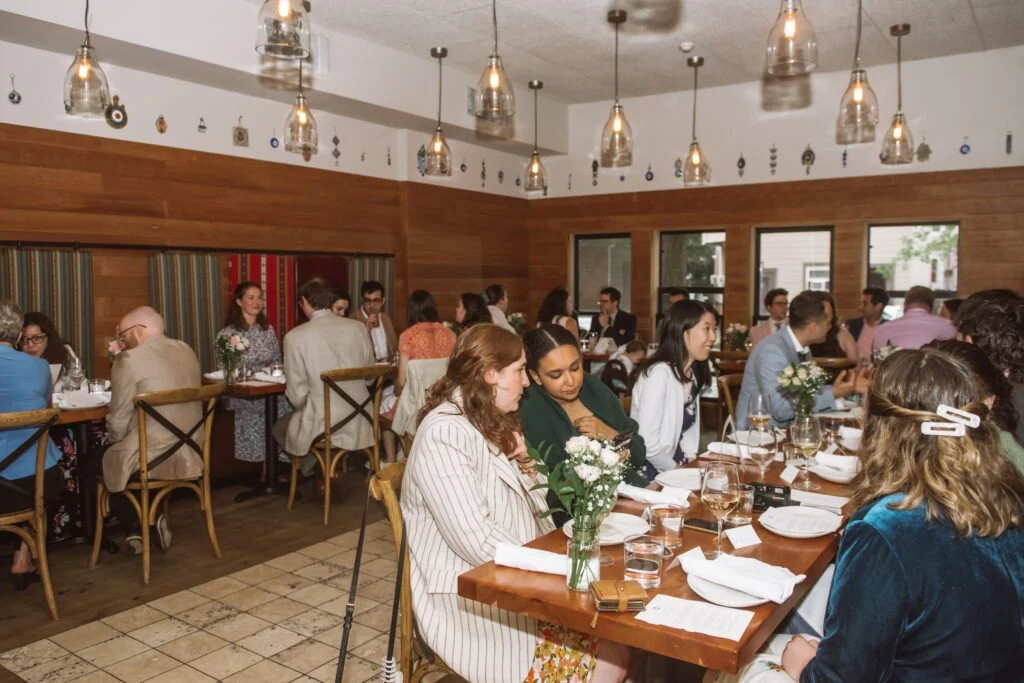
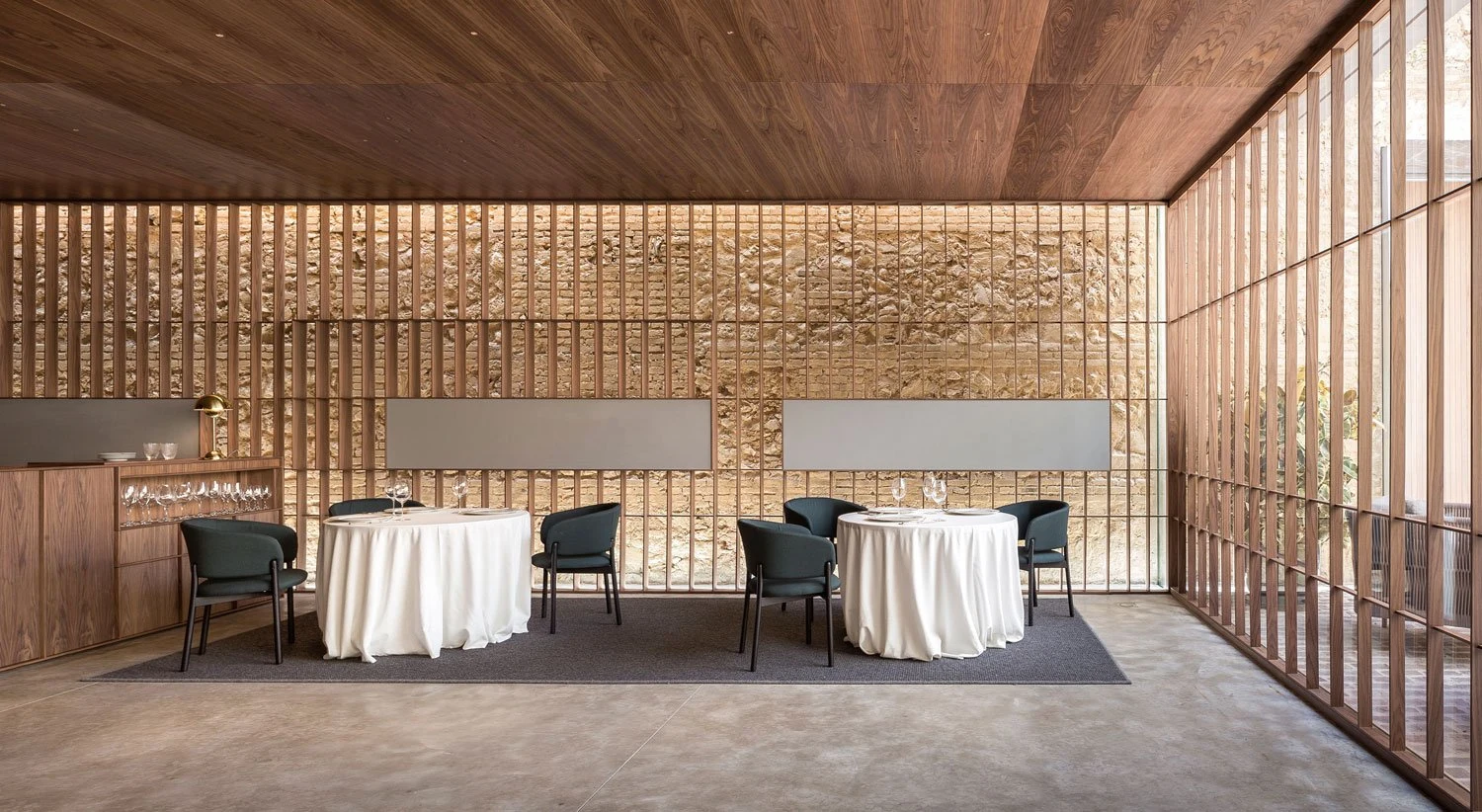
The room near Inman Square gives the food a close frame. Wood, shared plates and evil eye motifs keep the setting tactile without pulling attention from the counter and the pass. Oleana’s cooking depends on that nearness. A table can move from a vegetable meze into lamb, then back to bread and date butter, and the meal keeps its center because the kitchen has already set the register. The service of the place follows the same communal logic, with plates arriving for reach, pause and return. This is where the restaurant’s long run in Cambridge becomes visible: not as nostalgia, but as repetition with pressure on it. The gestures have had time to settle. A spoon of carrot puree, a piece of pan-fried feta, a pour from the Eastern Mediterranean side of the wine list, each one points back to the same discipline at Oleana.
Questions
Frequently asked
Who is the chef at Oleana?
Ana Sortun is the chef at Oleana in Cambridge. She opened the restaurant in 2001 after training at La Varenne Ecole de Cuisine de Paris and working in Massachusetts kitchens including Argo Bistro, 8 Holyoke in Harvard Square and Casablanca in Harvard Square.
What kind of cooking does Oleana serve?
Oleana serves Eastern Mediterranean cooking with Turkish and Middle Eastern influences. The kitchen works through spices, meze and local produce, with a farm-to-table approach and organic and biodynamic ingredients shaping both the food and the wine list.
What is the meal format at Oleana?
The restaurant runs through small plates, with meze carrying much of its identity. Meals are assembled from vegetables, bread, meat and sauce rather than served as a fixed sequence.
What are some dishes associated with Oleana?
Named dishes include pan-fried feta, bread with date butter, short ribs, lamb shish, lemon chicken, Fatteh and vegetable meze. Za’atar appears on lemon chicken, dukkah is used with carrot puree, and baharat is used with quail kebabs, pistachios and barberries.
The field
How it compares
| Place | Cuisine | Notes | Awards |
|---|---|---|---|
| Oleana | Eastern Mediterranean / Turkish & Middle Eastern | The Port, $$$ | · |
| Burnt Ends | Modern Australian Barbecue | Singapore | Michelin 1 Star, World's 50 Best |
| CORE by Clare Smyth | Modern British Fine Dining | London | Michelin 3 Stars, World's 50 Best |
| Den | Modern Japanese Kaiseki | Tokyo | Michelin 2 Stars, World's 50 Best |
| Le Taillevent | Classic and Modern French Fine Dining | Paris | Michelin 2 Stars, World's 50 Best |
| Pagu | Asian-Spanish Fusion Tapas | Cambridge | · |
| Ricard Camarena | Modern Vegetable-Focused Mediterranean Fine Dining | València | Michelin 2 Stars, World's 50 Best |
In residence
Similar places
Modern Australian Barbecue
Burnt Ends
Singapore, Singapore
★ · 50 Best
Modern British Fine Dining
CORE by Clare Smyth
London, United Kingdom
★★★ · 50 Best
Modern Japanese Kaiseki
Den
Tokyo, Japan
★★ · 50 Best
Classic and Modern French Fine Dining
Le Taillevent
Paris, France
★★ · 50 Best
Asian-Spanish Fusion Tapas
Pagu
Cambridge, United States
Modern Vegetable-Focused Mediterranean Fine Dining
Ricard Camarena
València, Spain
★★ · 50 Best
The Sunday letter
Get the next Made By story in your inbox.
We send one email every Sunday morning with the places and people we covered that week.
See a sample of the Sunday emailOne email a week. Unsubscribe from any issue.