Made ByRestaurant
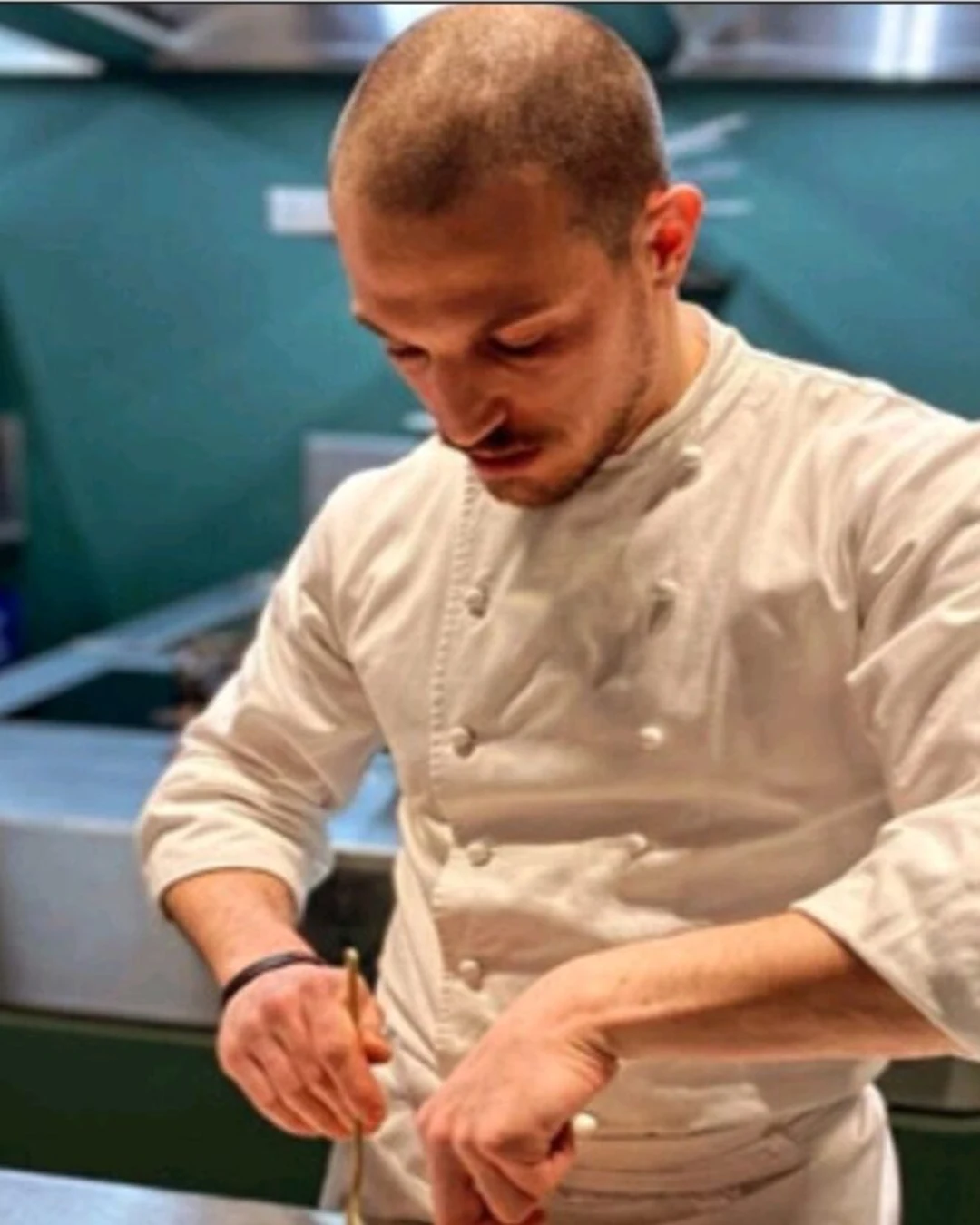
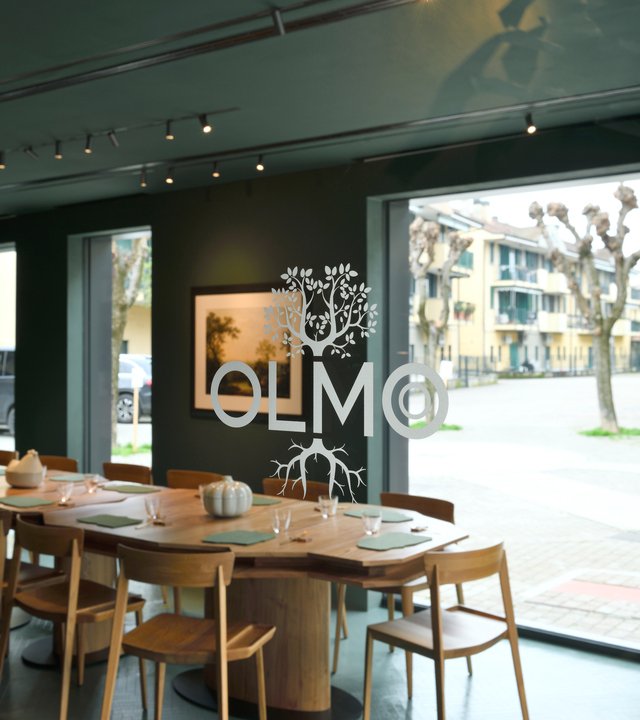
Riccardo Merli, chef at Olmo in San Pietro All Olmo, brings a lighter modern Italian hand to the pasta station.
At a glance
- Cuisine
- Modern Italian
The pasta station holds the line
Stracci di grano duro ask for a hand that knows when wheat has given enough. Riccardo Merli, chef at Olmo in San Pietro All Olmo, works from that kind of station, responsabile dei primi piatti since 2023. The role puts him close to the center of the meal, where pasta is not filler between courses but a measure of timing, texture, and restraint. His formal base came at Istituto alberghiero Cossa di Pavia before service sharpened it at D'O in Cornaredo from 2010, then at Luis XV Alain Ducasse in Monte Carlo. Those rooms give useful context for the way he cooks here: pressure accepted, inheritance handled without weight for its own sake. At Olmo, the dishes associated with him stay legible. Cappon magro keeps sea and vegetables in ordered relation; raviolo aperto di Marchesi leaves its structure visible; pollo alla Marengo brings history to the plate without asking the room to pause over it. Merli has described the aim as traditional cuisine given a fresher, lighter reinterpretation. The wording matters because the work does not reject the old grammar. It edits it.
Texture before ornament
The program at Olmo gives primi enough space to carry the discipline of the kitchen. Stracci di grano duro are a clear example: hard wheat, torn or cut into irregular pieces, judged by bite rather than by flourish. In that station, Merli has to land the pasta at the pass with the sauce, garnish, and heat all arriving together. A raviolo aperto di Marchesi asks a different kind of control, because the open form gives the diner no sealed parcel to hide behind. The assembly shows its own decisions. Cappon magro works by arrangement rather than abundance, with the logic of vegetables and seafood made readable course by course. Even pollo alla Marengo, a dish with historical weight, enters the conversation through balance rather than quotation. Olmo holds a Michelin star for 2024, and the dishes associated with Riccardo Merli stay legible. The plate does not crowd the method.
The room around the pass
The restaurant sits in San Pietro All Olmo, a name close enough to Cornaredo to echo Merli's earlier work, and the room has to support a modern Italian kitchen without turning the meal into display. The pass is where that restraint becomes visible. Primi leave in sequence; the bench has done its work before the room sees anything. The cooking asks for attention to heat and texture, but not for theatrical explanation. That suits Merli's view of the craft. He has said that general culture matters to a cook as much as culinary culture, and the idea shows in a kitchen that treats references as working material rather than decoration. Reading, seeing, listening, and thinking do not sit outside the station. They return as proportion, as the cut of pasta, as the decision to keep a plate lighter than memory might expect.
A lighter inheritance
What matters at Olmo is not novelty for its own sake. The kitchen is working through a narrower, harder question: how much of a dish can be carried forward when the old heaviness is removed. Merli's station gives that question a daily form, because pasta exposes timing without mercy and tradition without disguise. If the house continues to be read through its Michelin star, the craft still gathers around the same concrete things: cappon magro, stracci di grano duro, raviolo aperto di Marchesi, and the hand of Riccardo Merli.
Address
Piazza della Chiesa, 14, 20007 San Pietro all'Olmo, Cornaredo MI, Italy
In residence
Similar places
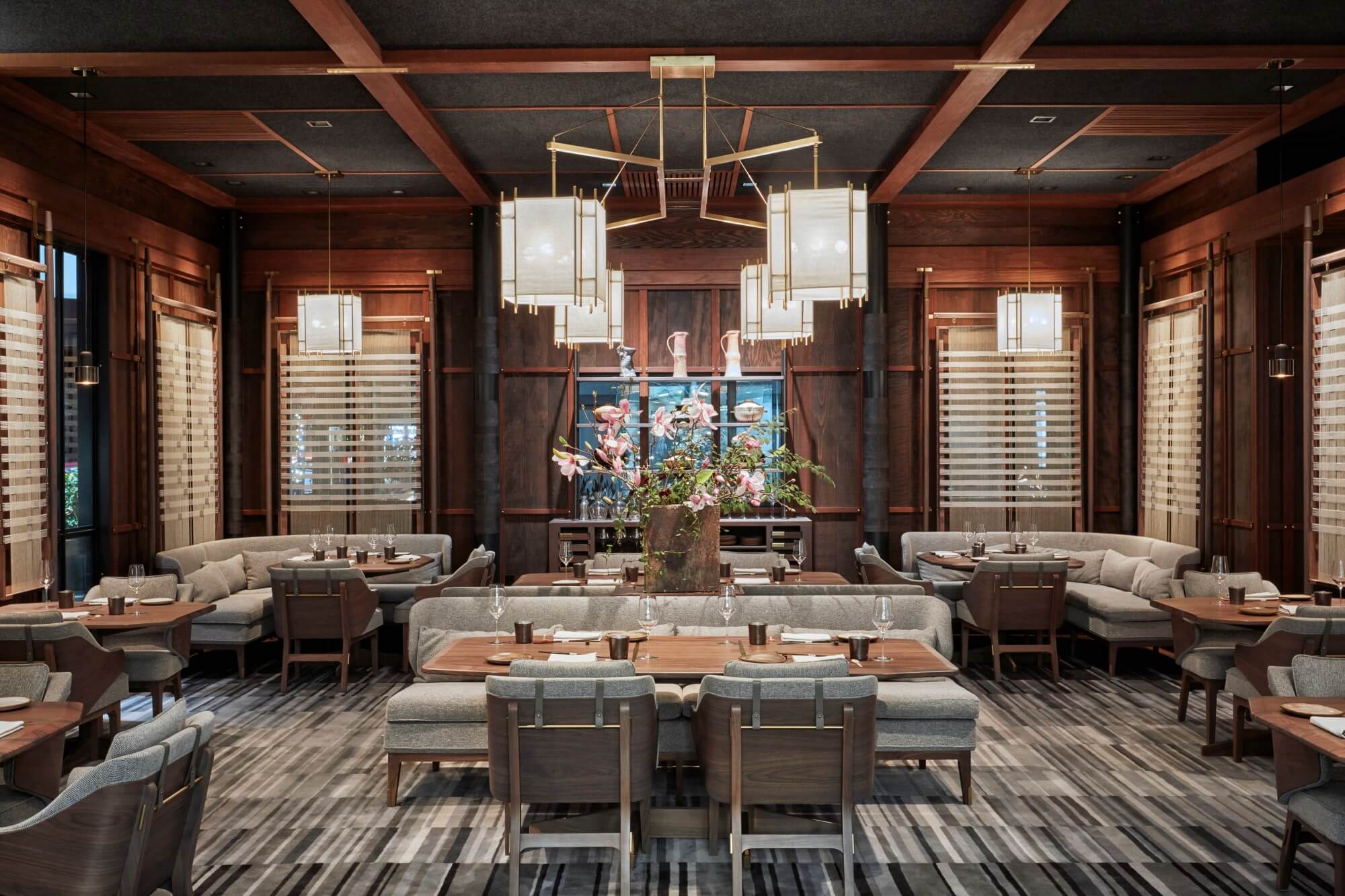
Japanese-influenced Californian Kaiseki
Single Thread Farm
Healdsburg, United States
★★★ · 50 Best
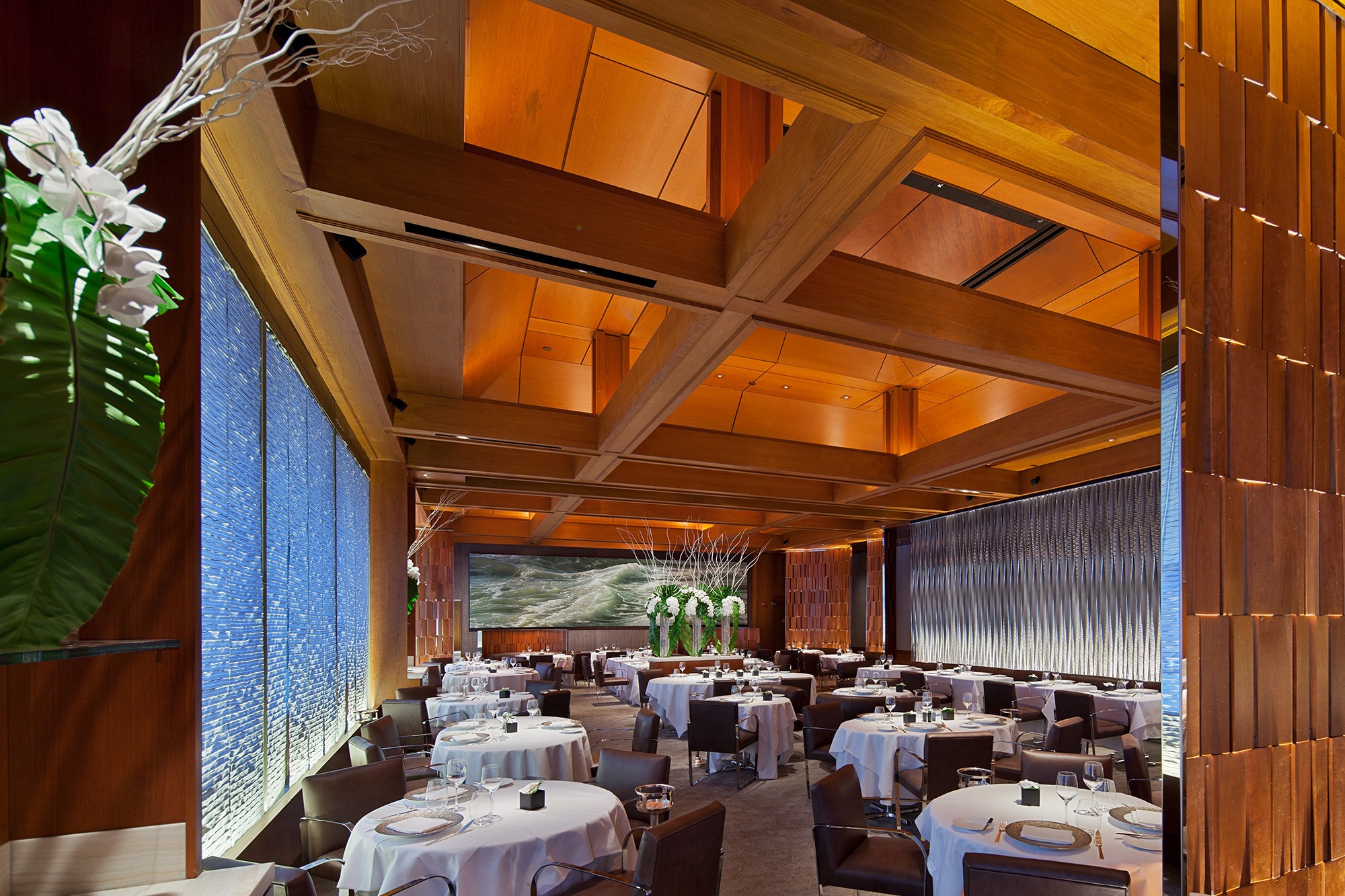
French Seafood Fine Dining
Le Bernardin
New York City, United States
★★★ · 50 Best
Modern Korean Tasting Menu
Atomix
New York City, United States
★★ · 50 Best
French
Sézanne
Tokyo, Japan
★★★ · 50 Best
Modern Seafood Fine Dining
Providence
Los Angeles, United States
★★★ · 50 Best
Contemporary Plant-Based Fine Dining
Eleven Madison Park
New York City, United States
★★★ · 50 Best