Palégrié Restaurant
In Residence
Guillaume Monjuré
Chef
- 01CuisineMediterranean-inspired
- 02CityCorrençon-en-Vercors, France
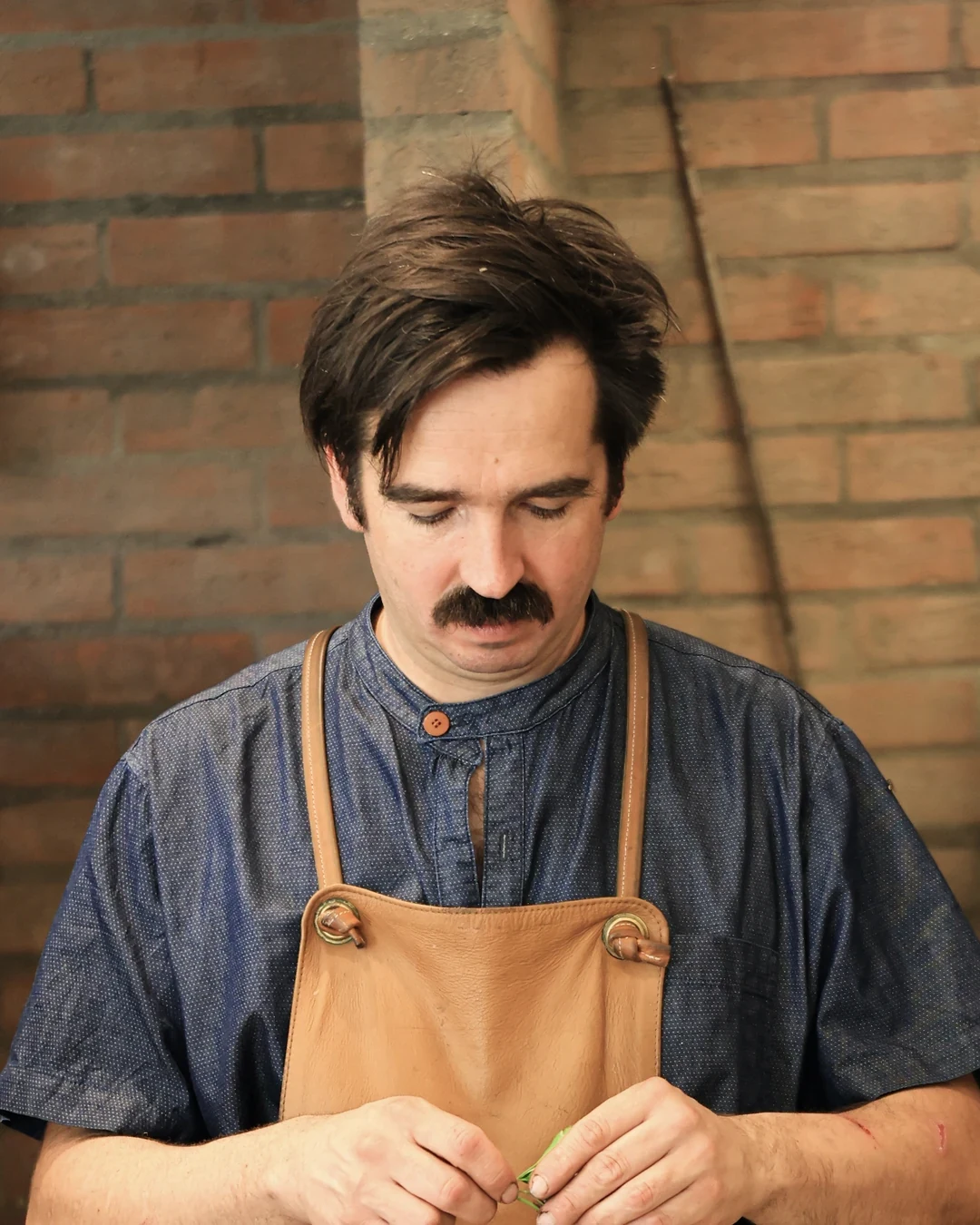
Guillaume Monjuré cooks as Chef at Palégrié Restaurant in Corrençon-en-Vercors, using Vercors produce, game, and wood fire there.
- Opinionated About Dining Top Restaurants in Europe Recommended · 2026
Wood fire as the station
The embers set the pace for Guillaume Monjuré, Chef at Palégrié Restaurant in Corrençon-en-Vercors, where the cooking listens before it moves. He has made the Vercors the center of his language, first at Palégrié in Corrençon-en-Vercors, where he earned one MICHELIN star in 2017, and now through the later red and green recognition given to his work at Palégrié Chez l’Henri in Autrans-Méaudre en Vercors in 2025. The line is not a straight biography so much as a narrowing of attention: mountain products, game, the markets of the South, the discipline of flame.
Before that station took shape, Monjuré passed through kitchens where precision was not optional. At Jamin in Paris, pastry gave him early professional contact with measure and finish. At Olivier Roellinger in Cancale, he worked as chef de partie in the garde-manger kitchen, a place of cold preparations, seasoning, cutting and restraint. He speaks of the pull toward cooking as something older than employment: breeding, gardening, foraging, hunting, fishing and southern markets were part of his environment, and from the age of 11 he wanted to cook. At Palégrié, that childhood fieldwork returns as method rather than memory.
No timer on the embers
The restaurant’s most defining constraint is plain: the cooking is done exclusively with wood, without gas or electricity. That choice changes the kitchen’s grammar. Heat is not dialed in; Monjuré and the hands around him read the embers, move pans, wait, turn, taste, and accept that timing belongs partly to the fire. “We have no timer. It is slow cooking, based on listening to and observing the embers. It creates a unique atmosphere, where cooking becomes almost a performance.”
The supply line stays close to the Vercors and Quatre-Montagnes, then stretches when the menu asks for it, as far as the Mediterranean. The cooking is not regional by restriction. It is regional by pressure, with ingredients made to carry the landscape without becoming a postcard. Game has a clear place in the repertoire: hare, wild boar, roe deer and pheasant. One dish gathers the register tightly, omble chevalier, ikéjémé, with a meunière of trout eggs, pollen and edible flowers. The plate works from water, field and flower, then returns to the pass by fire.
The room close to the kitchen
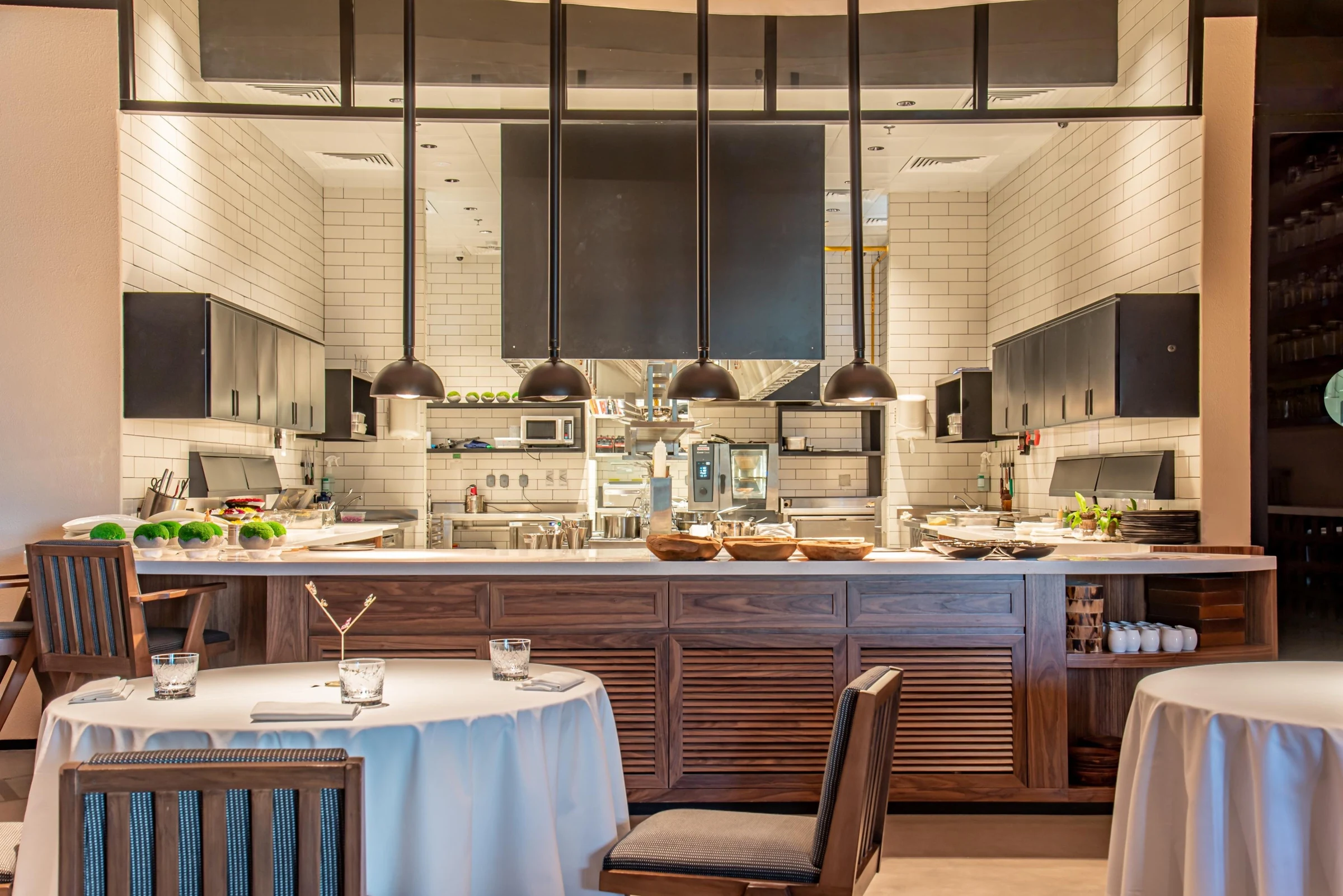
The room at 66 Rue de la Tour keeps the work near the guest. Accounts of the place return to its intimacy, to a feeling of eating close to the kitchen, to a tree-trunk table and tableware chosen as part of the meal rather than as decoration. In that setting, the pass does not disappear behind ceremony. It breathes into the room.
Monjuré has described the restaurant, with Chrystel Barnier, as a way of telling their story every evening. The phrase fits because the story is not delivered in speeches. It arrives through smoke, stock, flowers, eggs, fish, furred and feathered game, and the patience required when a kitchen gives up the timer. At Palégrié, it is still omble chevalier, ikéjémé.
Questions
Frequently asked
Who cooks at Palégrié Restaurant?
Guillaume Monjuré is the chef at Palégrié Restaurant. He has made the Vercors central to his cooking.
What kind of cooking does Palégrié Restaurant do?
The cooking is Mediterranean-inspired and is done exclusively with wood, without gas or electricity. Monjuré reads the embers rather than using a timer, so the work is shaped by slow cooking and observation.
What ingredients does the kitchen use?
Palégrié Restaurant works with Vercors produce, game, and ingredients that can stretch as far as the Mediterranean. The repertoire includes hare, wild boar, roe deer, and pheasant.
Has Palégrié Restaurant received any recognition?
The earlier Palégrié in Corrençon-en-Vercors earned one MICHELIN star in 2017. The work later received red and green recognition at Palégrié Chez l’Henri in Autrans-Méaudre en Vercors in 2025.
The field
How it compares
| Place | Cuisine | Awards | Notes |
|---|---|---|---|
| Palégrié Restaurant | Mediterranean-inspired | · | · |
| Coque | Modern Spanish Fine Dining | Michelin 2 Stars | Madrid |
| Mirazur | Modern French Fine Dining | Michelin 3 Stars, World's 50 Best | Menton |
| Ta Vie | Modern French-Japanese Fine Dining | Michelin 3 Stars, World's 50 Best | Hong Kong |
| The Fat Duck | Modern British Molecular Gastronomy | Michelin 3 Stars, World's 50 Best | Bray |
| Trèsind Studio | Modern Indian Fine Dining | Michelin 3 Stars, World's 50 Best | Dubai |
| Ynyshir Hall | Omakase | Michelin 2 Stars | Machynlleth |
In residence
Similar places
Modern Spanish Fine Dining
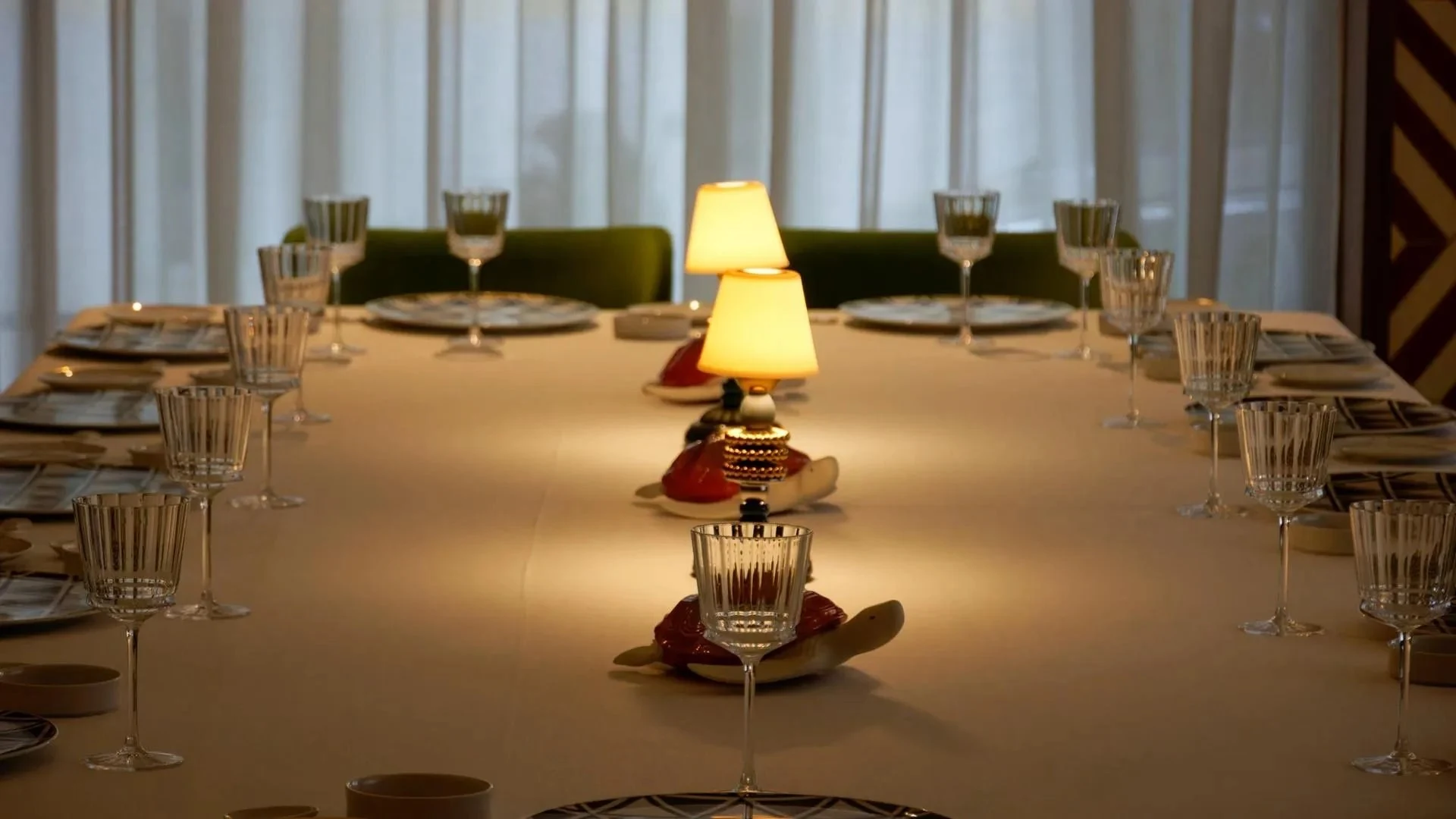
Coque
Madrid, Spain
★★
Modern French Fine Dining
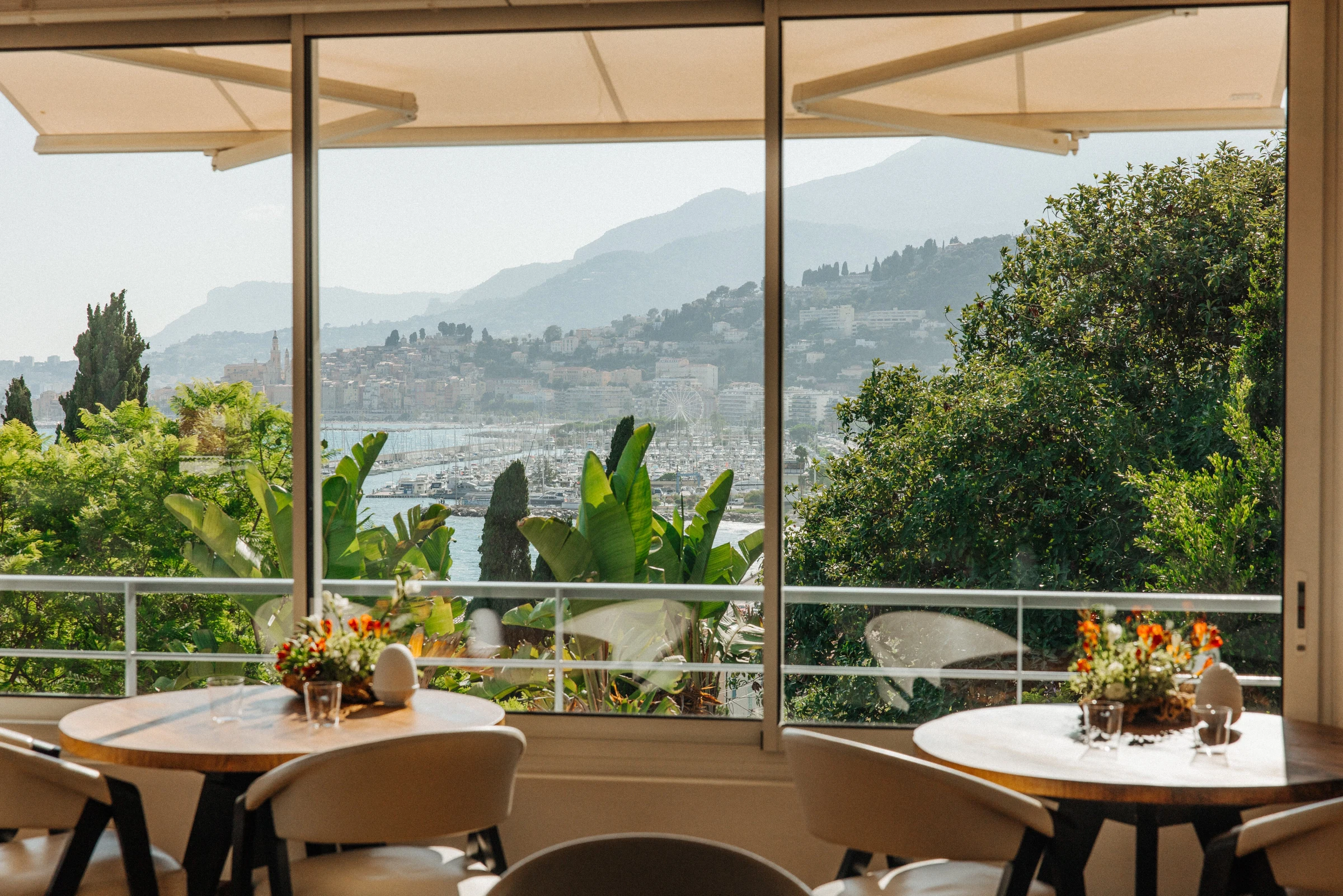
Mirazur
Menton, France
★★★ · 50 Best
Modern French-Japanese Fine Dining
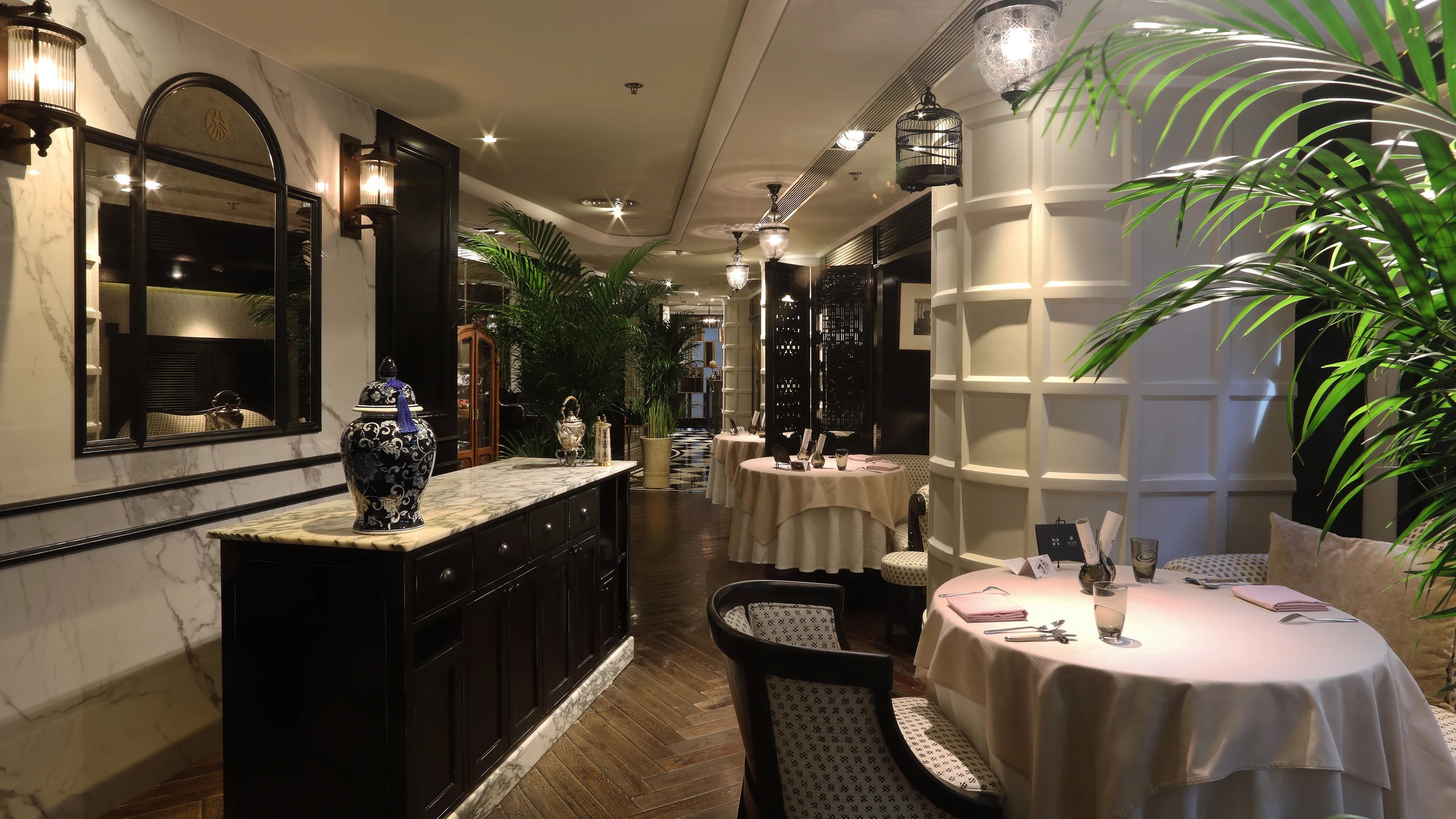
Ta Vie
Hong Kong, Hong Kong
★★★ · 50 Best
Modern British Molecular Gastronomy
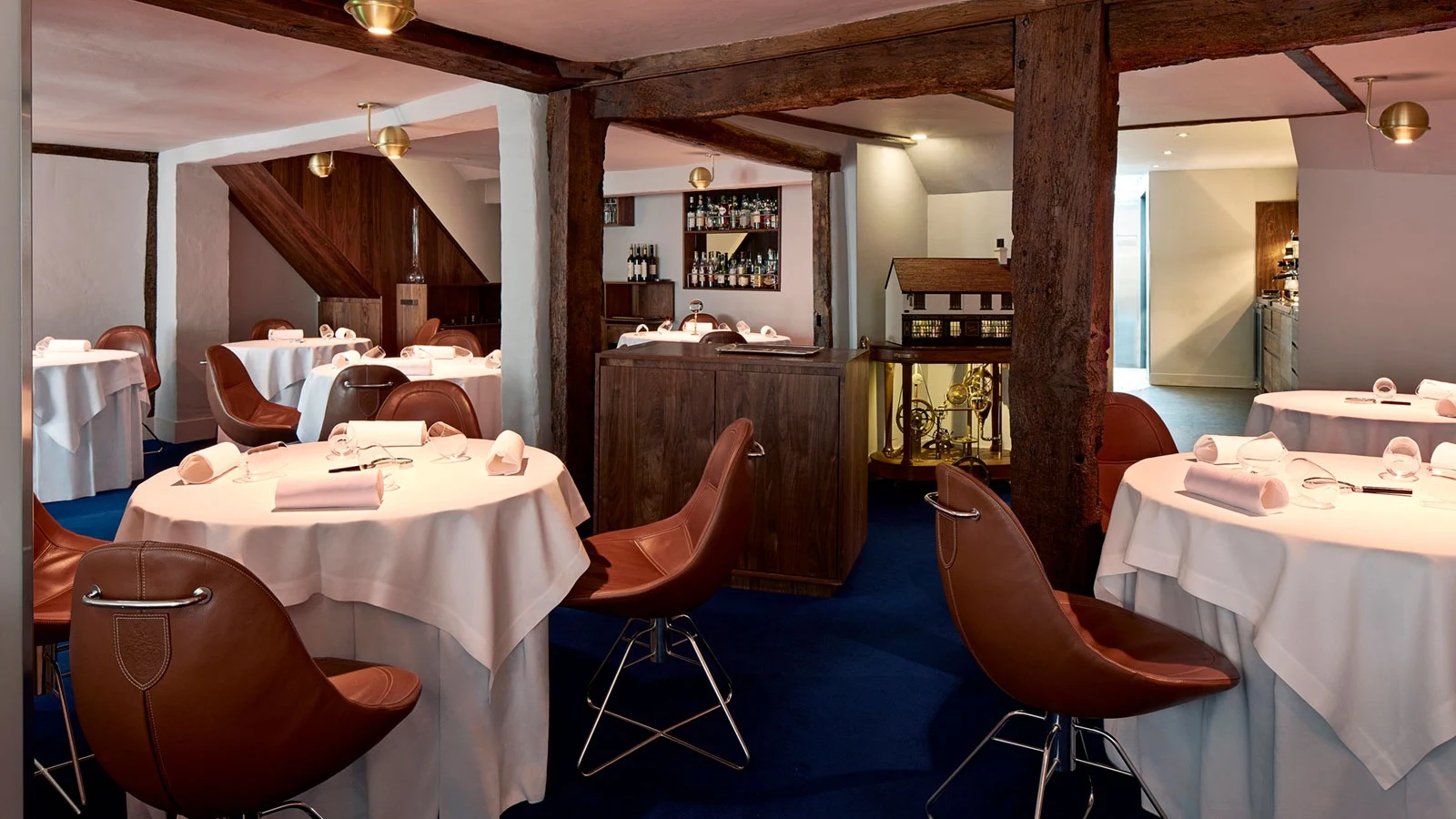
The Fat Duck
Bray, United Kingdom
★★★ · 50 Best
Modern Indian Fine Dining
Trèsind Studio
Dubai, United Arab Emirates
★★★ · 50 Best
Omakase
Ynyshir Hall
Machynlleth, United Kingdom
★★