Chef in Residence
Antonio Carlos Martinez
Winemaker

Palenque El Conejo operates in Santa Catarina Minas, the Oaxacan village that has become a reference point for ancestral mezcal production. The palenque holds a 2025 Pearl 2 Star Prestige award, placing it among a select tier of recognized producers in a region where craft distillation is a multi-generational practice rather than a modern revival.
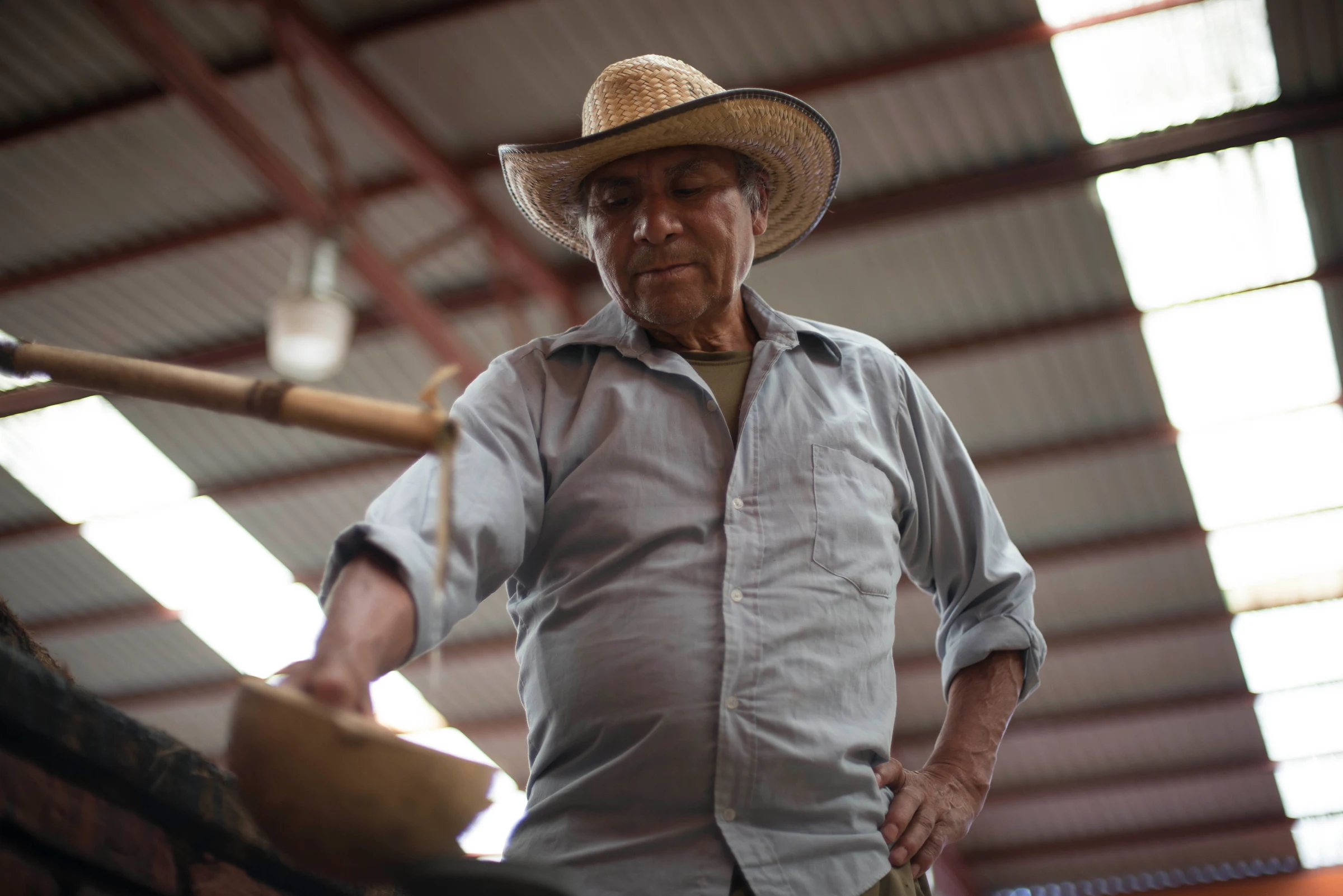
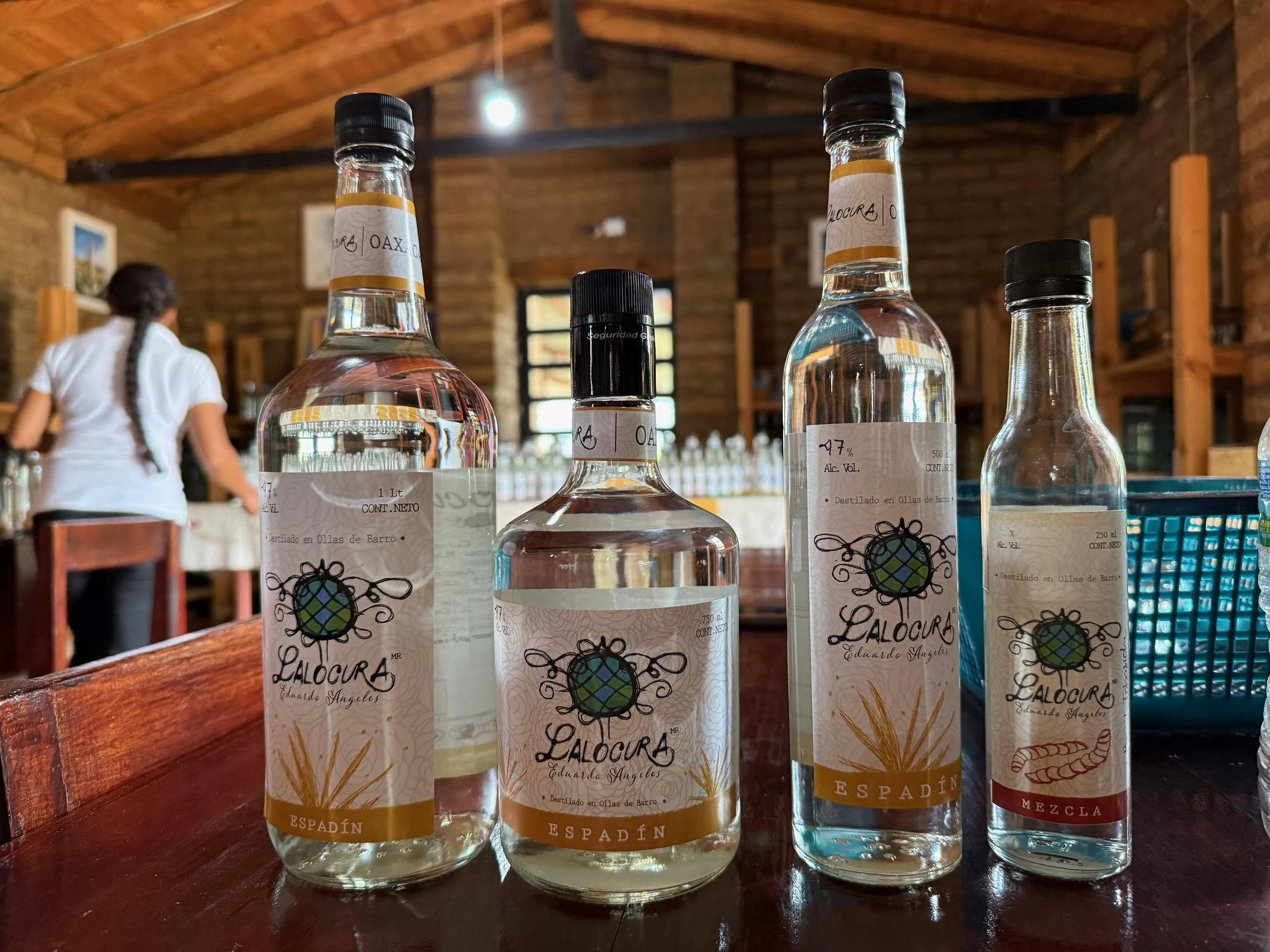
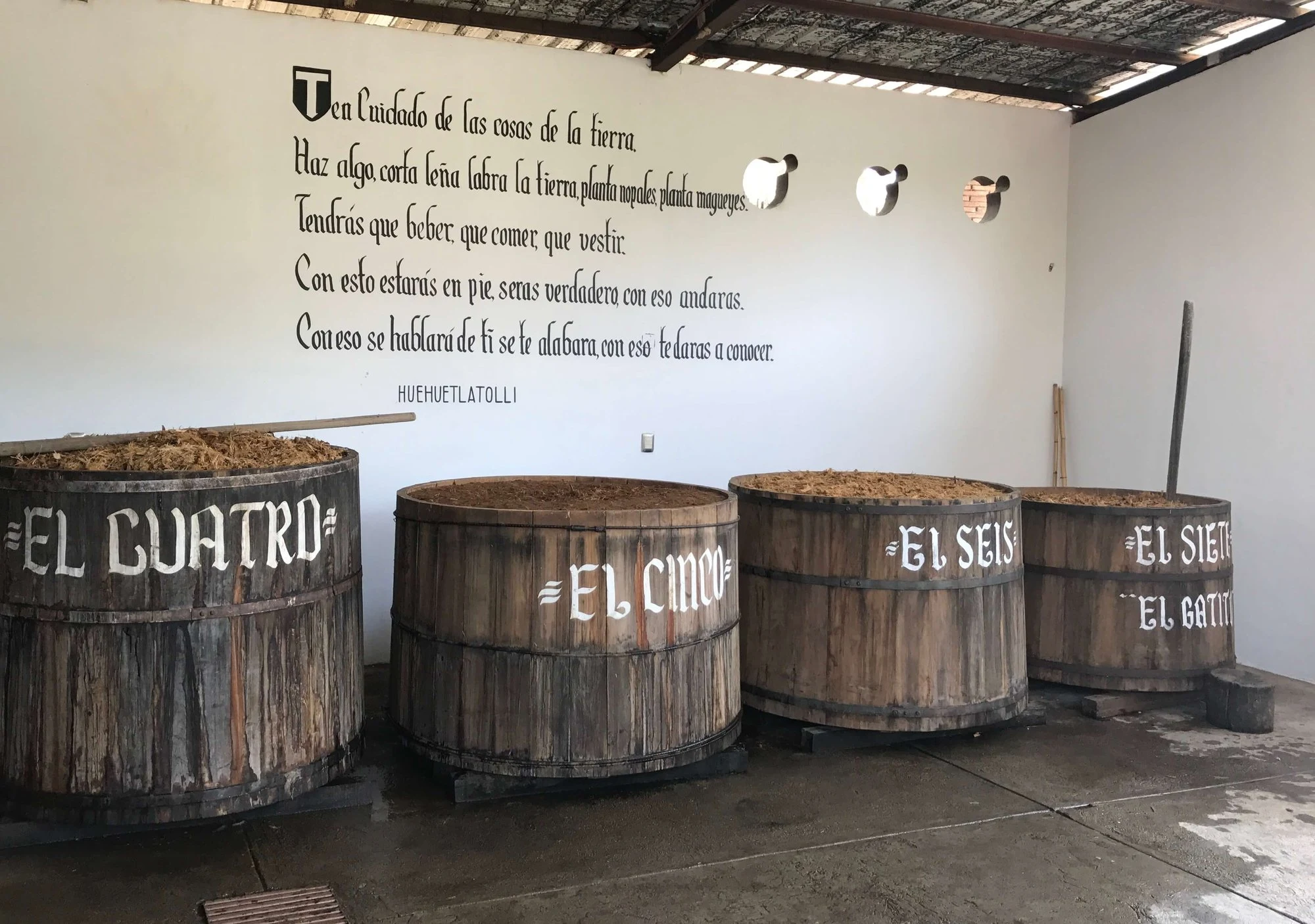
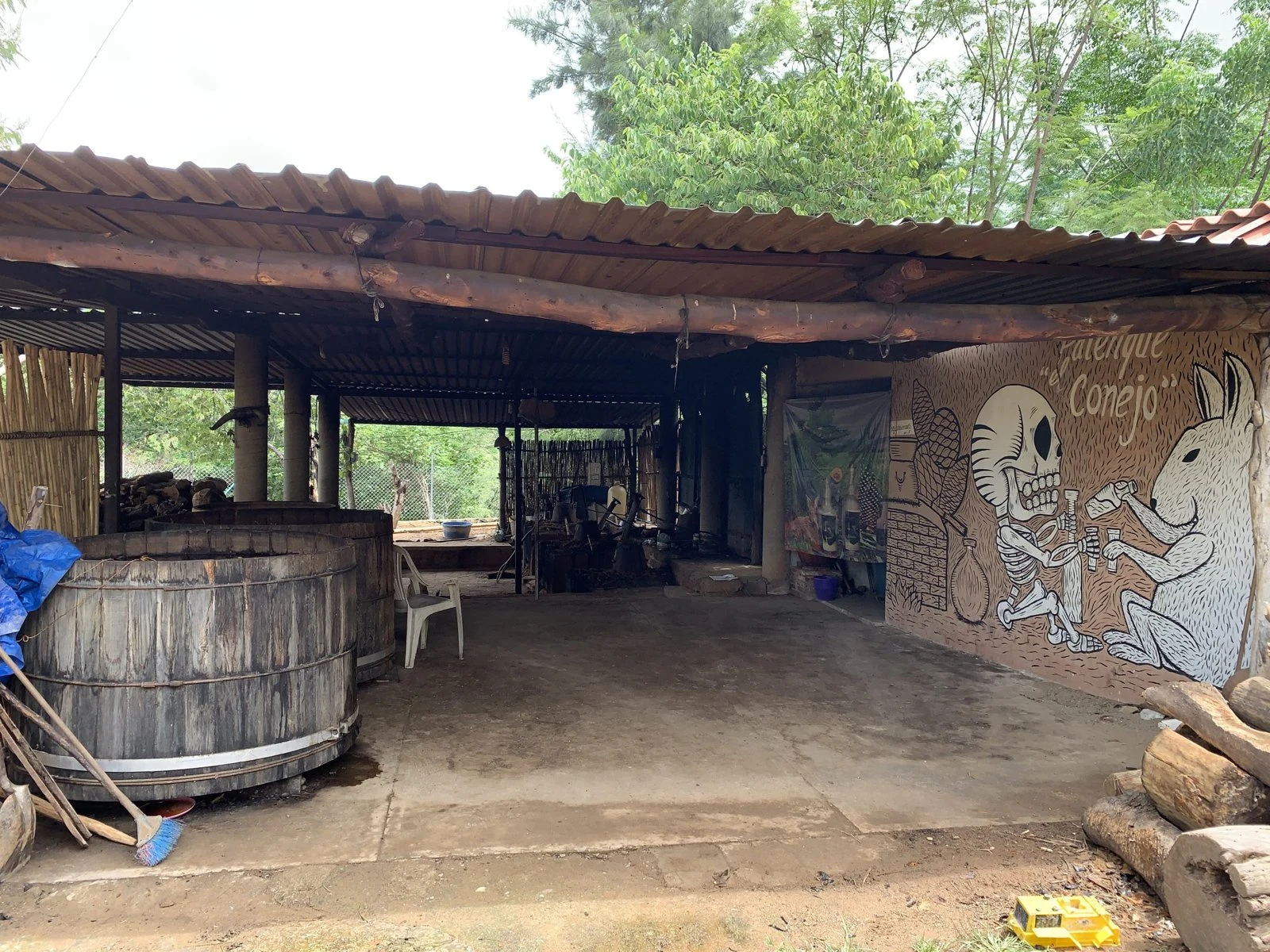
<h2>A Village Where the Still Comes Before the Label</h2><p>Santa Catarina Minas sits in the Central Valleys of Oaxaca at an elevation that moderates the heat and shapes how agave ripens across the hillsides above the village. Arriving here, the sensory register shifts almost immediately: woodsmoke hangs low in the dry season air, the faint mineral sharpness of fermented agave drifts from open-air production spaces, and the pace slows to match the rhythms of a community whose identity is inseparable from mezcal. This is not a distillery district that grew up around tourism. It is a place where production came first, and visitors arrived later, often decades later.</p><p>Within that context, Palenque El Conejo holds a specific position. The 2025 Pearl 2 Star Prestige award places it among recognized producers in the region. That award matters not as a marketing credential but as a locating signal: it tells you where in the competitive hierarchy of Oaxacan mezcal this palenque sits, and it frames what kind of visit to expect.</p><h2>What a Palenque Visit Actually Looks Like in Santa Catarina Minas</h2><p>The format that defines ancestral mezcal production in Santa Catarina Minas has no equivalent in Scotland, Cognac, or the Jalisco highlands. A palenque is a working production site, not a purpose-built visitor center. The roasting pit, the tahona stone, the wooden fermentation vats, and the clay or copper stills are functional equipment first. When you visit, you are reading the production process from its physical evidence: the char on the pit stones, the residue on the fermentation vessels, the smell of the still during a run.</p><p>This format rewards visitors who arrive with some prior knowledge of agave spirits. The differences between a clay-pot still and a copper alembic are legible to the eye once you know what you are looking at, and in Minas, those distinctions carry real flavor implications. Producers in this village have historically favored the ancestral clay-pot method, which operates at lower pressures and yields a mezcal with a different textural weight than the copper-distilled versions more common elsewhere in Oaxaca. The village's historical alignment with that method sets the baseline expectation for any producer operating here.</p><p>Santa Catarina Minas is not large. The village can be walked in under an hour, and the proximity of producers to one another makes it possible to visit several palenques in a single day. That proximity is also a form of context: you begin to read differences between producers not in the abstract but through direct comparison, tasting the same agave species transformed by different hands, different timing, and different still configurations. For the serious agave traveler, Minas offers that kind of granular education more efficiently than almost anywhere else in Mexico.</p><h2>Minas Inside the Broader Oaxacan Mezcal Map</h2><p>To understand Palenque El Conejo's position, it helps to map Oaxacan mezcal production at the village level rather than the regional level. Santiago Matatlán, roughly an hour east, operates at a much higher commercial volume and includes producers like <a href="https://www.enprimeurclub.com/wineries/los-danzantes-santiago-matatlan-winery">Los Danzantes in Santiago Matatlán</a>, where infrastructure and visitor programming are more formalized. Tlacolula de Matamoros, home to <a href="https://www.enprimeurclub.com/wineries/el-rey-de-matatlan-tlacolula-de-matamoros-winery">El Rey de Matatlán</a>, sits on the main highway corridor and captures a different traveler profile. Santa Catarina Minas operates at smaller scale and lower visibility, which is precisely why producers here tend to attract buyers and visitors with a higher baseline of category knowledge.</p><p>Within Minas itself, the comparable set is notable. <a href="https://www.enprimeurclub.com/wineries/real-minero-santa-catarina-minas-winery">Real Minero</a> has built international recognition over years of consistent production and is among the most cited ancestral producers in the global mezcal conversation. <a href="https://www.enprimeurclub.com/wineries/lalocura-santa-catarina-minas-winery">Lalocura</a> draws serious collectors for its agave-forward expressions and limited availability. <a href="https://www.enprimeurclub.com/wineries/don-amado-arellanes-family-santa-catarina-minas-winery">Don Amado (Arellanes family)</a> represents another long-established presence with a distinct house style. Palenque El Conejo earns its 2025 Pearl 2 Star Prestige recognition within that competitive local context, which is a more demanding benchmark than award recognition in a lower-density production zone would be.</p><p>For travelers building a Oaxaca spirits itinerary that extends beyond the valley, comparison with producers in other Mexican traditions adds useful calibration. The industrial scale of <a href="https://www.enprimeurclub.com/wineries/jose-cuervo-la-rojena-tequila-winery">Jose Cuervo (La Rojeña) in Tequila</a> or the heritage estate format of <a href="https://www.enprimeurclub.com/wineries/casa-herradura-hacienda-san-jose-del-refugio-amatitan-winery">Casa Herradura (Hacienda San José del Refugio) in Amatitán</a> illustrates how differently the distillery visit format is organized when volume and tourism infrastructure are prioritized. The palenque model in Minas operates at the opposite pole: small, production-integrated, and navigated by personal introduction as much as formal booking. The <a href="https://www.enprimeurclub.com/wineries/cazadores-distillery-arandas-winery">Cazadores Distillery in Arandas</a> and <a href="https://www.enprimeurclub.com/wineries/el-pandillo-g4-jesus-maria-winery">El Pandillo (G4) in Jesús María</a> offer further reference points for the formalized Highland tequila visitor experience, clarifying by contrast what the Minas palenque format is not. The <a href="https://www.enprimeurclub.com/wineries/banhez-upadec-cooperative-san-miguel-ejutla-winery">Banhez (UPADEC cooperative) in San Miguel Ejutla</a> and <a href="https://www.enprimeurclub.com/wineries/casa-cortes-la-soledad-palenque-la-compania-ejutla-winery">Casa Cortés – La Soledad Palenque in La Compañía (Ejutla)</a> sit closer in production philosophy and geographic proximity, operating within the same ancestral agave spirits tradition of the Central Valleys. And for travelers who appreciate how radically different single-malt Scotch whisky production, as seen at <a href="https://www.enprimeurclub.com/wineries/aberlour-aberlour-winery">Aberlour in Aberlour</a>, is from open-air agave distillation, the visit to Minas acquires an additional frame of reference. <a href="https://www.enprimeurclub.com/wineries/la-primavera-don-julio-atotonilco-el-alto-winery">La Primavera (Don Julio) in Atotonilco El Alto</a> similarly illustrates how modern tequila brand tourism diverges from the ancestral palenque model.</p><h2>Planning a Visit to Santa Catarina Minas</h2><p>The village of Santa Catarina Minas sits in Oaxaca state, roughly an hour from Oaxaca City by road through the Central Valleys. Arrival in person or an introduction through the local mezcal community is often how visits are arranged. Travelers who have done advance research, contacted mezcal specialist guides in Oaxaca City, or connected with importers who work directly with Minas producers will find access easier than those who arrive cold. The dry months, roughly November through April, are the most comfortable for valley travel, though production schedules follow the agave harvest rather than tourist seasons.</p><hr></hr>
Palenque El Conejo has received recognition including: Pearl 2 Star Prestige (2025).
Palenque El Conejo is located at Santa catarina minas, 71534 Oaxaca de Juárez, Oax., Santa Catarina Minas.
Palenque El Conejo is not a wine producer. It operates as a mezcal palenque in Santa Catarina Minas, one of the Central Valley villages most closely associated with ancestral-category production in Oaxaca. Its 2025 Pearl 2 Star Prestige recognition places it among the producers shaping how serious spirits drinkers approach the village.
Palenque El Conejo works within the ancestral mezcal category, a production method defined by clay-pot distillation and pre-industrial techniques that sets Santa Catarina Minas apart from higher-volume mezcal towns like Santiago Matatlán. The 2025 Pearl 2 Star Prestige award signals that what happens here meets a bar that most village palenques in Oaxaca do not.
No phone number or booking website appears in current records for Palenque El Conejo, which is consistent with how smaller palenques in Santa Catarina Minas operate. Visiting typically means arriving in the village and making contact on the ground, often through local guides or mezcal-focused tour operators based in Oaxaca City, roughly an hour away by road.
The 2025 Pearl 2 Star Prestige award places Palenque El Conejo in a tier that recognises producers meeting a defined standard of craft and provenance within the mezcal category. Santa Catarina Minas, where the palenque operates, is one of the few Oaxacan villages where ancestral production methods, including clay-pot distillation, have remained the norm rather than the exception, which gives the recognition additional context about what is being judged.
Santa catarina minas, 71534 Oaxaca de Juárez, Oax.
Santa Catarina Minas