Made ByRestaurant
Pang Mei Noodles (Xiang'er Hutong)
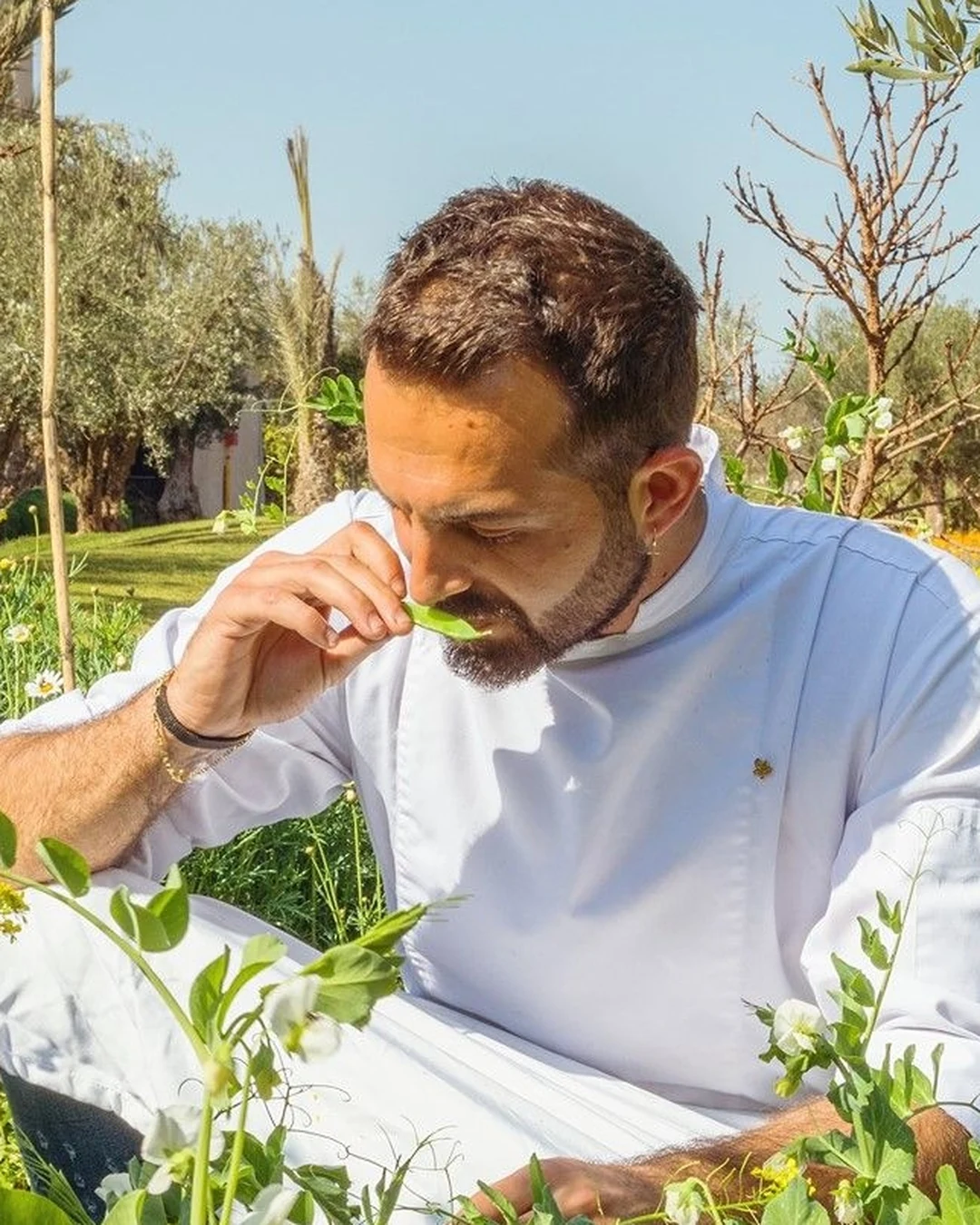
Chef in Residence
Alexandre Thomas
Chef
- 01CuisineChongqing-Style Spicy Noodles
- 02CityBeijing, China
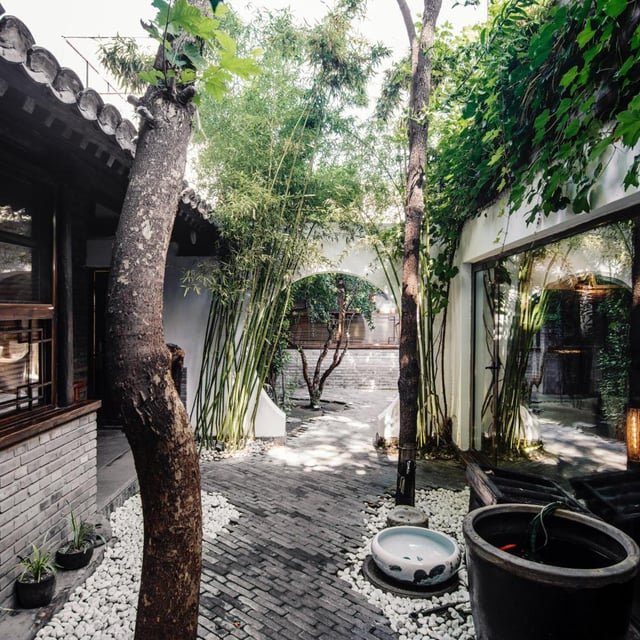
A Bib Gourmand-recognised noodle shop tucked inside Xiang'er Hutong, Pang Mei Noodles earns consecutive Michelin recognition (2024 and 2025) at a price point that keeps it genuinely accessible. The kitchen operates under Alexandre Thomas in Dongcheng's historic hutong belt, making it one of Beijing's more considered addresses for hand-pulled or braised noodle formats at a single-yuan price tier.
- Michelin Bib Gourmand
At a glance
- Cuisine
- Chongqing-Style Spicy Noodles
- Price
- $$
- Per person
- $8
- Hours
- Mon: 10:30 AM–10 PM; Tue: 10:30 AM–10 PM; Wed: 10:30 AM–10 PM; Thu: 10:30 AM–10 PM; Fri: 10:30 AM–10 PM; Sat: 10:30 AM–10 PM; Sun: 10:30 AM–10 PM
- Neighborhood
- Dongcheng
- Rating
- 4.4 (5)
<h2>Inside the Hutong Noodle Circuit: What Pang Mei Represents</h2><p>Beijing's hutong dining scene has split into two fairly distinct tiers over the past decade. On one side sit the higher-ticket courtyard restaurants converting grey-brick lanes into atmospheric theatre for Taizhou seafood or Chao Zhou preparations, venues like <a href="https://www.enprimeurclub.com/restaurants/xin-rong-ji-xinyuan-south-road-beijing-restaurant">Xin Rong Ji (Xinyuan South Road)</a> and <a href="https://www.enprimeurclub.com/restaurants/chao-shang-chao-chaoyang-beijing-restaurant">Chao Shang Chao (Chaoyang)</a> occupy the ¥¥¥¥ bracket and price accordingly. On the other, a smaller cluster of recognised specialists holds the ¥ tier: noodle shops, zhajiangmian counters, and grain-forward kitchens that earn Michelin attention not despite their price but partly because of how seriously they treat inexpensive format. Pang Mei Noodles at Xiang'er Hutong belongs firmly to the second group, and back-to-back Bib Gourmand recognition in 2024 and 2025 confirms that the guide's inspectors have taken notice more than once.</p><p>The Bib Gourmand designation is worth clarifying for anyone unfamiliar with how Michelin structures its Beijing coverage. It is not a star rating. It signals something more specific: exceptional cooking at a price the guide considers accessible, currently benchmarked around ¥200 or below per person in most Chinese cities. For a noodle shop operating at ¥ price range, back-to-back Bib Gourmand listings place Pang Mei in a narrow comparable set of addresses that Michelin has found consistent enough to return to. Consistency at the ¥ tier is, in practice, harder to maintain than it sounds, ingredient sourcing, preparation discipline, and queue management all compound at low margins.</p><h2>Approaching Xiang'er Hutong: What the Setting Signals</h2><p>Xiang'er Hutong is a residential lane inside Dongcheng's historic core, a district that still carries the administrative and cultural weight of old Beijing. The address, Dongcheng, with a 100009 postcode, places it within walking distance of Beixinqiao and Zhangzizhong Road metro lines, though the final stretch through the hutong itself will be on foot or by bicycle. The lanes around Dongsi are narrow enough that ride-hailing apps regularly drop passengers at the hutong entrance rather than the door. Arriving mid-morning or just before a meal peak is the more practical approach; queueing in a covered lane in winter or summer extremes is part of the deal at venues operating at this scale and price point.</p><p>The physical context matters because it directly shapes the dining format. Hutong kitchens at the ¥ tier do not typically run reservations systems or formal booking infrastructure. The experience is walk-in, queue-driven, and calibrated for speed. That is not a limitation, it is the genre. Noodle formats across China, from the hand-pulled lamian traditions of Lanzhou to the sesame-paste belt of Beijing, have always operated closer to a canteen rhythm than a seated-service model. Understanding that before arriving removes friction and aligns expectations correctly.</p><h2>The Booking Experience: Planning Around a Walk-In Format</h2><p>The editorial angle that matters most for a venue like Pang Mei is logistical: how does a traveller actually secure a meal here, and what does the planning require? The answer is different from most Michelin-recognised addresses in Beijing's dining circuit. At the ¥¥¥¥ restaurants, <a href="https://www.enprimeurclub.com/restaurants/lamdre-beijing-restaurant">Lamdre</a> or <a href="https://www.enprimeurclub.com/restaurants/xin-rong-ji-xinyuan-south-road-beijing-restaurant">Xin Rong Ji</a>, for instance, the booking process typically involves WeChat-based reservation systems, specific lead times, and in some cases pre-payment or tasting menu commitment. At Pang Mei, the planning challenge inverts: there is no booking to make, which means the variable is queue timing rather than calendar availability.</p><p>Google reviews data (4.4 average across 5 reviews) is consistent for a noodle specialist operating at this price point but represents a relatively small sample, a signal that the venue draws a focused rather than mass-tourism crowd. That profile suggests it has not yet entered the heavy tour-group circuit that affects some of Beijing's more flagged addresses. The practical implication: arriving at non-peak hours (late morning before the noon rush, or mid-afternoon) is likely to reduce wait time without requiring any advance planning infrastructure. Walk-ins are the expected format, and the restaurant is open daily from 10:30 AM to 10 PM. Checking the venue's current status through local aggregators like Dianping before visiting is the most reliable approach.</p><p>For visitors building a multi-stop day in Dongcheng, Pang Mei pairs naturally with the neighbourhood's broader hutong belt. The Dongsi area running north from Chaoyangmen has one of the denser concentrations of historic lane architecture in the capital, and a noodle lunch here can anchor an afternoon of neighbourhood walking without requiring any particular itinerary commitment. That flexibility is part of what the ¥ tier offers, low friction, high repeatability, no sunk cost if logistics shift. Compare that model to the more tightly choreographed experience at formal dinner counters like those covered in our full Beijing restaurants guide.</p><h2>Alexandre Thomas and the French-Name Anomaly</h2><p>The kitchen is listed under chef Alexandre Thomas, a French name at a Beijing noodle shop, which invites a practical note rather than a biographical arc. The presence of non-Chinese operators in Beijing's lower-cost, high-craft noodle sector is not entirely new, the city's food scene has absorbed international ownership and partnership structures at various price points, and Michelin's Bib Gourmand programmes in Asian cities have occasionally recognised venues where Western operators have pursued Chinese format specialisation seriously. What the Michelin panel confirms is that the output is credible on its own culinary terms, not that the operator background is the editorial story. The 2024 and 2025 awards are the record; the question of what that means for consistency belongs to the cooking, not the chef's passport.</p><p>For further context on noodle-focused Michelin recognition across the region, A Bing Bao Shan Mian in Hangzhou and A Kun Mian in Taichung represent the range of how noodle specialists earn and retain guide recognition at accessible price points across Greater China. The standard, in each case, is consistency of technique and ingredient handling rather than complexity of format.</p><h2>Placing Pang Mei in Beijing's Broader Dining Picture</h2><p>Beijing's Michelin-recognised dining pool now includes enough variety that a traveller can construct a coherent multi-day itinerary spanning price tiers without repetition. The ¥ noodle counter sits at one end; the courtyard fine-dining establishments sit at the other. Between them, addresses like <a href="https://www.enprimeurclub.com/restaurants/ladychai-beijing-restaurant">Ladychai</a> and hutong specialists such as <a href="https://www.enprimeurclub.com/restaurants/no-69-fangzhuanchang-zhajiangmian-fangzhuanchang-hutong-beijing-restaurant">No. 69 Fangzhuanchang Zhajiangmian</a> occupy their own distinct registers. For anyone building a Beijing food itinerary that covers the city's noodle and grain traditions specifically, Pang Mei is one of a short list of addresses with externally verified credentials in that category.</p><p>Visitors also combining Beijing with other Chinese cities can cross-reference the editorial record: <a href="https://www.enprimeurclub.com/restaurants/102-house-shanghai-restaurant">102 House in Shanghai</a>, <a href="https://www.enprimeurclub.com/restaurants/ru-yuan-hangzhou-restaurant">Ru Yuan in Hangzhou</a>, and <a href="https://www.enprimeurclub.com/restaurants/xin-rong-ji-chengdu-restaurant">Xin Rong Ji in Chengdu</a> each represent the regional poles of China's fine-dining circuit. Pang Mei occupies a different axis entirely, accessible, lunch-oriented, hutong-anchored, but sits within the same guide framework that covers those addresses. That cross-tier recognition is itself an editorial point worth registering: Michelin's Beijing programme now spans a price range wide enough that a single city visit can include both a ¥¥¥¥ dinner and a ¥ noodle lunch without the two experiences contradicting each other.</p><p></p><h2>Know Before You Go</h2><ul><li>Address: Xiang'er Hutong, Dongcheng District, Beijing (postcode 100009)</li><li>Price range: ¥ (accessible; Bib Gourmand threshold)</li><li>Awards: Michelin Bib Gourmand 2024 and 2025</li><li>Chef: Alexandre Thomas</li><li>Cuisine: Noodles</li><li>Booking: No confirmed reservation system; walk-in format likely</li><li>Hours: Mon-Sun 10:30 AM-10 PM</li><li>Getting there: Dongcheng district; nearest metro lines serve Beixinqiao and Zhangzizhong Road; hutong lanes require foot access from drop-off point</li><li>Leading timing: Off-peak hours recommended to reduce queue; lunch hours and weekend mornings likely busiest</li><li>Google rating: 4.4 (5 reviews)</li></ul>
Know before you go
- Dress code
- casual
- Reservations
- walk_in_friendly
- Parking
- street
- Groups
- Welcomed
- Children
- Welcomed
Frequently asked
Is Pang Mei Noodles (Xiang'er Hutong) good for families?
The ¥ price point makes Pang Mei one of the more accessible Michelin Bib Gourmand entries in Beijing for a group of any size. A noodle-format menu in a hutong setting is low-ceremony, which suits families with younger children better than most Dongcheng dining options at the same recognition tier. The walk-in format also removes the booking hurdle that can complicate family travel planning.
What's the vibe at Pang Mei Noodles (Xiang'er Hutong)?
Pang Mei sits inside a residential lane in Dongcheng's historic core, so the approach alone sets a neighbourhood-local tone rather than a tourist-facing one. The ¥ price bracket and noodle focus signal a counter or small-room format built around speed and repetition, not tableside theatre. Two consecutive Michelin Bib Gourmand awards (2024 and 2025) confirm the kitchen delivers at a consistent level without the formality that usually accompanies that kind of recognition.
What kind of recognition has Pang Mei Noodles (Xiang'er Hutong) received?
Pang Mei Noodles (Xiang'er Hutong) has received recognition including: Michelin Bib Gourmand (2025); Michelin Bib Gourmand (2024).
What dish is Pang Mei Noodles (Xiang'er Hutong) famous for?
What Michelin's Bib Gourmand designation does confirm, across both 2024 and 2025, is that the kitchen produces food worth a detour at a price that rarely exceeds casual Beijing standards. For specifics, the Xiang'er Hutong address in Dongcheng is the place to ask on arrival.
What price level is Pang Mei Noodles (Xiang'er Hutong)?
Pricing at Pang Mei Noodles (Xiang'er Hutong) is listed as ¥.
Address
China, Beijing, Dongcheng, 东四东四五条胡同 邮政编码: 100009
Dongcheng
How it compares
Pang Mei Noodles (Xiang'er Hutong)
- Cuisine
- Chongqing-Style Spicy Noodles
- Price
- $$
- Notes
- Dongsi
Jingyi (Liulichang East Street)
- Cuisine
- Hubei Cuisine
- Price
- $$
- Notes
- Dazhalan
- Cuisine
- Traditional Beijing Beef Noodles
- Price
- $
- Notes
- Gongrentiyuchang
- Cuisine
- Cantonese Claypot
- Price
- $$
- Notes
- Chaowai
Bad Ass Lamb Hot Pot (Maizidian West Street)
- Cuisine
- Lamb Hot Pot
- Price
- $$
- Notes
- Sanlitun
- Cuisine
- Traditional Northern Chinese (Beijing & Shandong)
- Price
- $$$
- Notes
- Dashanzi
In residence
Similar places
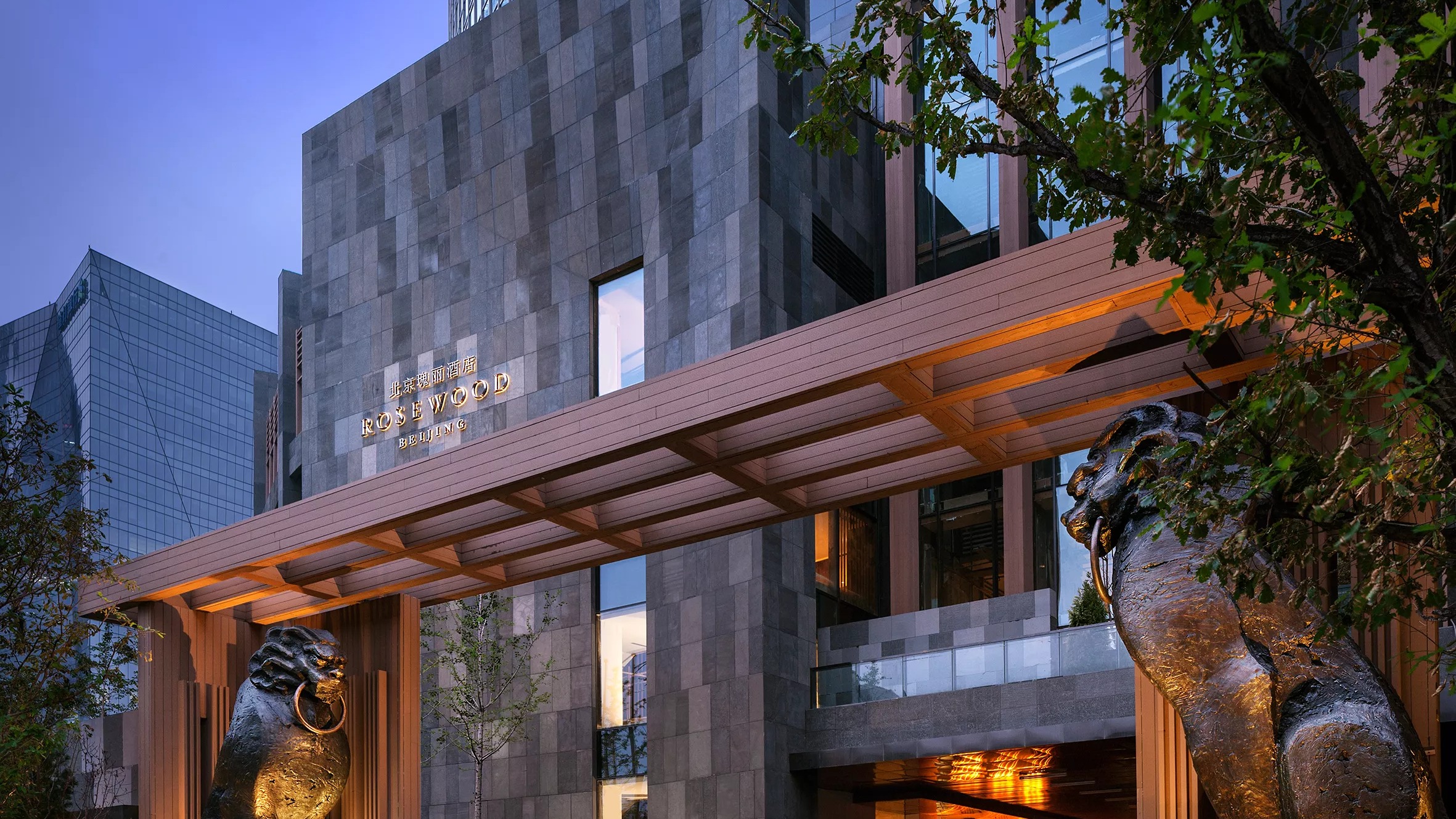
Modern Plant-Based Chinese Vegetarian
Lamdre
Beijing, China
★ · 50 Best
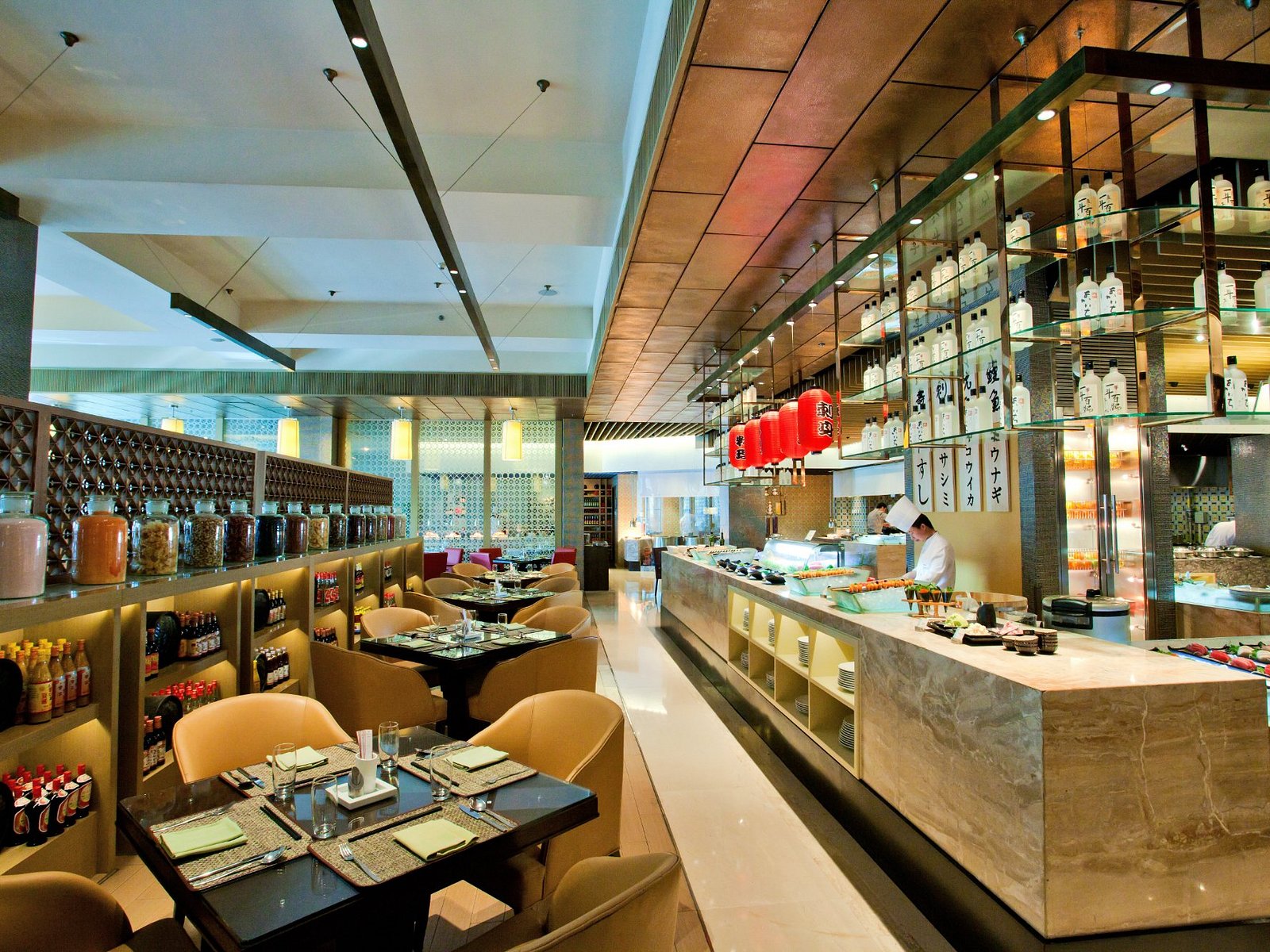
Modern Vegetarian Chinese Fine Dining
King's Joy
Beijing, China
★★
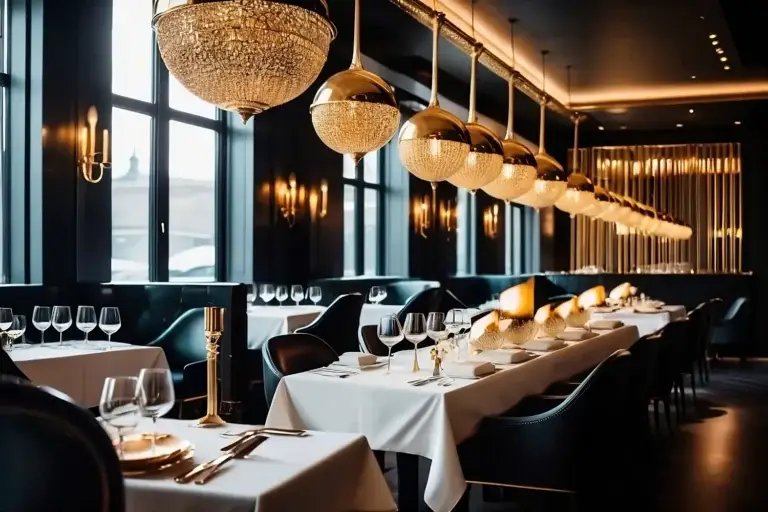
Modern Teochew (Chaoshan) Fine Dining
Chao Shang Chao (Chaoyang)
Beijing, China
★★★
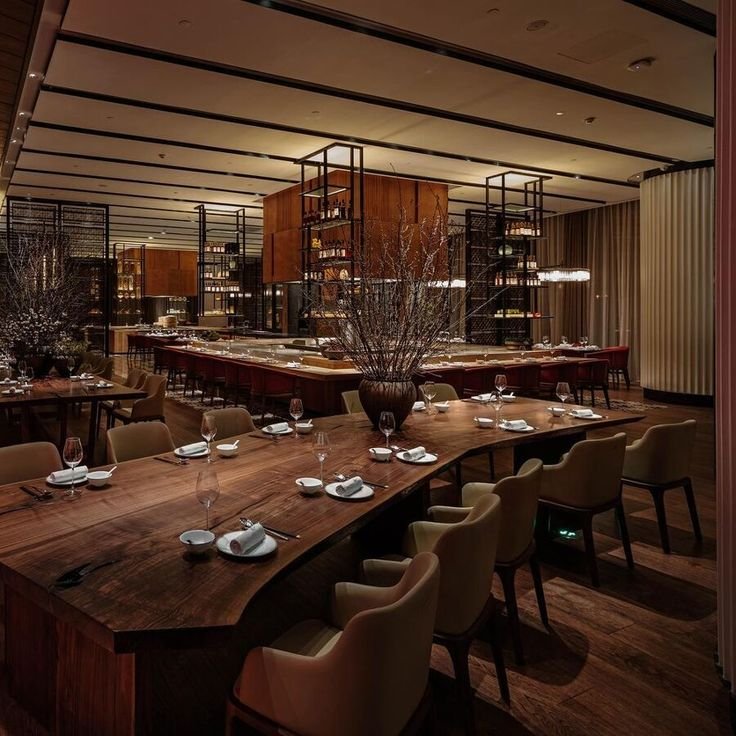
Chinese Seafood
Xin Rong Ji (Xinyuan South Road)
Beijing, China
★★★ · 50 Best
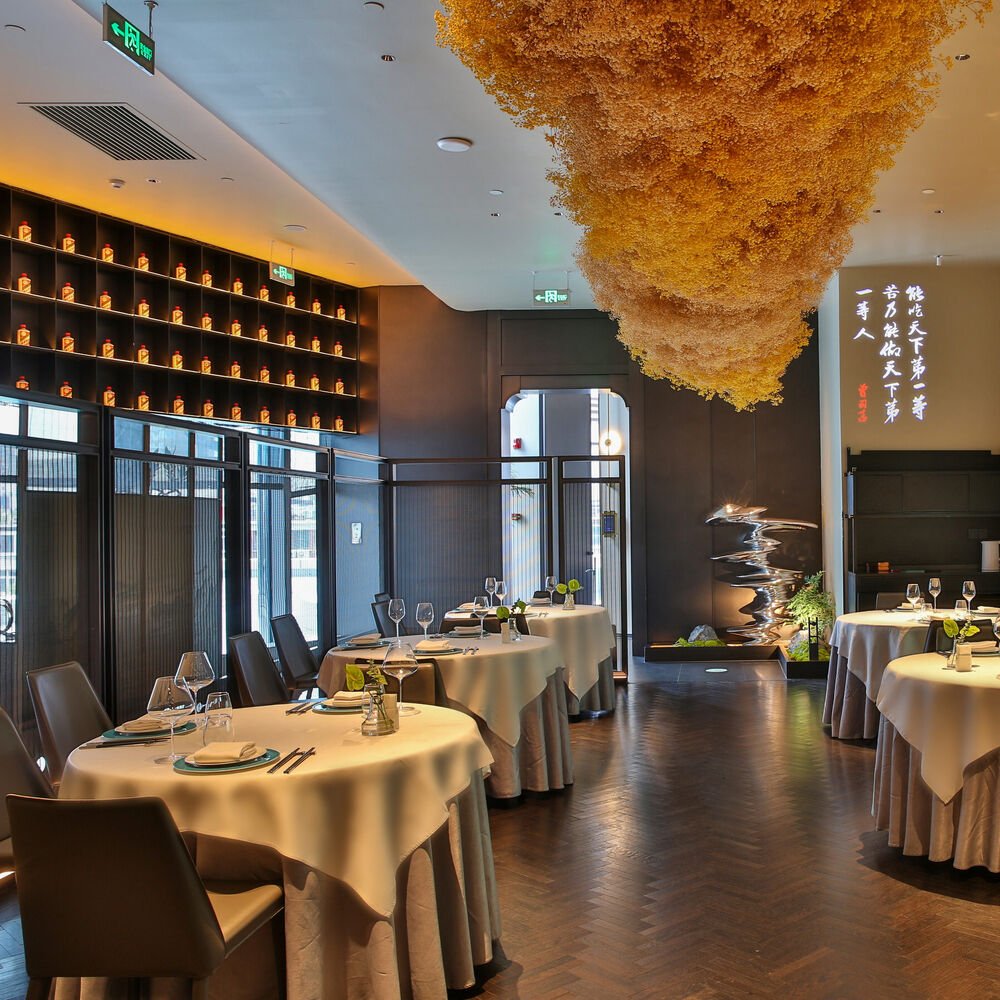
Imperial Beijing Royal Cuisine
Jingji
Beijing, China
★★
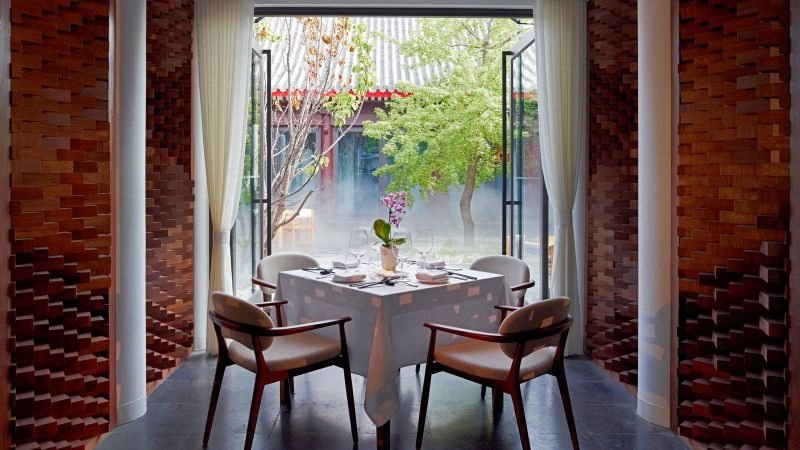
Modern Shanghainese
Shanghai Cuisine
Beijing, China
★★