Skip to Content
    Made ByRestaurant

    Parm
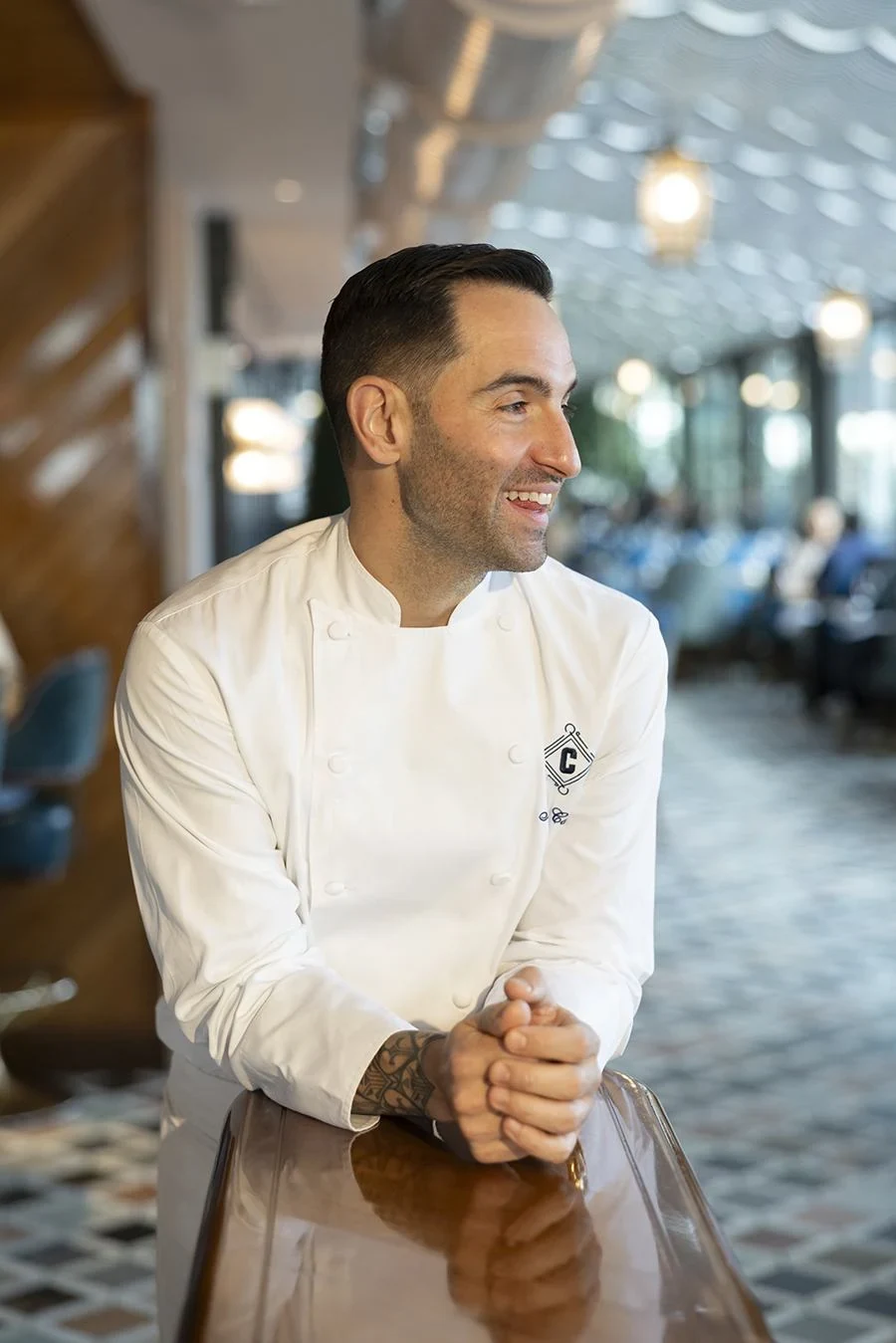
    Mario Carbone

    In Residence

    Mario Carbone

    Chef

    1. 01CuisineItalian
    2. 02CityManhattan, United States
    Parm (restaurant)

    Mario Carbone, chef and co-founder of Major Food Group, shapes Parm in Manhattan through chicken parm, meatballs, and red-sauce discipline.

    • Opinionated About Dining Cheap Eats in North America Recommended · 2026

    The cutlet carries the station

    The cutlet meets hot oil before service, the breading set for chicken parm at Parm in Manhattan, where Mario Carbone works as chef and co-founder of Major Food Group. His path to this counter began in Queens, where he started cooking in neighborhood restaurants at age 15, then moved through Babbo, Lupa, and Del Posto before opening Torrisi Italian Specialties in 2009 and Parm after it. The Upper West Side room on Columbus Avenue belongs to a wider Parm family, with the original Little Italy restaurant opened in 2011 and this Manhattan address opened in December 2014. Carbone’s role here is not the lone-chef myth of a single man over every pan. It is the setting of a grammar: red sauce with enough body to hold a cutlet, sandwiches built like a deli order rather than a tasting-menu thought, meatballs made from pork, veal, and beef, pasta that keeps the comfort of the form while taking the kitchen seriously. The lineage is Italian-American, not apologizing for the hyphen. It comes through in the way Parm treats the counter staples as dishes with stations, timing, and standards, rather than nostalgia served loose.

    Red sauce as a method

    Parm’s program turns on a short list of things that can expose a kitchen quickly: chicken parm, eggplant parm, mozzarella sticks, baked ziti, meatballs, rigatoni in spicy vodka sauce, and the Italian combo sandwich. None gives much shelter. The mozzarella sticks use fresh mozzarella and a double breading before they meet house-made red sauce; the baked ziti, after baking, is fried for a crisp edge around mozzarella, ricotta, and tomato sauce. The Italian combo stacks mortadella, sopressata, Genoa salami, pepperoni, ham, and provolone with lettuce, tomato, sweet deli peppers, and Italian dressing. It reads like a sandwich-board order, but the discipline is in proportion and pressure: enough dressing to season, not soak; enough breading to hold, not bury; enough sauce to carry the cheese without turning the plate soft. Rigatoni Carbone brings the group’s spicy vodka language into a more casual room, where the pass has to move food fast without letting the sauce fall flat. The house does not turn these plates into inventions. It tightens them until the familiar parts have edges again.

    A diner room with a restaurant pass

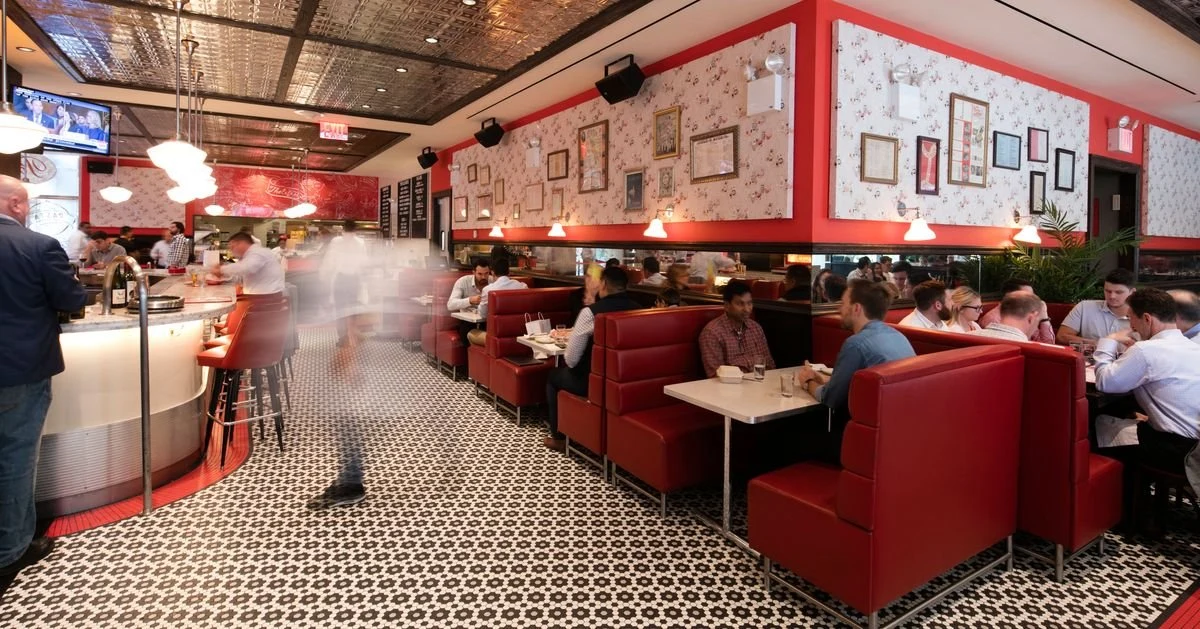
    The Upper West Side room keeps the diner reference close: a compact, busy space, loud when the room fills, with tables set near enough that the service rhythm becomes part of the meal. The pass has to serve families, lunch regulars, and larger parties without changing the character of the cooking. Plates arrive with the scale expected of Italian-American food, but the bench-side concern is still texture, especially where fried mozzarella, cutlets, and ziti leave the kitchen. The counter mood suits the food. Parm is not asking the room to behave like a formal dining room, and the cooking benefits from that refusal. Red sauce, breaded chicken, cured meats, provolone, ricotta, and pistachio ice cream can stay direct here.

    What remains in the hand

    Parm matters most when it keeps faith with dishes many cooks learn before they learn restaurant language. Carbone’s training gives the room its discipline, but the food stays close to the forms that built it: the parm sandwich, the Sunday meatball, the mozzarella stick, the tray of baked ziti cut from the corner. The craft matters more than the mythology: a chicken parm leaving the pass at Parm on Columbus Avenue.

    Questions

    Frequently asked

    Who is behind Parm in Manhattan?

    Mario Carbone, chef and co-founder of Major Food Group, shapes Parm in Manhattan. His background runs from neighborhood restaurants in Queens to Babbo, Lupa, Del Posto, Torrisi Italian Specialties, and then Parm.

    What kind of food does Parm serve?

    Parm serves Italian-American food built around chicken parm, eggplant parm, meatballs, baked ziti, rigatoni in spicy vodka sauce, and the Italian combo sandwich. The menu leans on red sauce, breaded cutlets, cured meats, and other counter staples.

    What is the room like on Columbus Avenue?

    The Upper West Side room is compact and busy, with a diner reference kept close. When it fills, it can get loud, and the tables sit close enough that the service rhythm becomes part of the meal.

    What dishes are made with particular care at Parm?

    The mozzarella sticks use fresh mozzarella and a double breading before they meet house-made red sauce. The baked ziti is baked and then fried for a crisp edge around mozzarella, ricotta, and tomato sauce, and the Italian combo is built with mortadella, sopressata, Genoa salami, pepperoni, ham, provolone, lettuce, tomato, sweet deli peppers, and Italian dressing.

    When did Parm open in Manhattan?

    The Manhattan address on Columbus Avenue opened in December 2014. It belongs to a wider Parm family that began with the original Little Italy restaurant in 2011.

    The field

    How it compares

    PlaceCuisineNotesAwards
    ParmItalianProspect Heights·
    Da Vittorio - St. MoritzItalianSt. MoritzMichelin 2 Stars
    George RestaurantItalianNaplesMichelin 2 Stars
    San MartinoItalianScorzèMichelin 1 Star
    WildweedItalianCincinnati·
    YamaguchiItalianKyoto·
    YolanItalianNashville·

    In residence

    Featured in

    Similar places

    ← Browse all places