Made ByBakery
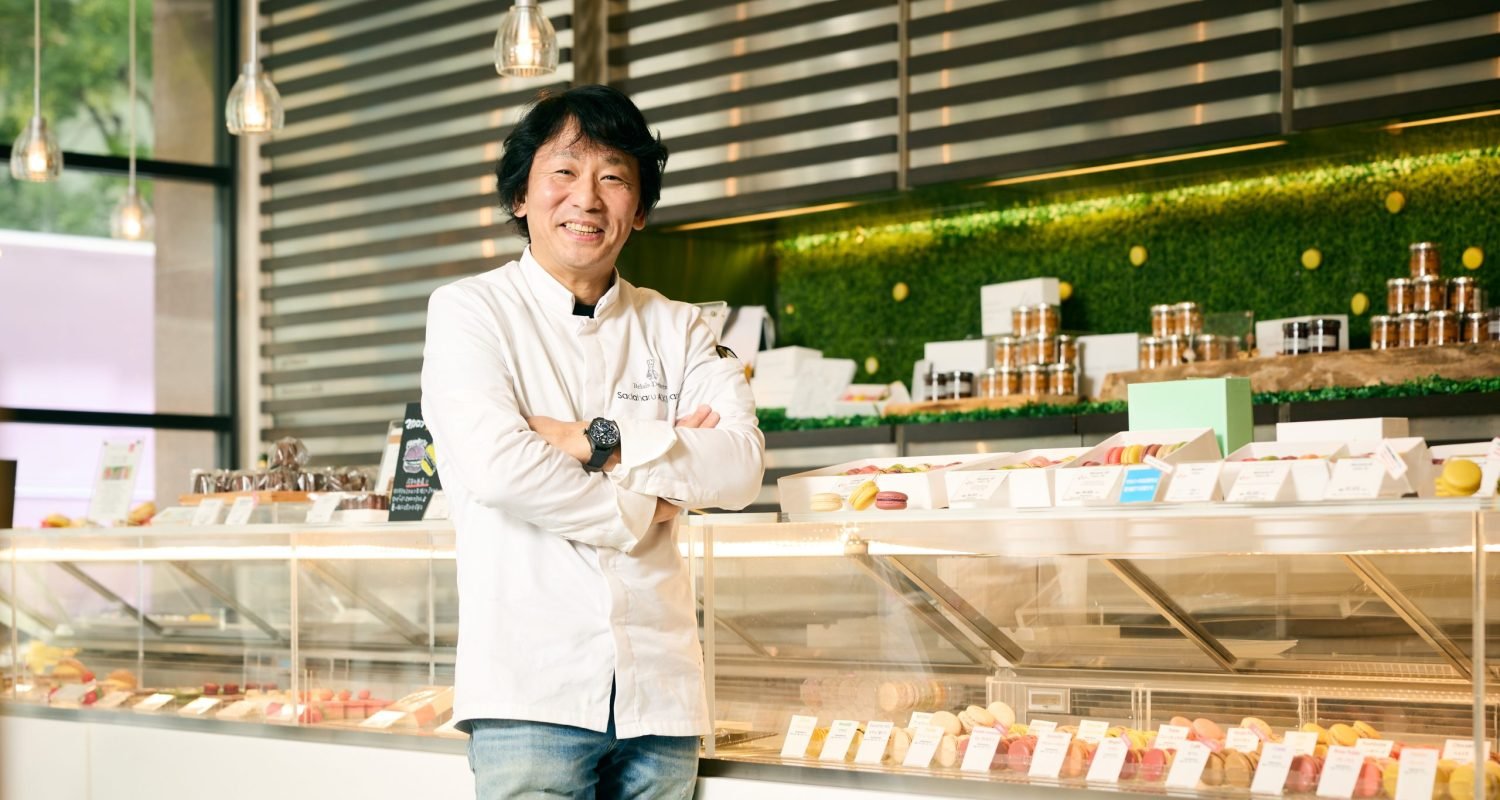
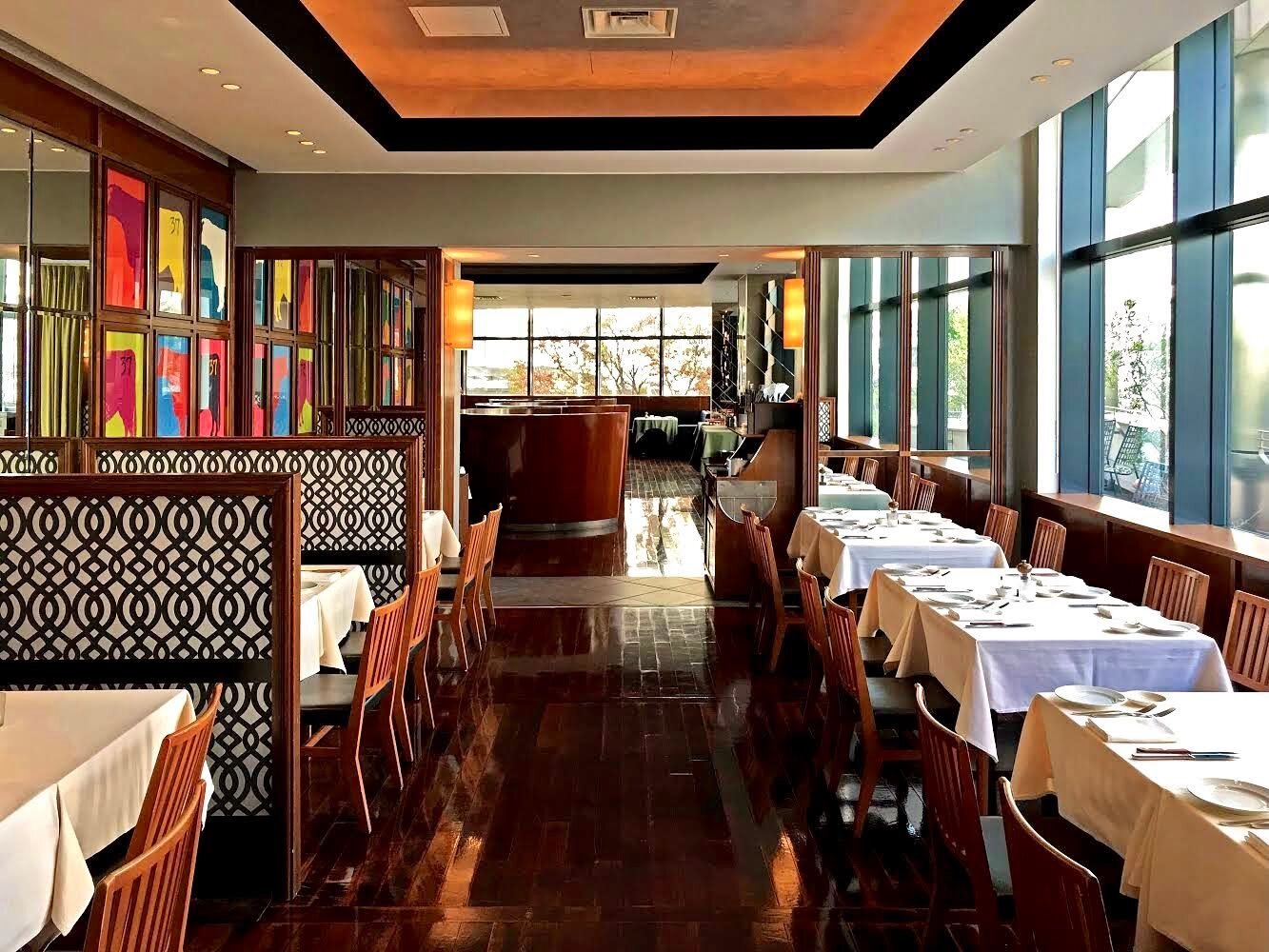
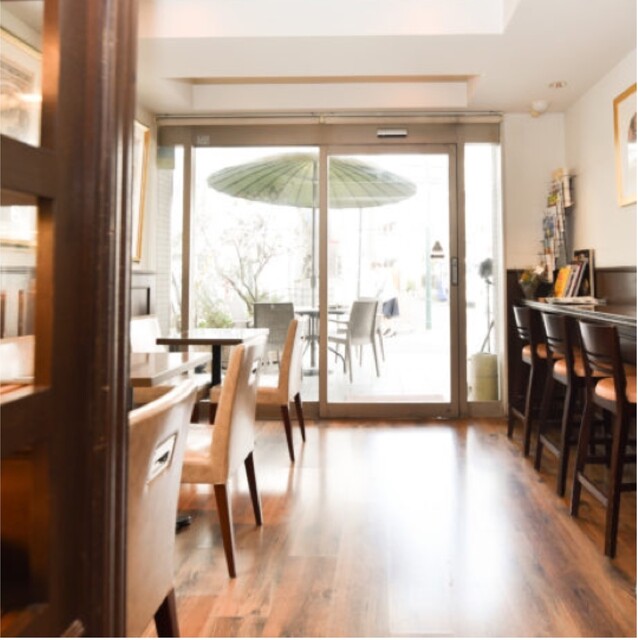
Pâtisserie Sadaharu AOKI in Akasaka represents one of the sharper expressions of French-Japanese pâtisserie in Tokyo: a format where matcha, yuzu, and black sesame enter French classical structure without apology. Ranked in Opinionated About Dining's Casual Japan list three consecutive years through 2025, it sits in a narrow tier of Japanese pâtisseries that are taken as seriously as the city's full-service dining rooms.
At a glance
- Hours
- Mon: 11 AM–9 PM; Tue: 11 AM–9 PM; Wed: 11 AM–9 PM; Thu: 11 AM–9 PM; Fri: 11 AM–9 PM; Sat: 11 AM–9 PM; Sun: 11 AM–9 PM
- Rating
- 3.8 (218)
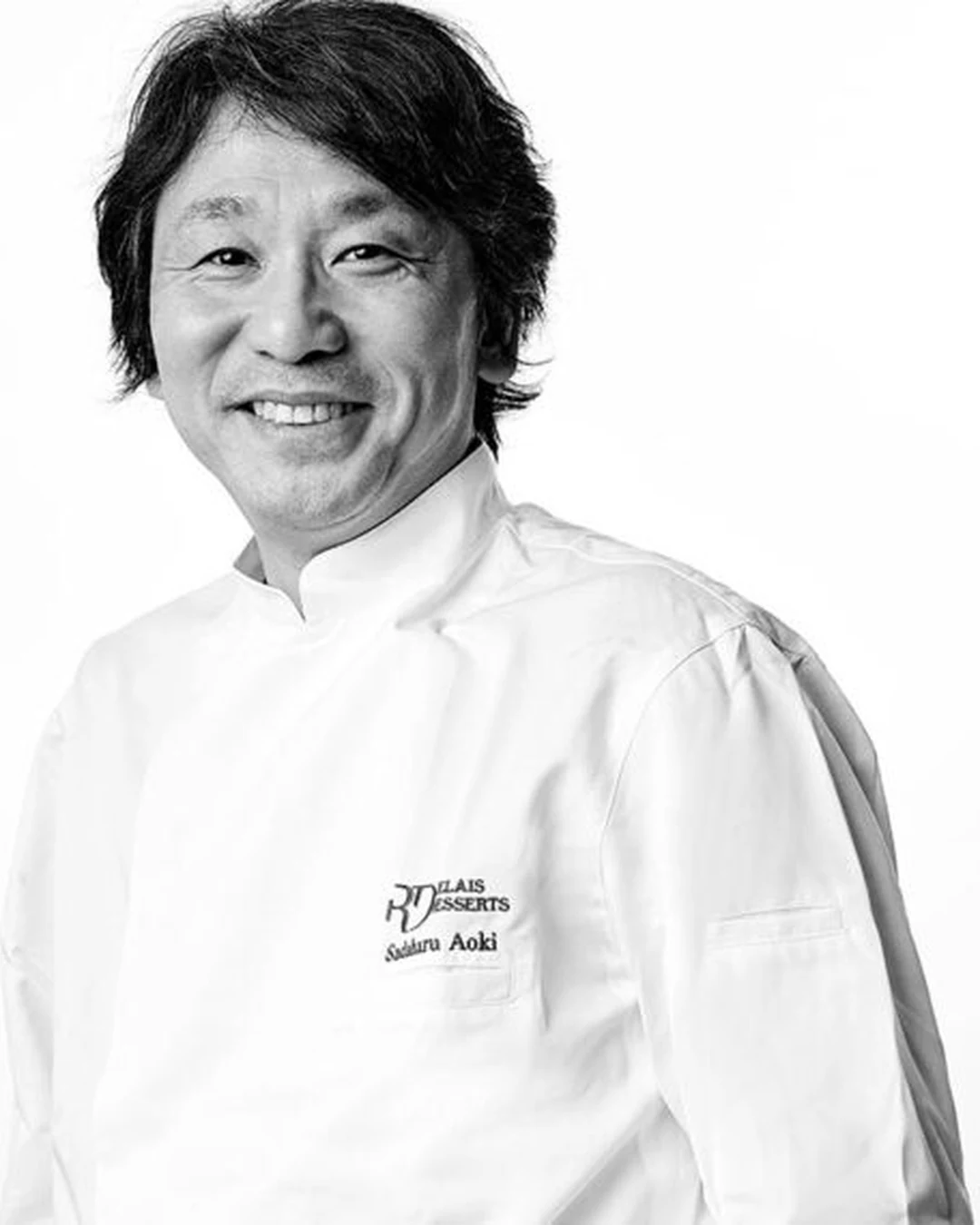
<h2>Where French Technique Meets Japanese Ingredient Logic</h2><p>The cross-pollination of French pâtisserie and Japanese ingredient culture is not a recent phenomenon in Tokyo, but the range of commitment to that dialogue varies sharply across the city. At one end, you find surface-level green tea flavouring dropped into otherwise unchanged French formulas. At the other end sits a smaller cohort of pâtisseries where Japanese ingredients enter at the structural level, shaping flavour architecture, not just colour. The Akasaka address of Pâtisserie Sadaharu AOKI, open seven days a week from 11 am to 9 pm, places it in the latter camp.</p><p>That ranking matters as context. For a pâtisserie to hold a position on that list across three consecutive years signals consistent execution rather than a novelty spike, a distinction worth noting in a city where new openings arrive constantly and quickly absorb attention.</p><h2>The French-Japanese Dialogue in Pâtisserie</h2><p>Tokyo's relationship with French pâtisserie runs deep. Japanese pastry chefs trained in Paris began returning with French technique in the 1970s and 1980s, and by the 1990s the city had accumulated a density of technically accomplished pâtisseries that surprised visiting European critics. What has shifted more recently is the directional emphasis: earlier generations often showcased French classical forms with Japanese precision of execution; the current generation of interest is more likely to use French structure as a chassis for Japanese ingredient logic.</p><p>Matcha, yuzu, black sesame, and hojicha are not garnishes in this framework, they function as primary flavour compounds whose intensity, bitterness, or acidity is calibrated against French pastry structure the way a Parisian would balance valrhona cocoa against cream weight. The result is a category that has no direct parallel in Europe, which partly explains why Tokyo's pâtisserie scene draws professional attention from Western pastry circles, not simply as a market to emulate France but as a parallel tradition that has developed its own internal logic. Chef Sadaharu Aoki, who built a reputation in Paris before establishing this presence in Tokyo, operates at the intersection where those two traditions are most explicitly in conversation.</p><p>That Paris-Tokyo lineage is not incidental to understanding the Akasaka location. In the French capital, Aoki built a reputation among a clientele that expected French classical rigour and found the Japanese ingredient dimension genuinely additive rather than decorative. The Tokyo address draws on that same dual fluency, which places it in a different competitive position than domestic pâtisseries that trained exclusively within Japan's own Western-confectionery tradition.</p><h2>Akasaka as Context</h2><p>Akasaka sits at the intersection of political Tokyo, the National Diet and major government ministries are nearby, and a quieter residential and commercial fabric that distinguishes it from the retail intensity of Ginza or the fashion saturation of Omotesando. The neighbourhood supports a concentration of precision-oriented food businesses that rely on a repeat local clientele rather than tourist flow: the kind of environment where a pâtisserie benefits from proximity to an audience already oriented toward considered consumption.</p><p>That neighbourhood context is worth holding alongside the OAD ranking. Pâtisseries that score consistently on peer-aggregated lists in Tokyo tend to occupy either high-footfall retail positions or quieter addresses with strong local loyalty. Akasaka sits closer to the latter profile, which suggests the ranking reflects repeat patronage from an informed local base rather than volume-driven visibility.</p><p>For visitors arriving from other parts of Tokyo, Akasaka is accessible and worth pairing with broader neighbourhood exploration. If you are already moving through the city's dining circuit, perhaps dinner at <a href="https://www.enprimeurclub.com/restaurants/leffervescence-tokyo-restaurant">L'Effervescence</a> or <a href="https://www.enprimeurclub.com/restaurants/sezanne-tokyo-restaurant">Sézanne</a> for French-oriented dining, or <a href="https://www.enprimeurclub.com/restaurants/harutaka-tokyo-restaurant">Harutaka</a> or <a href="https://www.enprimeurclub.com/restaurants/ryugin">RyuGin</a> for Japanese formats, a stop in Akasaka fits naturally into a day that moves between Minato and the surrounding wards. The 11 am opening makes it a viable morning-to-afternoon stop before evening reservations elsewhere.</p><h2>How It Sits Within Tokyo's Broader Dining Register</h2><p>Tokyo's food culture is frequently discussed in terms of its full-service restaurants, the omakase counters, the kaiseki rooms, the fine-dining French addresses that dominate international coverage. The pâtisserie and casual confectionery category receives comparatively less attention outside Japan despite operating at an equally high technical level. In that sense, Pâtisserie Sadaharu AOKI represents a category that rewards the kind of attention usually reserved for evening dining: a place where technical calibration and ingredient sourcing are taken as seriously as in the city's more prominent tasting-menu rooms.</p><p>The Google rating of 3.8 from 218 reviews reflects the reality that peer-aggregated critical lists and general consumer review platforms measure different things. OAD's placement of this address across three years reflects the opinion of frequent, informed diners; a general-platform rating aggregates a broader range of expectations and visit contexts. Both data points are useful, but they should be read as separate signals rather than contradictory ones.</p><p>For those building a fuller picture of Tokyo's dining offer, <a href="https://www.enprimeurclub.com/restaurants/-tokyo-restaurant">our full Tokyo restaurants guide</a> covers the range from kaiseki to innovative French. If you are extending the trip to other Japanese cities, <a href="https://www.enprimeurclub.com/restaurants/hajime-osaka-restaurant">HAJIME in Osaka</a>, <a href="https://www.enprimeurclub.com/restaurants/gion-sasaki-kyoto-restaurant">Gion Sasaki in Kyoto</a>, <a href="https://www.enprimeurclub.com/restaurants/akordu-nara-restaurant">akordu in Nara</a>, <a href="https://www.enprimeurclub.com/restaurants/goh-fukuoka-restaurant">Goh in Fukuoka</a>, <a href="https://www.enprimeurclub.com/restaurants/1000-yokohama-restaurant">1000 in Yokohama</a>, and <a href="https://www.enprimeurclub.com/restaurants/6-okinawa-restaurant">6 in Okinawa</a> provide reference points across the country's regional dining spectrum. For cross-format comparisons, French-influenced dining that carries a similar dual-culture fluency, <a href="https://www.enprimeurclub.com/restaurants/le-bernardin">Le Bernardin in New York City</a> and <a href="https://www.enprimeurclub.com/restaurants/atomix">Atomix in New York City</a> operate in adjacent conversations about how non-French culinary traditions engage with European fine-dining structure.</p><p>Planning a full stay around Tokyo's food offer benefits from having the city mapped across dining and travel categories. For dinner options that work alongside an Akasaka afternoon, <a href="https://www.enprimeurclub.com/restaurants/crony-tokyo-restaurant">Crony</a> represents the innovative French direction in Tokyo's current restaurant moment.</p><h2>Planning Your Visit</h2><p>The Akasaka address, 9 Chome-7-4 Akasaka, Minato City, operates on a consistent seven-day schedule, opening at 11 am and closing at 9 pm each day. It is walk-in friendly, which makes it an easy stop within a day of Tokyo exploring. The price point is around US$20 per person.</p><div class="faq-block"><h3>Frequently Asked Questions</h3><div class="faq-item"><h4>What is the atmosphere like at Pâtisserie Sadaharu AOKI?</h4><p>The Akasaka location sits in one of Tokyo's quieter business and residential districts, away from the high-density retail environments of Ginza or Omotesando. The format is pâtisserie retail rather than a full sit-down dining room, which places it in the casual-precision category that OAD's Casual Japan list is designed to recognise. The clientele skews toward informed local regulars and food-oriented visitors rather than general tourist traffic, and the consistent seven-day 11 am to 9 pm schedule makes it accessible across most itinerary types.</p></div><div class="faq-item"><h4>What is Pâtisserie Sadaharu AOKI known for?</h4><p>Address is associated with French pâtisserie built around Japanese ingredient integration at the structural level, matcha, yuzu, black sesame, and related compounds used as primary flavour elements within classical French pastry architecture rather than as surface additions. Chef Sadaharu Aoki's Paris background gives the approach a dual-market credibility that distinguishes it from domestic Western-confectionery traditions. Three consecutive OAD Casual Japan rankings (2023, 2024, 2025) confirm the address holds a recognised position in Tokyo's serious pâtisserie tier.</p></div></div>
Frequently asked
What is the atmosphere like at Pâtisserie Sadaharu AOKI?
The Akasaka address sits within a neighbourhood defined by government offices and quieter commercial streets, giving the shop a composed, unhurried register rather than the foot-traffic intensity of a department store counter. It operates seven days a week from 11am to 9pm, which means the late-afternoon hours draw a more deliberate, sit-and-consider crowd. OAD has listed it in its Casual Japan rankings consecutively from 2023 through 2025, a signal that the format is taken seriously within Tokyo's food-critical community despite its retail format.
What days is Pâtisserie Sadaharu AOKI closed?
Hours at Pâtisserie Sadaharu AOKI: Hours: Monday 11 am–9 pm Tuesday 11 am–9 pm Wednesday 11 am–9 pm Thursday 11 am–9 pm Friday 11 am–9 pm Saturday 11 am–9 pm Sunday 11 am–9 pm.
Is Pâtisserie Sadaharu AOKI award-winning?
Pâtisserie Sadaharu AOKI has received recognition including: Opinionated About Dining Casual in Japan Ranked #80 (2025); Opinionated About Dining Casual in Japan Ranked #66 (2024); Opinionated About Dining Casual in Japan Ranked #62 (2023).
What dish is Pâtisserie Sadaharu AOKI famous for?
Sadaharu Aoki built his reputation on applying classical French pâtisserie structure — precise lamination, ganache layering, entremets architecture — to Japanese ingredients such as matcha, yuzu, and black sesame. That pairing is the defining signature of the house across its Tokyo and Paris locations.
How do I find Pâtisserie Sadaharu AOKI?
Pâtisserie Sadaharu AOKI is located at 9 Chome-7-4 Akasaka, Minato City, Tokyo 107-0052, Japan, Tokyo.
Address
9 Chome-7-4 Akasaka, Minato City, Tokyo 107-0052, Japan
How it compares
- Awards
- 3 recognitions
- Cuisine
- French-Japanese Fusion Patisserie
- Notes
- Minato, $$
- Awards
- —
- Cuisine
- Creative spice-focused curry cafe
- Notes
- Sumida, $$
- Awards
- Michelin Bib Gourmand
- Cuisine
- Modern Pan-Asian Southeast Asian
- Notes
- Shibuya, $$
- Awards
- —
- Cuisine
- Ryukyu Chinese Fusion
- Notes
- Shibuya, $$
- Awards
- —
- Cuisine
- Creative spice-driven Asian & Indian curry bar
- Notes
- Meguro, $$
- Awards
- 3 recognitions
- Cuisine
- Yakitori
- Notes
- Minato