Made ByRestaurant
Pike Place Chowder
Chef in Residence
Larry Mellum
Chef
- 01CuisineClam Chowder
- 02CitySeattle, United States
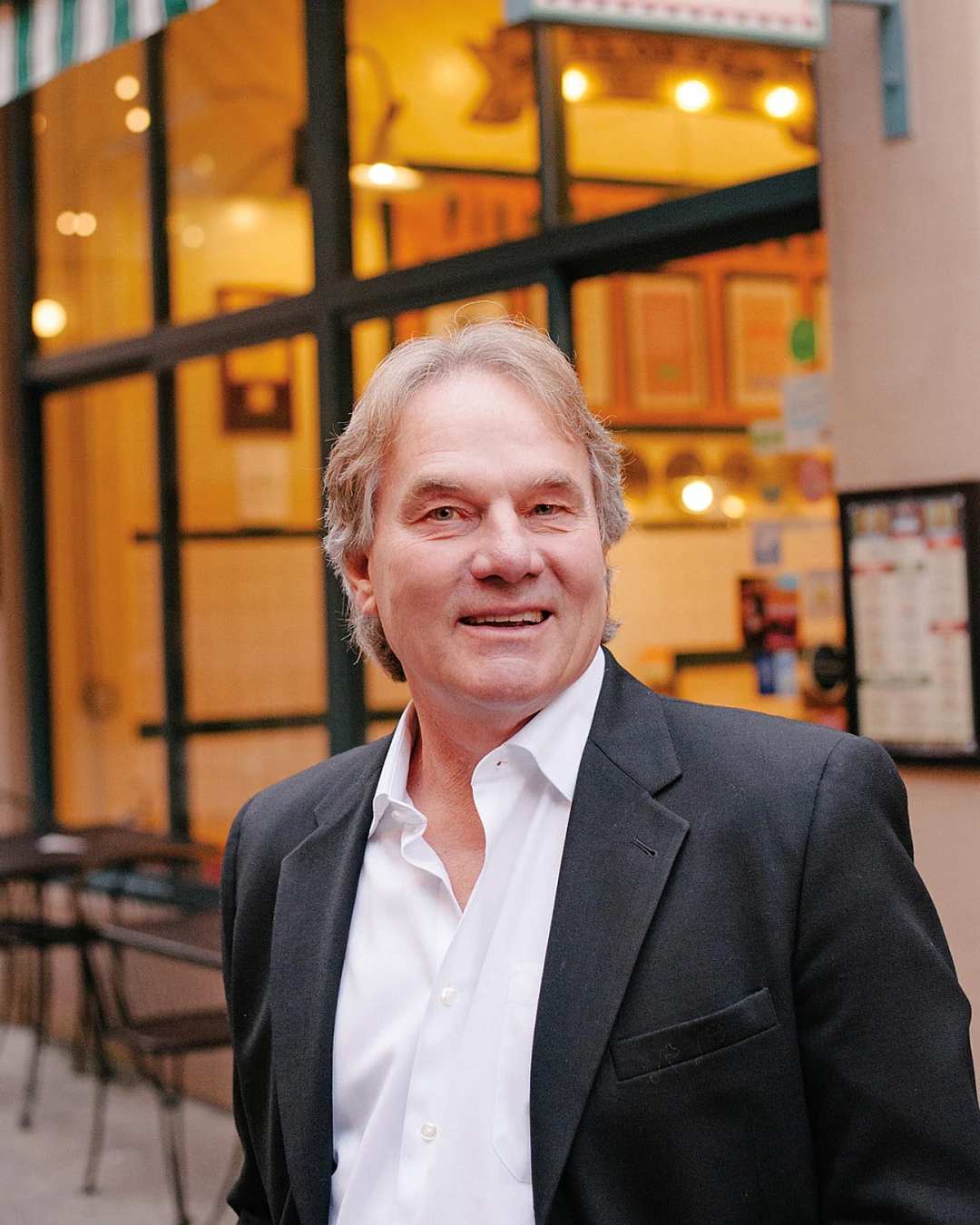
Larry Mellum, chef and founder at Pike Place Chowder in Seattle, keeps seafood chowder close to Pike Place Market’s fish and produce.
At a glance
- Cuisine
- Clam Chowder
Fresh fish into the kettle
Each day, Larry Mellum, chef and founder at Pike Place Chowder in Seattle, starts with the market itself: produce and fish chosen for the chowders he has built the business around. He describes that access plainly, saying, “Every day I can select from the freshest produce and fish for my chowders, and this enables us to continue to perfect our recipe.” The station is not framed around novelty. It is a counter, a kettle, a ladle, and the repeated correction of a recipe by what the day gives him.
Mellum’s own account of the move to this address begins with a decision rather than a market study: “My first thought was: I want to be at Pike Place Market.” That choice still shapes the work. Pike Place Chowder sits at 1530 Post Alley, close enough to the market’s daily traffic that the ingredients and the room feel tied to the same pulse. His role here is founder, but the craft reads more directly than the title. He made a house around seafood chowder, then kept it close to the fish, produce, workers, and regular movement that feed the bench.
A chowder program built by repetition
The program rests on traditional and specialty chowders, with seafood at the center. New England clam chowder, seafood bisque, smoked salmon chowder, crab and oyster chowder, market chowder, and a crab, oyster, and chorizo version all appear in the way diners describe the counter. The sampler has become one of the clearest views into the method, not because it turns the work into a flight, but because it shows how tightly the kitchen has to hold texture across different bases, shellfish, smoke, cream, and heat.
Chowder asks for patience in a narrow lane. Too little time and the bowl tastes assembled. Too much and the seafood loses its edge. Mellum’s quoted discipline is not a secret technique, but daily selection and adjustment: the freshest produce and fish, chosen again, then folded into a recipe he says the kitchen continues to perfect. The signature bread bowl gives that work a second structure. The chowder has to stand inside the loaf without becoming heavy; the bread has to receive the bowl’s warmth without collapsing into paste. It is a small piece of engineering, done at service speed.
The counter on Post Alley
The room works like a counter should. Orders move quickly, bowls pass over the line, bread and crackers travel with the chowder, and the market continues just outside. There is little ceremony in the exchange, which suits the food. Chowder belongs close to weather, hunger, and the hand. At Pike Place Chowder, the pass is visible in the rhythm rather than hidden behind a dining room: the ladle drops, the lid lifts, the next bowl goes out.
The setting matters because Mellum chose proximity as part of the method. Pike Place Market is not backdrop here. It is the place he wanted to enter, and the place he still credits. “To this day, I’m so grateful we moved our business here,” he has said. That gratitude has a practical form in the kitchen, where the market’s fish and produce remain part of the recipe’s daily correction.
Giving back to the market
Mellum also ties the business to the people who hold the market together. Speaking about The Market Foundation, he says, “The Market Foundation does such important work for vulnerable seniors, working families and workers in the Market, I can think of nothing better than to give right back to the place that has given so much to me and my business.” The next measure of the house is not a new claim of scale, but whether the same care stays in the kettle, the counter, and the Chowder in a Bread Bowl.
Address
Seattle, Washington, United States
In residence
Similar places
Modern American Fine Dining
Canlis
Seattle, United States
Pacific Northwest Farm-to-Table Tasting
The Herbfarm
Seattle, United States
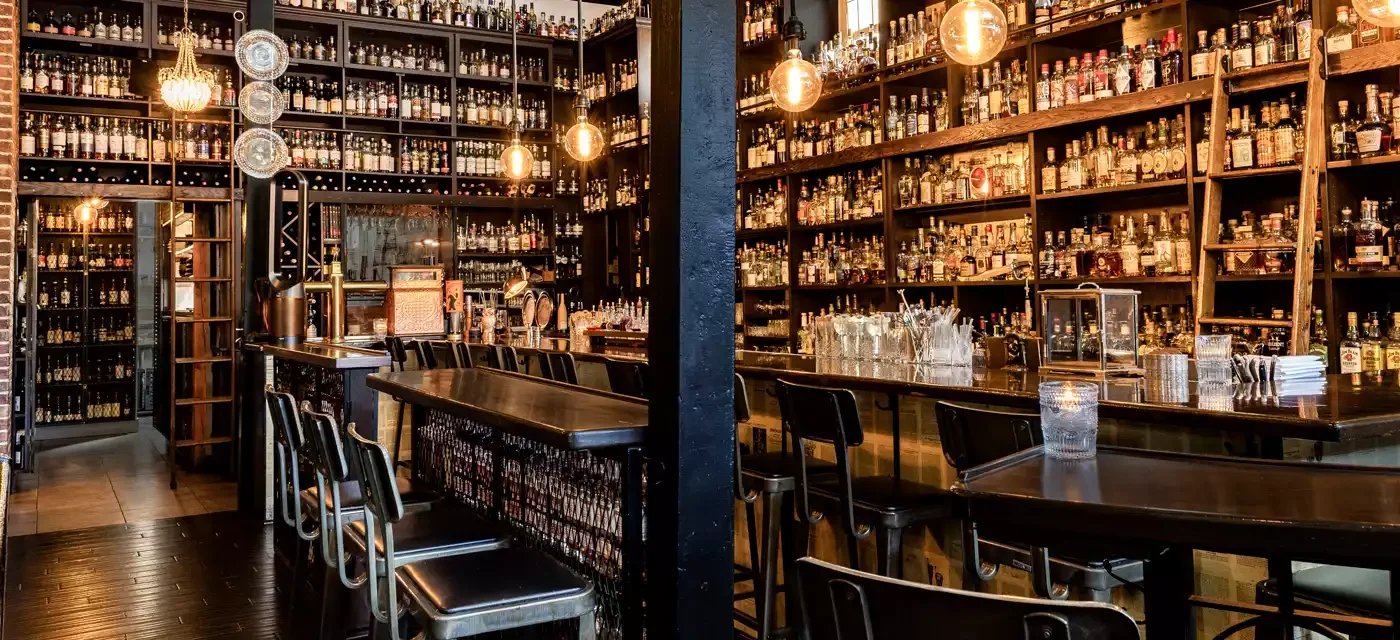
American Small Plates & Cocktails
canon
Seattle, United States
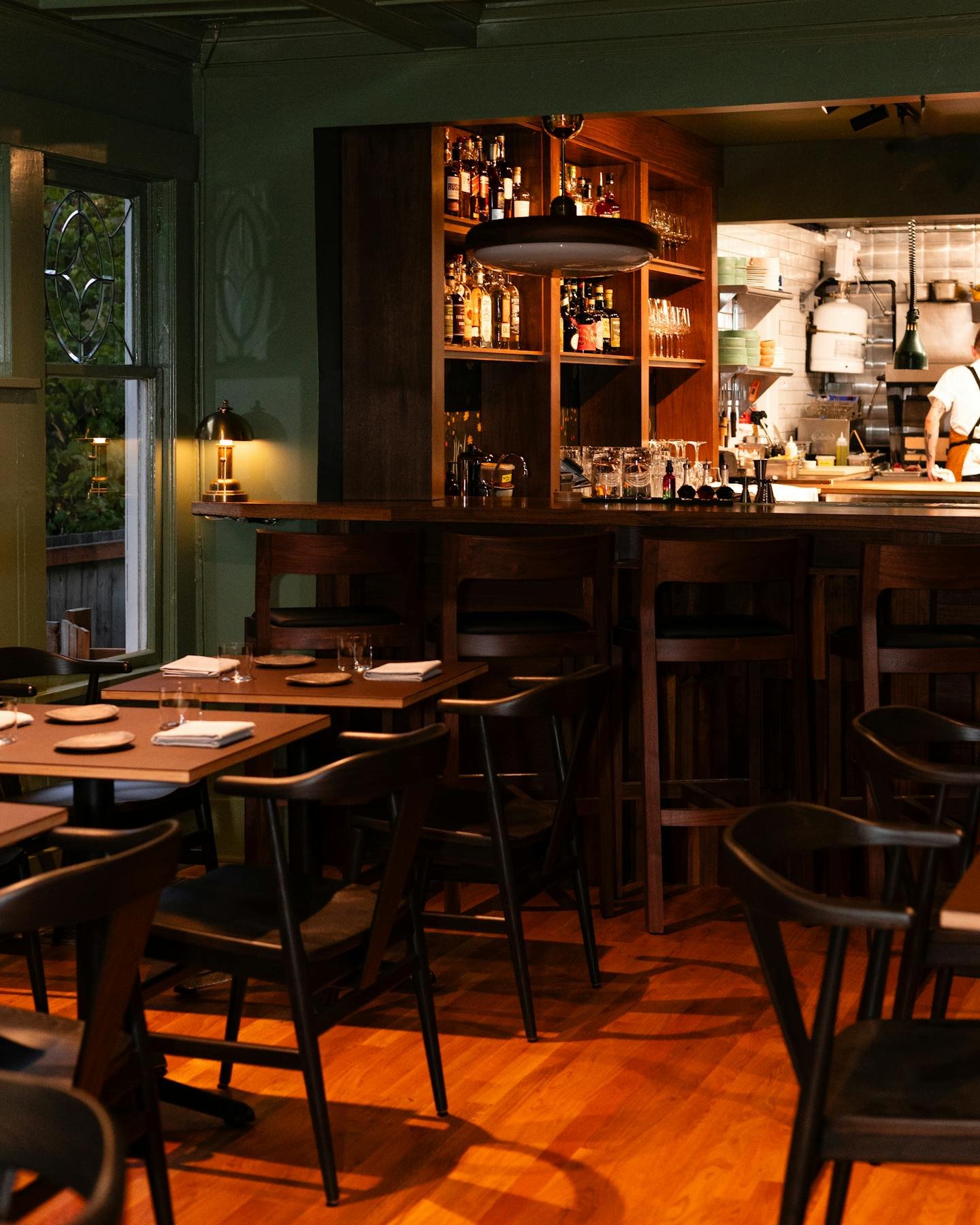
Modern New American
Atoma
Seattle, United States
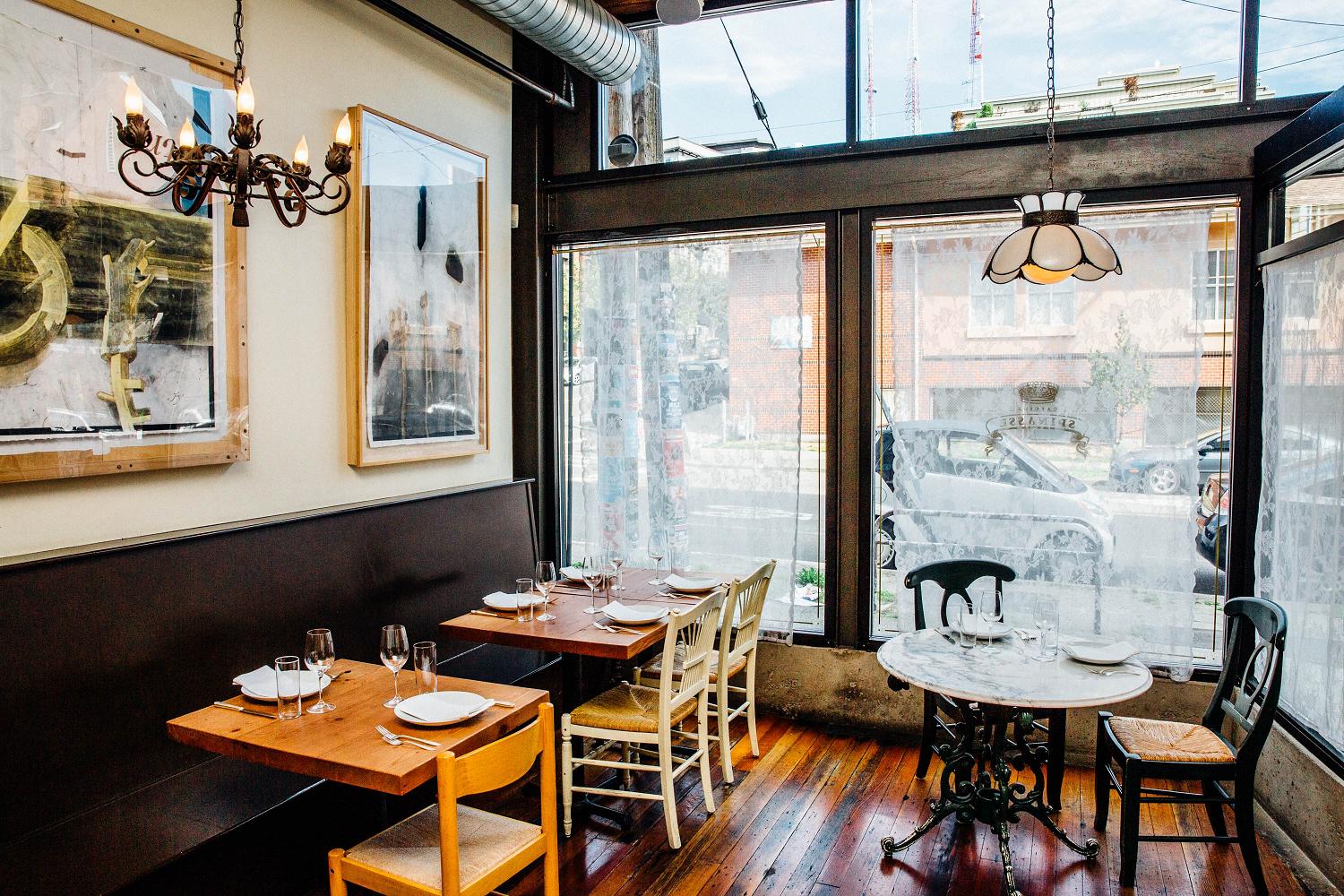
Piedmontese Northern Italian
Spinasse
Seattle, United States
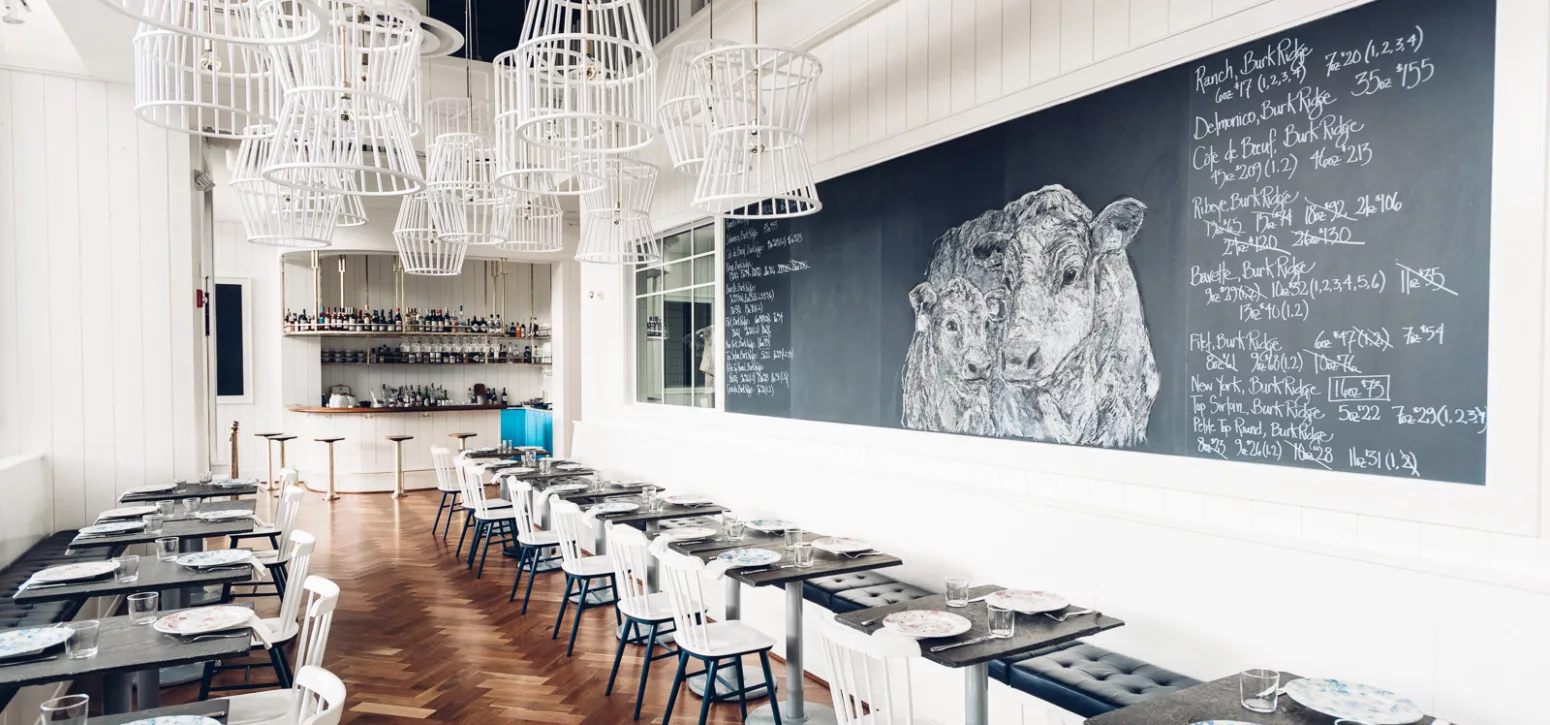
Contemporary Steakhouse
Bateau
Seattle, United States