Pipero Roma
In Residence
Alessandro Pipero
Sommelier
- 01CuisineModern Roman Fine Dining
- 02CityRome, Italy
- 03RecognitionOne Michelin Star
- 1 Michelin Star · Michelin Guide
- Star Wine List · 2026
- Michelin 1 Star · 2026
- Falstaff Restaurant - 94 Falstaff Points · 2026
- Michelin 1 Star · 2025
- Opinionated About Dining Classical in Europe Ranked #197 · 2025
- The Best Chef Two Knives · 2025
- Opinionated About Dining Classical in Europe Ranked #256 · 2024
- Michelin 1 Star · 2024
- Opinionated About Dining Classical in Europe Recommended · 2023
A Corso Vittorio Address and What It Signals
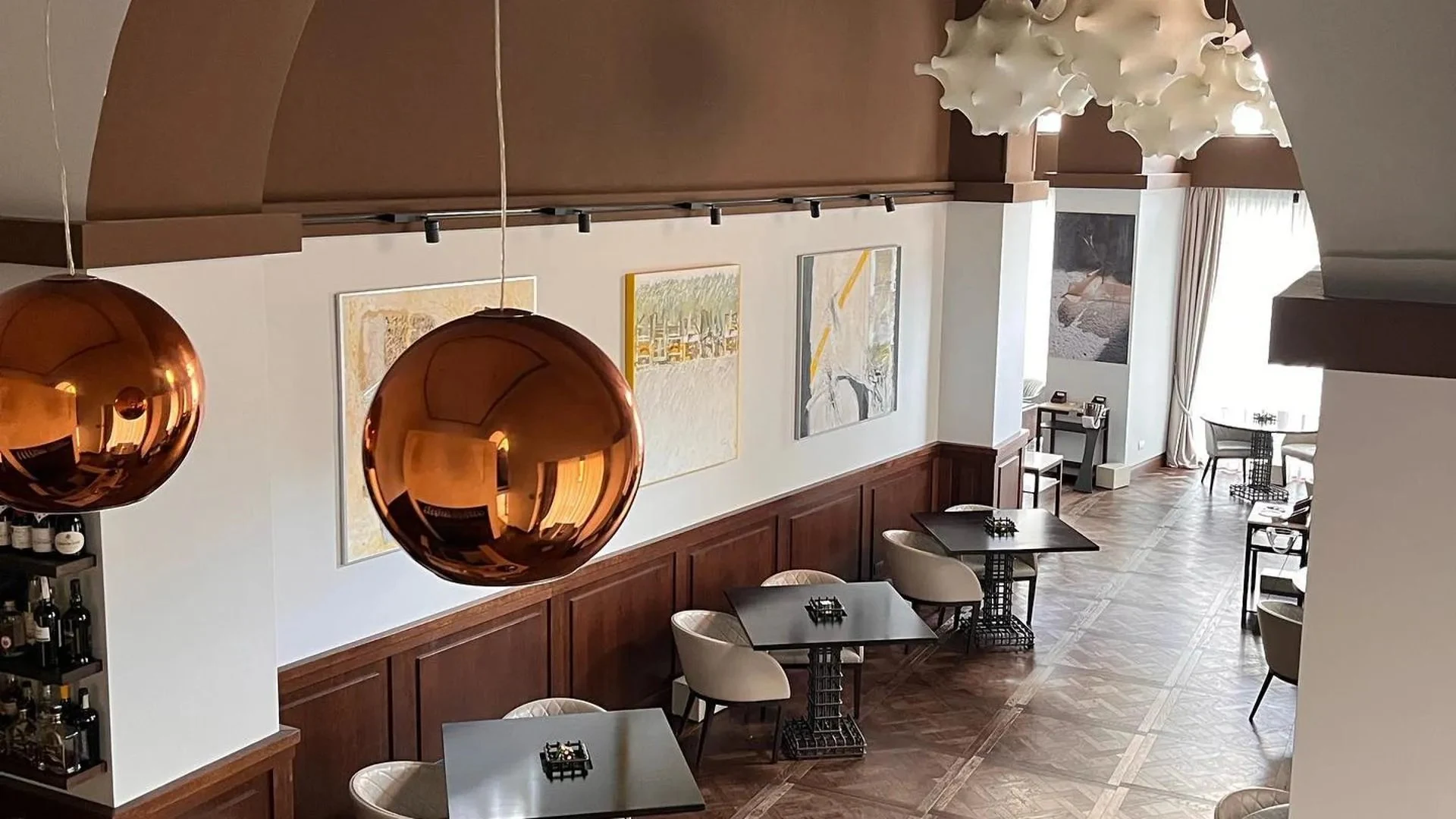
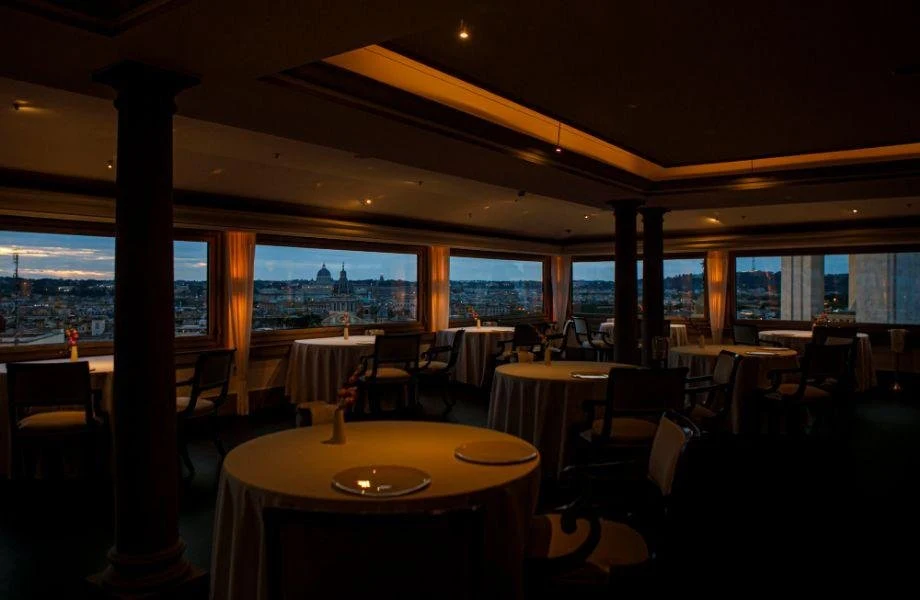
Rome's fine dining scene has always maintained a complicated relationship with its own grandeur. The city has Baroque ceilings, papal palazzos, and millennia of culinary tradition pressing down on any chef who tries to do something genuinely contemporary. Against that backdrop, the stretch of Corso Vittorio Emanuele II where Pipero Roma sits carries particular weight: a few hundred metres from Castel Sant'Angelo, opposite the Chiesa Nuova (formally Santa Maria in Vallicella), it is a location that announces seriousness without requiring a word of explanation. Restaurants at this address are not experimenting with their positioning. They have chosen a register and committed to it.
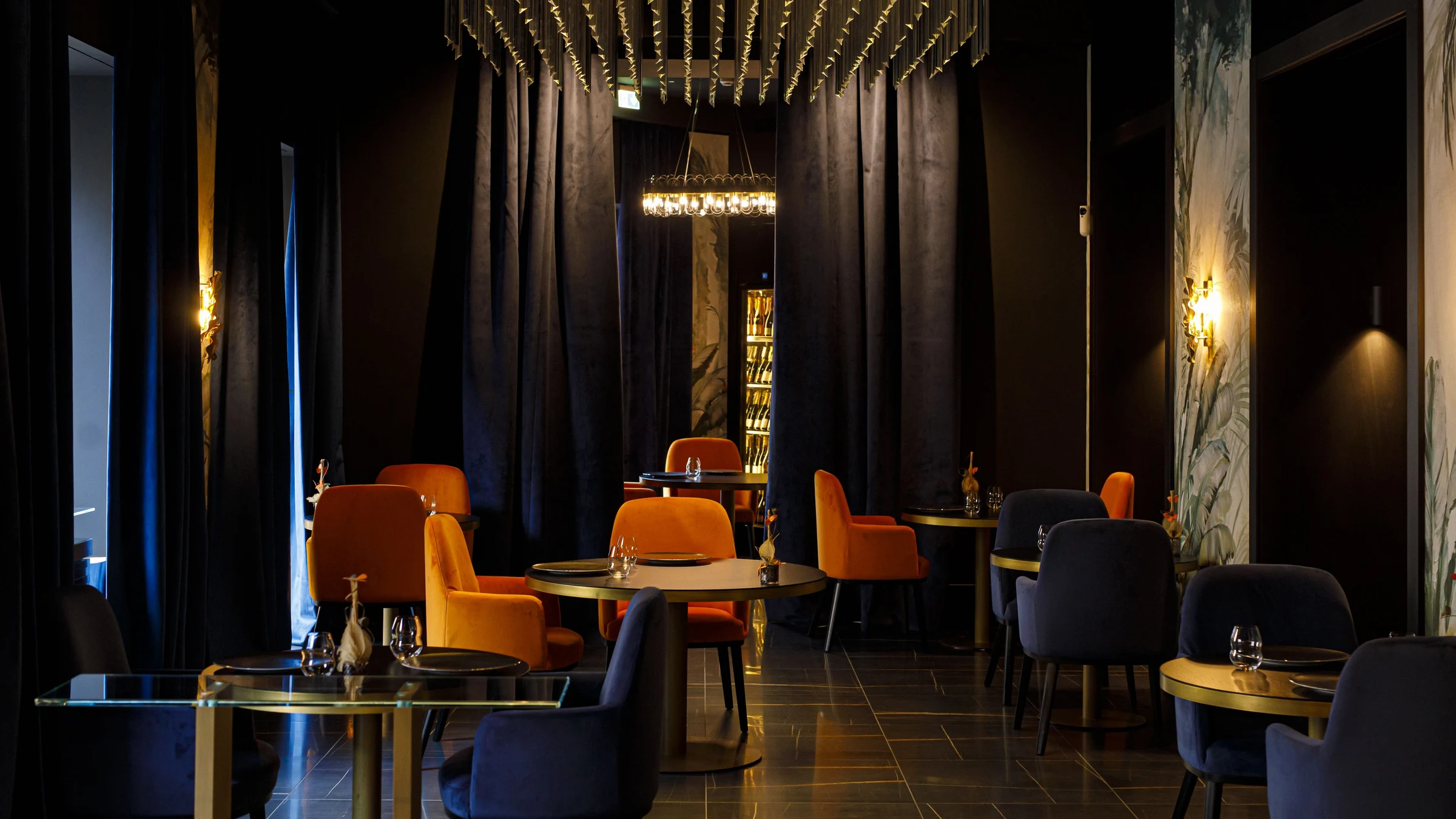
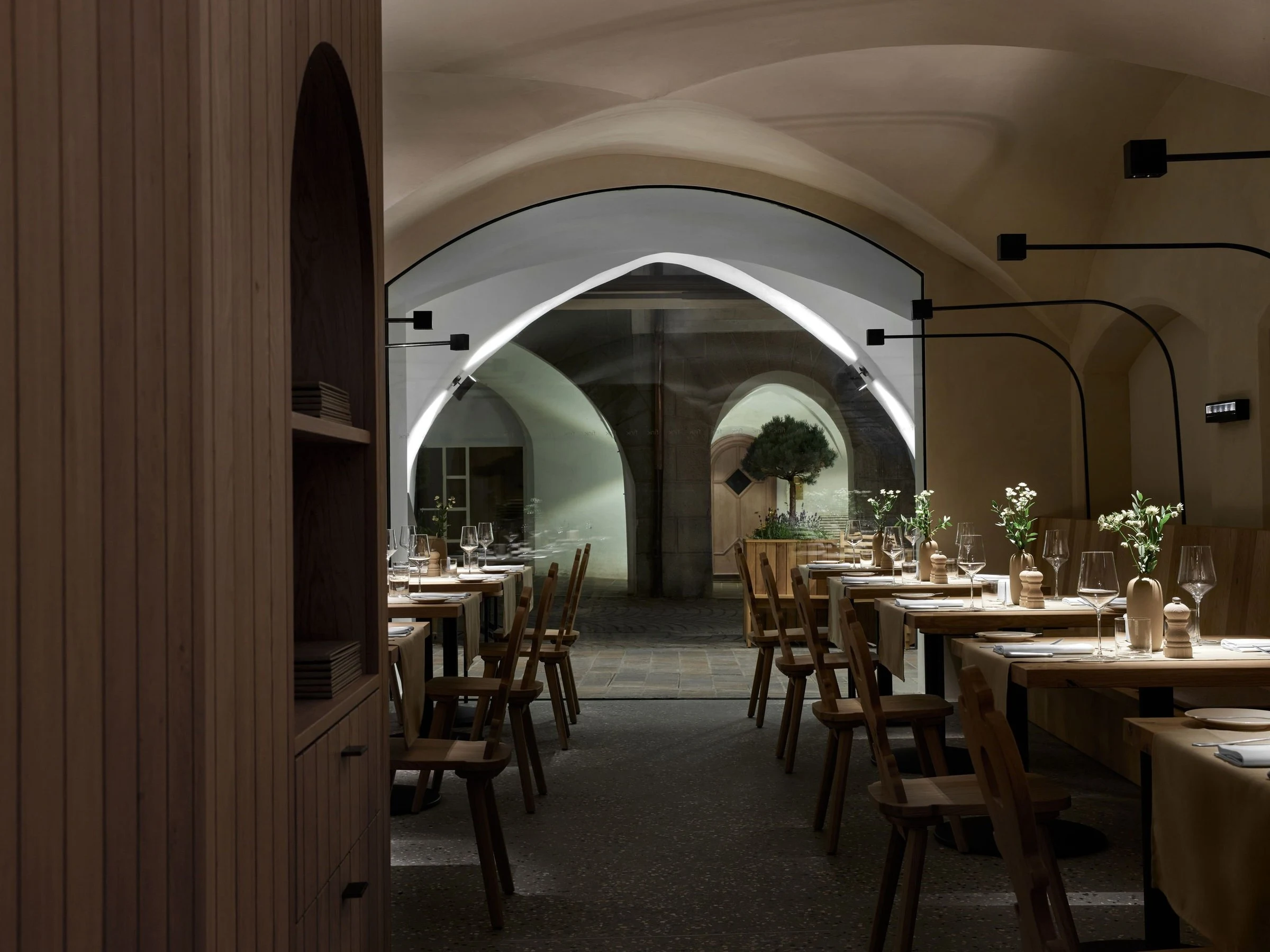
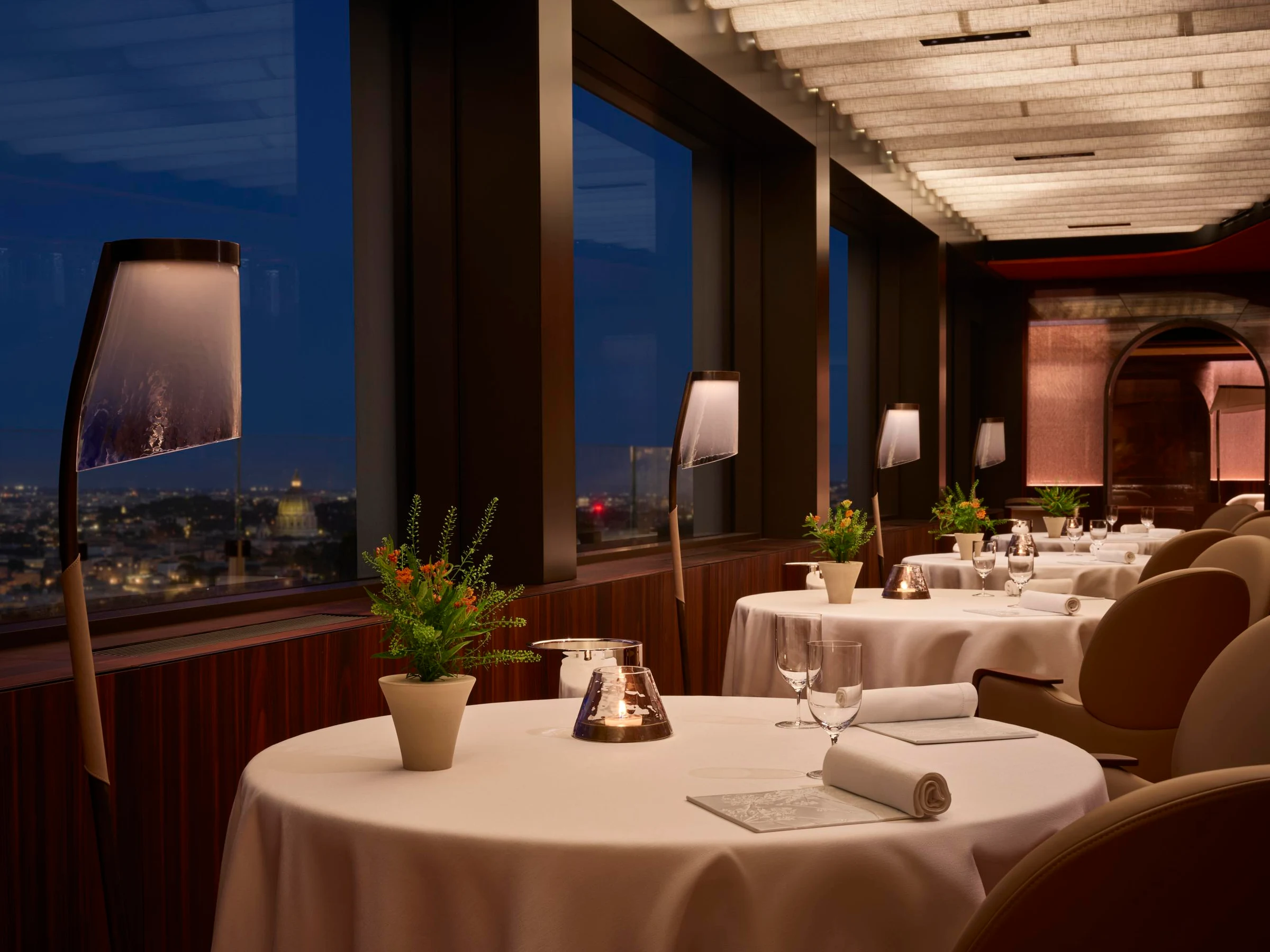
That setting frames everything that follows inside. The room is composed rather than showy, operating in the register that Rome's leading creative tier tends to favour: considered refinement rather than spectacle. A second dining room on the first floor extends the space for private dinners and small groups, which is a practical signal that the business has been structured around multiple revenue formats, not a single nightly service. This kind of architectural flexibility is more common at the €€€€ level than it once was, particularly in a city where converting historic premises into fully functioning restaurant space already requires significant investment.
The Sunday letter
Find new places through the people who run them.
Our Sunday email brings you the chefs, winemakers and hoteliers behind our newest stories. See a sample before you subscribe.
See a sample of the Sunday emailOne email a week. Unsubscribe from any issue.
From Recommendation to Ranking: How the Recognition Has Shifted
Tracking Pipero Roma's trajectory through third-party recognition tells a clear story about a restaurant that has moved in one direction. Opinionated About Dining, which ranks Classical European restaurants through a methodology weighted toward frequent, independent visits, listed Pipero as Recommended in 2023, then placed it at #256 in its 2024 European rankings, then moved it to #197 in 2025. That three-year arc from recommendation to a position inside the top 200 in Europe is not a minor adjustment. It reflects a kitchen that has been assessed multiple times by the same critical framework and consistently rated higher.
For context, the OAD Classical in Europe list pulls from a continent-wide pool that includes houses like Alléno Paris au Pavillon Ledoyen and northern Italian institutions like Dal Pescatore in Runate and Enoteca Pinchiorri in Florence. Landing at #197 in that company, while also holding a Michelin star, positions Pipero Roma in a peer group that extends well beyond Rome's city limits. Within Rome itself, the relevant comparison set at the €€€€ creative tier includes Enoteca La Torre, All'Oro, and Glass Hostaria, all operating in a broadly similar bracket of ambition and price.
The Michelin star has been the baseline of the conversation rather than the ceiling. What the OAD progression suggests is that the kitchen's consistency and evolution have registered with a critical audience that values documented repeat performance over one-time impressions.
The Kitchen's Direction: Campanian Roots, Roman Address
Creative Italian fine dining at this level has broadly split into two identifiable approaches. One group treats the restaurant's region as its primary ingredient source and conceptual frame. The other group draws on a chef's personal culinary biography, moving across regional traditions and international technique while maintaining Mediterranean coherence. Pipero Roma sits clearly in the second category.
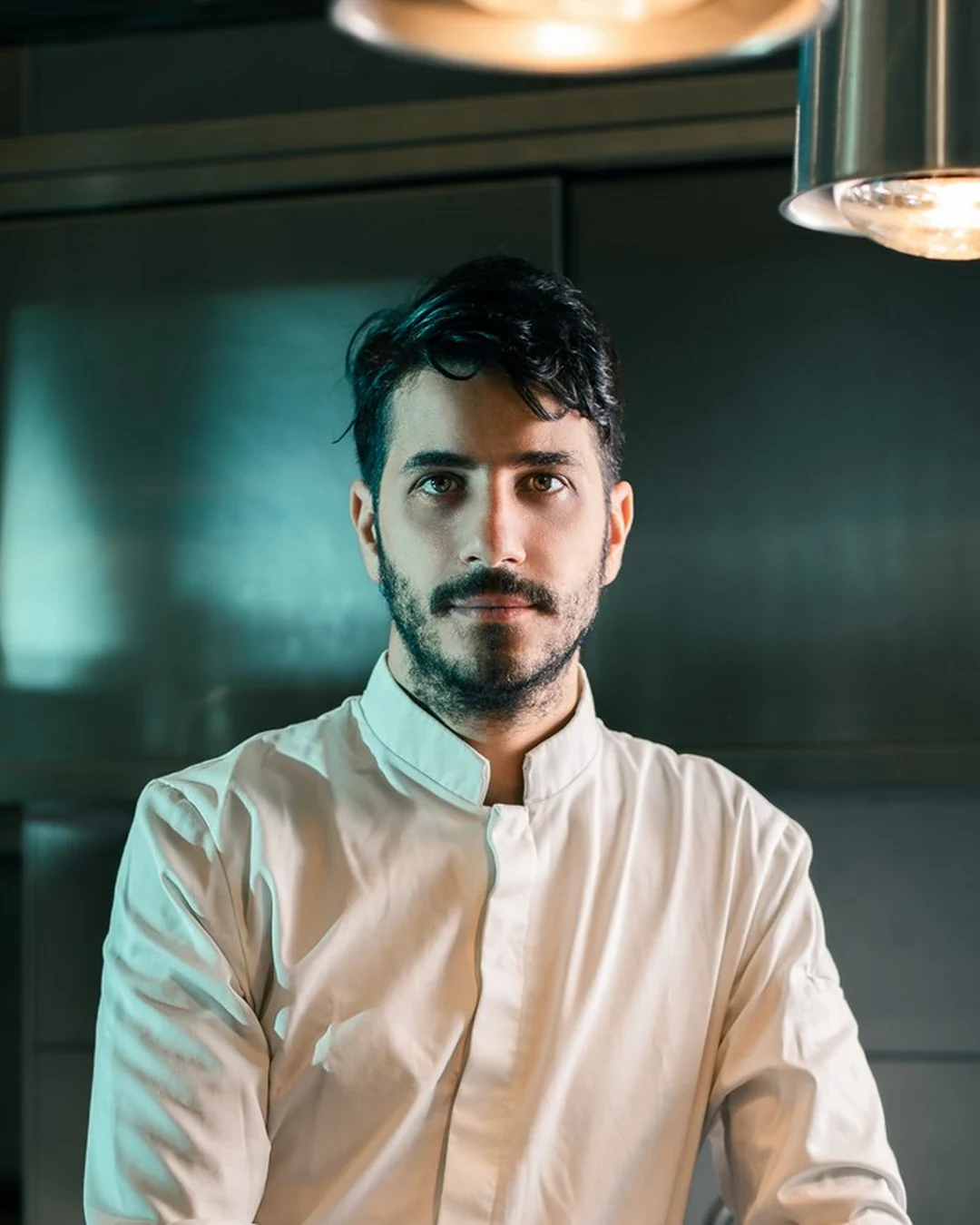
Chef Ciro Scamardella trained across a range of Italian kitchens before reaching Pipero, with a formative period at Martin Berasategui's three-Michelin-starred operation in the Basque Country and subsequent work alongside Anthony Genovese at Acquolina-adjacent Roman fine dining circles. His Campanian origin shapes the menu in traceable ways: rapini, escarole, and lemons appear as structural ingredients rather than garnishes, and the occasional regional speciality from his home territory in Bacoli grounds the creative framework in something specific. But the broader approach is contemporary and seasonal, with meat and fish dishes treated with equal discipline.
The kitchen has been praised for a mussel soup reinterpretation that carries the full flavour of the ingredient through a creative format. That kind of balance, intensity of flavour maintained through technical refinement rather than subtracted by it, is what separates creative Italian kitchens that hold their stars from those that lose them. The attention to colour and presentation noted across multiple inspection cycles suggests a kitchen that has internalized the visual grammar of contemporary fine dining without letting it override the flavour logic.
This trajectory parallels what has happened at a handful of other Italian creative houses. Enrico Bartolini in Milan and Quattro Passi in Marina del Cantone both represent the same broad category of Italian chefs who trained across multiple regions and international kitchens before arriving at a personal syntax that is identifiably Italian without being narrowly regional. Atelier Moessmer Norbert Niederkofler in Brunico occupies a related but distinct niche, where Alpine regionalism rather than Mediterranean range defines the creative perimeter.
Front of House as a Competitive Variable
At the €€€€ tier in Rome, kitchen quality is a given. The variable that tends to separate a genuinely smooth experience from a merely competent one is the floor. Pipero Roma's front of house is led by Achille Sardiello, and the inspection notes across multiple years describe a team specifically oriented toward guest needs rather than procedural formality. In a city where fine dining service can still tip toward the ceremonial and slightly stiff, an operation that has built flexibility into its floor team represents a real differentiator.
Alessandro Pipero, the owner and namesake, has long had a reputation in Rome as a maître-d' who helped establish the front-of-house standards at this address. The continuity of that hospitality orientation through Sardiello's current leadership is part of what the OAD's sustained positive trajectory is measuring: fine dining at this level is an integrated product, and the floor contributes as much to the final rating as any single dish.
For comparison, restaurants like Achilli al Parlamento operate in a different but adjacent register of Roman hospitality, where the wine program anchors the experience as much as the kitchen. Pipero's model leans toward the integrated tasting experience across food and service as its primary statement.
Know Before You Go
- Address: Corso Vittorio Emanuele II, 246, 00186 Roma
- Hours: Monday dinner only (7 PM–11 PM); Tuesday through Friday lunch (12 PM–3 PM) and dinner (7 PM–11 PM); Saturday dinner only (7 PM–11 PM); Sunday closed
- Price range: €€€€
- Awards: Michelin star; Opinionated About Dining Classical in Europe #197 (2025) 5 from 564 reviews
- Location note: Opposite the Chiesa Nuova (Santa Maria in Vallicella), a short walk from Castel Sant'Angelo in Rome's historic centre
- Private dining: A second room on the first floor is available for small groups and private dinners
- Planning tip: Lunch service runs Tuesday through Friday; Saturday is dinner-only, and the restaurant is closed Sundays
For a northern Italian counterpoint to Pipero's Mediterranean creative approach, Osteria Francescana in Modena remains the reference point at the summit of the Italian creative category.
What Do People Recommend at Pipero Roma?
Michelin inspectors have highlighted two dishes across different inspection cycles. The reinterpretation of mussel soup drew specific praise for carrying the intensity of the sea through a contemporary format without losing the ingredient's essential character. The beef with spinach, bay leaf, and black garlic sauce was noted for its balance and visual precision. Both dishes reflect the kitchen's consistent focus on seasonal produce and Campanian-inflected Mediterranean flavours. The menu spans both meat and fish, with regional Campanian ingredients including rapini, escarole, and lemon appearing as recurring structural elements rather than occasional flourishes. Given the OAD ranking trajectory and the Michelin star, the tasting menu format is where the kitchen's current direction is most fully expressed.
Questions
Frequently asked
What recognition does Pipero Roma hold?
Pipero Roma holds 1 Michelin star.
Who works at Pipero Roma?
Made By profiles Alessandro Pipero (owner / maître / sommelier) and Ciro Scamardella (Chef) at Pipero Roma.
How expensive is Pipero Roma?
Pipero Roma is listed at a price level of $$$$.
Where is Pipero Roma and what does it serve?
Pipero Roma is in Parione, Rome, serving Modern Roman Fine Dining.
The field
How it compares
| Place | Awards | Cuisine | Notes |
|---|---|---|---|
| Pipero Roma | Michelin 1 Star | Modern Roman Fine Dining | Parione, $$$$ |
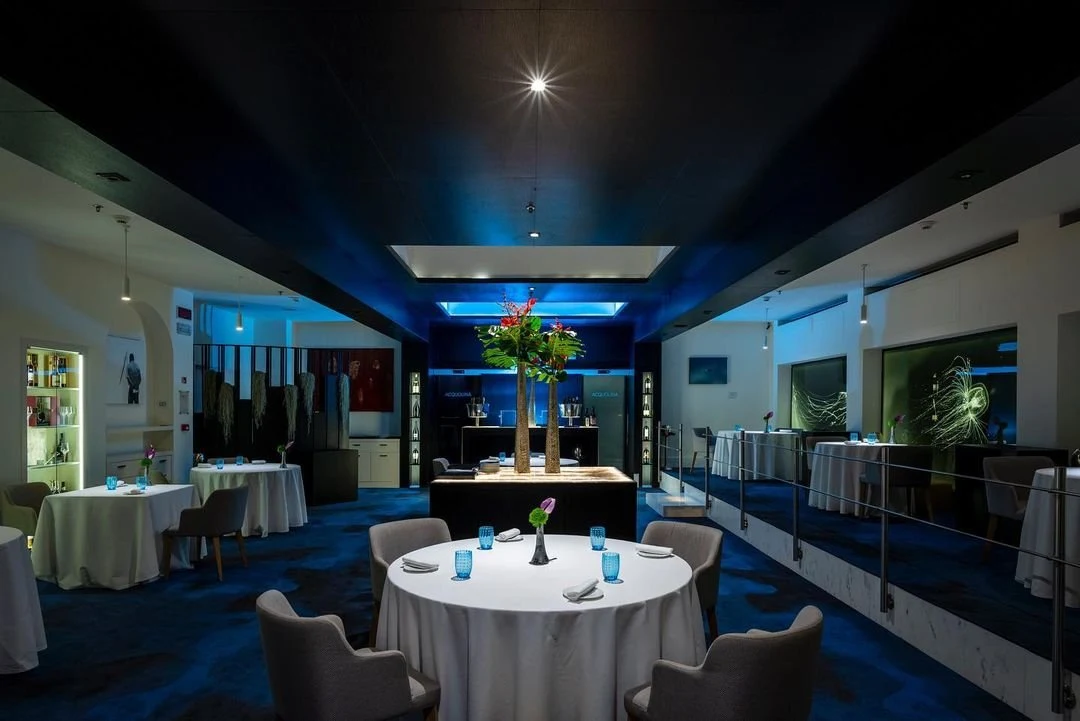
| Acquolina | Michelin 2 Stars | Modern Mediterranean Seafood Fine Dining | Rome |
| Enoteca La Torre | Michelin 2 Stars | Modern Italian Fine Dining | Rome |
| Idylio by Apreda | Michelin 1 Star | Modern Mediterranean-Asian Fusion | Rome |
| Il Pagliaccio | Michelin 2 Stars | Modern Italian-Japanese Fusion Fine Dining | Rome |
| Imàgo | Michelin 1 Star | Modern Italian Fine Dining | Rome |
| La Pergola | Michelin 3 Stars | Modern Italian Fine Dining | Rome |
In residence
Similar places
Modern Mediterranean Seafood Fine Dining
Acquolina
Rome, Italy
★★
Modern Italian Fine Dining
Enoteca La Torre
Rome, Italy
★★
Modern Mediterranean-Asian Fusion
Idylio by Apreda
Rome, Italy
★
Modern Italian-Japanese Fusion Fine Dining
Il Pagliaccio
Rome, Italy
★★
Modern Italian Fine Dining
Imàgo
Rome, Italy
★
Modern Italian Fine Dining
La Pergola
Rome, Italy
★★★
The Sunday letter
Get the next Made By story in your inbox.
We send one email every Sunday morning with the places and people we covered that week.
See a sample of the Sunday emailOne email a week. Unsubscribe from any issue.