Volcanic soils, cool-climate sparkling
- Pearl 2 Star Prestige · 2025
Cool fruit under Whittle’s hand
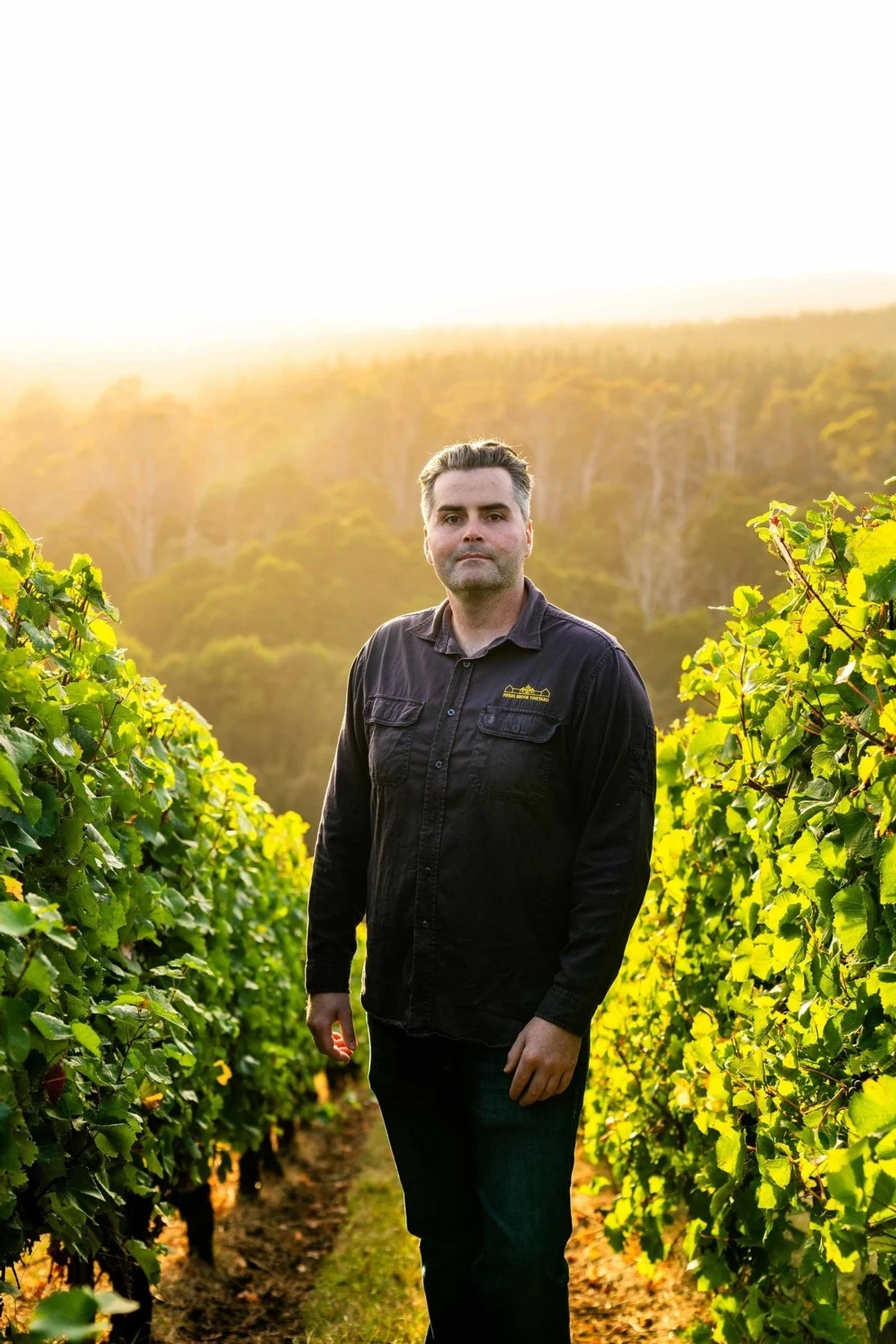
Pinot Noir and Chardonnay set the terms for Luke Whittle, Chief Winemaker at Pipers Brook Vineyard in Pipers Brook, where cool-climate fruit meets a cellar built for still and sparkling wine. Since 2019, he has held the chief winemaker’s post for Kreglinger Wine Estates and Pipers Brook Vineyard, after working here first as Senior Winemaker from 2016 to 2019. The role did not arrive as theatre. Whittle’s route began on a cellar floor in West Auckland, New Zealand, in 2007, moved through winemaking responsibility at Balgownie Estate in Central Victoria from 2011, then settled into the Tasmanian discipline of Pipers River fruit. He trained at the University of Auckland, then learned the work through regions where acidity, picking decisions, and cellar restraint carry consequence. His own account of the station is plain: “I started working as a winemaker at Pipers Brook Vineyard, which has empowered me to explore cool climate and sparkling winemaking. I have gained immense knowledge in making pinot noirs and sparkling wines.” At this estate, that knowledge sits close to the bench, not above it.
Volcanic soils and a sparkling brief
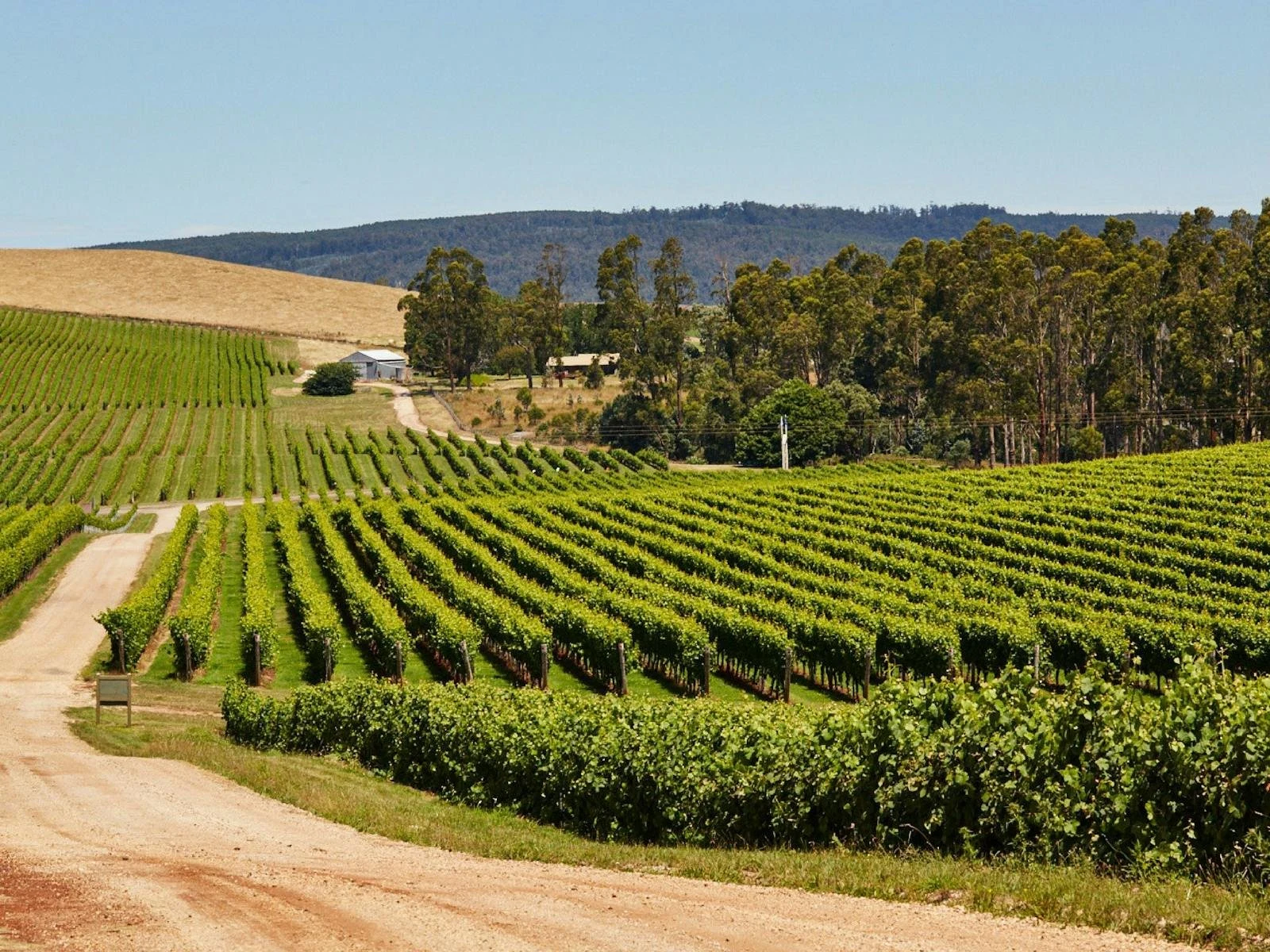
Pipers Brook Vineyard works from a Pipers River setting shaped by maritime climate and volcanic soils, with Pinot Noir, Chardonnay, Riesling, Pinot Gris, Gewürztraminer, Sauvignon Blanc, and Pinot Meunier in the house vocabulary. The estate was established in 1974, an early Tasmanian marker for cool-climate wine, and its present scale gives Whittle material without turning the work anonymous: 70,000 cases annually from 168 ha. The philosophy is sustainable, and the wines move across still white, still red, sparkling, and still rosé. Whittle’s signature releases point to where the cellar spends its attention: Kreglinger Vintage Brut, Kreglinger Vintage Rosé, Kreglinger Brut Rosé, Kreglinger Brut, and 2017 Pipers Brook Late Disgorged. Read together, they make a map of the method. Pinot Noir gives structure and fruit line; Chardonnay supplies tension and length; Pinot Meunier belongs to the sparkling grammar. Late disgorgement asks for patience as much as technique. The release date becomes part of the making.
The cellar beside Pipers River
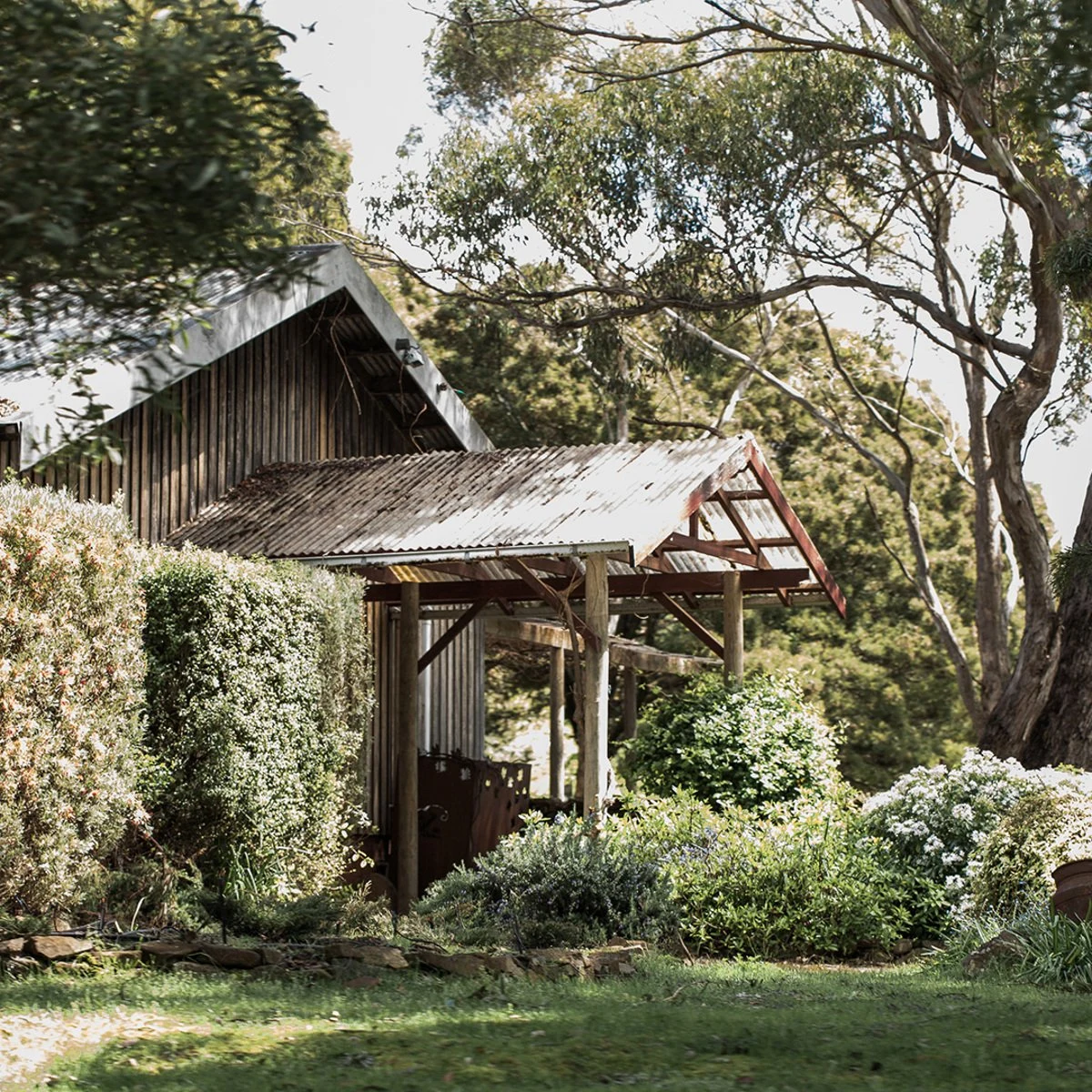
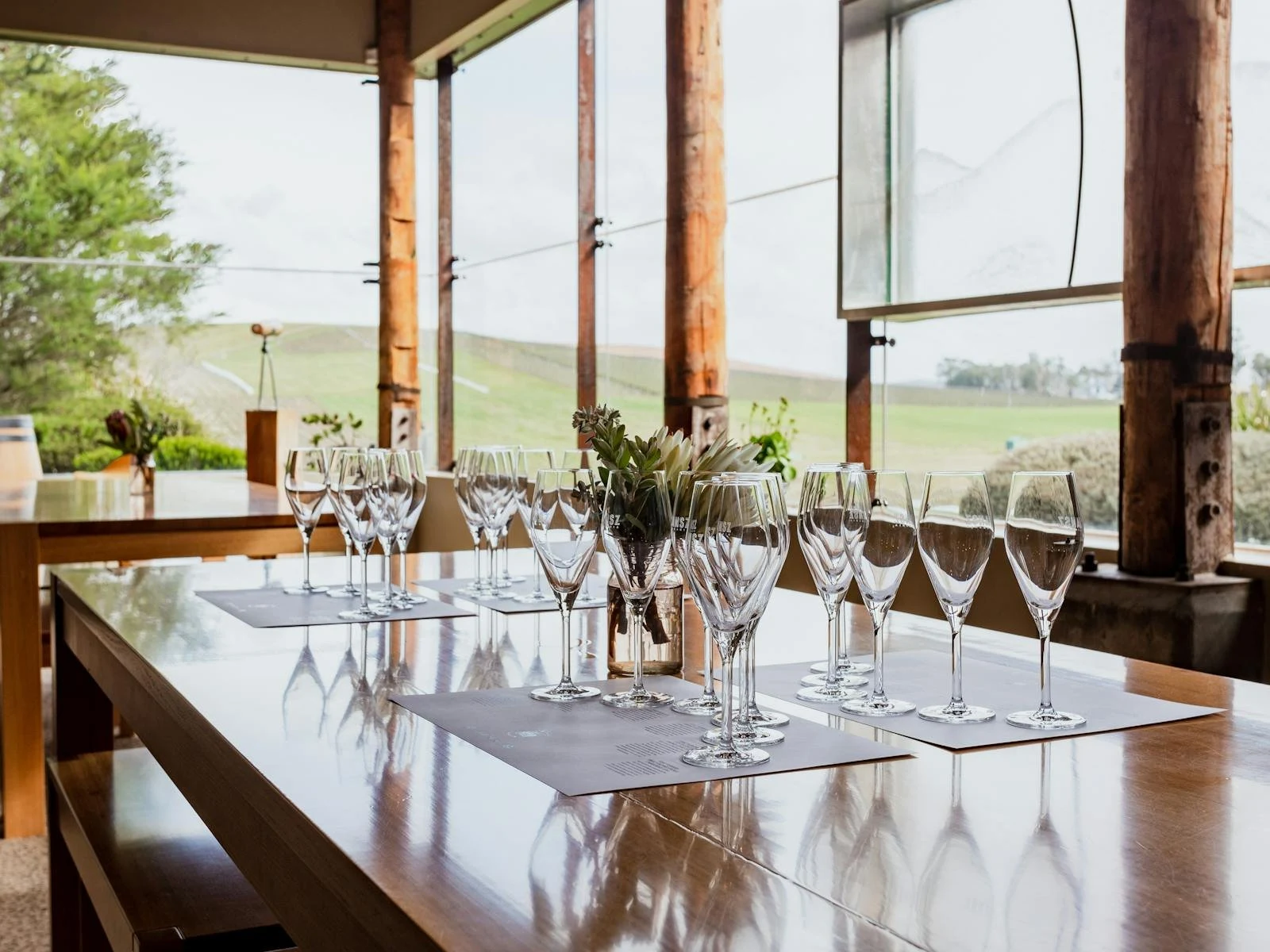
The place is quiet enough for cellar decisions to feel audible. Outside, the vineyard holds the eye in rows and weather; inside, the program returns to fruit condition, base wine, blend, and time. The tasting room carries a relaxed rhythm, but the work behind it is not casual. Pipers Brook’s setting gives the wines their pressure: maritime air, cool ripening, volcanic ground, and a region where acid does not need to be forced into the glass. Whittle’s second statement about Tasmania keeps that pressure in view: “There is just so much potential and so many great wines coming out of the State that it is great to be involved in what is happening in Tasmania. It is an awesome opportunity.” The sentence is generous, but the craft remains specific. At Pipers Brook Vineyard, opportunity arrives as Pinot Noir, Chardonnay, and the 2017 Pipers Brook Late Disgorged.
Questions
Frequently asked
Who is the chief winemaker at Pipers Brook Vineyard?
Luke Whittle is the Chief Winemaker at Pipers Brook Vineyard. He has held the post since 2019, after working there as Senior Winemaker from 2016 to 2019.
What is Pipers Brook Vineyard known for?
The vineyard works with cool-climate fruit, especially Pinot Noir and Chardonnay, and its cellar is set up for still and sparkling wine. Its signature releases include Kreglinger Vintage Brut, Kreglinger Vintage Rosé, Kreglinger Brut Rosé, Kreglinger Brut, and 2017 Pipers Brook Late Disgorged.
What grapes are grown and made there?
Pipers Brook Vineyard works with Pinot Noir, Chardonnay, Riesling, Pinot Gris, Gewürztraminer, Sauvignon Blanc, and Pinot Meunier. The wines are made across still white, still red, sparkling, and still rosé.
Is booking recommended for a visit?
Yes, reservations are recommended at Pipers Brook Vineyard.
What is the setting of the vineyard?
The vineyard is in Pipers River, where maritime climate and volcanic soils shape the fruit. The estate was established in 1974 and produces around 70,000 cases annually from 168 hectares.
The field
How it compares
| Place | Notes | Awards |
|---|---|---|
| Pipers Brook Vineyard | Pipers Brook, $$ | · |
| Dalrymple Vineyards | Pipers Brook | · |
| Delamere Vineyards | Pipers Brook | · |
| Domäne Wachau | Dürnstein | World's 50 Best |
| Hundred Acre | Napa | · |
| Jansz Tasmania | Pipers Brook | · |
| Klein Constantia | Cape Town | World's 50 Best |