- 50 Top Pizza Latin America #3 · 2026
- 50 Top Pizza World #17 · 2026
- 50 Top Pizza World Best Pizza #36 · 2025
Industrial Edge, Considered Menu: What QT Pizza Bar Says About São Paulo's Pizza Scene
The approach to Alameda Min. Rocha Azevedo in Cerqueira César tells you something before you step inside. This stretch of São Paulo's Jardins district has become the address of choice for restaurants that take their offer seriously without defaulting to the formality of a full fine-dining room. QT Pizza Bar fits that register precisely: exposed materials, deliberate warmth, and a price point that signals intent without demanding a jacket. It is a restaurant in São Paulo's Cerqueira César, serving Modern Creative Pizza at a recommended-booking, casual setting.
São Paulo's relationship with pizza is long and surprisingly complex. The city's large Italian-descendant population built a pizza culture through the twentieth century that now runs from working-class neighbourhood parlours in the Brás and Mooca districts to ingredient-focused operations like QT in the city's wealthiest postcodes. What separates the upper tier is not merely ingredient sourcing but menu architecture: how a kitchen frames the full evening rather than treating the pizza as the only object of attention.
The Sunday letter
Find new places through the people who run them.
Our Sunday email brings you the chefs, winemakers and hoteliers behind our newest stories. See a sample before you subscribe.
See a sample of the Sunday emailOne email a week. Unsubscribe from any issue.
How the Menu Is Built
The structure at QT Pizza Bar follows a logic that puts the appetiser course in a position of real consequence. The mini fried calzones, with a soft and well-developed dough, function as an argument for the kitchen's technique before the main event arrives. This is a deliberate sequencing decision. In many pizza-focused rooms, the starter course is an afterthought, bread service, a Caesar, something to keep hands busy. Here, the calzones establish the dough as the throughline of the meal.
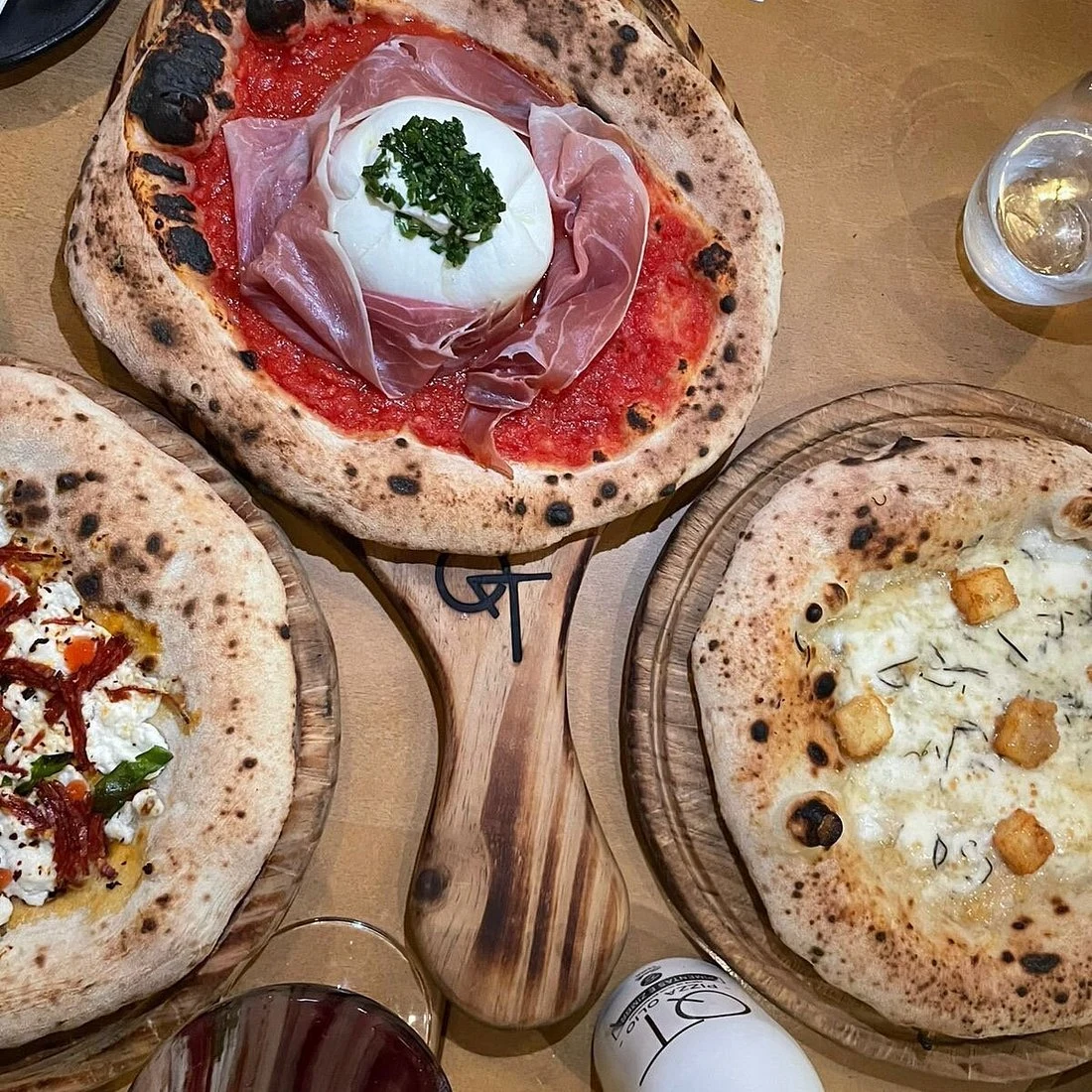
That same dough carries the pizzas, where the formula relies on Italian peeled tomatoes and locally produced fior di latte cheese. The sourcing decision to use Italian tomatoes alongside Brazilian fior di latte is worth noting: it represents a specific position on authenticity versus accessibility. Imported San Marzano-style tomatoes anchor the sauce in recognisable Neapolitan tradition, while local cheese production keeps the supply chain manageable and supports a consistency in texture that imported buffalo mozzarella, with its longer transit, cannot always guarantee.
The Fantastica, guanciale and shrimp, is the menu's most deliberate signal about creative range. Guanciale is a cured pork product with a specific fat-to-lean ratio that performs differently from pancetta or bacon on a high-heat bake. Pairing it with shrimp is not a combination found in the Neapolitan canon; it reads as a confident São Paulo interpretation, where seafood from the Atlantic coast and Italian charcuterie traditions are treated as compatible raw materials rather than competing identities. For comparison, the contemporary Italian direction at Evvai and the neighbourhood-rooted formality of Fame Osteria both occupy higher price brackets and longer tasting formats; QT operates in a different register, shorter, more social, and structured around sharing.
Cocktails here are presented rather than simply poured. In a room that prices above the neighbourhood average, the bar program needs to function as a revenue and hospitality layer, not an afterthought. The dessert section, and especially the tiramisu, completes the Italian reference arc that the menu draws from beginning to end. A kitchen that can close on a well-made tiramisu has understood that dessert is not filler; it is the final editorial statement about what the evening was.
The Room and the Atmosphere
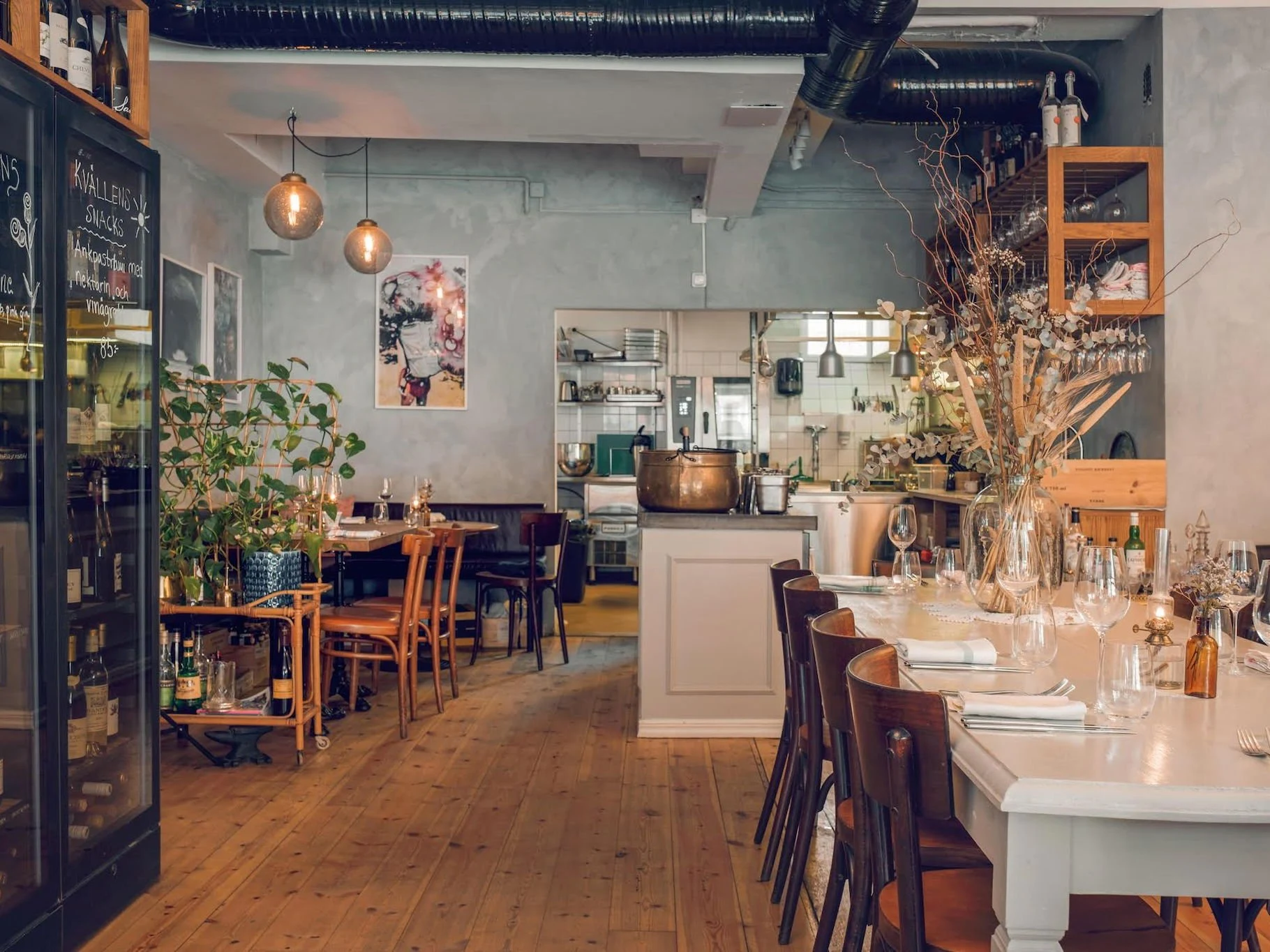
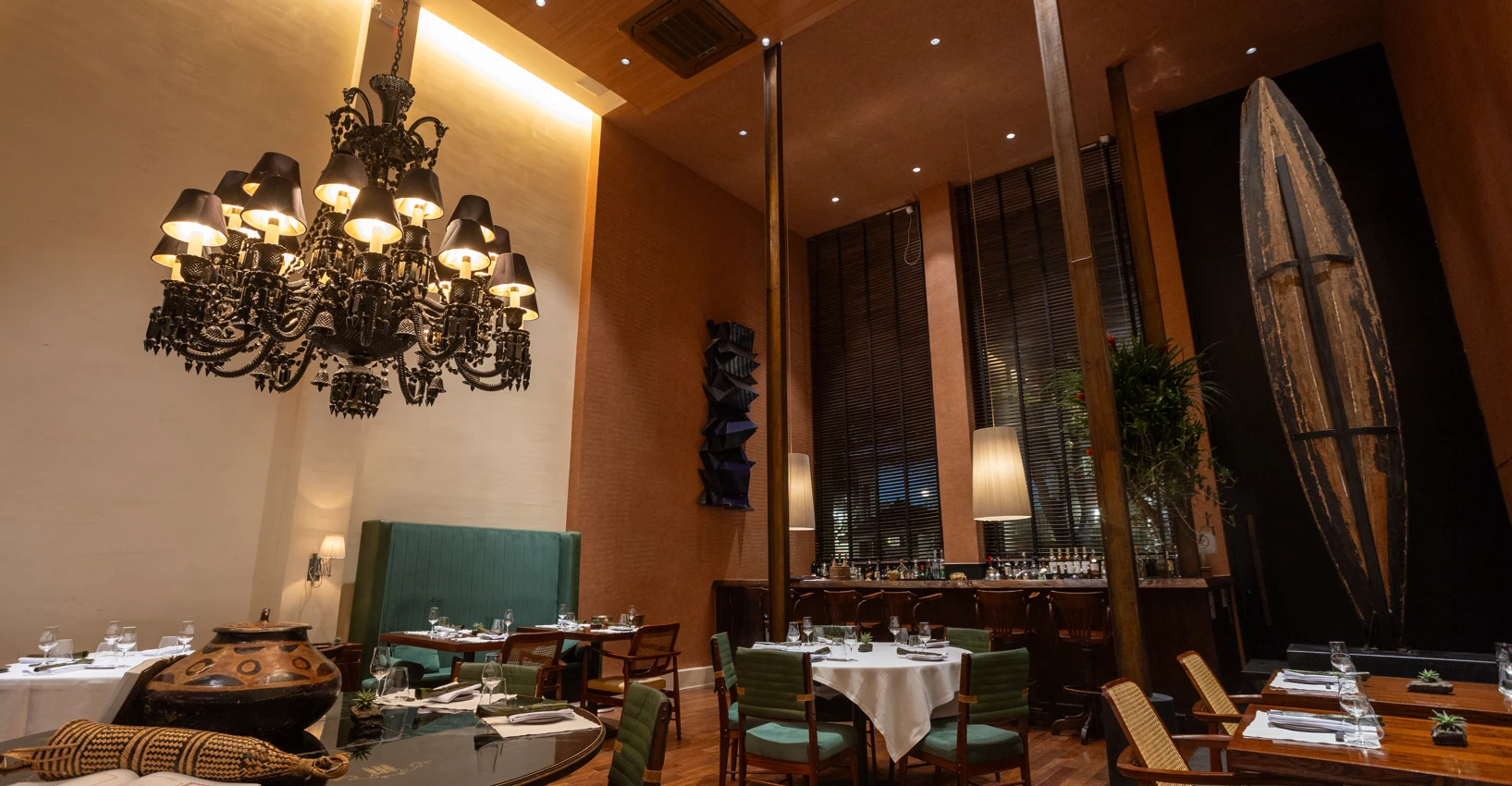
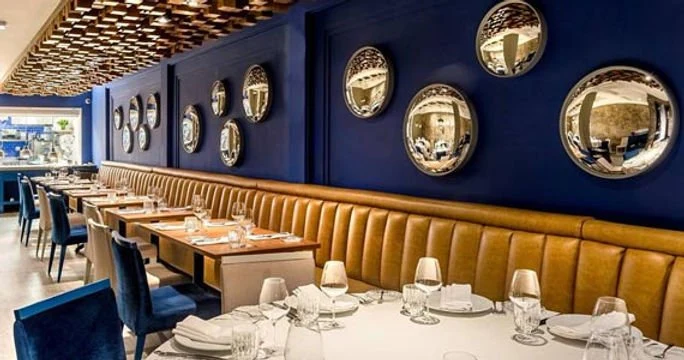
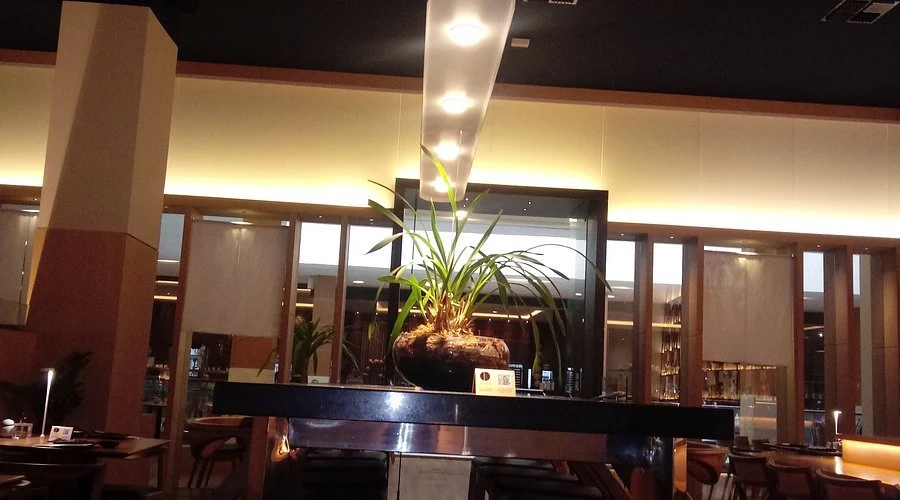
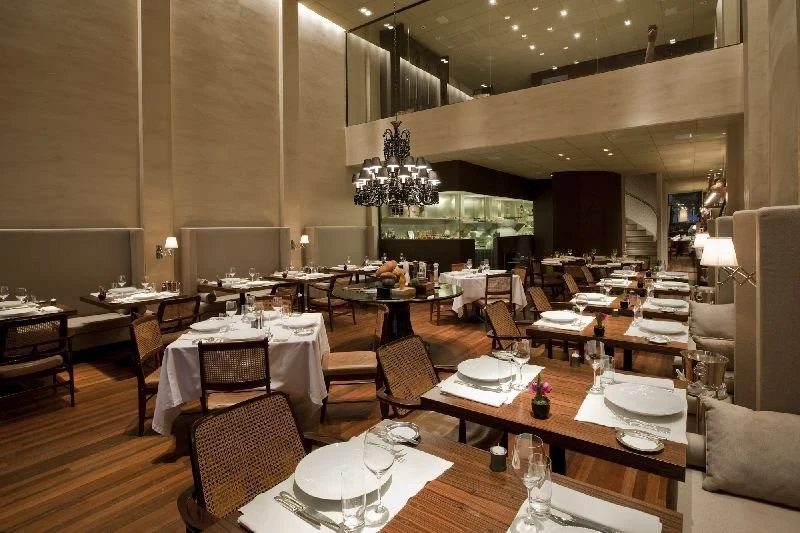
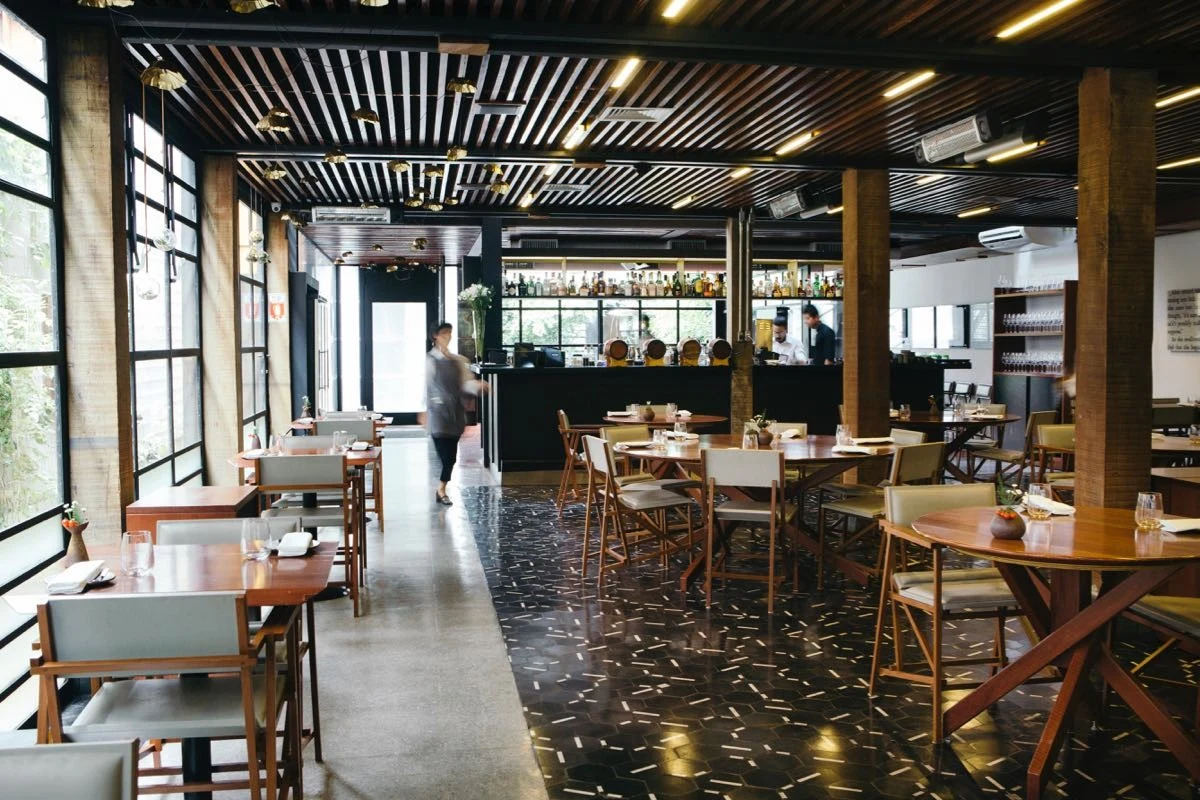
The industrial-meets-rustic design language at QT Pizza Bar sits in a well-established São Paulo mode. Since the early 2010s, a number of the city's more serious casual restaurants have used raw materials, exposed brick, bare concrete, dark timber, to signal that the focus is on the plate rather than the décor. QT layers in warmer, more rustic finishes against that industrial base, which softens the room enough to make it function across different social contexts: a couple on a Friday evening, a table of colleagues at a business dinner, a group of friends splitting multiple pizzas.
The music selection is described as enjoyable, which in São Paulo dining terms matters more than it might in other cities. The sound environment in a casual-premium room directly affects table turnover and perceived energy. A room that gets the playlist right signals that the operation understands hospitality at a granular level, not just at the level of the food.
Where This Fits in São Paulo's Wider Dining Picture
Cerqueira César and the surrounding Jardins neighbourhoods host a disproportionate share of São Paulo's serious restaurant openings. The full spread runs from Michelin-level tasting menus, including D.O.M., Tuju, and Maní, down through casual-premium operators like QT. The neighbourhood's price tolerance is high, which means above-average pricing is a viable position as long as the food and room justify it.
QT does not compete with the tasting-menu tier. Its comparable set is the category of well-executed, ingredient-focused casual restaurants that treat a specific format, pizza, in this case, as a vehicle for genuine kitchen craft rather than a lowest-common-denominator choice. In Brazil's wider restaurant scene, that approach is visible in cities beyond São Paulo: Lasai in Rio de Janeiro and Manga in Salvador both demonstrate how format-specific focus can achieve serious results in distinct regional contexts. For those exploring what Brazil's restaurant culture produces beyond São Paulo, the Mina in Campos do Jordão and Primrose in Gramado represent a different geographic register of the same attentiveness to craft.
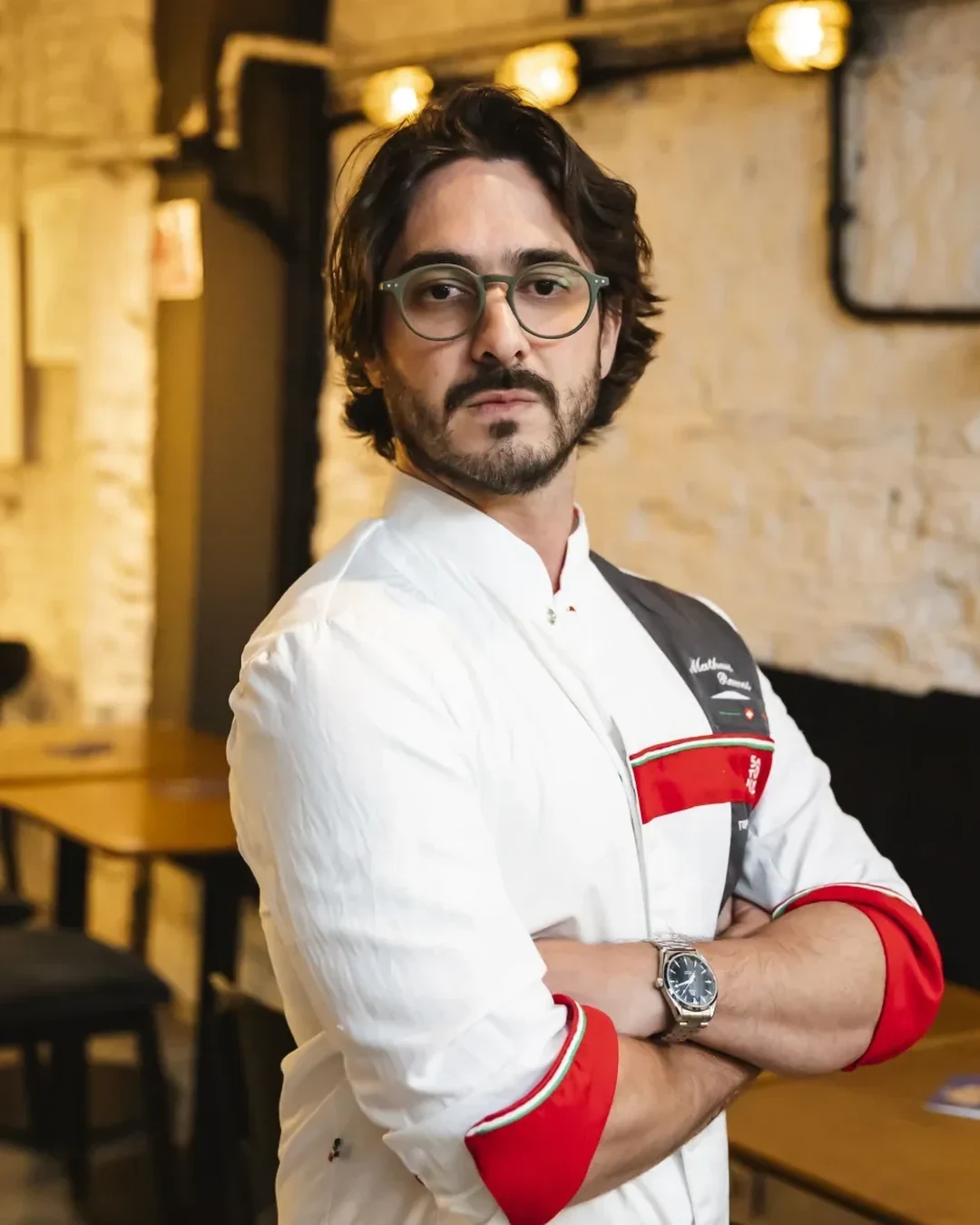
Chef Matheus Ramos operates within a kitchen tradition that treats pizza as a technically demanding product rather than a populist fallback. That positioning is more common in São Paulo than in most Brazilian cities, partly because the city's Italian heritage created a discerning local audience, and partly because the Jardins consumer base applies similar scrutiny to a pizza as to a tasting menu course.
For reference points outside Brazil, the precision-format thinking visible at QT has parallels at Atomix in New York City and the ingredient-sourcing rigour that defines rooms like Le Bernardin, though at substantially different price levels and formats. Elsewhere in Brazil, Orixás North Restaurant in Itacaré and Castelo Saint Andrews in Gramado show how regional ingredients are being handled with similar seriousness across different contexts.
Questions
Frequently asked
Who works at QT Pizza Bar?
Made By profiles Matheus Ramos (Chef) at QT Pizza Bar.
How expensive is QT Pizza Bar?
QT Pizza Bar is listed at a price level of $$$.
Where is QT Pizza Bar and what does it serve?
QT Pizza Bar is in Jardim Paulista, São Paulo, serving Modern Creative Pizza.
The field
How it compares
| Place | Cuisine | Notes | Awards |
|---|---|---|---|
| QT Pizza Bar | Modern Creative Pizza | Jardim Paulista, $$$ | · |
| A Casa do Porco | Modern Brazilian Pork-Centric | São Paulo | World's 50 Best |
| D.O.M. | Modern Brazilian Amazonian Fine Dining | São Paulo | Michelin 2 Stars, World's 50 Best |
| Evvai | Modern Italian-Brazilian Fusion | São Paulo | Michelin 3 Stars, World's 50 Best |
| Jun Sakamoto | Japanese Omakase | São Paulo | Michelin 1 Star |
| Maní | Modern Creative Brazilian | São Paulo | Michelin 1 Star, World's 50 Best |
| Tuju | Modern Brazilian Fine Dining | São Paulo | Michelin 3 Stars, World's 50 Best |
In residence
Similar places
Modern Brazilian Pork-Centric
A Casa do Porco
São Paulo, Brazil
50 Best
Modern Brazilian Amazonian Fine Dining
D.O.M.
São Paulo, Brazil
★★ · 50 Best
Modern Italian-Brazilian Fusion
Evvai
São Paulo, Brazil
★★★ · 50 Best
Japanese Omakase
Jun Sakamoto
São Paulo, Brazil
★
Modern Creative Brazilian
Maní
São Paulo, Brazil
★ · 50 Best
Modern Brazilian Fine Dining
Tuju
São Paulo, Brazil
★★★ · 50 Best
The Sunday letter
Get the next Made By story in your inbox.
We send one email every Sunday morning with the places and people we covered that week.
See a sample of the Sunday emailOne email a week. Unsubscribe from any issue.