Made ByRestaurant
Qui Plume la Lune
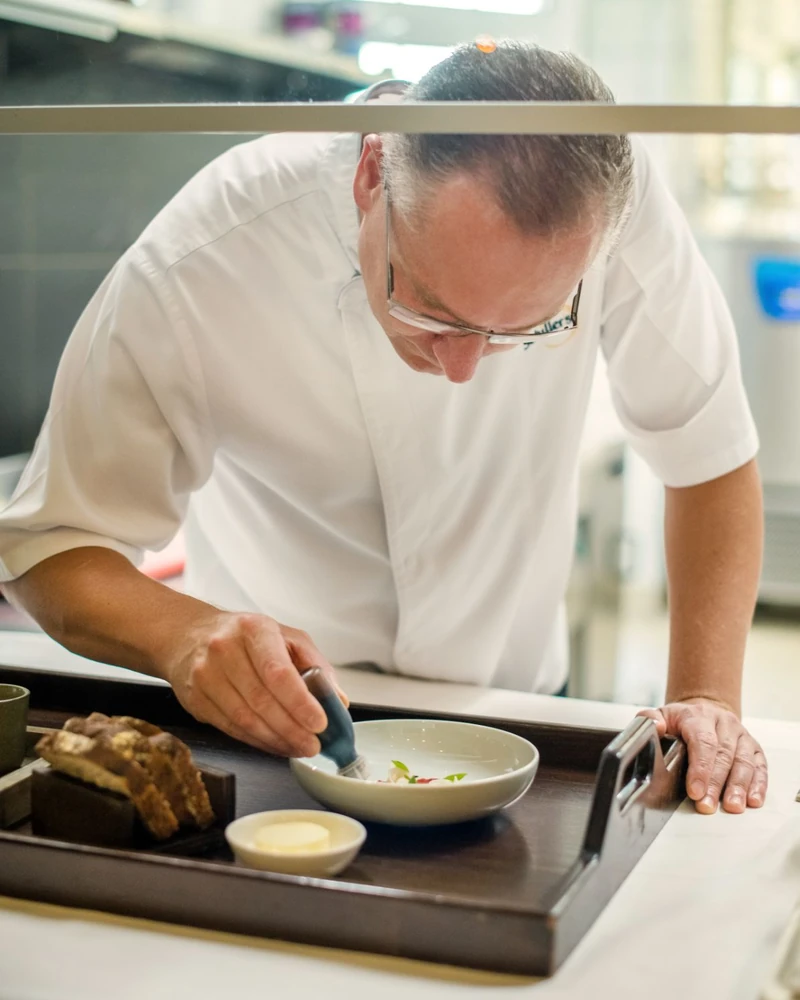
Chef in Residence
Mike Schiller
Chef
- 01CuisineModern French Gastronomic
- 02CityParis, France
- 03RecognitionOne Michelin Star
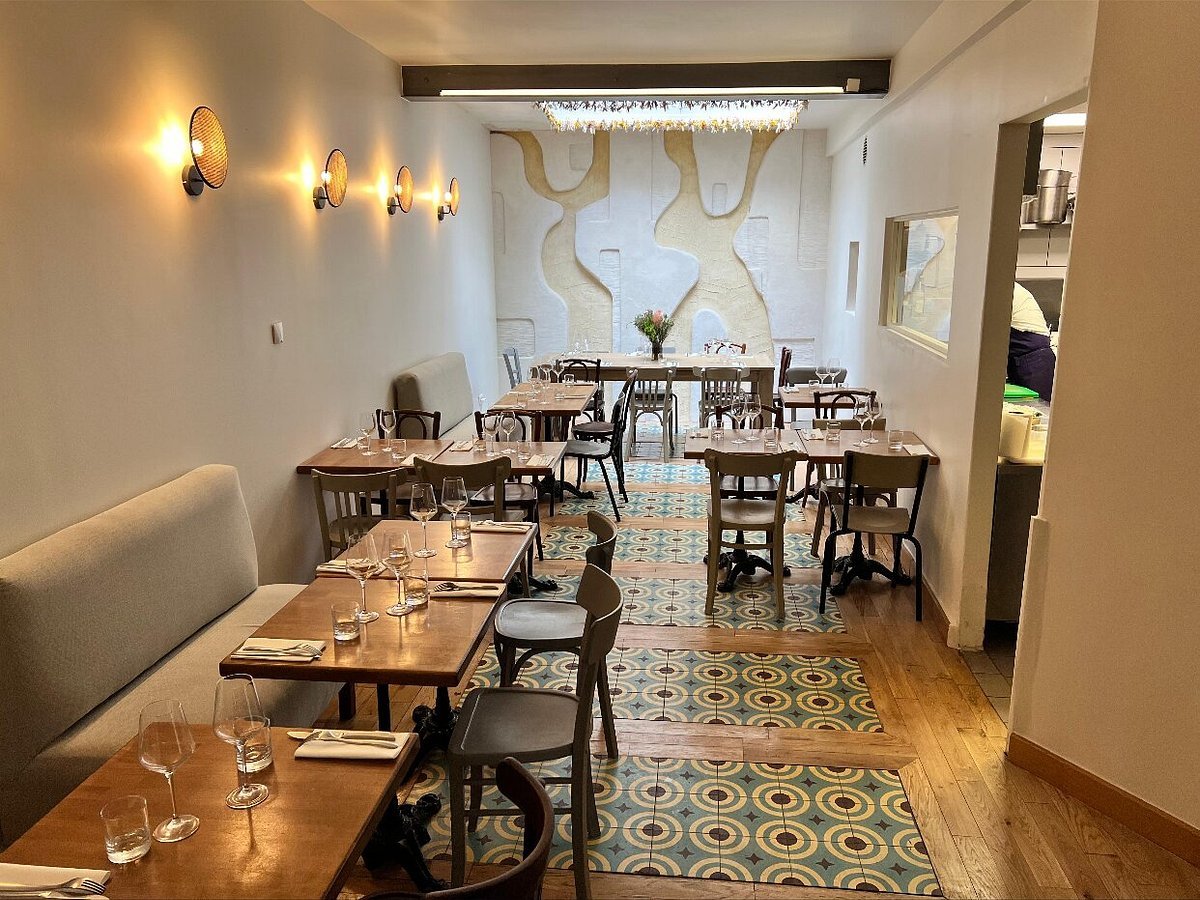
Qui Plume la Lune holds a Michelin star for the second consecutive year in 2025, placing Chef Mike Schiller's modern cuisine address on Rue Amelot firmly inside the 11th arrondissement's upper dining tier. With a Google score of 4.6 across 872 reviews, the restaurant draws a loyal clientele who return for the precision and coherence of a menu that reads as a clear editorial statement rather than a crowd-pleasing exercise.
- 1 Michelin Star
At a glance
- Cuisine
- Modern French Gastronomic
- Price
- $$$$
- Per person
- $150
- Hours
- Mon: Closed; Tue: 12–2 PM, 7–9:30 PM; Wed: 12–2 PM, 7–9:30 PM; Thu: 12–2 PM, 7–9:30 PM; Fri: 12–2 PM, 7–9:30 PM; Sat: 12–2 PM, 7–9:30 PM; Sun: Closed
- Neighborhood
- 11e arrondissement
- Rating
- 4.6 (927)
<h2>The 11th and the Question of Ambition</h2><p>Paris's 11th arrondissement has spent the better part of two decades oscillating between neighbourhood bistro credibility and something sharper. The restaurants that endure here tend to share a common quality: they resist the temptation to either coast on informality or perform the studied grandeur of the Right Bank's trophy addresses. Qui Plume la Lune is a one-star modern French gastronomic restaurant at 50 Rue Amelot in Paris, with dinner around $150 per person. Its Michelin star signals a consistency that distinguishes it from the wave of 11th-arrondissement openings that arrived with considerable press and departed without much ceremony.</p><p>Modern cuisine in Paris covers a wide bracket, from the architectural excess of <a href="https://www.enprimeurclub.com/restaurants/alleno-paris-au-pavillon-ledoyen-paris-restaurant">Alléno Paris au Pavillon Ledoyen</a> to the quieter intellectual discipline of addresses like <a href="https://www.enprimeurclub.com/restaurants/accents-table-bourse-paris-restaurant">Accents Table Bourse</a>. Qui Plume la Lune operates closer to the latter register: a kitchen that asks questions rather than announces conclusions. Chef Mike Schiller's position in that conversation is backed by Michelin recognition, a credential that, in practice, functions as both a booking driver and a quality floor.</p><h2>What Keeps Them Coming Back</h2><p>The restaurants that develop genuine regulars in Paris tend not to do so through novelty. A menu that changes to the point of instability, a room that prioritises spectacle over comfort, a service style calibrated for first impressions rather than the third visit, these are the markers of a restaurant still auditioning for an audience. The repeat clientele at an address like Qui Plume la Lune returns because the kitchen has established a grammar: a set of flavour relationships, textures, and temperatures that feel authorial without feeling repetitive.</p><p>That grammar is what Michelin's inspectors are, in part, rewarding when they return to a table across multiple years. A single star held in both 2024 and 2025 at a mid-range-by-Paris-standards modern cuisine address is not a default outcome. The starred tier in Paris demonstrates how demanding it is to hold. Qui Plume la Lune's continued presence in the Guide suggests a kitchen that has moved past proving itself and into something more durable.</p><p>The 4.6 Google score across 927 reviews reinforces the same point from a different angle. At that volume, a rating reflects accumulated visits, not the compression of a honeymoon period. Regulars and newcomers are contributing to the same number, and the result lands above the threshold that separates restaurants people admire from restaurants they return to.</p><h2>Context: Modern Cuisine in a City of Categories</h2><p>Paris remains one of the few cities where the phrase "modern cuisine" still requires active definition. The classic houses, <a href="https://www.enprimeurclub.com/restaurants/paul-bocuse-lauberge-du-pont-de-collonges-collonges-au-mont-dor-restaurant">Paul Bocuse - L'Auberge du Pont de Collonges</a>, <a href="https://www.enprimeurclub.com/restaurants/troisgros-le-bois-sans-feuilles-ouches-restaurant">Troisgros - Le Bois sans Feuilles</a>, established a canon that later generations have spent decades either extending or dismantling. The city's current €€€€ modern tier occupies an interesting position: it borrows technical vocabulary from the international conversation (the kind of language also spoken at <a href="https://www.enprimeurclub.com/restaurants/frantzen-stockholm-restaurant">Frantzén in Stockholm</a> or <a href="https://www.enprimeurclub.com/restaurants/fzn-by-bjorn-frantzen-dubai-restaurant">FZN by Björn Frantzén in Dubai</a>) while remaining accountable to a dining public that has deep category memory.</p><p>In that context, what it means for a restaurant to hold a Michelin star on Rue Amelot is specific. It is not the same signal as a star in the 8th, where addresses like <a href="https://www.enprimeurclub.com/restaurants/114-faubourg-paris-restaurant">114, Faubourg</a> or <a href="https://www.enprimeurclub.com/restaurants/le-cinq-four-seasons-hotel-george-v-paris-restaurant">Le Cinq</a> operate inside the infrastructure of major hotels. The 11th demands that a restaurant build its own gravity. Qui Plume la Lune has done that, placing it in a smaller group of left-bank-adjacent addresses that have earned institutional recognition without institutional backing.</p><p></p><h2>The Unwritten Menu</h2><p>Every restaurant that develops a regular audience eventually acquires what might be called an unwritten menu: the preferences, the timing, the particular seats or service rhythms that only frequent visitors know to ask for. At a starred address in Paris, this operates alongside the formal tasting format rather than in opposition to it. Regulars tend to arrive with calibrated expectations, they know the kitchen's pace, they understand which part of the menu rewards the most attention, and they have usually developed a working relationship with the service team that shapes how the meal unfolds.</p><p>This is not unique to Qui Plume la Lune, but it is particularly pronounced at addresses where the room is small enough and the dining experience considered enough that the kitchen's output can be read as a continuous statement rather than a collection of individual dishes. Modern cuisine at this level tends to reward repeat engagement: the second or third visit reveals the internal logic that a first visit might only hint at. Chef Schiller's approach suggests a team that is building toward something over time, not reconfiguring itself seasonally to chase relevance.</p><p>For those approaching Paris's broader starred tier from a regional perspective, the contrast with mountain addresses like <a href="https://www.enprimeurclub.com/restaurants/flocons-de-sel-megeve-restaurant">Flocons de Sel in Megève</a> or coastal positions like <a href="https://www.enprimeurclub.com/restaurants/mirazur-menton-restaurant">Mirazur in Menton</a> is instructive. Those kitchens are shaped by specific landscapes and seasonal supply chains in ways that a Paris address is not. What Qui Plume la Lune offers instead is urban precision: the discipline of a kitchen that cannot rely on an exceptional setting or a single dominant ingredient to carry a meal.</p><h2>Planning a Visit</h2><p>Rue Amelot sits in the central 11th, within walking distance of both the République and Bastille metro nodes. The neighbourhood is dense with restaurants across all price points, which means Qui Plume la Lune operates in an area where diners are accustomed to making active choices rather than defaulting to the nearest option. The restaurant's position at the €€€€ price tier places it at the upper end of what the 11th typically asks, which in practice means the room will skew toward occasion diners on their first visit and regulars on subsequent ones.</p><p>Booking ahead is recommended; at a Michelin-starred address in Paris with strong demand, tables at peak service times will not be available on short notice. The shoulder seasons, late autumn through early spring, outside August, tend to produce the most focused dining rooms: fewer tourists, more of the loyal local clientele that shapes the room's character. For a first visit, arriving at the start of service rather than mid-seating gives the kitchen the leading conditions to deliver the full arc of the menu at its intended pace.</p><p></p><p>Quick reference: Qui Plume la Lune, 50 Rue Amelot, 75011 Paris. Michelin 1 Star. Modern French Gastronomic, €€€€. Google 4.6 (927 reviews). Advance booking advised.</p>
Know before you go
- Dress code
- smart_casual
- Reservations
- essential
- Parking
- street
- Payment
- credit_card
- Outdoor seating
- Yes
- Children
- Welcomed
Frequently asked
Who is the chef at Qui Plume la Lune?
The chef associated with Qui Plume la Lune is Mike Schiller.
What awards or recognition does Qui Plume la Lune have?
Qui Plume la Lune has received recognition including: Michelin 1 Star (2025); Michelin 1 Star (2024).
What's the best thing to order at Qui Plume la Lune?
Qui Plume la Lune does not publish a fixed menu in advance, which is standard practice for Michelin-starred modern cuisine restaurants in Paris. At the €€€€ price point, expect a tasting format where the kitchen leads — asking the room on the day about current signatures is more reliable than any advance research.
How much does it cost to eat at Qui Plume la Lune?
Pricing at Qui Plume la Lune is listed as €€€€.
Where is Qui Plume la Lune in Paris?
Qui Plume la Lune is located at 50 Rue Amelot, 75011 Paris, France, Paris.
Should I book Qui Plume la Lune in advance?
Yes. The restaurant holds a Michelin star for both 2024 and 2025, and 872 Google reviews at a 4.6 average reflects years of consistent demand rather than a recent spike. Tables at comparably rated addresses in Paris's 11th typically fill two to four weeks out; booking the moment your travel dates are confirmed is the practical approach.
Address
50 Rue Amelot, 75011 Paris, France
11e arrondissement
How it compares
- Cuisine
- Modern French Gastronomic
- Price
- $$$$
- Notes
- 11e arrondissement
- Cuisine
- Contemporary French Fine Dining
- Price
- $$$$
- Notes
- Batignolles-Monceau
- Cuisine
- Modern French Fine Dining
- Price
- $$$$
- Notes
- 17th arrondissement
- Cuisine
- Mediterranean Fine Dining
- Price
- $$$$
- Notes
- 8e Arr. – Élysée
- Cuisine
- Modern French Gastronomic
- Price
- $$$$
- Notes
- 1st arrondissement
- Cuisine
- Modern French Seafood by Pierre Gagnaire
- Price
- $$$$
- Notes
- 75007
In residence
Similar places
Vegetable-Focused French Fine Dining
Arpège
Paris, France
★★★ · 50 Best
Classic and Modern French Fine Dining
Le Taillevent
Paris, France
★★ · 50 Best
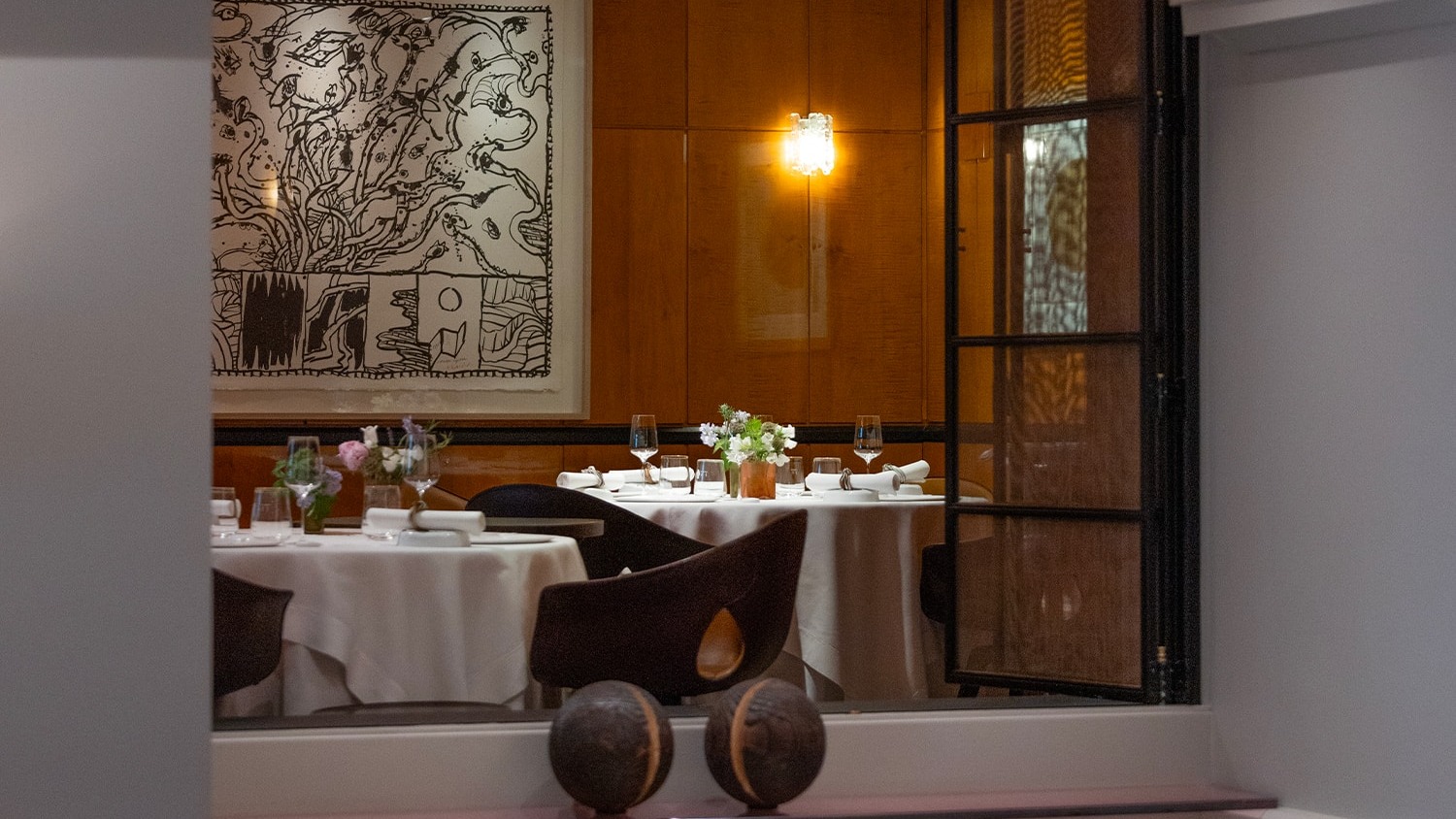
Avant-Garde French Fine Dining
Pierre Gagnaire
Paris, France
★★★ · 50 Best
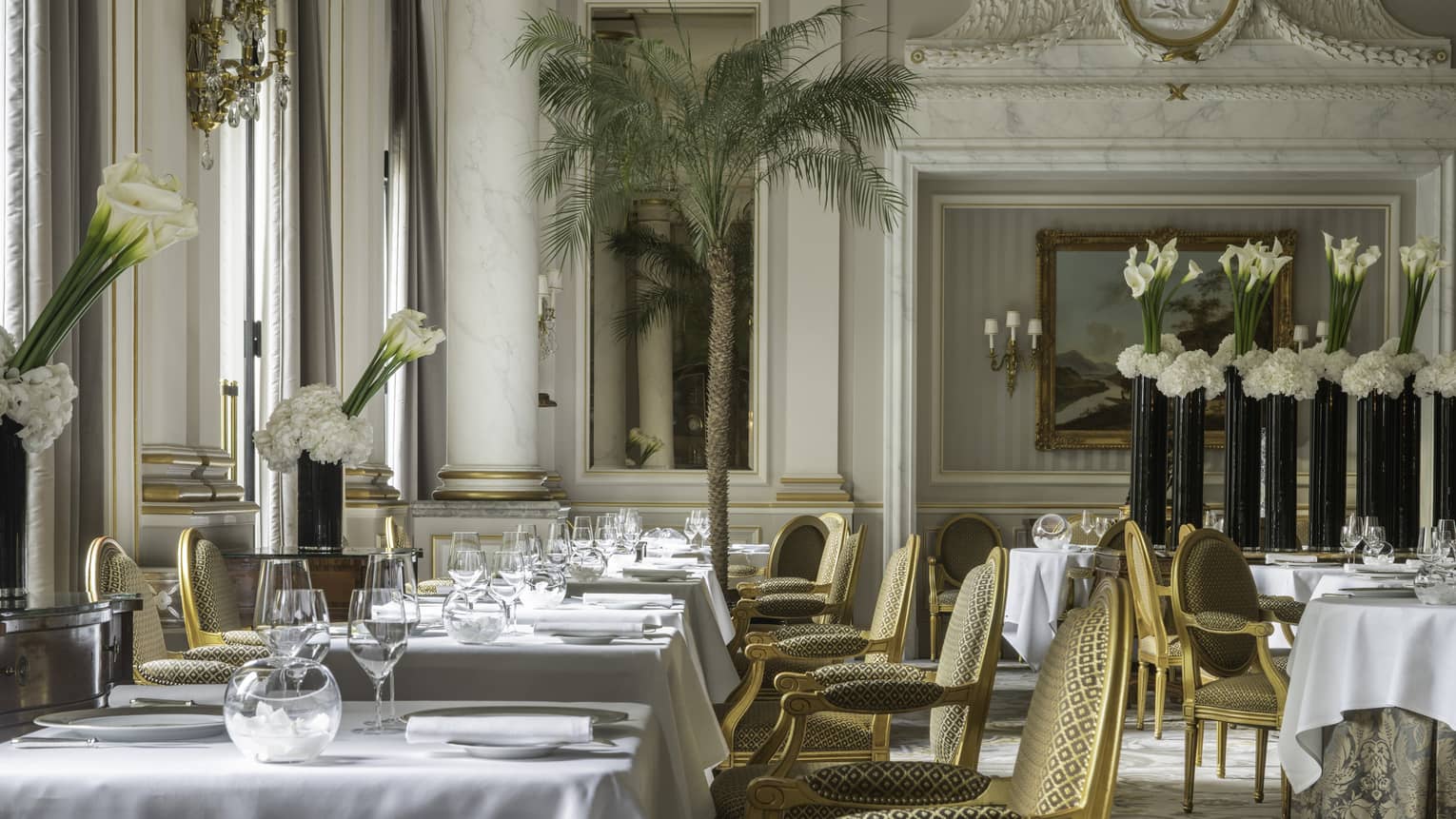
Modern French Fine Dining
Le Cinq
Paris, France
★★★ · 50 Best
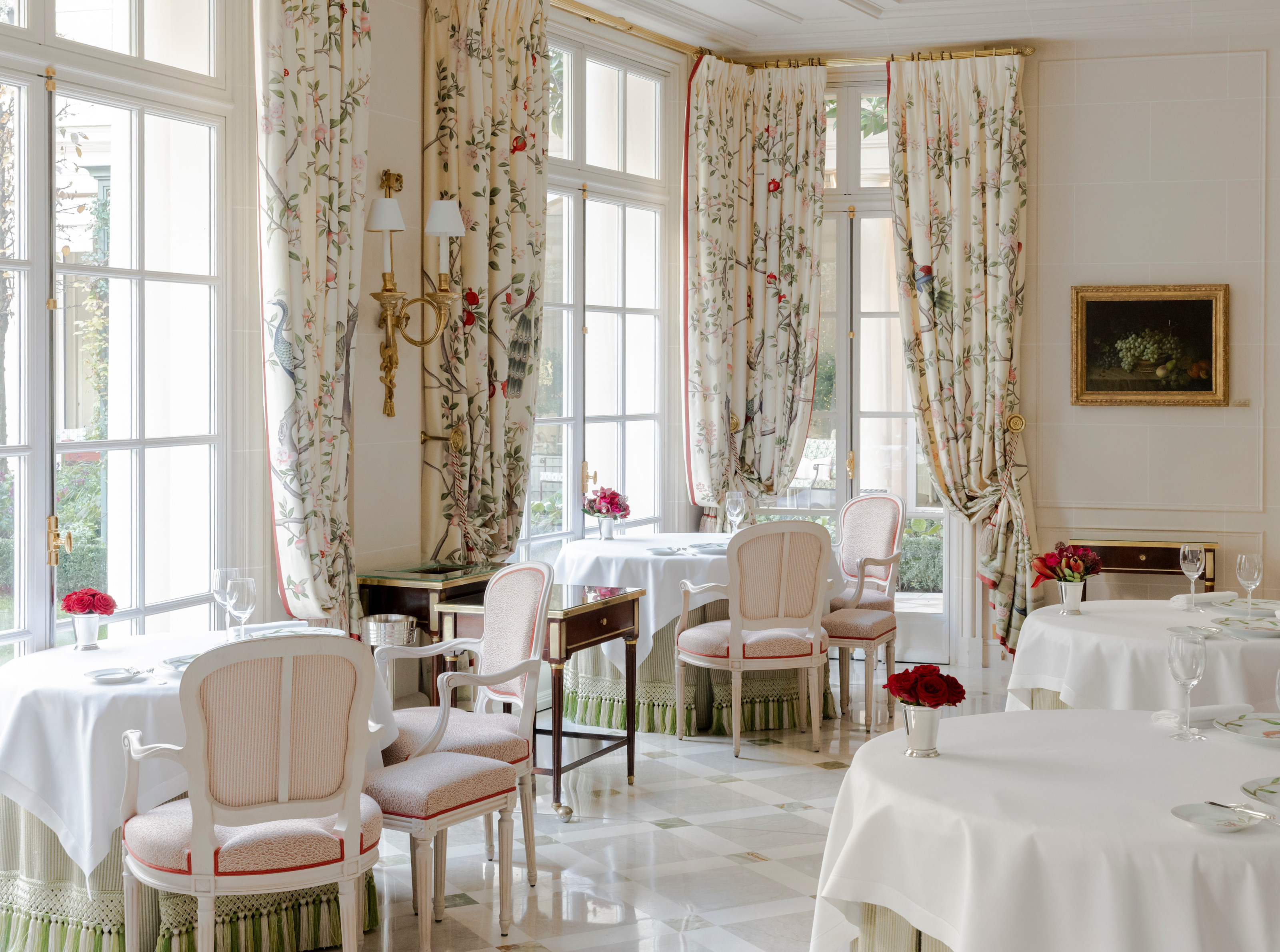
Contemporary French Fine Dining
Epicure
Paris, France
★★★
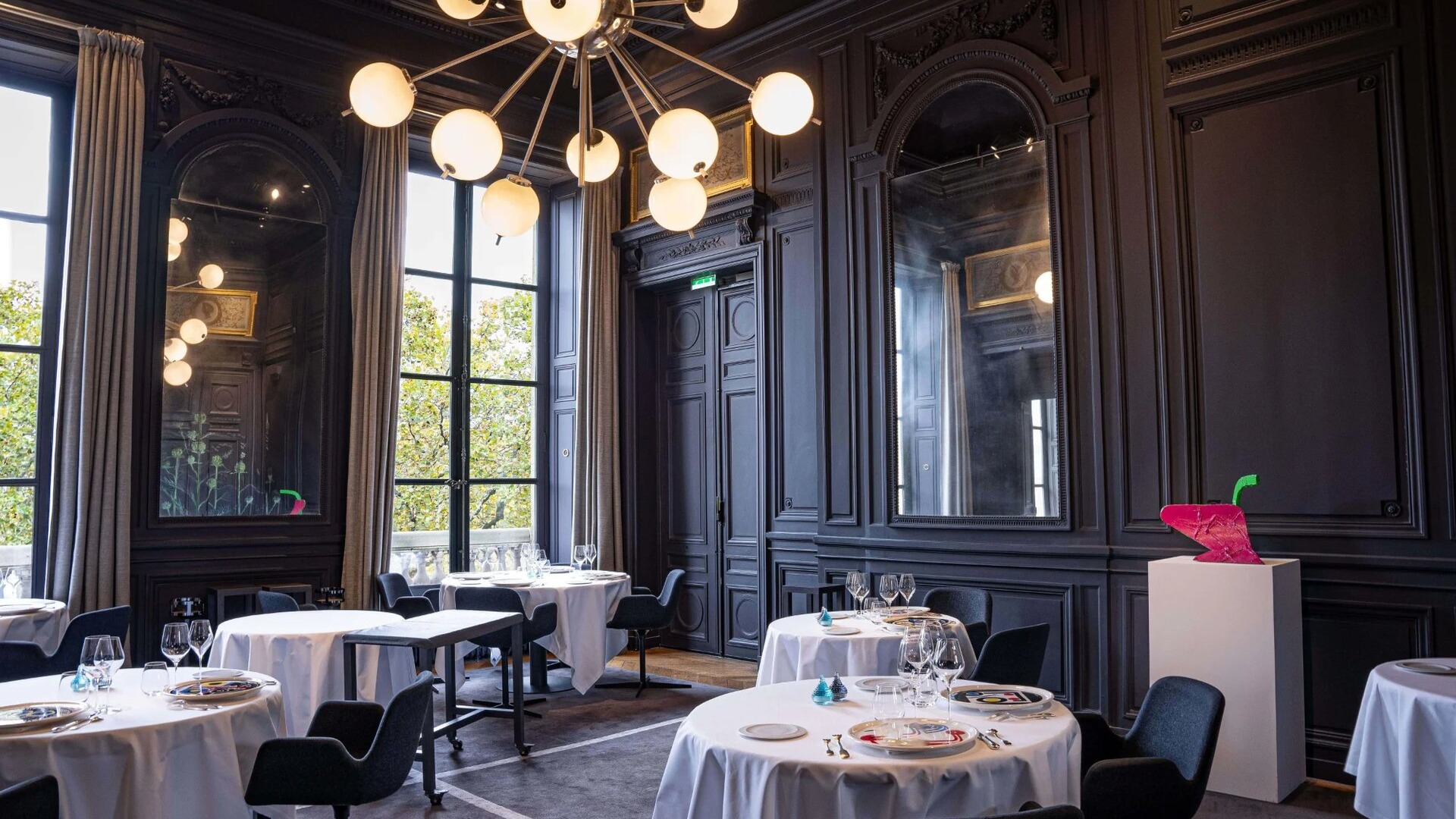
Classic French Fine Dining
Guy Savoy
Paris, France
★★ · 50 Best