Made ByRestaurant
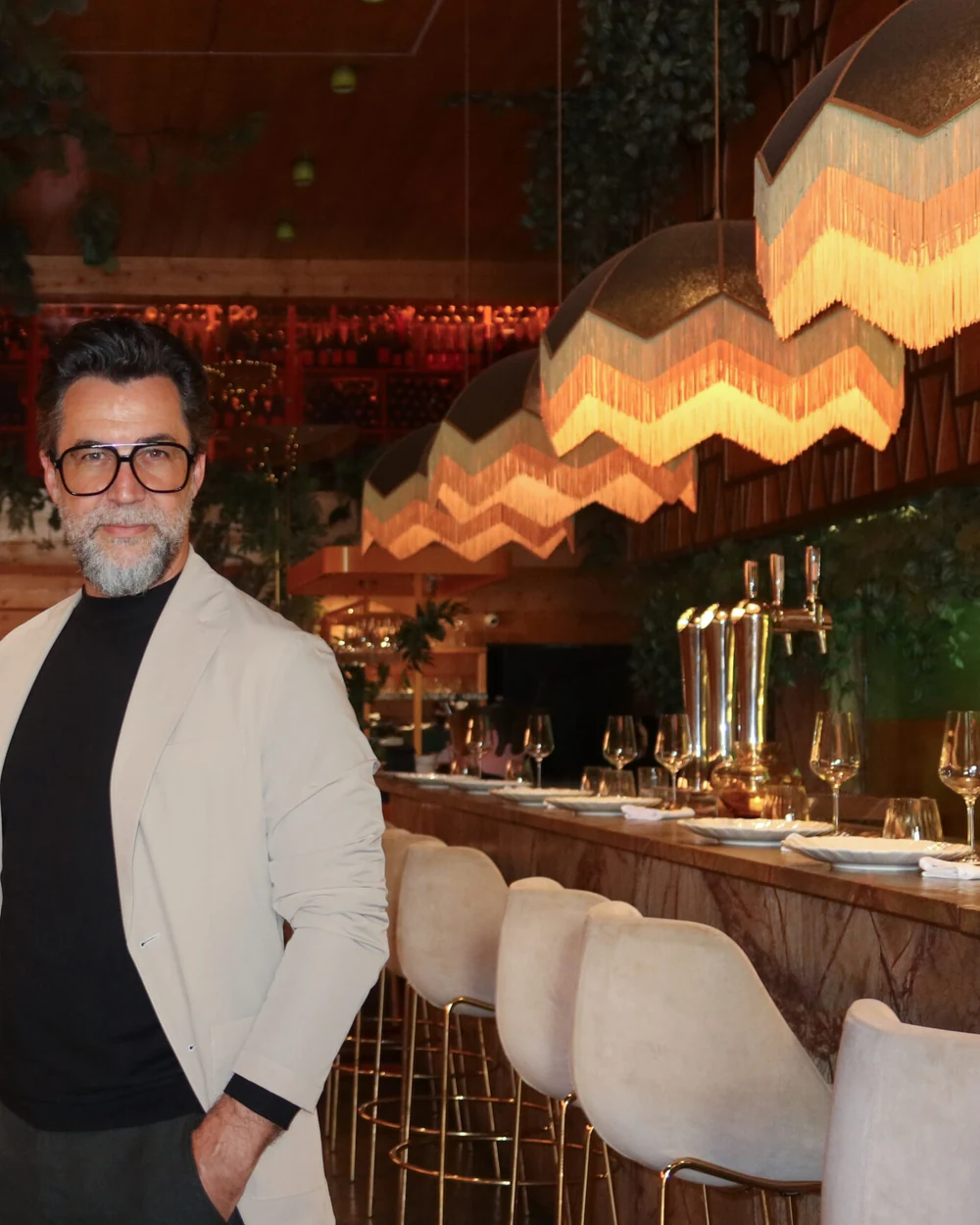
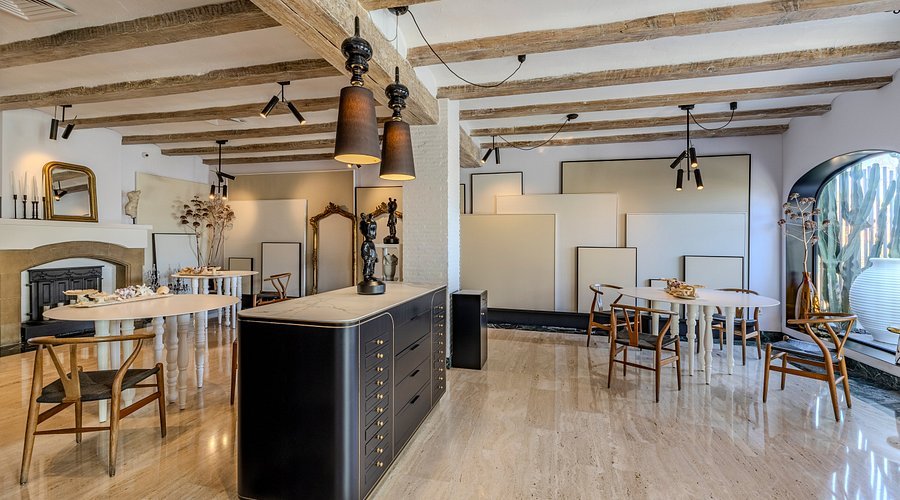
Quique Dacosta, chef and owner, shapes Restaurant Quique Dacosta in Dénia through coast, memory and a tasting menu built in acts.
At a glance
- Cuisine
- Spanish
Red prawn, sand, fossils, service
Red prawn roasted in sand and fossils sets the problem before the room sees the answer. Quique Dacosta, chef and owner at Restaurant Quique Dacosta in Dénia, works from that kind of material: coast, memory, product, construction. The restaurant stands a few meters from the Mediterranean, with Montgó Natural Park close enough to belong to the kitchen’s daily field of reference. Dacosta did not come through academic culinary training. He entered the trade by work and repetition, became a chef in 1986, and in 1988 joined the restaurant that would later carry his name. By 1999 he owned El Poblet, the house that became Quique Dacosta Restaurante; since 2009, the Dénia address has remained the central station for his authorship. The lineage here is less a chain of named masters than a long occupancy of the same ground. Ownership gave him control of the room, the kitchen’s vocabulary, and the way local material moves through service. Blonde Lace of white asparagus, Self Portraits, red prawn, rice, sea air: these are not souvenirs of Dénia. They are the grammar of the place.
A menu built in acts
The cooking at this address treats the meal as a sequence, not a parade of finished plates. Tasting menus have moved through snacks and courses arranged in several acts, with titles such as Local Universe, Fronteras, and DNA marking different positions in the restaurant’s ongoing language. The kitchen draws strongly from ingredients within 75 kilometers of the restaurant, using the Mediterranean, the coast, and the park as a working pantry rather than a scenic claim. Cubalibre de Foie Gras has been part of the restaurant’s history since 2001, while Gamba Roja de Dénia can appear with the restraint a product of that stature requires. The method is contemporary, but the discipline is old: choose the product, decide the gesture, place the dish where it changes the rhythm of the meal. Wine pairing is handled as part of that structure. It sets pace, interval, and progression, so one course does not simply follow another; it resolves into it.
The room before the pass
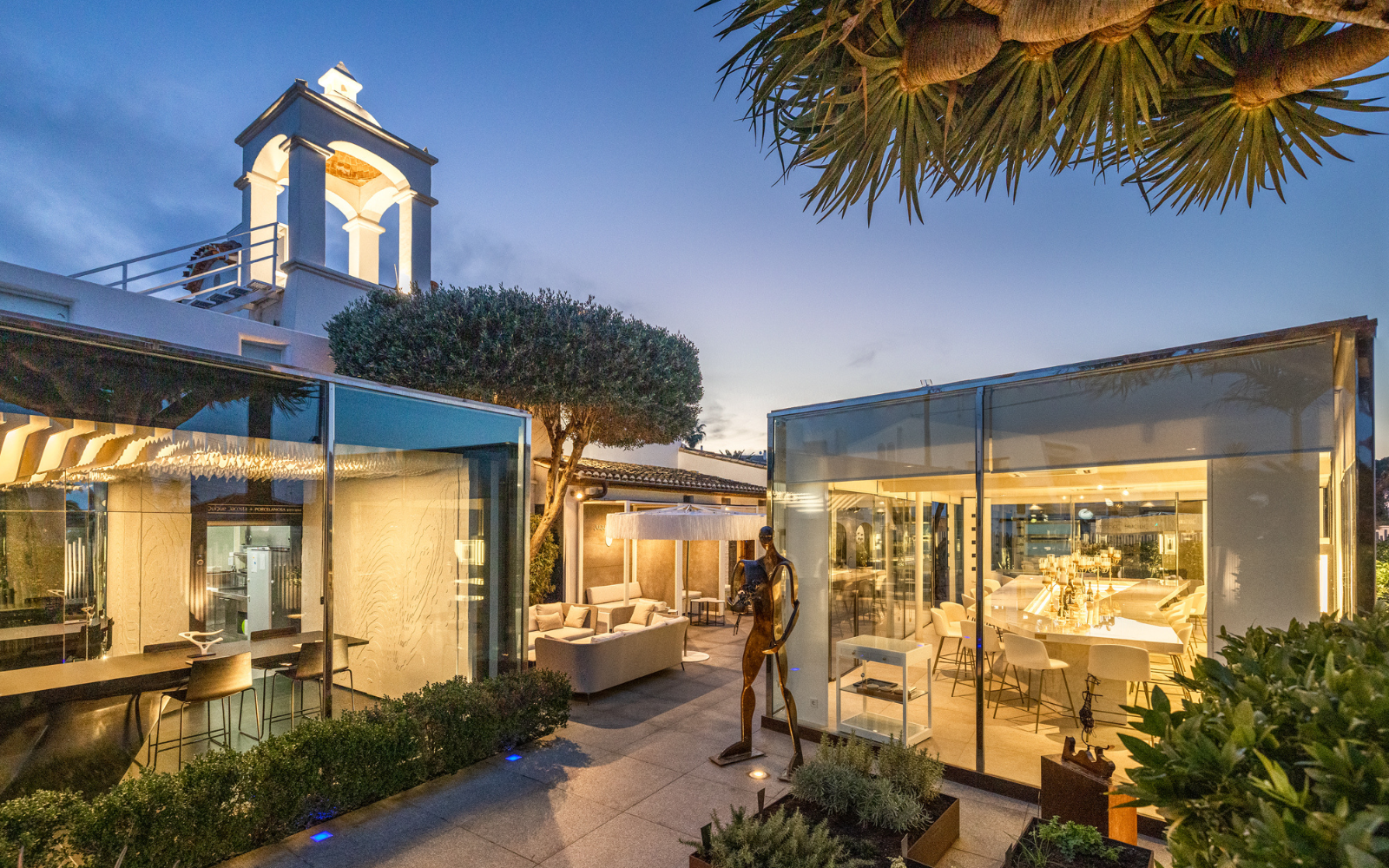
The first movement often begins away from the main dining room, with aperitifs and small bites on a terrace or veranda before the guest crosses into the longer arc of service. Inside, the house keeps a modern Spanish register: white exterior, church-shaped tower, large windows, art, and tables that the team builds through the meal to suit each stage. The room does not need to imitate the beach to carry the coast. Light does that work; so does the produce on the pass. Dénia remains present in the red prawn, the rice, the saline edge of the meal, and the quiet pressure of a kitchen that has had decades to refine its own operating language.
The central address
Dacosta now works across several restaurant and hotel contexts, including El Poblet, Deessa at Mandarin Oriental Ritz, Vuelve Carolina, and the Hotel Mandarin Oriental Ritz, where he serves as director and culinary creator. The Dénia restaurant remains the primary site, the place where the vocabulary was formed before it had to travel. Blonde Lace of white asparagus still explains how a restrained ingredient can hold structure, memory, and the hand of Quique Dacosta.
Address
Carrer Rascassa, 1, 03700 Dénia, Alicante, Spain
In residence
Similar places
Avant-Garde Spanish Fine Dining
Quique Dacosta
Dénia, Spain
★★★ · 50 Best
Modern Mediterranean Grill
Peix & Brases
Dénia, Spain
★
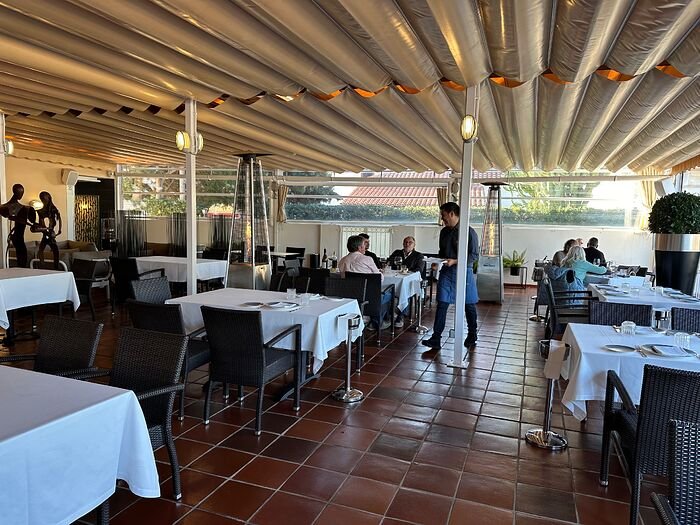
Modern Spanish Tapas
El Baret de Miquel
Dénia, Spain
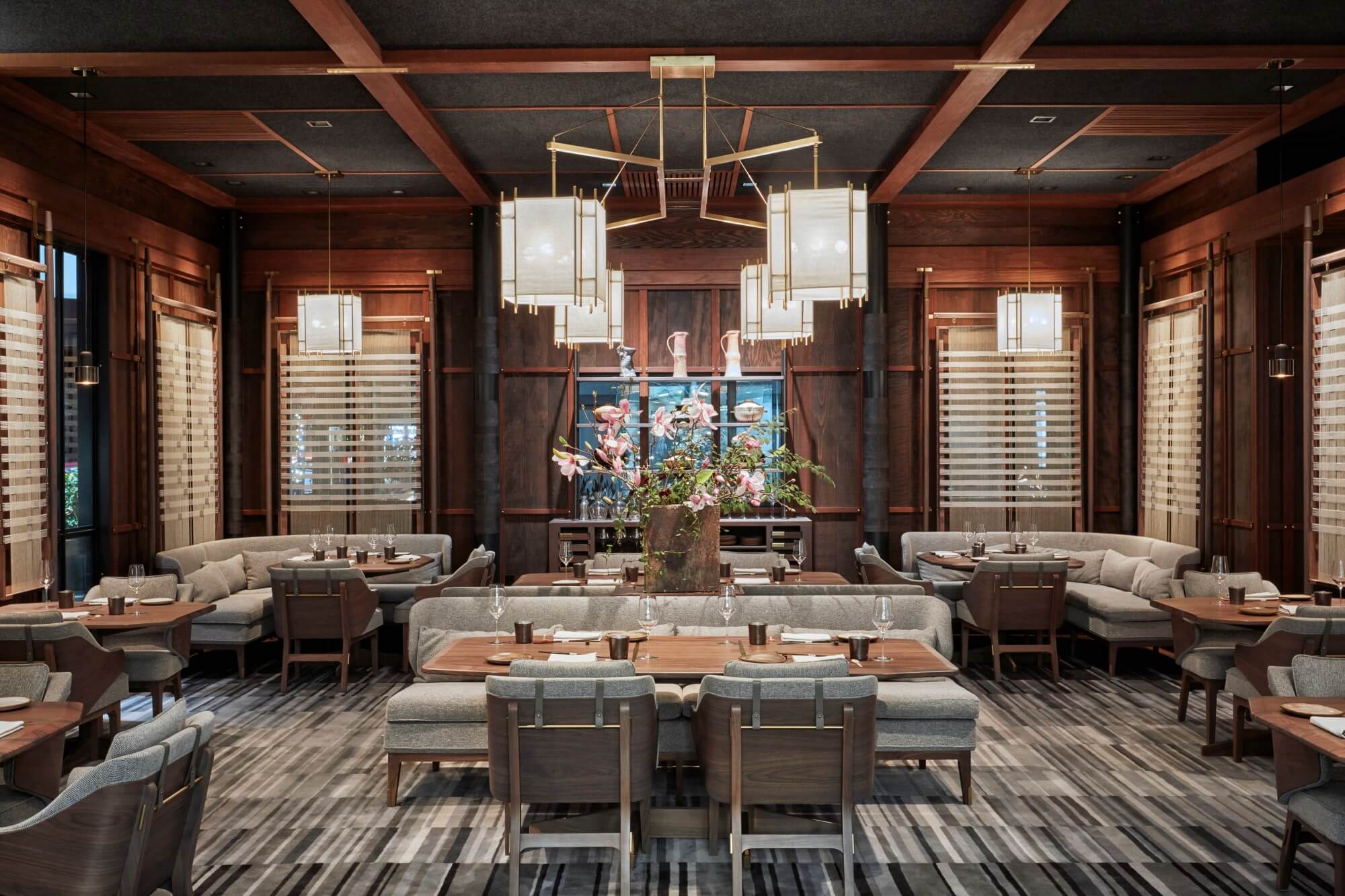
Japanese-influenced Californian Kaiseki
Single Thread Farm
Healdsburg, United States
★★★ · 50 Best
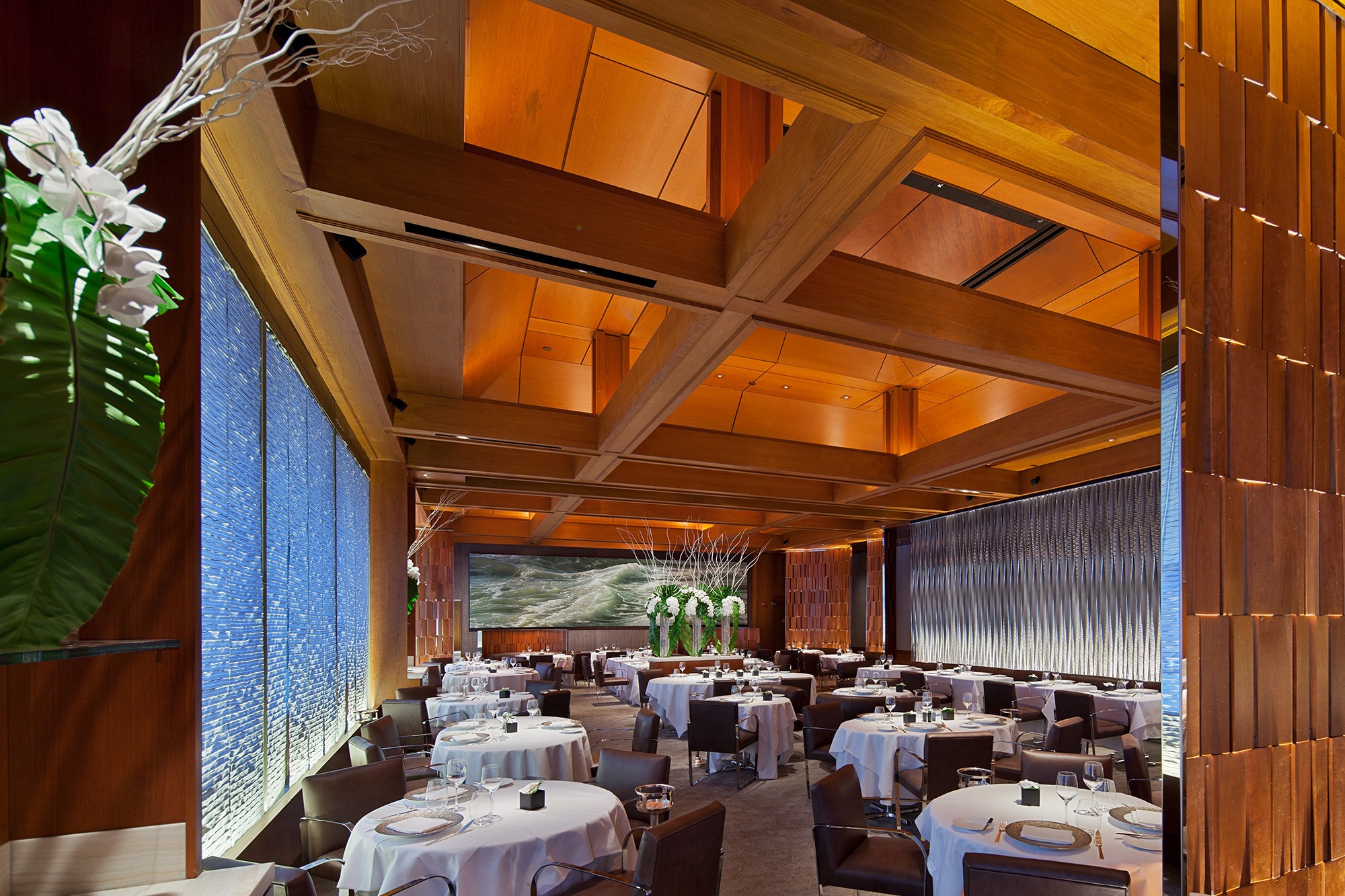
French Seafood Fine Dining
Le Bernardin
New York City, United States
★★★ · 50 Best
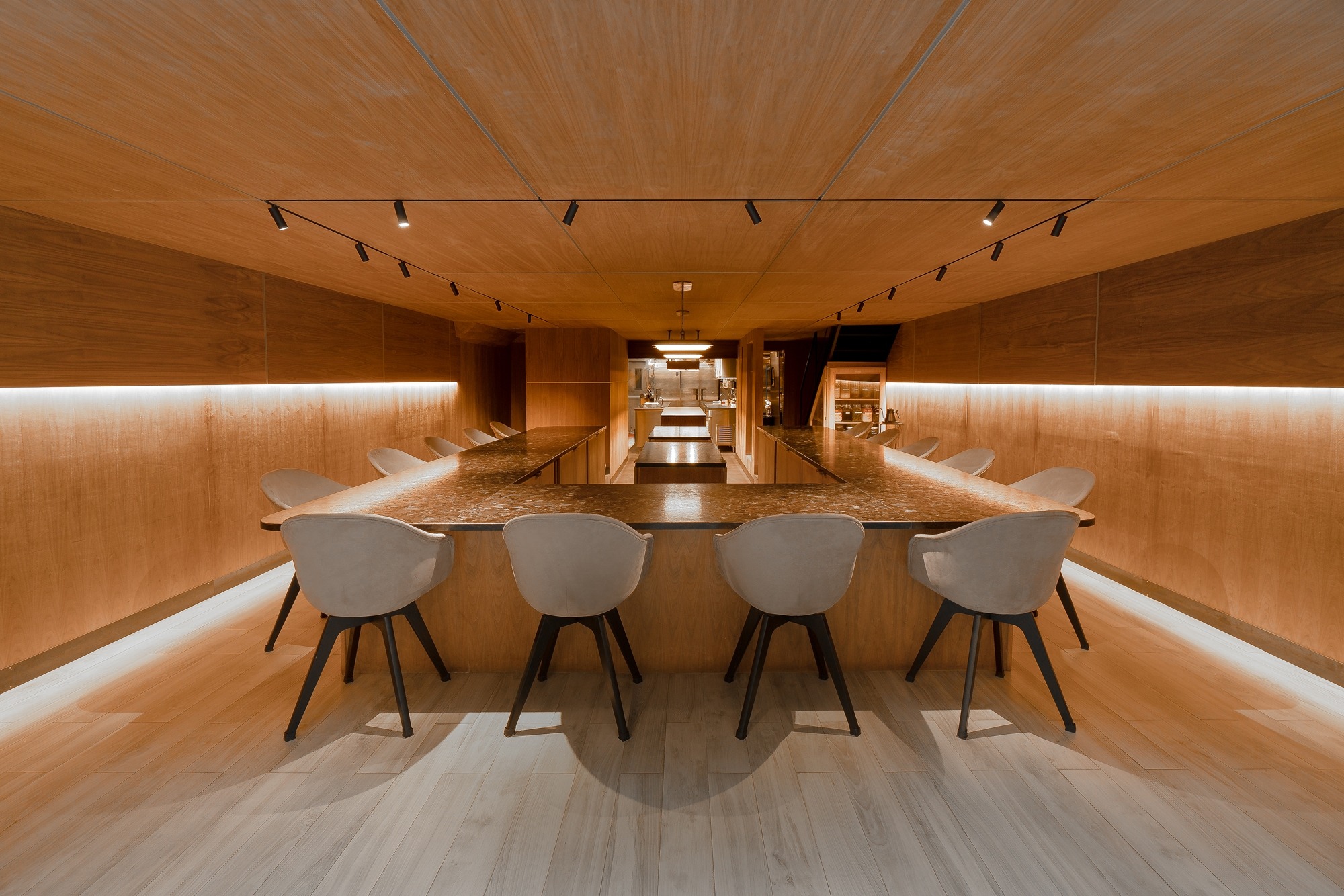
Modern Korean Tasting Menu
Atomix
New York City, United States
★★ · 50 Best