Chef
Quique Dacosta
Chef & Owner, Quique Dacosta Restaurante
- Discipline
- Chef
Made By record
Awards & recognition
3 total
1 winner

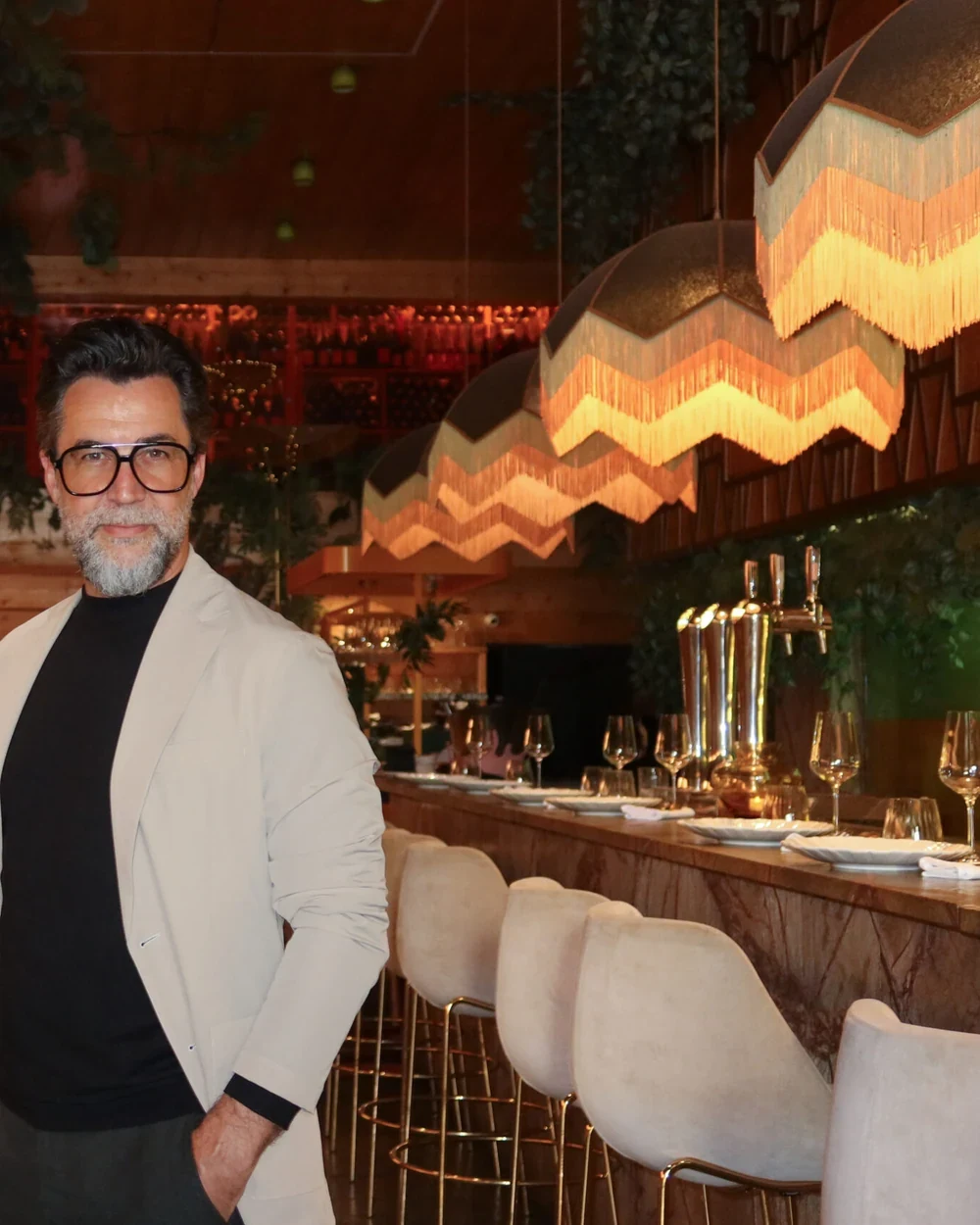
Portrait of Quique Dacosta
i. Biography
Dénia, Spain, is the working ground for Quique Dacosta’s cooking, where coast, product, memory, and restaurant practice become source material for a contemporary kitchen. His food treats texture, place, and construction as part of the same problem. Dishes such as Blonde Lace of white asparagus and red prawn roasted in sand and fossils show how restrained ingredients, local references, and inventive technique are brought together in a single plate. Self Portraits also reflects this approach, presenting the dish as an authored statement tied to roots, memory, and the chef’s own position inside the cooking. Quique Dacosta has no academic culinary training. He entered the trade through work, need, and repetition, and became a chef in 1986. In 1988, he joined a restaurant that would later become Quique Dacosta Restaurante, entering the house before it carried his name. His path to authorship developed through continuity, ownership, and the pressure of daily production. By 1999, he was owner of El Poblet, the restaurant later renamed Quique Dacosta Restaurante, gaining control over the room, the kitchen’s vocabulary, and the way local material would be translated into service. Since 2009, Quique Dacosta Restaurante has remained the central site for that language, with Dacosta as chef and owner. His work now extends across several restaurant and hotel contexts, all organized around the same culinary authorship. He is director and culinary creator of Hotel Mandarin Oriental Ritz, chef and owner of El Poblet, chef and owner of Deessa at Mandarin Oriental Ritz, and chef and owner of Vuelve Carolina. Across these settings, the constant is control of concept, sequence, and identity, even as the format of service changes. Wine pairing is treated as part of the meal’s structure rather than an add-on, helping set pace, interval, and progression. The dish is visual, but not merely decorative. It must carry texture, temperature, timing, and placement within the meal. The strongest through line in Dacosta’s cooking is his insistence that dishes stem from his own culinary roots. He has said that when someone comes to try his food, he wants them to see what he has to offer rather than something adapted that is not his own. That principle shapes a style built through service and repeated refinement rather than formal school training. It also helps explain the balance in his work between restraint and invention, where a white asparagus dish can become a structural exercise and a prawn can be framed through sand and fossils, while still remaining grounded in place. His honors reflect both restaurant performance and broader institutional recognition. They include No.14 in The World’s 50 Best Restaurants, No.20 in The World’s 50 Best Restaurants, No.39 in The World’s 50 Best Restaurants, Best Restaurant in Europe, Three Michelin stars, and the Gold Medal for Merit in the Fine Arts. Together, they trace a career formed outside academic culinary training and defined by authorship, continuity, and a kitchen language shaped by the material of Dénia and carried across multiple formats.
The Sunday letter
Read Made By's new profiles every Sunday.
Meet the chefs, winemakers and sommeliers behind the places we cover. See a sample below before you subscribe.
See a sample of the Sunday emailOne email a week. Unsubscribe from any issue.

The Sunday letter
Get the next Made By profile in your inbox.
We send one email every Sunday morning with the people we profiled that week.
See a sample of the Sunday emailOne email a week. Unsubscribe from any issue.