Royal Sushi & Izakaya
In Residence
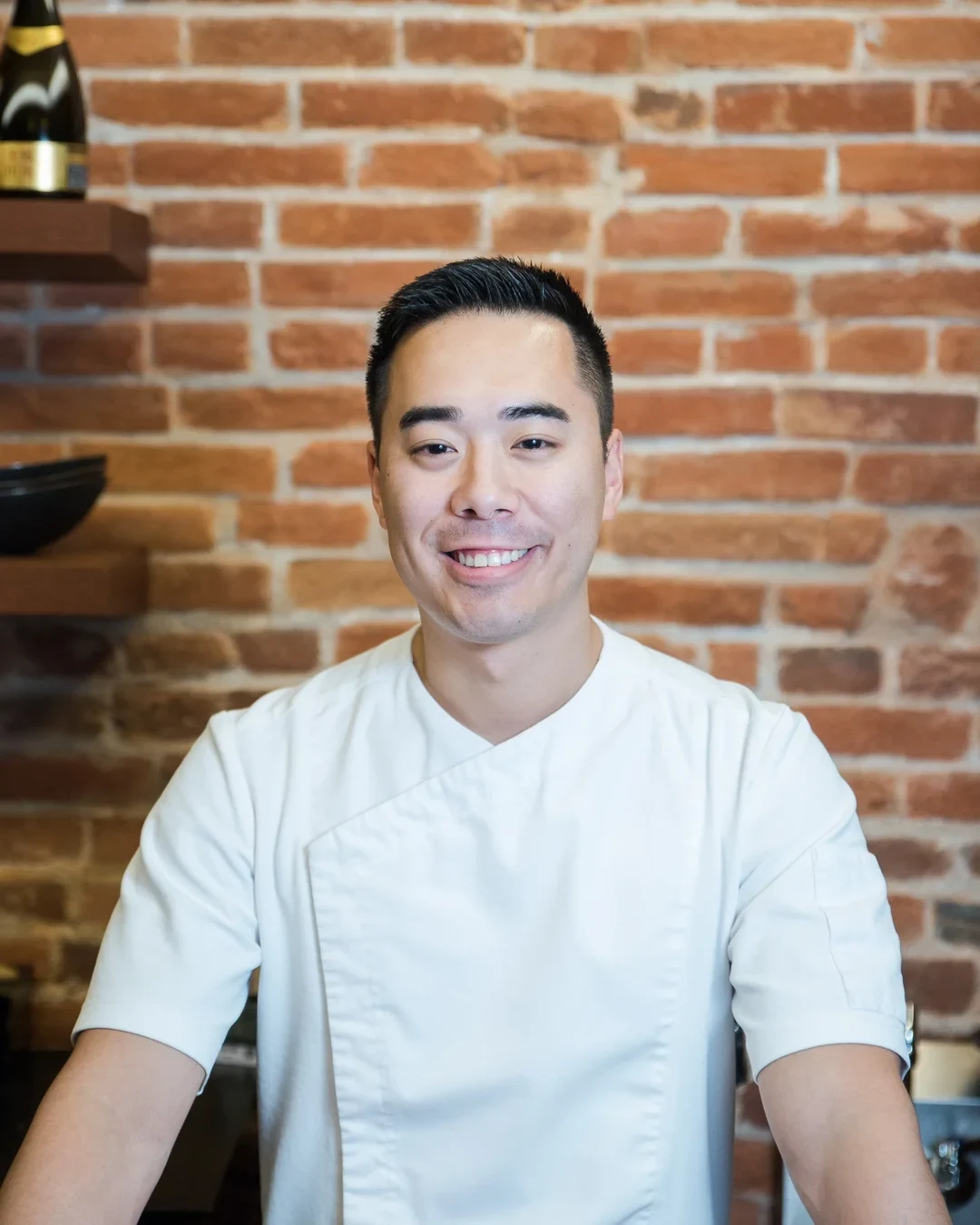
Jesse Ito
Chef
- 01CuisineSushi Omakase & Izakaya
- 02CityPhiladelphia, United States
- 03RecognitionWorld's 50 Best — No. 32
- Michelin Bib Gourmand · Michelin Guide
- World's 50 Best · #32 · World's 50 Best Restaurants
- James Beard Winner · James Beard Foundation
- James Beard Award Nominee · 2026
- James Beard Award Best Chef: Mid-Atlantic · 2026
- James Beard Award Semi Finalist · 2026
- James Beard Award Semi Finalist · 2025
- Michelin Bib Gourmand · 2025
- World's 50 Best North America's Best Restaurants #32 · 2025
Where Queen Village Meets the Omakase Counter
Queen Village, the residential pocket south of South Street that borders the Delaware waterfront, has always sat slightly outside Philadelphia's main dining conversation. The neighbourhood's blocks of Federal-era rowhouses draw families and longtime residents more than destination diners, which makes the queue forming outside a windowless storefront on South 2nd Street all the more telling. When a room draws people across the city with no sign in the window and no reservations at the door, the food is doing the work.
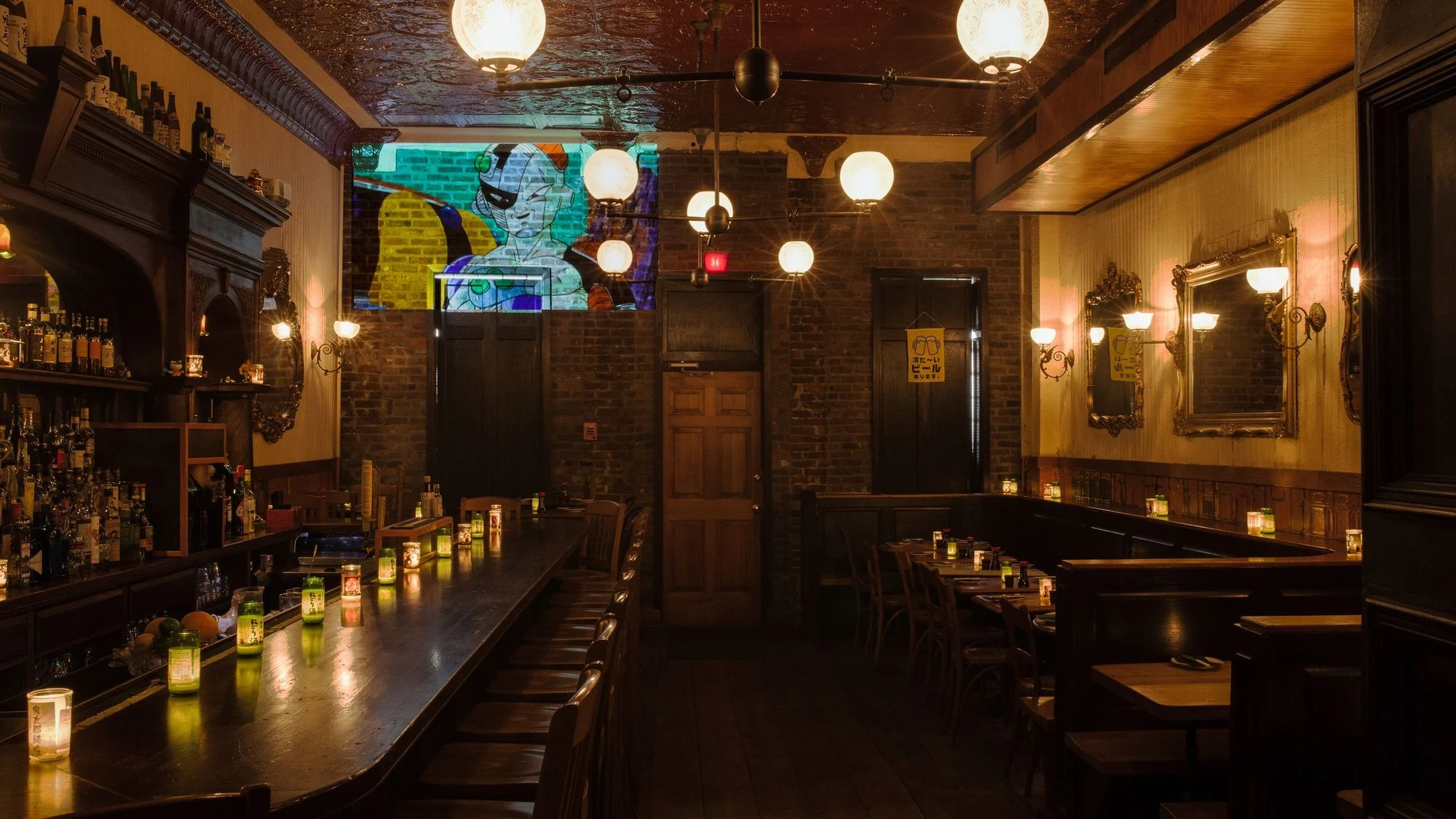
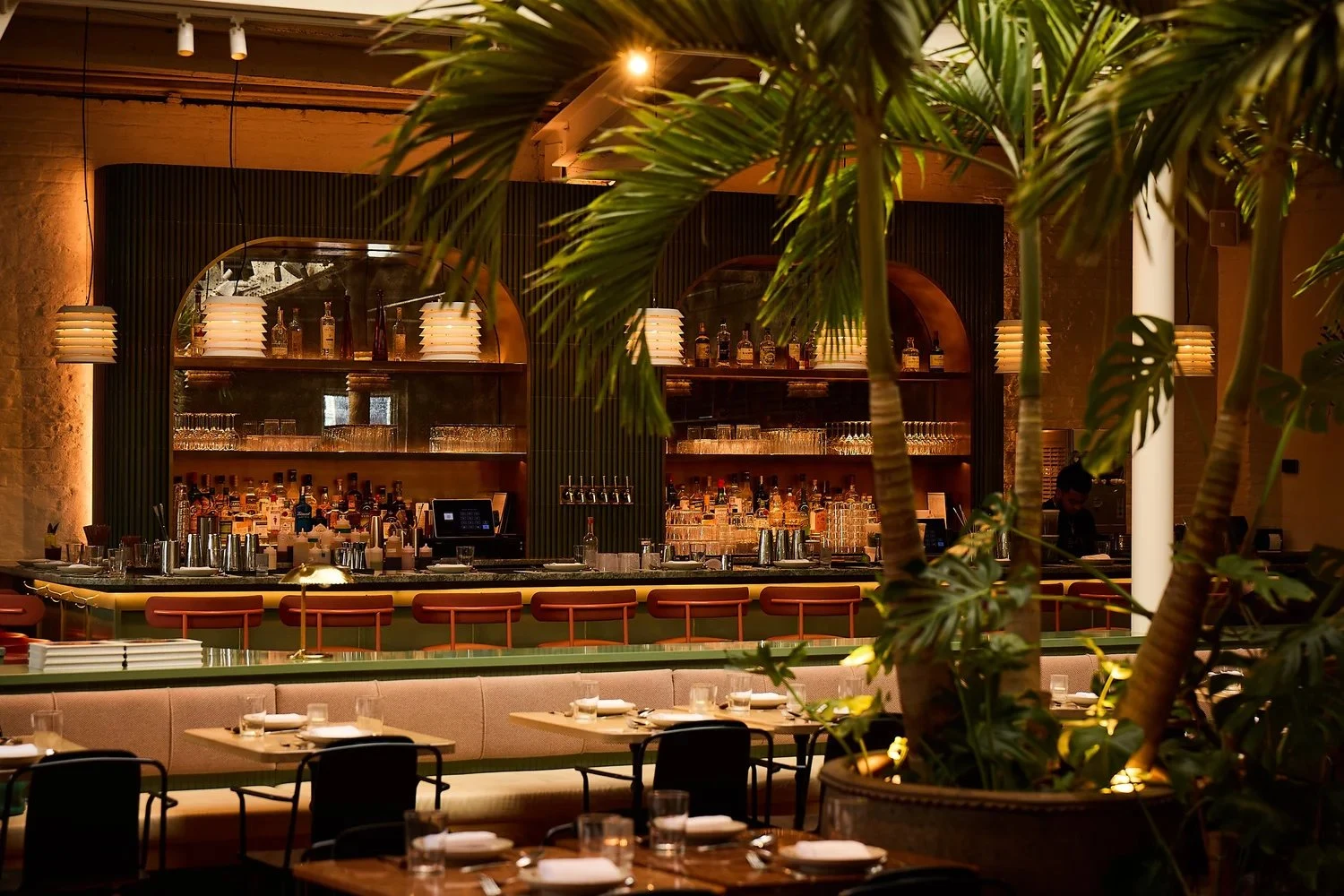
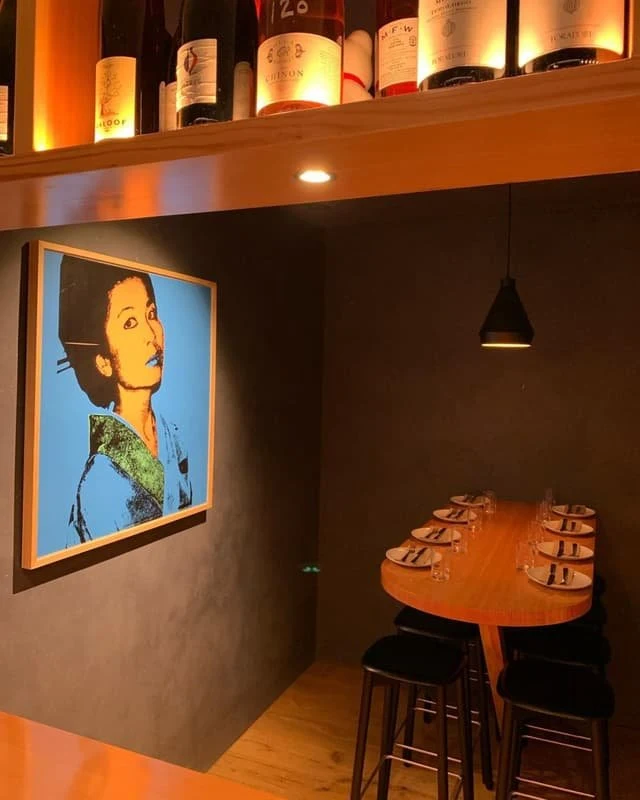
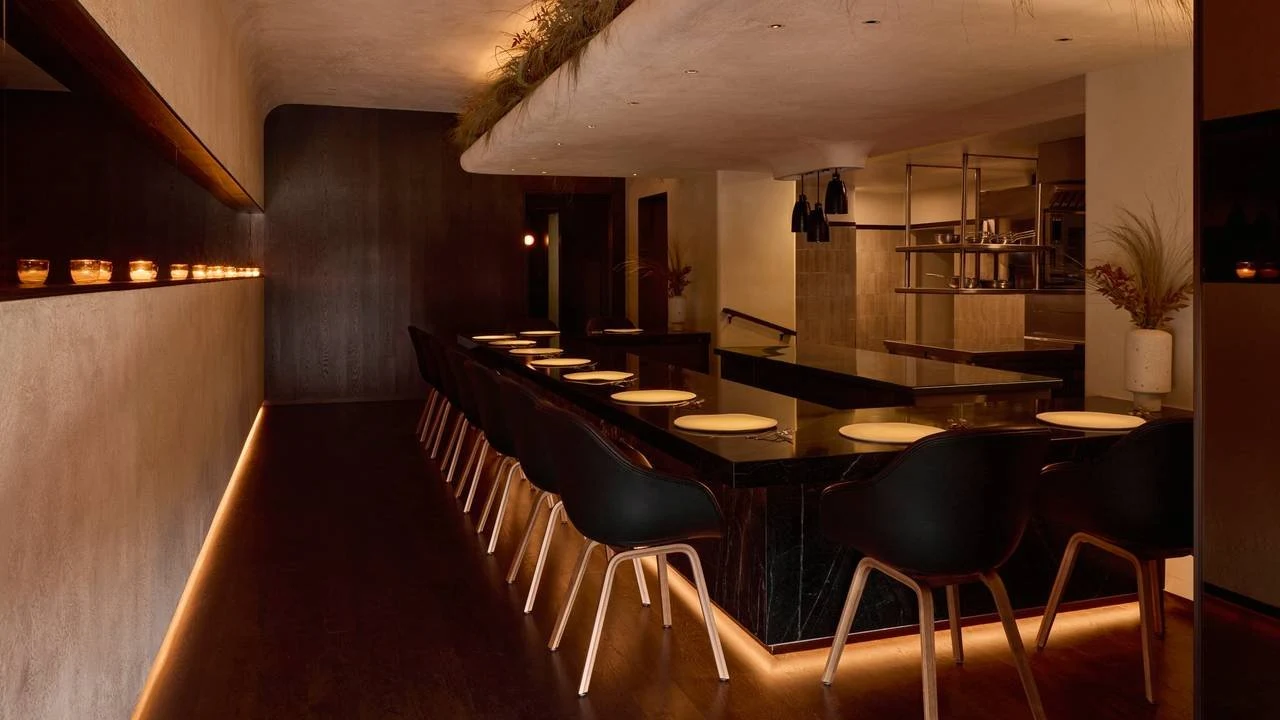
Royal Sushi & Izakaya operates on two distinct frequencies from a single address. Walk through the front and you enter an energetic izakaya with booths and bar seating, the kind of room that fills on a Tuesday because the regulars made it a habit. Push further back and there is a 16-seat omakase counter that operates with the discipline of a dedicated sushi-ya, despite sharing a roof with fried chicken sandos and mezcal cocktails. That structural duality is relatively uncommon in American Japanese dining, where operators tend to choose a lane. Here, the two formats reinforce each other rather than dilute either.
The Sunday letter
Find new places through the people who run them.
Our Sunday email brings you the chefs, winemakers and hoteliers behind our newest stories. See a sample before you subscribe.
See a sample of the Sunday emailOne email a week. Unsubscribe from any issue.
Sourcing as the Foundation, Not the Marketing
The sourcing at Royal lands somewhere between rigorous and obsessive, and it shows across both sides of the menu. The omakase counter draws on dry-aged tuna, lush blackthroat sea perch, Hokkaido uni, and whole firefly squid no larger than kumquats. These are not ingredients that find their way to Philadelphia by accident. Japanese blackthroat sea perch, known as nodoguro, requires refrigerated overnight air freight from Japan to reach a kitchen in anything close to usable condition. Hokkaido uni is a seasonal product with a narrow window and a volatile supply chain. Firefly squid arrive from Toyama Bay during a short spring run. Getting all three onto a 16-seat counter in South Philly, consistently, reflects a sourcing commitment that functions as the kitchen's infrastructure rather than a talking point.
That same ethic extends into the izakaya side of the menu. Hamachi is turbocharged with ponzu rather than dressed to mask poor quality. Cod is grilled until the skin is crisp, a technique that only works with fish that was handled correctly from the moment it left the water. Cucumbers fortified with miso and buckwheat speak to an attention to seasoning that covers vegetable dishes as thoroughly as the protein-led ones. The sourcing logic here parallels what operations like Single Thread Farm in Healdsburg have built their reputation on: ingredient provenance as the non-negotiable starting point, with technique applied in service of what the product already is.
The Omakase Counter: 16 Seats, 600 People Waiting
American omakase has expanded considerably over the past decade. Counters that once operated in New York and Los Angeles in near-isolation now appear in mid-sized cities across the country, and Philadelphia has developed its own small cohort of serious Japanese dining rooms. Royal's omakase counter sits at the more demanding end of that set, not by volume or theatrical production, but by the specificity and depth of its sourcing and technique. Comparing its positioning to something like Atomix in New York City is a stretch in terms of format, but the underlying standard of ingredient handling and execution occupies a related tier.
The 16-seat format serves just that number of diners per night. The waiting list, last reported at 600 people deep, is a reasonable proxy for demand that the room cannot absorb at current scale. The offering itself skews toward nigiri, with a handful of composed plates. Fish arrives mostly unadorned, the rice doing significant work as seasoning and temperature vehicle. Some pieces are briefly blowtorched, others scored with knife work described in terms of calligraphy rather than butchery. Yuzu, sesame, and caviar appear as accents rather than anchors. The restraint is deliberate: at this price tier and with this ingredient quality, additions should justify themselves, and here they do.
Jesse Ito's background connects to Fuji, his family's suburban New Jersey restaurant that held a serious reputation in the Philadelphia region through its operating years. That lineage matters less as biography than as culinary context: the counter reflects training absorbed over years in a kitchen where Japanese fish and rice were handled with care long before omakase became a national trend.
The Izakaya: Not a Consolation Prize
It would be easy to frame the izakaya as the waiting room for the omakase, but that reading underestimates the front of the house considerably. The izakaya menu carries dishes from the Fuji era, including a tuna guacamole that has followed its maker from New Jersey to Queen Village, alongside more recent additions: crispy karaage wings, shiro dashi-glazed Wagyu, and a fried chicken thigh sando that is exactly the kind of dish that earns a restaurant regulars who come on their own, not on a waiting list. Grand chirashi bowls arrive layered with Japanese fish, caviar, and ikura, offering a version of the sourcing ambition available in the omakase at a more accessible price point and without the three-month planning horizon.
The maki and sashimi hold up as standalone reasons to visit. The ingredients feeding the back counter flow through the same sourcing channels, and the handling reflects the same standards. Restaurants like Fork and Friday Saturday Sunday have built reputations in Philadelphia on the strength of consistent execution across their full menus rather than a single showpiece dish. Royal operates on a similar premise, with the omakase counter as the headline and the izakaya as the proof that the standards hold across the whole operation.
What to Drink
The bar program at Royal runs deeper than the food menu might suggest. Japanese whisky occupies a serious portion of the back bar, and the sake list covers both traditional expressions and more unconventional styles. The front-of-house team is equipped to run pairing through the omakase or recommend by the glass in the izakaya without the formality that sake pairings sometimes carry in more ceremonial settings. A cocktail called Poor Impulse Control, built on mezcal with yuzu kosho and shiso liqueur, illustrates the bar's comfort with working across Japanese and Mexican flavour references without forcing the combination. It is refreshing and correctly named.
Planning a Visit
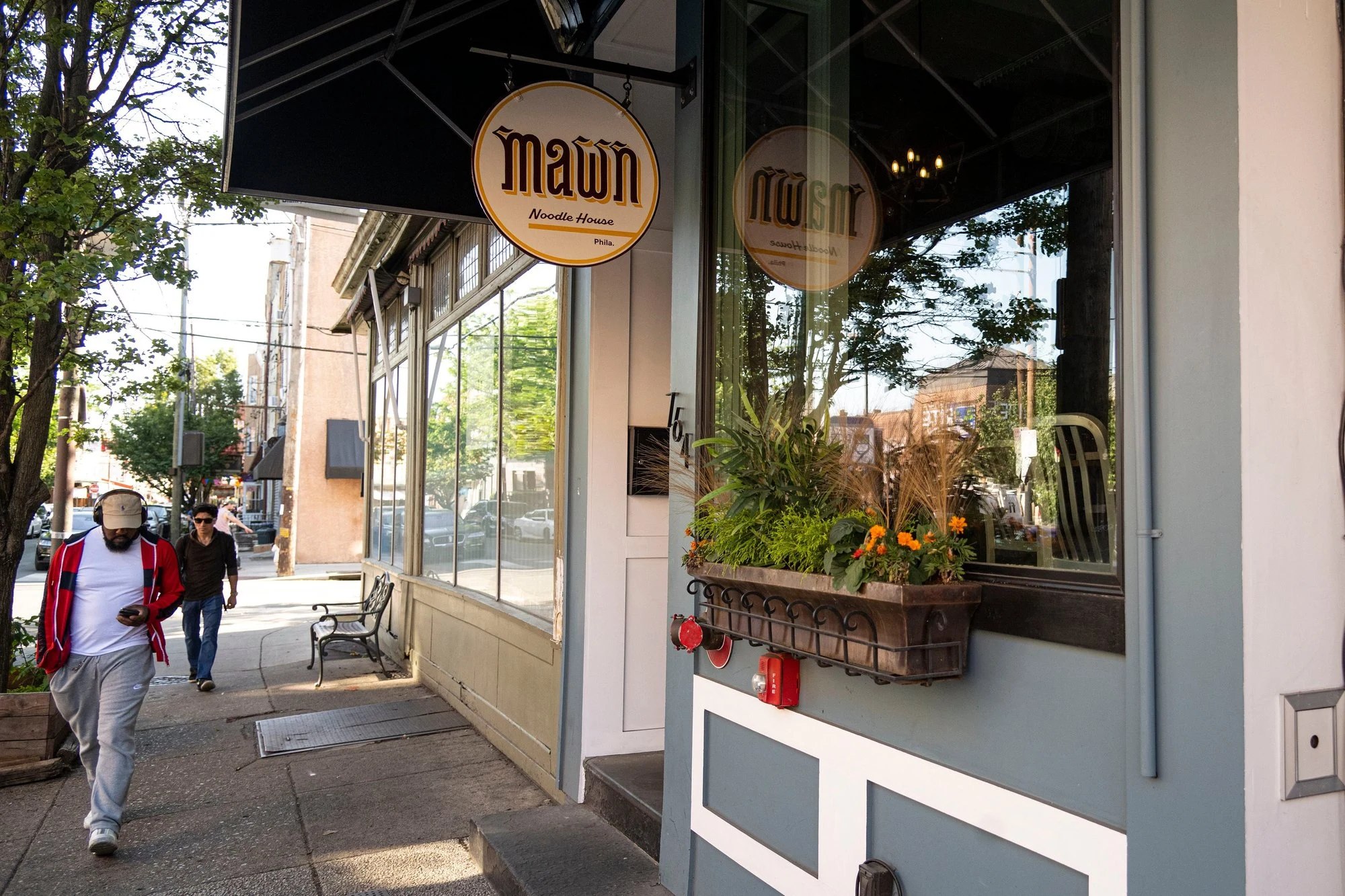
Royal Sushi & Izakaya at 780 S 2nd St operates as a walk-in only venue for the izakaya portion of the room. No reservations are taken at the front, which means arrival timing matters: early weeknight visits offer better odds than weekend evenings. The omakase counter in the back operates on its own booking system, and with a waiting list in the hundreds, planning ahead by several months is the baseline expectation. Queen Village sits south of South Street and is accessible by foot or rideshare from Center City, roughly a 15-minute walk from Washington Square. For a broader view of where Royal sits within Philadelphia's dining scene, from Mawn's Cambodian-inflected cooking in Kensington to South Philly Barbacoa's weekend-only market operation. For planning beyond restaurants, My Loup is worth considering for a French-leaning dinner on a different night in the same general neighbourhood radius.
Questions
Frequently asked
What recognition does Royal Sushi & Izakaya hold?
Royal Sushi & Izakaya holds a Michelin Bib Gourmand, a place on the World's 50 Best list at number 32 and a James Beard award.
Who works at Royal Sushi & Izakaya?
Made By profiles Jesse Ito (Chef) at Royal Sushi & Izakaya.
How expensive is Royal Sushi & Izakaya?
Royal Sushi & Izakaya is listed at a price level of $$$.
Where is Royal Sushi & Izakaya and what does it serve?
Royal Sushi & Izakaya is in Southwark, Philadelphia, serving Sushi Omakase & Izakaya.
The field
How it compares
| Place | Awards | Cuisine | Notes |
|---|---|---|---|
| Royal Sushi & Izakaya | World's 50 Best #32, James Beard | Sushi Omakase & Izakaya | Southwark, $$$ |
| Friday Saturday Sunday | Michelin 1 Star, World's 50 Best | Modern American Tasting Menu | Philadelphia |
| Her Place Supper Club | Michelin 1 Star | Seasonal French-Italian Fine Dining | Philadelphia |
| Kalaya | World's 50 Best | Southern Thai | Philadelphia |
| Mawn | · | Modern Cambodian Noodle House | Philadelphia |
| Pizzeria Beddia | · | Exceptional Neapolitan-Style Pizza | Philadelphia |
| Provenance | Michelin 1 Star | Modern French-Korean Fine Dining | Philadelphia |
In residence
Similar places
Modern American Tasting Menu
Friday Saturday Sunday
Philadelphia, United States
★ · 50 Best
Seasonal French-Italian Fine Dining
Her Place Supper Club
Philadelphia, United States
★
Southern Thai
Kalaya
Philadelphia, United States
50 Best
Modern Cambodian Noodle House
Mawn
Philadelphia, United States
Exceptional Neapolitan-Style Pizza
Pizzeria Beddia
Philadelphia, United States
Modern French-Korean Fine Dining
Provenance
Philadelphia, United States
★
The Sunday letter
Get the next Made By story in your inbox.
We send one email every Sunday morning with the places and people we covered that week.
See a sample of the Sunday emailOne email a week. Unsubscribe from any issue.