Ryuzu
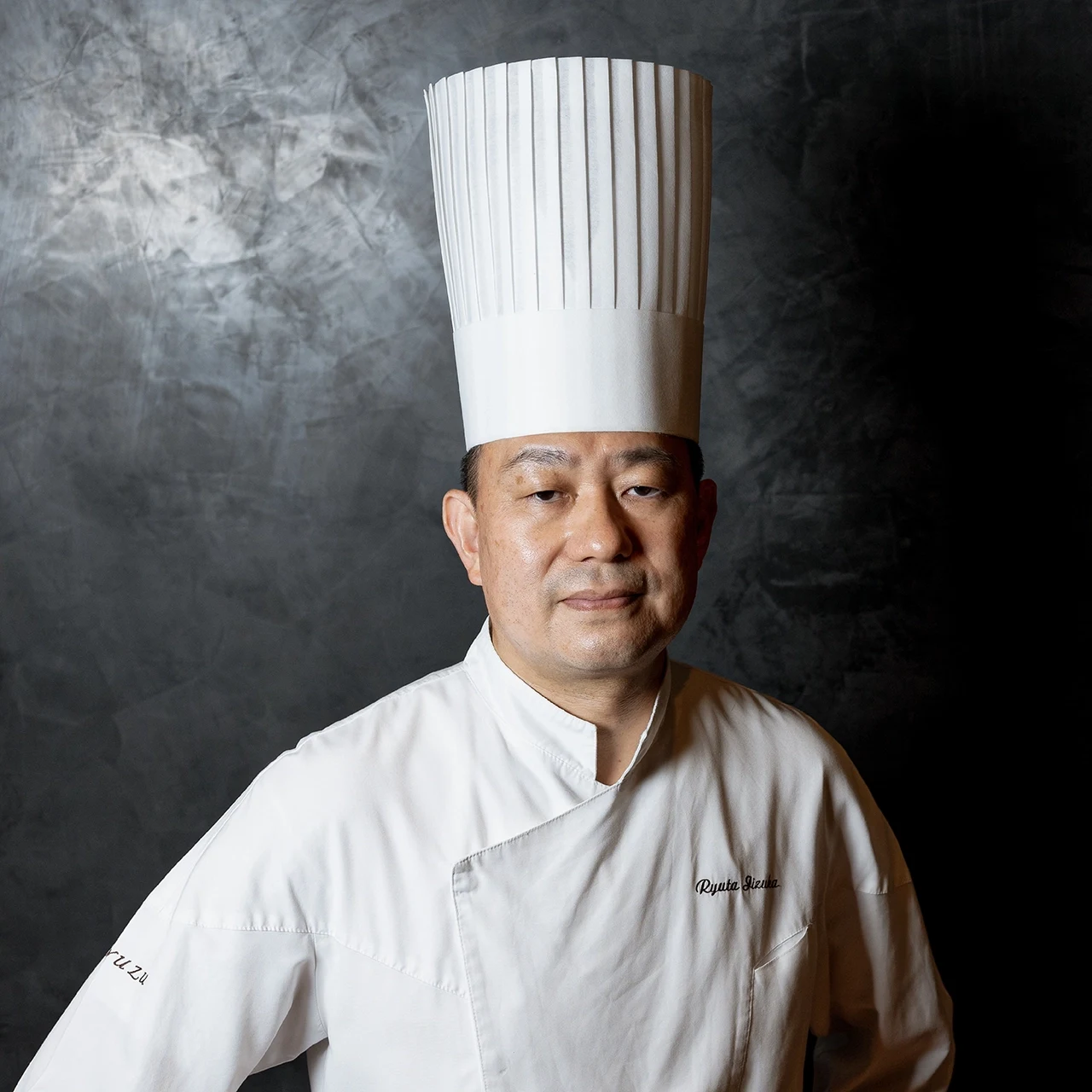
In Residence
Ryuta Iizuka
Chef
- 01CuisineFrench with Japanese Sensibility
- 02CityTokyo, Japan
- 03RecognitionTwo Michelin Stars
- 2 Michelin Stars · Michelin Guide
- Michelin 2 Stars · 2026
- Tabelog Bronze #364: 4.2pts · 2026
- La Liste Top Restaurants: 82pts · 2026
- Opinionated About Dining Top Restaurants in Japan Recommended · 2026
- Star Wine List · 2026
- Opinionated About Dining Top Restaurants in Japan Ranked #187 · 2025
- Michelin 2 Stars · 2025
- Tabelog 100 #71: 4.1pts · 2025
- The Best Chef One Knife · 2025
- Tabelog Bronze · 2025
- Star Wine List · 2025
- La Liste Top Restaurants: 84pts · 2025
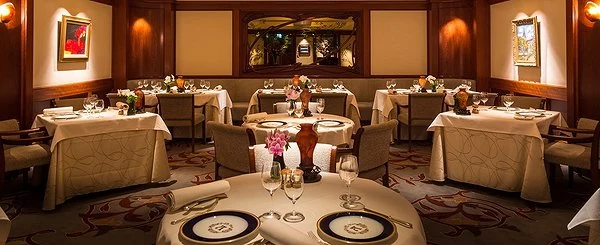
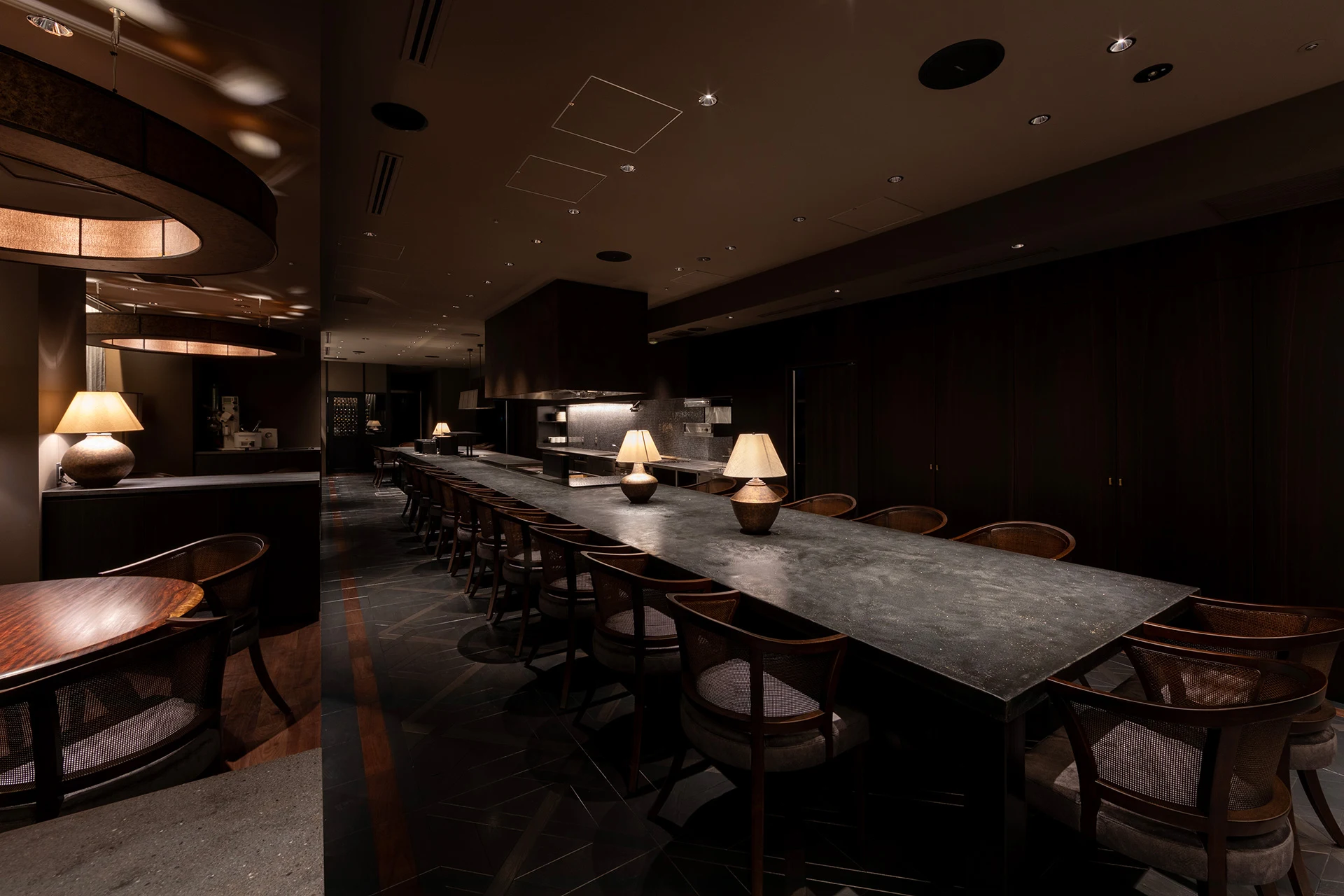
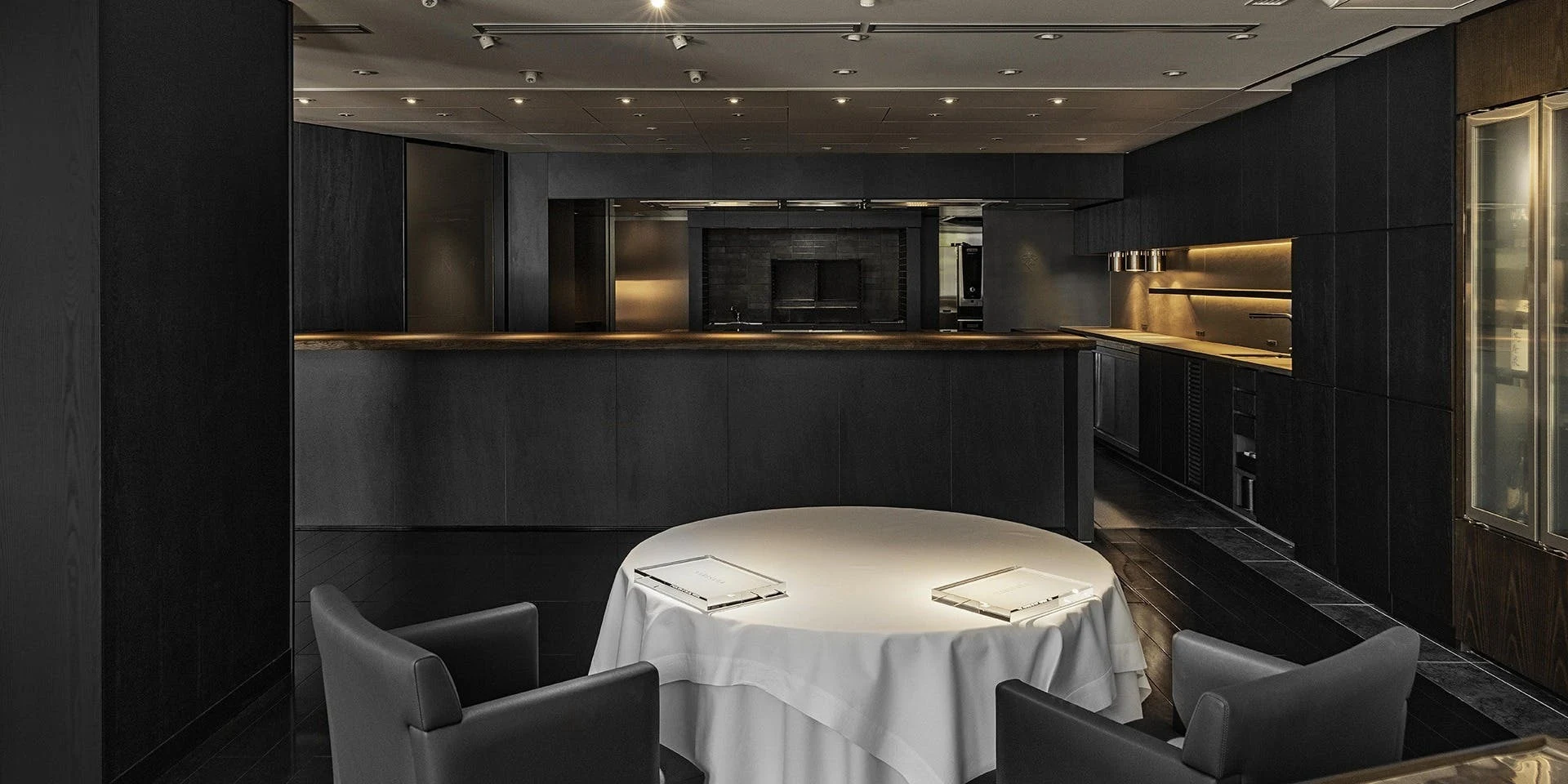
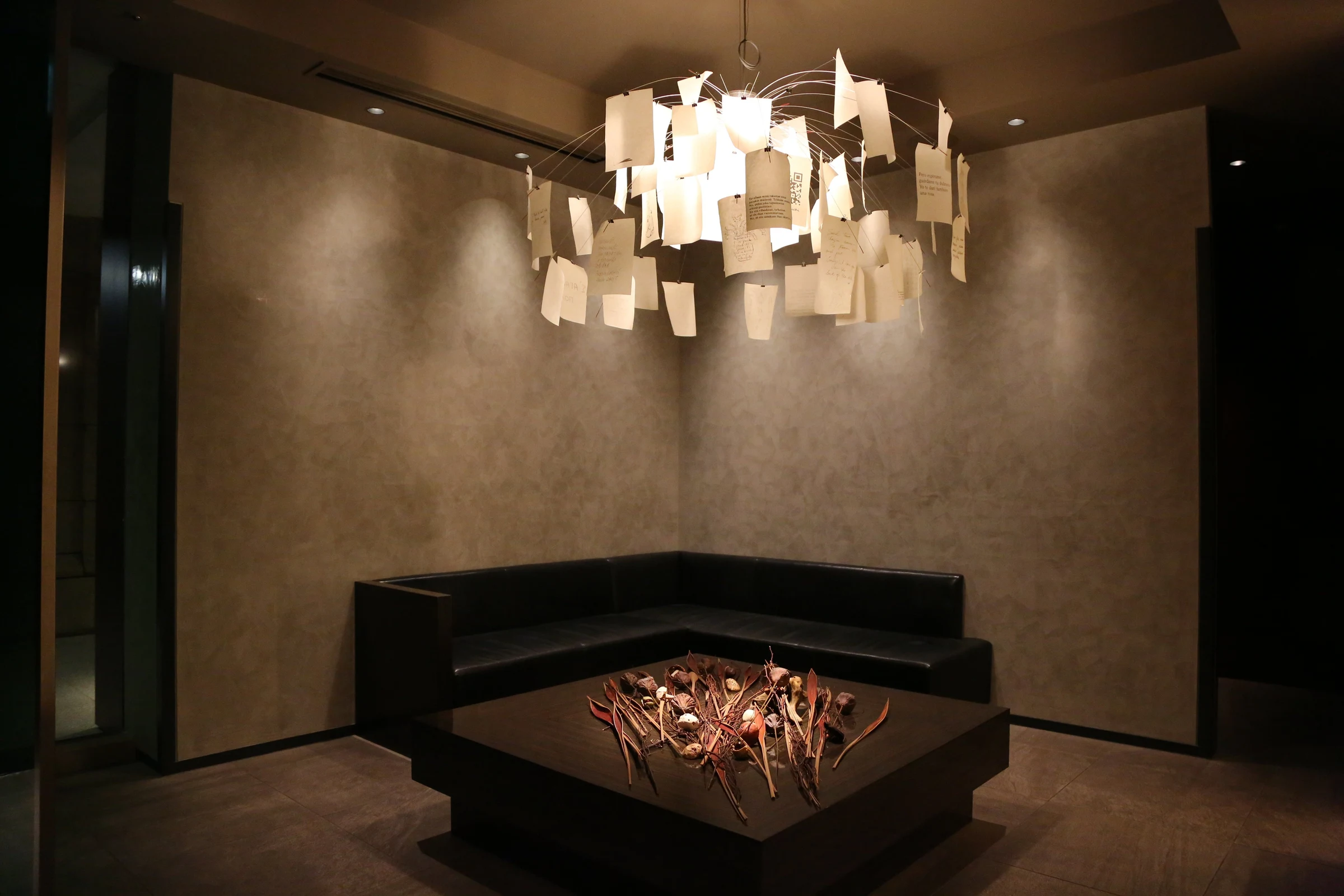
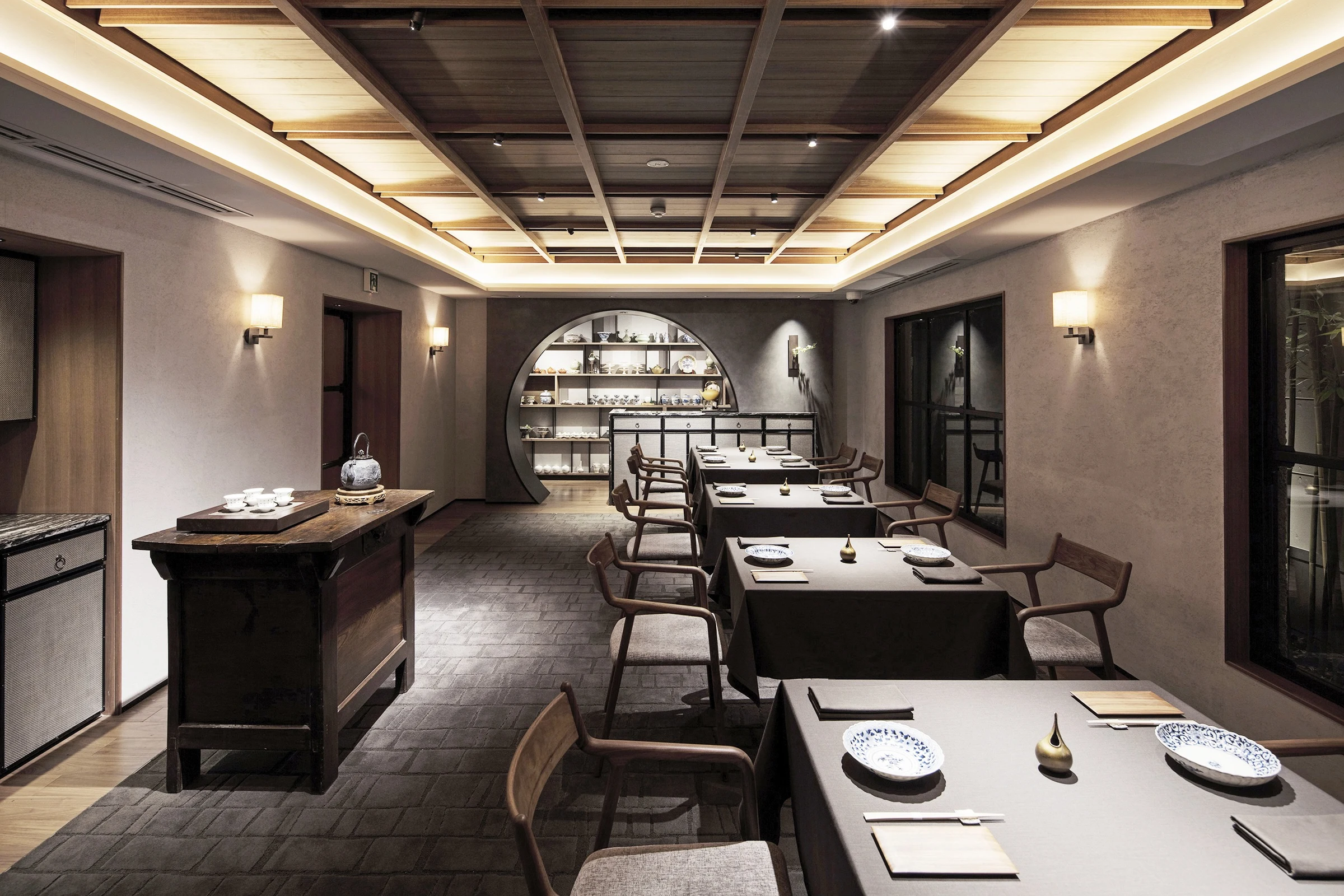
Below street level in Roppongi, Ryuzu occupies the composed side of Tokyo French dining: controlled lighting, low voices, and a room built for progression rather than spectacle. The modern prix fixe restaurant in Tokyo is a test of pacing as much as cooking; courses must read as a sequence, not a parade, and service must carry that rhythm without stiffness. Ryuzu belongs to this category, where the meal forms a complete arc and the wine program is structural, not ornamental.
Tokyo’s French restaurants span grand ceremonial rooms, familiar neighborhood bistros, and high-touch tasting menus interpreting French technique through Japanese produce and seasonality. The serious end of that third lane is crowded. ABBESSES, abysse, Alchimiste, Alternative, and amarantos show the breadth of the city’s French conversation, from seafood-led minimalism to experimental formats. Ryuzu’s position is calmer: not casual, not theatrical, and not centered on the personality of one dish.
The Sunday letter
Find new places through the people who run them.
Our Sunday email brings you the chefs, winemakers and hoteliers behind our newest stories. See a sample before you subscribe.
See a sample of the Sunday emailOne email a week. Unsubscribe from any issue.
A prix fixe room built on sequence, restraint, and wine service
The useful way to read Ryuzu is through structure. A prix fixe meal asks diners to give up à la carte control in exchange for the kitchen’s judgment, so coherence matters. Tokyo diners are unusually fluent in this format, partly because kaiseki has trained the city to value order, season, temperature, and transition. In French restaurants here, sauces and technique may come from France, while the meal often follows a Japanese sense of cadence.
That is where Ryuzu’s awards record becomes meaningful. Michelin awarded it two stars in 2024 and 2025; La Liste scored it 84 points in 2025 and 82 points in 2026. Tabelog adds user-weighted scrutiny: a 2026 Bronze award with a 4.23 score, Bronze recognition across multiple years, and selection for Tabelog French Tokyo 100 in 2025, 2023, and 2021. Opinionated About Dining listed it among Japan’s ranked restaurants in 2024 and 2025, then as Recommended in its 2026 Japan restaurants list. Star Wine List recognition in 2025 and 2026 adds a separate signal, especially in a room where wine service is defining.
The restaurant is led by Ryuta Iizuka, but the point is not biography. Tokyo French cooking often uses chef authorship without making dinner autobiographical. The strongest rooms do not ask diners to admire intent; they make the sequence hold. Here, Iizuka’s name is a credential inside a broader Tokyo pattern: French technique filtered through exact timing, seasonal produce, and quiet accumulation of detail.
Roppongi French dining without the hotel-dining script
Roppongi can be a misleading address for serious dining, with associations of embassies, late nights, members’ clubs, and international traffic. Yet some stronger restaurants operate away from the hotel-lobby model. A basement setting changes the tone, removing the room from street-level performance and focusing attention on table service, glassware, and intervals between courses. For travelers, that matters: Tokyo’s French scene is not concentrated in one arrondissement-style quarter, and Roppongi sits between Ginza polish, Aoyama design culture, and quieter residential pockets around Nogizaka.
Compared with Tokyo French peers, Ryuzu sits in a refined middle of the luxury spectrum. L'Effervescence occupies a more expensive bracket, while COMME À LA MAISON represents a more approachable French register. Héritage by Kei Kobayashi, le sputnik, and Bouquet de France show how varied the city’s French category has become even within premium dining. The decision is less about universal hierarchy than meal grammar. Diners seeking an extended, choreographed dinner with a serious wine frame will read this differently from those wanting a bistro, counter-led modern format, or grand room with overt ceremony.
The restaurant’s sourcing emphasis fits a wider Tokyo habit: regional Japanese ingredients sharpen French cooking rather than localize it superficially. La Liste points to produce from Niigata and vegetables from the Noto region of Ishikawa, reminding diners that Tokyo fine dining is sustained by national supply networks as much as neighborhood identity. That logic explains why French cuisine in Japan remains serious rather than nostalgic. It is not a reenactment of Paris; it is a local dining language with French grammar.
Who should choose this meal in Tokyo
Ryuzu is strongest for diners wanting a composed French meal with a clear beginning, middle, and finish. It suits travelers who understand tasting-menu pacing and prefer a controlled room to separate à la carte decisions. The awards support the choice, but the practical editorial point is format fit: this is for a planned dinner, not an improvised stop between bars.
Its appeal depends on itinerary. If a trip is heavy on sushi counters, tempura, kappo, and kaiseki, a French prix fixe dinner can reset the palate without leaving Tokyo’s high-precision dining culture. If the itinerary is French-focused, Ryuzu belongs in a comparison set, not as a default. The city has enough French depth to choose by mood: wine-led and composed, seafood-specific, avant-garde, bistro-like, or grand and ceremonial.
For broader planning, use Our full Tokyo restaurants guide to map Ryuzu against other tables, then balance the trip with Our full Tokyo hotels guide, Our full Tokyo bars guide, Our full Tokyo wineries guide, and Our full Tokyo experiences guide. Tokyo rewards sequencing: a formal Roppongi dinner reads differently after a gallery day in Nogizaka, a Ginza lunch counter, or a late cocktail route.
Readers comparing Japanese dining beyond Tokyo can widen the lens with -Grilled beef Sukiyaki- KAMAKURA TANUKIAN 鎌倉 たぬき庵 in Kamakura,.cafe in Osaka,.know in Kumamoto, (Shoku) Vietnam in Kawasaki, [Curry Senmon Ten] Maruyama Kyoju. in Sapporo, and [ki:] in Kyoto. For an international French comparison, 3 Fils Counter, French in Dubai and 3G Trois Gourmands, French in Ho Chi Minh City show how French technique changes when transplanted into different luxury dining markets.
The editorial case is clear: Ryuzu is for diners who value the architecture of a meal. Its strongest signals are not noise or novelty, but consistency across demanding recognition systems, a wine-aware service frame, and a Tokyo-French style that treats restraint as a serious choice.
Questions
Frequently asked
What recognition does Ryuzu hold?
Ryuzu holds 2 Michelin stars.
Who works at Ryuzu?
Made By profiles Ryuta Iizuka (Chef) at Ryuzu.
How expensive is Ryuzu?
Ryuzu is listed at a price level of $$$$.
Where is Ryuzu and what does it serve?
Ryuzu is in Minato, Tokyo, serving French with Japanese Sensibility.
The field
How it compares
| Place | Awards | Cuisine | Notes |
|---|---|---|---|
| Ryuzu | Michelin 2 Stars | French with Japanese Sensibility | Minato, $$$$ |
| Den | Michelin 2 Stars, World's 50 Best | Modern Japanese Kaiseki | Tokyo |
| Florilège | Michelin 2 Stars, World's 50 Best | Modern French-Japanese Plant-Based Fine Dining | Tokyo |
| Narisawa | Michelin 2 Stars, World's 50 Best | Modern Japanese Satoyama Fine Dining | Tokyo |
| Quintessence | Michelin 3 Stars | Modern French Fine Dining | Tokyo |
| Sazenka | Michelin 3 Stars, World's 50 Best | Modern Chinese Fine Dining | Tokyo |
| Sézanne | Michelin 3 Stars, World's 50 Best | Modern French Fine Dining | Tokyo |
In residence
Similar places
Modern Japanese Kaiseki
Den
Tokyo, Japan
★★ · 50 Best
Modern French-Japanese Plant-Based Fine Dining
Florilège
Tokyo, Japan
★★ · 50 Best
Modern Japanese Satoyama Fine Dining
Narisawa
Tokyo, Japan
★★ · 50 Best
Modern French Fine Dining
Quintessence
Tokyo, Japan
★★★
Modern Chinese Fine Dining
Sazenka
Tokyo, Japan
★★★ · 50 Best
Modern French Fine Dining
Sézanne
Tokyo, Japan
★★★ · 50 Best
The Sunday letter
Get the next Made By story in your inbox.
We send one email every Sunday morning with the places and people we covered that week.
See a sample of the Sunday emailOne email a week. Unsubscribe from any issue.