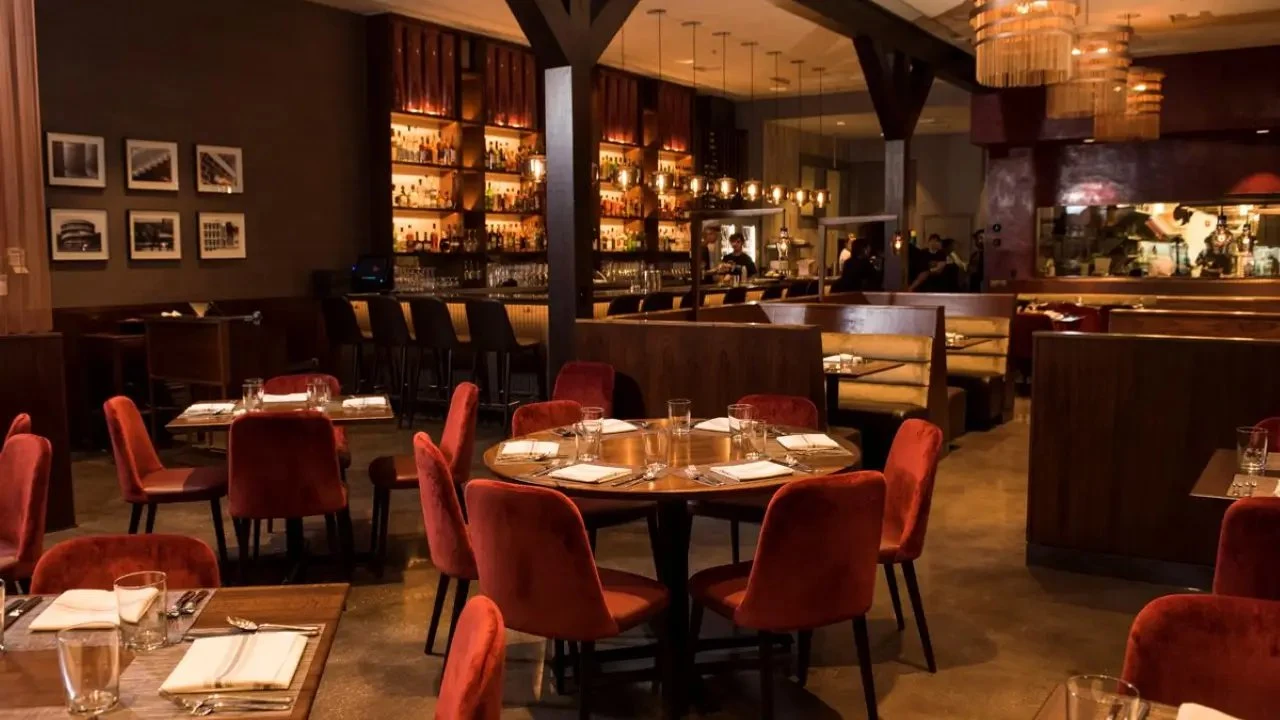
Saffron NOLA
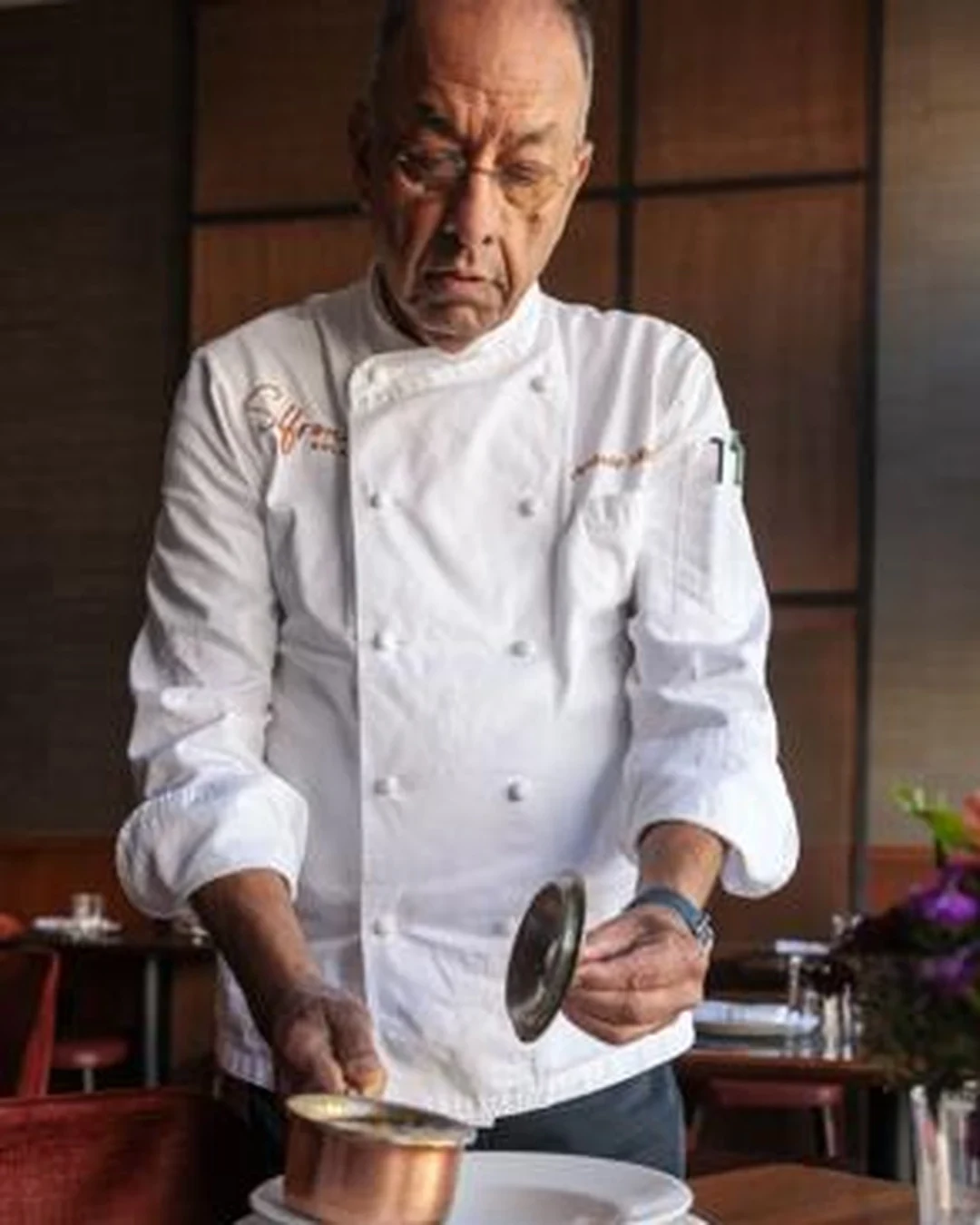
In Residence
Arvinder Vilkhu
Chef
- 01CuisineModern Indian-Creole Fusion
- 02CityNew Orleans, United States
- 03RecognitionJames Beard Award
- James Beard Winner · James Beard Foundation
- Michelin Plate · 2025
- James Beard Award Semi Finalist · 2025
Indian Technique on a Creole Street
Magazine Street runs through the Garden District and Uptown with the unhurried confidence of a neighbourhood that knows what it is: independent shops, century-old shotgun houses, and a dining strip that has historically skewed towards the Creole-Cajun axis that defines New Orleans eating. That context matters when placing Saffron NOLA at 4128 Magazine. Indian restaurants in the American South have spent decades operating either as buffet-format lunch destinations or as middle-market curry houses calibrated to a broad audience. Saffron NOLA occupies a different position, priced at the $$$ tier, it signals a kitchen applying genuine craft to a cuisine that the city's dining infrastructure rarely treats at this level.
The Michelin Plate is a specific designation: it does not carry the star weight of peers like Saint-Germain or the tasting-menu formality of Re Santi e Leoni, but it does mean the inspectors found the cooking noteworthy. In New Orleans, where the culinary identity is so entrenched that even ambitious newcomers like Bayona and Zasu frame themselves partly against the Creole tradition, a Michelin nod for an Indian kitchen represents a meaningful statement about scope and ambition.
The Sunday letter
Find new places through the people who run them.
Our Sunday email brings you the chefs, winemakers and hoteliers behind our newest stories. See a sample before you subscribe.
See a sample of the Sunday emailOne email a week. Unsubscribe from any issue.
The Dum Method and What It Demands
Any assessment of serious Indian cooking returns, eventually, to biryani, not because it is the only marker of a kitchen's ability, but because it is one of the most technically demanding dishes in the repertoire. The dum method, in which rice and spiced meat or vegetables are sealed together in a vessel and slow-cooked over a low flame, requires the cook to manage heat transfer through a sealed environment, calibrate moisture so the rice absorbs flavour without collapsing, and layer aromatics at the right depth so they express through the finished dish rather than sitting on top of it.
Regional variation compounds the challenge. Hyderabadi dum biryani uses raw marinated meat layered directly with parcooked rice before sealing, the proteins release moisture during cooking, which the rice absorbs. Lucknowi biryani (the Awadhi style) cooks the meat separately, then layers and steams, producing a cleaner separation of flavours. Kolkata biryani introduces potato, a Nawabi-era addition that absorbs rendered fat and spice in ways that change the dish's texture architecture entirely. Each tradition requires a different calibration, and a kitchen that understands the distinctions is operating at a level above the generic subcontinent-spanning menu that characterises most Indian restaurants at this price point in American cities.
Saffron NOLA's recognition in a city where the dining establishment is deeply, historically French and Creole, think the lineage running from Commander's Palace through Emeril's, suggests the kitchen is not hedging toward local palate comfort.
Where This Kitchen Sits in the American Indian Dining Picture
Across American cities, Indian fine dining has been building a more credible tier. In New York, Atomix demonstrated that non-European cuisines could command serious tasting-menu prices and critical respect, and the ripple effect has been felt across Indian, Korean, and Japanese fine-dining programs in secondary markets. In Raleigh, Tamasha operates at a comparable $$$ price point in the Southeast, making Saffron NOLA part of a small but growing cohort of Southern-market Indian restaurants that take technique seriously.
The broader Michelin-recognised tier in American cities provides useful reference coordinates. Kitchens like Le Bernardin in New York or Providence in Los Angeles have spent years establishing that a single-cuisine focus executed with rigour earns its own critical category. At the tasting-menu extreme, Alinea in Chicago and The French Laundry in Napa represent what happens when technical ambition is pushed very far. Saffron NOLA is not in those conversations, it is a $$$ à la carte (or structured) Indian kitchen in a mid-city neighbourhood, but the Michelin Plate places it within a framework where ingredient sourcing, technique discipline, and kitchen consistency are the operative variables.
Planning a Visit
Saffron NOLA sits at 4128 Magazine Street in the Uptown stretch of the strip, The $$$ pricing tier puts it in the same spending bracket as contemporaries across the city who treat a meal as a considered evening rather than a quick dinner, plan for it accordingly. Reservations are recommended, and dinner is served Tue through Thu from 5 to 9:15 PM, Fri and Sat from 5 to 10 PM.
Questions
Frequently asked
What recognition does Saffron NOLA hold?
Saffron NOLA holds a James Beard award.
Who works at Saffron NOLA?
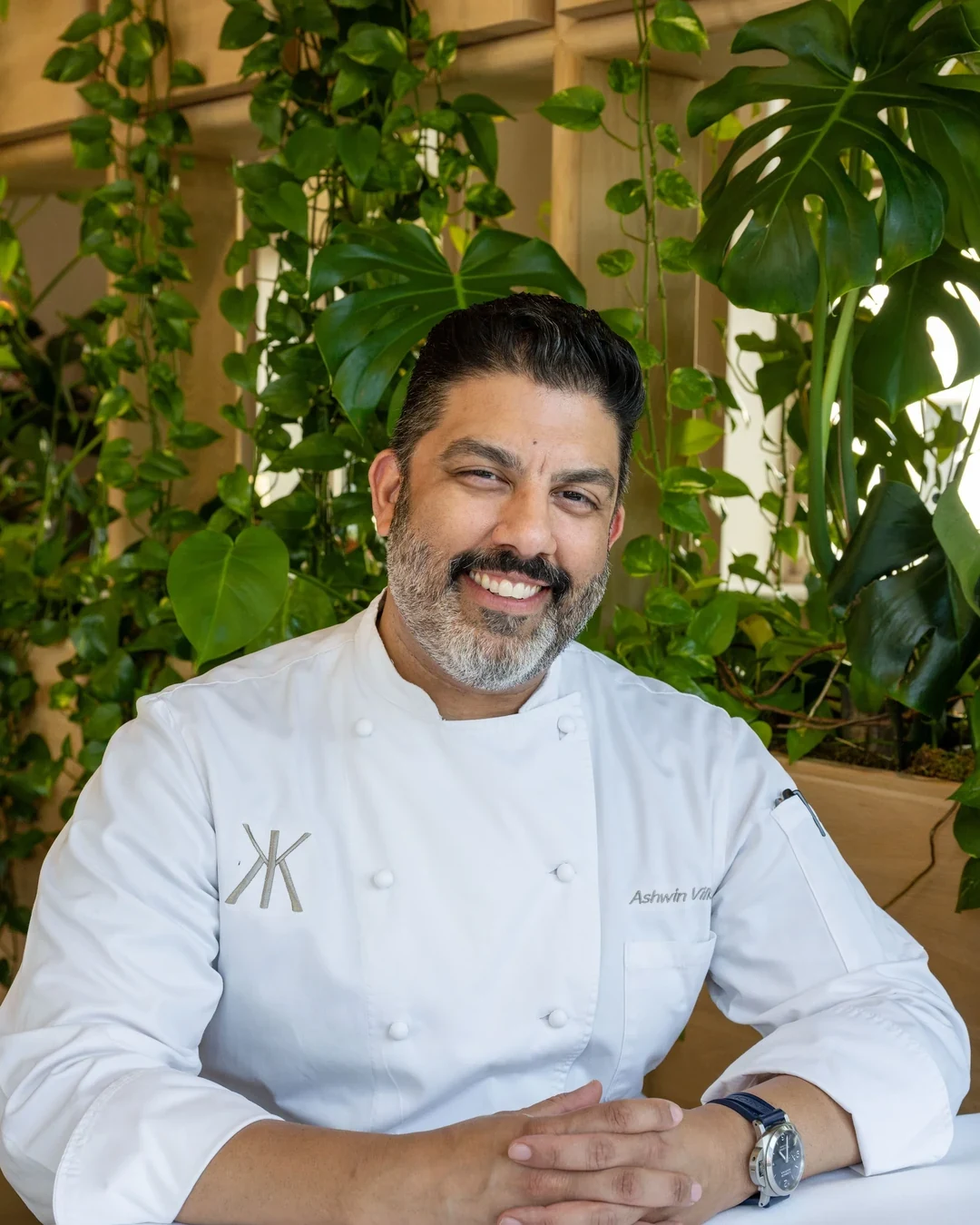
Made By profiles Arvinder Vilkhu (Chef) and Ashwin Vilkhu (Chef) at Saffron NOLA.
How expensive is Saffron NOLA?
Saffron NOLA is listed at a price level of $$$.
Where is Saffron NOLA and what does it serve?
Saffron NOLA is in East Riverside, New Orleans, serving Modern Indian-Creole Fusion.
The field
How it compares
| Place | Awards | Cuisine | Notes |
|---|---|---|---|
| Saffron NOLA | James Beard | Modern Indian-Creole Fusion | East Riverside, $$$ |
| Acamaya | World's 50 Best | Contemporary Mexican Seafood | New Orleans |
| Commander’s Palace | · | Modern Creole | New Orleans |
| Dakar NOLA | World's 50 Best | Modern Senegalese Pescatarian Tasting Menu | New Orleans |
| Emeril’s | Michelin 2 Stars, World's 50 Best | Modern Creole-Cajun Fine Dining | New Orleans |
| Pêche Seafood Grill | · | Modern Seafood Grill | New Orleans |
| Zasu | Michelin 1 Star | Modern American Seafood | New Orleans |
In residence
Similar places
Contemporary Mexican Seafood
Acamaya
New Orleans, United States
50 Best
Modern Creole
Commander’s Palace
New Orleans, United States
Modern Senegalese Pescatarian Tasting Menu
Dakar NOLA
New Orleans, United States
50 Best
Modern Creole-Cajun Fine Dining
Emeril’s
New Orleans, United States
★★ · 50 Best
Modern Seafood Grill
Pêche Seafood Grill
New Orleans, United States
Modern American Seafood
Zasu
New Orleans, United States
★
The Sunday letter
Get the next Made By story in your inbox.
We send one email every Sunday morning with the places and people we covered that week.
See a sample of the Sunday emailOne email a week. Unsubscribe from any issue.