Made ByRestaurant

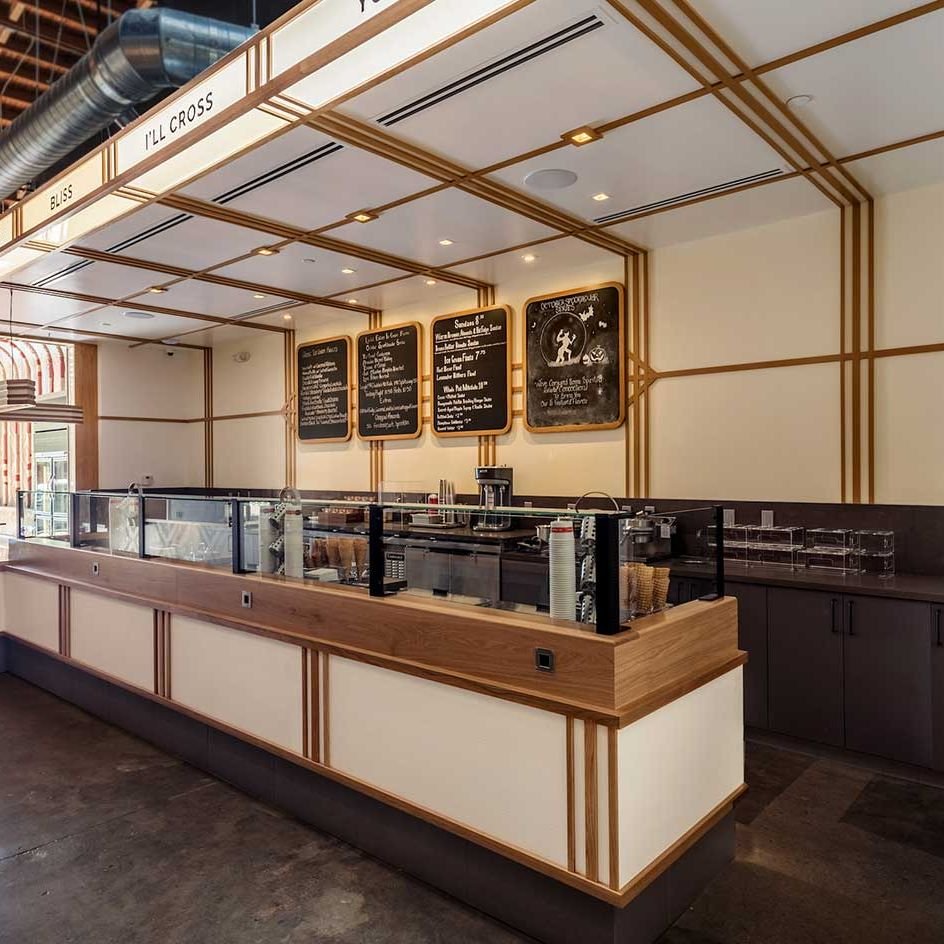
Tyler Malek, Chef at Salt & Straw in Portland, builds ice cream flavors through formulation, early starts, and production discipline.
At a glance
- Cuisine
- Ice Cream
The kitchen starts at 6:30
At 6:30, Tyler Malek starts the ice cream kitchen as Chef at Salt & Straw in Portland, where the first work is not spectacle but control. His training at the Oregon State University Food Innovation Center gave him a technical base for a craft that asks for formulation, timing, and a steady hand under production pressure. Since 2011, he has been a co-founder and Head Ice Cream Innovator here; since 2013, he has also held the Head Ice Cream Maker role. Those titles matter because they keep the idea and the batch in the same set of hands. A flavor has to survive the passage from concept to freezer, from a small test to a line that can repeat the result without sanding down its character. In this kitchen, invention is not treated as release from discipline. It is the reason discipline has to hold.
Flavor built to survive the freezer
The program at Salt & Straw began in Portland as a food cart in the Alberta Arts District in 2011, then moved into a first brick-and-mortar shop in the same neighborhood. The craft has always leaned toward local sourcing and handmade, small-batch ice cream, with all-natural dairy from Lochmead Dairy and a wider pantry drawn from Oregon and beyond. The permanent flavors and monthly series give Malek two kinds of work: maintaining a house language and making room for seasonal risk. Pear and Blue Cheese, Arbequina Olive Oil, Strawberry Honey Balsamic with Black Pepper, and Salted, Malted, Chocolate Chip Cookie Dough ask for more than novelty. Each one needs fat, sugar, salt, aroma, and texture to land in proportion after freezing. Signature flavors such as Birthday Cake and Blackberry Ice Cream, Boysenberry Oat Milk Sherbet, and Honey Lavender show the same range from another angle. One reads celebratory, another tart and fruit-led, another floral and restrained. The format is flexible, but the method has to be exact.
A bench with a production clock
Scale changes the work without excusing it. Salt & Straw’s manufacturing kitchen in Portland’s eastside Enterprise Zone can make up to 100 batches of ice cream daily, which turns the bench into a place of repetition, measurement, and correction. Development and execution sit close together: a flavor is built, tested, adjusted, then produced in a kitchen with little room for drift. The monthly series may carry the visible imagination, including collaborations that have brought Caramelized Plantain with Spicy Pecan Toffee, Cheesecake with Salted Yuzu Curd, and Hong Kong Milk Tea with Toasted White Chocolate into the case, but the quieter craft is keeping each batch aligned with its own intent. Ice cream is unforgiving in that way. Cold mutes flavor. Texture records error.
The counter keeps the work public
At the SE Division shop, the craft meets the room at the counter: waffle cones, tasting spoons, freezer glass, and a line of flavors that asks the staff to know the menu in detail. The company now counts more than 50 shops across seven states, but the Portland counter still carries the older grammar of the parlor, with reclaimed wood shelving, tall ceilings, barn light fixtures, and floor-to-ceiling windows around the pass from kitchen idea to scoop. In May 2026, Salt & Straw began selling half-pints in Portland-area New Seasons Market stores, a different format for the same test of consistency. The close read is still in the cup, where Honey Lavender has nowhere to hide.
Address
Portland, Oregon, United States
In residence
Similar places
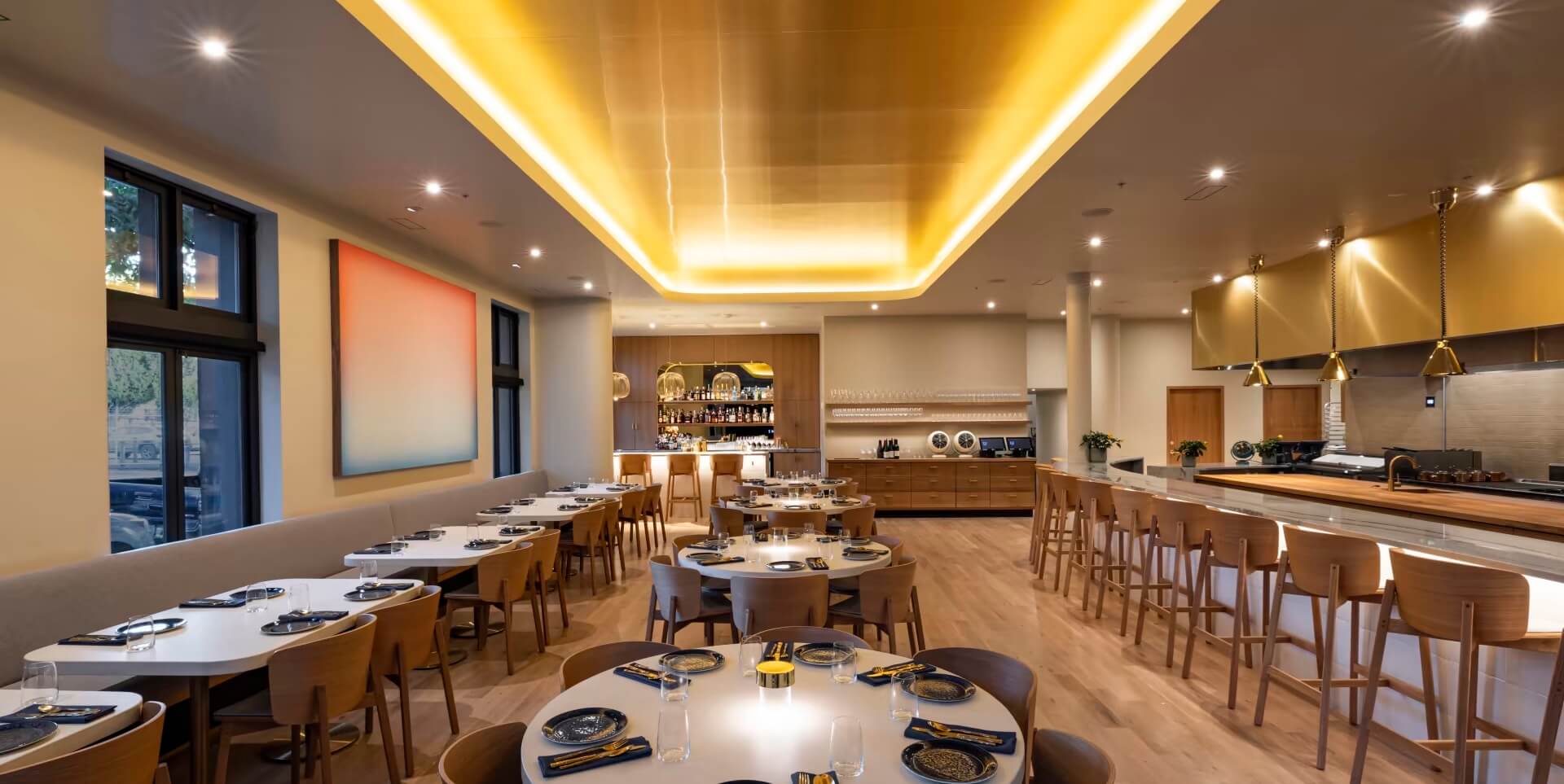
Modern Haitian Caribbean
Kann
Portland, United States
50 Best
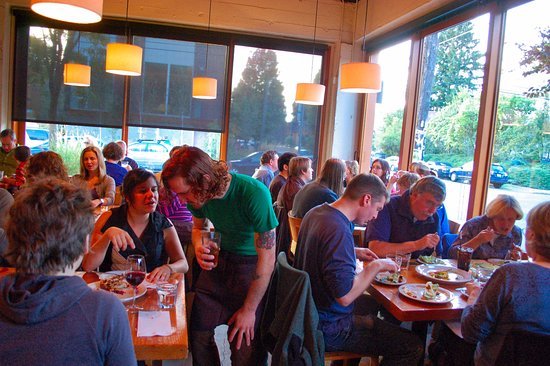
Roman-Style Artisan Pizza
Ken’s Artisan Pizza
Portland, United States
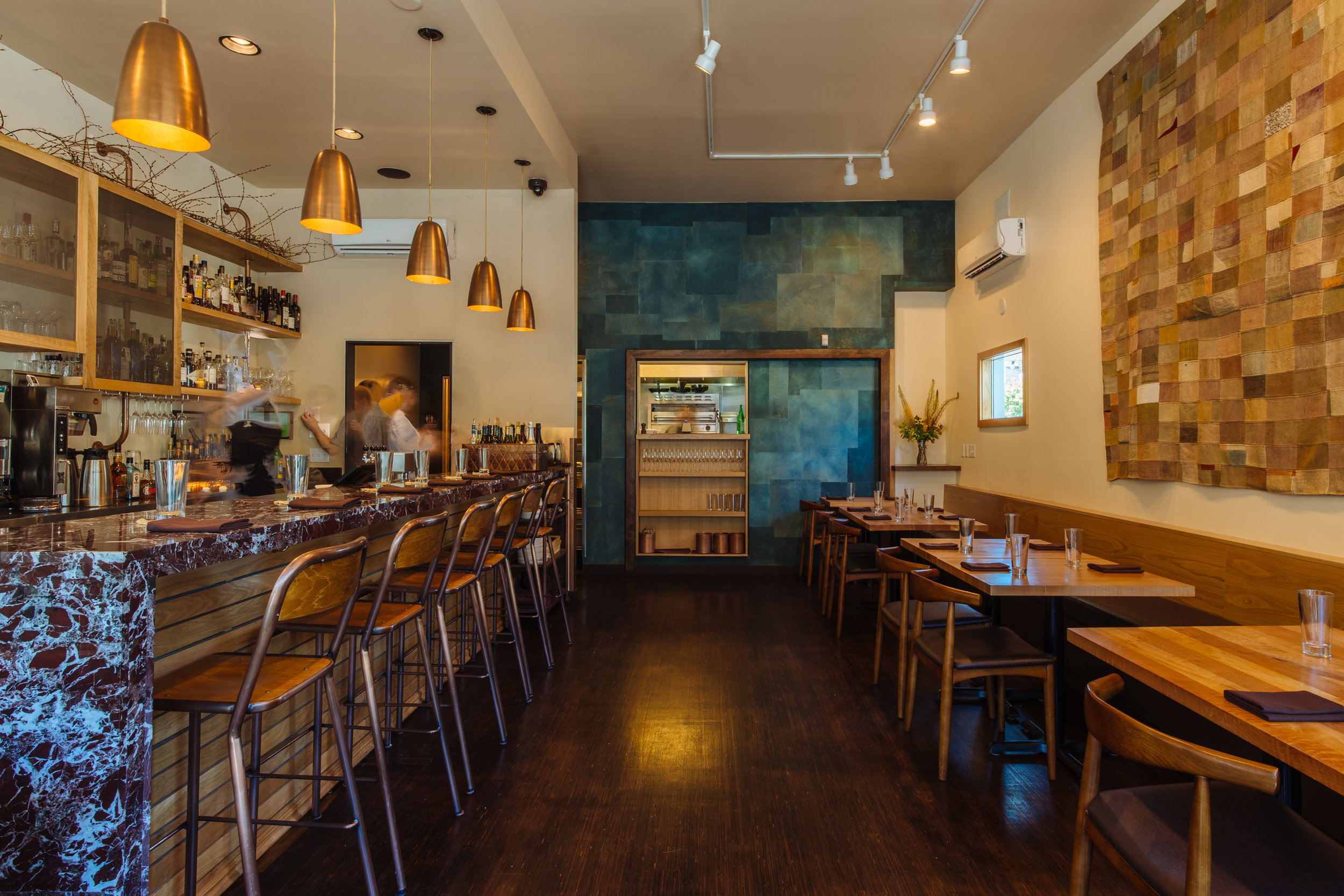
Modern American Fine Dining
Coquine
Portland, United States
Farm-to-Table Italian Wood-Fired Pizza
Nostrana
Portland, United States
Modern Japanese Kaiseki
Nodoguro
Portland, United States

Modern Thai Tasting Menu
Langbaan
Portland, United States