Samrub Samrub Thai
In Residence
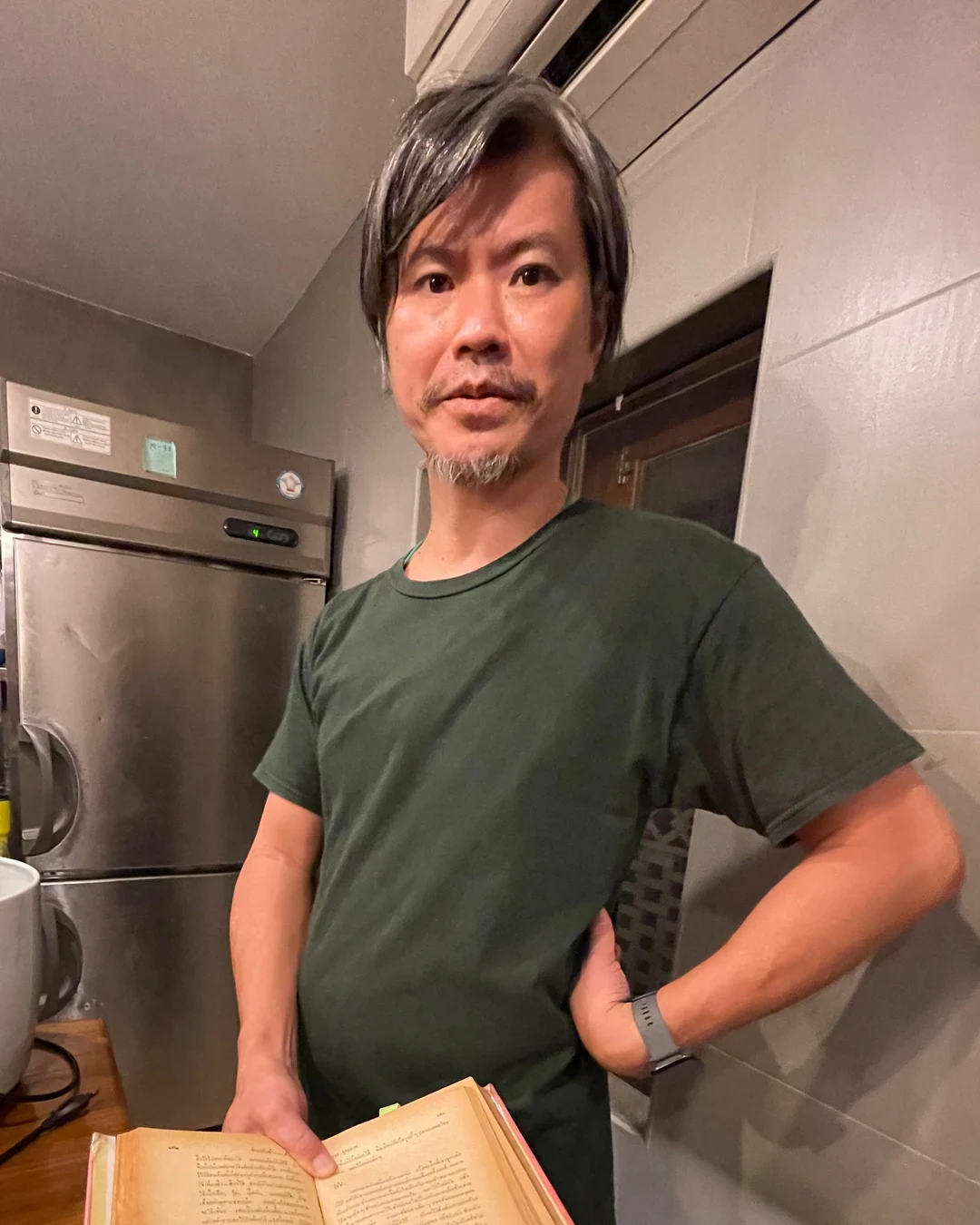
Prin Polsuk
Chef
- 01CuisineModern Regional Thai Tasting Menu
- 02CityBangkok, Thailand
- 03RecognitionOne Michelin Star
From the people index
Recommended by
2 trusted voices point here.
- 1 Michelin Star · Michelin Guide
- World's 50 Best · #47 · World's 50 Best Restaurants
- Michelin 1 Star · 2026
- World's 50 Best Asia's Best Restaurants #67 · 2026
- Michelin 1 Star · 2025
- The Best Chef Two Knives · 2025
- World's 50 Best Asia's Best Restaurants #47 · 2025
- Michelin 1 Star · 2024
A Silom Sidestreet and the Case for Regional Depth
Bangkok's premium Thai dining scene has split decisively over the past decade. On one side sit the hotels and high-footfall addresses running polished, broadly accessible Thai menus; on the other, a smaller cohort of research-led rooms where the menu is essentially a rotating academic argument about what Thai cuisine actually is. Samrub Samrub Thai, on Yommarat Alley in Silom's Bang Rak district, belongs firmly to the second group.
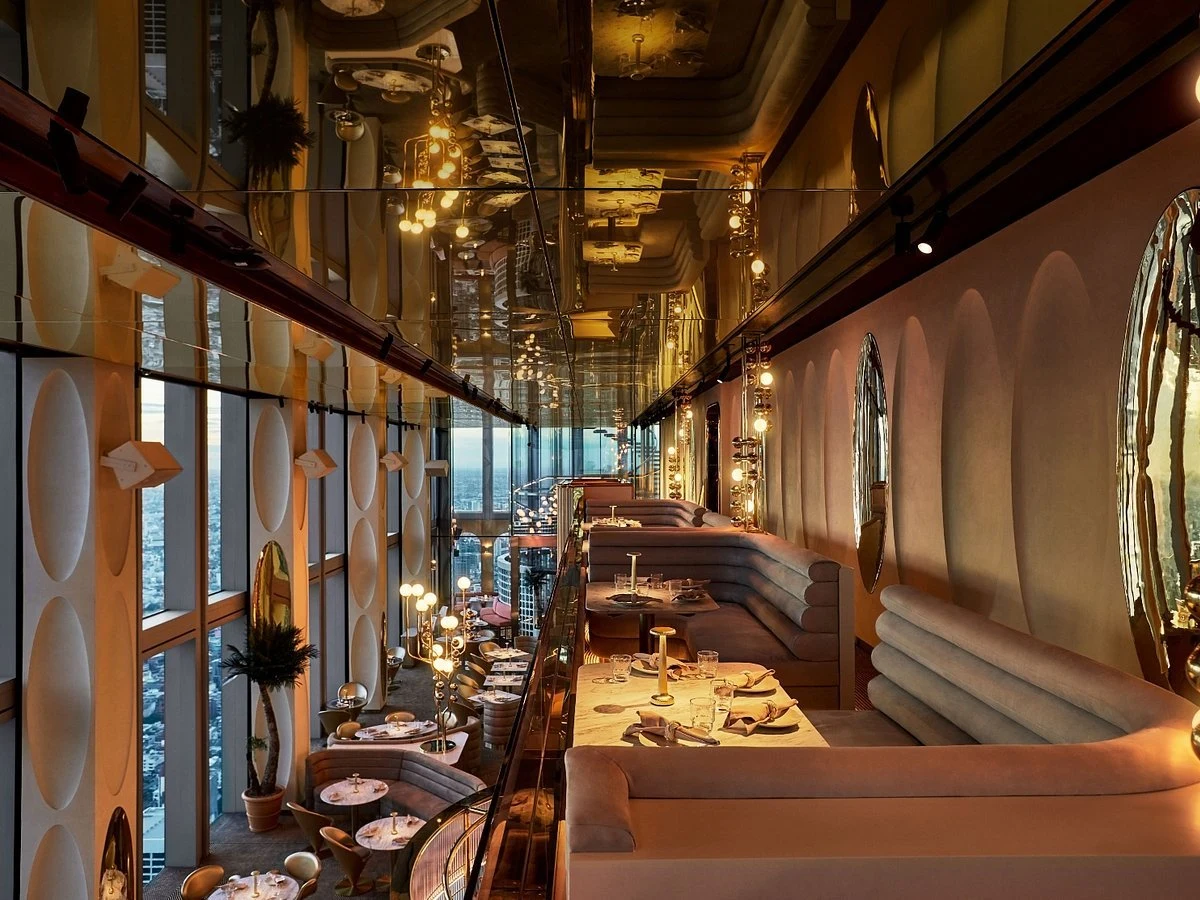
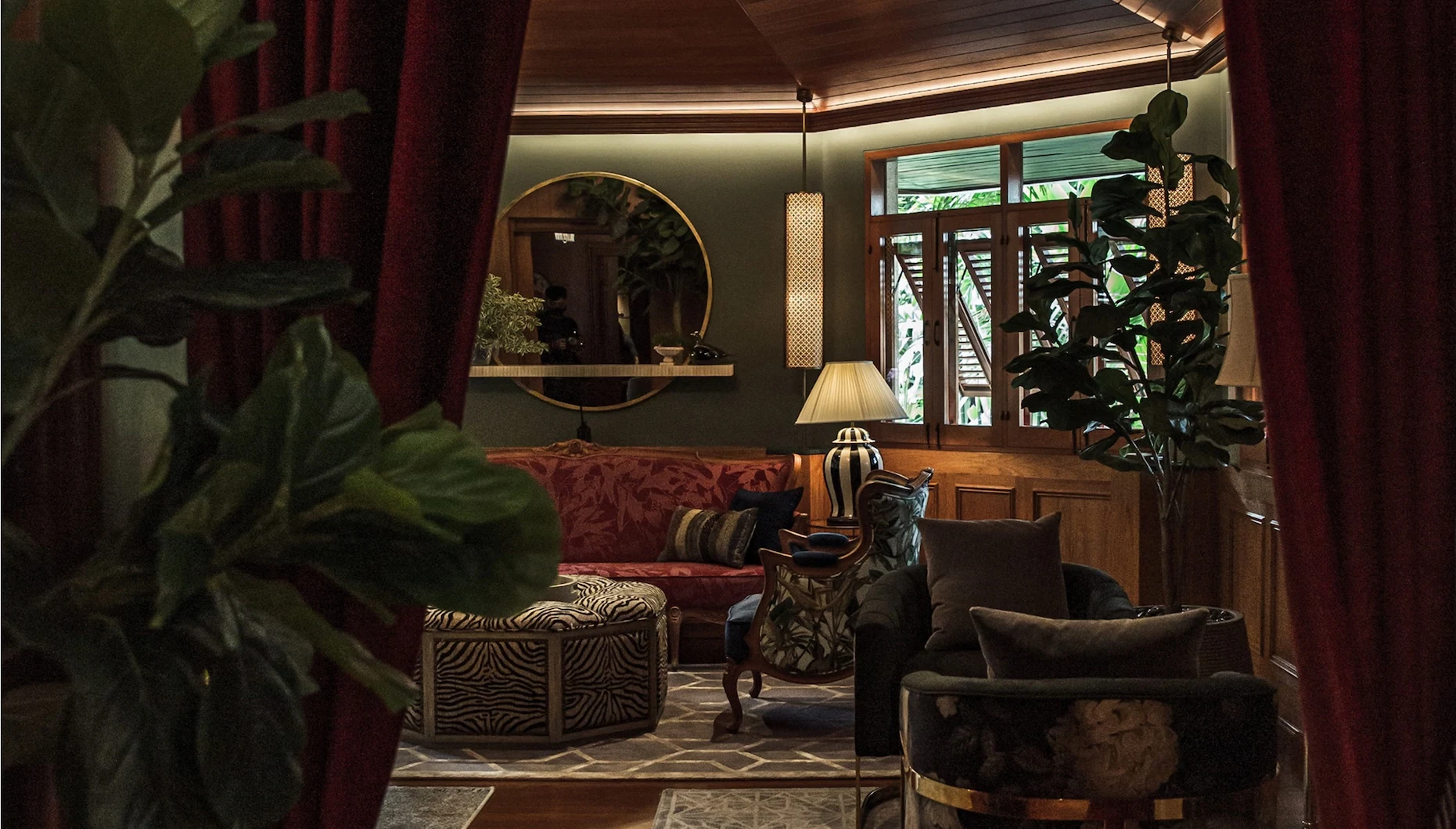
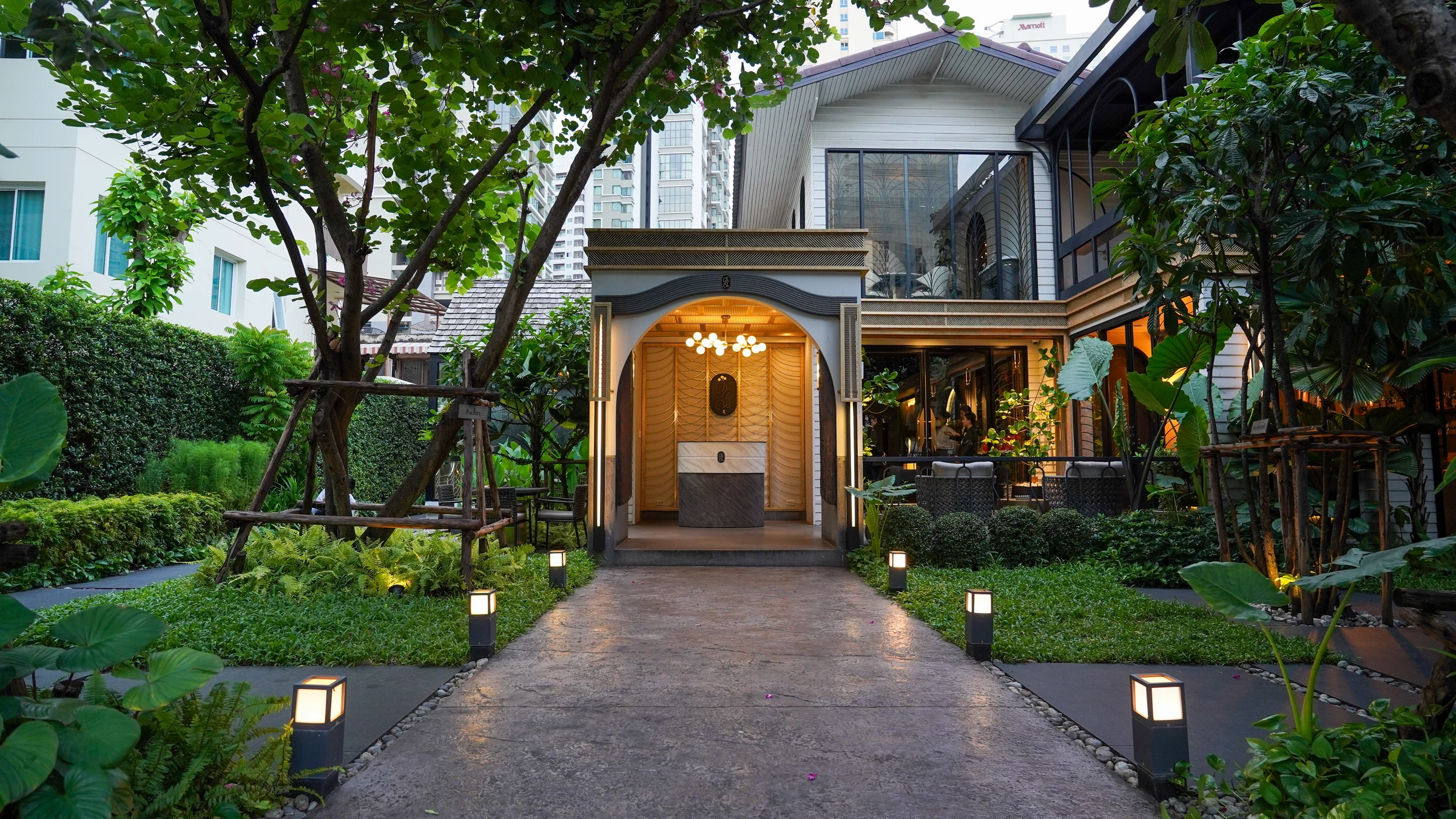
Approaching the address, the setting itself signals the program: a white, four-storey renovated house on a narrow alley, unmarked in the way that rooms confident in their reservation list tend to be. There is no lobby, no hotel corridor, no ambient soundtrack engineered by a hospitality group. The architecture is domestic in scale, which is not incidental, it mirrors the register of the cooking, which draws from household recipes, regional cookbooks, and the kind of knowledge that moves between generations in Thai kitchens rather than through culinary school curricula.
The Sunday letter
Find new places through the people who run them.
Our Sunday email brings you the chefs, winemakers and hoteliers behind our newest stories. See a sample before you subscribe.
See a sample of the Sunday emailOne email a week. Unsubscribe from any issue.
The Stir-Fry Tradition and Where Tasting-Menu Thai Diverges
To understand what Samrub Samrub Thai is doing, it helps to understand what it is consciously not doing. The high-heat stir-fry tradition, pad thai, pad see ew, the fierce wok work that defines Thai street cooking and the mid-market restaurant register, is built on immediate gratification: speed, smoke, the Maillard reaction compressed into ninety seconds over a screaming burner. The brilliance of that format is its directness. Its limitation, from an archival standpoint, is that it privileges technique over provenance. You can make pad see ew with imported wide rice noodles and commercial oyster sauce and the result will be close enough that most diners won't notice what's been lost.
The tasting-menu format at this address inverts that priority. The menu changes every two months, with each rotation built around a specific regional Thai tradition: one cycle might foreground Isan fermented flavors and the dried-meat culture of the northeast; the next might map the coconut-and-spice grammar of Southern Thai cooking, with its harder heat and more complex curry bases. The research methodology draws on rare cookbooks and older recipes that trace cooking practices across different periods of Thai culinary history. That is a fundamentally different project from the stir-fry counter, and it requires a different kind of attention from the diner.
Where This Room Sits in Bangkok's Fine-Dining Tier
The Bangkok fine-dining tier has several distinct competitive sets. At the top of the price bracket sit rooms like Sorn (Southern Thai, ฿฿฿฿), Baan Tepa (Thai contemporary, ฿฿฿฿), and international addresses like Sühring (German, ฿฿฿฿) and Gaa (Modern Indian, ฿฿฿฿). Samrub Samrub Thai prices at ฿฿฿, which places it a bracket below those rooms in outlay but not in recognition. The 2024 Michelin one-star and a rank of 47th at Asia's 50 Best Restaurants 2025 position it alongside the most credentialed rooms in the city.
For direct Thai-cuisine comparison, the comparable set includes Nahm, Saneh Jaan, Aksorn, Chim by Siam Wisdom, and Baan, rooms that share an interest in Thai culinary heritage but take distinct approaches in terms of format, price point, and regional focus. Nahm in particular is a direct credential marker: Chef Prin Polsuk built his public profile through his work there before opening this address with his wife Thanyaporn 'Mint' Jarukittikun. The lineage is relevant because it signals a kitchen trained in the kind of recipe reconstruction that defined Nahm's project, here applied with more frequent menu rotation and a tighter, more intimate room.
Among the broader Thailand fine-dining picture, the conversation extends beyond Bangkok. PRU in Phuket and Aeeen in Chiang Mai represent the regional spread of serious tasting-menu ambition, while AKKEE in Pak Kret and Angeum in Phra Nakhon Si Ayutthaya show how the archival Thai dining impulse has spread well outside the capital. Further afield, Boo Raan in Knokke and Kin Khao in San Francisco indicate the international audience now seeking this register of Thai cooking.
The Menu Cycle as Editorial Act
A bi-monthly rotation is a significant operational commitment. Most tasting-menu rooms at this level change seasonally at leading; some run the same core menu for a full year with incremental adjustments. The two-month cycle here means six distinct menu architectures per year, each built around a different regional theme and each requiring the kitchen to have completed its research before the previous menu closes. The Google rating of 4.3 across 273 reviews, consistent across a menu format that changes this frequently, suggests the execution holds across cycles rather than peaking in one strong season.
The sourcing of material is also notable. Drawing from rare Thai cookbooks and older recipe traditions places this kitchen in a category closer to culinary archaeology than to contemporary fusion. The parallel in other cuisines would be a European chef working from medieval recipe manuscripts or a Japanese counter specializing in pre-Meiji cooking forms, a niche that demands scholarly patience in addition to technical skill.
Booking and Access
The booking method is social media only, which is unusual at this level and functions as a practical filter. This means the room fills from a self-selecting audience already aware of the project, a pattern common among rooms that prefer to manage their audience rather than maximize their cover count.
Hours run Tuesday through Saturday, opening at 5:30 PM (with Friday and Saturday extending to midnight). The room is closed Sunday and Monday. The address is 39/11 Yommarat Alley, Si Lom, Bang Rak, Bangkok 10500.
Planning Comparison: Bangkok Research-Led Thai Tasting Menus
| Venue | Price Range | Menu Format | Booking Method | Awards |
|---|---|---|---|---|
| Samrub Samrub Thai | ฿฿฿ | Rotating tasting menu (bi-monthly, regional focus) | Social media only | Michelin 1 Star (2024); Asia's 50 Best #47 (2025) |
| Nahm | ฿฿฿฿ | À la carte and tasting menu | Standard reservation | Michelin-recognized |
| Sorn | ฿฿฿฿ | Set menu, Southern Thai focus | Standard reservation | Michelin 2 Stars |
| Baan Tepa | ฿฿฿฿ | Contemporary Thai tasting menu | Standard reservation | Michelin-recognized |
For those with an interest in how Thai cooking is being treated internationally, Agave in Ubon Ratchathani and The Spa in Lamai Beach offer further reference points across the country's regional spread.
Questions
Frequently asked
What recognition does Samrub Samrub Thai hold?
Samrub Samrub Thai holds 1 Michelin star and a place on the World's 50 Best list at number 47.
Who works at Samrub Samrub Thai?
Made By profiles Prin Polsuk (Chef) at Samrub Samrub Thai.
How expensive is Samrub Samrub Thai?
Samrub Samrub Thai is listed at a price level of $$$$.
Where is Samrub Samrub Thai and what does it serve?
Samrub Samrub Thai is in Si Lom, Bangkok, serving Modern Regional Thai Tasting Menu.
The field
How it compares
| Place | Awards | Cuisine | Notes |
|---|---|---|---|
| Samrub Samrub Thai | Michelin 1 Star, World's 50 Best #47 | Modern Regional Thai Tasting Menu | Si Lom, $$$$ |
| Baan Tepa | Michelin 2 Stars, World's 50 Best | Creative Thai Fine Dining | Bangkok |
| Gaa | Michelin 2 Stars, World's 50 Best | Modern Indian Fine Dining with Thai Influences | Bangkok |
| Gaggan Anand | Michelin 1 Star, World's 50 Best | Progressive Indian | Bangkok |
| Potong | Michelin 1 Star, World's 50 Best | Progressive Thai-Chinese Fine Dining | Bangkok |
| Sorn | Michelin 3 Stars, World's 50 Best | Fine Southern Thai | Bangkok |
| Sühring | Michelin 3 Stars, World's 50 Best | Modern German Fine Dining | Bangkok |
In residence
Similar places
Creative Thai Fine Dining
Baan Tepa
Bangkok, Thailand
★★ · 50 Best
Modern Indian Fine Dining with Thai Influences
Gaa
Bangkok, Thailand
★★ · 50 Best
Progressive Indian
Gaggan Anand
Bangkok, Thailand
★ · 50 Best
Progressive Thai-Chinese Fine Dining
Potong
Bangkok, Thailand
★ · 50 Best
Fine Southern Thai
Sorn
Bangkok, Thailand
★★★ · 50 Best
Modern German Fine Dining
Sühring
Bangkok, Thailand
★★★ · 50 Best

The Sunday letter
Get the next Made By story in your inbox.
We send one email every Sunday morning with the places and people we covered that week.
See a sample of the Sunday emailOne email a week. Unsubscribe from any issue.