Fourth generation in an urban cellar
- Pearl 3 Star Prestige · 2025
Four generations at the cellar door
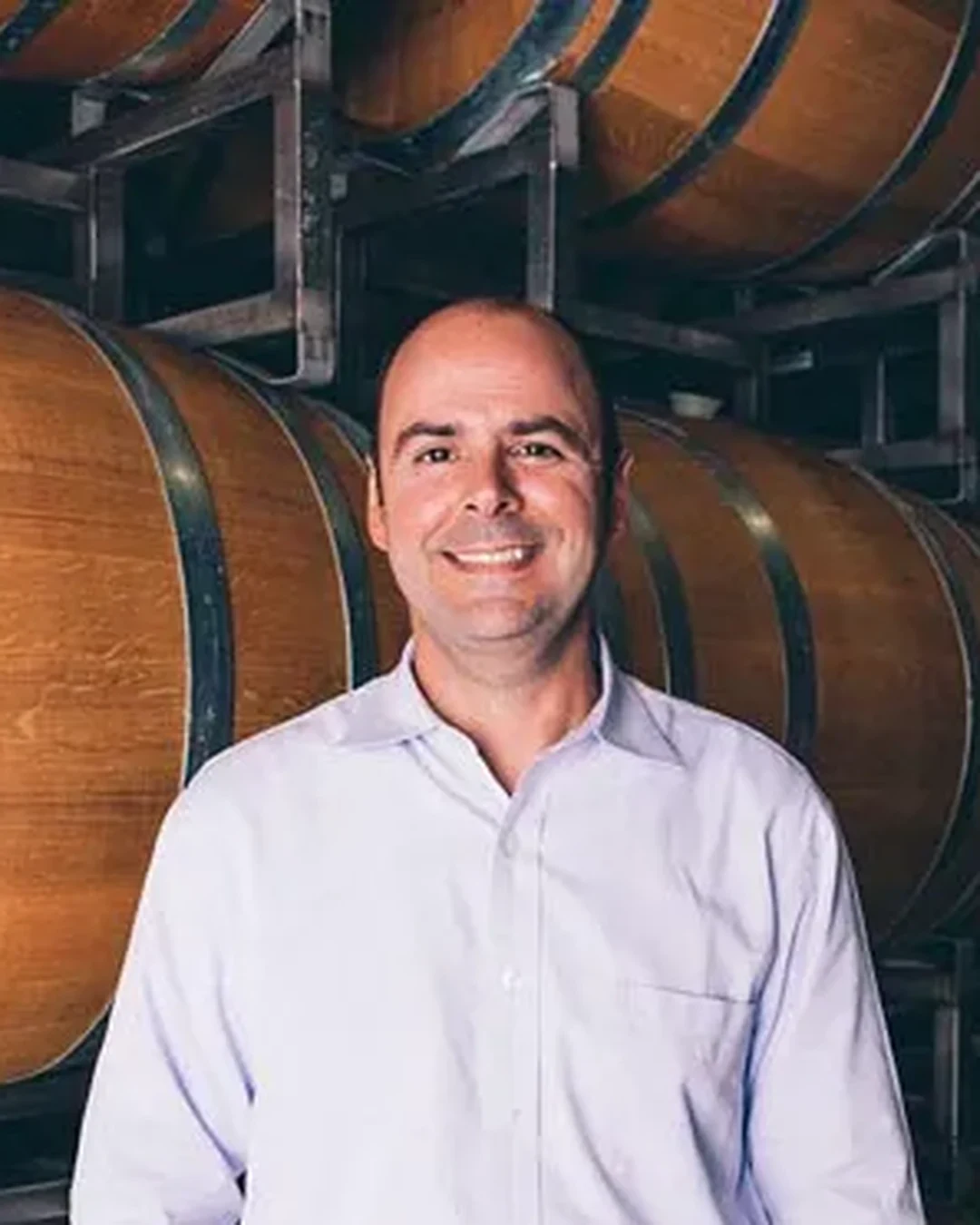
The cellar work keeps Anthony Riboli, winemaker at San Antonio Winery in Los Angeles, close to the family line each time a wine leaves the house. He works as fourth-generation family winemaker, and as Officer of the Board at Riboli Family Wines, a pairing of bench and table that suits a family business where decisions pass quickly from production to stewardship. The winery began in 1917 and remains in its original downtown location, a rare continuity in a city that changes its rooms often. During Prohibition, the house survived by making sacramental wines. That fact still matters here because it explains the shape of the work: adaptation without breaking the line. Riboli speaks of sustainability as inheritance, not a campaign. “Our family’s commitment to sustainability started with my grandfather, and we are continuing that vision for future generations,” he has said. The predecessor is not treated as a figure in a framed photograph. The grandfather’s lesson still sits inside the method, in the work environment as much as in the natural one.
Large scale, family hands
San Antonio Winery works at large scale, with annual production given as 4 million bottles, yet the house language still returns to named bottlings and family responsibility. The range includes still red, still white, dessert, and fortified wines, with Cabernet Sauvignon tied here to Paso Robles fruit. Riboli’s signature wines include San Simeon Stormwatch and Cask 520, names that carry the reporting a family cellar often asks of its bottles: structure, house style, and the decisions that survive blending. The production philosophy is sustainable, and Riboli has put that obligation in generational terms: “A multi-generational family business requires sustainability, and we focus on our work environment as well as the natural one. My grandparents taught us to protect and preserve our planet for generations to come.” The sentence is practical. It binds the vineyard, the cellar, and the people who return to the same work.
The Sunday letter
Find new places through the people who run them.
Our Sunday email brings you the chefs, winemakers and hoteliers behind our newest stories. See a sample before you subscribe.
See a sample of the Sunday emailOne email a week. Unsubscribe from any issue.
Redwood tanks in an urban winery
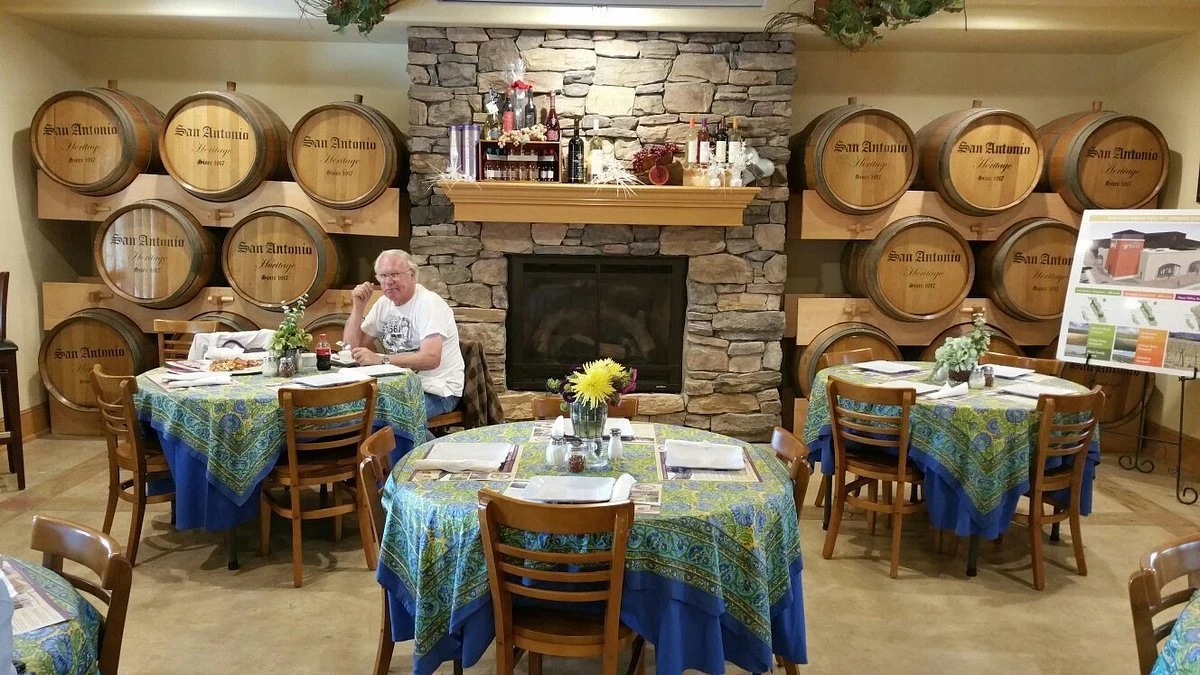
The room holds its history in material form. Historic redwood tanks stand inside an urban industrial winery in downtown Los Angeles, with production facilities, a tasting room, and an attached restaurant under the same family roof. Warm light softens the restaurant and banquet rooms; the industrial pieces remain visible rather than hidden behind polish. The effect is closer to an Italian trattoria folded into a working cellar than a sealed-off hospitality room. Conversation can stay at table level. The tasting room belongs to a place that still makes, not only pours. That is the distinction worth keeping: San Antonio Winery is Los Angeles’ oldest and only remaining urban winery, and the cellar still answers to Anthony Riboli, San Simeon Stormwatch, and Cask 520.
Questions
Frequently asked
What kind of place is San Antonio Winery?
San Antonio Winery is an urban winery in downtown Los Angeles with production facilities, a tasting room, and an attached restaurant under the same family roof.
Who makes the wine here?
Anthony Riboli is the fourth-generation family winemaker at San Antonio Winery and also serves as Officer of the Board at Riboli Family Wines.
What is the winery known for?
The winery is Los Angeles’ oldest and only remaining urban winery, and it has been making wine at its original downtown location since 1917.
What wines are made at San Antonio Winery?
The range includes still red, still white, dessert, and fortified wines. The house also makes Cabernet Sauvignon tied to Paso Robles fruit, along with signature wines such as San Simeon Stormwatch and Cask 520.
Is it easy to visit without a reservation?
The venue is walk-in friendly, and the dress code is casual. There is also an on-site lot for parking.
The field
How it compares
| Place | Notes | Awards |
|---|---|---|
| San Antonio Winery | Lincoln Heights, $$ | · |
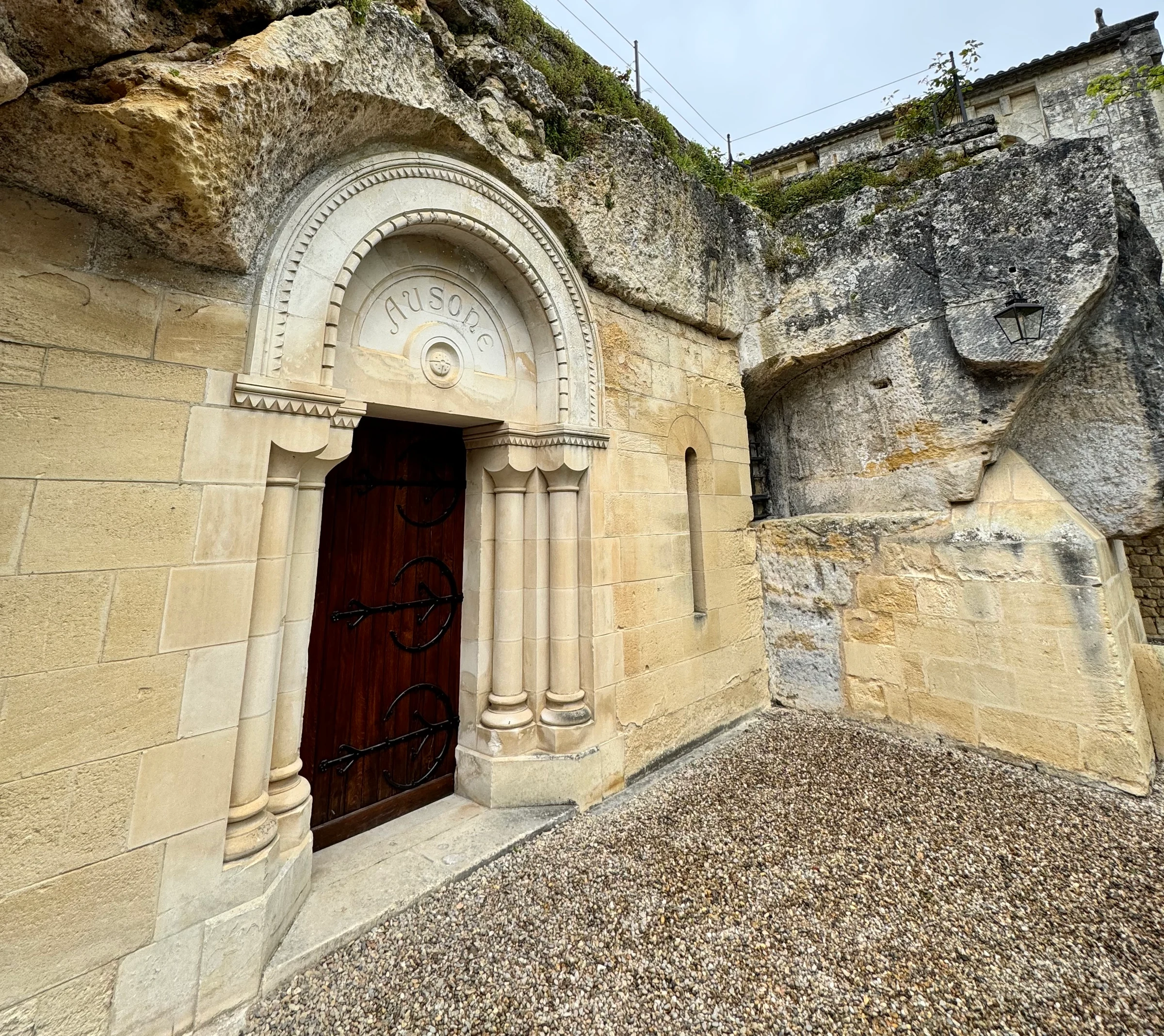
| Chateau Ausone | Saint-Émilion | · |
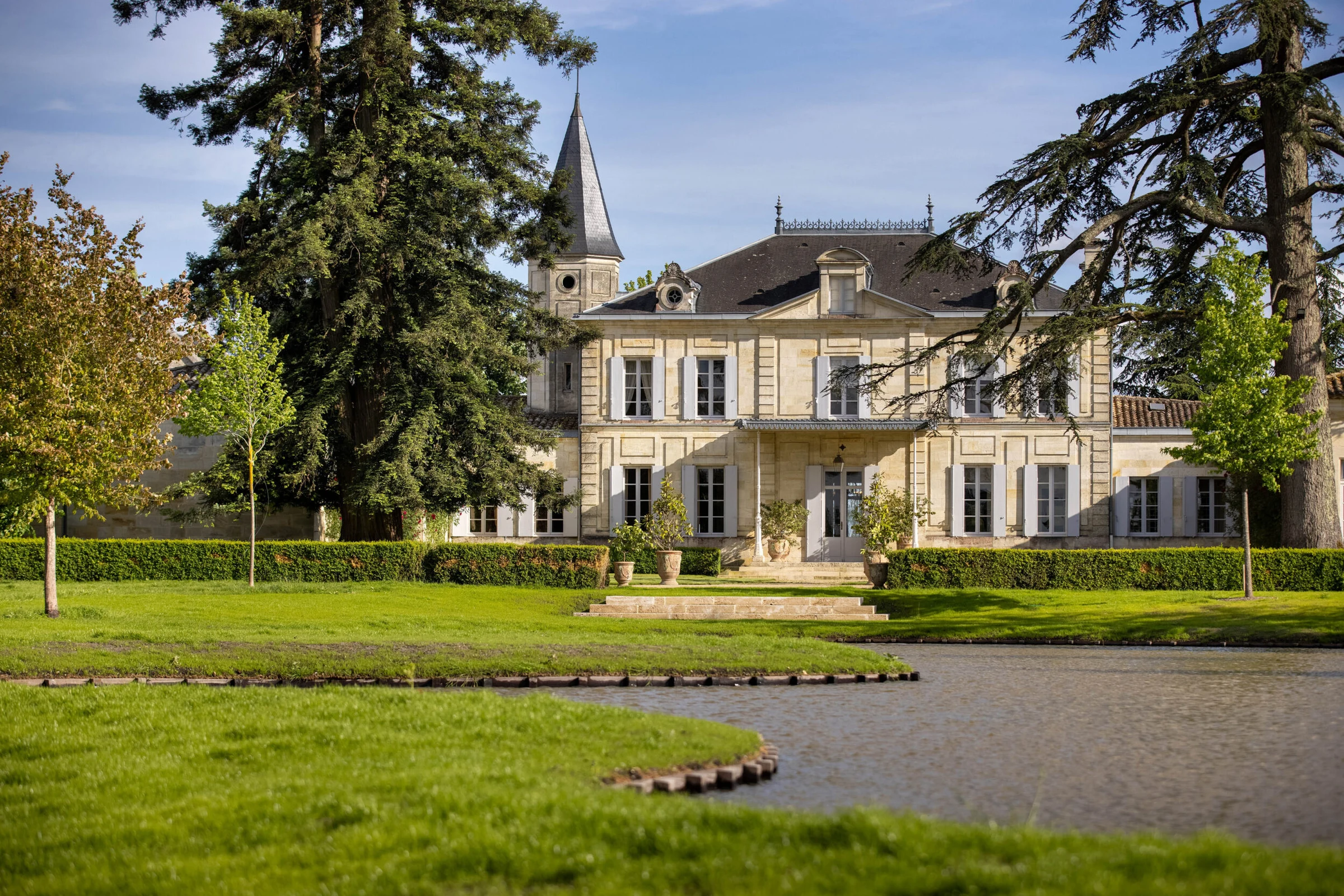
| Château Cheval Blanc | Saint-Émilion | · |
| Chateau Petrus | Pomerol | · |
| Domaine Leflaive | Puligny-Montrachet | · |
| Krug | Reims | · |
| Mission Hill Family Estate | West Kelowna | World's 50 Best |
In residence
Similar places
The Sunday letter
Get the next Made By story in your inbox.
We send one email every Sunday morning with the places and people we covered that week.
See a sample of the Sunday emailOne email a week. Unsubscribe from any issue.