Sanpakoi Kanomjeen
In Residence
Alex Raij
Chef
- 01CuisineNorthern Thai Kanom Jeen
- 02CityChiang Mai, Thailand
- Michelin Bib Gourmand · Michelin Guide
- Michelin Bib Gourmand · 2026
- Michelin Bib Gourmand · 2025
- Michelin Bib Gourmand · 2024
A Market Stall That Has Outlasted Decades of Chiang Mai's Restaurant Scene
Thongkam Market, in the Wat Ket district east of the Ping River, operates on a different clock from the tourist-facing food streets that dominate most Chiang Mai itineraries. By mid-morning, when the visiting crowd is still assembling near Nimman Road or the Old City moat, the market's regulars have already cycled through their first bowls of kanomjeen. The atmosphere is functional, not decorative: plastic stools, shared tables, vendors who have been setting up in the same spot for years. Sanpakoi Kanomjeen, operating at this market since 1977, is one of the anchors that gives Thongkam its local credibility. The stall is a casual Northern Thai Kanom Jeen restaurant in Chiang Mai with a $3 price point and a 4.4 Google rating.
Kanomjeen as a dish category sits in a distinct position within Thai street food. The noodles are fermented and fresh, made from rice, with a texture that is softer and more yielding than dried vermicelli. The format requires a curry base, and the quality of that base is what separates one kanomjeen stall from the next. In Chiang Mai, northern Thai curry profiles, heavier on dried spice, less coconut-forward than central Thai versions, define the better operators. Sanpakoi's long tenure in one location, and its 2025 Michelin Bib Gourmand recognition, place it at the credentialled end of that local tradition.
The Sunday letter
Find new places through the people who run them.
Our Sunday email brings you the chefs, winemakers and hoteliers behind our newest stories. See a sample before you subscribe.
See a sample of the Sunday emailOne email a week. Unsubscribe from any issue.
What the Michelin Recognition Actually Signals
The Bib Gourmand category, which Michelin uses to flag good cooking at moderate prices, has become a useful orientation tool for street food markets across Southeast Asia. The 2025 listing for Sanpakoi Kanomjeen arrives alongside a broader pattern in which the Michelin guide has increasingly documented Thai regional cooking, not just Bangkok's fine dining tier. For comparison, Sorn in Bangkok occupies the starred end of that spectrum for southern Thai cuisine, while AKKEE in Pak Kret and PRU in Phuket represent other regional acknowledgements. Sanpakoi's recognition is specifically a Bib Gourmand signal: cooking that delivers clear value against its price point, assessed within the informal street food tier rather than against formal restaurants.
At the ฿ price tier, Sanpakoi sits alongside local small-eats counters. Within that context, a Michelin credential carries meaningful weight. It tells you the stall has been assessed, has met a consistency threshold, and is operating at a level that the guide considers worth directing visitors toward, even if the setting involves plastic stools and no advance reservation system.
The Dishes That Define the Menu
Kanomjeen works on a self-assembly logic: you receive the noodles, choose your curry, and add from the spread of side vegetables. The Nam-Lo, Sanpakoi's combined pork and chicken spicy curry sauce, is the option most associated with this stall. It draws on both proteins in a single sauce, giving a depth that single-protein versions typically do not replicate. The heat level registers as a northern Thai spice profile: direct rather than layered, and sustained rather than quick.
For those who prefer a rice base, the format adapts. The curries work equally well over plain steamed rice, and the stall accommodates the swap. The unlimited side vegetables, a standard feature of the kanomjeen format at this level, allow each person to adjust the balance of the bowl across multiple passes, which is part of what makes the dish a genuinely filling meal at a price point that would cover only a drink at a Nimman Road café.
Regional comparison points are useful here. The noodle stall format in northern Thailand runs from the ubiquitous khao soi to kanomjeen, each drawing on a different part of the spice and curry tradition. Spots like Go Neng (Wichayanon) and Guay Tiew Pet Tun Saraphi occupy adjacent territory in Chiang Mai's noodle-focused eating culture. Lung Khajohn Wat Ket operates within the same Wat Ket neighbourhood and serves as a useful cross-reference for the district's street food character. Roti Pa Day addresses the breakfast and snack tier in a different format entirely. Sanpakoi's specific niche, fermented rice noodles with northern-style curry, is less replicated at this quality level than the khao soi category, which has more competition across the city.
The street food tradition of awarding single-dish excellence extends well beyond Thailand. Formats like Hill Street Tai Hwa Pork Noodle in Singapore and 545 Whampoa Prawn Noodles demonstrate how single-focus noodle stalls with long operating histories become the Michelin guide's preferred evidence for regional street food credibility. Sanpakoi fits precisely within that type: one product category, one signature application of it, consistent over decades.
Planning a Visit: What to Know Before You Go
Thongkam Market operates on a morning schedule typical of Thai wet markets. Kanomjeen stalls in this format generally run out of prepared noodles and curry before midday, and Sanpakoi is no exception as a market-hours operation. Arriving early, before 9am is the practical target, gives the full range of curry options and avoids the point at which specific preparations sell out. This is not a restaurant with a reservation system or an evening service; it functions within market rhythms that have been in place since 1977.
The Wat Ket district sits east of the Ping River, accessible from central Chiang Mai by a short drive or tuk-tuk ride across the Nawarat Bridge. It is a different area from the Old City moat zone or the Nimman Road corridor, and first-time visitors often underestimate how much of Chiang Mai's most substantive eating happens in these eastern neighbourhoods rather than in the tourist-facing districts.
No booking is required. Payment is cash-based, as with most market stalls in this category. The ฿ price tier means a full meal for two people typically costs less than a single cocktail in the city's upscale bar district. For visitors building a Chiang Mai itinerary around this kind of eating, our full Chiang Mai restaurants guide maps the full range of the city's food options, from market stalls through to formal dining rooms. The Chiang Mai hotels guide, bars guide, wineries guide, and experiences guide cover the rest of the city's premium offerings for those structuring a longer stay.
Among the venues recognising Thai food beyond Bangkok, Angeum in Phra Nakhon Si Ayutthaya and Agave in Ubon Ratchathani represent how Thailand's regional eating culture extends well beyond the capital. Sanpakoi fits into that wider picture as one of northern Thailand's most substantiated examples of the argument that the country's most interesting food does not require a formal dining room, a tasting menu, or a reservation window measured in months.
What's the must-try dish at Sanpakoi Kanomjeen?
The Nam-Lo is the dish most associated with Sanpakoi Kanomjeen, a combined spicy pork and chicken curry sauce served over fresh fermented rice noodles. It is the preparation that distinguishes this stall within the kanomjeen format and the one that the stall's forty-plus years of operation have refined. The unlimited side vegetables are a standard accompaniment rather than an optional extra, and the format allows for rice substitution if noodles are not preferred. The Chai listing provides a useful comparison point for how street food at the ฿฿ tier differs from Sanpakoi's single-price-tier positioning, and the 2025 Michelin Bib Gourmand award offers the most verifiable external validation of the Nam-Lo's consistency.
Questions
Frequently asked
What recognition does Sanpakoi Kanomjeen hold?
Sanpakoi Kanomjeen holds a Michelin Bib Gourmand.
Who works at Sanpakoi Kanomjeen?
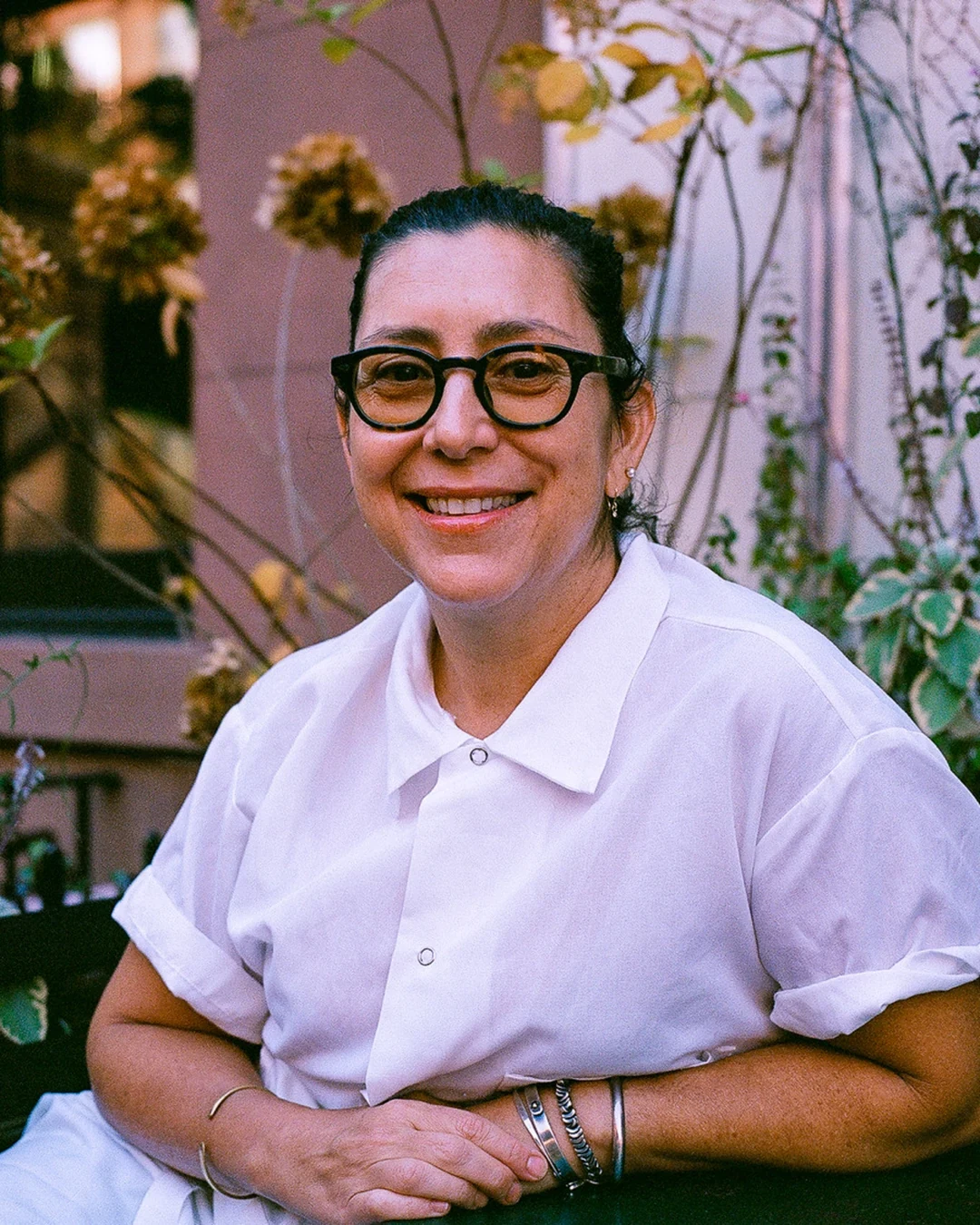
Made By profiles Alex Raij (Chef) and Eder Montero (Chef) at Sanpakoi Kanomjeen.
How expensive is Sanpakoi Kanomjeen?
Sanpakoi Kanomjeen is listed at a price level of $.
Where is Sanpakoi Kanomjeen and what does it serve?
Sanpakoi Kanomjeen is in Mueang Chiang Mai, Chiang Mai, serving Northern Thai Kanom Jeen.
The field
How it compares
| Place | Cuisine | Notes | Awards |
|---|---|---|---|
| Sanpakoi Kanomjeen | Northern Thai Kanom Jeen | Mueang Chiang Mai, $ | · |
| Chai | Authentic South Indian & North Indian Cuisine | Chiang Mai | · |
| De Librije | Modern Dutch Fine Dining | Zwolle | Michelin 3 Stars, World's 50 Best |
| Ekachan | Regional Thai Cuisine | Chiang Mai | · |
| Gabriel Kreuther | Modern Alsatian-French Fine Dining | New York City | Michelin 2 Stars |
| Saiyut and Doctor Sai Kitchen | Authentic Pan-Thai Royal Cuisine | Chiang Mai | · |
| The French Laundry | French-Californian Fine Dining | Yountville | Michelin 3 Stars, World's 50 Best |
In residence
Similar places
Authentic South Indian & North Indian Cuisine
Chai
Chiang Mai, Thailand
Modern Dutch Fine Dining
De Librije
Zwolle, Netherlands
★★★ · 50 Best
Regional Thai Cuisine
Ekachan
Chiang Mai, Thailand
Modern Alsatian-French Fine Dining
Gabriel Kreuther
New York City, United States
★★
Authentic Pan-Thai Royal Cuisine
Saiyut and Doctor Sai Kitchen
Chiang Mai, Thailand
French-Californian Fine Dining
The French Laundry
Yountville, United States
★★★ · 50 Best
The Sunday letter
Get the next Made By story in your inbox.
We send one email every Sunday morning with the places and people we covered that week.
See a sample of the Sunday emailOne email a week. Unsubscribe from any issue.