Sartoria Panatieri
In Residence
Jorge Sastre
Chef
- 01CuisineNeapolitan-inspired Pizza
- 02CityBarcelona, Spain
From the people index
Recommended by
One trusted voice points here.

72-hour dough, wood-fired in Gràcia.
- Opinionated About Dining Newly Added European Restaurants · 2026
- 50 Top Pizza Europe #5 · 2026
- 50 Top Pizza World #29 · 2026
- Macarfi 7.2 Food Rating · 2026
- Opinionated About Dining Cheap Eats in Europe Ranked #148 · 2026
- 50 Top Pizza World Best Pizza #20 · 2025
The dough sets the clock
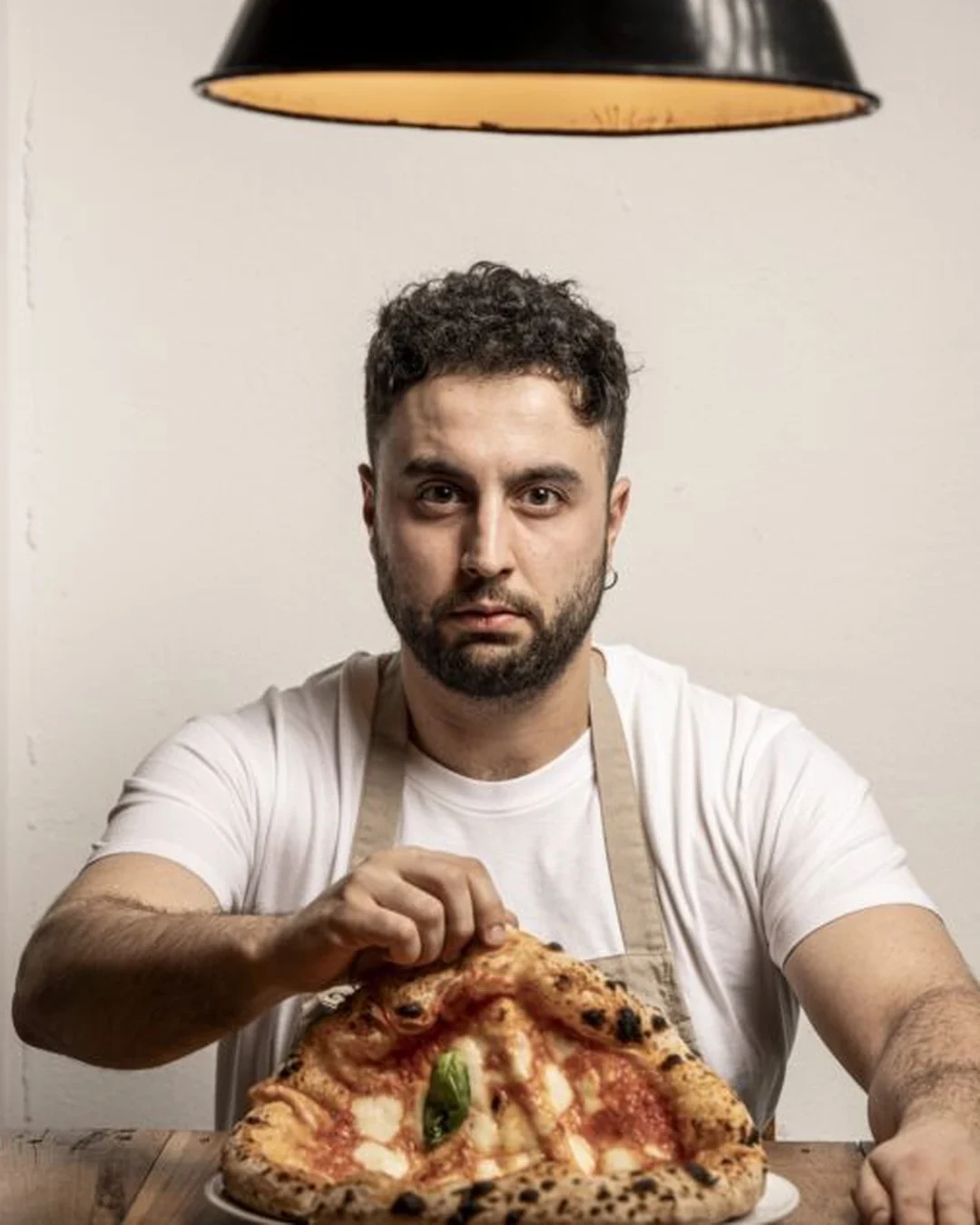
The 72-hour dough sets the pace before service. Rafa Panatieri works as chef at Sartoria Panatieri in Gracia, Barcelona, Spain, with co-founder Jorge Sastre beside him at the same craft. They opened the original Gràcia pizzeria in 2018, then built its reputation around a narrow discipline: pizza as the place where grain, fire, sourcing, and timing have to agree. Panatieri came through Roca Moo in Barcelona before this more focused bench, and at Sartoria Panatieri his role has been chef and co-founder since 2018. Sastre frames the work with equal directness, calling pizza the ultimate expression of their work as chefs, tied to respect for product and the time needed to understand it. That is not a decorative philosophy here. It is the way the station is organized.
Stone-milled flour, wood fire, Catalan produce
The method begins with locally sourced organic flour milled on stone, then waits. The dough goes through a 72-hour fermentation before the kitchen builds the pizzas and sends them to a wood-fired oven. Panatieri and Sastre describe the preparation as artisanal and faithful to tradition, but the finished language is Catalan as much as Neapolitan-inspired: fresh organic seasonal ingredients, proximity when possible, and small producers held close to the menu. The signature pizza with sobrasada, Mahón cheese, wild fennel, honey, and mozzarella gives that method its clearest shape, smoky, lactic, herbal, and sweet without crowding the base. Another pizza, with grilled cherry tomato sauce, mozzarella, and basil hollandaise, was named Pizza of the Year in 2023. The Margherita stays nearer the essentials, with roasted seasonal tomatoes, garlic, and basil sauce doing the work that excess would only blur.
The Sunday letter
Find new places through the people who run them.
Our Sunday email brings you the chefs, winemakers and hoteliers behind our newest stories. See a sample before you subscribe.
See a sample of the Sunday emailOne email a week. Unsubscribe from any issue.
The Gràcia room keeps the oven in view
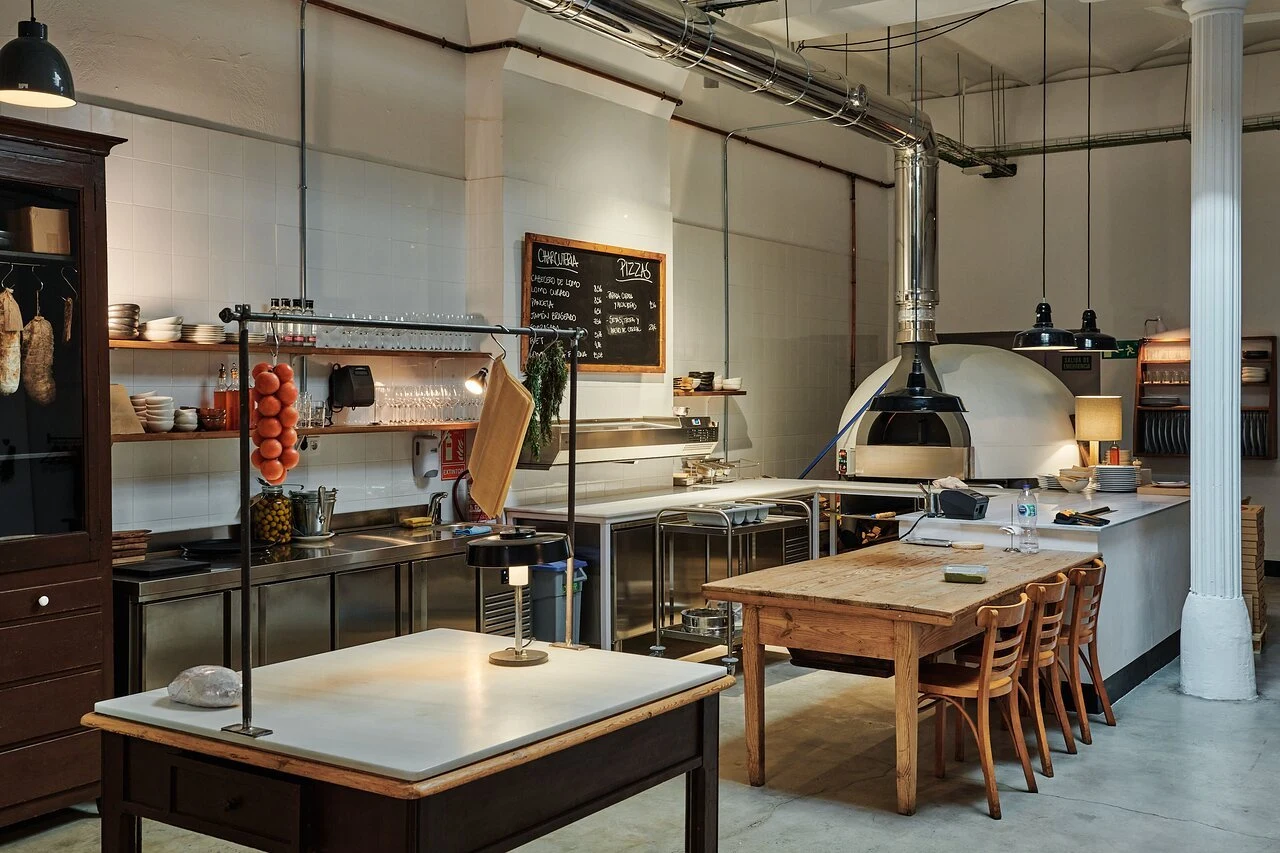
The original room sits in Gràcia, at Carrer de l'Encarnació 51, with an industrial register rather than trattoria nostalgia. White-industrial tones, a terrace with soft lighting, and views toward the oven keep the making visible while the room stays casual enough for shared pizzas and starters. The mood can turn lively, sometimes dim and noisy, but the kitchen is not hidden behind ceremony. That matters for a place where the craft depends on sequence. The grain is chosen before the dough is mixed; the fermentation has already done its slow work; the oven finishes what time began. In that room, the pass is less a stage than a checkpoint.
A pizzeria measured by restraint
Sartoria Panatieri's awards place the Gràcia address in a wider pizza conversation, including Europe's best pizzeria in 2023 and global top placements in 2023 and 2024. Inside the room, the cooks keep returning to flour, fire, and seasonal restraint rather than turning acclaim into weight on the plate. Panatieri and Sastre have expanded the project to Eixample, but the original Gràcia bench still carries the grammar of the house. The 72-hour dough, the wood-fired oven, and the sobrasada with Mahón cheese remain the clearest reading of Sartoria Panatieri.
Questions
Frequently asked
What kind of place is Sartoria Panatieri?
Sartoria Panatieri is a restaurant in Gràcia, Barcelona, focused on Neapolitan-inspired pizza. The kitchen works with grain, fire, sourcing, and a 72-hour dough.
Who cooks there?
Rafa Panatieri and Jorge Sastre cook at Sartoria Panatieri, with Panatieri named as chef and co-founder since 2018 and Sastre working beside him in the same craft.
What is the dough and pizza style like?
The dough is made with locally sourced organic flour milled on stone and fermented for 72 hours before going into a wood-fired oven. The pizzas lean on fresh organic seasonal ingredients, proximity when possible, and small producers, with a style described as Catalan as much as Neapolitan-inspired.
What are the pizzas people order?
The signature pizza is topped with sobrasada, Mahón cheese, wild fennel, honey, and mozzarella. Other named pizzas include one with spicy chorizo, tomato, mozzarella, and oregano, and a burrata, tomato, and pesto pizza.
How does booking work?
Reservations are recommended, and bookings are taken directly. The dress code is casual.
The field
How it compares
| Place | Cuisine | Notes | Awards |
|---|---|---|---|
| Sartoria Panatieri | Neapolitan-inspired Pizza | la Vila de Gracia, $$ | · |
| ABaC | Modern Catalan Fine Dining | Barcelona | Michelin 3 Stars |
| Alkimia | Modern Catalan Fine Dining | Barcelona | Michelin 1 Star |
| Cocina Hermanos Torres | Modern Spanish Fine Dining | Barcelona | Michelin 3 Stars, World's 50 Best |
| Disfrutar | Avant-Garde Catalan Fine Dining | Barcelona | Michelin 3 Stars, World's 50 Best |
| Lasarte | Modern Basque-Mediterranean Fine Dining | Barcelona | Michelin 3 Stars |
| Moments | Modern Catalan Fine Dining | Barcelona | Michelin 1 Star |
In residence
Similar places
Modern Catalan Fine Dining
ABaC
Barcelona, Spain
★★★
Modern Catalan Fine Dining
Alkimia
Barcelona, Spain
★
Modern Spanish Fine Dining
Cocina Hermanos Torres
Barcelona, Spain
★★★ · 50 Best
Avant-Garde Catalan Fine Dining
Disfrutar
Barcelona, Spain
★★★ · 50 Best
Modern Basque-Mediterranean Fine Dining
Lasarte
Barcelona, Spain
★★★
Modern Catalan Fine Dining
Moments
Barcelona, Spain
★
The Sunday letter
Get the next Made By story in your inbox.
We send one email every Sunday morning with the places and people we covered that week.
See a sample of the Sunday emailOne email a week. Unsubscribe from any issue.