- 1 Michelin Key · Michelin Guide
- Michelin 1 Key: 500pts · 2026
- Michelin 1 Key · 2025
Where the Boathouse Meets the Spa: Seerose Resort & Spa on Lake Hallwil
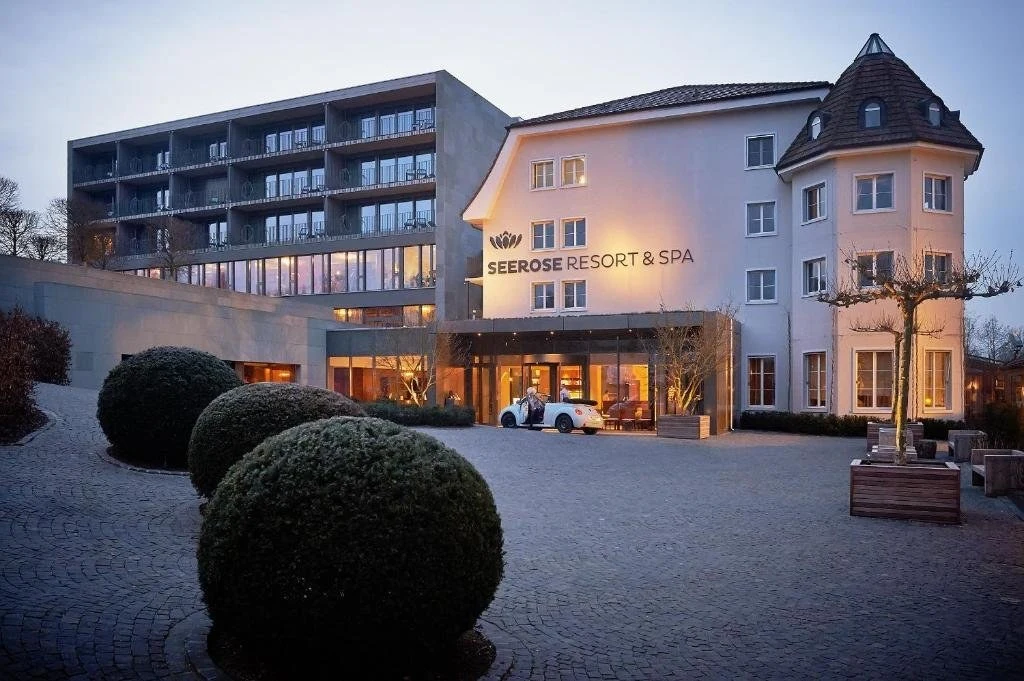
On the western shore of Lake Hallwil in the Aargau canton, Swiss lakeside hospitality has long been shaped by white-fronted belle époque buildings, terraces facing the water, and menus anchored in Swiss-French tradition. Seerose Resort & Spa operates within that geographic tradition and then departs from it sharply. The property presents two faces to arriving guests: a traditional Swiss lakeside hotel structure and, joined directly to it, a minimalist contemporary addition. The architectural seam between them is visible and intentional, a statement about the dual identity the resort has built across its 60 rooms and three restaurants.
That dual identity runs deeper than a simple old-meets-new aesthetic. Most Swiss lakeside properties that attempt architectural contrast use it decoratively, with a heritage façade preserved for marketing and a modern interior grafted behind it. Here the contrast is structural and programmatic. The building types do different things, house different room categories, and frame different relationships with the lake. The result is less a renovation project and more a deliberate architectural argument about how a resort can serve multiple guests with distinct expectations under one address at Seerosenstrasse 1.
Three Room Categories, Three Spatial Ideas
The room categories at Seerose follow the architectural logic of the buildings they occupy, but they resist the obvious labelling. A guest who books "Classic" expecting period furniture and patterned wallpaper will find instead what the property describes as "natural chic", warm materials, organic tones, an understated palette that steps back from the room to let lake-facing views do the work. This is a considered design position, not a default: in rooms where the view is the asset, interior loudness is a distraction.
The "Elements" rooms push further into the contemporary, their graphical nature motifs giving them a more assertive visual identity. Where the Classic rooms feel quiet, Elements rooms make a design statement. Both sit within the main building complex, sharing the same structural context while diverging on how much the interior competes with or complements the landscape beyond the glass.
Third category operates on entirely different terms. The "Cocon" rooms occupy what were formerly the property's boathouses, repositioned as accommodation with direct, low-level views of Lake Hallwil's surface. Their material palette runs to warm wood and textured concrete, a combination that grounds the rooms physically and creates an atmosphere closer to a Scandinavian lakeside cabin than a Swiss resort room. At roughly $350 per night, the property sits in the premium Swiss lakeside tier, which makes the architectural and spatial variety across categories a meaningful differentiator rather than a marketing distinction.
The Thai Thread: How a Spa Shaped a Restaurant Program
Switzerland's luxury hotel market has a well-established pattern of pairing European cuisine with Asian wellness programming, particularly Thai spa treatments, which have become almost standard in four-star and above Swiss properties. What is less common is allowing that wellness identity to migrate upward into the fine-dining offer. At Seerose, the Cocon Thai Spa has done exactly that, pulling the restaurant program partially into its orbit.
Two of the property's three restaurants carry Thai accents. Cocon operates as a fine-dining Swiss-Thai fusion format. Samui-Thai addresses the same cultural reference point at a more casual register, giving guests who want Thai flavours without a formal dinner structure a separate entry point. The third restaurant, Restaurant Seerose, returns to the Swiss-French tradition that defines the regional context. This tripartite arrangement is unusual in a 60-room property, where most operators would consolidate around a single strong identity rather than sustain three distinct concepts. It reflects the degree to which the spa has shaped the resort's overall programming rather than sitting as an ancillary amenity.
The spa's identity extends into two separate restaurant formats, suggesting an operational commitment that goes beyond surface theming. For guests visiting Swiss lakeside resorts primarily for wellness, this coherence between spa and dining is a meaningful planning consideration.
Placing Seerose in the Swiss Resort Spectrum
Switzerland's premium hotel market concentrates its most internationally recognised properties at the Alpine end: Badrutt's Palace Hotel in St. Moritz, The Alpina Gstaad in Gstaad, Bürgenstock Resort in Bürgenstock, and CERVO Mountain Resort in Zermatt occupy a tier defined by mountain settings and international visitor flows. Lakeside properties, including Beau-Rivage Palace in Lausanne, Mandarin Oriental Palace, Luzern in Lucerne, and Park Hotel Vitznau in Vitznau, compete in a separate register with direct water access and quieter, more residential atmospheres. Baur au Lac in Zurich and Beau-Rivage Geneva in Geneva add an urban lakeside dimension to that picture.
Seerose sits in a different bracket from all of these: a mid-sized property on a smaller, less internationally trafficked lake, with pricing and a room count that place it firmly in the regional premium category rather than the international luxury tier. Its comparison set is better found among Swiss properties that blend wellness programming with architectural ambition at accessible price points, such as Hotel Villa Honegg in Ennetbürgen, Valsana Hotel & Appartements in Arosa, and Boutique Hotel Restaurant Krone Regensberg in Regensberg.
Planning a Stay
Meisterschwanden sits in the Aargau canton, roughly equidistant from Zurich and Bern, making it accessible as a dedicated retreat rather than a stopover on a larger Swiss itinerary. The property's 91 rooms spread across three distinct architectural zones, so room category selection is a more consequential decision here than at properties with a uniform room type. Guests who prioritise lake proximity at the expense of space will find the Cocon boathouse rooms most compelling; those who want a quieter, more residential atmosphere with outward-facing views should consider the Classic category's lake-facing options. The $350 nightly rate positions the property within reach of travellers who want something with design and programming depth beyond a standard regional hotel.
The Sunday letter
Get new places like Seerose Resort & Spa every Sunday.
One email a week with the restaurants, bars and hotels we have just written up, and the people who run them.
One email a week. Unsubscribe from any issue.
Questions
Frequently asked
What recognition does Seerose Resort & Spa hold?
Seerose Resort & Spa holds 1 Michelin key.
Who works at Seerose Resort & Spa?
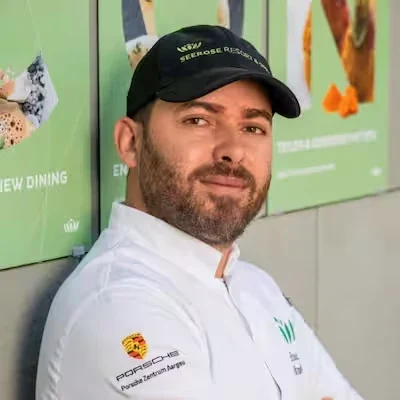
Made By profiles Bruno Monteiro (Chef) at Seerose Resort & Spa.
How expensive is Seerose Resort & Spa?
Seerose Resort & Spa is listed at a price level of $$$.
The field
How it compares
| Place | Awards | Notes |
|---|---|---|
| Seerose Resort & Spa | Michelin 1 Key | Meisterschwanden, $$$ |
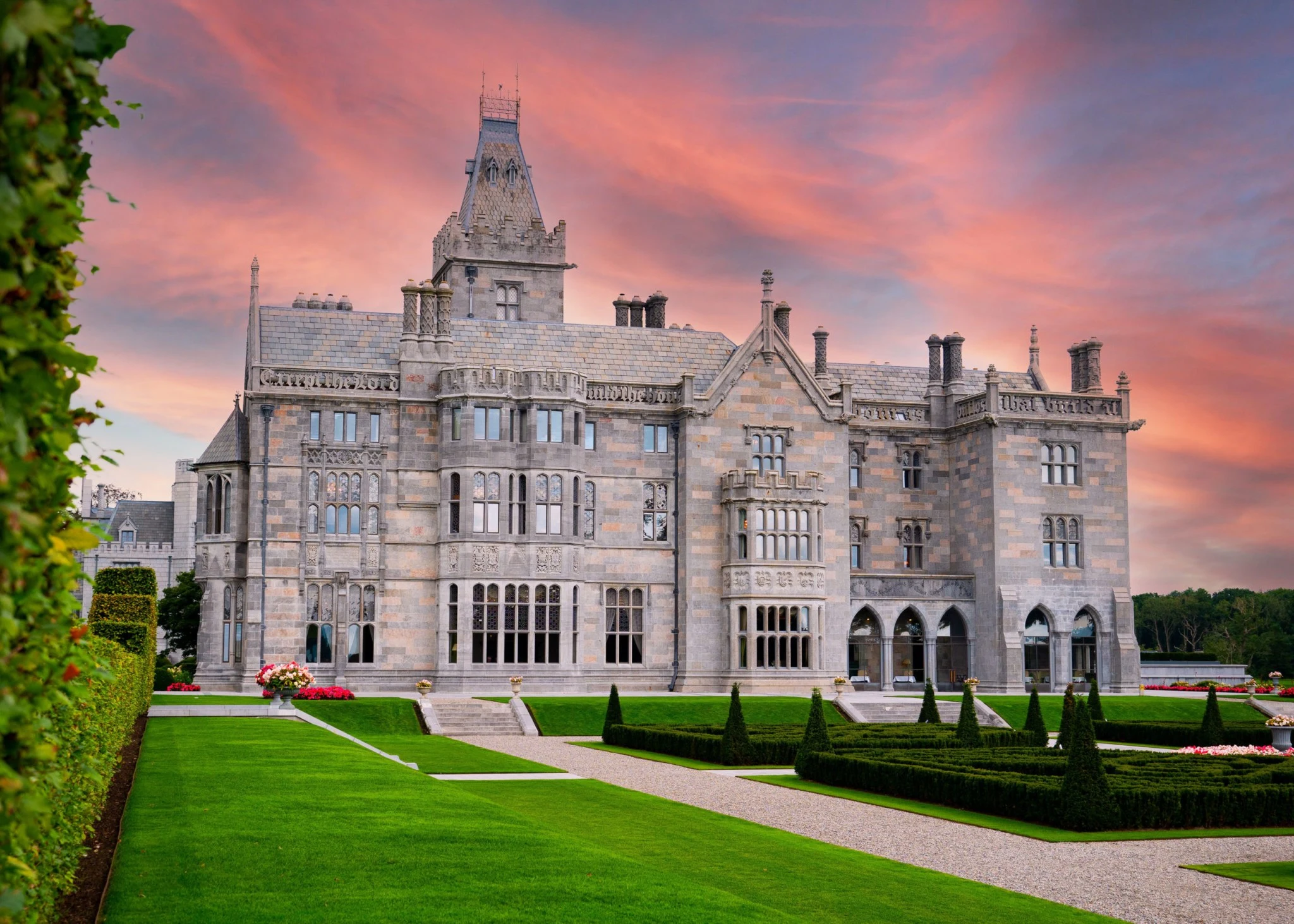
| Adare Manor | Michelin 3 Keys | Adare |
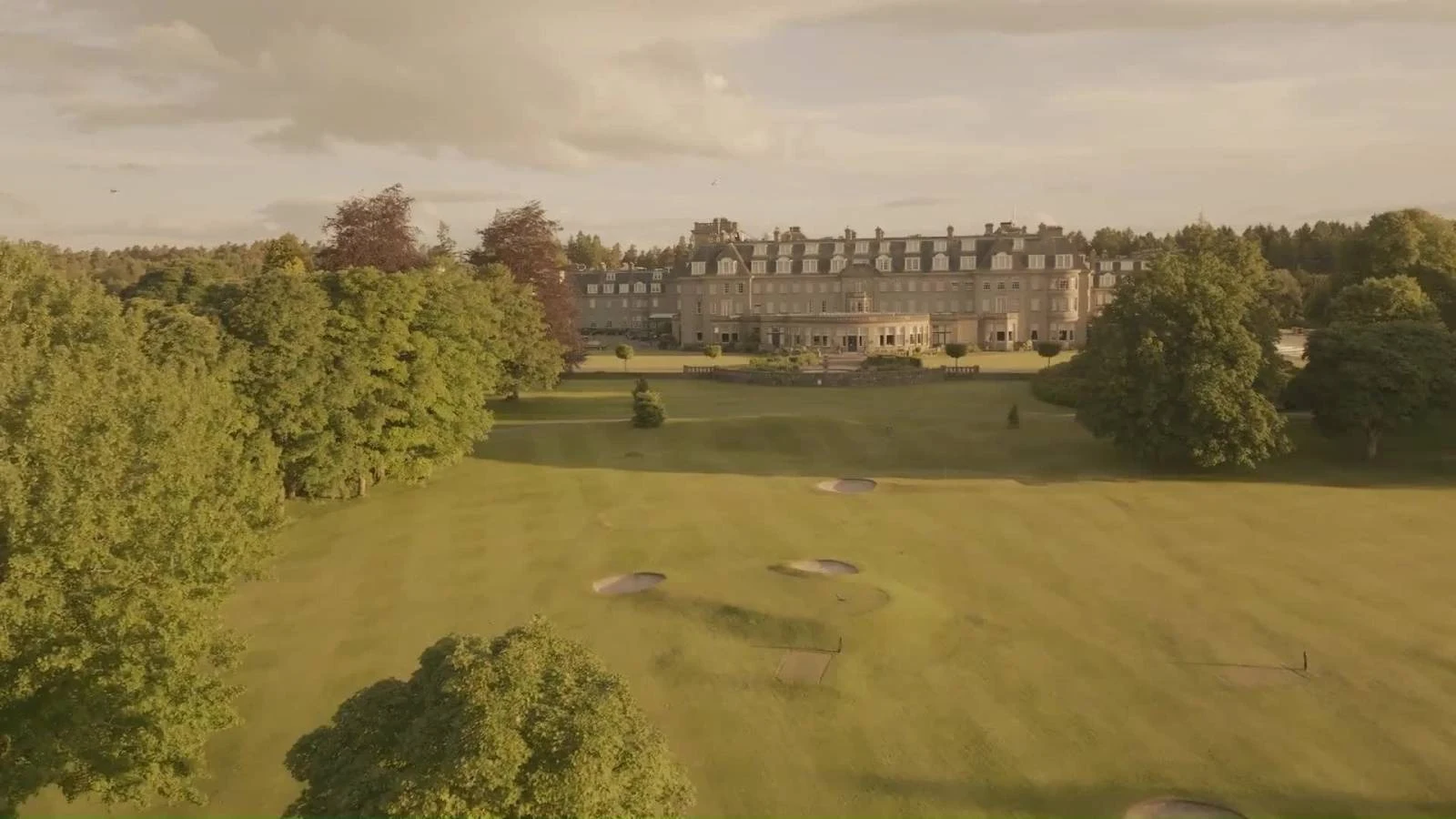
| Gleneagles | World's 50 Best | Auchterarder |
| Le Grand Bellevue | Michelin 2 Keys | Gstaad |
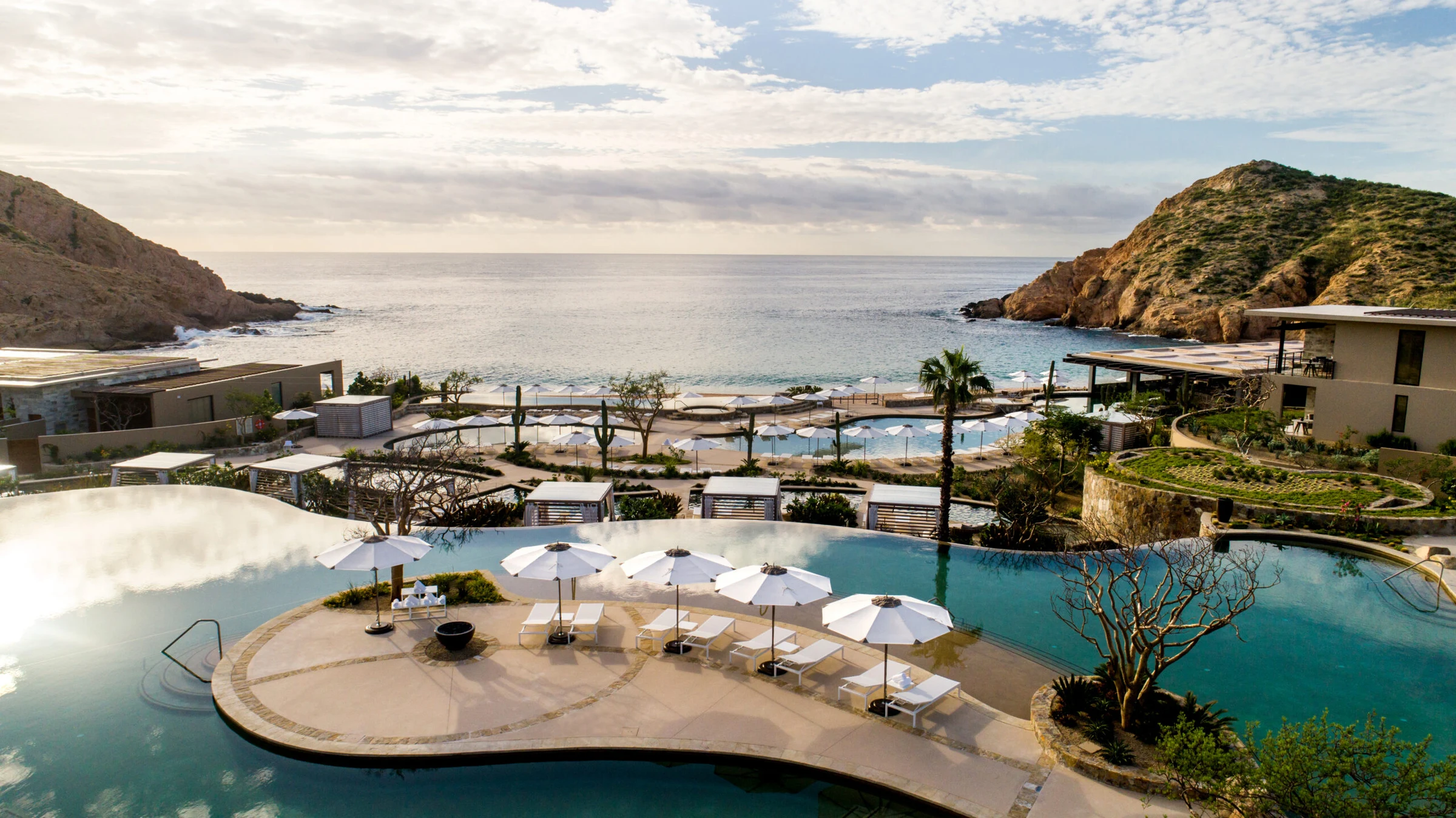
| Montage Los Cabos | Michelin 2 Keys, World's 50 Best | Cabo San Lucas |
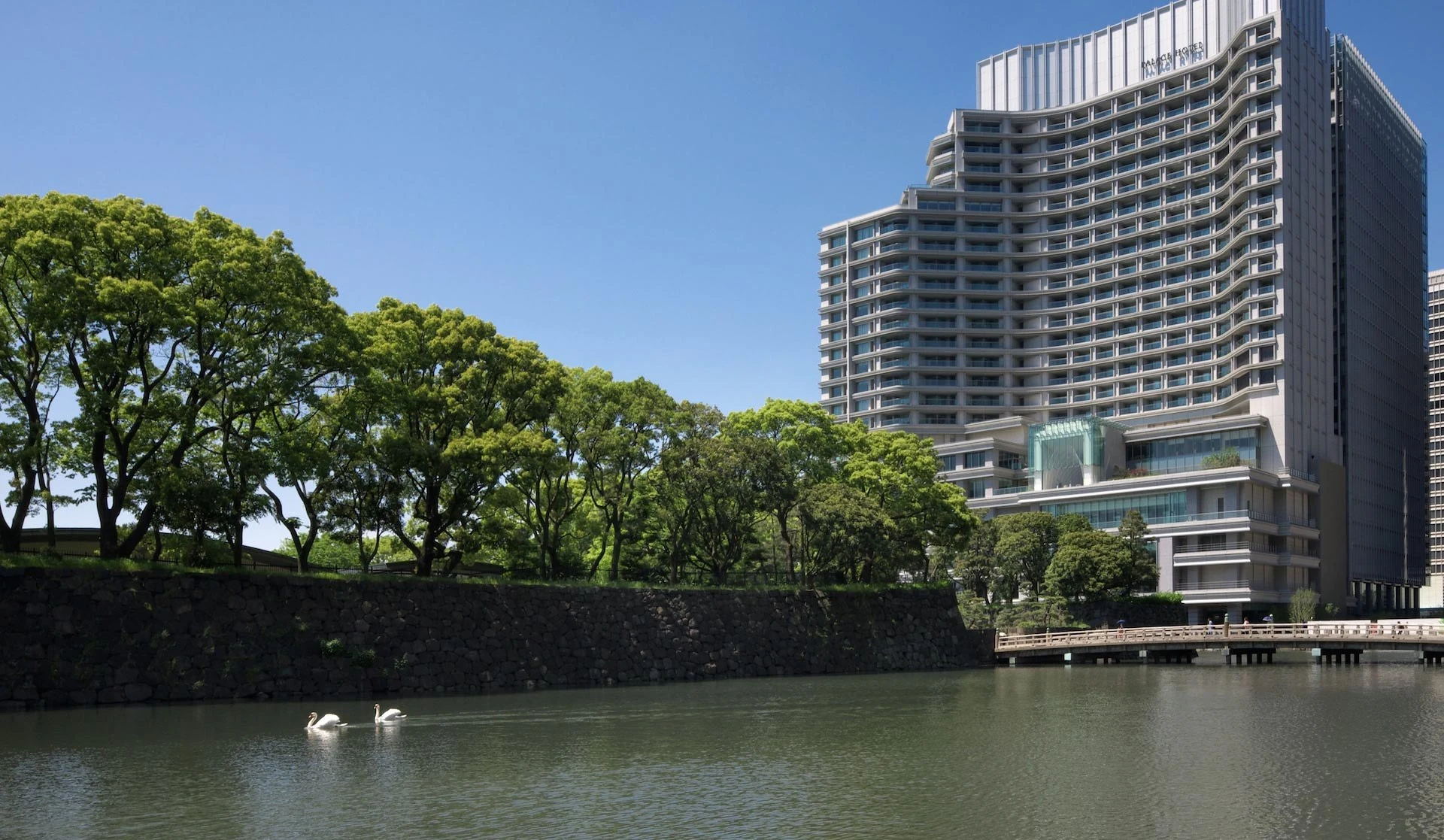
| Palace Hotel Tokyo | Michelin 3 Keys | Tokyo |
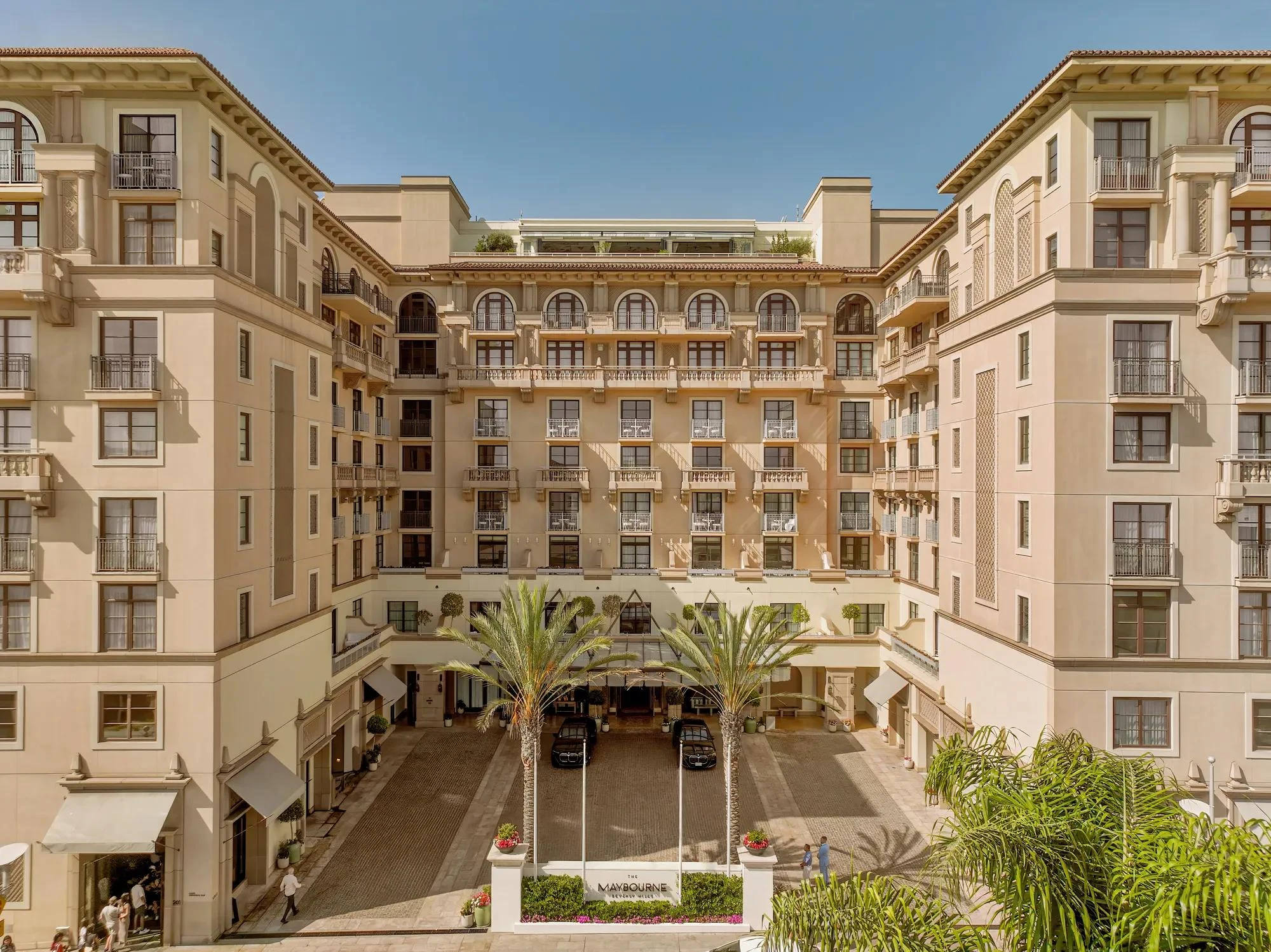
| The Maybourne Beverly Hills | Michelin 2 Keys | Los Angeles |
In residence
Similar places
The Sunday letter
Get the next Made By story in your inbox.
We send one email every Sunday morning with the places and people we covered that week.
One email a week. Unsubscribe from any issue.