- 1 Michelin Key · Michelin Guide
- Michelin 1 Key: 500pts · 2026
- Michelin 1 Key · 2025
Where Architecture Is the Amenity
Japan's premium ryokan and villa circuit has long split between two poles: the deep-tradition onsen inn, where centuries of hospitality ritual do the work, and the design-forward property that foregrounds contemporary architecture as its primary identity. Simose Art Garden Villa, set on the Hiroshima coast in Otake City, belongs firmly to the second category, and within that category, it occupies a narrow tier where a named architect of global standing has shaped every structure on the site. The complex was designed by Shigeru Ban, recipient of the Pritzker Architecture Prize in 2014. That credential does more than signal aesthetic ambition; it places the property in a specific competitive conversation that sits closer to Benesse House on Naoshima, where Tadao Ando's architecture anchors the entire proposition, than to the broader luxury ryokan market.
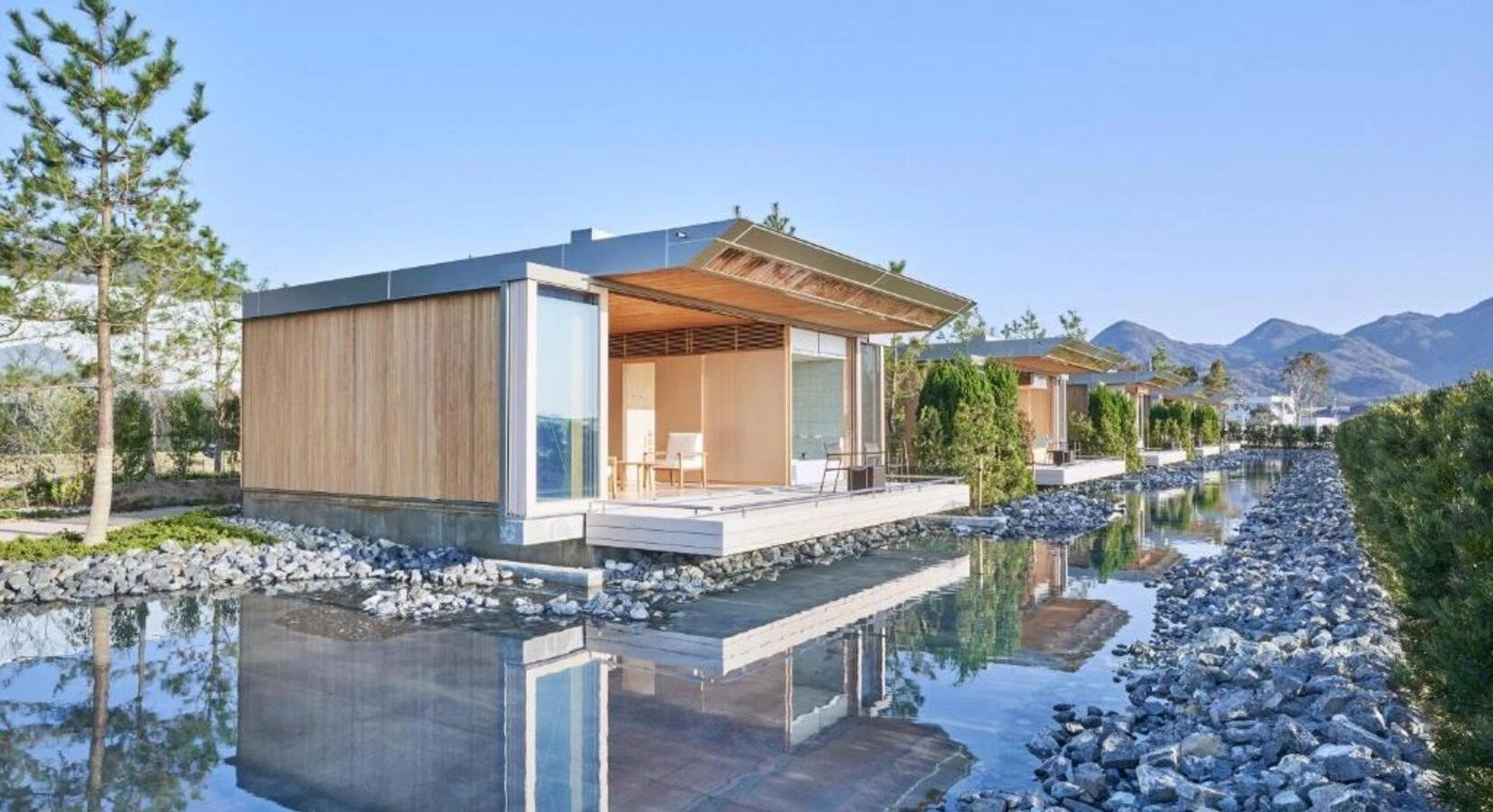
Otake sits on Hiroshima Bay, roughly 30 kilometres west of Hiroshima city, in terrain that compresses mountains against the Seto Inland Sea shoreline. The site reads as a promontory held between two geographies: forested hillside to one side, a scenic water basin to the other. That topography is not incidental to the design, it is the design's premise. Ban has distributed the ten villas and the museum across the site so that each structure occupies a distinct relationship to land, water, and light. The result is less a resort campus than a curated landscape where the architecture and the setting are inseparable arguments.
Ten Villas, Ten Architectural Positions
The ten villas at Simose are individually configured rather than produced from a repeating template, which is rare enough at this scale to be worth examining. The site divides broadly into forest and waterfront positions, and the architectural language shifts accordingly.
The forest villas include the Wall-Less House, which treats transparency and open-air engagement as its structural logic, and the Paper House, an S-shaped structure built with Ban's signature recycled paper tubes. Ban has used paper tube construction in permanent buildings, disaster relief shelters, and pavilions internationally, and its appearance here as a luxury accommodation material is consistent with his practice: the material carries structural and thermal properties that justify its use beyond novelty. The S-shaped plan creates a sequential spatial experience rather than a single room volume, which makes the Paper House the most architecturally specific choice on the site for a guest interested in how plan geometry shapes lived experience.
Waterfront villas face the water basin directly. Their distinction is material and sensory: baths constructed from cypress or Towada stone. Cypress is a material with deep roots in Japanese bathing culture, valued for its grain, its warmth underfoot, and the resinous scent it releases in steam. Towada stone, quarried from Akita Prefecture, offers a cooler, denser counterpoint, a different bath register altogether. The choice between these two is less about preference and more about which sensory register a guest wants to anchor the stay.
For properties at comparable price points and architectural ambition in western Japan, Azumi Setoda in Onomichi and Sekitei in Hatsukaichi offer regional alternatives, though neither operates with the same density of named architectural authorship across the entire site.
The Museum as Infrastructure
The modern art museum is not a peripheral amenity. It is structural to what Simose is. A light-filled lounge connects to views of the museum's exhibition rooms, which reflect onto the water basin, so the artwork and its mirrored surface become part of the villa complex's visual field throughout the day as light conditions shift. This is a compositional decision, not a hospitality feature: the museum extends the architecture's argument into the domain of image and colour.
The Simose model, anchoring a small luxury accommodation around a serious cultural institution, has a precedent in Japan's western archipelago. Benesse House on Naoshima established that formula over decades, and its influence on how Japan thinks about art-integrated hospitality is measurable in the wave of smaller properties that followed. Simose arrives in that lineage with a different architect, a different prefecture, and ten villas rather than a single hotel building, but the underlying wager is the same: that guests will travel to a secondary city specifically because the cultural and architectural programme justifies the journey.
The Restaurant and Its Context
On-site restaurant operates in French cuisine, which in a Hiroshima coastal setting is a deliberate contrast rather than a default choice. French technique has deep roots in Japan's Western-influenced dining culture, Kobe and Osaka have sustained French restaurant scenes since the Meiji-era opening, and Hiroshima Prefecture itself produces ingredients, particularly from the sea, that French preparation handles well. The light-filled dining space, oriented toward the museum's colourful exhibition rooms and the water beyond, reinforces the property's architectural continuity: the meal takes place inside the same visual argument as the accommodation.
Placing Simose in Japan's Design-Driven Accommodation Tier
At approximately $1,468 per night, Simose prices at the upper register of Japan's design-led small-property segment. That figure positions it above most traditional ryokan and alongside internationally recognised properties such as Amanemu in Mie, Zaborin in Hokkaido, and Gora Kadan in Hakone. The price reflects not just accommodation but the cost of operating ten individually designed structures alongside a functioning museum, an overhead structure that few properties at this scale sustain.
Properties like Asaba in Izu and Nishimuraya Honkan in Kinosaki-cho compete on depth of onsen tradition. Hotel The Mitsui Kyoto and Bvlgari Hotel Tokyo compete on urban luxury and brand weight. Simose competes on neither of those terms. Its argument is architectural specificity in a coastal site, supported by a cultural programme serious enough to anchor a multi-night stay. That is a narrower proposition and, for a specific type of traveller, a more compelling one.
Guests arriving from Hiroshima city can reach Otake by JR Sanyo Line. Ten villas mean the property operates at very limited capacity.
For travellers building a western Japan itinerary around design and landscape, Simose sits alongside Benesse House on Naoshima and Azumi Setoda as properties where the architecture and cultural setting are the primary reasons to be there. Other regional properties worth mapping against it include ENOWA Yufu in Yufu, Halekulani Okinawa, and Jusandi in Ishigaki, though each represents a distinct climate, cuisine, and architectural register.
The Sunday letter
Get new places like Simose Art Garden Villa every Sunday.
One email a week with the restaurants, bars and hotels we have just written up, and the people who run them.
One email a week. Unsubscribe from any issue.
Questions
Frequently asked
What recognition does Simose Art Garden Villa hold?
Simose Art Garden Villa holds 1 Michelin key.
Who works at Simose Art Garden Villa?
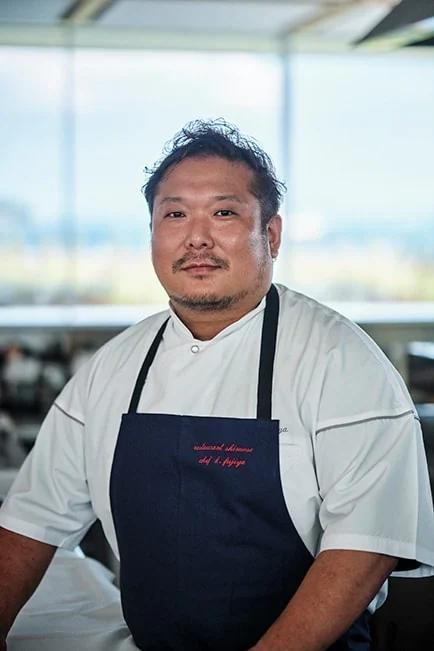
Made By profiles Keisuke Fujiya (Chef) at Simose Art Garden Villa.
How expensive is Simose Art Garden Villa?
Simose Art Garden Villa is listed at a price level of $$$$.
The field
How it compares
| Place | Awards | Notes |
|---|---|---|
| Simose Art Garden Villa | Michelin 1 Key | Harumi, $$$$ |
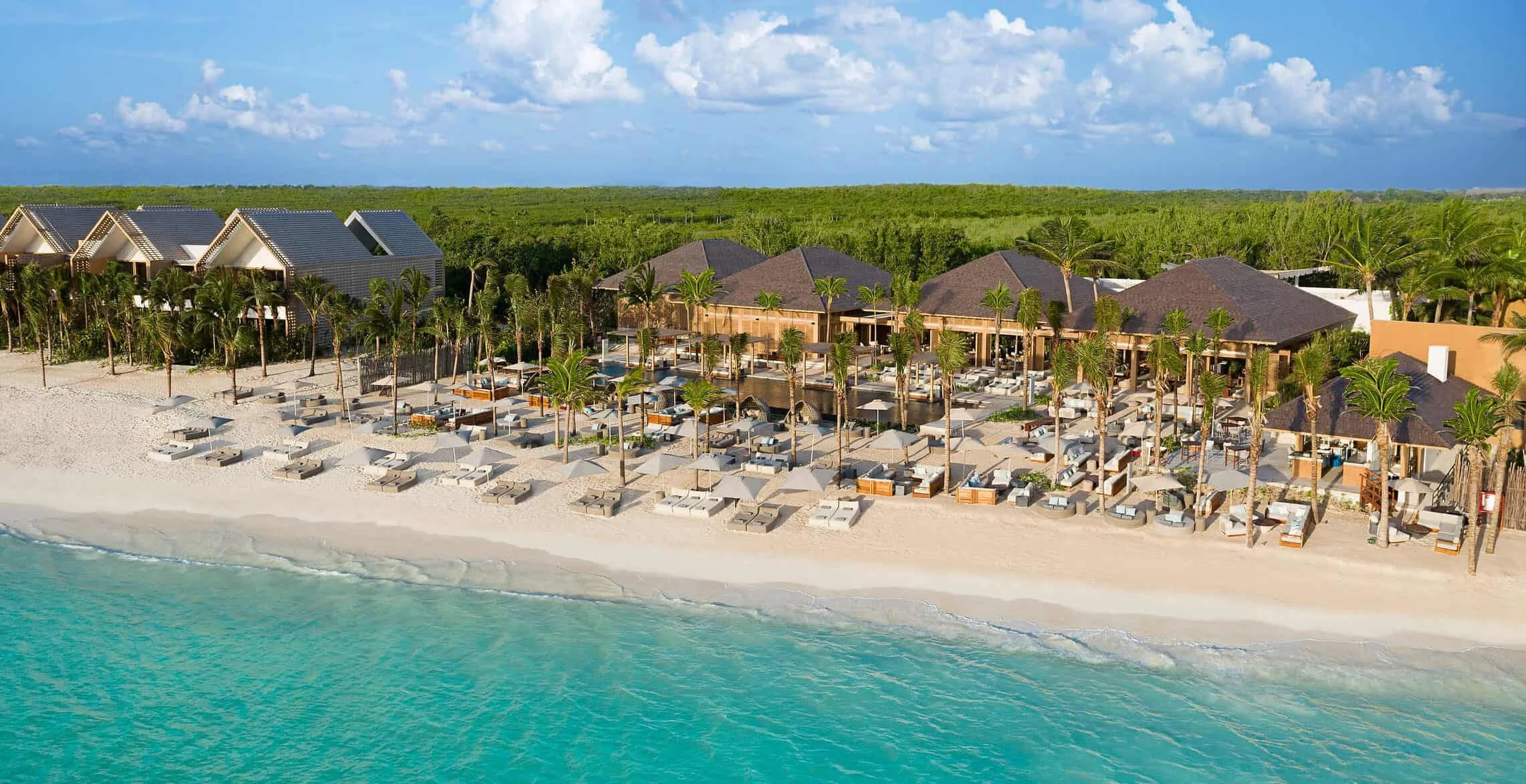
| Banyan Tree Mayakoba | Michelin 2 Keys | Riviera Maya |
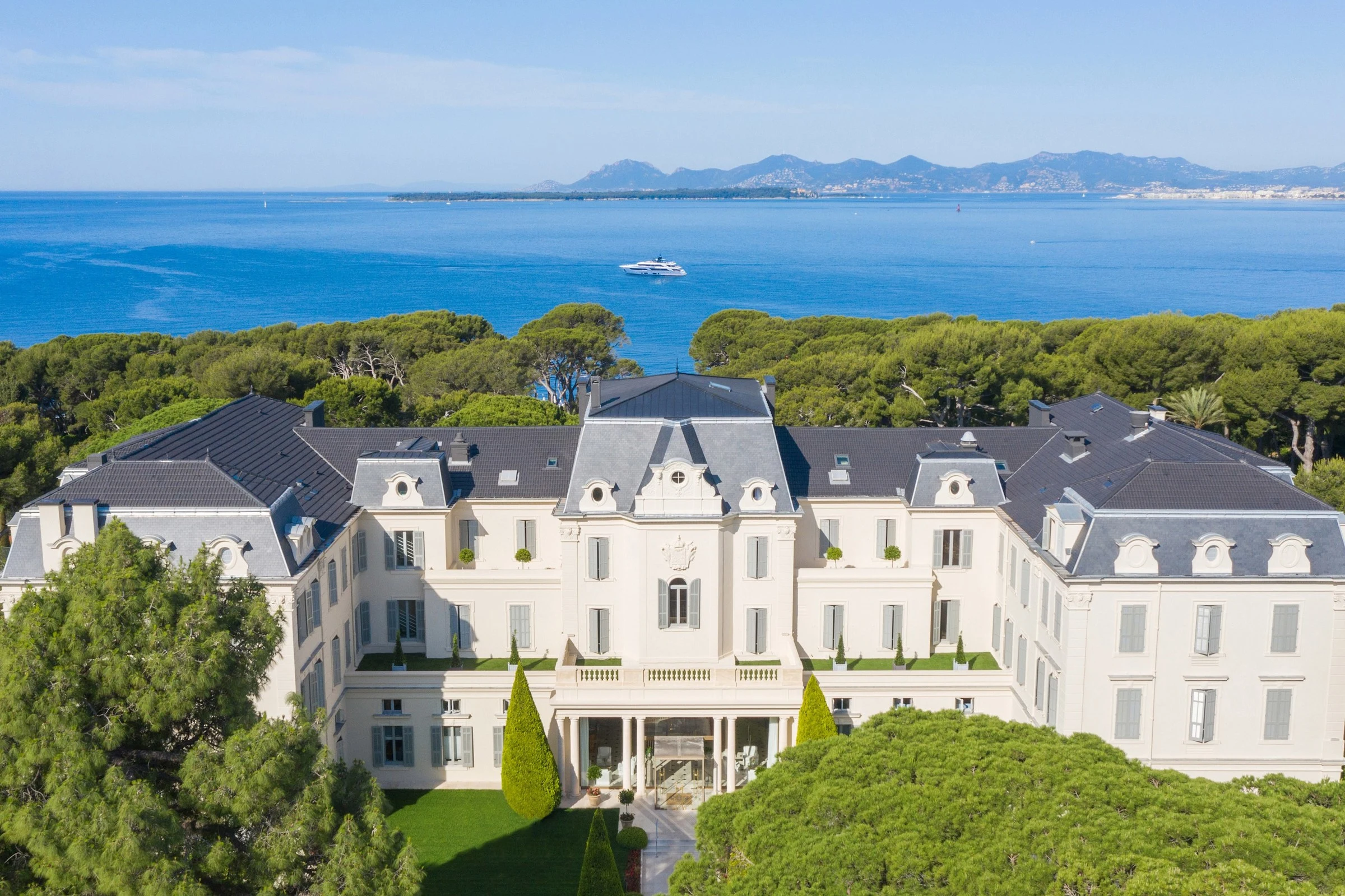
| Hotel Du Cap-Eden-Roc | Michelin 3 Keys, World's 50 Best | Cap d'Antibes |
| La Réserve Ramatuelle - Hôtel, Spa and Villas | Michelin 3 Keys | Ramatuelle |
| One&Only Moonlight Basin | · | Big Sky |
| The Hazelton Hotel | Michelin 2 Keys | Toronto |
| Waldorf Astoria Los Cabos Pedregal | Michelin 2 Keys | Cabo San Lucas |
In residence
Similar places
Banyan Tree Mayakoba
Riviera Maya, Mexico
2K
Hotel Du Cap-Eden-Roc
Cap d'Antibes, France
3K · 50 Best
La Réserve Ramatuelle - Hôtel, Spa and Villas
Ramatuelle, France
3K
One&Only Moonlight Basin
Big Sky, United States
The Hazelton Hotel
Toronto, Canada
2K
Waldorf Astoria Los Cabos Pedregal
Cabo San Lucas, Mexico
2K
The Sunday letter
Get the next Made By story in your inbox.
We send one email every Sunday morning with the places and people we covered that week.
One email a week. Unsubscribe from any issue.