- Opinionated About Dining Casual in Europe Recommended · 2026
- The Good Food Guide GFG Good · 2025
- Opinionated About Dining Casual in Europe Ranked #351 · 2025
- Opinionated About Dining Casual in Europe Ranked #225 · 2024
- Opinionated About Dining Casual in Europe Recommended · 2023
From Railway Arch to Commercial Street: A Decade of Regional Thai Cooking in East London
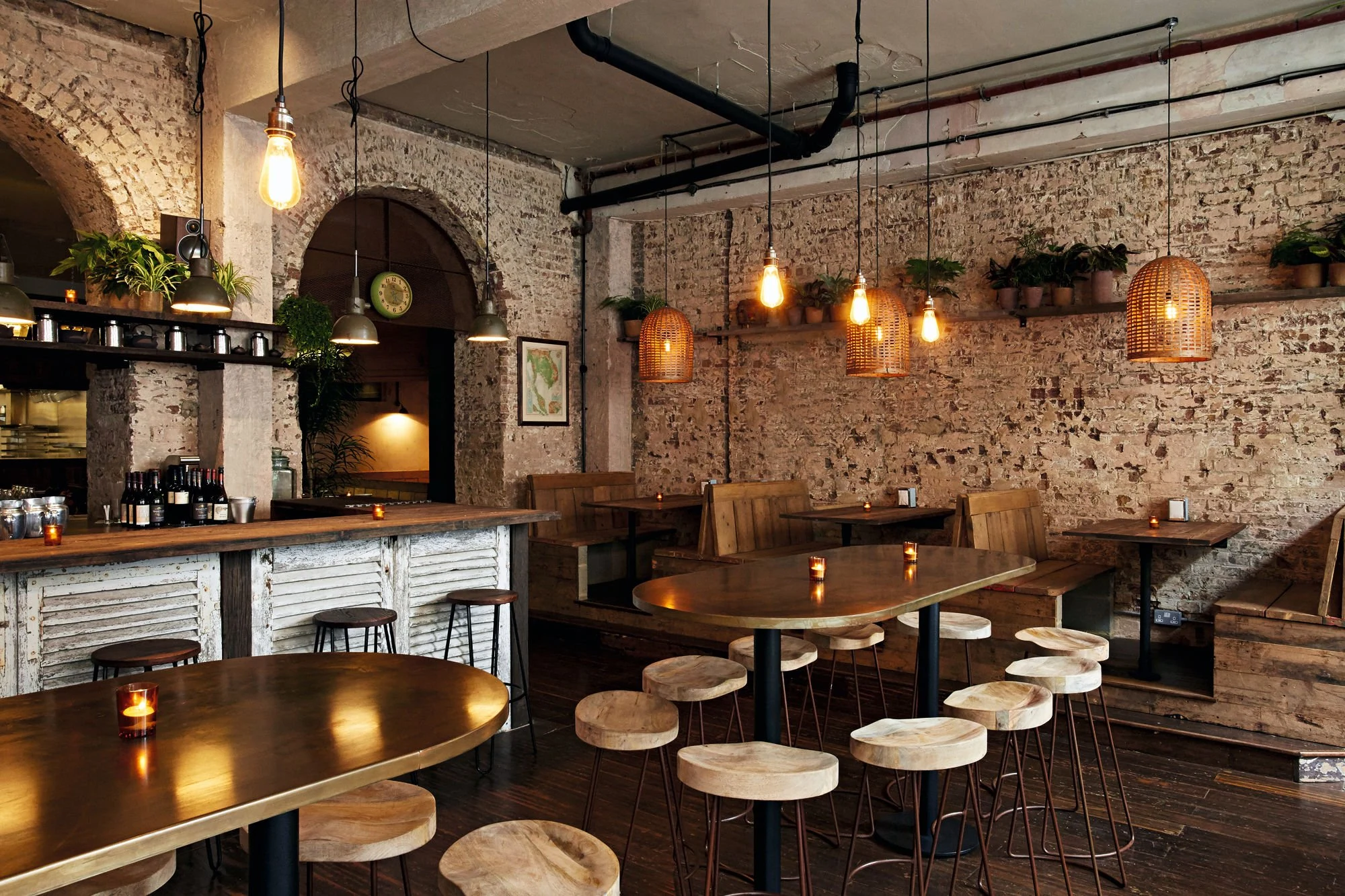
When Som Saa moved from a railway arch pop-up into its current home on Commercial Street around a decade ago, the shift marked more than a change of address. It signalled a wider moment in London's Thai dining scene: the arrival of a restaurant willing to treat regional Thai cooking with the same seriousness that the city had begun applying to Japanese, Indian, and Peruvian cuisines. The former fabric warehouse in Spitalfields, with its bare brick arches and bare floorboards, became a template that several of the restaurants that followed, including AngloThai, Farang, and Kolae, have consciously or unconsciously echoed: post-industrial interiors stripped of old Siam clichés, and a menu built around flavour rather than familiarity.
Nearly ten years on, Som Saa's hold on Shoreditch diners remains firm. That persistence matters. London's East End restaurant scene turns over quickly, and Som Saa continues to appear in the Opinionated About Dining rankings, ranked 225th among casual European restaurants in 2024 and 351st in 2025.
The Sunday letter
Find new places through the people who run them.
Our Sunday email brings you the chefs, winemakers and hoteliers behind our newest stories. See a sample before you subscribe.
See a sample of the Sunday emailOne email a week. Unsubscribe from any issue.
The Four Pillars on the Plate
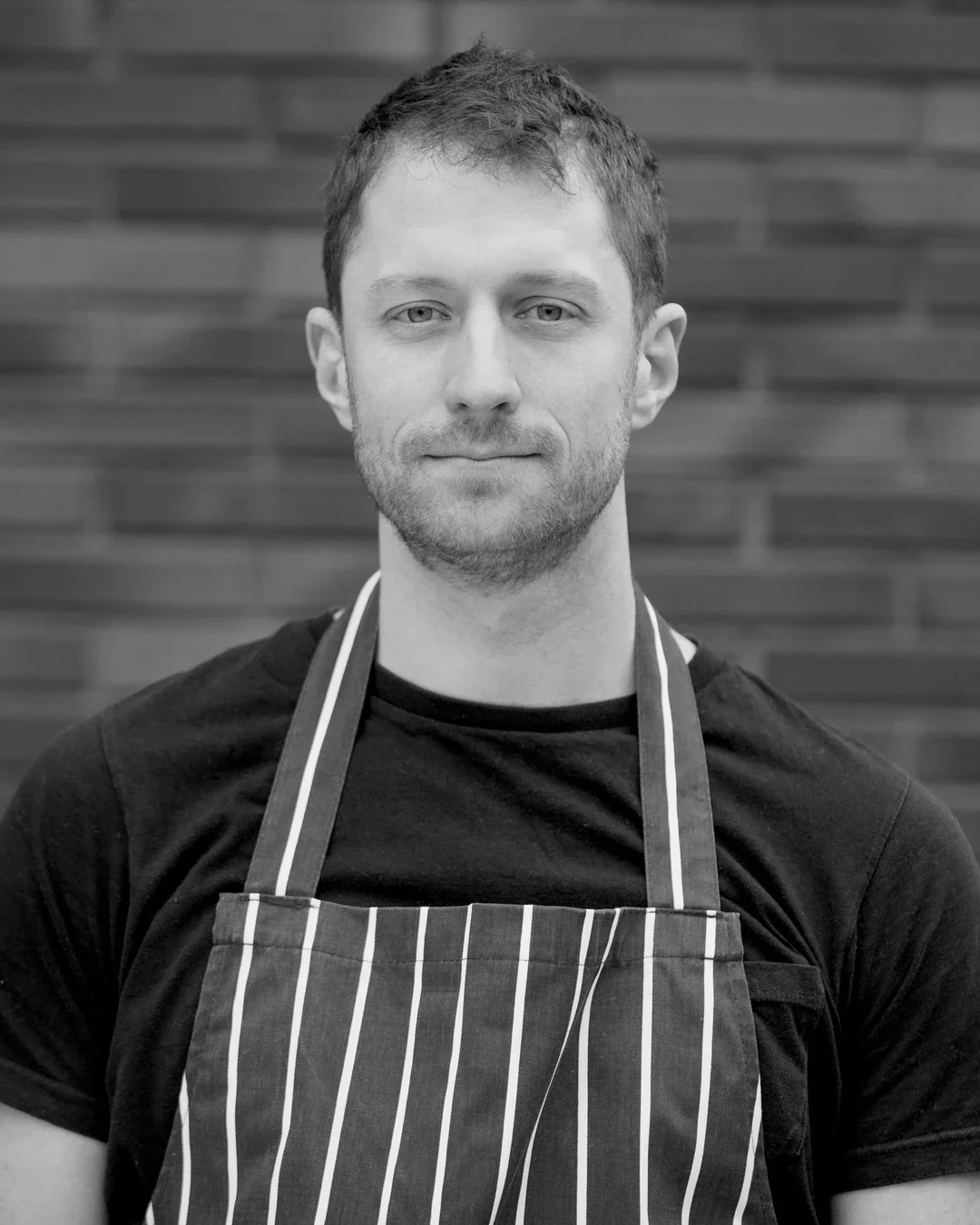
Thai cooking is often described in terms of balance, but what that means in practice is a discipline most restaurant kitchens only approximate. The four-pillar framework, sweet, sour, salty, spicy, is not a formula applied in equal measure to every dish. It is a calibration that shifts by region, by ingredient, and by the cook's intent. Som Saa's kitchen, led by chefs Mark Dobbie and Andy Oliver, applies that calibration with a regional specificity that sets it apart from most Thai restaurants in London.
The menu leans toward Isaan, the northeastern region of Thailand, and the northern highlands, both of which favour assertive spicing, fermented notes, and aromatic herbs over the sweeter, more coconut-forward profiles that most Londoners associate with Thai food. Nahm dtok pla thort, a whole sea bass prepared with spices drawn from the Isaan tradition, has become a dish that regulars travel to Commercial Street specifically to eat, picking the fish to its bones. That kind of deliberate sourcing from a single regional tradition is what separates Som Saa from the broader Thai restaurant tier in London and places it closer, in ambition if not in format, to Bangkok restaurants like Nahm and Samrub Samrub Thai, which have built reputations around preserving the granular distinctions within Thai cuisine.
The Tem Toh set menu traces the four pillars across several courses. Hake and wild ginger fishcakes open with fragrant, savoury heat. Gaeng ped gung king orn, a red curry of minced prawns with young ginger and pea aubergine, sits at the spicy and smoky end of the register, carrying the kind of depth that comes from properly toasted dried chillies and good shrimp paste rather than a base sauce adjusted for Western palates. Gaeng om gai, a lighter curry of chicken with young watermelon and turmeric, shifts the balance toward something brighter and more herbal, demonstrating that the kitchen is equally comfortable with the subtler northern Thai register. The meal closes with kluey yaang, salted palm-sugar ice cream alongside turmeric-grilled banana, where sweetness and salt arrive in close enough proximity to remind you that in Thai desserts, the two pillars are rarely far apart.
Sticky rice, served in its own small basket, is the quiet anchor through all of it. In Isaan cooking, glutinous rice is not a side dish in the Western sense; it is the palate-reset between intensities, and Som Saa treats it accordingly.
The Room and Its comparable set
London's Thai restaurant scene occupies several distinct tiers. At one end sits the high-street format that still accounts for most of the city's Thai covers: fixed menus, familiar dishes, interiors that lean on imported imagery. At the other end, a smaller cohort of kitchens has spent the past decade working from a different premise: that Thai cooking has as much regional complexity as French or Chinese cuisine, and that London diners will engage with that complexity if it is presented with conviction rather than apology.
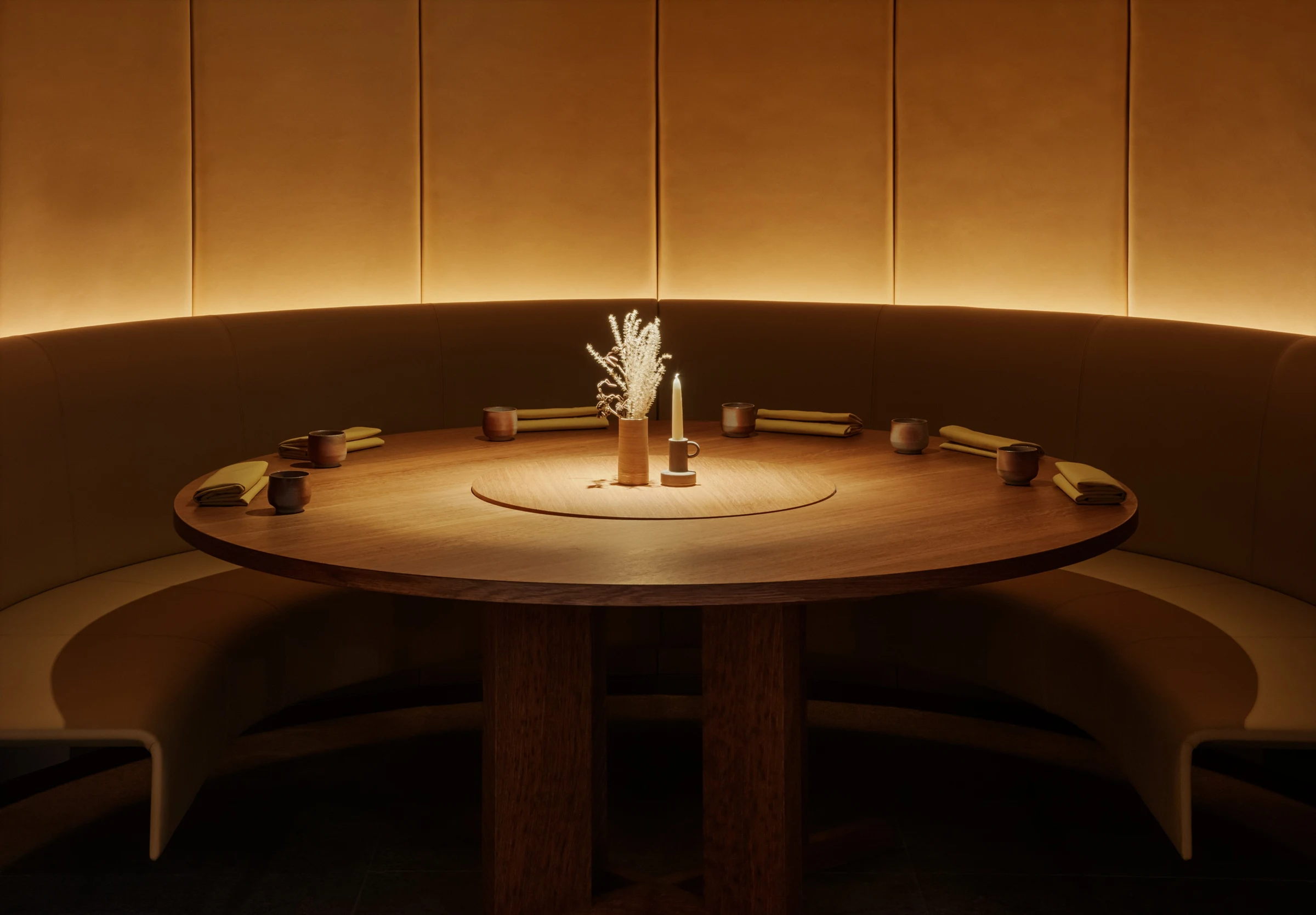
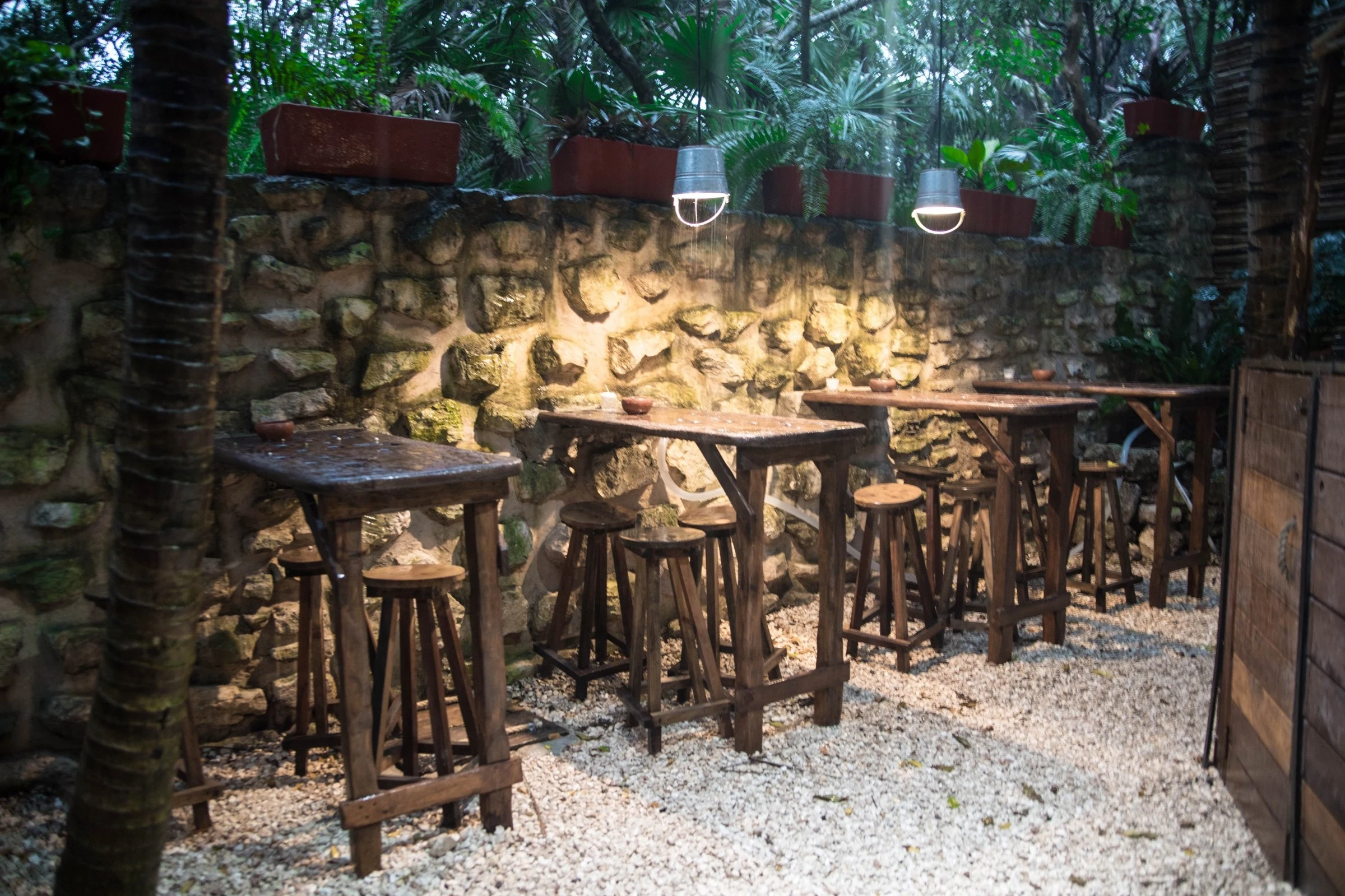
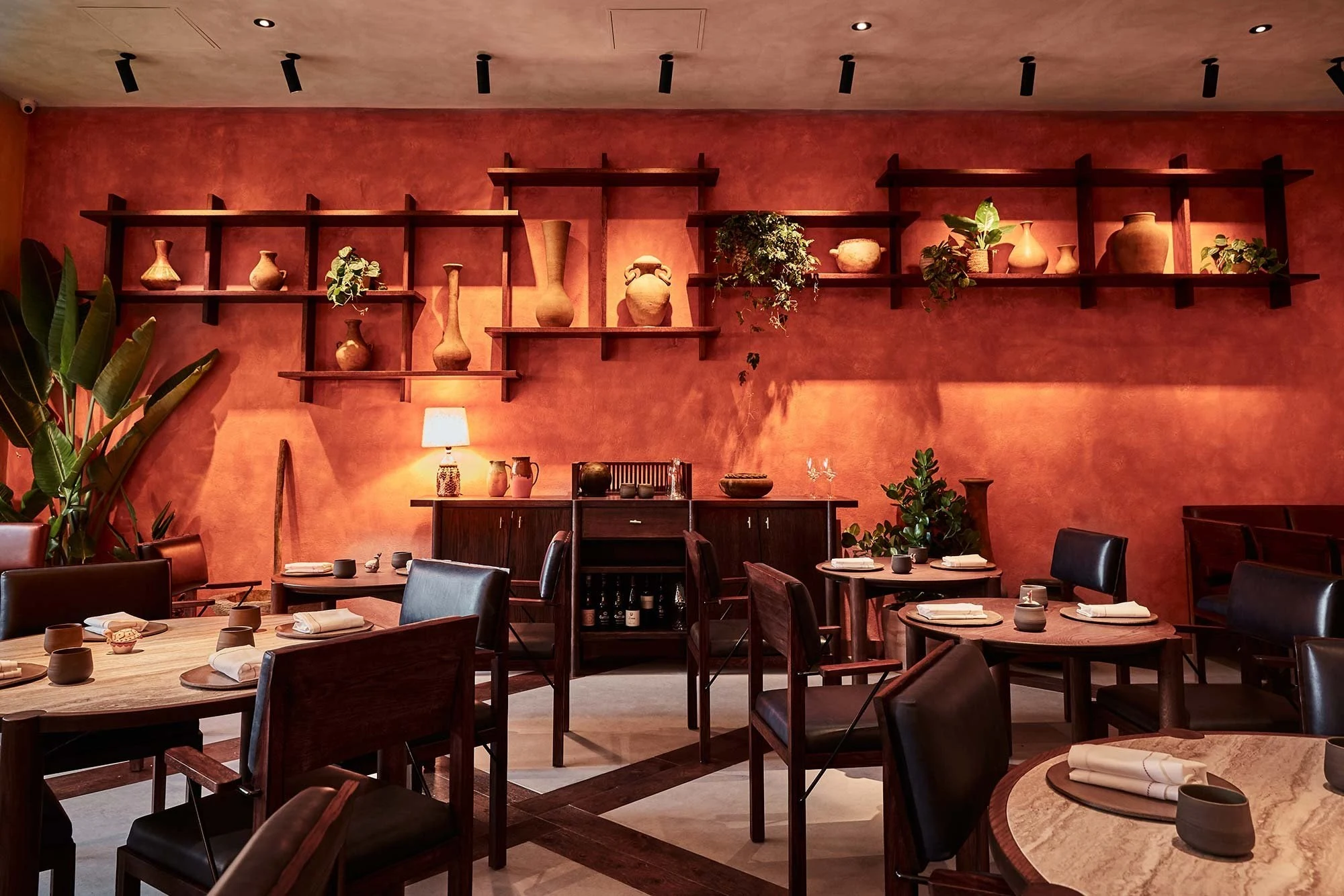
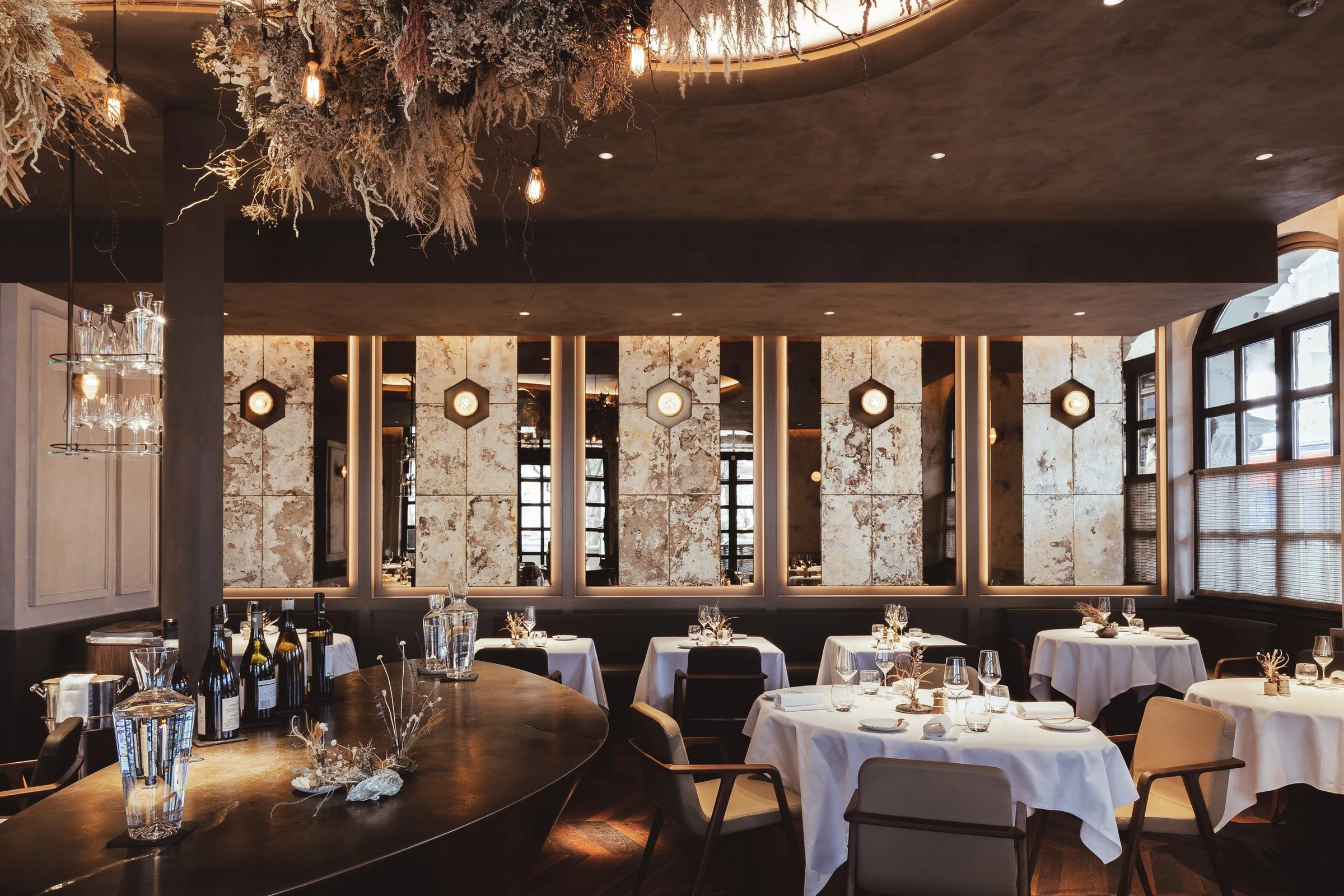
Som Saa sits firmly in the latter group, alongside Plaza Khao Gaeng and Long Chim. What distinguishes it within that cohort is its early-mover status and the specific energy of the room. The clattering chairs, echoing voices, and open kitchen create the kind of noise that signals a restaurant running at full capacity rather than performing atmosphere. The post-industrial space is functional rather than designed, which places it at a different register from the more polished interiors that some of its peers now occupy.
The drinks programme runs in the same direction as the food. Thai-themed cocktails start at £9, and the wine list is built to work with spice-forward cooking: lower tannins, higher acidity, the kind of selections that amplify rather than fight the kitchen's flavour profile. A recent inspection noted some inconsistency in service, which is worth flagging, but the drinks list itself drew no such criticism.
For context on the broader range of London dining at the formal end of the spectrum, our full London restaurants guide covers everything from Som Saa's neighbourhood-casual register through to the city's most formal rooms. If you are extending a visit beyond the table, our London hotels guide, bars guide, wineries guide, and experiences guide cover the rest of the city in the same depth.
For those building a longer UK itinerary, the formal dining circuit extends well beyond London: The Fat Duck in Bray, L'Enclume in Cartmel, Moor Hall in Aughton, Gidleigh Park in Chagford, Hand and Flowers in Marlow, and Le Manoir aux Quat' Saisons in Great Milton each represent a different expression of what serious cooking outside London looks like.
Planning Your Visit
Som Saa is at 43A Commercial Street, London E1 6BD, a short walk from Liverpool Street and Aldgate East stations. The kitchen runs lunch from Tuesday through Saturday (noon to 2:30 pm) and all day Sunday (noon to 3 pm, then 5 to 9 pm). Dinner runs Monday through Thursday to 10 pm, and Friday and Saturday to 10:30 pm. Monday is dinner only. The shared-plate format means the table is set up for groups, though two people eating across the full Tem Toh set will cover the menu's range comfortably.
Questions
Frequently asked
Who works at Som Saa?
Made By profiles Andy Oliver (Chef) and Mark Dobbie (Chef) at Som Saa.
How expensive is Som Saa?
Som Saa is listed at a price level of $$.
Where is Som Saa and what does it serve?
Som Saa is in Spitalfields, London, serving Authentic Regional Thai.
The field
How it compares
| Place | Cuisine | Notes | Awards |
|---|---|---|---|
| Som Saa | Authentic Regional Thai | Spitalfields, $$ | · |
| CORE by Clare Smyth | Modern British Fine Dining | London | Michelin 3 Stars, World's 50 Best |
| Ikoyi | Modern West African Fine Dining | London | Michelin 2 Stars, World's 50 Best |
| Kitchen Table | Modern British Fine Dining | London | Michelin 2 Stars |
| KOL | Modern Mexican Fine Dining | London | Michelin 1 Star, World's 50 Best |
| Row on 5 | Modern British Fine Dining with Mediterranean & Asian Influences | London | Michelin 2 Stars |
| The Ledbury | Modern British Fine Dining | London | Michelin 3 Stars, World's 50 Best |
In residence
Similar places
Modern British Fine Dining
CORE by Clare Smyth
London, United Kingdom
★★★ · 50 Best
Modern West African Fine Dining
Ikoyi
London, United Kingdom
★★ · 50 Best
Modern British Fine Dining
Kitchen Table
London, United Kingdom
★★
Modern Mexican Fine Dining
KOL
London, United Kingdom
★ · 50 Best
Modern British Fine Dining with Mediterranean & Asian Influences
Row on 5
London, United Kingdom
★★
Modern British Fine Dining
The Ledbury
London, United Kingdom
★★★ · 50 Best

The Sunday letter
Get the next Made By story in your inbox.
We send one email every Sunday morning with the places and people we covered that week.
See a sample of the Sunday emailOne email a week. Unsubscribe from any issue.