Made ByRestaurant

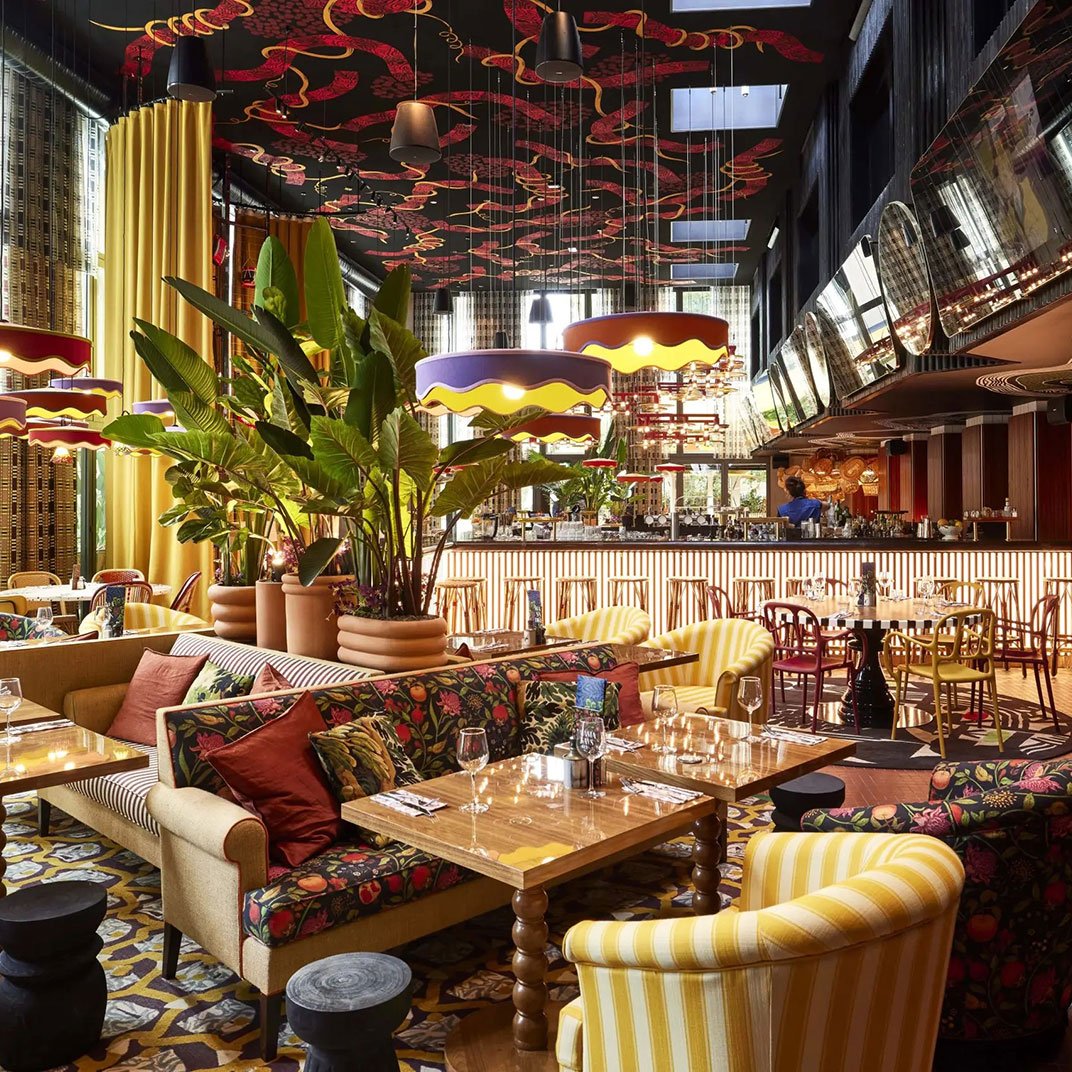
Two consecutive Michelin Bib Gourmand awards signal what Dijon's more price-conscious dining circuit already knew: Spica, on Rue de la Préfecture, delivers modern cuisine at a €€ price point that undercuts most of its serious competition in the city. Chef Fabio Pompanin holds a 4.8 rating across 529 Google reviews, making this one of the most consistently praised addresses in a town that takes food seriously.
- Michelin Bib Gourmand
At a glance
- Cuisine
- Modern French Bistronomique
- Price
- $$
- Per person
- $40
- Hours
- Mon: Closed; Tue: 12–1 PM, 7:30–9 PM; Wed: 7:30–9 PM; Thu: 12–1 PM, 7:30–9 PM; Fri: 12–1 PM, 7:30–9 PM; Sat: 12–1 PM, 7:30–9 PM; Sun: Closed
- Neighborhood
- Centre-ville
- Rating
- 4.8 (604)
<h2>Rue de la Préfecture and the Case for Affordable Ambition</h2><p>Dijon's dining geography clusters around a few key corridors, and Rue de la Préfecture sits at the centre of the old city's most concentrated stretch of serious cooking. The street runs parallel to the Palais des Ducs, and the buildings along it carry the stone-faced restraint typical of Burgundian civic architecture: thick walls, narrow windows, a sense that excess has always been rationed here. Walking toward Spica from the place de la Libération, the neighbourhood signals cooking culture before any single restaurant announces itself. Wine shops, charcuterie counters, and the occasional chalked-board special visible through a window remind you that this is a city where the relationship between producer and plate is taken as given, not as a talking point.</p><p>It is in that context that Spica's position becomes legible. The Michelin Bib Gourmand, awarded in both 2024 and 2025, is the Guide's specific commendation for kitchens that deliver cooking at a meaningful quality level while keeping prices accessible. That two consecutive years of recognition follow the same address at the €€ price range speaks to consistency and intent.</p><h2>Where Spica Sits in Dijon's Current Scene</h2><p>Dijon's modern cuisine tier has expanded noticeably in recent years, producing a range of formats across different price brackets. At the top of the price spectrum, addresses like William Frachot and <a href="https://www.enprimeurclub.com/restaurants/cibo-dijon-restaurant">CIBO</a> operate at the €€€€ level, with creative tasting menus that position themselves against regional fine-dining peers. A step below, <a href="https://www.enprimeurclub.com/restaurants/lasprule-dijon-restaurant">L'Aspérule</a> holds the €€€ bracket with its own modern approach. Spica at €€ occupies a different position in that hierarchy: it is not attempting to compete with <a href="https://www.enprimeurclub.com/restaurants/loiseau-des-ducs-dijon-restaurant">Loiseau des Ducs</a> on elaboration or ceremony, nor with Origine on creative ambition at premium price points. Instead, it sits alongside addresses like <a href="https://www.enprimeurclub.com/restaurants/dzenvies-dijon-restaurant">DZ'envies</a> and <a href="https://www.enprimeurclub.com/restaurants/larme-dijon-restaurant">L'Arôme</a> in a tier where the measure is quality-per-euro rather than category innovation.</p><p>That award signals cooking that justifies its own recognition independent of price. Chef Fabio Pompanin working within a €€ format and still drawing that recognition two years in a row places Spica in a specific bracket of the Dijon scene, and the Google review score of 4.8 across 604 reviews reflects sustained satisfaction.</p><h2>The Sustainability Dimension in Burgundian Modern Cooking</h2><p>Within broader French modern cuisine, the shift toward ethically sourced and seasonally grounded menus has moved from point of difference to standard expectation at any serious address. Burgundy, with its established producer networks connecting vineyards, vegetable growers, and livestock farms across the Côte-d'Or and the Saône valley, offers kitchens a structural advantage here: the supply chain for local sourcing is deeper and more granular than in most French regions outside of Brittany or the Basque Country.</p><p>At the price point Spica occupies, the sustainability argument carries additional weight. Fine-dining addresses can absorb the cost premium of ethical sourcing into multi-course tasting menus at €80 or above. At €€, kitchens face a harder calculation: sourcing more carefully means either absorbing margin or building menus that use ingredients with less waste. The latter approach, sometimes called whole-kitchen cooking, produces menus structured around what can be used fully rather than what is most presentable. For the Burgundy region specifically, that aligns naturally with a tradition of peasant-rooted cooking that made virtues of secondary cuts, fermented preservation, and root vegetable depth long before sustainability became a named category. The mustard traditions, the dijon-style braised preparations, the long-cooked daubes that were never about prime-cut extravagance, these are all expressions of the same underlying logic.</p><p>Referencing that broader regional inheritance is not to romanticise it. It is to note that modern kitchens in Dijon that engage honestly with local sourcing are not adopting a foreign framework, they are working within a food culture that was already built around these principles before the terminology arrived. Whether Spica articulates that explicitly on the menu or in its sourcing communication, the Bib Gourmand framework rewards cooking that achieves quality within constraints, which is structurally the same discipline that sustainable sourcing at a mid-tier price demands.</p><p>For comparison, French kitchens that have formalised this approach at higher price tiers include <a href="https://www.enprimeurclub.com/restaurants/mirazur-menton-restaurant">Mirazur in Menton</a>, <a href="https://www.enprimeurclub.com/restaurants/bras-laguiole-restaurant">Bras in Laguiole</a>, and <a href="https://www.enprimeurclub.com/restaurants/flocons-de-sel-megeve-restaurant">Flocons de Sel in Megève</a>, each of which has built a sourcing philosophy into its identity at considerably higher price points. At the other end of the geographic reach, <a href="https://www.enprimeurclub.com/restaurants/frantzen-stockholm-restaurant">Frantzén in Stockholm</a> and <a href="https://www.enprimeurclub.com/restaurants/fzn-by-bjorn-frantzen-dubai-restaurant">FZN by Björn Frantzén in Dubai</a> show how the same sourcing discipline translates across climates and formats. At the Bib Gourmand level, the financial mechanics are more exposed. That is the tier Spica occupies, and the sustained recognition suggests the kitchen handles those mechanics with some care.</p><p>For context on France's broader modern cooking institutions, addresses like <a href="https://www.enprimeurclub.com/restaurants/alleno-paris-au-pavillon-ledoyen-paris-restaurant">Alléno Paris au Pavillon Ledoyen</a>, <a href="https://www.enprimeurclub.com/restaurants/troisgros-le-bois-sans-feuilles-ouches-restaurant">Troisgros - Le Bois sans Feuilles</a>, and <a href="https://www.enprimeurclub.com/restaurants/paul-bocuse-lauberge-du-pont-de-collonges-collonges-au-mont-dor-restaurant">Paul Bocuse - L'Auberge du Pont de Collonges</a> represent the institutional lineage against which Dijon's newer generation of mid-tier modern restaurants defines its own distance from ceremony.</p><h2>Planning a Visit</h2><p>Spica is at 48 Rue de la Préfecture in central Dijon, walkable from the main train station and from the Palais des Ducs. Given the 4.8 score across over 500 reviews and back-to-back Bib Gourmand recognition, reservations at this price point are worth securing in advance, particularly for weekend service. The €€ format means a two-course or three-course dinner for two with a modest Burgundy wine selection is likely to land well below what the equivalent meal-plus-wine would cost at any starred address in the same city.</p>
Know before you go
- Dress code
- smart_casual
- Reservations
- essential
- Parking
- street
- Payment
- cash, credit_card, contactless
- Accessibility
- step_free_entrance
Frequently asked
Would Spica be comfortable with kids?
Spica's modern cuisine format and mid-range price bracket (€€) suggest a neighbourhood restaurant rather than a high-ceremony dining room, which typically works better for families than a tasting-menu counter would. Contacting the restaurant directly at 48 Rue de la Préfecture is the most reliable way to confirm.
Is Spica formal or casual?
Spica sits at the €€ price range with a Michelin Bib Gourmand rating — a distinction the Guide awards specifically for quality cooking at reasonable prices, not for formal ceremony. That positioning points to a relaxed but considered atmosphere, closer to a polished neighbourhood bistro than a white-tablecloth occasion restaurant.
What awards or recognition does Spica have?
Spica has received recognition including: Michelin Bib Gourmand (2025); Michelin Bib Gourmand (2024).
What dish is Spica famous for?
Chef Fabio Pompanin leads a modern cuisine kitchen that has earned back-to-back Michelin Bib Gourmand recognition in 2024 and 2025, which signals consistent seasonal cooking rather than a menu built around a single showpiece dish.
Is Spica more mid-range or high-end?
Pricing at Spica is listed as €€.
What part of town is Spica in?
Spica is located at 48 Rue de la Préfecture, 21000 Dijon, France, Dijon.
Address
48 Rue de la Préfecture, 21000 Dijon, France
Centre-ville
How it compares
- Cuisine
- Modern French Bistronomique
- Price
- $$
- Awards
- Michelin Bib Gourmand
- Notes
- Centre-ville
- Cuisine
- Modern French Bistro with Wine Focus
- Price
- $$$
- Awards
- Michelin Bib Gourmand
- Notes
- Dijon
- Cuisine
- Modern Burgundian Bistro
- Price
- $$
- Awards
- Michelin Bib Gourmand
- Notes
- quartier des Halles
- Cuisine
- Modern French-Japanese Fusion
- Price
- $$$
- Awards
- Michelin Plate
- Notes
- Centre-ville
- Cuisine
- Traditional French Bistro
- Price
- $$
- Awards
- —
- Notes
- near the train station
- Cuisine
- Modern Italian-French Fusion
- Price
- $$$
- Awards
- Michelin Plate
- Notes
- Centre-ville (Downtown Dijon)
In residence
Similar places
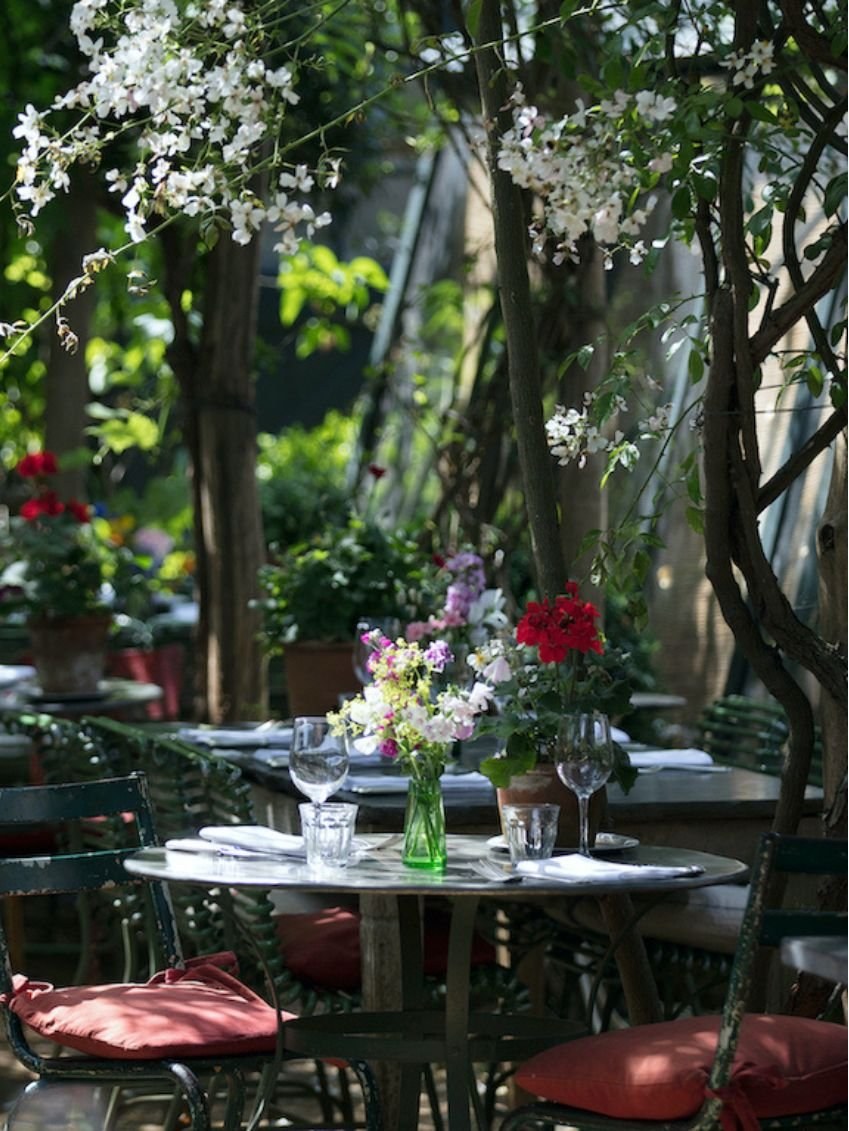
Contemporary Burgundian Fine Dining
William Frachot
Dijon, France
★★
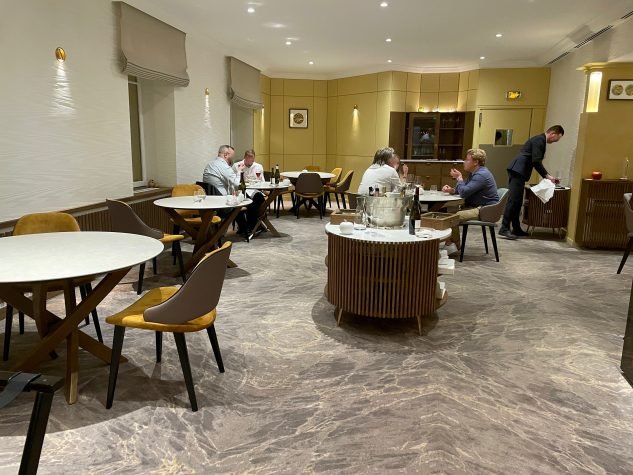
Modern French Gastronomy with Japanese Influences
Origine par Tomofumi Uchimura
Dijon, France
★
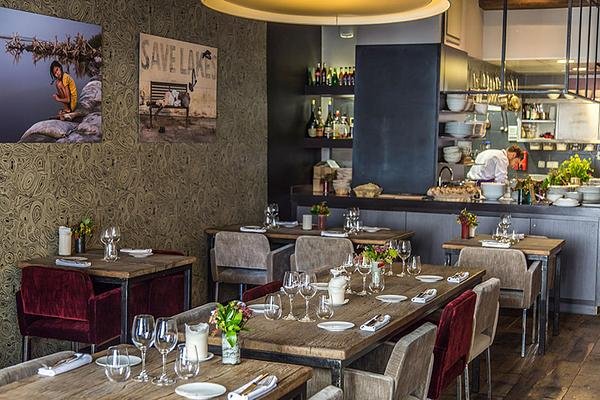
Modern French Fine Dining
La Maison des Cariatides
Dijon, France
★
Modern Burgundian Fine Dining
Loiseau des Ducs
Dijon, France
★
Modern French Gastronomique
CIBO
Dijon, France
★
Japanese-inflected French Fine Dining
L'Aspérule
Dijon, France
★