Sufra

In Residence
Hassan Mezal
Chef
- 01CuisineTraditional Jordanian
- 02CityAmman, Jordan
- 03Recognition50 Best Restaurants
From the people index
Recommended by
One trusted voice points here.
Rainbow Street and the Weight of a Shared Table
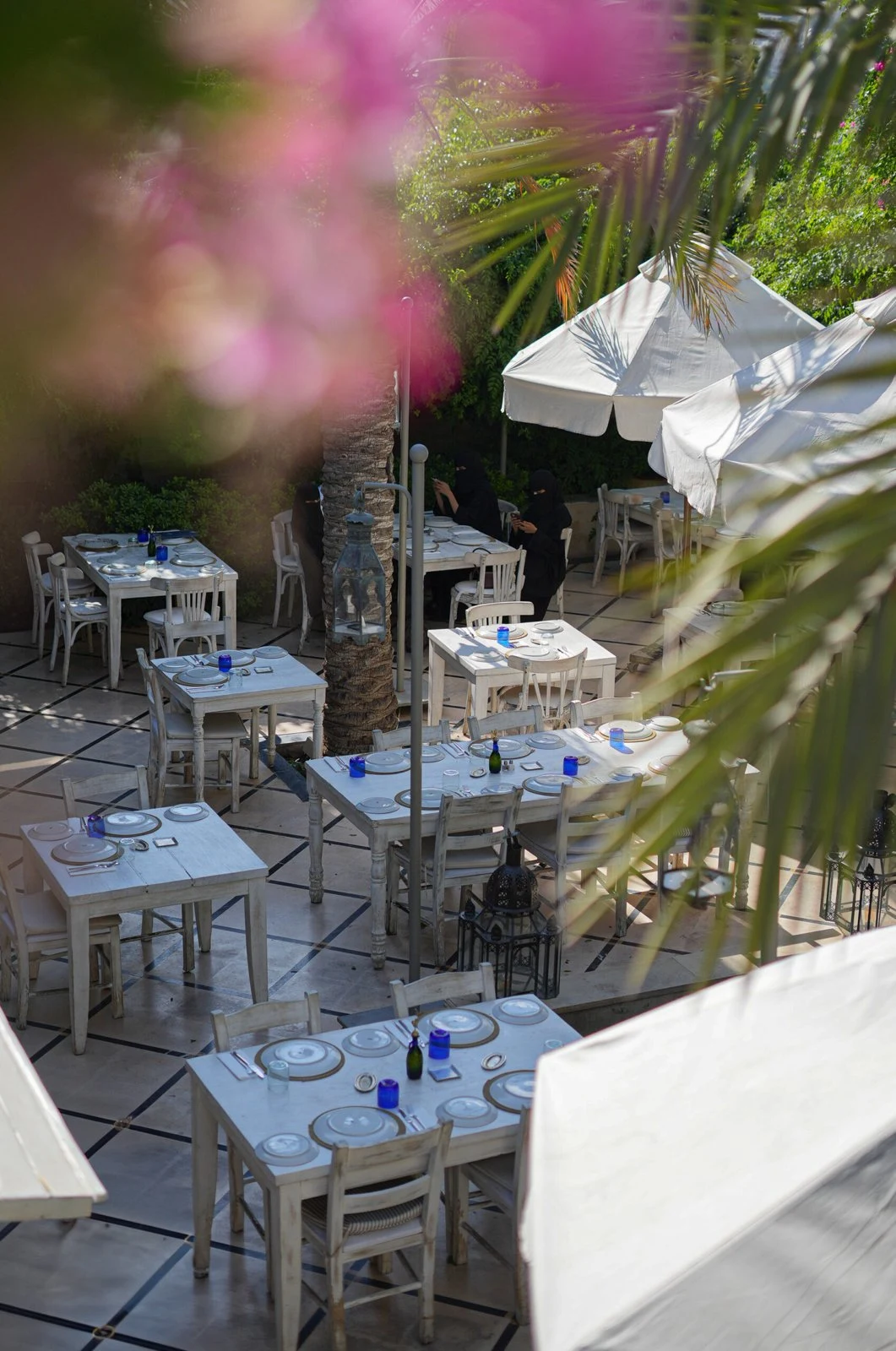
Rainbow Street has long functioned as Amman's most legible cultural corridor: the point where old Jabal Amman's residential fabric meets a denser concentration of independent restaurants, bookshops, and cafés than almost anywhere else in the city. It is not a tourist strip in the usual sense. Regulars are as likely to be Ammani families on a Thursday evening as they are visitors working through a shortlist of Jordanian dining. The street rewards specificity, and Sufra, at number 26, represents one of its most deliberate addresses.
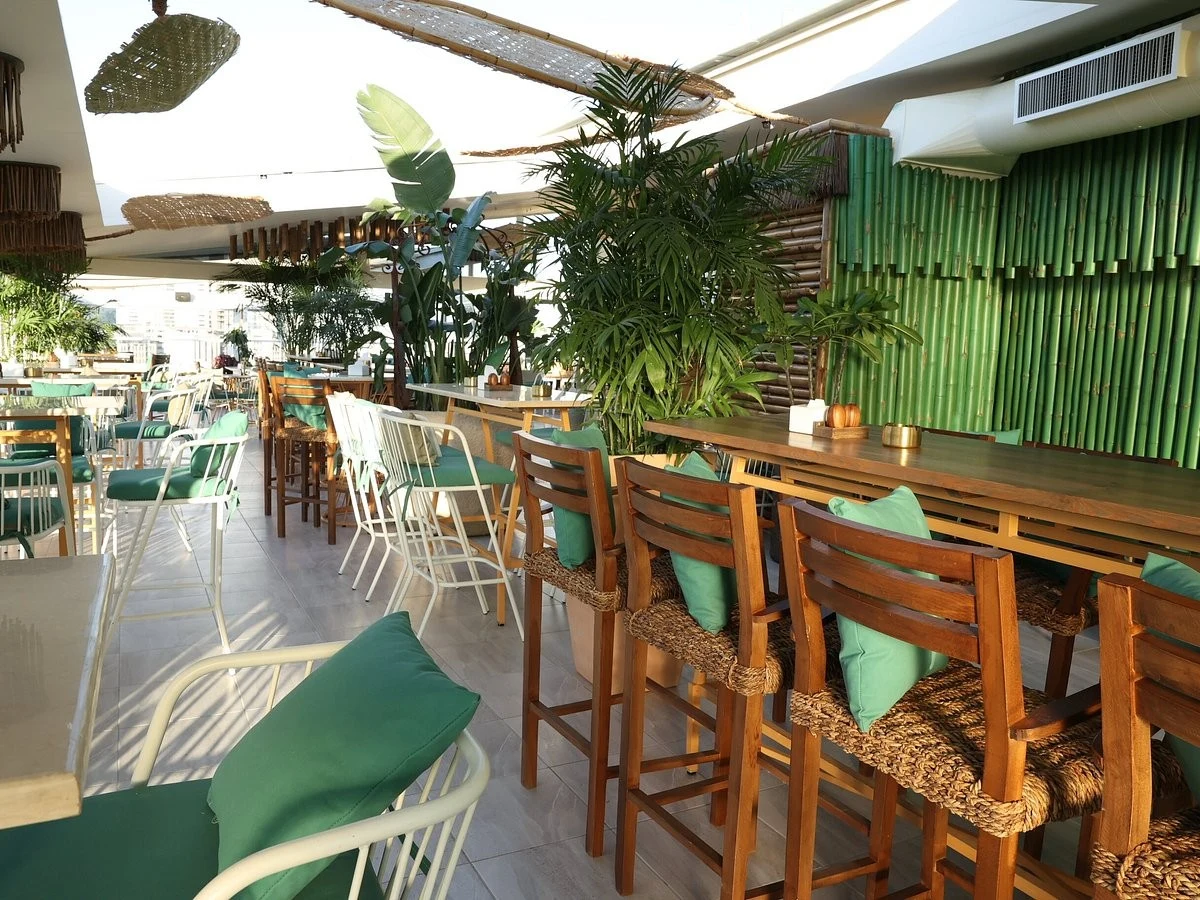
The building itself belongs to the older residential architecture that defines this part of West Amman: stone-faced, with the kind of internal dimensions that were built for extended family gatherings rather than restaurant sightlines. That spatial logic carries into the dining room, where tables are arranged to accommodate groups rather than optimise covers. Approaching from the street, the effect is of entering a house that happens to be feeding a significant number of people, which is not an accident of décor but a fairly precise statement about how the kitchen intends meals to be structured.
The Sunday email
Read about the people behind restaurants like Sufra in the Sunday email.
Every Sunday we send a lead story and up to four more about the chefs, winemakers, sommeliers and hoteliers behind the restaurants, bars, wineries and hotels we cover.
Recent stories
Free. One email a week, and you can unsubscribe from any issue.
Menu Architecture: The Levantine Table as a System
One instructive way to read Sufra's menu is not dish by dish but as a sequential system. Jordanian and broader Levantine dining traditions organise a meal through layers: cold mezze arrive first, establishing a baseline of pickled, herb-forward, and olive oil-dressed preparations; hot mezze follow, where cooked vegetables, legumes, and small fried or baked plates add weight; grills and slow-cooked mains anchor the table; and bread, whether fresh-baked or oven-pulled, runs throughout as the default utensil and staple simultaneously.
Sufra's menu maps directly onto this logic. What the kitchen has done, and what earns it a position in the 2025 MENA's 50 Best Restaurants list at rank #20, is execute each layer with a fidelity that acknowledges the tradition without treating it as a museum exhibit. The cold mezze section functions as the table's opening argument: this is what the cuisine knows how to do at its most precise. The transition into hot preparations is where the kitchen signals its technical range, moving from raw and cured to braised and oven-finished within a single meal's arc. By the time grills arrive, the table has already established a context that makes the mains feel earned rather than abrupt.
This sequenced structure is worth noting because it is increasingly rare in a region where many restaurants flatten Levantine eating into an undifferentiated spread. The architecture of a properly sequenced Jordanian meal has more in common with the logic of a European tasting menu than it might first appear: each course adjusts the palate's register and sets up what follows. Fakhreldin, another senior address in Amman's formal Levantine tier, operates from comparable structural principles, and the two restaurants represent the city's most sustained argument for treating this cuisine with the same analytical seriousness applied to French or Japanese traditions. Dara Dining by Sara Aqel approaches the region's ingredients from a more contemporary and personal angle, placing it in a different but adjacent conversation.
The MENA 50 Best Signal and What It Implies
When MENA's 50 Best Restaurants placed Sufra at #20 in 2025, it was recognising something specific: a restaurant operating at a level of consistency and cultural articulation that positions it within a comparable set defined by technical rigour rather than novelty. The MENA ranking functions differently from the global list in that it must account for culinary traditions with different institutional support structures than European or East Asian fine dining.
Sufra occupies a position in Amman's dining hierarchy with limited direct peers at the same tier. The city has a strong independent restaurant culture, represented across a range of formats from neighbourhood-focused operations like Shams El Balad to the cocktail-forward programming at 13C Bar in the Back and the contemporary approach at Alee. Sufra sits above that mid-market tier by its award recognition and its insistence on the full traditional format, but it does so without pricing itself out of the local dining market, which is a notable distinction from award-level restaurants in cities like Hong Kong, Paris, or New York, where comparable recognition correlates with a sharp price step. For context on what that global step looks like, 8 1/2 Otto e Mezzo Bombana in Hong Kong, Alléno Paris au Pavillon Ledoyen, and Le Bernardin in New York City all operate in a price register that reflects the full infrastructure cost of their respective markets. Sufra's position on the same recognition lists without that cost structure is one of the more interesting anomalies in how the global dining awards conversation is currently expanding.
Chef Hassan Mezal and the Kitchen's Frame of Reference
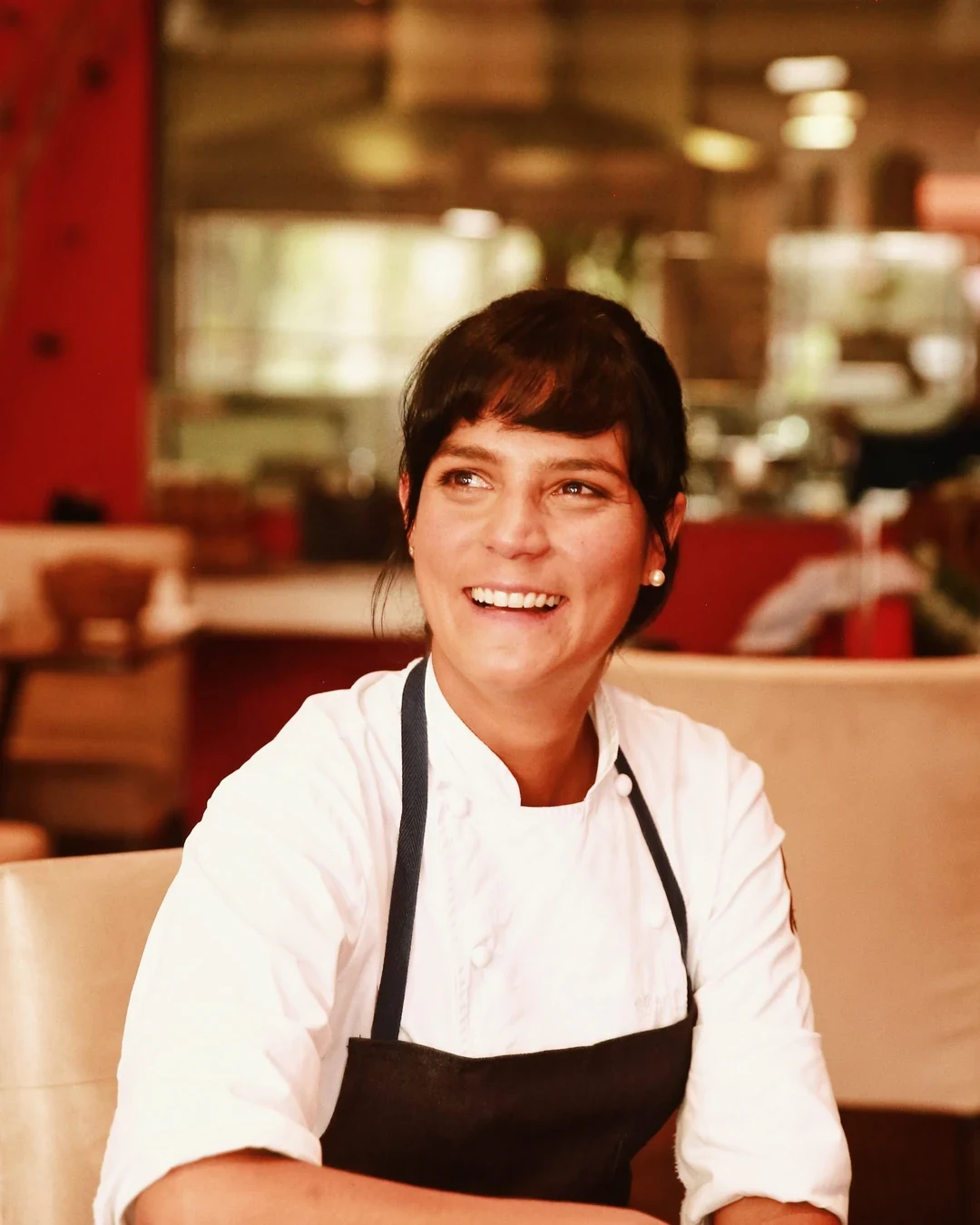
Chef Hassan Mezal's name appears on the MENA 50 Best recognition, which is the clearest public signal of his standing in the regional kitchen community. In the context of the restaurant's editorial argument, what matters more than biographical detail is the orientation his kitchen takes: toward traditional Jordanian and Levantine technique rather than fusion or reinterpretation. The menu does not borrow from European fine dining structure to legitimise itself. It uses the region's own sequencing logic as its operating framework, which requires a different and more demanding kind of discipline than applying French mise en place to non-European ingredients. Restaurants that have done comparable work in other traditions, including Atomix in New York with Korean cuisine or Aponiente in Spain with Andalusian marine ingredients, demonstrate that working deeply within a single culinary tradition rather than across several is one of the more demanding paths to sustained critical recognition.
Frequently Asked Questions
What is Sufra known for?
Sufra holds the #20 position in the 2025 MENA's 50 Best Restaurants list and is recognised as one of Amman's most serious exponents of traditional Jordanian and Levantine cuisine. Under chef Hassan Mezal, the kitchen is known for executing the full arc of a Levantine meal in sequence, from cold mezze through hot preparations to grills and slow-cooked mains, with a consistency that distinguishes it from more informal expressions of the same tradition across the city.
What do regulars order at Sufra?
The menu's structure is its own answer to this question: regulars typically move through the full mezze sequence rather than ordering selectively. The cold mezze section is where the kitchen's precision is most legible, and skipping it in favour of going directly to grills misses the meal's designed logic. Given the cuisine and the format, ordering for the table rather than individually is the appropriate approach.
How hard is it to get a table at Sufra?
Tables are available across the week, but the restaurant's physical dimensions, set within an older residential building on Rainbow Street, mean capacity is finite. Reservations are advisable for groups of four or more. Demand tends to peak on Thursday and Friday evenings, which align with the regional weekend.
Do they accommodate allergies at Sufra?
The kitchen works heavily with wheat (bread is integral to the format), legumes, and dairy, which are foundational to Levantine cooking. Anyone with specific dietary requirements should contact the restaurant directly before visiting. The restaurant is physically located at Rainbow Street 26, Amman.
Questions
Frequently asked
What recognition does Sufra hold?
Sufra holds a place on a 50 Best list.
Who works at Sufra?
Made By profiles Hassan Mezal (Chef) at Sufra.
How expensive is Sufra?
Sufra is listed at a price level of $$.
Where is Sufra and what does it serve?
Sufra is in Jabal Amman, Amman, serving Traditional Jordanian.
The field
How it compares
| Place | Awards | Cuisine | Notes |
|---|---|---|---|
| Sufra | 50 Best | Traditional Jordanian | Jabal Amman, $$ |
| Alkimia | Michelin 1 Star | Modern Catalan Fine Dining | Barcelona |
| Dara Dining by Sara Aqel | 50 Best | Mediterranean with Italian Focus | Amman |
| Saison | Michelin 2 Stars, 50 Best | Modern Fire-Forward Fine Dining | San Francisco |
| Sazenka | Michelin 3 Stars, 50 Best | Modern Chinese Fine Dining | Tokyo |
| Shams El Balad | 50 Best | Modern Levantine | Amman |
| The French Laundry | Michelin 3 Stars, 50 Best | French-Californian Fine Dining | Yountville |
Similar places
Modern Catalan Fine Dining
Alkimia
Barcelona, Spain
★
Mediterranean with Italian Focus
Dara Dining by Sara Aqel
Amman, Jordan
50 Best
Modern Fire-Forward Fine Dining
Saison
San Francisco, United States
★★ · 50 Best
Modern Chinese Fine Dining
Sazenka
Tokyo, Japan
★★★ · 50 Best
Modern Levantine
Shams El Balad
Amman, Jordan
50 Best
French-Californian Fine Dining
The French Laundry
Yountville, United States
★★★ · 50 Best

The Sunday email
Read about the people behind restaurants like Sufra in the Sunday email.
Every Sunday we send a lead story and up to four more about the chefs, winemakers, sommeliers and hoteliers behind the restaurants, bars, wineries and hotels we cover.
Recent stories
Free. One email a week, and you can unsubscribe from any issue.