- Tabelog Silver #128: 4.5pts · 2026
- Black Pearl 2 Diamond · 2026
- La Liste Top Restaurants: 95pts · 2026
- Opinionated About Dining Top Restaurants in Japan Ranked #69 · 2026
- Tabelog 100 #55: 4.4pts · 2025
- Opinionated About Dining Top Restaurants in Japan Ranked #83 · 2025
- La Liste Top Restaurants: 97pts · 2025
- Tabelog Silver · 2025
- Opinionated About Dining Top Restaurants in Japan Ranked #63 · 2024
- Opinionated About Dining Top Restaurants in Japan Ranked #101 · 2023
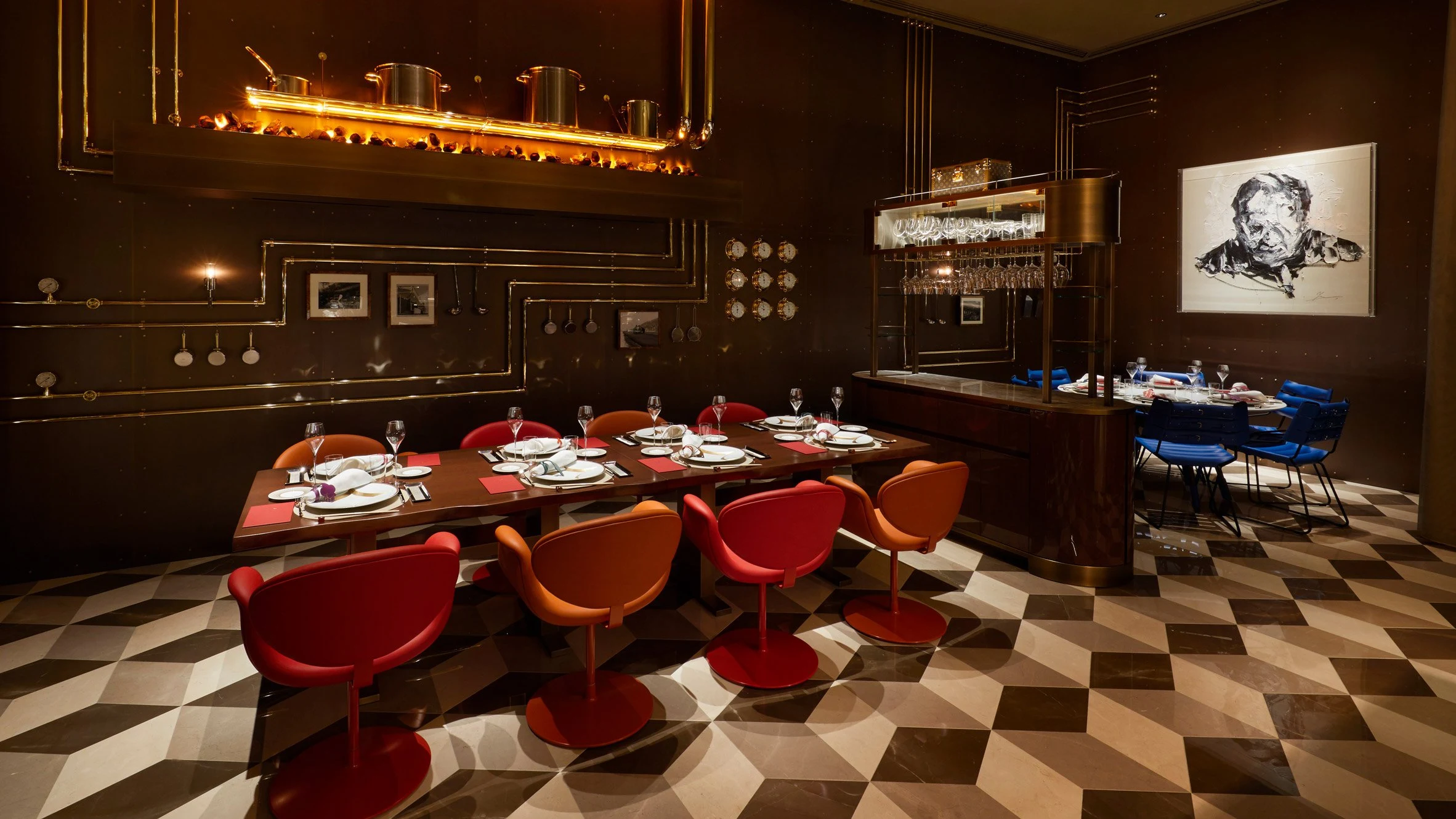
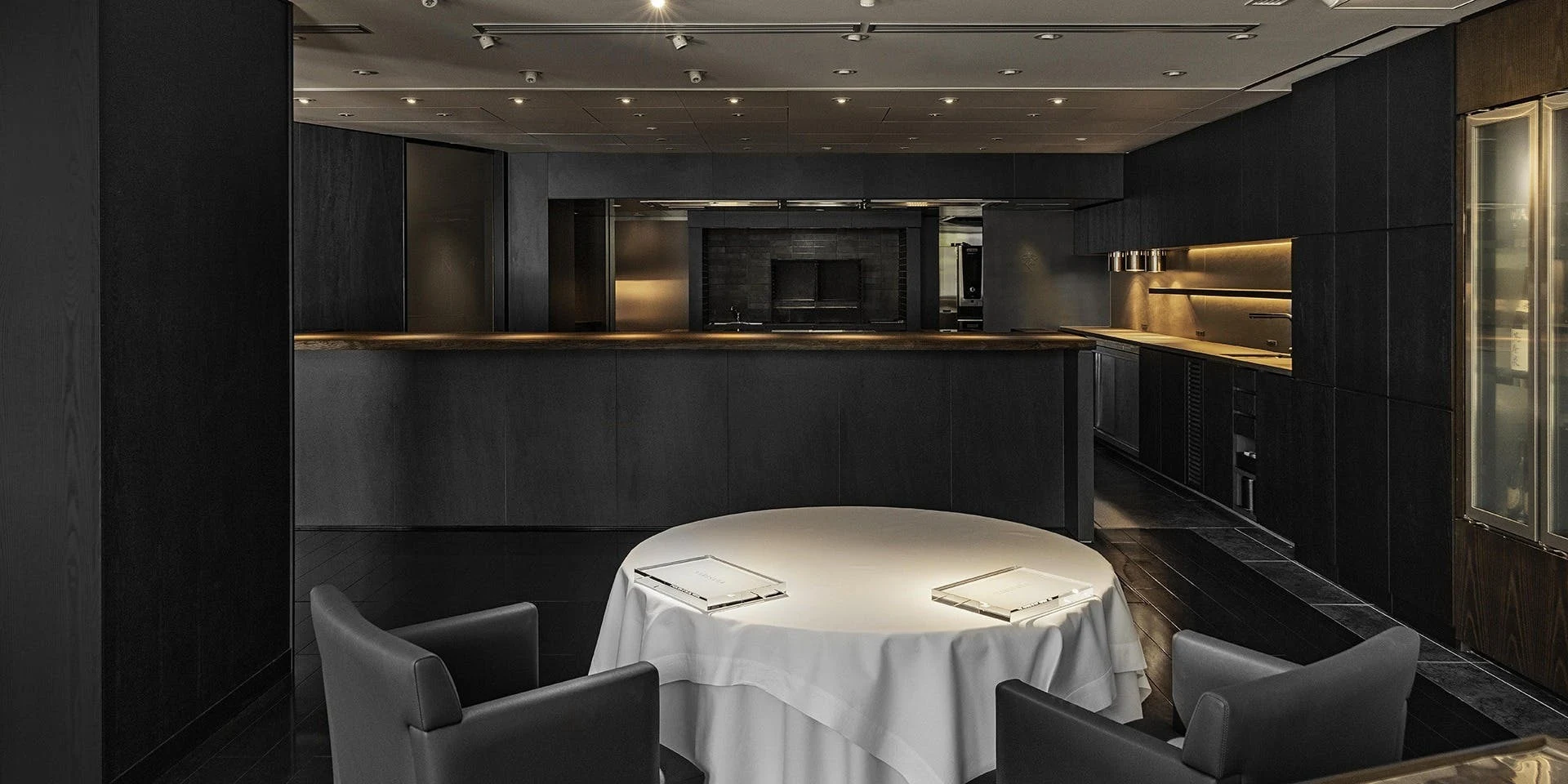
Tokyo gives luxury dining a discreet setting: polished, expensive, and often intentionally low-key. Here, Sugalabo belongs to a narrow Tokyo category where a reservation can carry weight without needing loud signals. Its place in the city matters because Tokyo turns dining into more than a meal: sourcing, sequence, and service expectations become part of the experience, not background logistics.
Tokyo is fluent in high-end technique, yet its strongest contemporary restaurants often read less like foreign models abroad than Japan interpreted through local dining habits and seasonal attention. Sugalabo sits within that conversation as a Tokyo restaurant whose public profile is built around exclusivity and recognition rather than a simple label. That places it in a city mode where luxury is built around control, scarcity, and access.
The Sunday letter
Find new places through the people who run them.
Our Sunday email brings you the chefs, winemakers and hoteliers behind our newest stories. See a sample before you subscribe.
See a sample of the Sunday emailOne email a week. Unsubscribe from any issue.
Tokyo dining filtered through disciplined luxury
The useful way to read this restaurant is through context rather than nationality. Fine dining in Tokyo no longer needs to prove technical legitimacy; the city has decades of exacting restaurant culture and a dining public that understands the difference between spectacle and restraint. The sharper question is how a restaurant holds attention in a market where standards are already severe. At Sugalabo, the public signals point to that harder task: a serious Tokyo dining room shaped by the rhythm of the city.
Sugalabo gives the project authorship, but the broader story is Tokyo’s appetite for restaurants between categories. This is not simply the tradition of more approachable rooms, nor the formal hotel-dining model with inherited rituals. It sits in the capital’s creative luxury conversation, where a meal is understood through pacing, expectation, and access. Within Tokyo’s fine-dining field, that separates it from comparison points such as Florilège, UNE PINCÉE, Edition Koji Shimomura, Unis, and Restaurant Ararat, each occupying a different register of dining in the city.
Recognition supports that placement. Sugalabo is listed among Black Restaurant Guide 2026 two-diamond restaurants. That kind of signal places Sugalabo in a serious international conversation while keeping its identity rooted in Tokyo’s dining culture.
The reservation as a Tokyo luxury format
Tokyo luxury dining is often discussed through precision and access, but the format has moved across high-end restaurants because it solves a familiar problem: making a high-cost meal feel controlled rather than merely ceremonial. A carefully managed room gives the restaurant fewer places to hide and guests a clearer sense of rhythm, attention, and timing. Sugalabo’s profile points to a restaurant understood through both performance and privacy, a common tension in Tokyo’s upper tier.
The reservation mystique is part economics, part culture. In Tokyo, scarcity can come from limited access, regular-client habits, or a restaurant’s wish to manage expectations before arrival. For travelers, the lesson is practical: this is not a casual add-on to a Tokyo itinerary. It rewards planning through hotel concierges, local relationships, or repeat-diner networks, and belongs with other high-demand dining rooms rather than standard restaurant bookings.
Cost also shapes the read. Sugalabo belongs in Tokyo’s serious destination conversation, where diners compare not only food but access, pacing, beverage depth, and sourcing credibility. In that tier, novelty does not last. The restaurant’s Black two-diamond recognition suggests continuing relevance in a city quick to abandon expensive rooms that lose focus.
Where it fits in a Tokyo dining itinerary
For a visitor building a Tokyo dining week, Sugalabo makes sense when the aim is to understand how the city frames luxury, access, and restaurant recognition. It should not be treated as a single box to tick. The better comparison is across formats: sushi for fish discipline, tempura for immediacy, kappo for seasonality, and creative dining for how Japanese product can be reframed without losing origin. That is where the restaurant’s value sits.
Readers mapping the broader city can use Our full Tokyo restaurants guide for dining context, then branch into other Tokyo dining rooms, including peers such as Florilège, UNE PINCÉE, Edition Koji Shimomura, Unis, and Restaurant Ararat. The surrounding plan matters too: Tokyo hotel, bar, wine, and experience guides help place dinner inside the city rather than treating it as an isolated trophy reservation.
Japan’s dining range is larger than Tokyo’s luxury circuit, and the contrast is useful. A high-demand restaurant in Tokyo sits far from regional dining elsewhere in Japan, from relaxed cafés and casual cross-cultural rooms to specialist counters and destination restaurants in other cities. Internationally, it also reads differently from fine dining outside Japan, where local product and dining culture create another set of expectations.
The verdict is direct: Sugalabo is for diners who care about Tokyo’s high-end restaurant culture as much as technique. Its Black two-diamond recognition, Tokyo setting, and access-driven profile make it a serious read on how contemporary Tokyo turns scarcity and precision into luxury dining.
Questions
Frequently asked
Who works at Sugalabo?
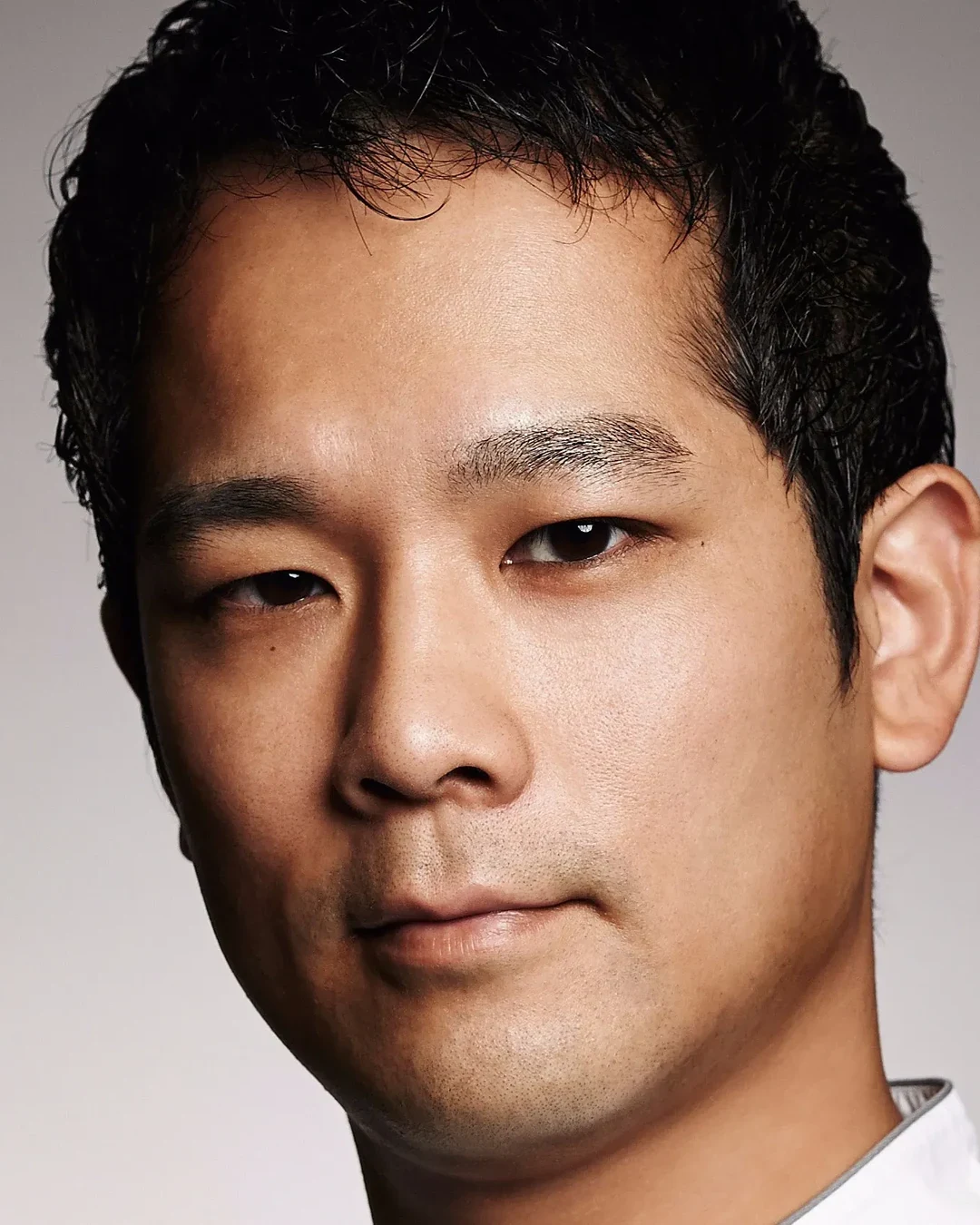
Made By profiles Yosuke Suga (Chef) at Sugalabo.
How expensive is Sugalabo?
Sugalabo is listed at a price level of $$$$.
Where is Sugalabo and what does it serve?
Sugalabo is in Minato, Tokyo, serving Avant-Garde French-Japanese Fusion.
The field
How it compares
| Place | Cuisine | Notes | Awards |
|---|---|---|---|
| Sugalabo | Avant-Garde French-Japanese Fusion | Minato, $$$$ | · |
| Den | Modern Japanese Kaiseki | Tokyo | Michelin 2 Stars, World's 50 Best |
| Florilège | Modern French-Japanese Plant-Based Fine Dining | Tokyo | Michelin 2 Stars, World's 50 Best |
| Narisawa | Modern Japanese Satoyama Fine Dining | Tokyo | Michelin 2 Stars, World's 50 Best |
| Quintessence | Modern French Fine Dining | Tokyo | Michelin 3 Stars |
| Sazenka | Modern Chinese Fine Dining | Tokyo | Michelin 3 Stars, World's 50 Best |
| Sézanne | Modern French Fine Dining | Tokyo | Michelin 3 Stars, World's 50 Best |
In residence
Similar places
Modern Japanese Kaiseki
Den
Tokyo, Japan
★★ · 50 Best
Modern French-Japanese Plant-Based Fine Dining
Florilège
Tokyo, Japan
★★ · 50 Best
Modern Japanese Satoyama Fine Dining
Narisawa
Tokyo, Japan
★★ · 50 Best
Modern French Fine Dining
Quintessence
Tokyo, Japan
★★★
Modern Chinese Fine Dining
Sazenka
Tokyo, Japan
★★★ · 50 Best
Modern French Fine Dining
Sézanne
Tokyo, Japan
★★★ · 50 Best
The Sunday letter
Get the next Made By story in your inbox.
We send one email every Sunday morning with the places and people we covered that week.
See a sample of the Sunday emailOne email a week. Unsubscribe from any issue.