From the people index
Recommended by
3 trusted voices point here.
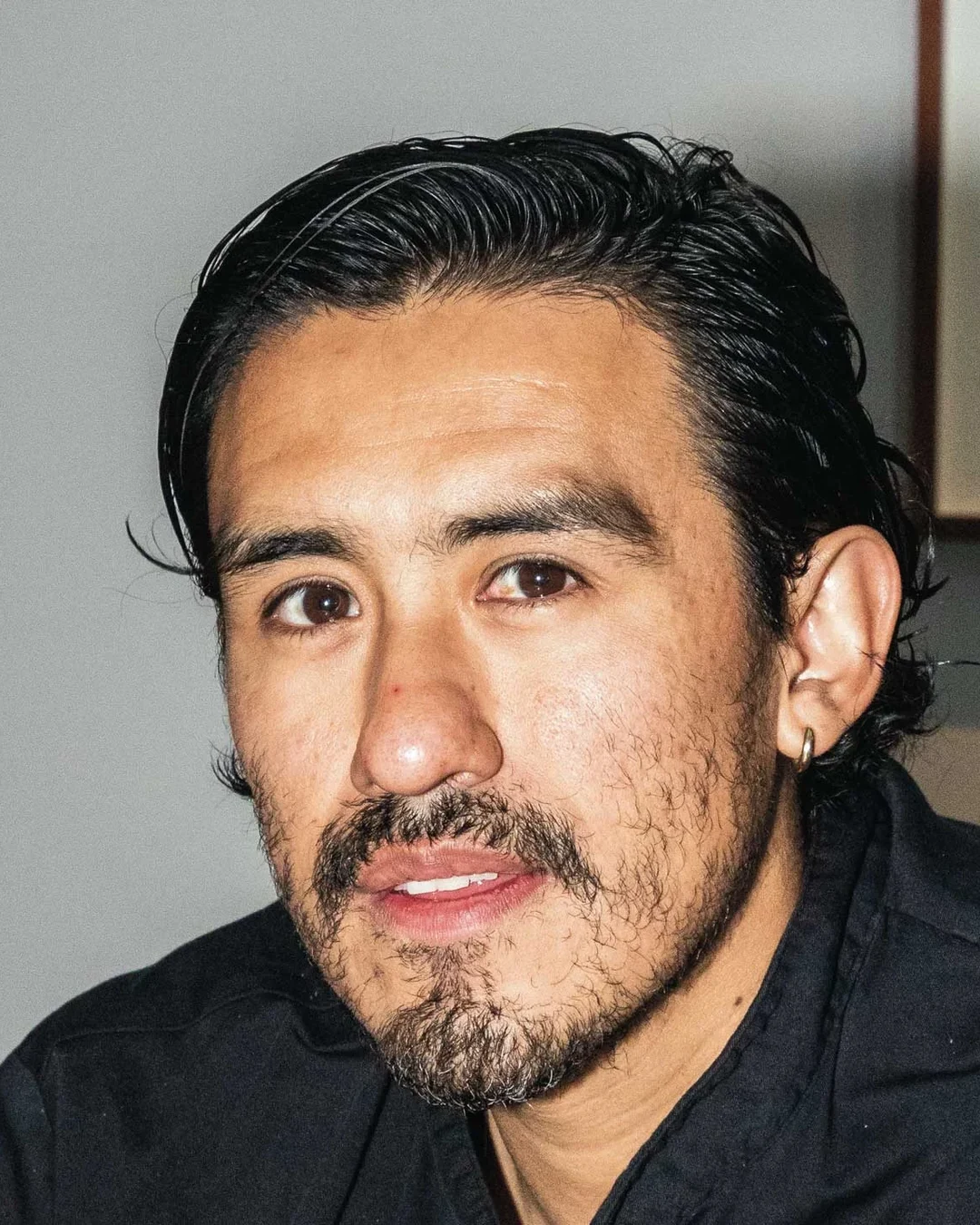
Edomae at a nine-seat counter
- Michelin Bib Gourmand · Michelin Guide
- Michelin Bib Gourmand · 2026
- Opinionated About Dining Top Restaurants in Japan Ranked #4 · 2026
- La Liste Top Restaurants: 98pts · 2026
- Tabelog Chef's Gold #12: 4.7pts · 2026
- Opinionated About Dining Top Restaurants in Japan Ranked #10 · 2025
- World's Best Steaks 101 Best Steak Restaurants #98 · 2025
- La Liste Top Restaurants: 97.5pts · 2025
- Tabelog 100 #22: 4.6pts · 2025
- Michelin Bib Gourmand · 2024
- Opinionated About Dining Top Restaurants in Japan Ranked #9 · 2024
- Opinionated About Dining Top Restaurants in Japan Ranked #9 · 2023
Twelve years before the counter
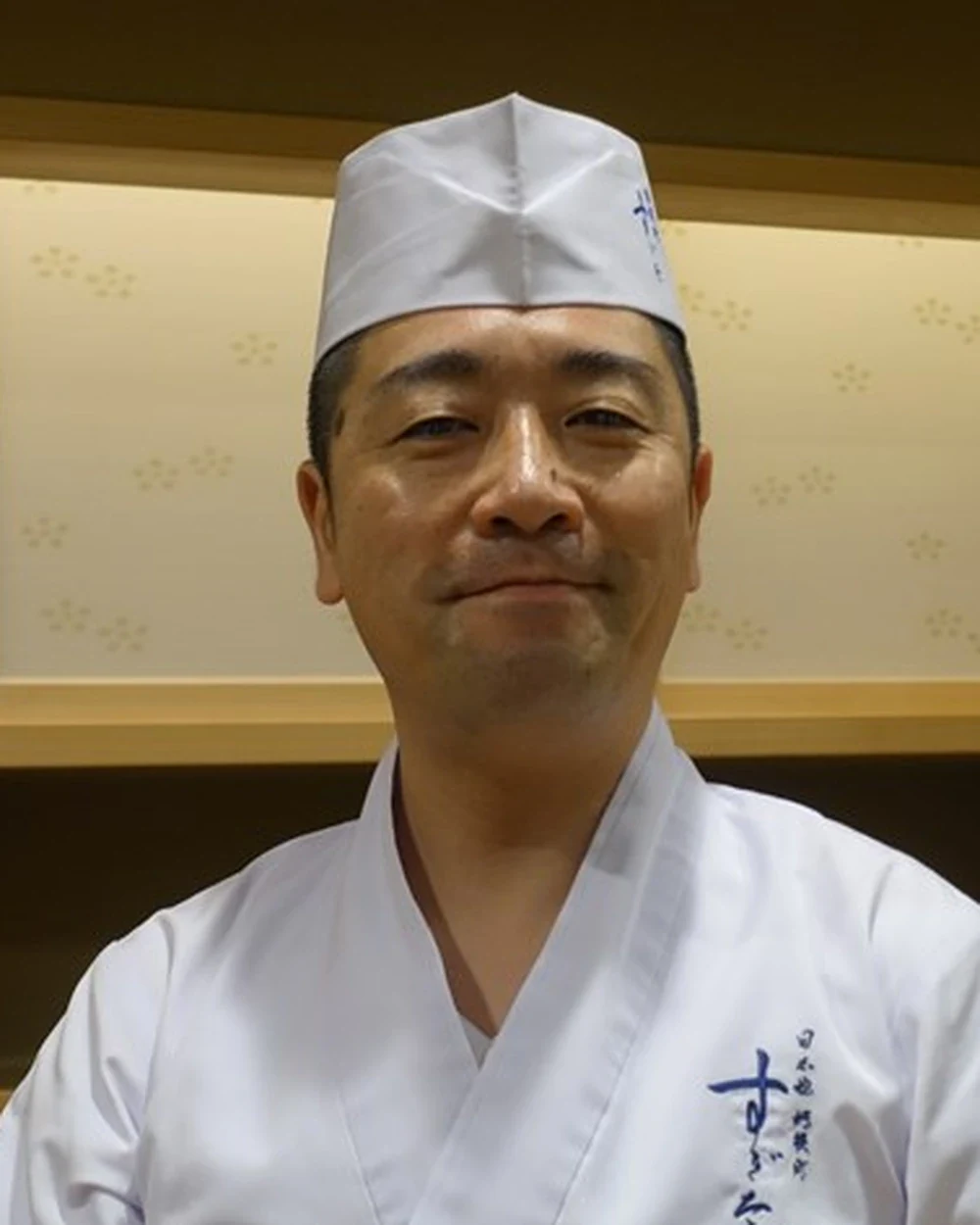
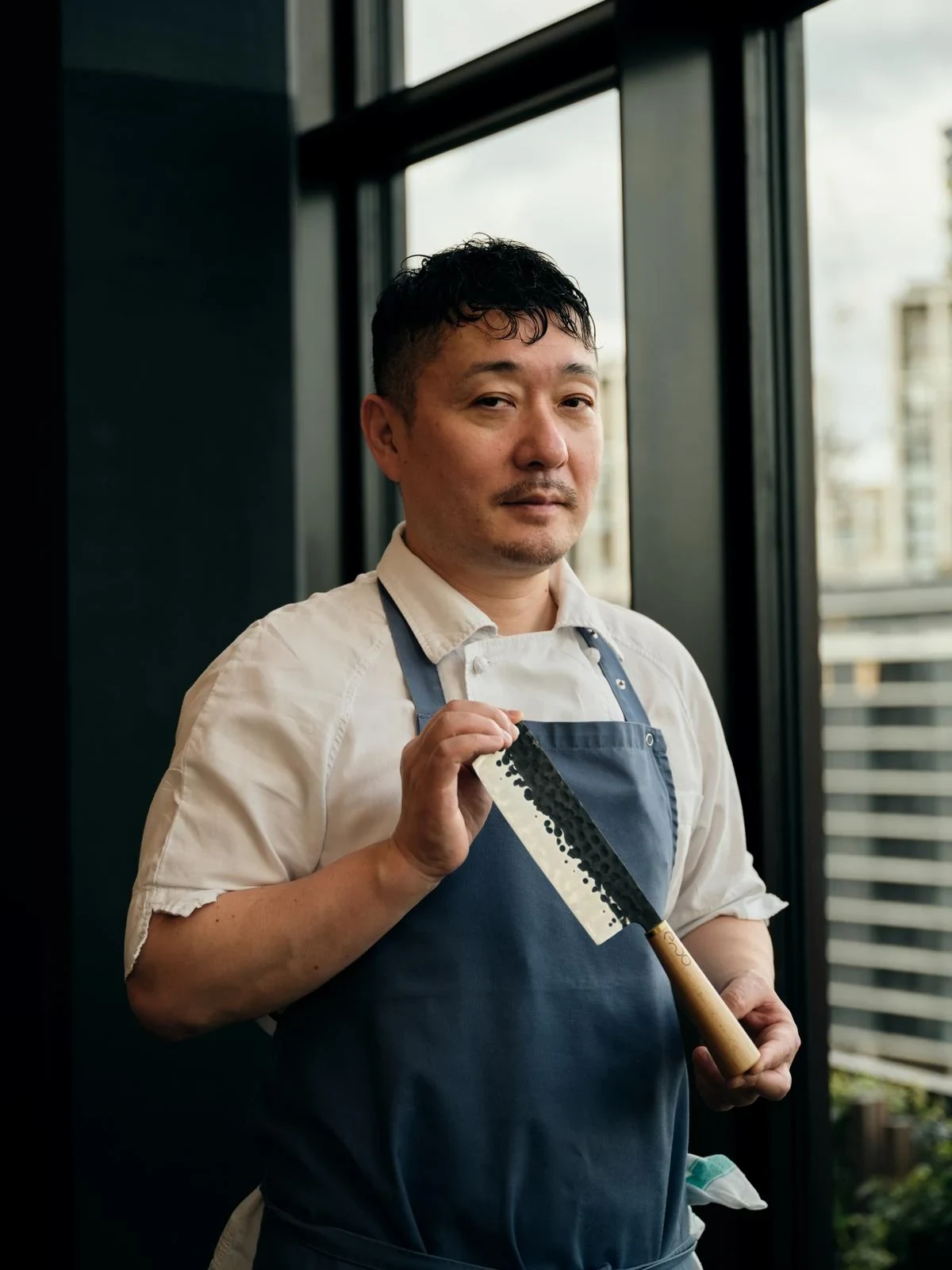
The sardine is sliced, layered, and brought back to balance with ginger and chive. Takaaki Sugita, Chef and Owner at Sugita in Tokyo, works that gesture from behind the counter, where the fish, the shari, and the guest meet at the same temperature. His apprenticeship began after high school at Nihonbashi’s Miyakozushi and lasted 12 years, the kind of time that leaves a method in the hands before it becomes a style. Born in 1973 in Chiba Prefecture, he took over a branch at age 30 as Nihonbashi Tachibanacho Miyakozushi in 2003, then rebuilt the house in 2015 as Nihonbashi Kakigaracho Sugita in Tokyo’s Chuo-ku.
The lineage here is not presented as nostalgia. Sugita keeps it at the bench. The work is traditional Edomae sushi, with preservation, seasoning, temperature, and pressure used as tools rather than ornament. A Michelin star came to Nihonbashi Kakigaracho Sugita in 2017, but the more durable record is the daily discipline of a nine-seat counter, where Sugita serves each piece himself and the meal moves by his hands.
The Sunday letter
Find new places through the people who run them.
Our Sunday email brings you the chefs, winemakers and hoteliers behind our newest stories. See a sample before you subscribe.
See a sample of the Sunday emailOne email a week. Unsubscribe from any issue.
Balance cut into the fish
The omakase begins with tsumami before the nigiri sequence, and the architecture matters because Sugita uses the early plates to tune the room. Monkfish liver, sweet scallop, grilled fish, and other seasonal preparations set the palate before the rice becomes the measure. The house is known for sardine and chive maki, monkfish liver, and conger eel; each depends less on rarity than on the way a familiar ingredient is handled.
For fatty iwashi, Sugita does not let the oil carry the bite by itself. He cuts and layers the sardine, brings in ginger-chive paste, and sets it against vinegared rice so the piece lands as one unit. Gizzard shad relies on salting and aging. Anago closes with a choice of shio or nitsume, salt or sauce, a small decision that changes the finish without changing the grammar of the meal. Sake sits close to the food, especially with monkfish liver and salmon roe, and Sugita checks the pace before the room turns fully to nigiri.
Nine seats in Yoshino hinoki
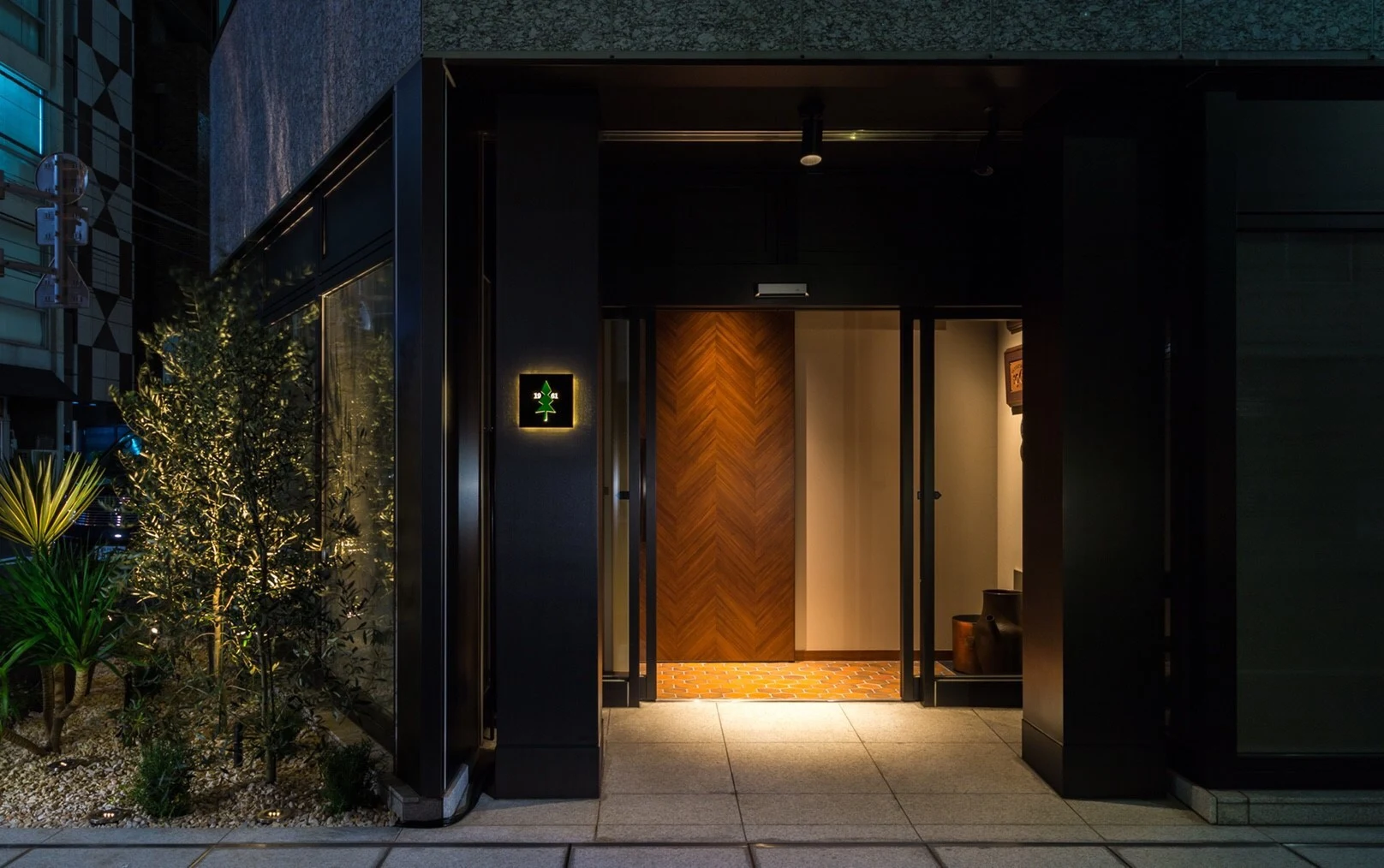
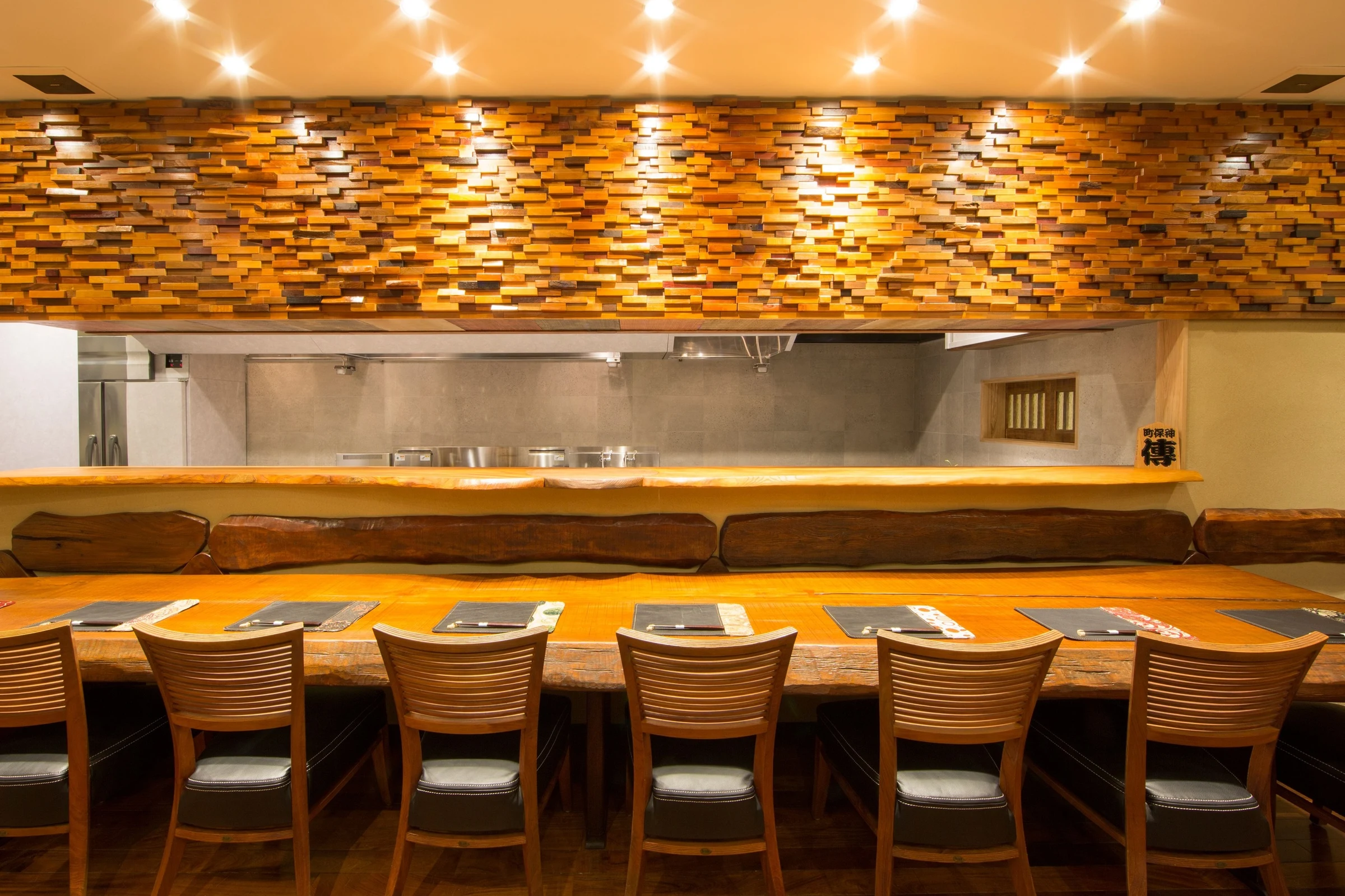
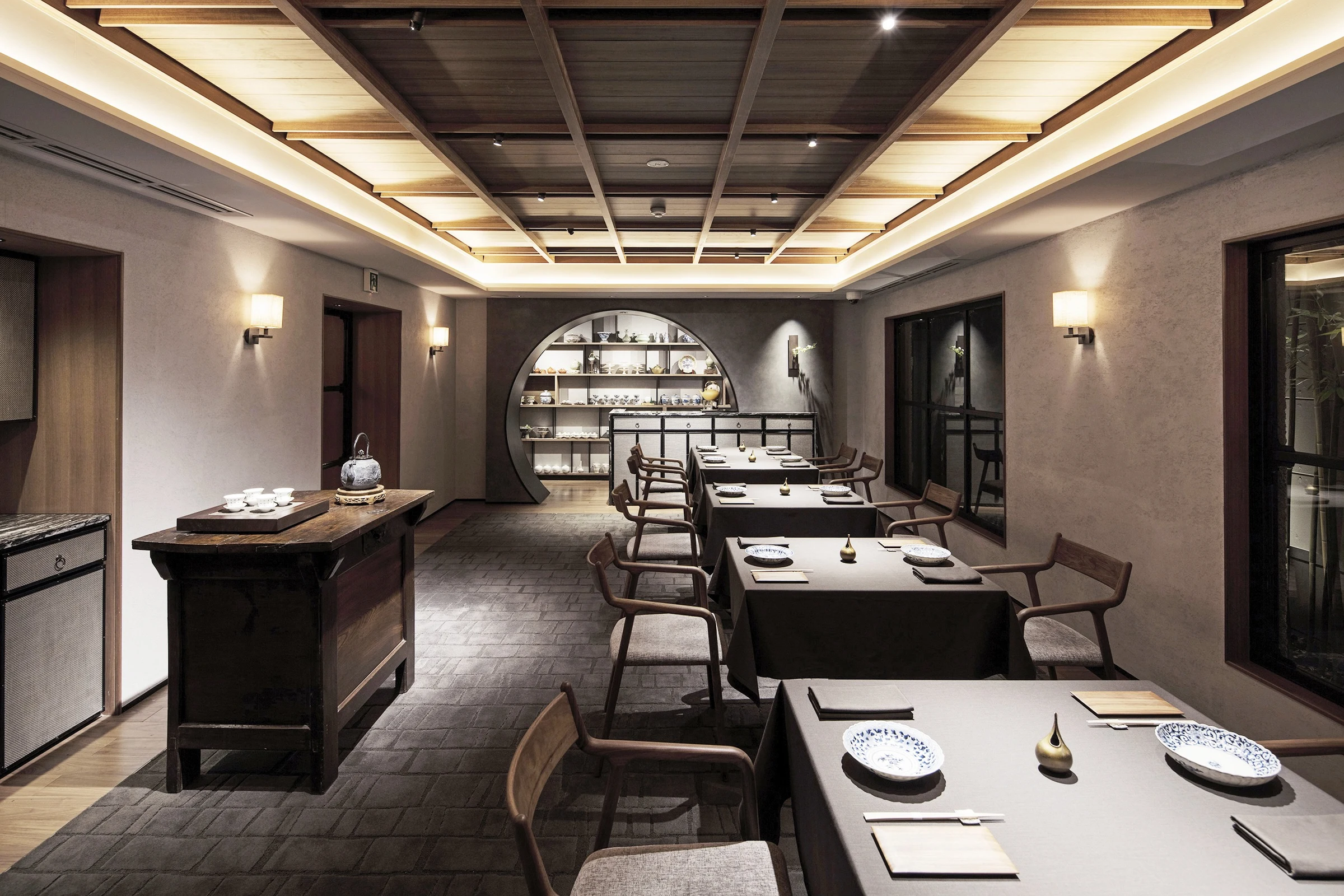
The room gives almost nothing away that the counter does not need. Nine seats face a gently curving run of Yoshino hinoki, with white linen, few ceramics, and a quiet that sharpens small sounds: the wetting of the hands, the movement of a blade, the setting down of a piece before it warms past its moment. The address is in Nihonbashi Kakigaracho, on a basement floor, yet the feeling is not hidden so much as narrowed. The pass is the room.
Guests sit close enough to watch Sugita’s rhythm without turning the meal into performance. The atmosphere can feel tense, then suddenly warm when he speaks across the counter in his deep, storyteller’s voice. That tension is part of the craft. Takaaki Sugita keeps attention on the rice, the fish, the timing, and the conger eel.
Questions
Frequently asked
Who is behind Sugita?
Takaaki Sugita is the chef and owner. He apprenticed after high school at Nihonbashi’s Miyakozushi for 12 years, was born in 1973 in Chiba Prefecture, and took over a branch at age 30 before rebuilding the house in 2015 as Nihonbashi Kakigaracho Sugita in Tokyo’s Chuo-ku.
What kind of restaurant is it?
Sugita is a nine-seat counter restaurant serving traditional Edomae sushi omakase. The meal begins with tsumami before moving into nigiri, and Sugita serves each piece himself.
What is it known for?
The house is known for sardine and chive maki, monkfish liver, and conger eel. The cooking is built around preservation, seasoning, temperature, and pressure rather than ornament.
Does Sugita have any recognition?
A Michelin star came to Nihonbashi Kakigaracho Sugita in 2017. The venue data also lists a Michelin Bib Gourmand.
How do bookings work?
Reservations are essential, and the booking platform is omakase. The dress code is smart casual.
The field
How it compares
| Place | Cuisine | Notes | Awards |
|---|---|---|---|
| Sugita | Edomae Sushi Omakase | Minato, $$$$ | · |
| Den | Modern Japanese Kaiseki | Tokyo | Michelin 2 Stars, World's 50 Best |
| Florilège | Modern French-Japanese Plant-Based Fine Dining | Tokyo | Michelin 2 Stars, World's 50 Best |
| Narisawa | Modern Japanese Satoyama Fine Dining | Tokyo | Michelin 2 Stars, World's 50 Best |
| Quintessence | Modern French Fine Dining | Tokyo | Michelin 3 Stars |
| Sazenka | Modern Chinese Fine Dining | Tokyo | Michelin 3 Stars, World's 50 Best |
| Sézanne | Modern French Fine Dining | Tokyo | Michelin 3 Stars, World's 50 Best |
In residence
Similar places
Modern Japanese Kaiseki
Den
Tokyo, Japan
★★ · 50 Best
Modern French-Japanese Plant-Based Fine Dining
Florilège
Tokyo, Japan
★★ · 50 Best
Modern Japanese Satoyama Fine Dining
Narisawa
Tokyo, Japan
★★ · 50 Best
Modern French Fine Dining
Quintessence
Tokyo, Japan
★★★
Modern Chinese Fine Dining
Sazenka
Tokyo, Japan
★★★ · 50 Best
Modern French Fine Dining
Sézanne
Tokyo, Japan
★★★ · 50 Best
The Sunday letter
Get the next Made By story in your inbox.
We send one email every Sunday morning with the places and people we covered that week.
See a sample of the Sunday emailOne email a week. Unsubscribe from any issue.