Made ByRestaurant
Sushi by Scratch
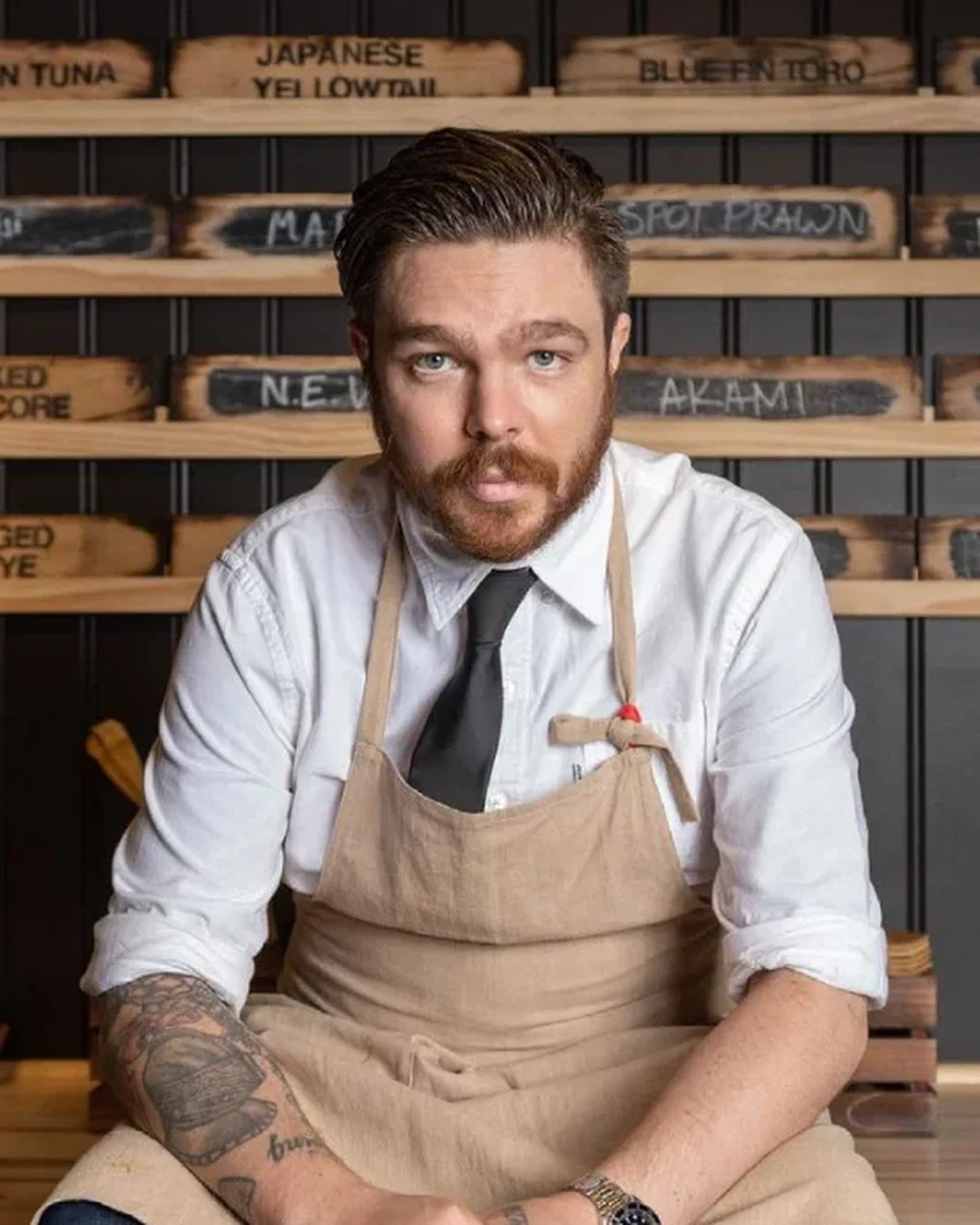
Chef in Residence
Philip Frankland Lee
Chef
- 01CuisineSushi
- 02CitySanta Barbara, United States
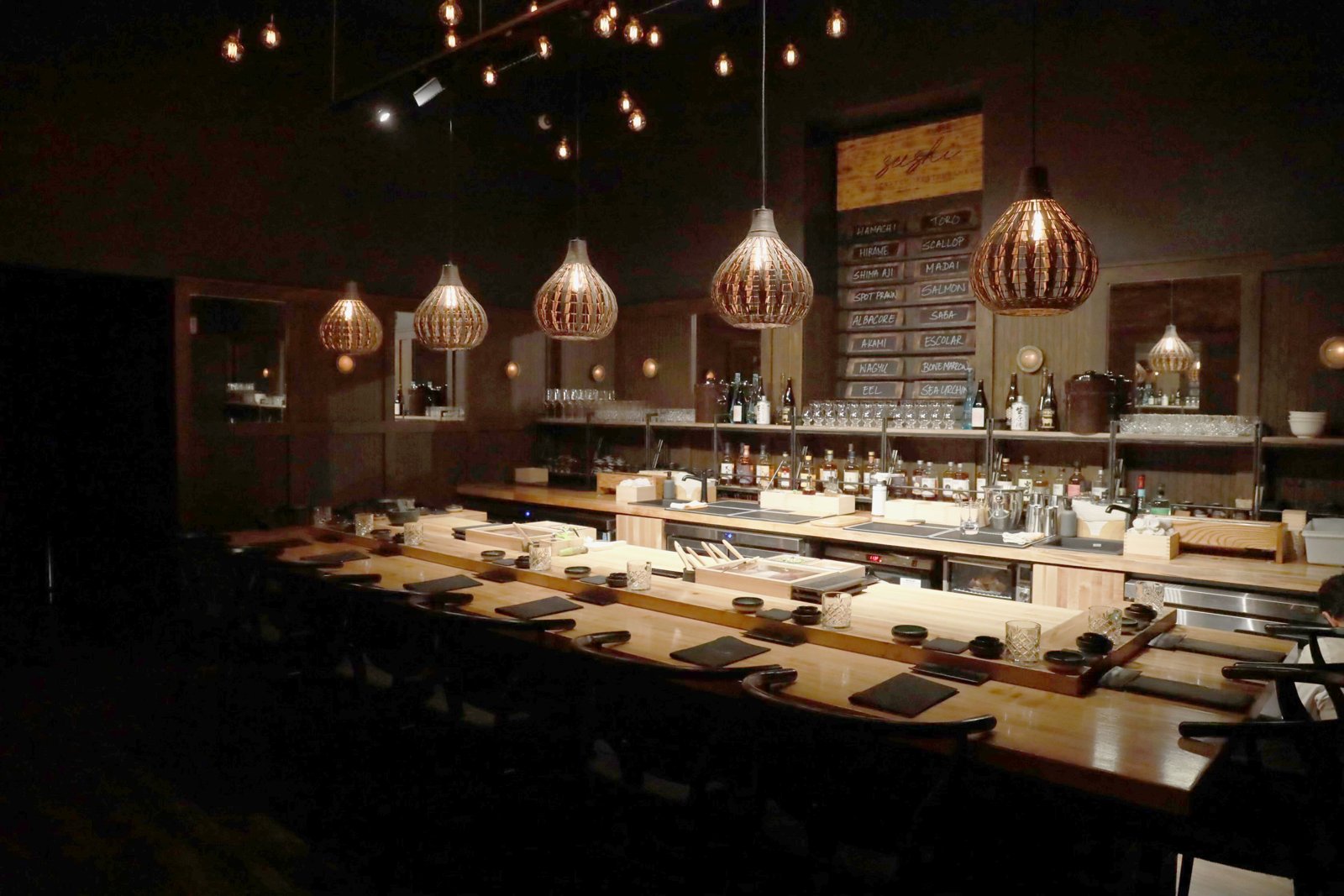
Philip Frankland Lee leads Sushi by Scratch in Santa Barbara through a chef-led omakase sequence, guiding the experience from start to finish.
At a glance
- Cuisine
- Sushi
The sequence as the station
A chef places each piece directly across the counter; Philip Frankland Lee, Chef at Sushi by Scratch in Santa Barbara, builds the meal through order as much as knife work. His role here sits beyond authorship of a menu. He controls pacing, structure, and the way one bite prepares the palate for the next, which makes the pass feel less like a service line than a composed station.
Lee is co-owner of Scratch Restaurants Group and Executive Chef of Sushi by Scratch Restaurants: Montecito. The house works in modern omakase sushi, with the chef-led sequence replacing the à la carte exchange. That form asks for a different discipline. A course cannot simply be good in isolation; it has to hold its place in the run of the meal, leaving enough space for fat, smoke, heat, acidity, and restraint to register without crowding what follows.
His own account of the work is measured in years. “I dedicated the last probably 15 years of my life just to trying to get a Michelin star.” At this counter, that sentence reads less as ambition than repetition: the same small decisions, made again under pressure, until the rhythm of the room can carry them.
A tasting menu held course by course
The format is a 17-course omakase, changing with sourcing and creative direction. Nigiri carries much of the argument, though the house allows contemporary touches into the register: black truffle, salmon roe, mackerel, sake, scallops with ceviche sauces. The craft is in proportion. Smoke has to arrive and leave. Fat needs an edge. Heat must sharpen the fish without taking the room away from it.
Because the chefs serve the pieces directly, timing becomes a visible part of the method. Rice, fish, garnish, and handoff share the same narrow interval. There is little cover at a sushi counter; the guest reads the pressure in the pauses, the angle of a wrist, the way a finished piece reaches the diner before its temperature drifts. Lee’s work at Sushi by Scratch depends on that compression. The sequence does not explain itself. It accumulates.
The counter within arm’s reach
The room is built around proximity. A 10-seat sushi bar puts the work close enough for the counter to become part of the technique, not a frame around it. The scale changes the etiquette of service: fewer bodies, shorter distance, less room for recovery. Each course moves from the hands to the guest with very little ceremony in between.
There is a reception before the counter, with a cocktail and canapé service, but the craft tightens once the sushi begins. The room’s discretion suits the form. Ventura Boulevard sits outside; inside, the measure is smaller, quieter, and more exacting. The back-and-forth is not theatrical in the loud sense. It is the theater of sequence, where the pass, the counter, and the chef’s hands keep the meal in line.
The last register of the meal
Sushi by Scratch closes the savory run with a sweet gesture that still belongs to the house’s method: a Makrut ice cream bonbon made with white sesame shortbread, rice flour, Valrhona white chocolate, and matcha. It is not a separate flourish. It finishes the same argument about timing, temperature, texture, and restraint, held in one Makrut ice cream bonbon.
Address
Encino Place, 16101 Ventura Blvd Suite 242, Santa Barbara, California, United States
In residence
Similar places
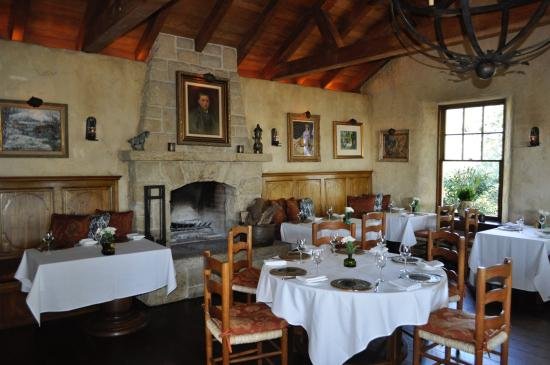
Contemporary American Coastal Californian
The Stonehouse
Santa Barbara, United States
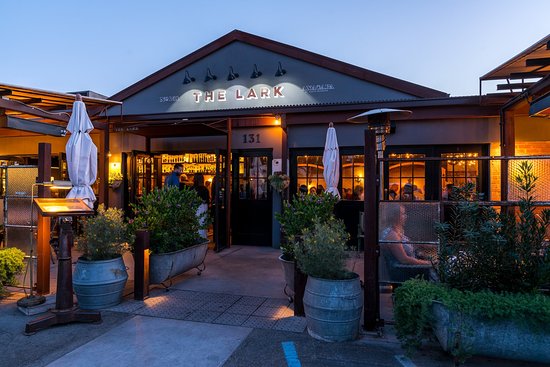
Contemporary California with Mediterranean influences
The Lark
Santa Barbara, United States
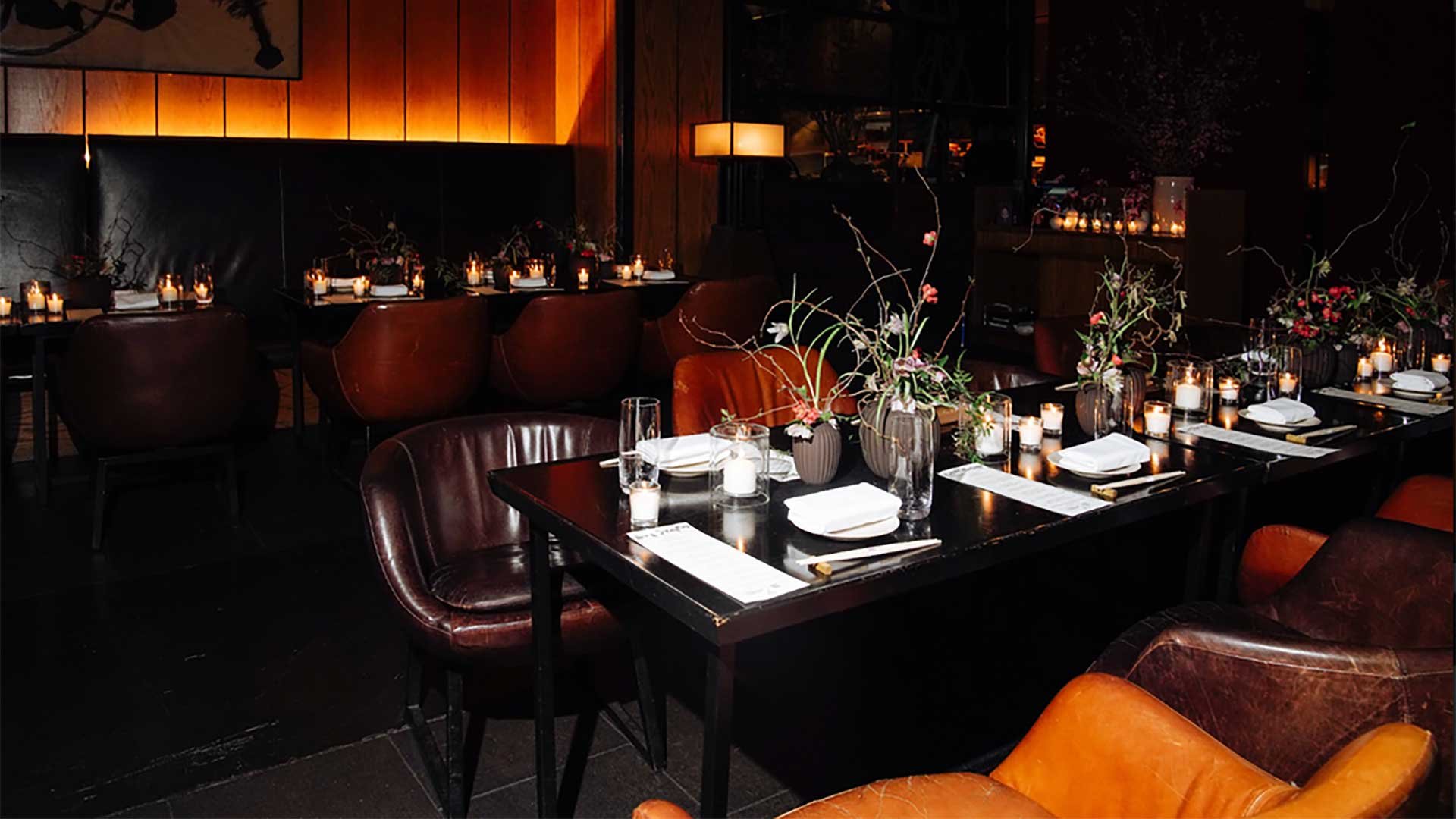
Modern Japanese Omakase
Silvers Omakase
Santa Barbara, United States
★
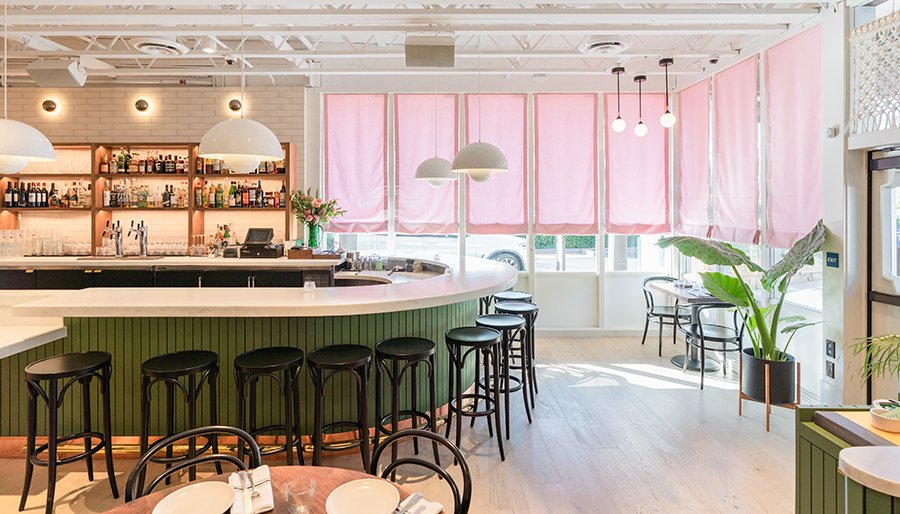
Neapolitan-Style Pizza
Bettina
Santa Barbara, United States
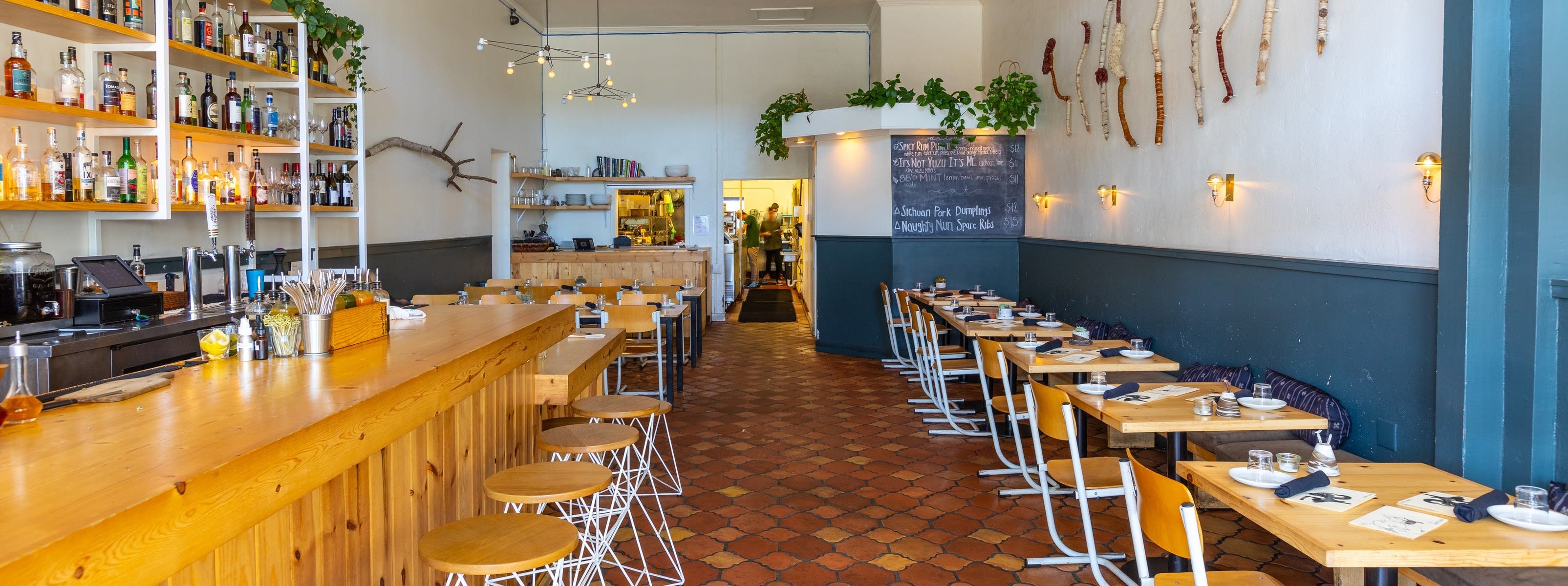
Southeast Asian Fusion
Sama Sama Kitchen
Santa Barbara, United States
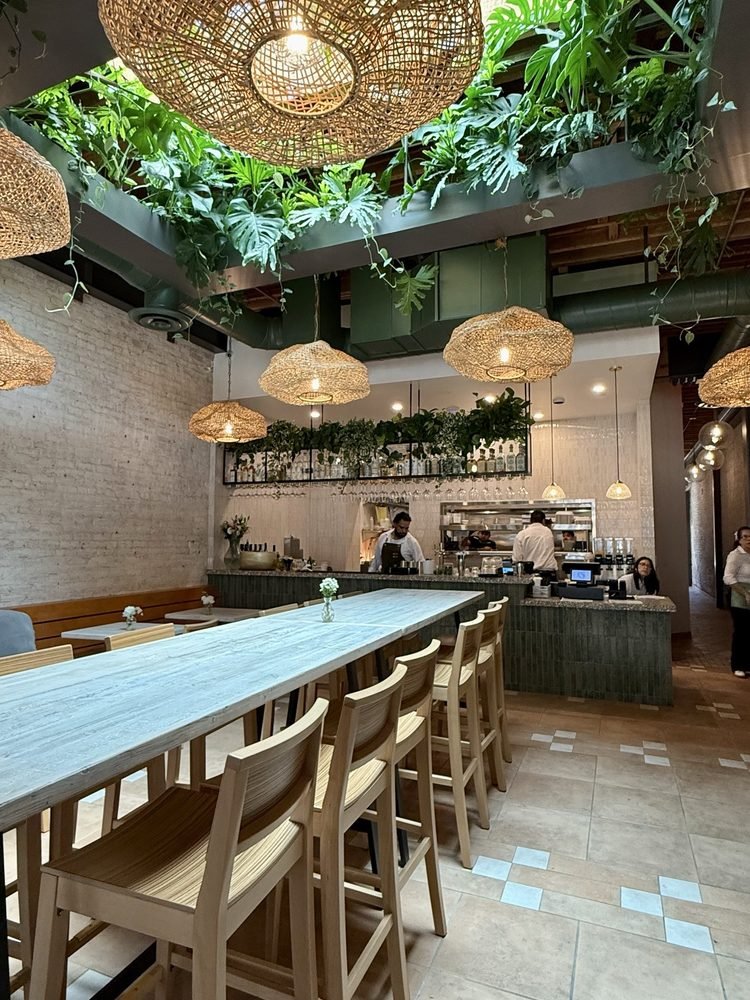
Modern Mexican Street Food
Corazon Cocina
Santa Barbara, United States