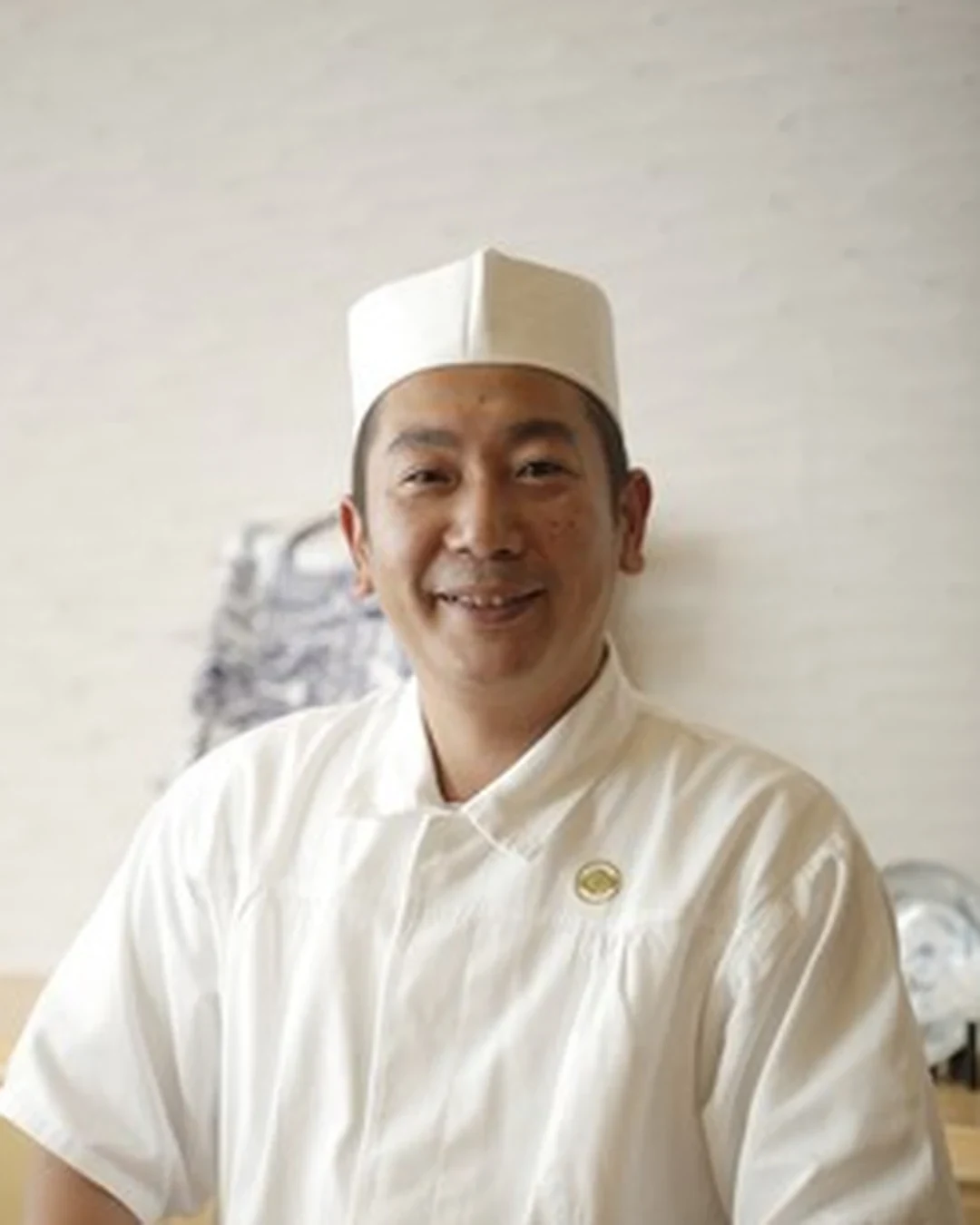
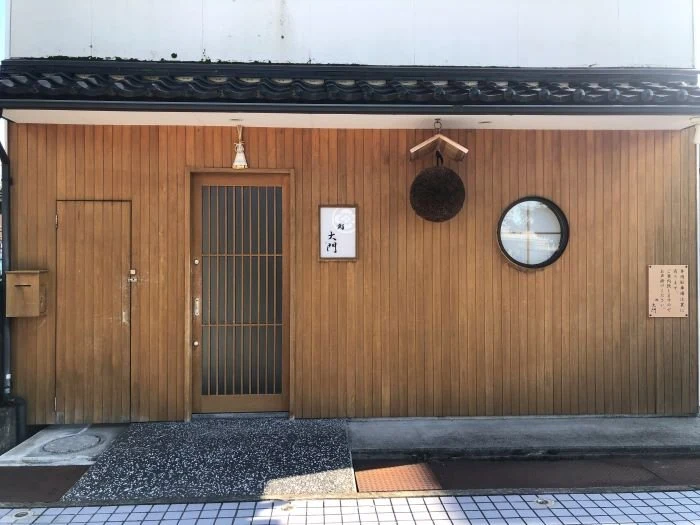
Chef Taro Daimon leads Sushi Daimon in Uozu with Toyama Bay seafood, aged Uozu Koshihikari rice and shari seasoned by three vinegars.
- Opinionated About Dining Top Restaurants in Japan Recommended · 2026
Three vinegars at the counter
Aged Uozu Koshihikari rice meets three vinegars before Taro Daimon, chef at Sushi Daimon in Uozu, sets it against Toyama Bay seafood. The first decision is local before it is decorative: the grain comes from Uozu, the fish from the bay, the seasoning from a narrow discipline of balance. Daimon opened the restaurant in 2012, after a path through successive kitchens rather than one sudden claim to style. He began as a part-time worker at a sushi restaurant, moved through a traditional Japanese restaurant, trained at a long-established sushi restaurant in Otaru, Hokkaido, and continued as a trainee at Sushi Zen in Sapporo. That sequence matters here because the counter does not read as performance. It reads as repetition carried forward. At Sushi Daimon, Daimon has kept the work close to Uozu, using inherited sushi method to make a regional argument with rice, vinegar and seafood rather than flourish.
A shari built from Uozu grain
The restaurant’s program turns on a small set of materials. Aged Uozu Koshihikari gives the shari its point of origin before any fish reaches the hand. Three vinegars season it, not as a flourish, but as the controlling structure of the bite. With Toyama Bay seafood, the rice has to carry enough presence to meet the fish without pulling the piece away from the coast it came from. This is where Daimon’s training shows most clearly. The work is not described through a long list of rare ingredients; it is measured by how consistently the same elements stay in proportion. The rice, the vinegar and the seafood return piece by piece, each one asking for the same discipline in a slightly different register. Michelin-star recognition for two consecutive years belongs to Sushi Daimon, but the accolade sits after the method, not before it.
The room holds the pace
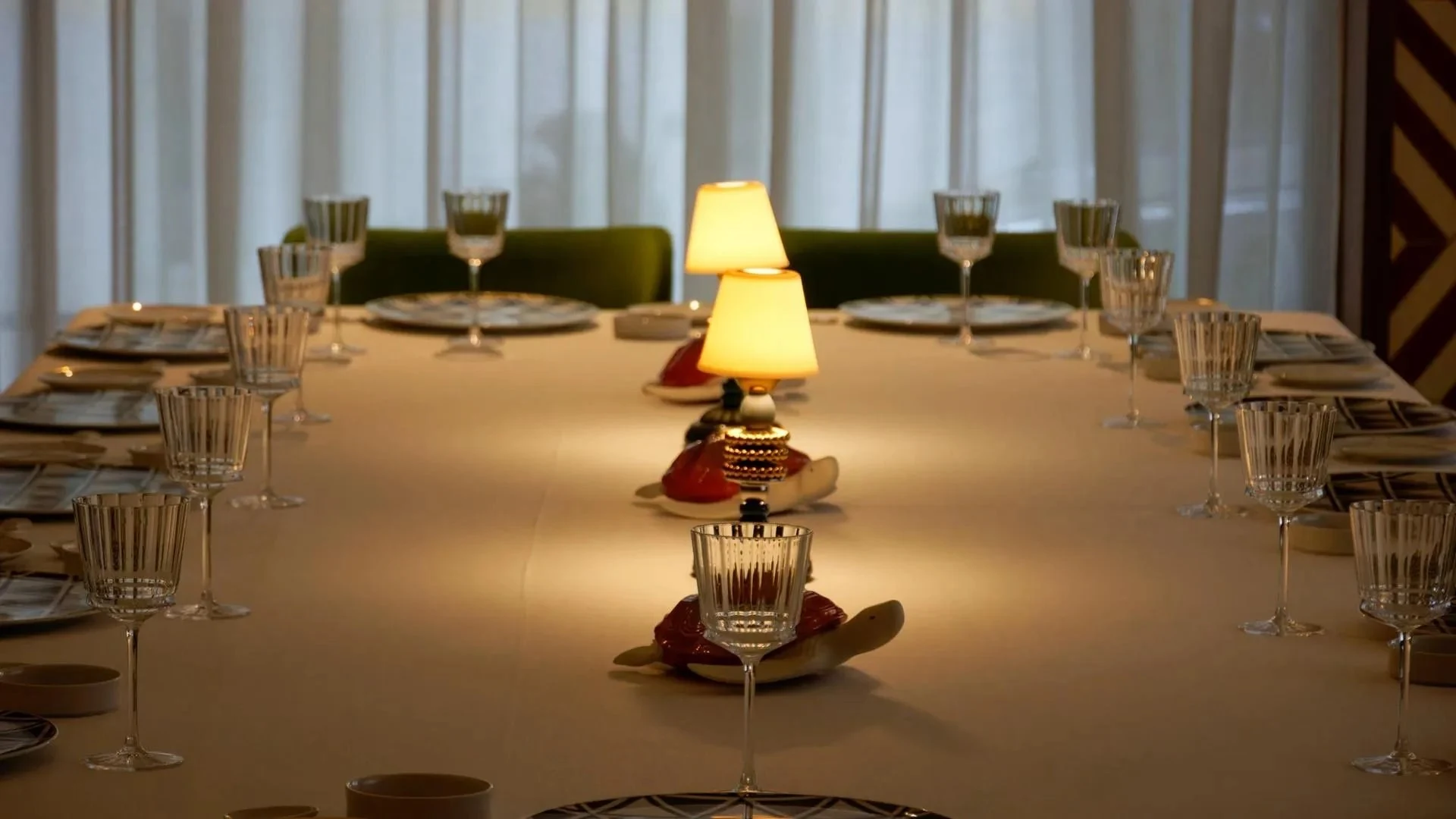
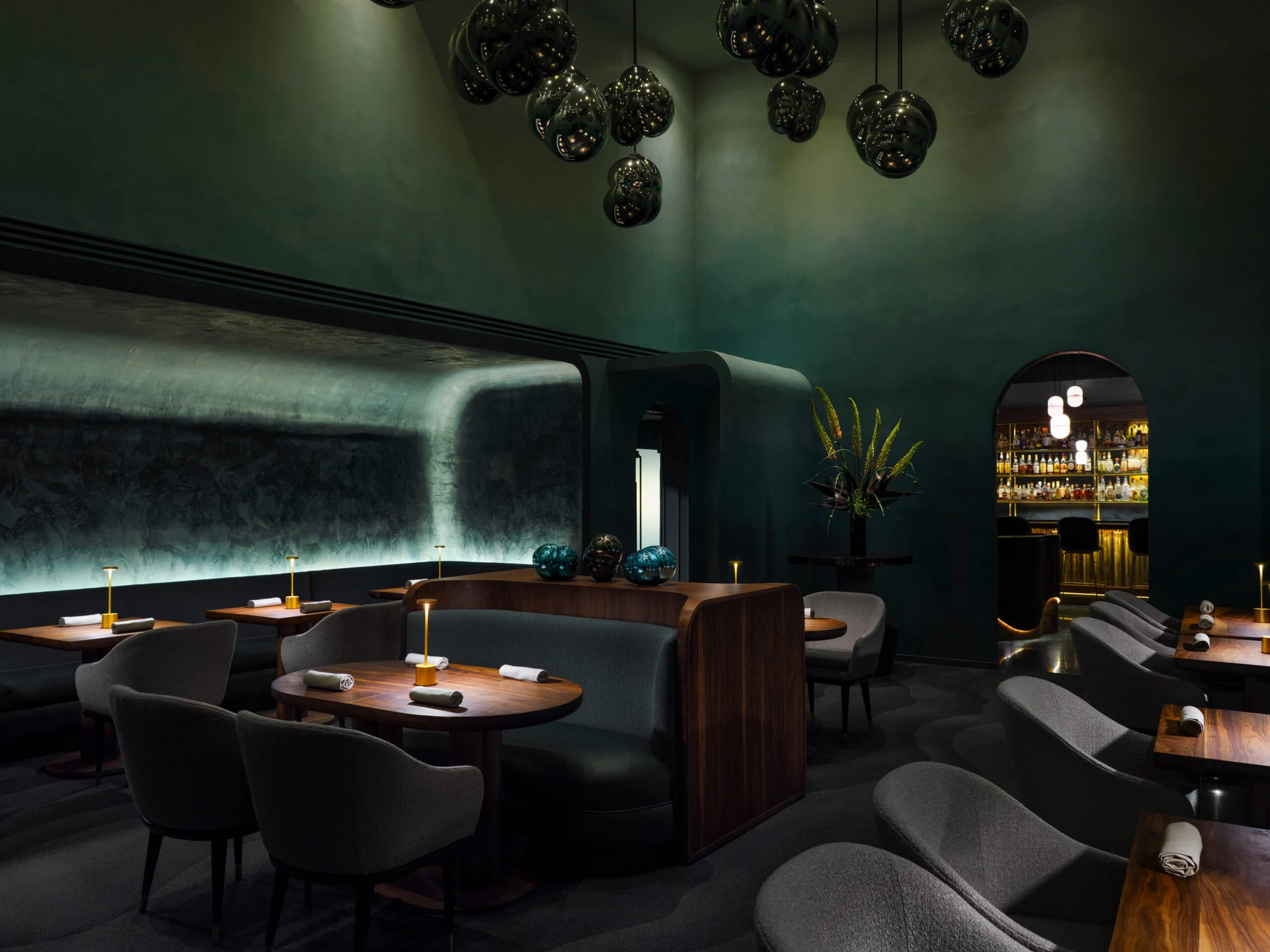
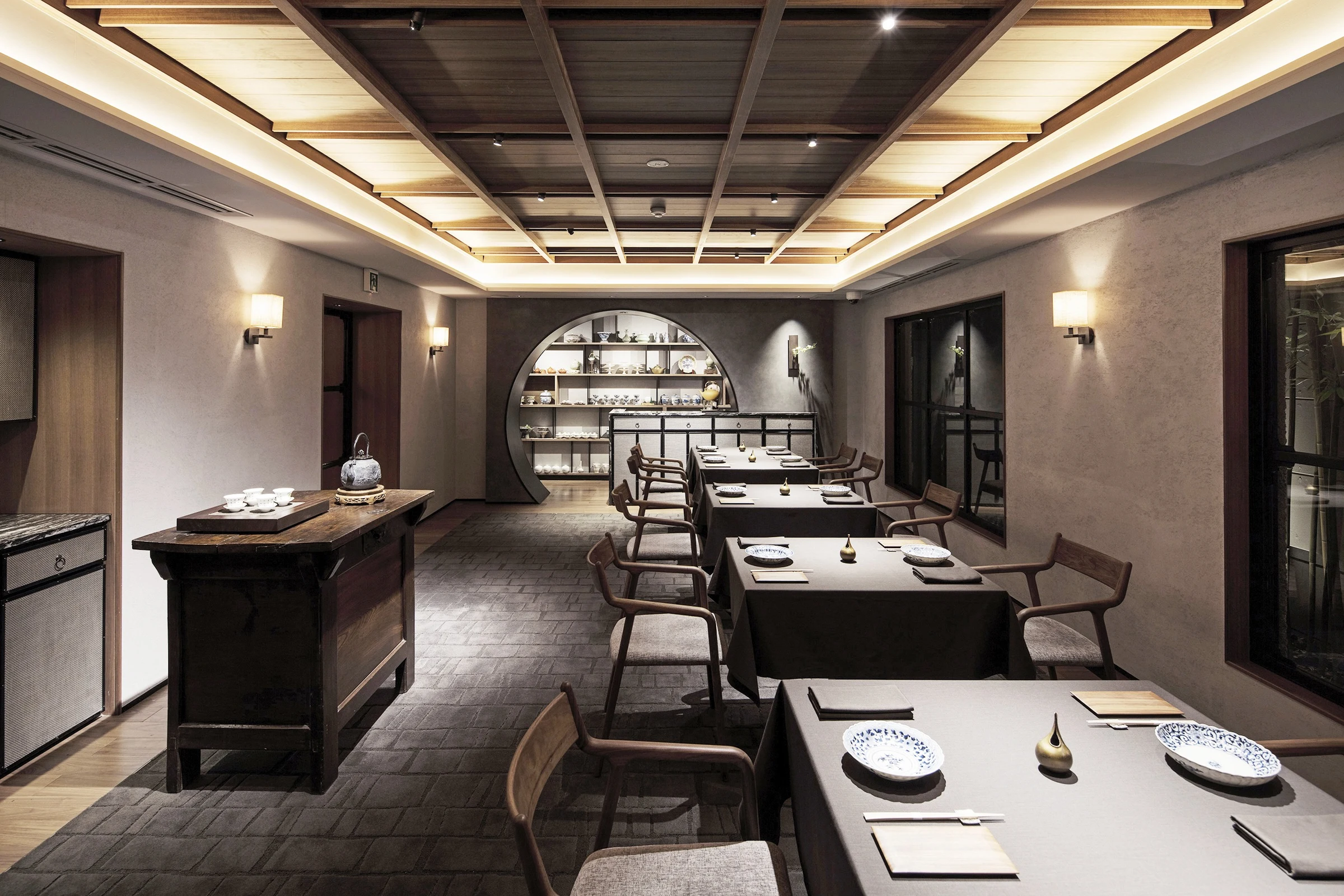
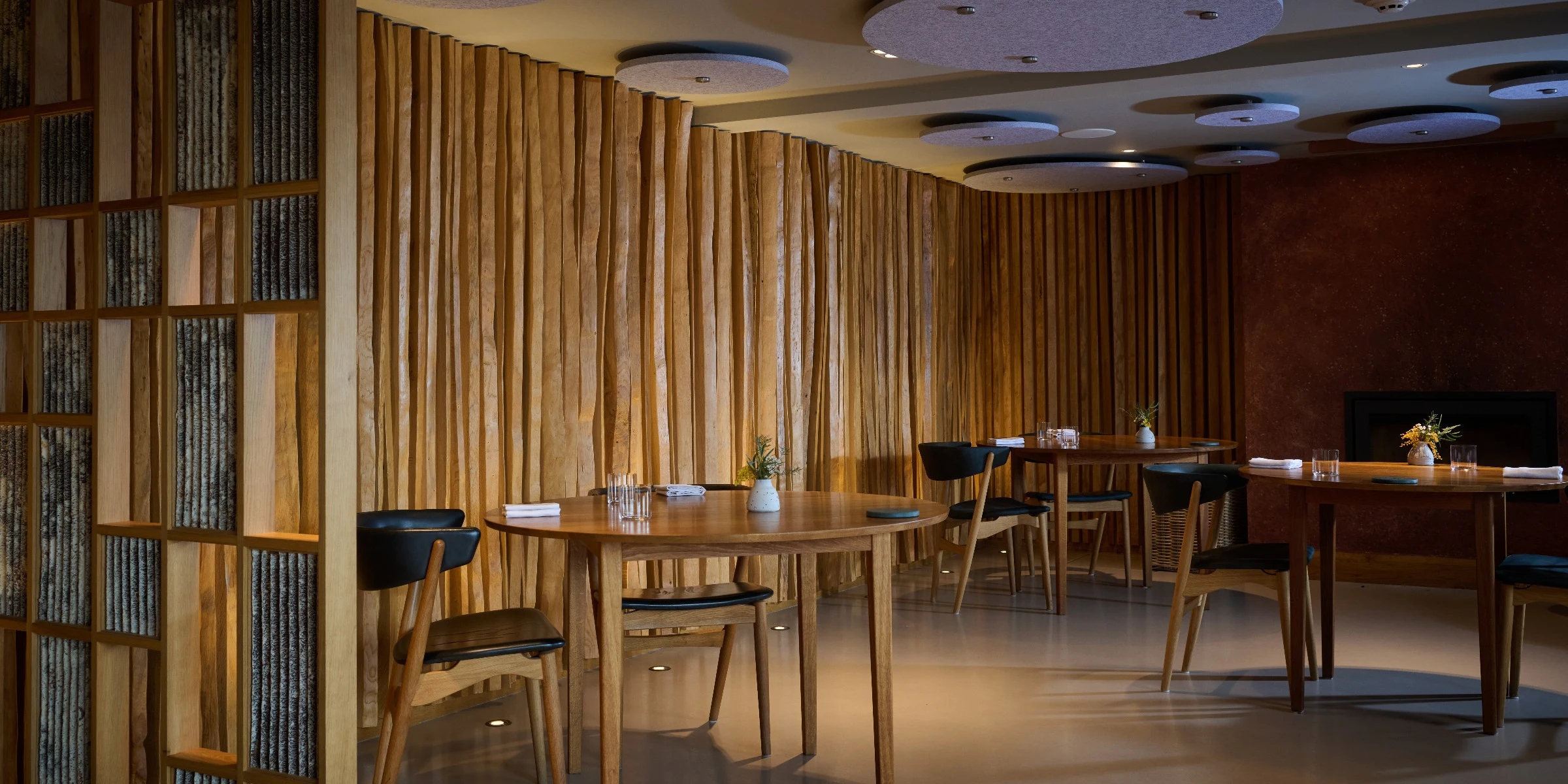
At the counter, the room narrows attention to the pass between Daimon’s hands and the guest. Reviewers often describe omakase here in long arcs, with meals running to many dishes, but the useful texture is more intimate than the count. The counter gives the work a short distance to travel. Rice is seasoned, formed and paired; Toyama Bay returns in successive cuts; the guest sees the logic of the place without needing it announced. The atmosphere is often remembered as warm, which matters in a sushi room where precision can easily become stiff. Daimon’s manner at the counter lets the discipline stay visible without hardening into display.
Locality as the lasting measure
Sushi Daimon’s place in Uozu is not incidental to the craft. The city enters through the aged Koshihikari, through the bay, and through the decision to keep the restaurant’s identity tied to those materials since 2012. Daimon’s earlier training in Otaru and Sapporo gave him a broader apprenticeship, but the work here has settled into a local grammar. If the restaurant continues to be followed, it should be through the recurring alignment of Toyama Bay seafood, three vinegars and Uozu Koshihikari.
Questions
Frequently asked
Who leads Sushi Daimon?
Chef Taro Daimon leads Sushi Daimon in Uozu. He opened the restaurant in 2012 after training and working in several other kitchens.
What is Sushi Daimon known for?
The restaurant is known for sushi built from aged Uozu Koshihikari rice, three vinegars and Toyama Bay seafood.
What kind of recognition has Sushi Daimon received?
Sushi Daimon has received Michelin-star recognition for two consecutive years.
What is the dining style like at the counter?
The counter keeps the focus on the work between Daimon’s hands and the guest, with omakase often described as running through many dishes. The atmosphere is often remembered as warm.
The field
How it compares
| Place | Cuisine | Awards | Notes |
|---|---|---|---|
| Sushi Daimon | Sushi | · | · |
| Coque | Modern Spanish Fine Dining | Michelin 2 Stars | Madrid |
| Providence | Modern Seafood Fine Dining | Michelin 3 Stars, World's 50 Best | Los Angeles |
| Sazenka | Modern Chinese Fine Dining | Michelin 3 Stars, World's 50 Best | Tokyo |
| The Angel | Modern British-Japanese Fusion | Michelin 1 Star | Hetton |
| The Fat Duck | Modern British Molecular Gastronomy | Michelin 3 Stars, World's 50 Best | Bray |
| The French Laundry | French-Californian Fine Dining | Michelin 3 Stars, World's 50 Best | Napa |
In residence
Similar places
Modern Spanish Fine Dining
Coque
Madrid, Spain
★★
Modern Seafood Fine Dining
Providence
Los Angeles, United States
★★★ · 50 Best
Modern Chinese Fine Dining
Sazenka
Tokyo, Japan
★★★ · 50 Best
Modern British-Japanese Fusion
The Angel
Hetton, United Kingdom
★
Modern British Molecular Gastronomy
The Fat Duck
Bray, United Kingdom
★★★ · 50 Best
French-Californian Fine Dining
The French Laundry
Napa, United States
★★★ · 50 Best