i. Biography
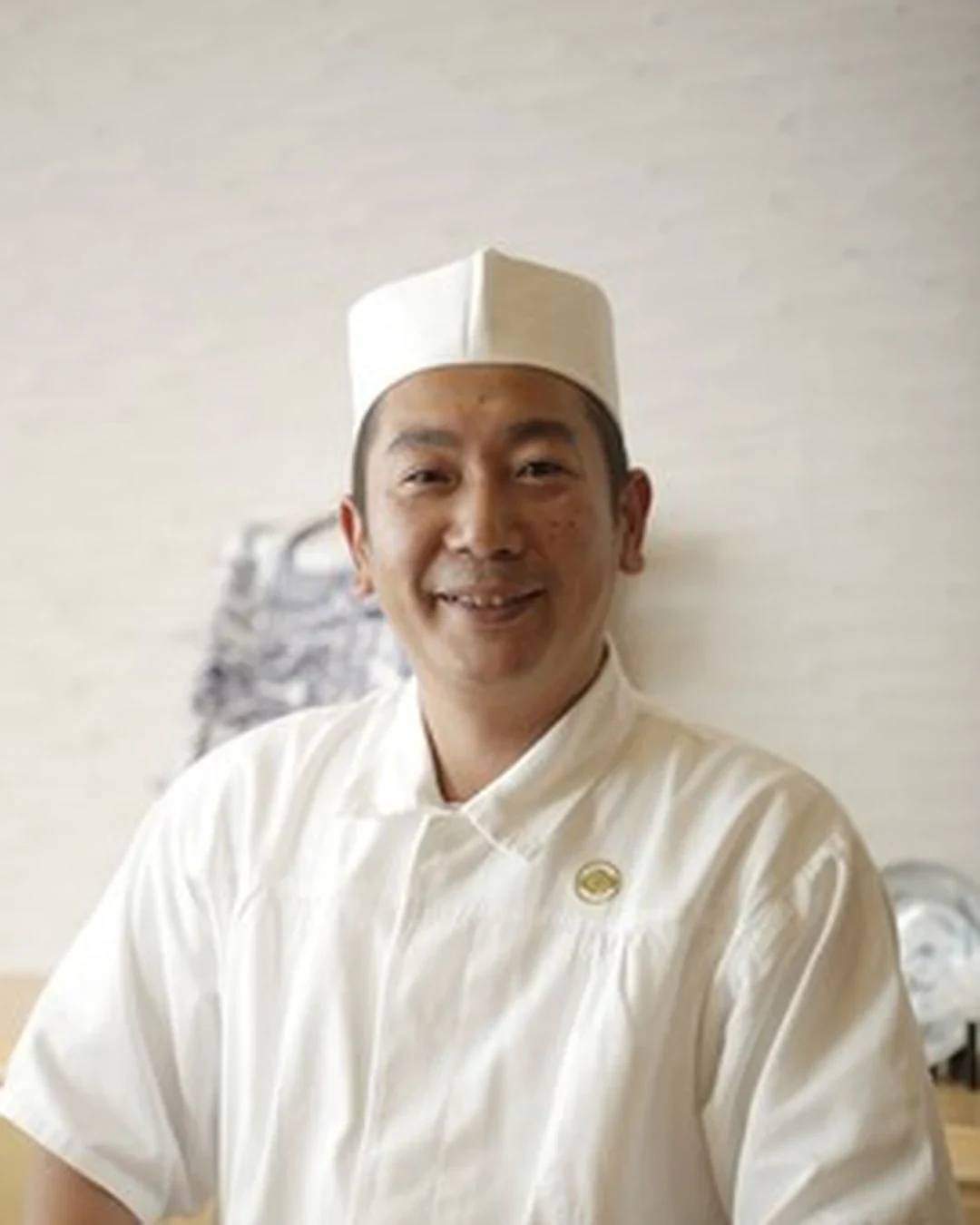
Chef Taro Daimon has built a style of sushi grounded in place rather than display. At Sushi Daimon in Uozu, Japan, which opened in 2012, that approach takes shape through Toyama Bay seafood, aged Uozu Koshihikari rice, and seasoning with three vinegars. Those choices give the restaurant a clear local identity, and they also helped bring Michelin-star recognition for two consecutive years.
The Path
Sushi training here is shaped by repetition, successive kitchens, and an ordered progression through different kinds of work. Daimon started as a part-time worker at a sushi restaurant, then moved to a traditional Japanese restaurant, where the discipline of the craft would have been reinforced in a broader setting. He then trained at a long-established sushi restaurant in Otaru, Hokkaido, before continuing as a trainee at Sushi Zen in Sapporo. Each stop added to a method built on patience, continuity, and close attention to detail. Daimon did not arrive with a disruptive style; he brought a background shaped by inherited methods, precision, and restraint. Since 2012, that training has been expressed through the restaurant he leads in Uozu.
The Work Today
Since 2012, Daimon has led Sushi Daimon in Uozu, Japan, where the restaurant’s identity is defined by a narrow set of choices made with care. Toyama Bay seafood, aged Uozu Koshihikari rice, and a seasoning approach built around three vinegars give the work a specific regional profile. The result is a kitchen where technique is measured by how well those elements are held in balance. Rice carries much of that identity. As aged Uozu Koshihikari, it already points to the locality before seasoning enters the picture; with three vinegars, it is shaped by a deliberate balance that keeps the shari controlled and exact. Paired with Toyama Bay seafood, it gives Sushi Daimon a style tied closely to its region, while also reflecting the precision of Daimon’s hand.
Career - chef — Sushi Daimon, Uozu, Toyama (2012–present) - part-time worker — a sushi restaurant - worker — a traditional Japanese restaurant - trainee — a long-established sushi restaurant, Otaru, Hokkaido - trainee — Sushi Zen, Sapporo
Acclaim
Michelin-star recognition for two consecutive years placed Sushi Daimon within the wider conversation around sushi in Uozu and Toyama. The recognition follows the work itself: the years of training, the step-by-step progression through different kitchens, and the decision to settle in 2012 at the restaurant Daimon opened and continues to lead. In that sense, the acclaim reads as confirmation of a practice already shaped by discipline, locality, and consistency.
FAQ Where did Taro Daimon work before? Taro Daimon's earlier career included a sushi restaurant, a traditional Japanese restaurant, and a long-established sushi restaurant. What is Taro Daimon known for? uses aged Uozu Koshihikari rice seasoned with three vinegars.