Sushi Masaaki
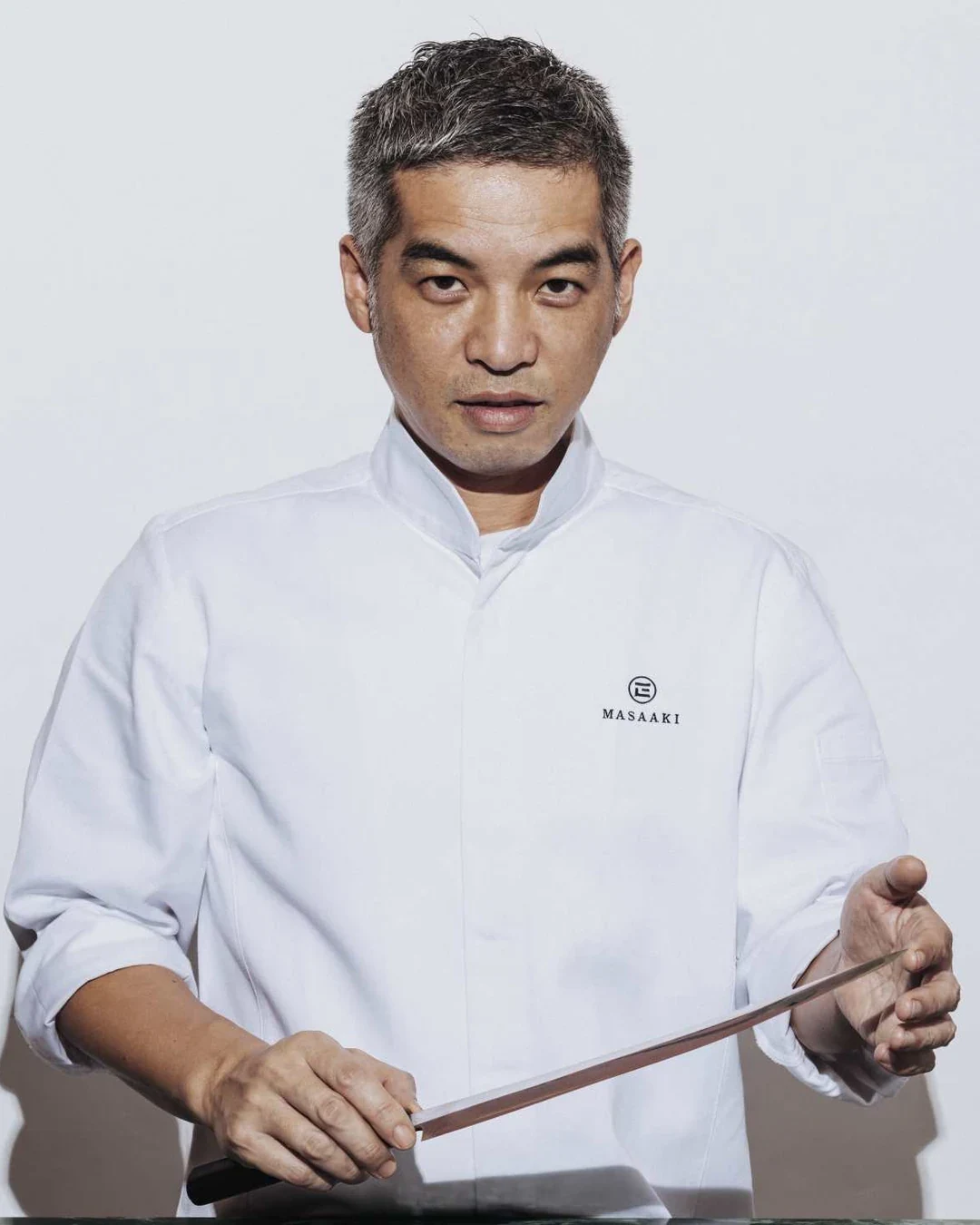
In Residence
Masaaki Sakashita
Chef
- 01CuisineModern Japanese Omakase
- 02CitySingapore, Singapore
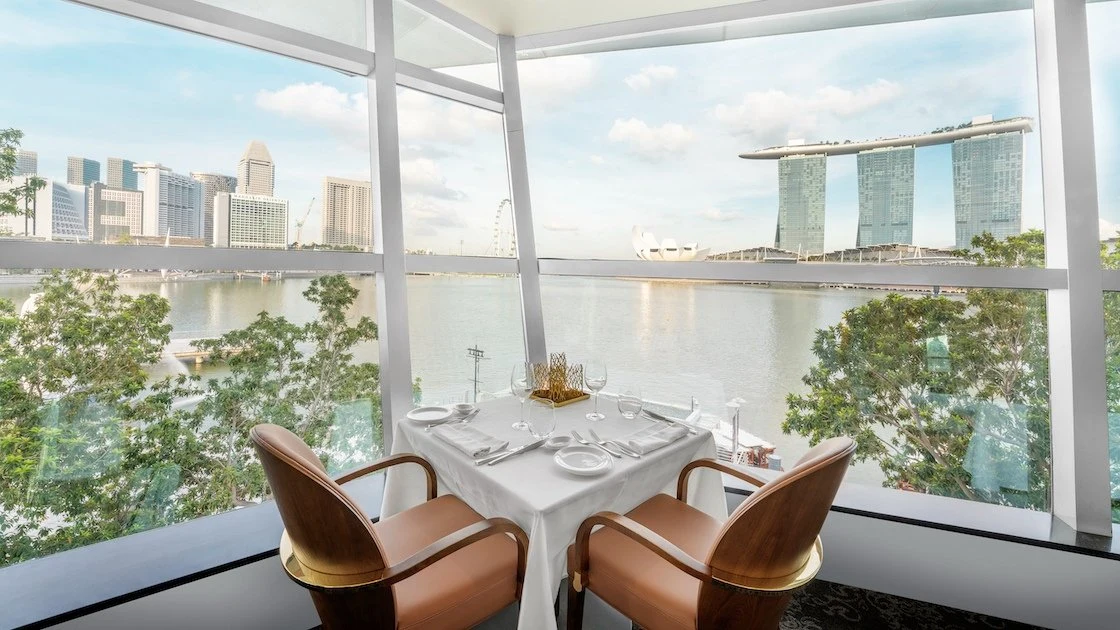
Akazu rice at a hinoki counter
- Michelin Guide Plate · 2026
- Opinionated About Dining Top Restaurants in Asia Recommended · 2026
- Opinionated About Dining Top Restaurants in Asia Ranked #229 · 2025
- Opinionated About Dining Top Restaurants in Asia Ranked #139 · 2024
- Michelin Plate · 2024
- Opinionated About Dining Top Restaurants in Japan Highly Recommended · 2023
- Opinionated About Dining Top Restaurants in Asia Ranked #113 · 2023
The same hands at the counter
The knife work stays close to the guest as Chef Masaaki Sakashita works at Sushi Masaaki in Central Area, Singapore, setting each course from the omakase bar rather than sending it from a hidden pass. Since 2020, he has held the combined role of chef and owner here, which keeps authorship and service under one discipline. Born in Kyoto and raised beside the Kamo River, Sakashita entered fine Japanese cooking at 18, then worked as chef at Hashida Sushi and Ishi before opening the restaurant that carries his name. That path shows in the way the meal is built: close handling, controlled timing, and a preference for composition that does not crowd the fish. The room may carry contemporary flourishes, but the station is old in its demands. Rice, fish, heat, vinegar, seasoning, and the guest’s pace all have to land in sequence. Sakashita keeps those decisions at the bench.
Akazu, Toyosu fish, and fast decisions
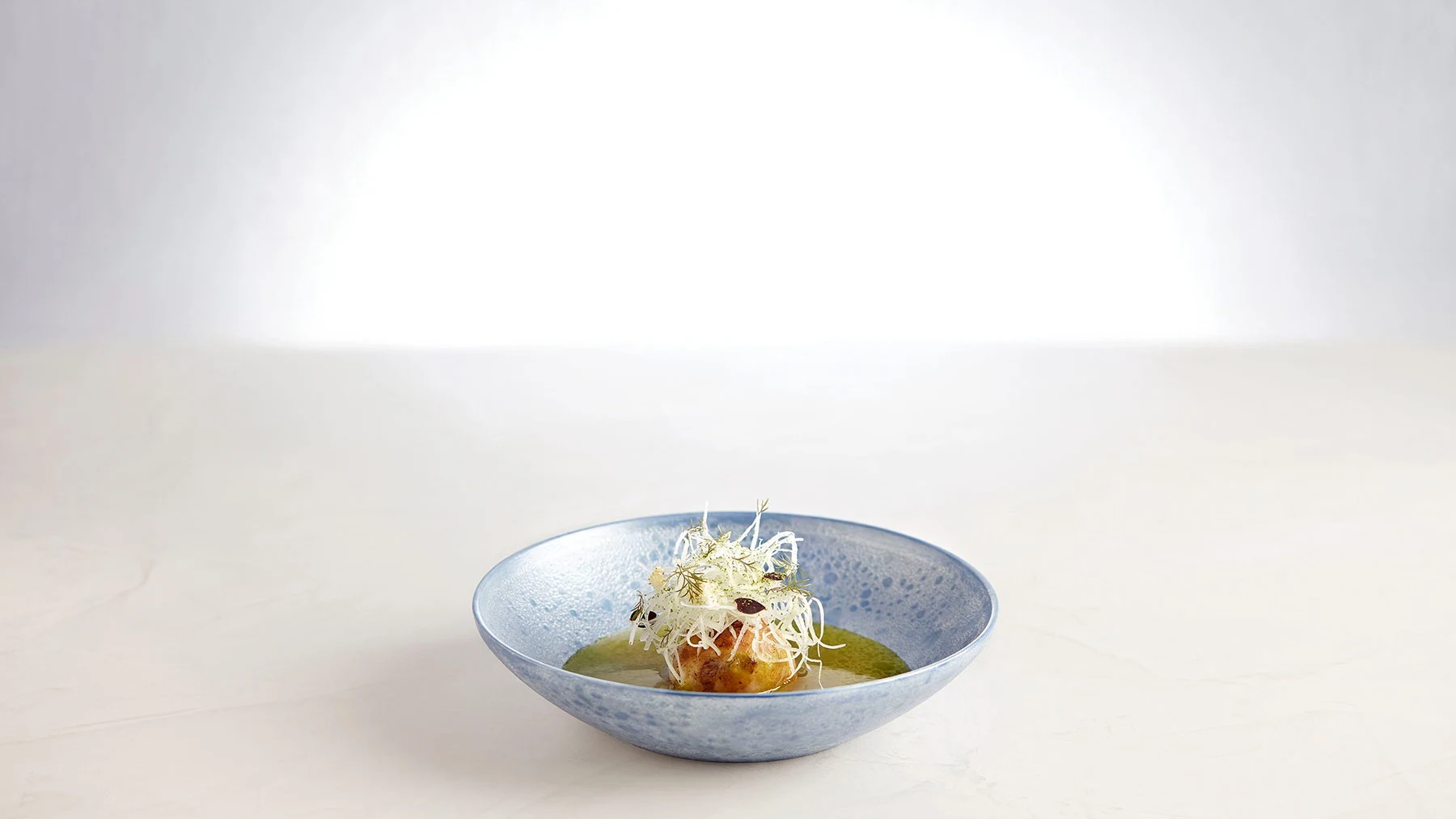
The program is omakase only, with seasonal ingredients from Toyosu Market and a method that favors quick preparation over extended handling. The sushi rice uses Hokkaido rice seasoned with three-year-aged red vinegar, giving it a darker cast and a firm chew at the grain. That rice carries some of the restaurant’s more personal combinations: triple-decked shima aji, ankimo with pickled watermelon, and uni cake with hairy crab. Chawanmushi with uni sits in the same language, softer in temperature and texture but still built around contrast. Sakashita also works with heat as a brief intervention, as in kinki cooked in kombu dashi for three seconds, or grilled items touched by bincho charcoal. The point is not novelty by itself. It is the ability to hold fat, acid, sweetness, smoke, and brine in a small form without losing the line of the fish.
The Sunday letter
Find new places through the people who run them.
Our Sunday email brings you the chefs, winemakers and hoteliers behind our newest stories. See a sample before you subscribe.
See a sample of the Sunday emailOne email a week. Unsubscribe from any issue.
Hinoki under the hand
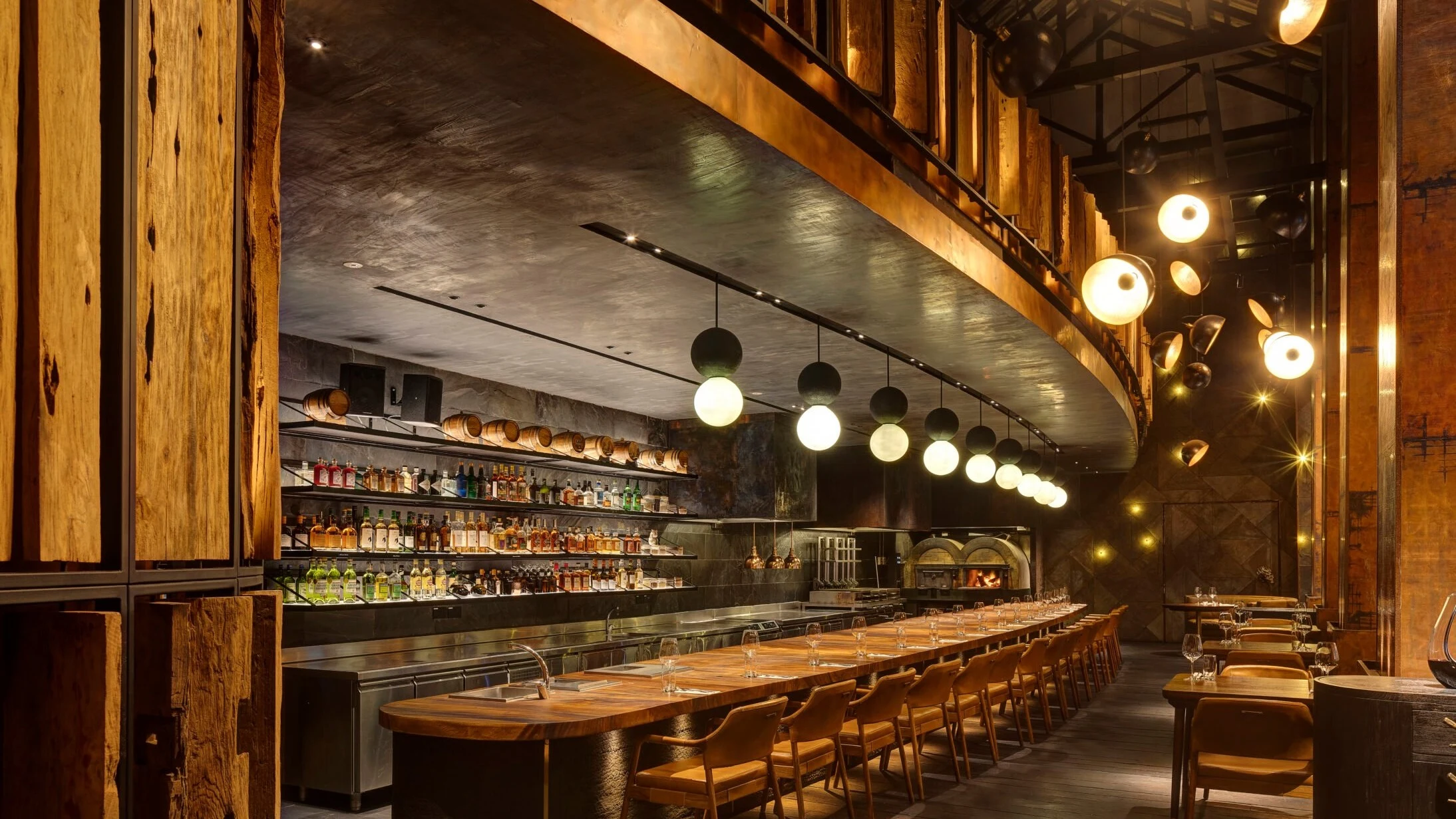
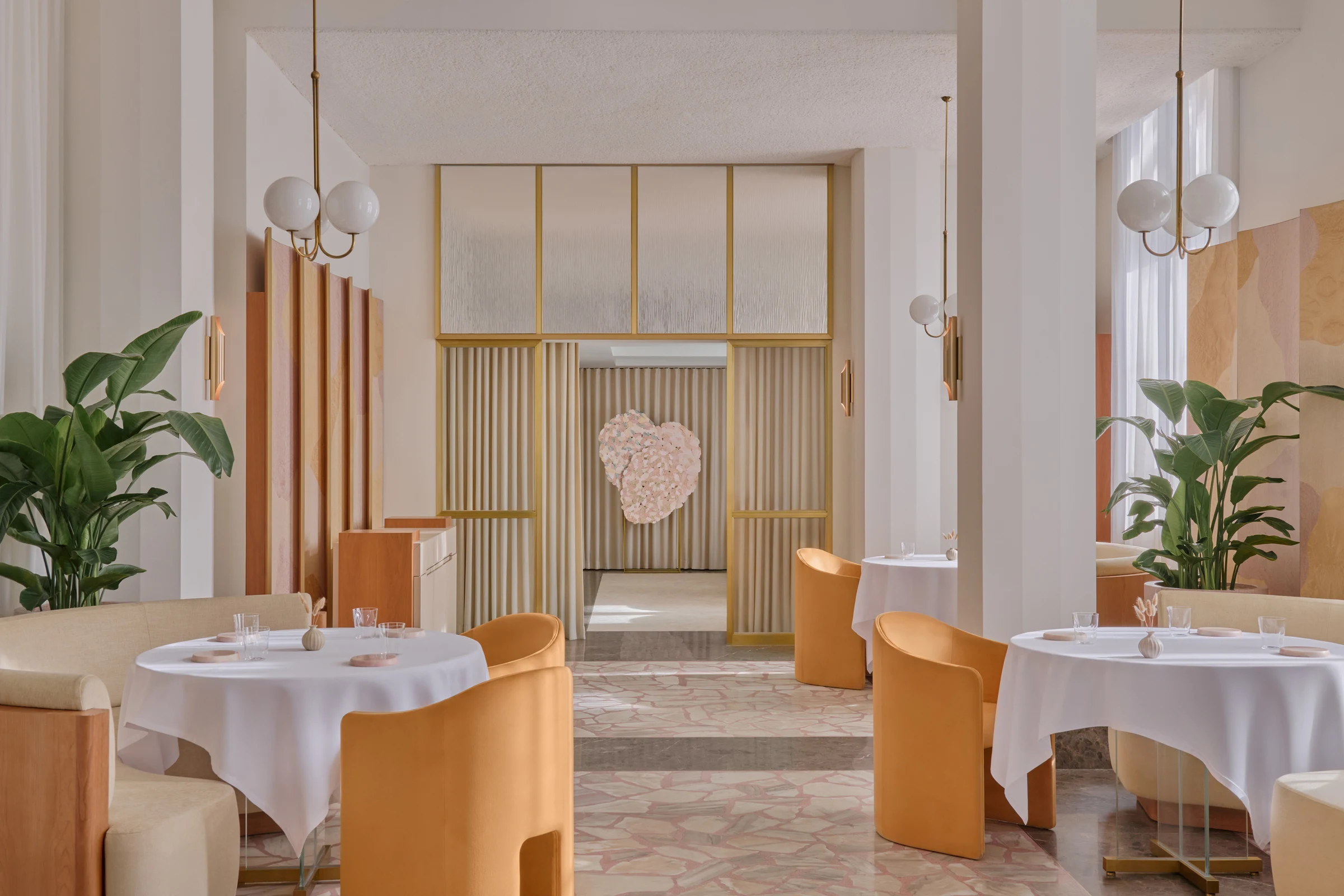
The counter is made from 250-year-old hinoki wood, and the choice matters because the restaurant is organized around proximity. Guests sit close enough to watch the slicing, the brushing, the lifting of rice, the final adjustment before a piece leaves the hand. Around that bench, the room steps away from strict sushiya austerity: soft pink Gucci crane wallpaper, washi sheets hung like clouds, bright lighting, and a warmth that lets conversation enter service without loosening it. The noise stays quiet. The counter does most of the talking.
A named house, not a borrowed one
Sushi Masaaki does not read as a chef’s stop between other houses. Since 2020, Sakashita has tied the restaurant’s name, room, and daily output to his own standard, after earlier chef posts at Hashida Sushi and Ishi. The signatures to follow at Sushi Masaaki are already plain on the counter: ankimo handroll, chawanmushi with uni, and the uni cake with hairy crab.
Questions
Frequently asked
Who is behind Sushi Masaaki?
Chef Masaaki Sakashita is the chef and owner of Sushi Masaaki, and he has held both roles there since 2020. He was born in Kyoto, raised beside the Kamo River, and worked at Hashida Sushi and Ishi before opening the restaurant.
What kind of restaurant is it?
Sushi Masaaki is a modern Japanese omakase restaurant in Singapore’s Central Area. The meal is built at the counter, with the chef working directly in front of guests rather than sending courses from a hidden pass.
What does the omakase focus on?
The omakase is seasonal and uses ingredients from Toyosu Market. The cooking style favours quick preparation and close handling, with Hokkaido rice seasoned with three-year-aged red vinegar and dishes that balance fish, heat, vinegar, seasoning, and texture.
What dishes are known here?
The restaurant’s signatures include uni cake with hairy crab, ankimo handroll, and chawanmushi with uni. The page also names triple-decked shima aji, ankimo with pickled watermelon, kinki cooked in kombu dashi for three seconds, and grilled items touched by bincho charcoal.
What should visitors know before booking?
Reservations are essential, and bookings are handled through SevenRooms. The dress code is smart casual, and the restaurant is open daily for lunch from 12pm to 3pm and dinner from 6pm to 11pm.
The field
How it compares
| Place | Cuisine | Notes | Awards |
|---|---|---|---|
| Sushi Masaaki | Modern Japanese Omakase | CITY HALL, $$$$ | · |
| Born | Contemporary Fusion Fine Dining | Singapore | Michelin 1 Star, World's 50 Best |
| Burnt Ends | Modern Australian Barbecue | Singapore | Michelin 1 Star, World's 50 Best |
| Jaan by Kirk Westaway | Modern British Fine Dining | Singapore | Michelin 2 Stars, World's 50 Best |
| Les Amis | Classic French Haute Cuisine | Singapore | Michelin 3 Stars, World's 50 Best |
| Odette | Modern French Fine Dining | Singapore | Michelin 3 Stars, World's 50 Best |
| Zén | Neo-Nordic with Japanese Influences | Singapore | Michelin 3 Stars, World's 50 Best |
In residence
Similar places
Contemporary Fusion Fine Dining
Born
Singapore, Singapore
★ · 50 Best
Modern Australian Barbecue
Burnt Ends
Singapore, Singapore
★ · 50 Best
Modern British Fine Dining
Jaan by Kirk Westaway
Singapore, Singapore
★★ · 50 Best
Classic French Haute Cuisine
Les Amis
Singapore, Singapore
★★★ · 50 Best
Modern French Fine Dining
Odette
Singapore, Singapore
★★★ · 50 Best
Neo-Nordic with Japanese Influences
Zén
Singapore, Singapore
★★★ · 50 Best
The Sunday letter
Get the next Made By story in your inbox.
We send one email every Sunday morning with the places and people we covered that week.
See a sample of the Sunday emailOne email a week. Unsubscribe from any issue.